Whether a Bloodhound’s Haw Should Be Rinsed
That adorable, soulful gaze of a Bloodhound is one of their most defining characteristics, but it comes with its own set of care challenges. Those wonderful, droopy eyelids and the prominent "haw" (which is actually part of their third eyelid or nictitating membrane) can make owners wonder exactly how to keep them clean and healthy. It’s not uncommon to stare at your Bloodhound’s eyes and wonder if you should be regularly rinsing that exposed pink tissue, especially when you see them tracking through dusty fields or coming in from a romp in the woods. This guide is here to demystify the best practices for Bloodhound eye care, focusing on that distinctive haw and whether rinsing it is truly necessary or even advisable.
Understanding the Bloodhound's Unique Eye Anatomy
Bloodhounds are distinct, not just in their incredible noses, but in their very structure. Their famously loose skin and deep-set eyes are central to their breed standard, yet they also introduce unique considerations for daily care. That relaxed skin often leads to eyelids that don't fit quite as snugly as in many other breeds, which directly impacts their eye health and what you might see.
What is the Haw and Why is it Prominent?
First, let's clarify what we're talking about when we mention the "haw." In canine anatomy, the haw is the common term for the third eyelid, or nictitating membrane. Most dogs have a third eyelid, which is a protective, semi-transparent membrane that can sweep across the eye, often visible only when they are sleeping, startled, or under the weather. In Bloodhounds, however, due to their breed-specific conformation—that wonderfully loose skin and those famously droopy lower eyelids—their haw can be noticeably prominent. You might see a pinkish or reddish membrane consistently visible in the corner of their eye, sometimes even extending across a portion of the eyeball itself. This isn't usually a sign of a problem, but rather a normal characteristic for many Bloodhounds.
This prominence isn't just for show; it's thought to offer an extra layer of protection for their eyes as they push through underbrush while trailing. However, this constant exposure also means the delicate tissue is more vulnerable to drying out, dust, and minor irritations than in breeds where the third eyelid is rarely seen. It's a double-edged sword: a protective feature that also demands diligent care.
The Role of Loose Eyelids in Bloodhound Health
The loose skin around a Bloodhound's face, specifically those heavy brows and droopy lower eyelids, often leads to a condition called ectropion. This is where the lower eyelid rolls outward, exposing the delicate conjunctiva and the haw even more than usual. While a degree of ectropion is considered characteristic for the breed and contributes to their distinctive mournful expression, excessive ectropion can lead to chronic irritation, dryness, and a higher risk of infection. You can read more about this in What Ectropion Looks Like on a Bloodhound.
This anatomical quirk means a Bloodhound's eyes are inherently more exposed to the environment. Dust, dirt, pollen, and even stray hairs can find their way into the exposed lower lid and sit there, potentially causing discomfort or leading to more serious issues. For owners, this translates to a proactive approach to eye hygiene. It's not just about aesthetics; it's about preventing discomfort and potential medical issues that can arise from this unique conformation. Understanding this predisposition is the first step in providing appropriate care.
The Importance of Regular Eye Care for Bloodhounds
Given their unique eye structure, regular and mindful eye care is not just a suggestion for Bloodhounds—it’s a necessity. Skipping out on a routine can quickly turn a minor irritation into a full-blown problem that requires veterinary intervention. We're talking about preventing a host of discomforts and potential health issues that can impact their quality of life.
Common Environmental Irritants
Bloodhounds, with their noses to the ground, spend a lot of time exploring environments full of things that can irritate their eyes. Think about it: they're pushing their faces into tall grass, sniffing along dusty trails, and even rooting around in garden beds. All of these activities expose their eyes to a constant barrage of environmental irritants. Pollen, grass seeds, dust, small twigs, and even chemical residues from fertilizers or cleaning products can easily get trapped in their exposed lower eyelids or on the surface of the eye.
These irritants can cause immediate discomfort, leading to redness, excessive tearing, and pawing at the face. Over time, chronic exposure can lead to inflammation, conjunctivitis, and secondary bacterial infections. Imagine having a piece of grit under your eyelid all day – that’s the kind of irritation your Bloodhound might experience if their eyes aren’t regularly checked and cleaned. It's truly a frustration when you see them rubbing their face against the carpet, knowing it's because something is bothering their sensitive eyes.
The Risk of Debris and Allergens
Beyond simple irritants, the Bloodhound's eye structure also makes them more susceptible to foreign bodies and allergens. Those loose lower eyelids, while characteristic, create little pockets where debris can collect. A tiny seed, a speck of sand, or even a piece of their own shedding hair can settle in the conjunctival sac, causing constant friction against the cornea. This friction can lead to corneal abrasions or ulcers, which are painful and require immediate veterinary attention. Signs a Bloodhound Has a Corneal Ulcer offers more insight into this serious condition.
Furthermore, many Bloodhounds can be prone to environmental allergies, and their eyes are often one of the first places to show symptoms. Just like people, they can get itchy, watery eyes from pollen or dust mites. When these allergens settle into the exposed areas of their eyes, the reaction can be magnified, leading to persistent discomfort. Regular cleaning helps to physically remove these allergens before they have a chance to cause a severe reaction, providing a bit of relief in a world full of triggers.
Tear Staining and Hygiene Concerns
You might have noticed reddish-brown tear staining on your Bloodhound’s face, especially along the lower lid and sometimes extending into their facial folds. While not always indicative of a serious problem, tear staining is a clear sign that moisture is pooling in these areas, creating a damp environment. This dampness, combined with the normal bacteria and yeast that live on the skin, can lead to unpleasant odors, skin irritation, and even infections in the folds around the eyes and muzzle.
The constant moisture from tears, whether due to environmental irritants or a natural predisposition to tear excessively, is a breeding ground for problems. This isn't just an aesthetic issue; it's a hygiene concern. Neglected tear staining can develop into a form of skin fold dermatitis, which can be itchy, painful, and require medicated treatment. So, part of regular eye care is not just cleaning the eye itself but also keeping the surrounding skin dry and free from accumulated moisture and debris.
To Rinse or Not to Rinse: The Haw's Specific Needs
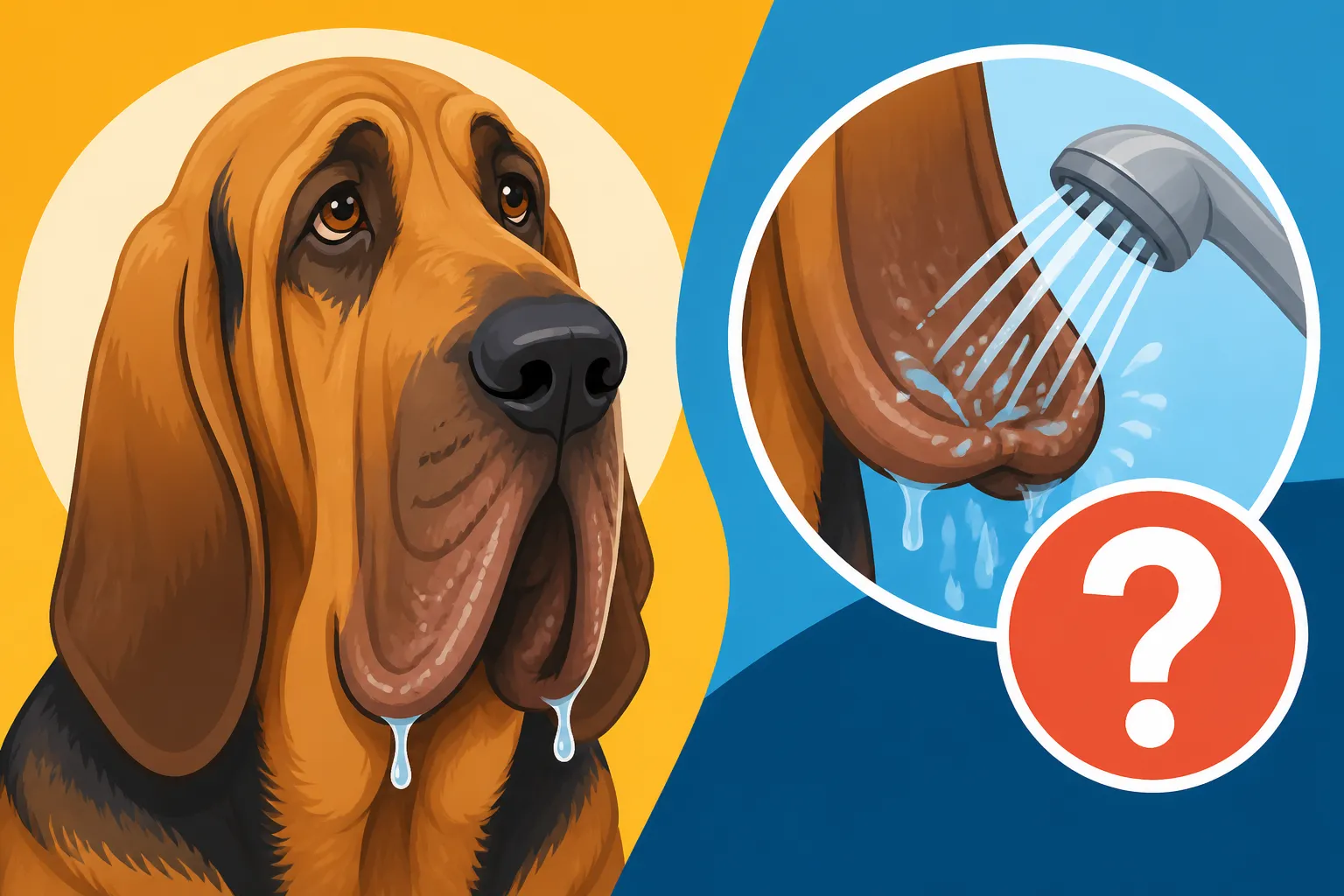
Now to the core question: should you be rinsing your Bloodhound’s haw? The answer, like many things in Bloodhound care, is nuanced. For routine, daily care, direct rinsing of the haw with water or even many commercial solutions isn't typically necessary or even the best approach. However, there are specific situations where a gentle rinse around the eye area might be beneficial, and others where it's absolutely crucial.
When Rinsing is Appropriate and What to Use
For routine daily care, direct rinsing of the haw itself is rarely recommended. The haw is a part of the eye's natural protective mechanism, and constantly flushing it can disrupt the delicate balance of tears and protective flora. However, if your Bloodhound has come in from a particularly dusty or muddy environment, or if you notice a visible piece of debris in the corner of their eye or trapped in the lower lid, a gentle flush around the eye area can be appropriate.
In these cases, the key is to use a sterile, saline-based eye wash specifically formulated for dogs. These are isotonic, meaning they have a salt concentration similar to your dog’s natural tears, making them gentle and non-irritating. Avoid using tap water, which can contain chlorine or other chemicals that might irritate the eye, and is not sterile. Never use human eye drops or solutions unless directed by a vet, as their pH or ingredients might not be suitable for canine eyes. Products like saline eye washes can be found readily on platforms like Chewy or Amazon, making them easy to acquire for your at-home first aid kit. Remember, this is for occasional flushing to remove obvious foreign material, not a daily ritual for the haw itself.
When Rinsing Can Be Detrimental
While occasional flushing with appropriate saline solution can be helpful, over-rinsing or using the wrong type of solution can actually do more harm than good. Excessive rinsing can wash away the natural tear film that protects the eye, leading to dryness and irritation. This protective layer contains enzymes and antibodies that fight off infection, and disturbing it too often can leave the eye more vulnerable.
Furthermore, using non-sterile water, harsh chemicals, or even solutions designed for human eyes can introduce bacteria, alter the eye's pH, or cause chemical irritation. If you're constantly rinsing, and your Bloodhound's eyes still appear red, watery, or irritated, it's a sign that something else is going on, and continued rinsing isn't the solution. It might even be masking a more serious underlying condition. This is especially true if you suspect an infection or a corneal injury, where certain rinses could exacerbate the problem or delay proper treatment. When in doubt, it’s always best to consult your veterinarian.
Daily Wiping vs. Rinsing
For the most part, a daily gentle wipe of the area around your Bloodhound’s eyes and the exposed lower lid is far more effective and less invasive than routine rinsing. The goal is to keep the area clean and dry, preventing the buildup of tear stains, dirt, and moisture that can lead to irritation and infection.
This involves using a soft, clean, damp cloth or a pet-specific eye wipe to gently clean the skin around the eyes, wiping away any discharge or debris. Always wipe away from the eye, towards the nose, and use a fresh part of the cloth or a new wipe for each eye to prevent cross-contamination. Afterward, make sure to gently dry the area, especially the folds, to prevent moisture from lingering. This routine helps manage the consequences of their unique anatomy without disrupting the natural protective mechanisms of the eye itself. Think of it as preventative maintenance that you can do without fuss, often multiple times a day if your Bloodhound is particularly drooly or prone to getting dirty. How to Clean a Bloodhound's Eyes provides a detailed walkthrough of this routine.
Identifying Signs of Eye Irritation or Infection
Even with the most diligent care, Bloodhounds can still develop eye issues. Their anatomy makes them predisposed to certain problems, and it’s critical for owners to be vigilant and recognize the signs that something is amiss. Early detection often means easier treatment and a faster recovery for your beloved hound.
Redness, Swelling, and Discharge
These are some of the most common and obvious signs that your Bloodhound’s eyes are in distress. Redness can appear in the white of the eye (sclera) or on the conjunctiva, the pink tissue lining the eyelids. This inflammation often indicates irritation, allergies, or an infection. Swelling can affect the eyelids themselves, making them look puffy, or you might see swelling of the third eyelid, causing it to protrude more than usual.
Discharge from the eyes can vary greatly. A small amount of clear or watery discharge might be normal, especially after waking up or if they’ve been in a windy environment. However, if the discharge becomes thick, colored (yellow, green, or even white), or excessive, it’s a strong indicator of infection. If the discharge crusts up overnight or seems to glue their eyelids together, that's another red flag. A quick check of a healthy Bloodhound's eye will show it's clear and bright; any deviation from that should prompt concern.
Squinting and Pawing at Eyes
Behavioral changes are often the first clues that your Bloodhound is experiencing eye pain or discomfort. If your dog is squinting or holding one or both eyes partially closed, it's a clear sign of pain or sensitivity to light (photophobia). This is their natural way of trying to protect the eye from further irritation.
Another common behavior is pawing at their face or rubbing their eyes against furniture or the ground. While a quick scratch might be normal, persistent rubbing can cause further damage, especially if there's a foreign body or a corneal scratch present. If you observe these behaviors, it's crucial to stop them from self-traumatizing and inspect their eyes carefully. Don't assume it's just a fleeting itch; often, it's a cry for help for something more serious.
Changes in Tear Production
While Bloodhounds often have naturally watery eyes due to their conformation, a sudden or significant change in tear production warrants attention. Excessive tearing (epiphora) that goes beyond their normal wetness could indicate a blockage in the tear ducts, an irritation, an allergy, or even pain. The tears might be trying to flush out something irritating the eye.
Conversely, a lack of tears, leading to dry, dull-looking eyes, is also a serious concern. This can be a sign of "dry eye" (keratoconjunctivitis sicca or KCS), a condition where the tear glands don't produce enough lubricating tears. Dry eye is painful and, if left untreated, can lead to chronic irritation, corneal ulcers, and even blindness. Signs a Bloodhound Has Dry Eye will give you more details on what to look for. Both too many tears and too few tears can signal a problem, so pay attention to the quantity and quality of moisture around your Bloodhound’s eyes.
Best Practices for General Bloodhound Eye Health
Proactive care is the cornerstone of keeping your Bloodhound’s eyes healthy and happy. It's about establishing a routine, knowing what products are safe, and understanding when to call in the professionals. Taking these steps can save you and your furry friend a lot of discomfort and potentially costly vet visits down the line.
Choosing Safe Cleaning Solutions
When it comes to cleaning your Bloodhound’s eyes, simplicity and safety are key. As mentioned, for daily wiping, a soft, clean cloth dampened with plain warm water is often perfectly adequate. For more stubborn discharge or tear staining, there are many pet-specific eye wipes and gentle cleaning solutions available. Look for products specifically labeled for canine use, and ideally those that are pH-balanced and free of harsh chemicals, fragrances, or alcohol. Brands like Petkin and Vetericyn often offer good options that you can find at pet stores or online through retailers like Chewy or Amazon.
If you occasionally need to flush the eye (e.g., to remove visible debris), always use a sterile saline eye wash designed for animals. These mimic natural tears and are non-irritating. Avoid anything meant for humans unless explicitly told to use it by your vet, and never use hydrogen peroxide, alcohol, or medicated human eye drops. Always check the ingredients list and, if in doubt, consult your veterinarian before introducing a new product to your Bloodhound’s delicate eye area.
Here's a quick comparison of common eye care items:
| Product Type | Best Use Case | Pros | Cons |
|---|---|---|---|
| Warm Water & Cloth | Daily wiping of discharge, gentle cleaning | Readily available, cost-effective, very gentle | Not sterile, less effective for stubborn stains, no active ingredients |
| Pet Eye Wipes | Daily cleaning, tear stain management, travel | Convenient, pre-moistened, often contain mild cleansing agents | Can be costly, some brands may contain irritants, not for flushing |
| Sterile Saline Wash | Flushing debris, soothing irritated eyes | Sterile, isotonic, safe for direct eye contact, good for emergencies | Not for daily wiping, can be overused, only physically removes irritants |
| Medicated Eye Drops/Ointments | Prescribed for infections, dry eye, allergies | Targeted treatment for specific conditions, veterinarian-approved | Requires vet prescription, improper use can cause resistance or harm |
Establishing a Gentle Eye Care Routine
Consistency is crucial for Bloodhound eye care. Aim for a daily routine, perhaps after their morning walk or before bed. This isn't just about cleaning; it's also an opportunity to visually inspect their eyes for any changes.
- Preparation: Gather your supplies: a soft, clean cloth or pet eye wipes, and perhaps a sterile saline solution if you anticipate needing it.
- Approach: Gently approach your Bloodhound. Start by petting them to keep them relaxed. Many Bloodhounds are wonderfully tolerant, but teaching them to accept eye handling from a young age is invaluable.
- Wiping: Using your chosen wipe or damp cloth, gently clean the area around the eye. Pay special attention to the inner corner where discharge tends to collect and the folds of the lower eyelid. Wipe away from the eye. Use a fresh portion of the cloth or a new wipe for each eye to prevent spreading any potential infection.
- Drying: Gently pat the cleaned area dry with a separate, clean, soft cloth. This is especially important for the deep folds to prevent moisture-related skin issues.
- Inspection: While cleaning, take a moment to look closely at their eyes. Are they clear? Is there any redness? Excessive tearing? Any new discharge or changes in the haw?
- Reward: Always end with praise and a small treat to make the experience positive.
This routine, while seeming simple, is powerful in preventing problems. Daily Eye Care for a Bloodhound goes into even more detail on how to perform these steps effectively. Remember that consistency will make it a routine your Bloodhound accepts easily.
When to Seek Veterinary Help
Even with the best at-home care, sometimes professional intervention is necessary. You should always contact your veterinarian if you observe any of the following signs:
- Persistent Redness or Swelling: If the redness or swelling doesn't improve within a day or two of gentle cleaning, or if it worsens.
- Thick, Colored Discharge: Yellow, green, or white discharge almost always indicates an infection requiring antibiotics or other medicated treatment.
- Squinting, Pawing, or Light Sensitivity: These are signs of pain, which could indicate a corneal ulcer, foreign body, or severe inflammation. Don't delay in seeking help, as corneal ulcers can progress rapidly and lead to vision loss. Whether a Bloodhound's Corneal Ulcer Is an Emergency highlights the urgency.
- Visible Foreign Body: If you can see something stuck in your Bloodhound's eye that you cannot easily and gently flush out with sterile saline.
- Changes in Haw Appearance: If the haw seems more prominent than usual, severely swollen, or has a different color. This could indicate a deeper issue, like a "cherry eye" (prolapse of the gland of the third eyelid), which would require a vet to assess and potentially correct.
- Sudden Blindness or Vision Changes: Any indication that your Bloodhound is bumping into things or showing disorientation could be a serious eye issue.
Your veterinarian can properly diagnose the problem, whether it's an infection, an allergic reaction, dry eye, or a structural issue like severe ectropion or entropion, and prescribe the appropriate treatment. They may even refer you to a veterinary ophthalmologist for specialized care if needed. Never hesitate to call your vet if you're concerned about your Bloodhound’s eyes; their vision is too precious to take chances.
Disclaimer
This article is for general informational purposes only and does not constitute professional advice. Laws, prices and regulations vary by location and change over time. Consult a qualified professional for guidance on your specific situation.