Whether Soaking a Bloodhound’s Kibble Helps
As Bloodhound owners, we often find ourselves poring over every detail of our hounds' care, especially when it comes to their diet and health. One question that pops up again and again, often whispered with a hint of worry, is about feeding kibble: does soaking it actually help our big, lovable droolers? This guide dives deep into the practice of hydrating kibble, exploring the reasons owners consider it, the potential benefits, any drawbacks, and whether it truly makes a difference for our Bloodhounds.
The Deep Dive into Soaking Kibble: Why Bloodhound Owners Consider It
The idea of soaking kibble isn't a new one, but it's gained traction over the years, particularly among owners of large, deep-chested breeds like our Bloodhounds. The concerns are real and valid: we want to ensure our dogs are getting adequate hydration, that their food is easy to digest, and, perhaps most pressingly, that we're doing everything we can to mitigate serious health risks. It's a natural instinct to want to optimize every aspect of their mealtime.
Softening for Easier Digestion and Palatability
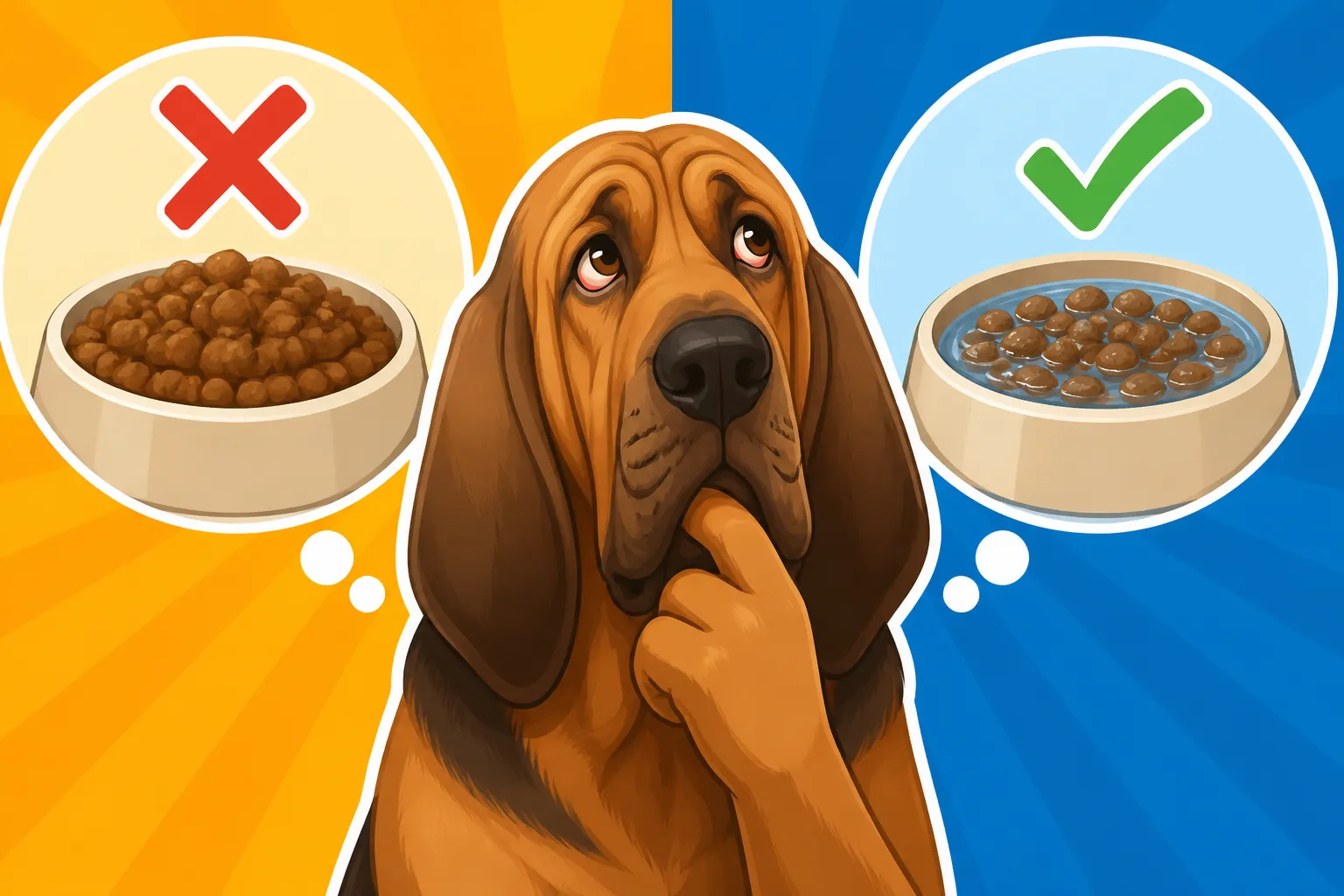
One of the most immediate and visible benefits of soaking kibble is that it softens considerably. For a Bloodhound, this can be appealing for a few reasons. Puppies transitioning from milk or soft food to harder kibble might find the softer texture easier on their developing teeth and gums. Older Bloodhounds, who might be facing dental issues, missing teeth, or sensitive mouths, often struggle with hard, crunchy kibble. Soaking provides a gentler option that allows them to eat comfortably and thoroughly.
Beyond dental comfort, softening the food can aid digestion. When food is already saturated with water, the digestive system theoretically has less work to do to break it down. For a Bloodhound that tends to inhale its food, a softened meal might encourage a slightly slower pace, or at least ensure that large, unchewed pieces aren't hitting the stomach dry. This can be especially beneficial for dogs with sensitive stomachs or those prone to regurgitation.
Some Bloodhounds can also be a bit picky – yes, even a breed known for its robust appetite! Adding warm water to kibble can release its aroma, making it more enticing and palatable. This gentle warming and softening can transform a mundane meal into something more inviting, which is a great trick to have up your sleeve if your hound is ever feeling under the weather or just going through a fussy phase.
Hydration as a Key Benefit
Let's be honest, getting enough water into some dogs can be a challenge. While Bloodhounds generally love a good drink, especially after an intense trailing session or a long walk, ensuring consistent hydration throughout the day is crucial for overall health, kidney function, and even joint health. Soaking kibble is a fantastic, stealthy way to increase your Bloodhound's daily water intake without them even realizing it.
Think about it: a cup of dry kibble expands significantly when soaked, absorbing a substantial amount of liquid. If your Bloodhound eats two or three meals a day, that's a consistent source of extra hydration directly integrated into their diet. This is particularly valuable during hotter months, or if your hound isn't keen on drinking from a bowl as much as you'd like. It’s a simple, effective method to support their bodily functions, especially vital organs that rely on proper fluid balance.
Consistent hydration can also contribute to a healthier urinary tract and better stool consistency. Dry, hard stools can be uncomfortable and lead to straining, which is something we definitely want to avoid for our big, sturdy hounds. A well-hydrated diet can lead to softer, easier-to-pass stools, making daily clean-up a little less dramatic for everyone involved.
Examining the Evidence: Does Soaking Kibble Really Prevent Bloat?
This is often the big question, the one that keeps Bloodhound owners up at night: will soaking kibble prevent that terrifying condition known as bloat? Bloat, or Gastric Dilatation-Volvulus (GDV), is a sudden, life-threatening emergency where the stomach fills with gas and often twists. We know that Bloat Is What Kills Most Bloodhounds, and for a breed with their distinctive deep, narrow chest, the risk is a constant worry.
The Long-Held Belief and Scientific Findings
For years, many dog owners, especially those of at-risk breeds, believed that feeding dry kibble, which then expanded in the stomach, was a direct cause of bloat. The logic seemed sound: if the food expands with gas, it could trigger the catastrophic sequence of events. So, the natural thought was to pre-soak the kibble, allowing it to expand outside the stomach, thereby reducing the risk.
However, the scientific consensus, particularly from extensive studies like the one conducted by Purdue University, suggests a more nuanced picture. While feeding dry kibble was once a concern, subsequent analysis, particularly from the Purdue study which looked at thousands of dogs, including Bloodhounds, found no strong statistical link between feeding dry kibble and an increased risk of bloat. In fact, some early findings even suggested a slightly higher risk with wet food, though this was not conclusive and is often overshadowed by other, more significant risk factors. It’s crucial to understand What the Purdue Bloat Study Found About Bloodhounds if you're concerned about this condition.
What the research does highlight are other contributing factors: genetics (the risk often runs in families), eating quickly, stress, having a first-degree relative who bloated, being lean rather than overweight, and certain types of exercise before or after meals. The shape of a Bloodhound’s chest, which is often described as deep and narrow, is also a recognized anatomical predisposition; if you're curious about this, read Why a Bloodhound's Chest Shape Causes Bloat. So, while the intention behind soaking kibble to prevent bloat is well-meaning, it might not be the magic bullet we hope it is.
More Significant Bloat Prevention Strategies
Given that soaking kibble hasn't been definitively proven as a bloat preventative, where should our focus lie? The good news is there are several other, more impactful strategies that Bloodhound owners can implement. One of the most important is feeding multiple, smaller meals throughout the day rather than one or two large ones. This is why many experienced owners advocate for How Many Meals a Day a Bloodhound Should Eat, often recommending two or even three smaller portions.
Equally critical is managing activity levels around meal times. A big, active dog like a Bloodhound should ideally have a quiet period of at least an hour before and after eating. High-energy play, running, or strenuous exercise immediately following a meal can significantly increase the risk of bloat. Knowing How Long a Bloodhound Should Rest After Eating is vital for every owner.
For those truly concerned, and particularly for Bloodhounds with a family history of bloat, a prophylactic gastropexy is often recommended. This surgical procedure permanently attaches the stomach to the abdominal wall, preventing it from twisting. While a dog can still experience gastric dilatation (gas buildup) after a gastropexy, the life-threatening volvulus (twisting) is largely prevented. This is a conversation worth having with your veterinarian, especially when your Bloodhound is young.
Practical Considerations for Soaking Your Bloodhound's Food
If you decide to soak your Bloodhound's kibble, whether for palatability, hydration, or simply peace of mind, there are practical steps to take to ensure it's done safely and effectively. It's not just about dumping water in the bowl; a little thought goes a long way in making this a beneficial practice.
The Right Amount of Liquid and Temperature
When it comes to soaking kibble, you're looking for a soft, mushy consistency, not soup. A general guideline is to add about equal parts water (or broth) to kibble by volume. So, if you're feeding two cups of kibble, start with two cups of water. You might need to adjust slightly based on the specific kibble's absorption rate. Let it sit for at least 15-30 minutes, or even longer if you want it very soft. Some owners prefer to soak it overnight in the refrigerator for the morning meal.
The temperature of the liquid also matters. Room temperature or warm water works best for softening the kibble and releasing aromas. Avoid using hot or boiling water, as extreme heat can degrade some of the vitamins and nutrients in the kibble. If you're using warm water, make sure it's not uncomfortably hot for your dog to eat. Broths (low sodium, dog-safe varieties) can add extra flavor and nutrients, turning mealtime into an even more exciting event for your hound. Just be sure to check ingredients for onion, garlic, or excessive salt.
Timing and Storage of Soaked Kibble
One crucial aspect of feeding soaked kibble is food safety. Wet food, especially if it's been warmed, is a prime breeding ground for bacteria. This means you generally shouldn't leave soaked kibble out for extended periods, especially in warmer environments. Prepare each meal fresh, right before feeding, or if you prepare it in advance, store it immediately in the refrigerator in an airtight container and discard any uneaten portion after about 20-30 minutes of being left out.
Leaving out large quantities of water in your Bloodhound's bowl is often part of their routine, and they can be quite messy drinkers, as you might know from How Much Water a Bloodhound Spills in a Day. But this is different from leaving out food with water. Any uneaten wet food should be discarded promptly. If your Bloodhound is a slow eater, consider giving smaller portions more frequently, or offering dry kibble with separate, fresh water. Always clean your Bloodhound's food and water bowls thoroughly after each meal to prevent bacterial buildup.
Monitoring Your Bloodhound's Reaction
When introducing any change to your Bloodhound's diet, it's essential to do so gradually and monitor their reaction. Start by soaking a small portion of their regular kibble for a few days, mixing it with dry kibble, and observe for any changes in appetite, digestion, or stool consistency. Some dogs might take a day or two to adjust to the new texture.
Pay attention to their enthusiasm for the food. If they seem to enjoy it more, that's a good sign! Also, observe their overall energy levels and any signs of gastrointestinal upset, such as vomiting, diarrhea, or increased gas. While most Bloodhounds tolerate and even enjoy soaked kibble, individual sensitivities vary. If you notice any adverse reactions, it's best to revert to their original feeding method and consult your veterinarian. Remember, every Bloodhound is unique, and what works wonderfully for one might not be ideal for another.
Beyond Bloat: Other Benefits and Downsides of Softening Your Bloodhound's Meals
While the bloat discussion often dominates, there are other aspects to consider when deciding whether to soak your Bloodhound's kibble. It's not just about one risk factor; it's about holistic health, lifestyle, and dental care.
| Feature | Potential Benefits of Soaked Kibble | Potential Downsides of Soaked Kibble |
|---|---|---|
| Digestion | Easier breakdown, improved nutrient absorption, softer stools | Can lead to faster eating if not managed |
| Hydration | Increased water intake, supports organ function | Can still become dehydrated if primary water intake is low |
| Palatability | Enhanced aroma, more appealing for picky eaters or those with dental issues | Some dogs prefer crunchier textures |
| Dental Health | Easier on sensitive teeth/gums, less risk of choking on hard pieces | Reduced abrasive action for cleaning teeth, potential for more plaque/tartar buildup |
| Bloat Risk | No proven reduction in risk, other factors are more significant | No proven increase in risk either; depends on other factors |
| Food Safety | None, if prepared and served immediately | Increased risk of bacterial growth if left out, requires diligent cleaning |
Impact on Dental Health
One of the common arguments against consistently feeding soft food is its potential impact on dental health. Chewing hard kibble acts as a mild abrasive, helping to scrape away plaque and tartar buildup from the teeth. It's not a substitute for brushing, but it does offer some mechanical cleaning. When kibble is softened, this abrasive action is largely lost.
Over time, a diet exclusively of soft food can contribute to increased plaque and tartar accumulation, potentially leading to gum disease, bad breath, and other dental problems. Bloodhounds, like many breeds, are susceptible to dental issues, and regular veterinary dental care can be costly. If you choose to soak kibble regularly, it becomes even more important to be diligent with other forms of dental hygiene, such as daily brushing, dental chews specifically designed to reduce plaque, or veterinary dental cleanings. Never underestimate the power of a healthy set of teeth for your hound's overall well-being.
Bacterial Growth and Food Safety
We touched on this earlier, but it bears repeating: food safety is paramount. The warm, moist environment of soaked kibble is an ideal breeding ground for bacteria like E. coli and Salmonella. These bacteria can cause gastrointestinal upset in your Bloodhound and, in some cases, severe illness.
This means you can't just leave a bowl of soaked kibble out all day for your dog to graze on, especially in warmer climates. Meals must be prepared fresh and consumed promptly. Any uneaten portion should be discarded, and the food bowl should be washed thoroughly with hot, soapy water after each feeding. This is particularly important for Bloodhounds, whose long jowls and drooling can make their feeding area quite messy. Investing in stainless steel or ceramic bowls that are easy to sanitize is a good idea. Brands like Chewy and Amazon offer a wide variety of easy-to-clean bowls that can help you maintain hygiene standards effortlessly.
Comprehensive Approaches to Healthy Feeding for Your Bloodhound
Ultimately, whether you soak your Bloodhound's kibble is a personal decision based on your dog's individual needs and your comfort level. While soaking might not be the magic bullet for bloat prevention, it can certainly offer other benefits like increased hydration and easier eating for certain dogs. However, it's just one piece of a much larger puzzle when it comes to keeping your Bloodhound healthy and well-fed.
Slow Feeder Bowls and Divided Meals
One of the most effective strategies for promoting healthy eating habits and potentially reducing bloat risk, regardless of whether you soak the kibble, is to slow down your Bloodhound's eating pace. Many Bloodhounds are champion gobblers, finishing their meals in mere seconds. This rapid ingestion of food and air can be a significant bloat risk factor.
Slow feeder bowls are designed with ridges and mazes that force your dog to eat around obstacles, significantly extending mealtime. You can find excellent options on retailers like Amazon or Chewy, sometimes even specifically for large breeds. I can personally attest to the frantic eating pace of a Bloodhound that has Whether a Bloodhound Bolts Its Food. These bowls, combined with feeding multiple smaller meals throughout the day (as in How Many Meals a Day a Bloodhound Should Eat), can make a world of difference. Divided meals reduce the amount of food in the stomach at any one time, lessening the burden on the digestive system and potentially mitigating some bloat risks. If you're wondering Whether a Slow Feeder Helps a Bloodhound, the answer is often a resounding yes for fast eaters.
Managing Post-Meal Activity and Stress
Beyond the food itself, how your Bloodhound eats and what they do immediately after eating are crucial factors. Vigorous exercise, excited play, or even significant stress right after a meal can be triggers for bloat. Establish a calm, quiet routine around meal times. Your Bloodhound should have a peaceful environment to eat, free from commotion or other pets vying for attention.
After eating, ensure your Bloodhound has a dedicated rest period. This means no running, jumping, or intense training for at least an hour, and preferably longer. A leisurely potty break on a leash is fine, but anything more strenuous should be postponed. This quiet time allows their stomach to properly digest the food without excessive movement or torsion. How Long a Bloodhound Should Rest After Eating is not just a suggestion; it's a critical safety measure for Bloodhound owners.
Choosing the Right Kibble Size and Type
The quality and type of food you feed your Bloodhound also play a significant role in their overall health. Opt for a high-quality large-breed formula that is appropriate for their life stage (puppy, adult, senior). Some owners also explore options like fresh dog food brands such as Ollie, which can offer alternative textures and ingredients depending on their needs and your budget. The size and shape of the kibble itself can also influence how quickly your dog eats and potentially how much air they ingest. Larger kibble pieces might slow down a fast eater compared to small, easily swallowed bits.
Maintaining a lean body condition for your Bloodhound is also an important aspect of their health. Research suggests that leaner dogs might have a slightly higher risk of bloat, but being overweight comes with its own host of health problems, including joint issues and heart disease. The goal is a healthy, athletic lean, not an emaciated one. Understanding Keeping a Bloodhound Lean on Purpose is about balancing their weight for overall health and longevity. Work with your vet to determine the ideal body condition score for your individual Bloodhound and adjust their food intake accordingly.
Remember, every Bloodhound is an individual, and what works for one might not be perfect for another. Observe your dog, consult with your veterinarian, and make informed choices that best support their unique needs and joyful, scent-driven life.
Disclaimer
This article is for general informational purposes only and does not constitute professional advice. Laws, prices and regulations vary by location and change over time. Consult a qualified professional for guidance on your specific situation.