Whether a Bloodhound Should Ride With the Window Down
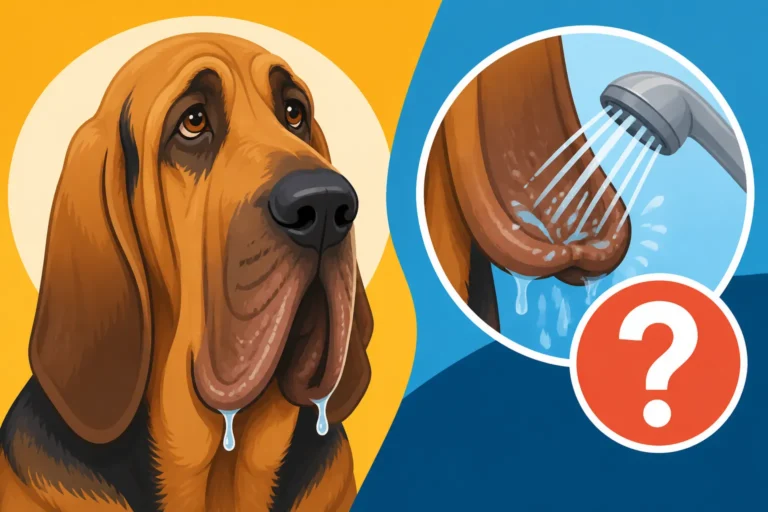
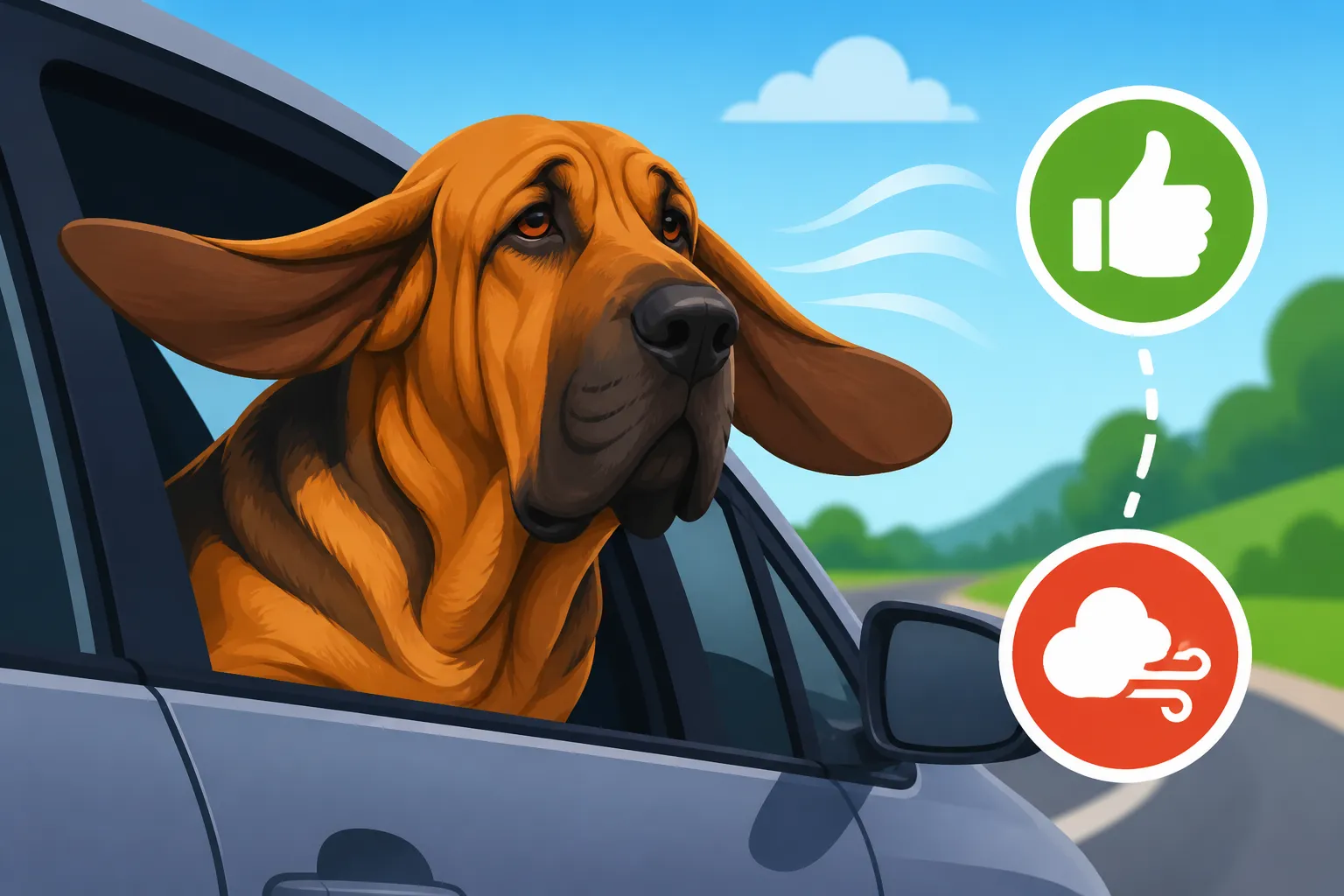
There's nothing quite like seeing your Bloodhound's jowls flapping in the breeze, eyes bright, nose twitching as they take in the world from a car window. It feels like pure joy, a simple pleasure we want to give our beloved hounds. But as much as they adore that rush of scents and wind, letting your Bloodhound ride with the window fully down isn't as harmless as it looks, and it can open up a surprising number of risks you might not even consider. This guide will walk you through the joys, the very real dangers, and most importantly, how to keep your scent-driven companion safe on every journey.
The Irresistible Lure of the Open Road and Its Hidden Dangers
Every Bloodhound owner knows the magnetic pull of a car window, especially when it's open. Your hound’s entire being seems to light up, focused on that glorious stream of air and information. It's truly a sight to behold, reflecting their deep-seated instincts. However, what looks like pure bliss can often come with a hidden cost, introducing significant risks to their health and safety. It's a classic dilemma for us Bloodhound parents: how do we nurture their natural drives without putting them in harm's way?
Why Bloodhounds Love the Window Down
Let’s be honest, for a Bloodhound, a car ride with the window down is like hitting the jackpot at a sensory casino. Their world is dictated by scent, and the open window is a firehose of olfactory information, a constant, changing tapestry of smells that would overwhelm any other dog. They're not just smelling the air; they're dissecting it, identifying every leaf, every puddle, every creature, and every human scent that has recently passed by. Their incredible nose, which we often discuss in terms of its legal standing, is their primary tool for understanding the world, and an open car window provides an unparalleled opportunity for them to engage it fully.
This isn't just about stimulation; it's about fulfilling a fundamental need. A Bloodhound is wired to trail, to follow a scent with single-minded devotion. When the window is down, they are, in their own minds, actively working a trail, even if it's just the fleeting scent of a squirrel that crossed the road five minutes ago. The rapid influx of new smells, the feeling of the wind, and the sheer exhilaration of speed combine to create an experience that is deeply satisfying to their ancient instincts. It’s mental enrichment at its most intense, and their obvious delight makes it incredibly hard for us to say no.
Beyond the mental stimulation, there's a physical thrill. The wind whipping past their face, the flapping jowls, the sense of motion—it’s an adventure. It awakens their powerful hunting drive, making them feel alive and engaged. This intense sensory input can be a wonderful way to tire out a mentally energetic Bloodhound, providing a different kind of exercise that satisfies their need to investigate and track. They're truly in their element, gathering data with every inhale, analyzing the world as it rushes past.
The Obvious Risks: Debris and Injury
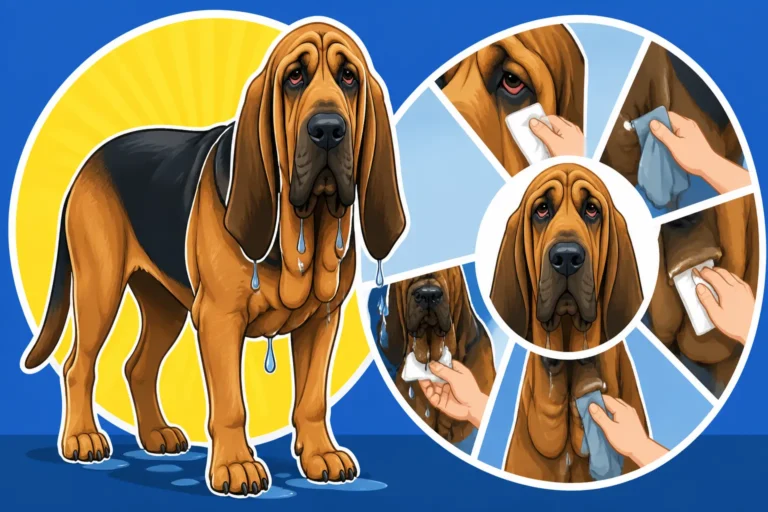
While the joy is palpable, the dangers of a wide-open window for a Bloodhound are unfortunately very real and often immediate. The most common and frightening risks come from airborne debris. Think about it: at even city speeds, a pebble kicked up by another car, a flying insect, or a tiny twig from a roadside bush becomes a projectile with surprising force. I've heard countless stories of emergency vet visits for eye injuries caused by just such encounters. A scratched cornea, a punctured eyelid, or even debris lodged deep within the eye can be excruciatingly painful and lead to serious, long-term vision problems.
It's not just their eyes that are vulnerable. Their long, pendulous ears, which are already prone to issues, can flap violently in the wind, potentially causing trauma or internal damage. Why a Bloodhound's Ear Canal Stays Damp makes them susceptible to moisture issues, but imagine the force of wind against such a large, heavy ear flap for an extended period. The delicate structures of their inner ear could also be affected by constant loud wind rushing past. Furthermore, their exposed noses, so vital to their existence, can take a direct hit, leading to scrapes, bruises, or even fractured nasal bones if something substantial flies into them. Imagine the terror of seeing your beloved hound suddenly yelp and paw at their face, knowing you might have inadvertently put them in harm's way.
And then there are the less common, but equally terrifying, scenarios. What if they suddenly lurch out the window, perhaps spotting a cat or another dog, or get too excited? Even with a partial opening, they could get caught, or fall, leading to severe injuries from the road or other vehicles. It’s easy to underestimate their strength and determination when they’re fixated on a scent or something exciting outside the car. We want them to be happy, but their safety has to come first, even if it means foregoing that picture-perfect image of a dog with wind-swept jowls.
Beyond the Obvious: Less-Known Health Concerns
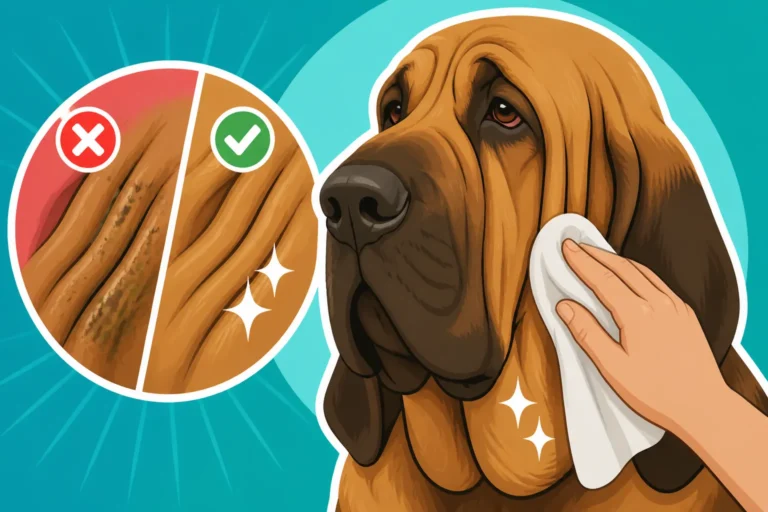
Beyond the immediate trauma of flying debris, there are a host of less obvious, but equally concerning, health risks associated with letting your Bloodhound hang out the window. One major culprit is the wind itself. Constant exposure to high-speed wind can dry out their eyes rapidly. This dryness isn't just uncomfortable; it can lead to chronic irritation, corneal abrasions (even without direct impact), and can exacerbate conditions like Dry Eye in a Bloodhound. Their naturally expressive, somewhat droopy eyes are already vulnerable, and adding powerful wind into the mix just compounds the problem. Many Bloodhounds already require daily eye care, and this can make things so much worse.
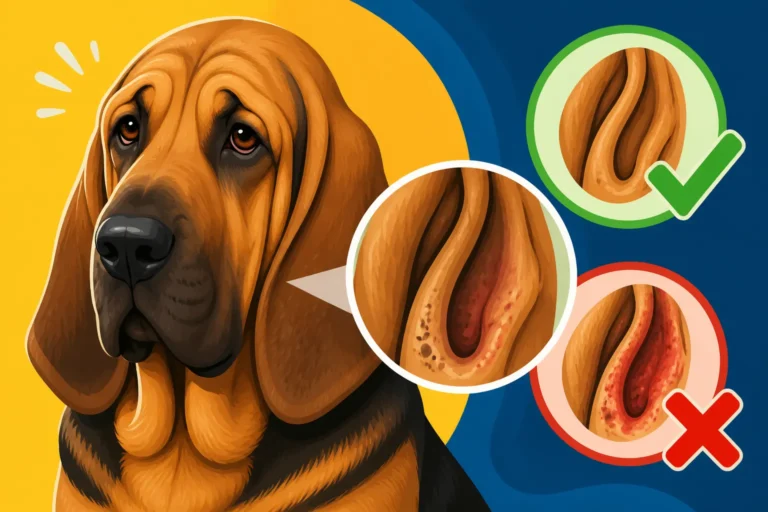
Their ears, while seemingly robust, are also at risk from the elements. The wind can funnel dust, pollen, and other irritants deep into their ear canals. Combine this with any moisture that gets trapped, and you have a perfect breeding ground for ear infections. A Bloodhound's Ears Are a Standing Infection Risk due to their long, heavy flaps creating a warm, moist, dark environment. Prolonged wind exposure can push debris further in, causing inflammation and increasing the likelihood of painful bacterial or yeast infections that are a recurring and costly battle for many Bloodhound owners. The cost of treatment for these recurring issues can quickly add up, easily becoming The Standing Cost of a Bloodhound's Ears.
Furthermore, think about what else is in that rushing air: exhaust fumes, fine particulate matter from tires and roads, and concentrated allergens. While dogs have a robust respiratory system, constantly inhaling a direct stream of these pollutants at speed isn't healthy. It can irritate their nasal passages and lungs, potentially contributing to respiratory issues over time, especially for a dog with a large, wet nose that acts like a sponge for everything in the air. It’s a silent, unseen threat that slowly chips away at their well-being, all for what seems like a simple pleasure.
Mitigating the Risks: Safer Ways for Your Bloodhound to Enjoy the Ride
Okay, so we've established that the fully-open window, while a blast for your Bloodhound, isn't the safest option. But that doesn't mean car rides have to be boring or devoid of sensory input for them. The good news is that there are plenty of ways to ensure your hound enjoys the journey safely, protecting them from the unique risks that come with their breed's design and their boundless enthusiasm. It’s all about finding that balance between enrichment and security.
Crates and Restraints: Safety First
The absolute safest way for your Bloodhound to travel is securely contained within the vehicle. A sturdy, crash-tested dog crate is often considered the gold standard. Not only does it protect them from flying debris and prevent them from becoming a projectile in the event of a sudden stop or accident, but it also creates a den-like space where many dogs feel secure. You can find a wide variety of sizes and styles suitable for a large Bloodhound on platforms like Amazon or Chewy. It's an investment, but one that could literally save their life. Ensure the crate is properly secured in the vehicle, typically by strapping it down or placing it in an area where it can't slide around, such as the cargo area of an SUV.
If a crate isn't feasible for every trip, a high-quality, crash-tested car harness combined with a seatbelt attachment is the next best option. These harnesses are designed to distribute force across your dog's chest in a collision, rather than concentrating it on their neck. They also keep your Bloodhound securely in place, preventing them from roaming around the car and distracting the driver, or from launching themselves at an open window. When shopping, look for brands that have undergone third-party testing for safety. Remember, a standard walking harness is not designed for car safety and will not provide adequate protection.
Using these restraints isn't just about protecting your Bloodhound; it's also about protecting you and other passengers. An unrestrained dog, even a gentle giant like a Bloodhound, can be a serious hazard in an accident. They could be thrown forward, injuring themselves or others. Moreover, by keeping them secure, you ensure you can focus entirely on the road, which is paramount for everyone's safety. It might seem less "fun" than a loose dog in the back seat, but the peace of mind knowing your hound is safe is priceless.
Window Etiquette: How Much Is Too Much?
If your Bloodhound absolutely must have some window action, the key is moderation and control. Instead of rolling the window all the way down, try cracking it just enough for them to get a good sniff of the passing air without being able to stick their entire head out. This allows them to engage their incredible nose, which is truly their superpower, to enjoy the rich tapestry of scents without the direct exposure to high-speed wind and debris. It's a compromise that still offers sensory enrichment but drastically reduces the risk of eye or ear injury.
Supervision is crucial. Even with the window only partially open, keep an eye on your Bloodhound to ensure they aren't trying to force their way out or getting too agitated by external stimuli. Teach them a "leave it" or "stay back" cue specifically for the window. This can be a challenging command given their single-minded focus, but it’s an important one. Consistently rewarding them for keeping their head inside, even when the window is cracked, can build good habits over time.
Consider also the type of trip. For short errands at low speeds, a cracked window might be less risky than a long highway journey. For longer trips, instead of continuous window exposure, plan for regular stops where you can safely let your Bloodhound out on a leash for dedicated sniff breaks. This allows them to explore new scents on solid ground, fulfilling their innate drive to trail without the car-related dangers. A short walk at a rest stop can provide far more focused scent work than a frantic, blurry drive-by. This kind of mindful approach to car travel genuinely enhances their experience while prioritizing their well-being.
Protective Gear for the Adventurous Hound
Sometimes, a compromise involves equipping your Bloodhound with protective gear designed for these very situations. Dog goggles, often affectionately called "doggles," are a fantastic invention for hounds who love to stick their heads out. These goggles are designed to fit a dog's face, protecting their eyes from wind, dust, insects, and other projectiles. They come in various sizes, so you can find a comfortable, secure fit for your Bloodhound’s unique head shape. Introducing them slowly and positively, with treats and praise, will help your hound get used to wearing them.
For those prone to ear issues, or for extended journeys with significant wind exposure, specialized ear protection for dogs might be a consideration. While not as common as goggles, these can help muffle loud noises and protect against excessive wind entering the ear canal. This is especially relevant for a breed like the Bloodhound, whose ears are already a [Standing Infection Risk]. Regular cleaning of their ears, as discussed in Cleaning a Bloodhound's Ears Every Week for Life, is vital regardless, but added protection can't hurt.
Finally, consider the practicalities inside the car. Investing in good quality car seat covers or cargo area liners not only helps keep your vehicle clean from drool, shedding, and mud, but some padded versions can offer a small amount of extra cushioning against minor bumps or sudden stops. While not a safety restraint, it adds to overall comfort and mitigates some of the mess that comes with a drooling, scent-obsessed Bloodhound. You can find durable, washable options on Chewy or Amazon that are specifically designed for large breeds. These layers of protection, both active and passive, demonstrate a commitment to your Bloodhound's long-term health and comfort.
Long-Term Health and Training Considerations
Thinking about how your Bloodhound rides in the car isn't just about immediate safety; it's about making choices that impact their long-term health and well-being. The cumulative effect of small stresses or repeated minor incidents can have significant consequences over their lifespan. As responsible owners, we want to ensure their golden years are as comfortable as their puppyhood was exciting, and proactive choices about their care play a massive role in that outcome.
The Impact on Bloodhound Health and Lifespan
The recurring small injuries or chronic irritations from unsafe car travel can, unfortunately, chip away at your Bloodhound's overall health and even impact How Long a Bloodhound Lives. For example, chronic eye irritation from wind and debris can lead to persistent conjunctivitis, ulcers, or even more serious conditions requiring surgical intervention. Eyelid Surgery Is the Bill Bloodhound Owners Do Not Expect is a prime example of an unexpected cost that could be exacerbated or even caused by such environmental factors. These issues aren't just uncomfortable; they become expensive veterinary bills and can require ongoing medication and care for the rest of their lives.
Similarly, persistent ear infections due to debris or moisture from excessive wind exposure can become chronic. What starts as a simple infection can escalate into severe, recurring problems, potentially leading to painful aural hematomas from head shaking or, in extreme cases, needing complex and costly What Ear Canal Surgery Costs on a Bloodhound. These health battles wear down both the dog and the owner, physically and financially. By simply being more mindful of window exposure, you can prevent a cascade of health problems that might not be immediately apparent.
Moreover, stress and anxiety during car rides, if not managed, can also impact a Bloodhound's well-being. While many love the ride, an insecure or anxious dog can develop digestive issues or behavioral problems. Prioritizing their safety and comfort, even if it means less "fun" window time, ultimately contributes to a calmer, healthier dog. A proactive approach to care in all areas, from diet to exercise to travel, is fundamental to ensuring your Bloodhound enjoys a full and vibrant life.
Training for Car Safety
Training plays a crucial role in making car rides safe and enjoyable for your Bloodhound. One of the most important behaviors to teach is a reliable "stay back" cue, specifically for the car window. This command helps prevent them from putting their head fully out, even if the window is cracked. Start training this in a stationary car, rewarding heavily for keeping all four paws (and their head!) inside when the window is slightly open. Gradually increase the window opening and introduce gentle motion. Consistency is key here; everyone who rides with the dog needs to enforce the same rule.
Desensitizing your Bloodhound to car restraints is another vital step. Some dogs initially resist wearing a harness or being in a crate in the car. Introduce these items slowly, allowing them to associate them with positive experiences, like treats or favorite toys. Start with short periods in the stationary car, gradually extending the time and introducing motion. The goal is for them to view their crate or harness as a normal, comfortable part of the car ride, not a punishment. This makes both your lives much easier and safer.
Finally, make car rides a positive experience overall, even without the wide-open window. Bloodhounds thrive on mental stimulation. Provide engaging activities, like puzzle toys filled with a bit of their kibble or a long-lasting chew from Chewy, to keep them occupied and happy during the journey. This helps shift their focus from wanting to hang out the window to enjoying their time inside. Regular positive reinforcement and a calm, confident handler can make all the difference in creating a Bloodhound who is a joy to travel with, regardless of how much the window is open.
Alternative Sensory Enrichment for Travel
Your Bloodhound's powerful nose is their most defining characteristic, and while an open window provides a rush of scents, there are equally satisfying, and far safer, ways to engage this incredible sense during travel. We know that Mantrailing Is the Answer to a Bloodhound, Not Obedience when it comes to truly fulfilling their instincts, and this principle can be applied to car rides too. Instead of relying solely on the fleeting, uncontrolled scents from an open window, we can offer more focused and rewarding olfactory experiences.
Consider bringing along scent-rich toys or snuffle mats infused with familiar, comforting smells or novel, exciting ones. You can get these online from Amazon or a specialized pet store. These can keep their nose busy in a contained, safe manner. A treat-dispensing toy that requires them to roll, nudge, or solve a small puzzle to get a reward can be incredibly engaging, mimicking the mental work of tracking without the external hazards. This turns the car ride into a productive sniffing session rather than a passive exposure to fleeting scents.
Another excellent alternative is to focus their immense scent drive on planned, supervised activities outside the car. Instead of having them hang out the window for miles, make stops specifically for short bursts of scent work. Hide a favorite toy or a few kibble pieces in the grass at a rest stop and let them "find" it. This taps into their innate desire to trail in a controlled environment, providing a much deeper and more satisfying mental workout. This focused activity will often leave them more content and settled for the remainder of the car journey than endless wind-whipping.
It’s also worth remembering that the human-canine bond is a powerful source of comfort and enrichment. Talking to your Bloodhound, offering gentle pets, and even playing calming music can contribute to a positive travel experience. Sometimes, simply having you close and engaged is more important than the specific sensory input from the outside world. By providing a rich internal environment and purposeful external scent work, you can ensure your Bloodhound remains happy, healthy, and fulfilled on all your adventures together.
| Feature | Letting a Bloodhound Ride with Window Down (Fully Open) | Allowing a Bloodhound a Cracked Window (Supervised) | Bloodhound in Secured Crate/Harness |
|---|---|---|---|
| Sensory Input | High (uncontrolled) | Moderate (controlled, focused) | Low (visual only) |
| Eye Injury Risk | High (debris, wind) | Low to Moderate (less direct wind/debris) | Very Low (protected) |
| Ear Infection Risk | High (wind, debris, moisture) | Moderate (less wind, but still potential debris) | Low |
| Nose Trauma Risk | High (direct impact) | Low to Moderate | Very Low |
| Ejection Risk | Moderate to High | Low | Very Low |
| Distraction to Driver | High (dog moving, barking, sudden lunging) | Moderate (can still vocalize or attempt to exit) | Low (contained) |
| Road Dust/Pollutants | High (direct inhalation) | Moderate (some exposure) | Low |
| Cost of Potential Injuries | Potentially very high (emergency vet bills) | Moderate (still possible, but less likely) | Very low (preventative) |
| Mental Fulfillment | Intense but unregulated | Moderate to High (focused sniffing) | Can be supplemented with toys |
Disclaimer
This article is for general informational purposes only and does not constitute professional advice. Laws, prices and regulations vary by location and change over time. Consult a qualified professional for guidance on your specific situation.