Whether an Ear Drying Solution Beats a Cleaner for a Bloodhound
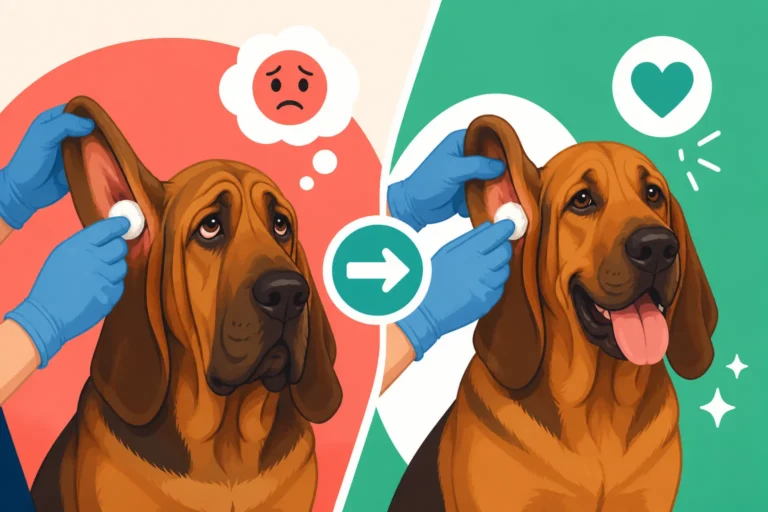
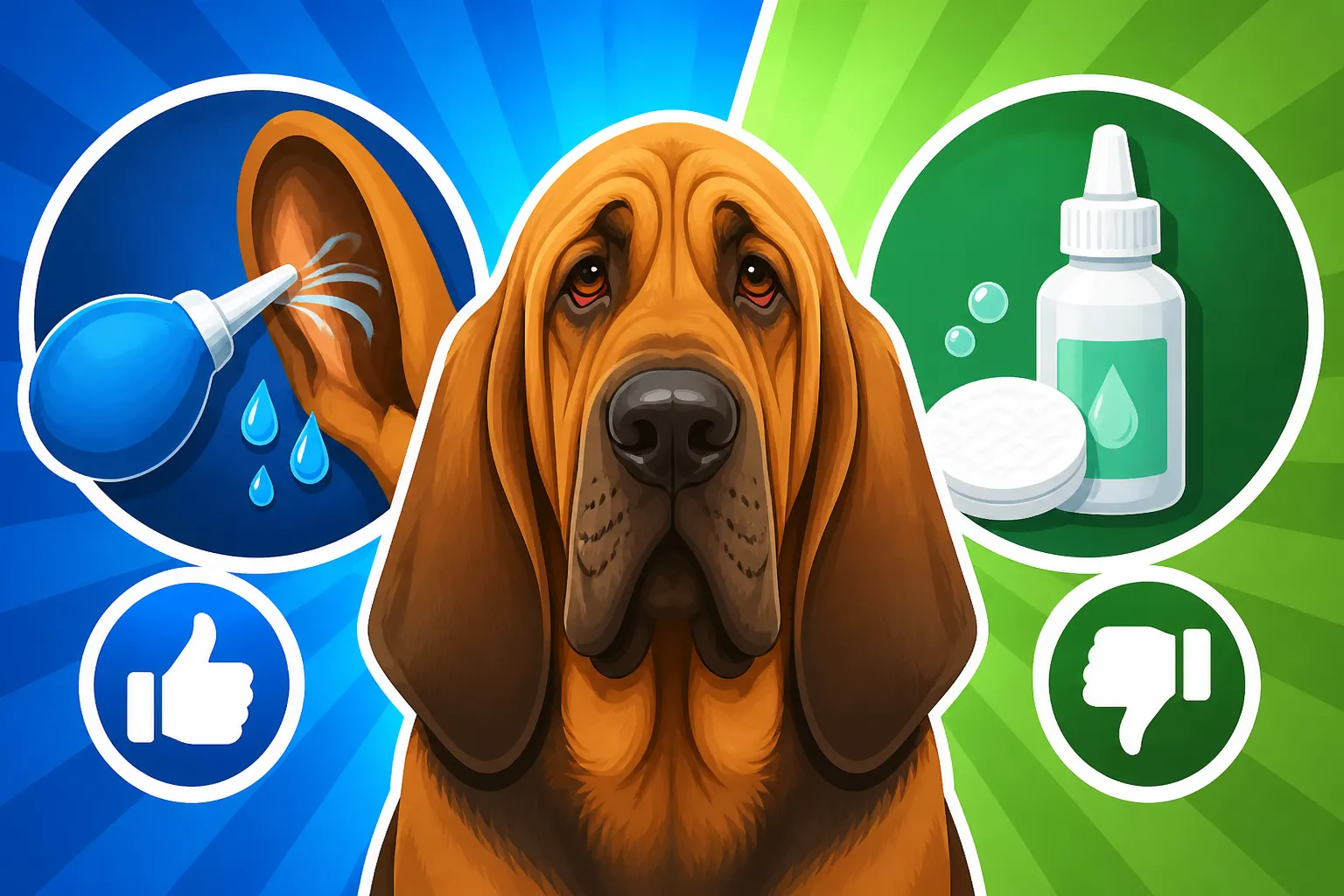
If you're a Bloodhound owner, you know the daily struggle of keeping those magnificent, floppy ears healthy. It often feels like you're constantly battling moisture, dirt, and the ever-present threat of infection lurking within those deep, dark canals. Deciding whether an ear drying solution is better than an ear cleaner, or if you need both, is a common conundrum, and this guide is here to shed light on the unique needs of your Bloodhound's ears and how to best care for them.
Understanding the Bloodhound Ear: A Unique Challenge
Let's be honest, a Bloodhound's ears are breathtakingly beautiful, but they're also a masterpiece of design that unfortunately creates a perfect storm for ear problems. They are long, heavy, and hang low, constantly trailing on the ground, dipping into water bowls, and sweeping up all sorts of debris. This isn't just an aesthetic feature; it's a critical factor in their ear health.
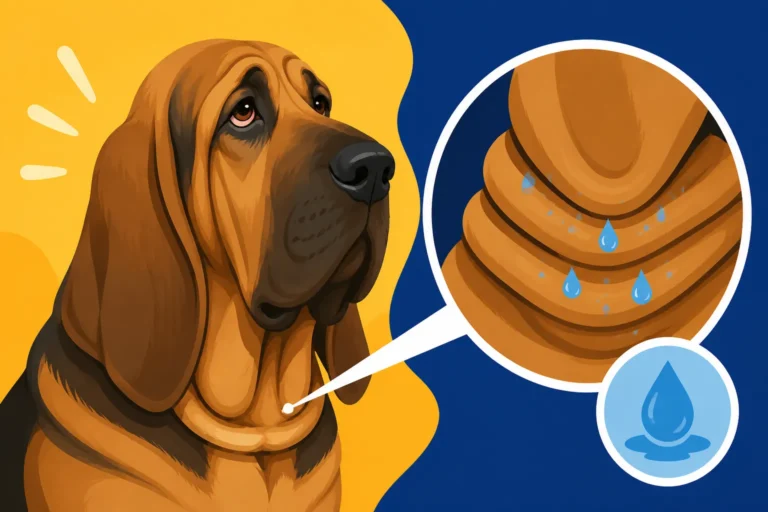
Because of their length and thickness, these ears effectively seal off the ear canal, drastically reducing airflow. Think about it: a normal human ear has plenty of ventilation, but a Bloodhound's ear flap acts like a warm, moist blanket over the ear opening. This creates an ideal, humid environment for yeast and bacteria to thrive. When you add the fact that a Bloodhound's ear canal is also quite deep and often has more hair than other breeds, you can see why A Bloodhound's Ears Are a Standing Infection Risk. It's a constant battle to keep them healthy and dry.
Why Moisture is the Enemy
The damp, warm environment created by those heavy ear flaps is a paradise for pathogens. Yeast, in particular, absolutely loves moisture, and a yeast infection in a Bloodhound's ear can be incredibly uncomfortable, itchy, and smelly. Bacteria also flourish in these conditions, leading to painful bacterial infections. It's not just about preventing outside dirt from getting in; it's about managing the humidity and inherent conditions within the ear itself.
Every time your Bloodhound drinks water, those long ears dip right into the bowl. Every sniff of a wet patch of grass, every romp through morning dew, every bath – it all contributes to moisture getting trapped deep inside. This constant dampness is why ear care is such a critical, non-negotiable part of owning a Bloodhound. Neglecting this routine can quickly escalate into chronic, painful infections that are difficult and expensive to treat.
Ear Cleaners: What They Do and How They Help
Ear cleaners are designed primarily to remove debris, wax, and discharge from the ear canal. They typically contain ingredients that help break down wax, loosen dirt, and create an inhospitable environment for microbes. Think of them as the shampoo and conditioner for your Bloodhound's inner ear.
The Role of Ear Cleaners in Routine Maintenance
Regular cleaning is absolutely essential for a Bloodhound. It helps prevent the buildup of earwax, which can trap moisture and debris, further contributing to infection. A good ear cleaner will flush out anything that has made its way into that deep canal, including dust, pollen, and even tiny hitchhikers from the outdoors. Many cleaners also contain mild antiseptic agents that help keep bacterial and yeast populations in check. This proactive approach is key to preventing problems before they start.
When selecting an ear cleaner, look for one that is pH-balanced and specifically formulated for dogs. Some common ingredients might include salicylic acid (to help break down wax), witch hazel (for its astringent properties), or gentle detergents. You'll want to avoid anything with harsh alcohols or strong perfumes that could irritate the delicate skin inside the ear. Products from reputable pet supply retailers like Chewy or Amazon often list their ingredients clearly, allowing you to choose wisely. Remember that Cleaning a Bloodhound's Ears Every Week for Life isn't an exaggeration – it's a necessary part of their well-being.
Application and Frequency
Applying ear cleaner involves gently filling the ear canal, massaging the base of the ear to help distribute the solution and loosen debris, and then allowing your Bloodhound to shake their head. After the shake, you'll use a soft cloth or cotton ball to wipe away any visible gunk from the outer ear and ear canal opening. Never use cotton swabs deep inside the ear, as this can push debris further in and damage the eardrum.
The frequency of cleaning depends on your individual Bloodhound. For many, weekly cleaning is sufficient, but some Bloodhounds might need it more often if they are prone to infections, spend a lot of time swimming, or have particularly oily ears. If you notice signs like excessive scratching, head shaking, or an unpleasant odor, it's definitely time for a cleaning, but also a vet check to rule out an active infection. How Often a Bloodhound's Ears Need Cleaning really boils down to observation and consistency.
Ear Drying Solutions: Their Specific Purpose
While ear cleaners focus on removing things from the ear, ear drying solutions have a very different, but equally important, job: to remove moisture. They typically contain ingredients like isopropyl alcohol or boric acid, which evaporate quickly, taking excess water with them, or are mild astringents that help dry the skin.
The Importance of Drying for Bloodhounds
For a breed like the Bloodhound, whose ears trap moisture so effectively, a drying solution is absolutely invaluable. As we discussed, a damp environment is a breeding ground for yeast and bacteria. A drying solution helps to restore a dry, healthy environment after cleaning, swimming, or any activity that introduces moisture. It's like using a towel after a shower – you clean first, then you dry to prevent skin issues.
Many owners mistakenly believe their regular ear cleaner also dries the ear. While some cleaners may evaporate quickly, their primary function isn't moisture removal in the same way a dedicated drying solution is. If your Bloodhound loves to swim or frequently has issues with yeast, a drying solution can be a game-changer in your ear care routine. It's about proactive prevention, keeping those ears from becoming a swamp.
When and How to Use a Drying Solution
The ideal time to use an ear drying solution is after any event where water might have entered the ear. This includes after baths, swimming, or even very damp walks. If you use a liquid ear cleaner, it's often a good idea to follow up with a drying solution a few minutes later, especially if your cleaner doesn't have strong drying properties itself. Some Bloodhound owners incorporate a drying solution into their routine once or twice a week, even without obvious wetting events, just to maintain optimal dryness.
To apply, simply put a few drops of the drying solution into the ear canal, massage the base of the ear briefly, and then let your Bloodhound shake their head. You don't usually need to wipe extensively afterward, as the solution is designed to evaporate. Just ensure your dog has a good shake to expel any remaining liquid. It’s important to make sure your Bloodhound's ears are consistently dry, especially the deeper parts of the canal, because Why a Bloodhound's Ear Canal Stays Damp is one of the biggest factors in recurrent infections.
Can One Beat the Other? Or Do They Work Together?
The question of whether an ear drying solution "beats" a cleaner for a Bloodhound is really missing the point. They are not interchangeable; they serve different, complementary purposes. Think of it this way: you wouldn't use shampoo to dry your hair, nor would you use a towel to clean it. Both are necessary for complete hygiene.
For a Bloodhound, neglecting either aspect of ear care—cleaning or drying—can lead to problems. An ear cleaner removes the accumulated wax and debris that can trap moisture and act as food for microbes. An ear drying solution then addresses the very specific problem of residual moisture, preventing the damp, warm environment that fungi and bacteria love.
The Ideal Routine: A Two-Pronged Approach
For most Bloodhounds, the best approach is to incorporate both a cleaner and a drying solution into your routine. Here's a general framework:
- Weekly Cleaning: Use a high-quality ear cleaner once a week (or more, as needed) to remove wax and debris.
- Post-Moisture Drying: Always follow up with an ear drying solution after baths, swimming, or heavy rain exposure. If you clean weekly, you might also use the drying solution a few minutes after the cleaner to ensure no residual moisture is left behind.
This combined strategy tackles both the "dirty" and "damp" problems simultaneously, significantly reducing the risk of ear infections. It’s about creating a comprehensive defense against the unique challenges presented by How Deep a Bloodhound's Ear Canal Runs and the sheer mass of those magnificent leathers.
When to Prioritize One Over the Other
While both are crucial, there might be times when one product is more critical than the other.
- If your Bloodhound produces a lot of wax or dirt, but doesn't get wet often, you might lean more heavily on the cleaner. You'll still want a drying solution for bath time, but your focus will be on debris removal.
- If your Bloodhound is a swimmer or prone to yeast infections (which thrive in moisture), then the drying solution becomes paramount. You'll still clean, but ensuring those ears are bone-dry after every splash will be your top priority.
It’s always a good idea to discuss your Bloodhound's specific needs with your veterinarian. They can help you determine the best products and frequency for your individual dog, especially if your Bloodhound has a history of ear infections. They might recommend specific brands or medicated solutions if there's an underlying issue.
Here's a quick comparison to help solidify the understanding:
| Feature | Ear Cleaner | Ear Drying Solution |
|---|---|---|
| Primary Goal | Remove wax, dirt, debris, discharge | Remove excess moisture |
| Key Function | Cleansing, dissolving, deodorizing | Evaporating, astringent, pH balancing |
| When to Use | Regular maintenance (e.g., weekly), signs of dirt/wax | After water exposure (bath, swim), after cleaning |
| Common Active Ingredients | Salicylic acid, detergents, mild antiseptics, aloe | Isopropyl alcohol, boric acid, acetic acid |
| Bloodhound Benefit | Prevents buildup, reduces food source for microbes | Prevents humid environment for yeast/bacteria |
The Consequences of Neglecting Ear Care
Ignoring your Bloodhound's ear care routine is a direct path to discomfort and potentially serious health issues. The symptoms of an ear infection are hard to miss: incessant head shaking, constant scratching at the ears, a foul odor emanating from the ear, redness, swelling, or discharge. These aren't just minor inconveniences; they are signs of pain and distress. Signs a Bloodhound's Ear Is Infected are usually quite obvious, but sometimes you only notice the smell first.
Untreated ear infections can become chronic, leading to changes in the ear canal structure, hearing loss, and in severe cases, even require surgery to remove the ear canal entirely (What a Total Ear Canal Ablation Means for a Bloodhound). Chronic irritation can also lead to painful ear hematomas from excessive head shaking, which often require veterinary intervention. The time and cost associated with treating a severe ear infection far outweigh the effort of consistent preventive care.
The Role of Your Veterinarian
Your vet is your best ally in keeping your Bloodhound's ears healthy. They can demonstrate proper cleaning techniques, recommend specific products tailored to your dog's needs, and diagnose and treat any infections that arise. If you notice persistent issues, or if your Bloodhound's ears seem particularly sensitive, don't hesitate to consult your vet. They can help identify underlying causes, such as allergies, which can often manifest as recurrent ear problems.
They can also advise on whether a simple over-the-counter solution, readily available on platforms like Amazon or Chewy, is appropriate, or if a prescription-strength product is needed. Sometimes, even if you are diligently using an ear cleaner and drying solution, an underlying condition might be making your Bloodhound more susceptible to issues. This is why professional guidance is so important, especially for a breed with such unique ear anatomy. Remember, you might need a culture to identify the exact pathogen before effective treatment can begin, so Whether a Bloodhound Needs a Culture Before Ear Drops is a question best left to your vet.
Beyond Cleaners and Dryers: Holistic Ear Health
While cleaners and drying solutions are the core of ear hygiene, a holistic approach includes other considerations for your Bloodhound's ear health.
Managing Environmental Factors
Consider your Bloodhound's environment. If they spend a lot of time outdoors in damp conditions, ensure their ears are checked and dried thoroughly afterward. If they love swimming, a drying solution is absolutely non-negotiable every single time they emerge from the water. Even humidity in your home can play a role, so be mindful of areas where your Bloodhound rests.
Another thing to consider is how food allergies might manifest as ear issues. Some Bloodhounds with recurrent, unexplained ear infections might actually be reacting to something in their diet. Discuss this possibility with your vet, especially if you're doing everything right with cleaning and drying, but still seeing problems. Companies like Ollie, focused on fresh pet food, might offer different dietary options to explore if food allergies are suspected, though always consult your vet first.
General Grooming Habits
Beyond the weekly deep clean, simple daily habits can make a difference. After your Bloodhound eats or drinks, quickly wipe the undersides of their ears and around their mouth with a damp cloth. This prevents food residue and drool from becoming trapped in the folds and around the ear tips. Also, be sure to keep the hair around the ear opening trimmed to allow for better airflow, though this is a task often best left to a professional groomer or vet.
For Bloodhounds, even the act of eating can be an ear hazard. Their long ears often dangle into their food bowl, picking up food particles and getting messy. Investing in a snood – a fabric tube that covers the ears – during meal times can help keep them clean and dry. Similarly, using a narrow, deep feeding bowl can also prevent the ears from dipping in. These small adjustments can go a long way in supporting the overall ear health of your beloved companion.
Disclaimer
This article is for general informational purposes only and does not constitute professional advice. Laws, prices and regulations vary by location and change over time. Consult a qualified professional for guidance on your specific situation.