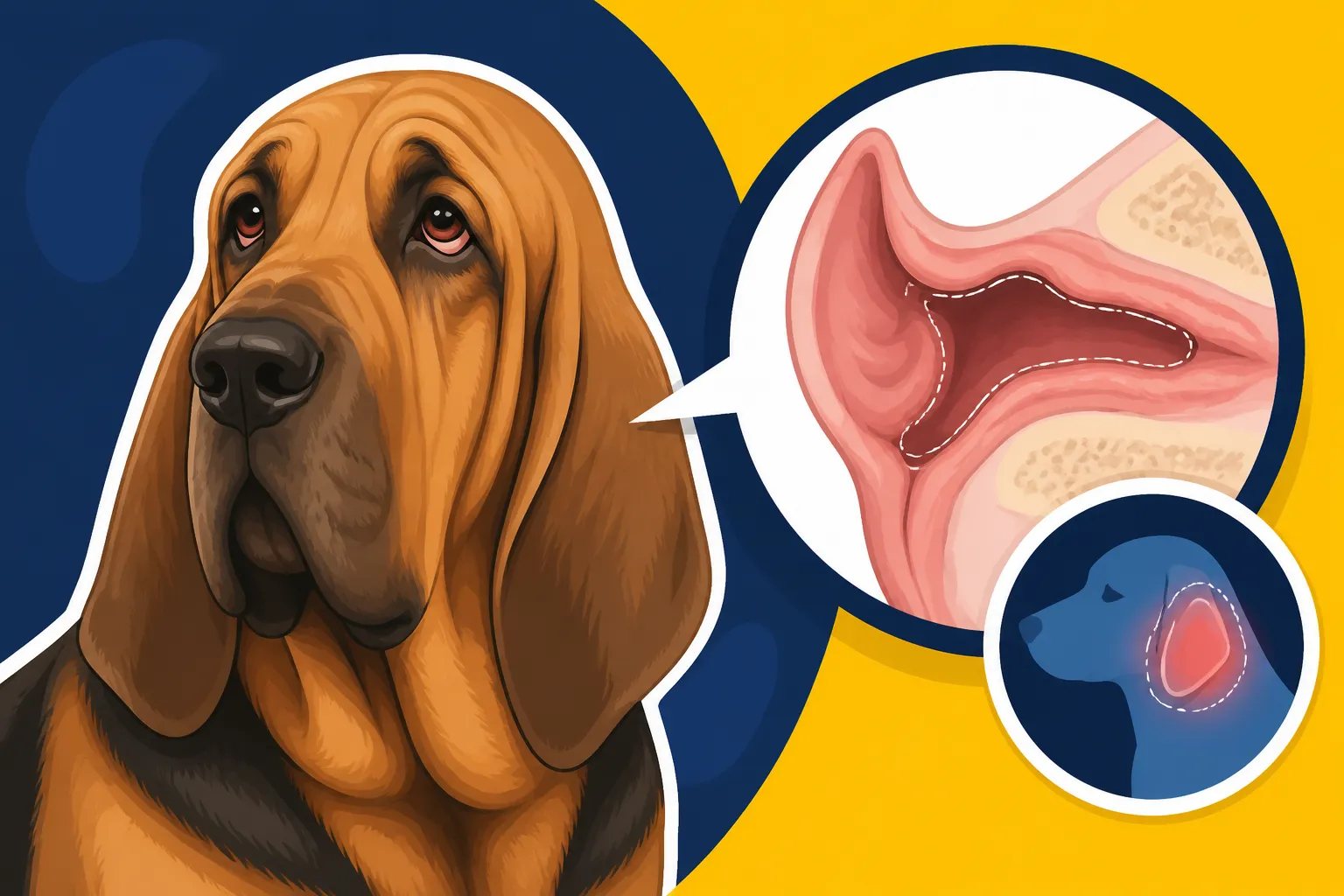
What a Total Ear Canal Ablation Means for a Bloodhound
Oh, those Bloodhound ears! If you're reading this, chances are you've spent countless hours cleaning, medicating, and worrying about your beloved hound's ears. Chronic ear infections are an all-too-common, heartbreaking reality for many Bloodhound owners, often leading to extreme discomfort and a diminished quality of life for our floppy-eared companions. This guide is here to walk you through what a total ear canal ablation (TECA) means for a Bloodhound, why it might become necessary, and what to expect from this significant, life-changing surgery.
The Unique Challenges of a Bloodhound's Ears
Bloodhounds are magnificent creatures, renowned for their incredible sense of smell and their distinctive, long, pendulous ears. While these ears are certainly part of their charm, they are also, unfortunately, a perfect storm for persistent ear problems. It's a frustration shared by so many of us, watching our hounds shake their heads in discomfort, scratch relentlessly, and suffer through cycle after cycle of painful infections.
Why Bloodhound Ears Are Prone to Trouble
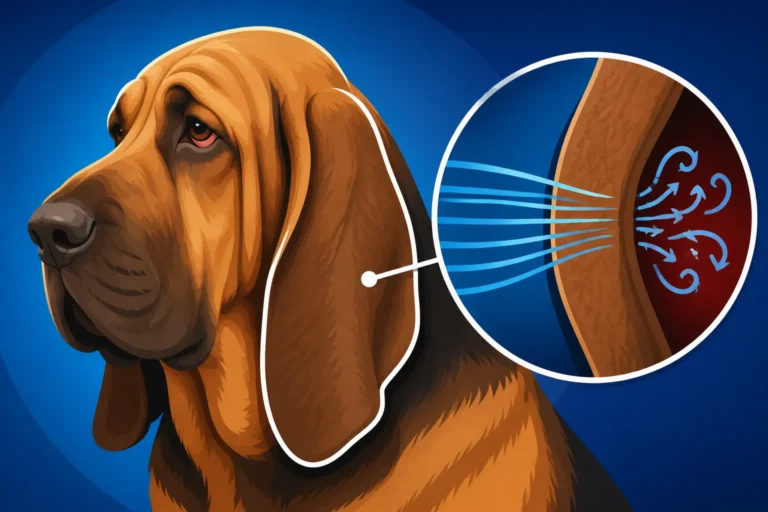
Let's get real about why our Bloodhounds are practically magnets for ear woes. It starts with their anatomy. Unlike dogs with upright ears, a Bloodhound's long, heavy ear leathers hang down, effectively sealing off the ear canal from fresh air. This creates a warm, moist, and dark environment—the absolute ideal breeding ground for yeast and bacteria. Think of it like a tiny, humid greenhouse perfect for growing microscopic nasties. This anatomical feature is precisely why a Bloodhound's ears are a standing infection risk.
Furthermore, these ears aren't just decorative; they're an integral part of their trailing prowess. They sweep scent towards their powerful noses, but in doing so, they also drag through dirt, mud, pollen, and whatever else might be on the ground. Imagine dipping your ears in everything your nose encounters—it's no wonder irritants and foreign bodies find their way deep into the ear canal, causing inflammation and setting the stage for infection. The deep and winding nature of a Bloodhound's ear canal only complicates matters, making it incredibly difficult to effectively clean and treat. It's a constant battle, and one that often feels unwinnable.
The Cycle of Chronic Ear Infections
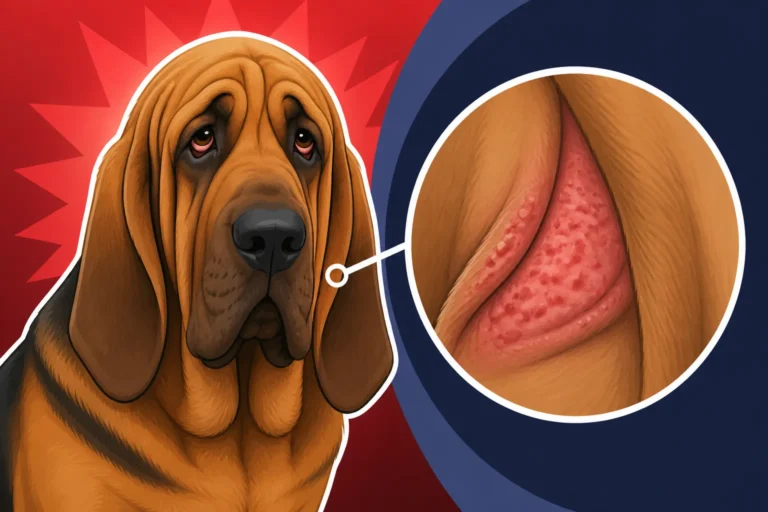
For many Bloodhound owners, "ear infection" isn't a one-off event; it's a chronic, relentless cycle. You treat one infection, it clears up, and a few weeks or months later, it's back with a vengeance. This recurring inflammation and infection lead to significant, irreversible changes within the ear canal. The lining of the ear canal thickens and becomes calcified, sometimes even turning bony. The normal structures, like the tiny hairs that help move debris out, are damaged, and the ear canal itself can narrow to the point where it's almost impossible for air to circulate or for medication to penetrate effectively.
The frustration this causes is immense. You've followed every vet's instruction, spent a fortune on different cleansers and medications, maybe even tried special diets, and still, your dog is in pain. This persistent discomfort affects their quality of life, making them irritable, withdrawn, or constantly preoccupied with scratching their ears. They might become resistant to having their ears touched, a natural response to ongoing pain, making the necessary cleaning even more challenging. It's a vicious cycle that can leave both you and your Bloodhound utterly exhausted and disheartened, wondering if there's ever going to be a real solution. This is often when a permanent solution like a total ear canal ablation enters the conversation, especially when a Bloodhound's ear infection becomes permanent.
When Everything Else Fails: Considering a TECA
When you've exhausted every possible medical avenue for your Bloodhound's chronic ear infections, and your veterinarian, perhaps even a specialist, tells you that the ear canal is beyond repair, it's a gut-wrenching moment. You've fought so hard, and now you're facing a surgery that sounds drastic. But for many Bloodhounds, a Total Ear Canal Ablation (TECA) isn't just an option; it's the only path to a pain-free life.
Recognizing the Signs of Untreatable Ear Disease
How do you know when you've reached this point? It's typically when your veterinarian confirms that the ear canal has undergone irreversible changes. You might notice your Bloodhound's ear canal closing permanently, either due to severe swelling and thickening of the tissues, or even calcification of the cartilage, making it feel hard and rigid. The ear might have a persistent, foul odor that never quite goes away, even after rounds of antibiotics. Your dog might constantly rub or scratch at their ear, often with such intensity that they cause secondary skin infections or aural hematomas (blood blisters on the ear flap).
Beyond the physical signs, consider your dog's behavior. Are they constantly shaking their head? Do they flinch or snap when you try to touch their ear? Are they less playful, more withdrawn, or showing signs of chronic pain like being lethargic or losing their appetite? These are all indicators that the pain is significantly impacting their well-being. If your vet has tried multiple different medications, cultures, and cleanings, and the infection returns quickly or never fully resolves, it's a strong sign that the underlying issue—the damaged ear canal—is no longer responsive to conservative treatment. At this stage, you're not just treating infections; you're managing chronic pain and a deteriorating situation.
What Total Ear Canal Ablation (TECA) Actually Is
A Total Ear Canal Ablation, or TECA, is a major surgical procedure performed by a veterinary surgeon, often a board-certified specialist. The name sounds intimidating, but it's quite descriptive: "ablation" means removal. In this surgery, the entire diseased ear canal—from the external opening right down to the eardrum—is meticulously removed. The goal is to completely eliminate the source of chronic infection and pain.
During the procedure, the surgeon carefully dissects out all the infected and damaged tissue of the ear canal. This is a delicate process, as there are important facial nerves and blood vessels nearby. Once the ear canal is removed, the surgeon often performs a bulla osteotomy, which involves opening and cleaning the tympanic bulla, the bony structure behind the eardrum, to remove any residual infection. After all infected tissue is gone, the incision is closed. The outer ear flap (pinna) remains, so your Bloodhound will still look mostly the same, just without the problematic ear canal. It’s a drastic step, but for dogs suffering terribly, it's often the only way to truly relieve their suffering and restore their comfort.
The Surgical Process and Recovery for a Bloodhound
Deciding on a TECA for your Bloodhound is a huge step, but understanding the process can help ease some of the apprehension. This isn't a quick fix; it's a carefully considered procedure with a dedicated recovery period, but the results can be truly transformative for a dog living with chronic ear pain.
Preparing Your Bloodhound for TECA Surgery
Preparation for TECA surgery starts well before the actual operation. Your veterinarian will likely recommend a thorough physical examination, blood work, and possibly chest X-rays to ensure your Bloodhound is healthy enough to undergo anesthesia. For a large breed like a Bloodhound, proper anesthesia protocols are crucial, as they can sometimes be more sensitive or have underlying conditions that need to be managed. Make sure your vet understands the specific needs of large breeds and has experience with them.
In the days leading up to surgery, you might be asked to bathe your Bloodhound with a special antibacterial shampoo, particularly if there are secondary skin infections around the affected ear. You'll also receive instructions about fasting your dog before the surgery to prevent aspiration during anesthesia. This is a good time to ask any last-minute questions, understand the projected timeline for the surgery and hospital stay, and make sure you have everything ready for their post-operative care at home. This might include a comfortable, quiet place for them to recover, a cone or E-collar, and any prescribed pain medications.
What to Expect During and After the Procedure
The TECA surgery itself can take several hours, depending on the severity of the infection and any complications. Your Bloodhound will typically stay in the hospital for a day or two after the procedure for pain management, close monitoring, and initial wound care. The veterinary team will administer strong pain relief, including injectables and oral medications, to keep your hound comfortable. Expect your Bloodhound to be a bit groggy and possibly disoriented when they first come home. Their ear area will be bandaged, and they will definitely be wearing an Elizabethan collar (cone) to prevent them from scratching or rubbing at the incision site. This cone is non-negotiable and usually needs to stay on for the entire recovery period, typically 2-3 weeks, until the stitches are removed.
Your role in the recovery phase at home is vital. You'll need to administer oral pain medications and antibiotics as prescribed. Keep the incision site clean and dry, and monitor it closely for any signs of swelling, redness, or discharge, which could indicate infection. Restricting activity is also important to prevent strain on the incision. No running, jumping, or roughhousing for several weeks. This can be tough with an active Bloodhound, but short, leashed walks are usually fine. Most importantly, give them a quiet, comfortable space to heal. Many owners find their Bloodhounds are much happier and more comfortable a few days post-op than they were with their chronic infections, even with the cone and restricted activity.
Life After TECA: Adjustments and Long-Term Care
One of the biggest questions owners have is, "Whether a Bloodhound loses hearing after ear surgery?" The answer is generally yes, to some degree, in the operated ear. Since the entire ear canal and eardrum are removed, sound vibrations can no longer be transmitted in the same way. However, many dogs with chronic, end-stage ear disease already have significantly impaired hearing due to the inflammation and scarring, so the actual loss might not be as dramatic as you'd imagine. Most Bloodhounds adapt incredibly well, relying on their other senses, particularly their phenomenal nose. Their quality of life often improves dramatically once the chronic pain is gone.
In the long term, the need for constant ear cleaning and medication will be gone in the treated ear, which is a huge relief. You'll still need to maintain good overall hygiene for your Bloodhound, of course. For the first few months, keep an eye on the surgical site to ensure proper healing. While the treated ear is no longer a source of pain, remember that if only one ear was ablated, the other ear still has all the anatomical predispositions for infection, so continued proactive care for the healthy ear is essential. Many owners report that their Bloodhounds are like different dogs after TECA—happier, more engaged, and finally free from the relentless cycle of pain. You might even notice that their personality truly shines through once they are no longer suffering.
The Decision: Weighing Pros, Cons, and Costs
Deciding whether to pursue a Total Ear Canal Ablation for your Bloodhound is undoubtedly one of the toughest choices you'll face as an owner. It's a significant undertaking, both emotionally and financially, but for many, it leads to a profound improvement in their dog's well-being.
The Benefits and Drawbacks of TECA for Your Bloodhound
Let's talk about the pros and cons honestly. The most compelling benefit of a TECA is pain relief. Chronic ear infections are excruciating, and for a Bloodhound that has suffered for months or years, the complete removal of the diseased tissue is a literal life-changer. Imagine waking up one day without that constant throbbing ache! This pain relief often leads to a dramatically improved quality of life, as your Bloodhound becomes more comfortable, interactive, and their true, gentle personality can re-emerge. It also eliminates the frustrating and expensive cycle of endless vet visits, medications, and cleanings for that ear.
However, there are definite drawbacks. The most immediate is the irreversible hearing loss in the affected ear. While many dogs adapt well, it's a permanent change. There are also risks associated with any major surgery, including anesthesia complications, infection at the surgical site, and potential damage to facial nerves, which can lead to temporary or permanent facial paralysis (though this is rare with experienced surgeons). The recovery period requires significant commitment from you, with restricted activity and the constant use of an E-collar. It's not a decision to be taken lightly, but rather one made in close consultation with your veterinarian, weighing your individual Bloodhound's suffering against the potential for a pain-free future.
Financial Considerations and Insurance
Let's not sugarcoat it: a TECA is a major surgery, and it comes with a significant price tag. The cost can vary widely depending on your geographic location, the veterinary specialist you choose, the complexity of the case, and the length of the hospital stay. Generally, you can expect the cost of a Bloodhound's ear canal surgery to range from $2,500 to upwards of $5,000 per ear, sometimes even more if complications arise. This typically includes the surgeon's fees, anesthesia, hospital stay, pain medications, and follow-up visits. This substantial expense is why many Bloodhound owners feel overwhelmed when faced with this recommendation.
This is where pet insurance can be a literal lifesaver. Companies like Healthy Paws offer coverage for unexpected illnesses and accidents, and a TECA would typically fall under that umbrella, provided your policy was in place before the chronic ear issues became a pre-existing condition. If you have a policy from Healthy Paws or another provider, make sure to review your coverage details, including your deductible and reimbursement percentage. Some policies might have limits for certain conditions or procedures, so always call your insurance provider ahead of time to understand what will and won't be covered. Without insurance, financing options, or setting aside an emergency fund, this surgery can put a tremendous strain on household budgets. Planning for the potential health challenges of a Bloodhound, including the possibility of a TECA, is a crucial part of responsible ownership.
| Feature | Chronic Medical Management | Total Ear Canal Ablation (TECA) |
|---|---|---|
| Pain Relief | Temporary, often incomplete | Permanent, complete relief |
| Hearing Impact | Potentially impaired, variable | Significant loss in affected ear |
| Recurrence | High probability | Eliminates recurrence in treated ear |
| Cost | Ongoing, cumulative | High initial cost |
| Recovery | Minimal daily disruption | Intensive short-term recovery |
| Quality of Life | Often compromised by pain | Dramatically improved (post-recovery) |
| Vet Visits | Frequent, ongoing | Few, post-surgical follow-ups |
| Risk | Low immediate risk | Surgical/anesthesia risks |
This table helps illustrate why, despite the significant nature of the surgery, many choose TECA for their Bloodhounds when all other options have been exhausted. It’s about making an informed decision for your beloved companion’s long-term comfort.
Disclaimer
The information provided in this article is for general informational purposes only and is not a substitute for professional veterinary advice. Always consult with a qualified veterinarian regarding any medical condition or treatment for your Bloodhound.