Why a Bloodhound’s Ear Leather Blocks Airflow
Ah, the Bloodhound ear. It's truly a marvel of nature, a magnificent tool for scent detection, but for us owners, it often feels like a constant battleground. If you've ever wrestled your floppy-eared friend to clean out yet another gunky, smelly ear, you know the frustration is real. Those beautiful, long leathers, which look so majestic, unfortunately create an environment ripe for trouble. This guide is all about diving deep into why your Bloodhound's ear leather blocks crucial airflow and what that means for their health and your sanity.
The Anatomical Design That Creates a Microclimate
Bloodhounds are built for scent work, and every part of their anatomy seems perfectly engineered for it, including those iconic ears. While incredible for sweeping scent, their design unfortunately makes them highly susceptible to ear issues. It's not just that they're long; it's a combination of factors that turns a simple ear into a potential trouble spot.
The Sheer Weight and Length of the Pinna
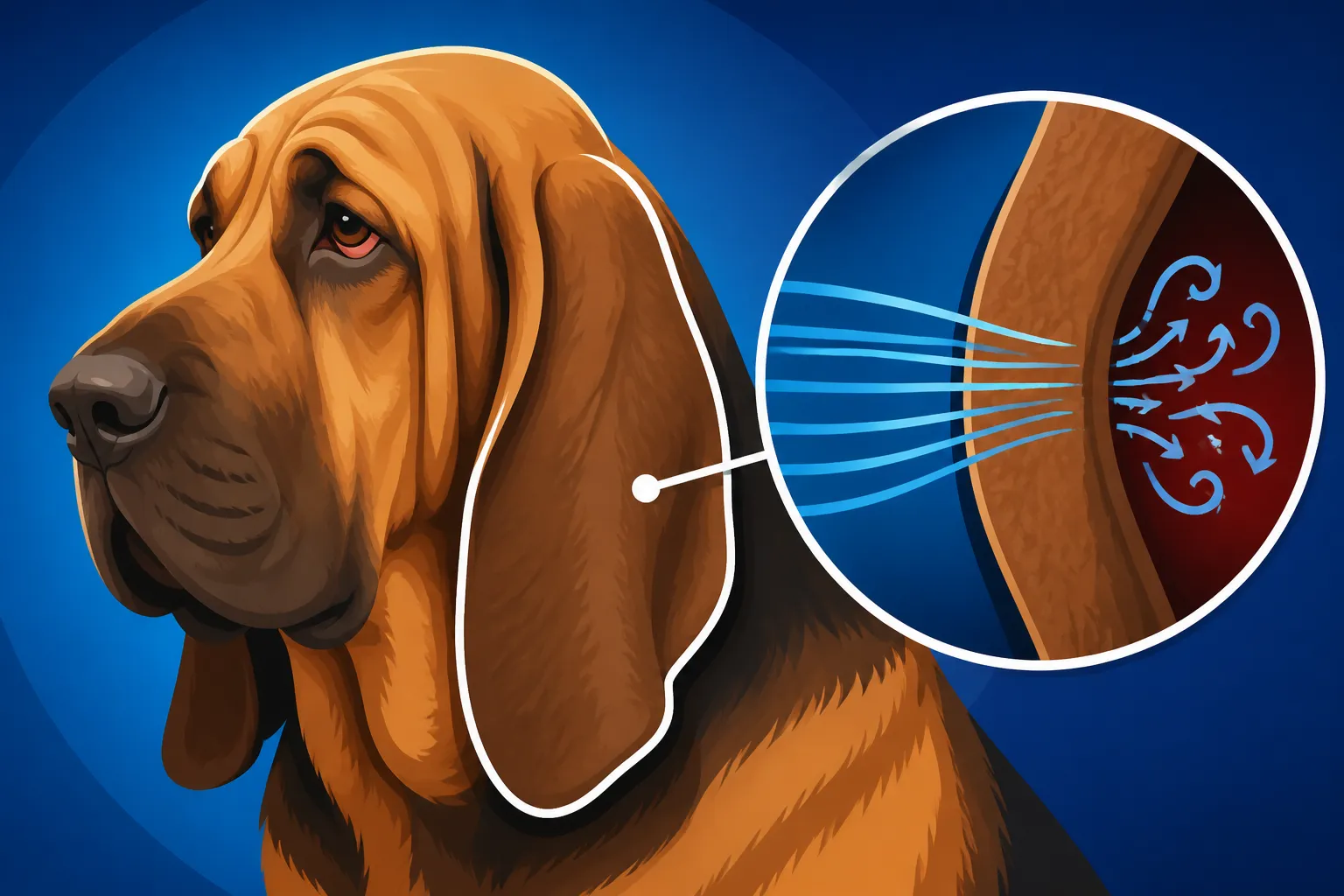
Let's start with the obvious: the pinna, or external ear flap, on a Bloodhound is substantial. These ears are incredibly long and heavy, often reaching below the jawline and sometimes even dragging on the ground when your hound is focused on a scent trail. This isn't just about aesthetics; it has a profound functional impact. Unlike breeds with upright or even semi-prick ears, the Bloodhound's ears hang completely down, forming a heavy curtain over the opening of the ear canal. This thick, pendulous leather acts like a seal, effectively covering the entrance and preventing air from circulating freely. Imagine trying to air out a damp towel in a sealed box – that's essentially what's happening inside your Bloodhound's ear. This constant occlusion means that any moisture, warmth, or debris that enters the ear canal has a hard time escaping.
Moreover, the sheer surface area of the ear leather means more opportunity for dirt, debris, and even allergens to cling to it as your Bloodhound sniffs and tracks. When these ears swing and drag, they can pick up all sorts of environmental irritants that then get transferred closer to the ear canal opening. It's a double-edged sword: fantastic for scenting, but a nightmare for maintaining a dry, clean ear canal.
The Deep, Vertical Ear Canal
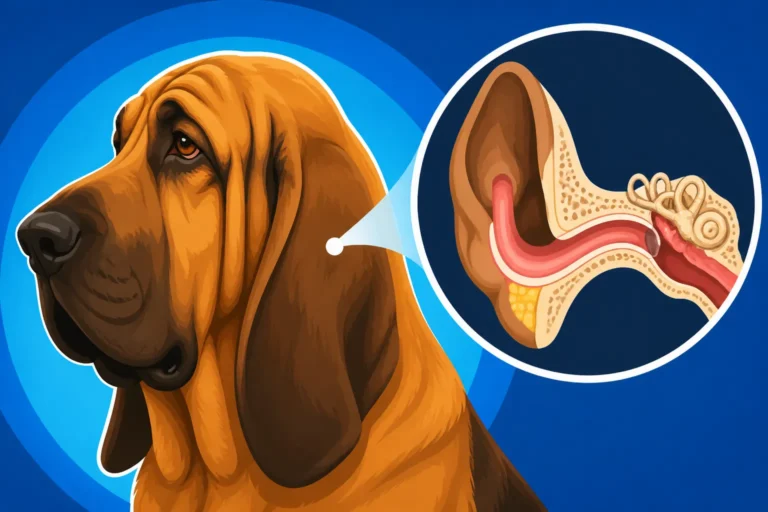
Beyond the external ear flap, the internal structure of a Bloodhound's ear canal is also a major contributing factor to poor airflow. Unlike the relatively straight ear canals of some other breeds, a Bloodhound's ear canal is long, narrow, and features a distinct "L" shape. It starts vertically and then takes a sharp turn horizontally towards the eardrum. This deep, winding pathway is naturally difficult to ventilate.
Combine this deep, tortuous canal with the heavy, draping ear leather, and you have a perfect storm. The ear leather blocks the entrance, and the canal's shape traps anything that manages to get inside. This anatomical configuration isn't unique to Bloodhounds – many other hound breeds with long, floppy ears share similar challenges. But with the Bloodhound's extreme length of ear, the problem is often exacerbated. This deep, dark, and difficult-to-access canal means that even with diligent cleaning, it can be a challenge to reach all the nooks and crannies where bacteria and yeast love to hide and multiply. Understanding How Deep a Bloodhound's Ear Canal Runs really highlights the challenge we face as owners.
The Consequences of Poor Airflow: A Breeding Ground for Trouble
When airflow is consistently blocked, the ear canal transforms into a warm, moist, dark environment – essentially a tropical paradise for opportunistic microorganisms. This isn't just uncomfortable for your Bloodhound; it paves the way for a host of painful and persistent health issues.
The Ideal Environment for Yeast and Bacteria
Without proper ventilation, the ear canal's natural moisture from glands, coupled with any trapped water from baths or swims, has nowhere to evaporate. This creates a perpetually damp interior. For us, it might just mean a stuffy feeling, but for your Bloodhound's ear, it means a microscopic ecosystem perfectly tailored for the overgrowth of yeast and bacteria. These organisms are often naturally present in small numbers on healthy skin, but in a warm, moist, and airless environment, their populations explode.
Yeast, like Malassezia pachydermatis, thrives in these conditions, often leading to a characteristic thick, brownish, waxy discharge and a distinctive pungent, yeasty odor. Bacterial infections, frequently caused by Staphylococcus or Pseudomonas species, can result in yellow or green pus, extreme redness, swelling, and even more intense pain. The lack of air literally chokes out the good microorganisms and lets the bad ones run rampant. It's why A Bloodhound's Ears Are a Standing Infection Risk is such an important topic for every owner.
Recurrent Ear Infections Otitis Externa
The direct result of this blocked airflow and microbial overgrowth is otitis externa – inflammation or infection of the external ear canal. For Bloodhounds, this isn't usually a one-off event; it's often a chronic, recurring problem that demands constant vigilance. You might notice your Bloodhound shaking their head furiously, scratching at their ears with their hind paws, or rubbing them along the furniture or ground. The inside of the ear flap might appear red and swollen, and you might detect that tell-tale foul odor.
If left untreated, these infections can become deeply entrenched. The inflammation can cause the ear canal lining to thicken and narrow, making it even harder for air to get in and for medication to penetrate effectively. In severe, long-standing cases, the ear canal can even calcify, losing its flexibility and trapping the infection more completely. This is a painful cycle that impacts your dog's quality of life significantly. Managing this constant battle can be financially taxing, which is where a good pet insurance plan from a provider like Healthy Paws can truly be a lifesaver, helping to cover the recurring vet visits and medications needed to keep those ears comfortable.
Proactive Care: Your Best Defense Against Ear Trouble
Given the Bloodhound's unique ear anatomy, a proactive and consistent ear care routine isn't just recommended – it's absolutely essential. Preventing problems is always easier, and far less painful for your dog, than treating them.
Regular Cleaning and Drying Protocols
Establishing a weekly (or even more frequent, depending on your dog's history) ear cleaning routine is paramount. You'll want to use a veterinarian-approved ear cleaner specifically designed for dogs, ideally one with a drying agent to help counteract the inherent moisture problem. Start by gently filling the ear canal with the cleaning solution, taking care not to insert the nozzle too deeply. Then, gently massage the base of the ear for about 30 seconds to help break up any wax and debris. You'll likely hear a squishy sound – that's good!
After massaging, allow your Bloodhound to shake their head (brace yourself for some ear cleaner spray!). Then, use cotton balls or soft gauze wrapped around your finger to wipe out any visible solution and debris from the external parts of the ear canal opening and the underside of the ear flap. Never use cotton swabs (Q-tips) deeper into the ear canal, as this can push debris further down and potentially damage the eardrum. For many Bloodhound owners, Cleaning a Bloodhound's Ears Every Week for Life becomes a non-negotiable part of their routine. After bathing or swimming, make sure to thoroughly dry the ear canal using cotton balls, or a soft towel around the external flap, and consider using an ear-drying solution to wick away any remaining moisture.
Recognizing Early Signs and Prompt Intervention
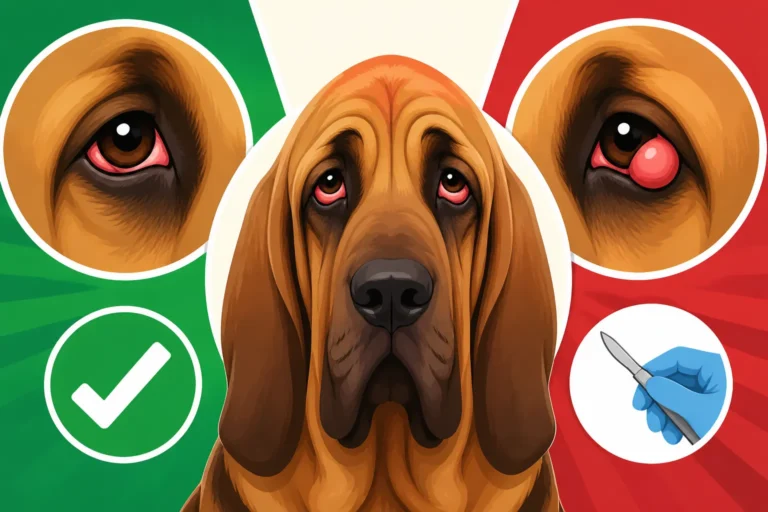
As a Bloodhound owner, you need to become an expert in your dog's ears. Get familiar with what a healthy Bloodhound ear looks, feels, and smells like – typically clean, dry, pale pink, and with a minimal, neutral odor. Any deviation from this should be a red flag. Watch for subtle changes like increased head shaking, scratching, rubbing their ears, or a reluctance to have their ears touched. Notice any redness, swelling, or discharge that looks different (dark brown, yellow, green, or black). Pay close attention to the smell; a strong, yeasty, or foul odor is a definite sign of trouble brewing.
Don't wait for these symptoms to become severe. The moment you suspect an infection, schedule a visit to your veterinarian. Early intervention can prevent a minor irritation from escalating into a chronic, painful, and more expensive problem. Your vet can properly diagnose the type of infection (yeast, bacterial, or a combination) and prescribe the appropriate medication, which might include medicated ear drops or oral antibiotics. This is another area where having pet insurance like Healthy Paws can ease the financial burden, ensuring you can act quickly without worrying about the vet bill for diagnosis and initial treatment.
When Ear Problems Persist: Advanced Considerations
Sometimes, despite your best efforts, ear infections can become chronic or severe, requiring more intensive management and, in some cases, even surgical intervention.
Chronic Infections and Structural Changes
Over time, recurrent ear infections can lead to irreversible changes within the ear canal. The constant inflammation can cause the tissues lining the canal to thicken and proliferate, a condition known as hyperplasia. This further narrows the ear canal, making it even more difficult for air to circulate and for topical medications to reach the site of infection. In advanced stages, the cartilage of the ear canal can actually harden and calcify, permanently closing off parts of the canal and trapping infection.
When the ear canal becomes significantly narrowed or calcified, it creates a self-perpetuating cycle of infection and inflammation that becomes incredibly challenging to break. This is a very painful condition for your Bloodhound and can lead to hearing loss. At this point, simply cleaning the ears or using ear drops might no longer be effective because the medication cannot penetrate the diseased tissue. It's a tough reality to face, but When a Bloodhound's Ear Infection Becomes Permanent the conversation often turns to more drastic measures.
Surgical Interventions: From Medial Canal Resection to TECA
For Bloodhounds suffering from chronic, debilitating ear disease that doesn't respond to medical management, surgical options may be considered. One less invasive procedure is a medial bulla osteotomy or a lateral ear canal resection, which aims to improve ventilation and drainage by opening up the ear canal. However, these procedures are often not a permanent fix for severe, long-standing Bloodhound ear issues.
The most definitive surgical solution for end-stage chronic ear infections is a Total Ear Canal Ablation (TECA) with a Lateral Bulla Osteotomy (LBO). This involves surgically removing the entire diseased ear canal, leaving only the external ear flap (pinna) and the inner ear structures intact. While it sounds extreme, for a dog suffering from constant, excruciating pain due to irreparable ear disease, a TECA can dramatically improve their quality of life. It completely eliminates the problem of a blocked, infected ear canal. Recovery involves careful post-operative care, but the relief for the dog can be immense. Of course, such a significant surgery comes with a substantial cost, and this is where a comprehensive pet insurance plan from Healthy Paws can provide crucial financial support, covering a large percentage of the surgical fees and follow-up care. Understanding What a Total Ear Canal Ablation Means for a Bloodhound is vital for owners facing this difficult decision.
Table: Bloodhound Ear vs. Upright Ear Comparison
| Feature | Bloodhound Ear (Pendulous) | Upright Ear (e.g., German Shepherd) |
|---|---|---|
| Pinna (Ear Flap) | Long, heavy, thick leather; hangs over ear canal | Erect or semi-erect; exposes ear canal opening |
| Airflow | Severely restricted | Good ventilation |
| Ear Canal Shape | Long, narrow, "L" shaped (vertical then horizontal) | Shorter, wider, straighter |
| Moisture Retention | High; traps humidity and water | Low; moisture evaporates easily |
| Temperature | Warm, insulated | Cooler, more exposed |
| Infection Risk | Very High (yeast, bacteria) | Lower (though still possible with poor hygiene) |
| Common Issues | Chronic otitis externa, waxy buildup, odor | Less frequent infections, foreign bodies, mites |
| Care Requirement | Frequent cleaning, drying, vigilance | Regular checks, occasional cleaning |
Remember, while the Bloodhound's ears present unique challenges, with consistent, knowledgeable care and prompt veterinary attention, your wonderful hound can lead a happy, comfortable life. Don't hesitate to consult with your vet about the best specific cleaning products and routine for your individual dog.
Disclaimer
The information provided in this article is for general informational purposes only and is not a substitute for professional veterinary advice. Always consult with a qualified veterinarian regarding any medical concerns or before making any decisions about your pet's health and treatment.