Whether a Bloodhound Can Bloat Without Twisting
The terrifying reality of bloat for Bloodhound owners is often painted with images of a twisted stomach, a dire and rapid medical emergency. But what many owners don't realize, and perhaps worry about in silence, is whether their beloved companion can experience the excruciating pain and danger of bloat without the stomach actually twisting. This guide aims to thoroughly explore that very real concern, equipping you with the knowledge to understand, recognize, and respond to bloat in all its forms.
Understanding the Nuances of Bloat in Bloodhounds
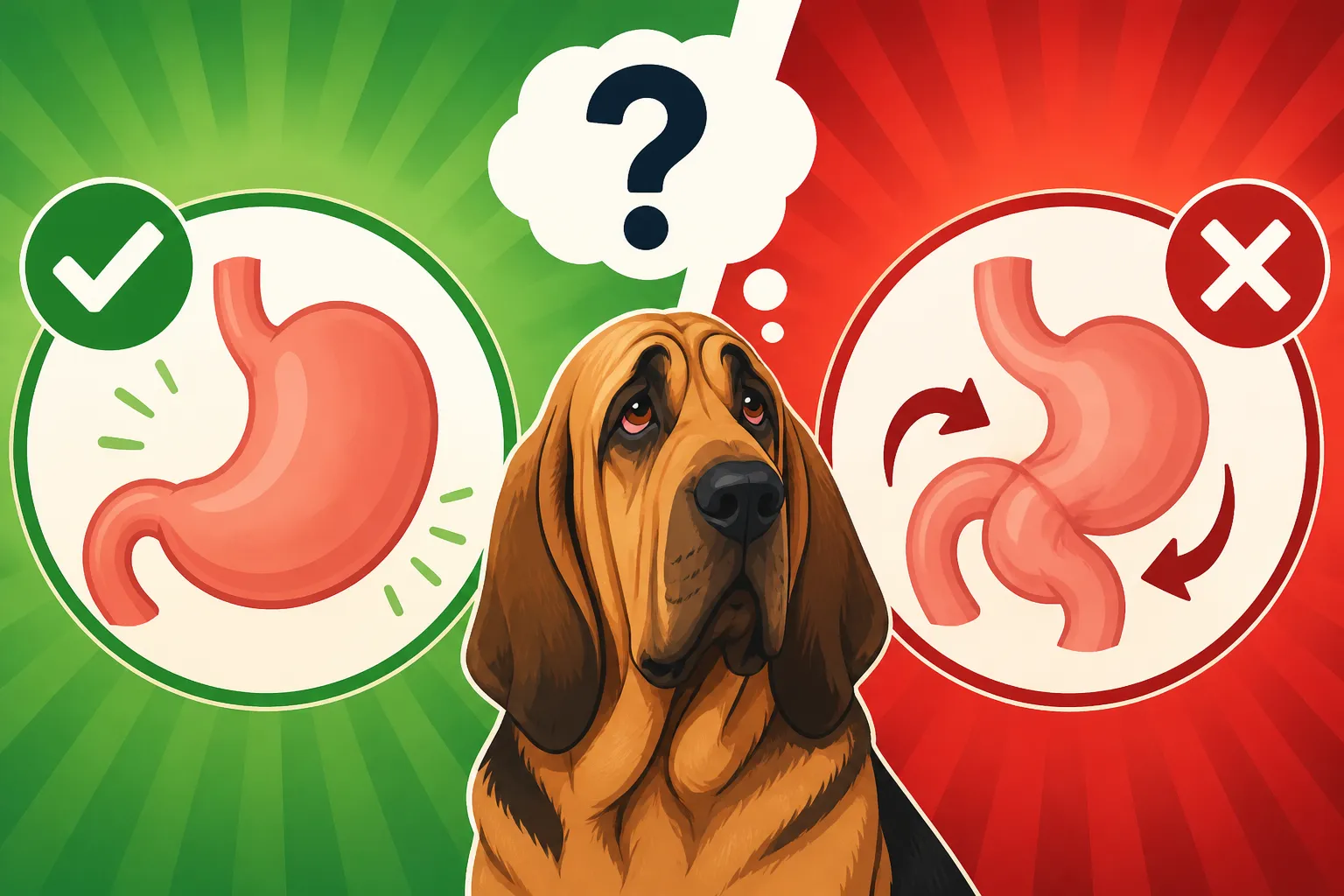
The term "bloat" often conjures images of the absolute worst-case scenario: Gastric Dilatation-Volvulus (GDV), where the stomach twists. However, it’s crucial to understand that bloat can occur in two forms: Gastric Dilatation (GD) and Gastric Dilatation-Volvulus (GDV). Both are serious, but one is a step further down the road to disaster.
The Difference Between Bloat (GD) and Twisted Bloat (GDV)
Let's break down these two distinct, yet related, conditions. Gastric Dilatation (GD) is when your Bloodhound's stomach becomes distended with gas, fluid, or food. Imagine a balloon inflating inside their abdomen; it expands, putting immense pressure on surrounding organs, diaphragm, and major blood vessels. This alone is incredibly painful and can lead to serious health complications like shock. The blood supply to the stomach wall can be compromised, leading to tissue damage. Your Bloodhound will be visibly uncomfortable, restless, and may attempt to vomit without producing anything.
Now, Gastric Dilatation-Volvulus (GDV) is when that already distended stomach twists on its axis, typically 180 to 360 degrees. This twisting seals off both the entrance and exit of the stomach, trapping gas and fluid inside. It also cuts off blood flow to the stomach and often the spleen, which is attached to the stomach. This is the condition often referred to as "twisted stomach," and it progresses far more rapidly and is significantly more life-threatening than simple GD. While Bloat Is What Kills Most Bloodhounds overall, GDV is the most lethal form.
Why the Twist Is the Game-Changer
The "volvulus" or twist is what elevates an already dangerous situation to an immediate, life-or-death emergency. When the stomach twists, several critical things happen that accelerate the decline of your Bloodhound's health. First, the blood supply to the stomach is severely restricted or completely cut off, leading to tissue death (necrosis) in the stomach wall. This necrotic tissue can then leak toxins into the bloodstream, causing systemic shock.
Second, the trapped gas continues to expand, further increasing pressure within the abdomen. This pressure not only causes extreme pain but also compresses the large veins returning blood to the heart, leading to a dangerous drop in blood pressure and impaired circulation. The spleen, often pulled along with the twisting stomach, can also suffer blood flow interruption, leading to severe damage or rupture. This rapid escalation is why early recognition and immediate veterinary intervention are absolutely paramount, as How Fast Bloat Kills a Bloodhound can be truly shocking.
The Bloodhound's Unique Anatomy and Bloat Risk
Bloodhounds, like many other large, deep-chested breeds, are unfortunately predisposed to bloat. Their distinctive barrel-chested build, while majestic, is a significant anatomical risk factor. Imagine their chest cavity as a deep, narrow cylinder; this shape allows for more "swing" for the stomach to distend and potentially rotate within.
This predisposition is not just anecdotal; scientific studies, like the Purdue Bloat Study, have identified breed-specific risks. A Bloodhound's lax abdominal ligaments might also play a role, allowing for greater stomach mobility. This combination means that any distension of the stomach can more easily lead to a full-blown twist. Understanding Why a Deep Narrow Chest Puts a Bloodhound at Risk is key to appreciating the urgency of any bloat symptom.
Can a Bloodhound Bloat Without Twisting? The Unsettling Truth
This is the core question that worries many Bloodhound owners, and the answer is a definitive yes. A Bloodhound can absolutely experience Gastric Dilatation (GD) without the stomach ever twisting. While GDV is the most catastrophic form of bloat, simple gastric dilatation is still a severe and potentially life-threatening condition that requires immediate veterinary attention.
Gastric Dilatation: The Bloat Before the Twist
Think of simple Gastric Dilatation as the initial stage that can, but doesn't always, progress to Gastric Dilatation-Volvulus. In this scenario, your Bloodhound's stomach fills with an excessive amount of gas, food, or fluid, causing it to swell dramatically. However, it has not yet rotated. The stomach remains in its normal anatomical position, but its massive expansion creates a host of critical problems.
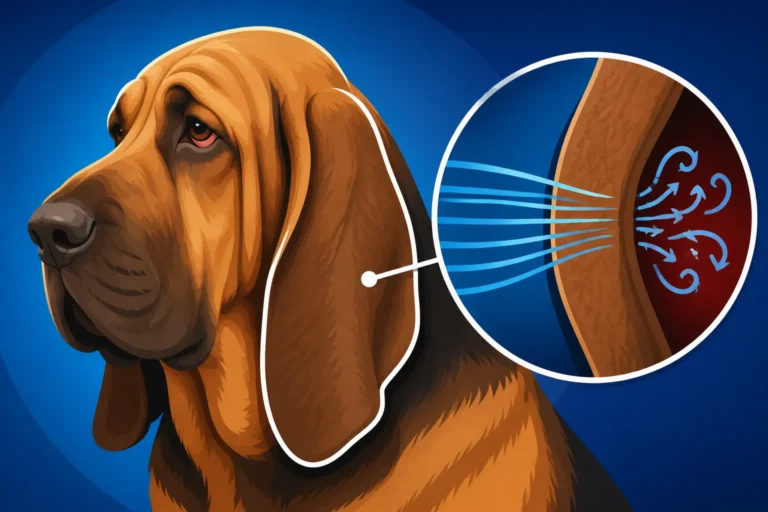
This distension can be incredibly painful and causes physical impingement on the lungs, making it difficult for your Bloodhound to breathe effectively. It also places pressure on major blood vessels, leading to impaired blood circulation throughout the body, which can quickly precipitate shock. Even without a twist, the stomach wall can stretch to the point where its blood supply is compromised, leading to tissue damage and the potential for rupture if left untreated. This is why even when you're sure it hasn't twisted, you need to act fast.
Symptoms of Bloat Without Twist: What to Look For
Recognizing the signs of simple gastric dilatation is paramount. The symptoms can mirror those of GDV, which is why immediate veterinary assessment is crucial. You might observe a visibly distended abdomen, which can feel firm to the touch. Your Bloodhound will likely be extremely restless, pacing, and unable to get comfortable. They might whine or groan due to pain.
A classic symptom for both GD and GDV is unproductive retching – your Bloodhound will try to vomit, heaving and gagging, but nothing or very little will come up. They might excessively drool, pant, or appear anxious. While the classic "prayer position" (front end down, rear end up) is often associated with the twist, a Bloodhound with simple GD can also exhibit this painful stance. Any of these Signs a Bloodhound Is Bloating should send you into high alert, regardless of whether you suspect a twist.
The Peril of Simple Bloat: Even Without a Twist
Don't let the "simple" in "simple gastric dilatation" fool you; this condition is far from benign. The immense pressure exerted by the distended stomach can lead to a cascade of problems. The diaphragm, responsible for breathing, becomes compressed, making each breath a struggle for your Bloodhound. This can lead to respiratory distress and a lack of oxygen throughout the body.
Furthermore, the pressure can occlude the posterior vena cava, a major vein that returns deoxygenated blood from the lower body to the heart. This impedes blood flow, causing blood pooling in the hindquarters and contributing to shock. The stomach lining itself can become damaged due to stretching and reduced blood flow, even without a twist, leading to inflammation and potential ulceration. This condition demands immediate medical intervention because, while the stomach hasn't twisted yet, there's always the risk that it could twist at any moment, turning an emergency into a catastrophic crisis.
Actionable Steps When You Suspect Bloat, Twisted or Not
The moment you suspect bloat in your Bloodhound, whether you think it's twisted or not, time becomes the most critical factor. Every minute counts, and hesitation can have devastating consequences. Being prepared and knowing what to do immediately can significantly impact the outcome for your beloved companion.
Immediate Veterinary Intervention Is Non-Negotiable
This cannot be stressed enough: if you suspect bloat, you need to get your Bloodhound to an emergency veterinary clinic immediately. Do not wait to see if symptoms improve. Do not try home remedies. Call your emergency vet on the way to give them a heads-up. Tell them you suspect bloat in your Bloodhound and give them an estimated arrival time. This allows them to prepare their team and equipment for your arrival, potentially saving precious minutes.
Even if it turns out to be simple GD, the severity of the symptoms and the risk of progression to GDV mean that only a veterinarian can properly assess and treat the situation. Remember that What Emergency Bloat Surgery Does for a Bloodhound is complex, but immediate decompression can often stabilize simple GD cases.
Diagnostic Process: X-rays to Confirm or Rule Out Twist
Upon arrival at the emergency clinic, the veterinary team will perform a rapid assessment. The most crucial diagnostic tool to differentiate between simple GD and GDV is an X-ray. A specific lateral (side view) X-ray of the abdomen will show whether the stomach is merely distended with gas or if it has rotated. The classic "double bubble" or "Popeye arm" appearance on an X-ray is indicative of a twisted stomach.
If the X-ray confirms GDV, surgical intervention becomes urgent. If it shows simple GD, the immediate approach will focus on decompression and stabilization. This quick diagnostic step is vital because the treatment pathways differ, and an accurate diagnosis guides the fastest, most effective action. Having pet insurance, like Healthy Paws, can be incredibly helpful in these high-stress situations, covering a significant portion of the diagnostic and treatment costs when every moment matters.
Treatment Options for Gastric Dilatation
For simple Gastric Dilatation (GD) where there is no twist, the primary goal is decompression – getting the gas and fluid out of the stomach. This is typically achieved by passing a tube down the esophagus into the stomach. This procedure, called orogastric intubation, allows the trapped gas to escape, relieving pressure. Your Bloodhound may need sedation for this procedure to ensure their comfort and cooperation.
Once the stomach is decompressed, the vet will monitor your Bloodhound closely for signs of shock, arrhythmias, and other complications. Intravenous fluids will be administered to combat dehydration and maintain blood pressure. While GD often doesn't require immediate surgery, the underlying cause of the GD must be investigated to prevent recurrence. In some cases, if the GD is severe or recurs, a preventive gastropexy might be discussed, which brings us to our next point.
Preventing Bloat: Minimizing Risk for Your Bloodhound
Given the life-threatening nature of bloat, prevention is always better than cure. While no method can guarantee 100% protection, there are significant steps Bloodhound owners can take to minimize their dog's risk of both simple gastric dilatation and the more severe GDV.
Lifestyle and Feeding Strategies
Careful management of your Bloodhound's diet and daily routine can play a major role in bloat prevention. Instead of one or two large meals a day, break their food intake into two or three smaller meals spread throughout the day. This reduces the amount of food and gas in the stomach at any one time. Using a slow feeder bowl can also help by preventing your Bloodhound from gulping down their food too quickly, which can lead to excessive air intake. Consider elevated bowls with caution; while once thought to prevent bloat, recent studies have shown they might actually increase risk for some deep-chested breeds. Always consult your vet for current recommendations.
Crucially, avoid strenuous exercise or excitement one hour before and two hours after meals. This "rest period" allows the stomach to digest food without excessive movement that could contribute to distension or twisting. Managing stress and anxiety in your Bloodhound can also be beneficial, as stress has been identified as a potential bloat trigger. Learning to properly implement Feeding a Bloodhound So It Does Not Bloat is a core component of responsible Bloodhound ownership.
The Role of Gastropexy
Perhaps the most effective preventive measure against Gastric Dilatation-Volvulus is a surgical procedure called a gastropexy. This elective surgery involves permanently attaching the stomach to the abdominal wall, preventing it from twisting. While a gastropexy doesn't prevent the stomach from distending with gas (Gastric Dilatation), it stops the life-threatening "volvulus" aspect. This means if your gastropexied Bloodhound experiences bloat, it will be simple GD, which is still an emergency but significantly less critical and more treatable than GDV.
Many owners choose to have this procedure done when their Bloodhound is spayed or neutered, as it requires general anesthesia. This combined approach can often reduce overall costs. The decision to pursue a gastropexy is a significant one, and understanding The Gastropexy Decision Every Bloodhound Owner Faces involves weighing the benefits against the risks of surgery. It's a proactive step that can offer immense peace of mind. Discuss with your vet whether a laparoscopic gastropexy, a less invasive option, is suitable for your Bloodhound.
Recognizing Early Warning Signs
Vigilance is your best defense. Being intimately familiar with your Bloodhound's normal behavior and physical state will enable you to spot subtle changes quickly. Regularly check for abdominal distension or discomfort, especially after meals. Be attuned to any changes in appetite or water consumption. Watch for restlessness, pacing, or attempts to vomit that yield nothing. Early detection is key to a positive outcome, whether it's simple GD or the more severe GDV.
A quick check-in with your veterinarian is always recommended if you notice any unusual symptoms, particularly those related to the digestive system or abdominal discomfort. Don't wait until the symptoms are severe; earlier intervention can mean a world of difference. Comprehensive pet insurance plans, such as those offered by Healthy Paws, often cover emergency conditions like bloat, and having this safety net can allow you to make critical medical decisions without added financial stress. It’s also worth considering how a preventive gastropexy, while an upfront cost, might be a sound investment in your Bloodhound's long-term health, potentially saving you from the far greater costs and heartbreak of emergency GDV surgery.
Comparing Gastric Dilatation (GD) and Gastric Dilatation-Volvulus (GDV)
To help you quickly differentiate between the two types of bloat and understand their implications, here's a comparative table:
| Feature | Gastric Dilatation (GD) – "Simple Bloat" | Gastric Dilatation-Volvulus (GDV) – "Twisted Bloat" |
|---|---|---|
| Stomach Position | Distended but in normal anatomical position. | Distended AND twisted on its axis (often 180-360 degrees). |
| Severity | Serious, requires immediate vet care. Can be life-threatening if untreated. | Extremely severe, immediate life-threatening emergency. Rapid progression. |
| Progression | Can progress to GDV if not treated. | Rapidly progressive, often leading to shock and organ damage. |
| Blood Flow | Potentially compromised due to stretching/pressure, but not cut off. | Severely restricted or completely cut off to stomach and often spleen. |
| Symptoms | Abdominal distension, restlessness, unproductive retching, pain, drooling. | All GD symptoms, often more severe and rapid onset. Signs of severe shock. |
| Diagnosis | X-ray shows distended stomach without rotation. | X-ray shows distended stomach with classic rotation pattern. |
| Treatment for Bloat | Orogastric intubation (decompression) under sedation, medical support. | Emergency surgery (detorsion and gastropexy), medical stabilization. |
| Prognosis | Good with timely intervention. | Guarded, even with surgery. High mortality rate without intervention. |
| Preventive Surgery (Gastropexy) | Prevents progression to GDV if GD occurs. | Prevents GDV from occurring by anchoring stomach. |
Understanding this distinction is vital, but always remember that any suspicion of bloat warrants an immediate trip to the veterinarian. It's better to be safe than sorry when your Bloodhound's life is on the line.
Disclaimer
The information provided in this article is for educational and informational purposes only and does not constitute veterinary advice. Always consult with a qualified veterinarian for any health concerns or before making any decisions about your Bloodhound's medical care. In case of an emergency, contact your nearest veterinary emergency clinic immediately.