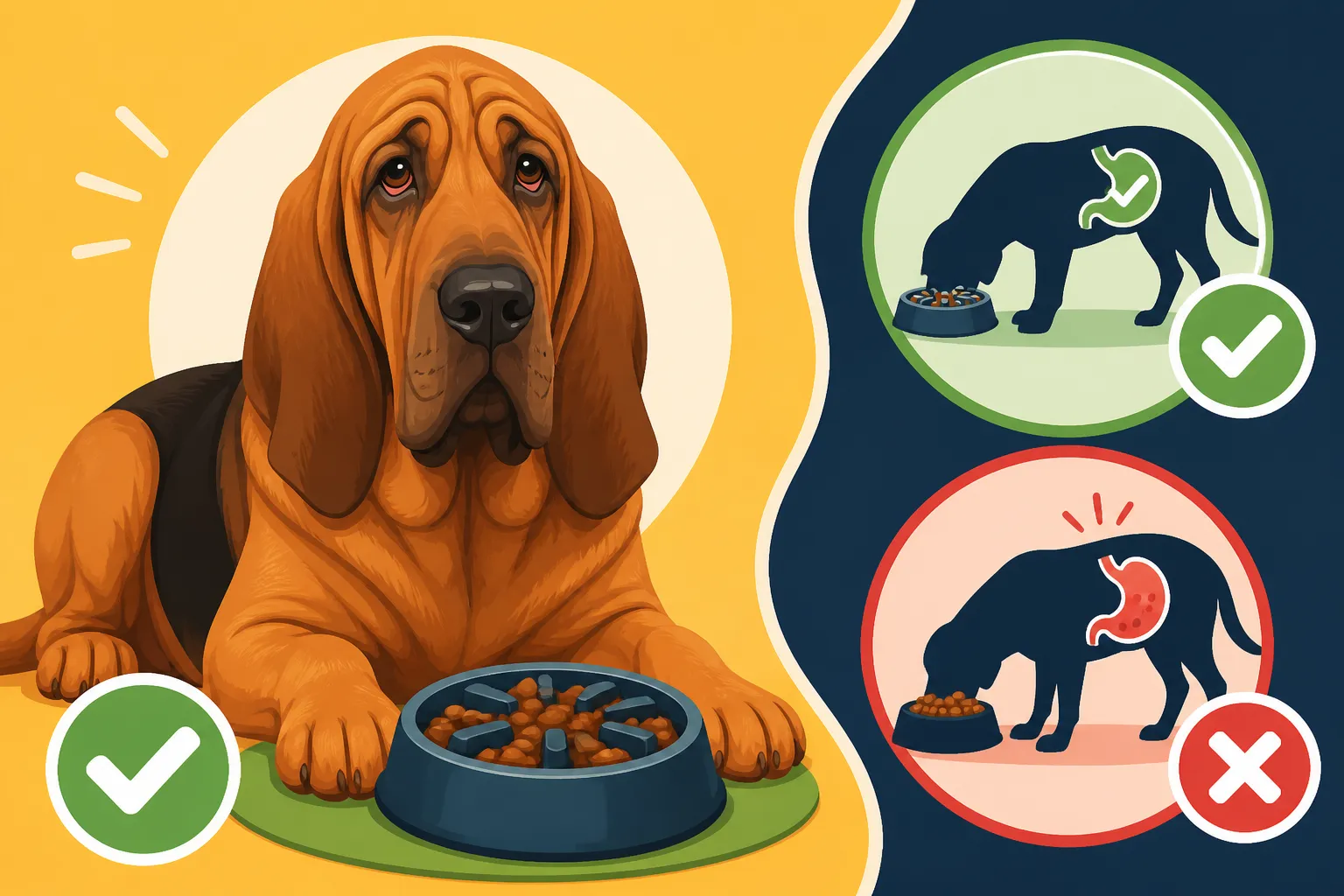
Feeding a Bloodhound So It Does Not Bloat
The terrifying reality for many Bloodhound owners is the constant shadow of bloat, a life-threatening condition that can strike with alarming speed. It's a worry that keeps us up at night, knowing that our beloved, deep-chested companions are particularly susceptible. This comprehensive guide is here to walk you through the practical, daily feeding strategies that can become your best defense against bloat, offering peace of mind and, most importantly, potentially saving your Bloodhound's life.
Understanding Bloat: The Bloodhound's Silent Threat
Bloat, or Gastric Dilatation-Volvulus (GDV), isn't just a stomach ache; it's a critical emergency that can turn fatal in a matter of hours. As Bloodhound owners, we know our dogs are built differently, and unfortunately, that unique physique comes with specific health risks that we simply can't ignore. Understanding why they're prone to it is the first step in learning how to mitigate that risk.
Why Bloat Targets Deep-Chested Breeds Like the Bloodhound
If you've spent any time around Bloodhounds, you've likely noticed their magnificent, deep chests. This isn't just for aesthetics; it's a hallmark of their breed, designed for endurance and lung capacity while on a trail. However, this same impressive structure, combined with a relatively narrow body, creates a precarious internal environment for their stomach. Imagine a balloon hanging freely in a tall, empty cupboard – there's a lot of room for it to swing and twist. This is a simplified, yet accurate, way to visualize your Bloodhound's stomach.
When a Bloodhound eats or drinks quickly, gulps air, or engages in vigorous activity after a meal, their stomach can become distended with gas and fluid. In a breed with such a deep and narrow chest, this distended stomach has ample space to move, creating a high risk of it rotating on its axis. This rotation is the "volvulus" part of GDV and is where the real danger lies. It's a genetic lottery mixed with lifestyle factors that sadly puts our hounds at a disadvantage. For a deeper dive into this anatomical predisposition, check out our article on Why a Bloodhound's Chest Shape Causes Bloat.
The Mechanics of Gastric Dilatation-Volvulus GDV
When a Bloodhound's stomach begins to dilate, it fills with gas, fluid, and undigested food. This alone is incredibly painful and uncomfortable, causing immense pressure within the abdomen. However, the true emergency begins when the stomach twists. This twisting action pinches off both the entrance and exit of the stomach, trapping everything inside. It also kinks the major blood vessels supplying the stomach and, sometimes, the spleen.
The result is a rapid cascade of life-threatening events. The stomach tissue quickly begins to die due to lack of blood flow, toxins build up, and the dog can go into shock. The pressure on the diaphragm makes breathing difficult, and the heart can be compromised. Without immediate veterinary intervention, often surgical, the outcome is almost always fatal. The speed at which this can escalate is truly terrifying, underscoring why prevention and rapid recognition are absolutely paramount. Many owners are shocked by How Fast Bloat Kills a Bloodhound.
Recognizing the Early Warning Signs
Spotting bloat early can make all the difference, even if the eventual treatment still requires emergency surgery. As Bloodhound owners, we need to be hyper-vigilant for a constellation of symptoms, as they rarely occur one by one. The first sign you might notice is restlessness or anxiety. Your usually calm hound might pace incessantly, seem uncomfortable, or keep getting up and lying down without settling. They might repeatedly look at their abdomen, as if trying to understand the source of their pain.
Excessive drooling is another common symptom, sometimes accompanied by unproductive retching or gagging – your dog looks like they're trying to vomit but nothing comes up, or perhaps just a bit of foamy liquid. Their abdomen might appear distended or swollen, especially on the left side, and it can feel hard or drum-like to the touch. Your Bloodhound might also exhibit rapid, shallow breathing, pale gums, and a weak pulse as shock sets in. If you observe any of these signs, especially in combination, it’s not a moment for hesitation; it’s a race against time to the emergency vet. You can learn more about these critical indicators in Signs a Bloodhound Is Bloating.
The Cornerstone of Prevention: Meal Frequency and Timing
When it comes to feeding our Bloodhounds, it's not just what we feed them, but how and when we do it that matters immensely for bloat prevention. Developing a structured and thoughtful feeding routine is one of the most impactful things you can do to protect your deep-chested companion. It's a simple change that carries profound benefits.
Why Smaller, More Frequent Meals are Crucial
Imagine trying to cram a week's worth of groceries into a single shopping bag – it's going to stretch, strain, and potentially burst. Now apply that visual to your Bloodhound's stomach. Feeding one massive meal a day forces the stomach to expand significantly, making it more vulnerable to twisting. Larger meal volumes also tend to promote more gas production as the food ferments.
By contrast, breaking your Bloodhound's daily food allowance into two or even three smaller meals spreads out the digestive load. This means the stomach never has to over-distend, reducing the space and opportunity for it to rotate. It allows for more stable digestion, less gas accumulation, and a more comfortable experience for your dog. For many Bloodhounds, moving from one large meal to two or three smaller ones is a simple, effective preventative measure. You might want to ask your vet How Many Meals a Day a Bloodhound Should Eat for optimal digestion and bloat prevention.
Establishing a Consistent Feeding Schedule
Dogs thrive on routine, and Bloodhounds are no exception. Their internal clocks are incredibly precise, and establishing a consistent feeding schedule isn't just about training; it's about optimizing their digestive system. When your Bloodhound knows exactly when their meals are coming, their body can better anticipate and prepare for digestion. This can lead to more efficient nutrient absorption and less stress on the gastrointestinal tract.
An unpredictable feeding schedule can cause anxiety and lead to rapid eating when food finally does appear, which, as we'll discuss, is a significant bloat risk. Feeding at roughly the same times each day, even on weekends, helps to regulate their metabolism and keeps their digestive system working smoothly. It’s a quiet background hum of regularity that contributes to their overall health and reduces one more variable that could potentially contribute to bloat.
The "Rest Before and After Eating" Rule
This rule is non-negotiable for Bloodhound owners. High-impact activity immediately before or after a meal is a major bloat trigger. Think about it: a full, heavy stomach sloshing around while your dog runs, jumps, or rolls violently. This physical agitation, combined with the normal gas production during digestion, creates a perfect storm for the stomach to distend and twist.
Therefore, it's absolutely vital to enforce a quiet period for your Bloodhound around meal times. This means no strenuous exercise, no roughhousing, no excited play sessions for at least an hour before and, ideally, two to three hours after eating. A calm walk on a leash before a meal is fine, but intense activity should be strictly avoided. Encourage them to relax in their crate or a quiet spot, allowing their digestive system to do its important work undisturbed. This simple discipline can drastically lower their risk. Find out more about this crucial window in How Long a Bloodhound Should Rest After Eating.
The Right Food: Choices and Preparation
Selecting the right diet for your Bloodhound goes far beyond just picking up any bag of kibble. Given their unique predispositions, especially to bloat, the type of food, its form, and even how you present it, all play significant roles in their digestive health. Making informed decisions here can be a crucial part of your preventative strategy.
Large Breed Formulas and Kibble Size Considerations
For Bloodhound puppies, and often for adults, feeding a formula specifically designed for large or giant breeds is essential. These diets are carefully formulated with controlled calcium and phosphorus levels to support slower, more balanced growth, which is critical for joint health in such a rapidly growing, heavy breed. More importantly for bloat, some large breed kibbles are designed with larger pieces.
Why does kibble size matter? Larger kibble can physically slow down a dog's eating. Instead of gulping down tiny pieces without much chewing, larger chunks encourage them to crunch and chew more thoroughly. This action can reduce the amount of air they swallow with their food, a known contributor to stomach distension. If you're looking for quality, specialized kibble, retailers like Chewy often carry a wide variety of large breed formulas from reputable brands, allowing you to compare options and find one that suits your Bloodhound best. Alternatively, you might explore fresh food options like Ollie, which offers tailored meal plans that prioritize high-quality, digestible ingredients.
To Soak or Not to Soak? Hydration and Bloat Risk
The question of whether to soak kibble is one that often sparks debate among dog owners and even vets. Some believe that soaking kibble before feeding can reduce the risk of bloat by allowing the food to expand before it enters the stomach, theoretically minimizing gas production within the stomach itself. The logic is that pre-hydrated food won't absorb as much gastric juice and swell internally.
However, other theories suggest that soaking kibble might actually increase the risk of bloat. The argument here is that the softened, mushy food can be eaten even faster, leading to more air gulping. Additionally, if the soaked food ferments rapidly in the stomach, it could produce more gas. The truth likely lies somewhere in the middle, and individual dogs may respond differently. What's universally agreed upon is that consistent hydration is key, whether the water comes from soaked food or a readily available water bowl. If you decide to soak, monitor your Bloodhound closely for any adverse reactions and ensure the food isn't left out long enough to spoil, especially in warmer weather.
The Debate Over Raised Bowls vs. Floor Feeding
For years, it was common advice to feed large and giant breed dogs from raised bowls, with the belief that it would reduce bloat risk by making eating more comfortable and reducing air intake. The idea was that the dog wouldn't have to bend down as far, making swallowing easier. Many well-meaning owners invested in elevated feeders, thinking they were doing the best for their hounds.
However, research, most notably studies published in the veterinary community, has challenged this long-held belief. Some studies have actually suggested that using raised food bowls might increase the risk of GDV in large and giant breeds. The theory is that when a dog eats from a raised bowl, they might eat faster and swallow more air as their head and neck posture changes. Eating from the floor, on the other hand, encourages a more natural head-down posture, which some believe can promote slower, more deliberate eating and less air intake. Given the conflicting information and the potential for increased risk, many veterinarians now recommend feeding Bloodhounds from bowls placed directly on the floor. It's a significant shift in advice, and one that Bloodhound owners should seriously consider. To understand this paradigm shift better, you might find our article Whether Raised Bowls Raise a Bloodhound's Bloat Risk particularly insightful.
Eating Habits: Slowing Down a Food Enthusiast
Bloodhounds are often enthusiastic eaters, to say the least! Their incredible sense of smell, combined with their strong food drive, can make mealtime a whirlwind. But for a breed so prone to bloat, this rapid consumption can be a dangerous habit. Controlling their eating speed is a vital component of a comprehensive bloat prevention strategy.
The Dangers of "Bolting" Food
When a Bloodhound "bolts" their food, it means they're inhaling it at an astonishing pace, often barely chewing. This frantic eating isn't just messy; it's a significant risk factor for bloat. The primary danger lies in the sheer volume of air they gulp down along with their kibble. Every frantic swallow can introduce more air into their stomach, causing it to inflate like a balloon.
This swallowed air, combined with the gas naturally produced during digestion as food ferments, can quickly lead to painful and dangerous stomach distension. If that distended stomach then twists, you have the full-blown GDV emergency. Beyond the immediate bloat risk, bolting food can also lead to indigestion, regurgitation, and general discomfort. It's a habit we need to actively manage, not just for their long-term health, but for their immediate safety at every meal.
Innovative Tools to Encourage Slower Eating
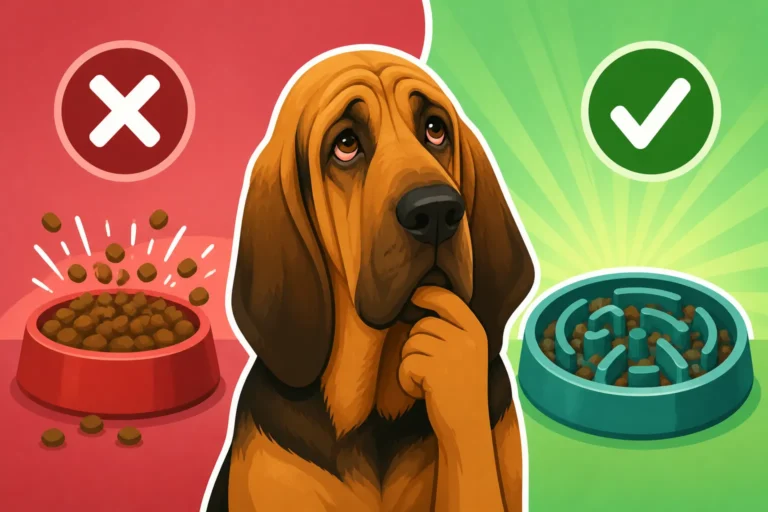
Thankfully, the market has responded to the need for slower eating, offering a range of ingenious tools designed to make mealtime a more leisurely affair for our hounds. One of the most popular and effective solutions is the slow feeder bowl. These bowls feature various ridges, labyrinths, or mazes that force your Bloodhound to navigate around obstacles to get to their food. This simple design makes it impossible for them to take large gulps, effectively slowing them down by a considerable margin.
Another excellent option is a puzzle feeder. These aren't just for mental stimulation (though they're great for that too!); many require your dog to manipulate levers, slide compartments, or roll a toy to dispense small amounts of food. This turns mealtime into a scavenger hunt, naturally extending the duration. For even simpler methods, you can spread your Bloodhound's kibble across a large baking sheet or a snuffle mat, forcing them to sniff out and pick up individual pieces. You can find a vast selection of these types of feeders on sites like Amazon, making it easy to experiment and find what works best for your dog. For more detailed recommendations, our guide on Whether a Slow Feeder Helps a Bloodhound provides excellent insights.
Creating a Calm and Undisturbed Mealtime Environment
Beyond the mechanics of how they eat, the environment where they eat also plays a crucial role in preventing bloat. Mealtime should be a calm, quiet, and stress-free experience for your Bloodhound. If they feel rushed, anxious, or have to compete for their food, they are much more likely to eat quickly and gulp air.
Ideally, feed your Bloodhound in a designated, quiet space where they won't be disturbed by other pets, children, or household commotion. If you have multiple dogs, feed them in separate rooms or crates to eliminate any potential food guarding or competition, which can exacerbate fast eating. Ensure they have ample space and peace to concentrate on their meal. A serene mealtime allows for more relaxed eating and better digestion, reducing the likelihood of stomach upset and, consequently, bloat. Creating a low-stress environment is more impactful than you might think, as discussed further in Whether Stress at Mealtime Matters for a Bloodhound.
Water Intake and Hydration Strategies
Hydration is fundamental to a Bloodhound's overall health, but when it comes to bloat prevention, how and when they drink water, particularly around meals, is a detail that deserves careful attention. It's about finding that crucial balance between adequate hydration and avoiding potential triggers.
Monitoring Water Consumption Around Meals
Just like with food, a Bloodhound guzzling a large quantity of water rapidly, especially immediately before or after a meal, can be problematic. A stomach already full of kibble that then rapidly fills with a large volume of water can quickly become distended. While water itself doesn't cause bloat, the sudden increase in stomach volume can be a contributing factor, particularly if the dog is prone to air gulping or has just eaten.
It's wise to limit large gulps of water for about an hour before and after meals. This doesn't mean restricting water entirely; it means being mindful. If your Bloodhound is excessively thirsty after eating, offer small amounts frequently rather than an entire bowl at once. Ensure they always have access to water throughout the day, but perhaps remove the main water bowl for a short window around mealtime, offering sips instead, especially if they are known for drinking quickly.
Ensuring Constant Access to Fresh Water
Despite the caveats around mealtime, constant access to fresh, clean water throughout the day is absolutely non-negotiable for a Bloodhound. Dehydration can lead to a host of health problems, and it's essential for healthy digestion. A well-hydrated dog will have a healthier digestive tract, and adequate moisture helps food move through the system more smoothly.
Consider placing multiple water bowls around your home, especially if you have a large house or an active Bloodhound who might spend time in different areas. Keep the bowls impeccably clean to encourage drinking. Stainless steel bowls are often recommended for their durability and ease of cleaning. A large ceramic or heavy plastic bowl can also work, as long as it's kept sparkling. The goal is to ensure your Bloodhound can quench their thirst whenever needed, without feeling the urge to 'chug' due to infrequent access.
The Role of Electrolytes and Hydration Aids When Appropriate
For most companion Bloodhounds leading a typical household life, plain fresh water is all they need for hydration. However, for highly active or working Bloodhounds – those involved in extensive tracking, search and rescue, or other strenuous activities – there might be situations where electrolytes or specialized hydration aids could be considered.
During prolonged exertion, especially in hot weather, dogs can lose electrolytes through panting and sweating. Replenishing these can be important for maintaining proper body function and preventing dehydration. However, this is absolutely not a decision to make lightly or without veterinary guidance. Over-supplementing electrolytes can be harmful. Always consult your veterinarian before introducing any such products, as they can assess your Bloodhound's specific activity level, health status, and needs to determine if and when these aids are truly appropriate. They are not a general bloat preventative for the average pet Bloodhound, but rather a targeted support for specific circumstances.
Dietary Supplements and "Bloat-Friendly" Ingredients
While diet foundation and eating habits are paramount, some Bloodhound owners explore dietary supplements and specific ingredients in hopes of further reducing bloat risk or supporting overall digestive health. It's a nuanced area, and understanding what might genuinely help, and what's merely speculation, is key.
Probiotics and Digestive Enzymes: Do They Help?
Probiotics are beneficial bacteria that live in the gut, and digestive enzymes help break down food into absorbable nutrients. The theory behind their use is that a healthy, balanced gut microbiome and efficient digestion could indirectly reduce bloat risk by minimizing gas production and promoting smoother gastrointestinal motility. If food is properly broken down and moves through the system without excessive fermentation, there might be less opportunity for gas buildup.
While these supplements are generally safe and can be beneficial for overall gut health, especially after antibiotic treatment or for dogs with sensitive stomachs, it's important to manage expectations. Probiotics and digestive enzymes are not direct bloat preventatives in the same way that a gastropexy or slow feeding is. They support the environment of digestion, which might contribute to a healthier gut, but they won't stop a twisted stomach. If you're considering adding these to your Bloodhound's diet, discuss it with your vet to choose a high-quality, canine-specific product that delivers active cultures.
Fiber Content and Its Impact on Digestion
Fiber plays a crucial role in digestive health for all dogs, including Bloodhounds. It helps regulate bowel movements, contributes to feelings of fullness, and can influence the speed at which food passes through the digestive tract. The impact of fiber on bloat risk is indirect but important. A diet with an appropriate balance of soluble and insoluble fiber can help maintain a healthy and consistent digestive rhythm, potentially reducing instances of constipation or diarrhea, both of which can lead to digestive upset and discomfort.
However, too much fiber, or certain types of fiber, can also increase gas production in some dogs. Legumes, for example, which are sometimes found in "grain-free" diets, have been implicated in some concerns about canine heart health, and can also be gassy for some dogs. The key is balance. Your Bloodhound's commercial diet should already contain a suitable amount of fiber. If you're feeding a raw or home-cooked diet, ensure you're providing appropriate fiber sources like pumpkin, sweet potato, or leafy greens in moderation. Sudden, drastic increases in fiber content should be avoided, as this can upset the digestive system.
Avoiding Gassy Foods and Sudden Diet Changes
This is perhaps one of the most practical and immediately actionable pieces of advice for bloat prevention through diet. Certain foods are notorious for causing gas in dogs, and for a Bloodhound, excess gas is a risk factor we want to minimize. Common culprits include beans, peas, certain vegetables (like broccoli or cabbage in large quantities), and some dairy products if your dog is lactose intolerant. While small amounts of some "human foods" are fine as treats, be cautious about feeding significant quantities of anything that could lead to excessive flatulence.
Equally important is avoiding sudden changes to your Bloodhound's diet. Their digestive systems are sensitive and thrive on consistency. A sudden switch from one brand or formula of kibble to another can disrupt the gut microbiome, lead to digestive upset, and increase gas production and diarrhea. Always transition new foods slowly over 7-10 days, gradually mixing increasing amounts of the new food with decreasing amounts of the old. This allows their system to adjust smoothly. If you're exploring alternatives like grain-free diets, understand that while some dogs thrive on them, they also require careful consideration of ingredients. Our article Whether a Bloodhound Should Eat Grain Free discusses these choices in more detail.
Beyond Diet: Lifestyle and Management Factors
While diet is a huge piece of the bloat prevention puzzle, it's not the only factor. A Bloodhound's overall lifestyle, environment, and even their personality can influence their risk. Taking a holistic approach to their care, combining smart feeding with mindful management, offers the best protection against this devastating condition.
Stress Reduction and Its Link to Bloat
It might seem indirect, but stress and anxiety can absolutely play a role in a Bloodhound's susceptibility to bloat. Just like in humans, stress can wreak havoc on a dog's digestive system. Anxious dogs might eat faster, gulping more air, or their digestive processes might slow down or become erratic, leading to gas buildup. A Bloodhound that is constantly stressed or frequently experiences bouts of anxiety could have a heightened risk.
Think about triggers: separation anxiety, fear of loud noises, changes in routine, or conflict with other pets. If your Bloodhound exhibits signs of chronic stress, addressing the root cause is important not just for their mental well-being but potentially for their physical health too. This might involve behavior modification, creating a more predictable routine, providing a safe den-like space, or in some cases, working with a vet or certified professional behaviorist. A calm hound is often a healthier hound. You can learn more about this connection in Whether an Anxious Bloodhound Bloats More.
Regular Vet Check-ups and Discussing Gastropexy
Regular veterinary care is paramount for Bloodhounds. Beyond routine vaccinations and parasite control, these check-ups are opportunities to discuss your dog's specific bloat risk factors with a professional. Your vet can assess your Bloodhound's body condition, diet, exercise regimen, and any family history of bloat. They can help you fine-tune your preventative feeding strategies and address any emerging concerns.
Crucially, a vet visit is the place to have a serious conversation about gastropexy. This is a surgical procedure where the stomach is permanently tacked to the abdominal wall, preventing it from twisting. While it doesn't prevent the stomach from distending (bloating), it prevents the fatal volvulus. For many Bloodhound owners, particularly those with a history of bloat in their dog's lines, or simply wanting to provide the highest level of protection, a prophylactic gastropexy is considered the gold standard in prevention. It's often performed during spay/neuter surgery or as a standalone procedure. Making this decision is significant, and you can explore it further in The Gastropexy Decision Every Bloodhound Owner Faces.
Understanding Your Individual Bloodhound's Risk Factors
While general guidelines are helpful, every Bloodhound is an individual, and their specific risk profile for bloat can vary. Factors like genetics, individual temperament, activity level, and eating habits all play a part. Some Bloodhounds might have relatives with a history of bloat, increasing their own genetic predisposition. Others might be naturally anxious eaters, despite all your efforts to slow them down.
Take the time to observe your own Bloodhound closely. How do they react to mealtime? Do they get overly excited? Do they gulp air even with a slow feeder? What's their general stress level? Do they have any digestive sensitivities? Keeping a health journal can be incredibly useful. Note any unusual behaviors, changes in appetite, or digestive issues. This detailed observation, combined with open communication with your veterinarian, will allow you to tailor the most effective bloat prevention strategy for your unique Bloodhound. Knowing your dog's lineage can also be telling, and you can delve into that topic in Whether a Bloodhound's Relatives Predict Its Bloat Risk.
Here's a handy table summarizing key bloat prevention feeding guidelines:
| Aspect | Recommendation | Why it Helps |
|---|---|---|
| Meal Frequency | 2-3 smaller meals per day | Prevents stomach over-distension, reduces gas accumulation. |
| Meal Timing | Consistent schedule daily | Regulates digestion, reduces mealtime anxiety, aids nutrient absorption. |
| Activity | Rest 1 hour before, 2-3 hours after meals | Prevents stomach agitation and twisting of a full stomach. |
| Kibble Size | Large breed formula with larger kibble pieces | Encourages slower eating and more chewing, reduces air gulping. |
| Water Intake | Constant access to fresh water; monitor large gulps around meals | Essential for hydration; prevents rapid stomach filling after food. |
| Eating Speed | Use slow feeder bowls, puzzle feeders, or spread food on a mat | Minimizes air swallowing, extends mealtime. |
| Eating Environment | Calm, quiet, undisturbed space; separate from other pets | Reduces stress, promotes relaxed eating and better digestion. |
| Diet Changes | Introduce new foods gradually over 7-10 days | Prevents digestive upset, gas, and diarrhea from sudden shifts. |
| Gassy Foods | Limit or avoid known gas-producing foods (e.g., beans, some veggies in large amounts) | Reduces internal gas pressure. |
| Vet Consultation | Regular check-ups; discuss gastropexy as a preventative surgery | Professional guidance, ultimate prevention of stomach torsion. |
Disclaimer
This article is for general informational purposes only and does not constitute professional advice. Laws, prices and regulations vary by location and change over time. Consult a qualified professional for guidance on your specific situation.