Whether a Hound Glove Works on a Bloodhound
It’s a common misconception that a short-coated dog like a Bloodhound won't shed much. Owners often get a rude awakening when they realize those short, coarse hairs, far from staying put, seem to permeate every single surface of their home, clothing, and even morning coffee. The perpetual battle against the ubiquitous Bloodhound hair can be frustrating, leading many to seek out any tool that promises relief. This guide dives deep into whether the humble hound grooming glove is truly an effective weapon in your Bloodhound grooming arsenal, and how to get the most out of it if it is.
Understanding the Bloodhound's Unique Coat and Shedding Reality
Let's be real: living with a Bloodhound means living with hair. While their coat might not be long and flowing like a Golden Retriever's, it has its own characteristics that make shedding a unique challenge. Understanding what you're up against is the first step in finding the right tools to manage it.
The Bloodhound's Double Coat and Its Purpose
Despite appearances, your Bloodhound isn't rocking a single layer. They typically possess a dense, short, and somewhat coarse double coat. The outer coat consists of guard hairs that are stiff and lie flat, providing protection from the elements, like brambles and wet undergrowth, when your hound is diligently following a scent trail. These hairs are robust and meant to take a beating.
Underneath this protective layer, a Bloodhound often has a softer, finer undercoat, though its density can vary depending on climate and genetics. This undercoat provides insulation, keeping them warm in cooler temperatures and sometimes helping to regulate body temperature in warmer weather. Both layers contribute to the shedding process, but it's often those shorter, coarser guard hairs that feel the most relentless in their migration patterns around your home. The Coat Is the Easy Part of a Bloodhound can be a bit of a misnomer once you're living with the shed.
The Year-Round Shedding Challenge
Forget seasonal "blow-outs" that come and go. Bloodhounds are, for most owners, year-round shredders. While they might shed a bit more profusely in spring and fall as they adjust to temperature changes, the daily accumulation of hair is a constant. These short hairs have a sneaky way of embedding themselves into upholstery, carpet fibers, and clothing, making them incredibly difficult to remove with a simple vacuum or lint roller.
The consistency of the shedding means that regular grooming isn't just a suggestion; it's a necessity to keep both your home and your hound comfortable. Many owners despair, wondering if there's any tool that can truly tackle the sheer volume of hair, day in and day out. This continuous shedding is a primary driver behind the search for effective grooming solutions, and it's why tools like the hound glove often catch an owner's eye. You're not alone if you feel like you're constantly fighting a losing battle against the fur tumbleweeds. How Much a Bloodhound Sheds might surprise you if you're new to the breed.
Deciphering the Hound Grooming Glove
When you're staring down another cloud of Bloodhound hair, the idea of a simple glove that can brush and collect fur sounds almost too good to be true. But what exactly are these grooming gloves, and how are they designed to help?
What a Grooming Glove Is and How It's Designed
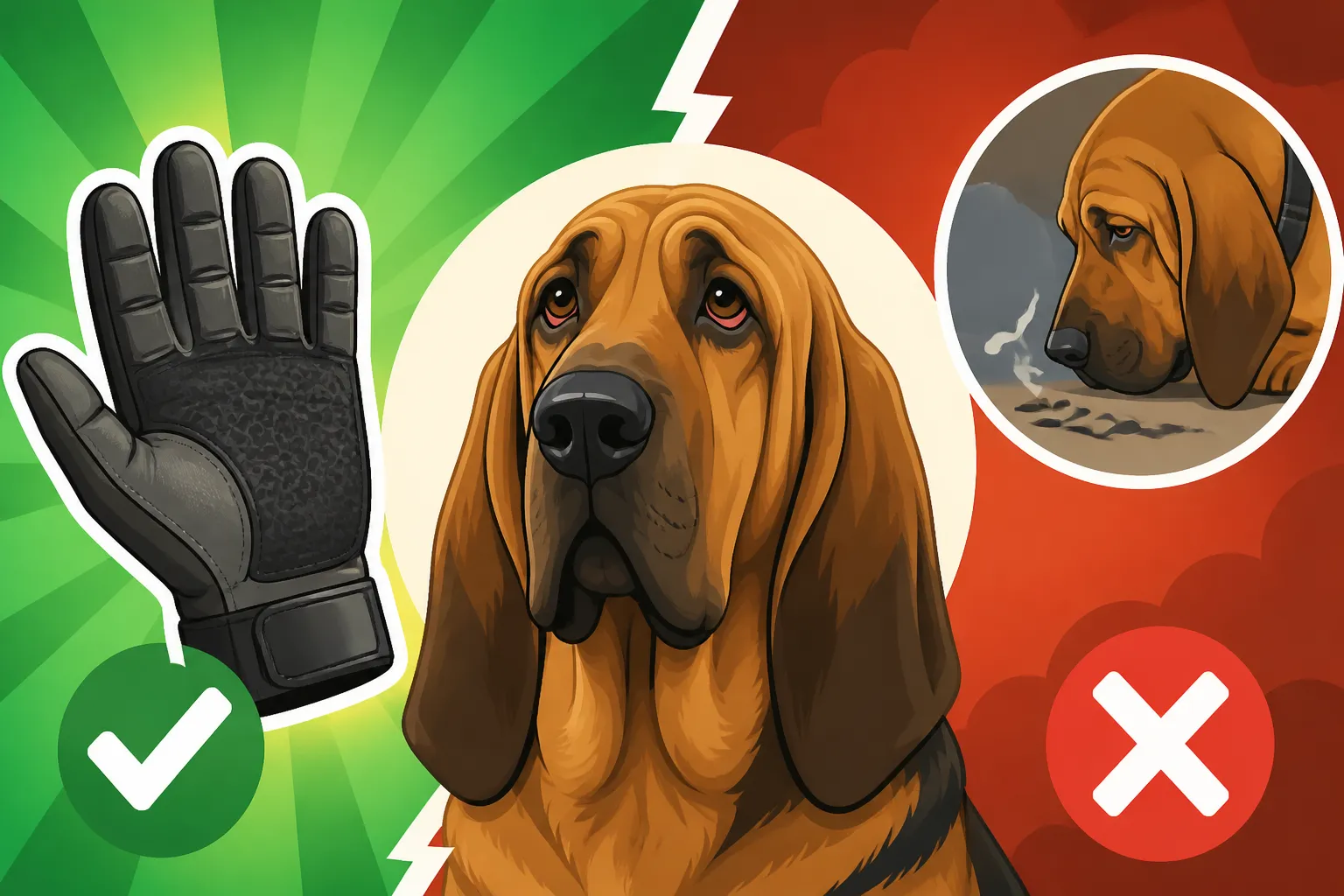
A hound grooming glove, often simply called a shedding glove or de-shedding glove, is essentially a glove (sometimes mitt-shaped) that has rubber or silicone nubs, bristles, or ridges on the palm and finger areas. These nubs can vary in length, stiffness, and density, designed to mimic the feel of a hand stroking the dog. The primary idea is to create a grooming tool that allows you to "pet" your dog while simultaneously removing loose hair and stimulating their skin.
Many of these gloves are made from flexible, durable materials like silicone or rubber, which are easy to clean and can conform to the contours of your hand and your dog's body. Some designs feature a breathable mesh backing to keep your hand comfortable during longer grooming sessions. The nubs are generally soft enough not to irritate the skin but firm enough to grab onto loose and shedding fur. You'll find a wide variety of these gloves available on online marketplaces like Amazon and dedicated pet supply sites like Chewy, making it easy to compare features and read reviews from other large breed owners.
The Mechanism Behind Hair Removal and Skin Stimulation
The magic of the grooming glove lies in its textured surface. As you stroke your Bloodhound, the rubber or silicone nubs gently massage their skin, which helps to loosen dead hair from the follicles. The slight friction and flexible nature of the nubs allow them to effectively "grip" and pull out shedding undercoat and loose guard hairs that might otherwise fall onto your furniture. The loose fur then sticks to the nubs on the glove, making it easy to peel off in clumps and discard.
Beyond just hair removal, the massaging action of the glove also stimulates blood circulation in your Bloodhound's skin. This can promote a healthier coat, distributing natural skin oils and reducing dryness or flakiness. For a breed prone to certain skin issues, this gentle stimulation can be a small but beneficial part of their overall wellness routine. It’s a tool that provides both practical hair removal and a pleasant, bonding experience for many dogs.
Applying the Hound Glove to Your Bloodhound: Advantages and Drawbacks
So, you've got a shedding Bloodhound and a hound glove in hand. Is it the miracle solution you've been dreaming of? Like any grooming tool, it has its strengths and weaknesses, especially when applied to a specific breed like ours.
The Benefits for Bloodhounds: Shedding, Skin Health, and Bonding
For Bloodhounds, the hound glove can offer several distinct advantages:
- Effective Loose Hair Removal: The flexible rubber nubs are surprisingly good at grabbing onto those short, stiff Bloodhound hairs that tend to weave themselves into everything. Because you're essentially petting your dog, you can reach all the contours of their body, from their deep chest to their wrinkled neck, ensuring thorough coverage. This is particularly useful for dislodging hairs that are still clinging to the coat but are ready to shed.
- Gentle and Non-Intimidating: Many Bloodhounds, with their typically docile and sensitive nature, might be wary of harsher metal brushes or loud deshedding tools. A grooming glove feels much more like a regular pet, making the experience less stressful and often enjoyable for the dog. This can turn grooming into a positive bonding time rather than a chore. If your Bloodhound has shown reluctance to traditional brushes, a glove can be an excellent entry point into regular grooming.
- Skin Stimulation and Health: As mentioned, the massaging action stimulates blood flow to the skin. This can help distribute natural oils, promoting a healthy, shiny coat and potentially reducing issues like dry skin or dandruff, which can be an underlying cause of excessive shedding or irritation. For areas with particularly loose skin, like their jowls and neck folds, the glove can gently work without snagging.
- Easy to Clean: Unlike brushes with fine metal teeth that can get clogged, most grooming gloves allow you to simply peel off the collected fur in one sheet, making cleanup a breeze. A quick rinse under the tap is usually all it takes to keep the glove hygienic.
- Versatile for Wet or Dry Grooming: Hound gloves can be used on a dry coat for daily shedding maintenance, or during bath time to help work shampoo into the coat and remove loose hair more effectively. This versatility adds to their value, especially for a breed that needs frequent ear and fold cleaning where a gentle touch is key.
Potential Limitations and When to Consider Other Tools
While hound gloves are fantastic, they aren't a one-size-fits-all solution for every grooming need, especially with a Bloodhound's coat.
- Not a Deep Deshedding Tool: For periods of heavy shedding, or to tackle a particularly dense undercoat, a hound glove might not be sufficient on its own. It's excellent for surface-level loose hair, but it won't penetrate as deeply or remove as much hair as a dedicated deshedding tool designed for undercoats. If you’re experiencing a true "coat blow," you'll likely need something more robust. Whether a Bloodhound Needs a Deshedding Tool is a separate question that often gets a 'yes' answer.
- Less Effective for Mats or Tangled Hair: While Bloodhounds aren't typically prone to severe matting due to their short coat, if there are any small tangles or areas where the hair has become a bit matted (perhaps behind the ears or in their long dewlaps if not regularly cared for), a grooming glove won't be able to work through them. You'd need a comb or slicker brush for those instances.
- Hand Fatigue: For very large Bloodhounds, or during extended grooming sessions, constantly stroking can lead to hand fatigue. While it feels natural, it's still a physical activity.
- May Not Appeal to All Dogs: While most Bloodhounds enjoy the sensation, some highly sensitive dogs might still be uncomfortable with any structured grooming, even if it's a glove. It's about finding what works for your individual hound.
In essence, the hound glove is a fantastic daily maintenance tool and a great way to bond while keeping surface shedding under control. However, for deeper deshedding needs, you'll want to supplement it with other tools.
Best Practices for Using a Hound Glove on Your Scent Hound
Getting the most out of your hound glove means more than just randomly rubbing it on your Bloodhound. There are techniques and routines that will maximize its effectiveness and ensure your dog enjoys the experience.
Technique Tips for Effective Grooming
To make your hound glove a true asset in your Bloodhound's grooming routine, consider these tips:
- Start Gentle and Positive: Especially if your Bloodhound is new to grooming, introduce the glove slowly. Let them sniff it, offer a treat, and start with light strokes in their favorite petting spots. Keep initial sessions short and positive, ending before they get restless. The goal is to make it a pleasant experience they look forward to.
- Stroke with the Direction of Hair Growth: Always brush or stroke in the direction your Bloodhound's hair naturally grows. Going against the grain can be uncomfortable, pull at hairs, and irritate the skin, making the process less effective and potentially creating an aversion to the glove.
- Apply Gentle, Even Pressure: You don't need to press hard. The nubs are designed to work with gentle friction. Focus on consistent, even strokes across your dog's body. Pay special attention to areas where shedding tends to be heavy, like their back, flanks, and around the tail. Don't forget their long, velvety ears, which can also hold onto loose hair.
- Work in Sections: For a large dog like a Bloodhound, it can be helpful to work in sections. Start on one side, move to the back, then the other side, and finish with the chest and legs. This ensures you don't miss any spots and helps manage the volume of hair collected.
- Peel Off Hair Frequently: As you groom, you'll notice hair building up on the glove. Stop periodically to peel off the collected fur. Many gloves are designed so the hair comes off in a single, satisfying sheet. This keeps the nubs effective and prevents them from becoming too clogged.
- Use During Bath Time: Don't limit your hound glove to dry grooming. It's incredibly useful during baths. Use it to work shampoo thoroughly into your Bloodhound's dense coat, ensuring it penetrates all the way to the skin. Then, use it during rinsing to help remove loose hair, soap residue, and improve water penetration. This can significantly reduce post-bath shedding.
Integrating the Glove into Your Bloodhound's Regular Care Routine
Consistency is key when it comes to managing Bloodhound shedding. A hound glove is best utilized as part of a regular, ongoing grooming schedule.
Aim for a quick 5-10 minute session with the hound glove daily or every other day, especially if your Bloodhound is shedding heavily. This frequent, short attention is often more effective than infrequent, long sessions, as it prevents large accumulations of loose hair.
Consider adding a more thorough session with the glove once or twice a week, paying extra attention to all the nooks and crannies. This routine not only helps manage shedding but also allows you to regularly check your Bloodhound's skin for any abnormalities, bumps, or irritations that might be hiding under their coat or in their numerous folds. How Often a Bloodhound Needs Brushing is often more frequent than owners realize, and the glove makes this easier.
| Grooming Tool | Primary Function | Bloodhound Suitability | Best Used For |
|---|---|---|---|
| Hound Grooming Glove | Loose hair removal, skin stimulation, massage | High | Daily maintenance, gentle deshedding, bonding, bath time |
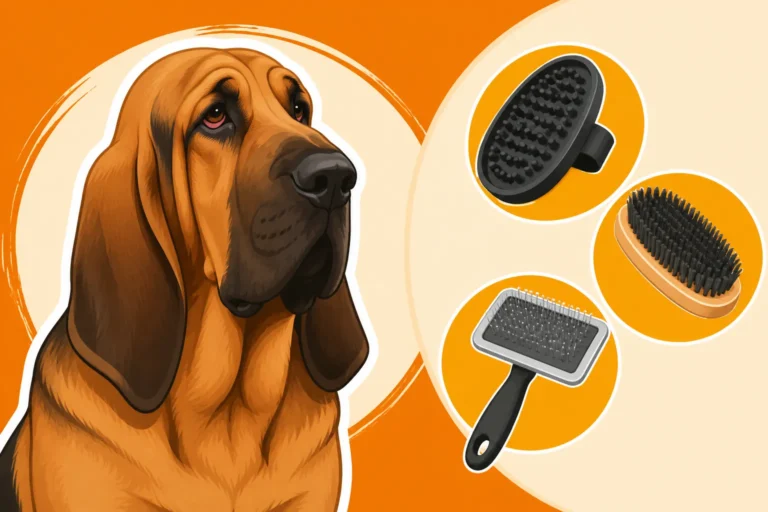
| Rubber Curry Brush | Loose hair removal, massage, skin stimulation | High | Similar to glove, good for short coats, effective on wet or dry hair |
| Slicker Brush | Removing mats, tangles, fine undercoat | Medium | Less critical for short Bloodhound coat, but useful for stubborn tangles |
| Deshedding Tool | Removing dense undercoat, heavy shedding | High | Seasonal heavy shedding, reaching deeper undercoat (use sparingly and gently) |
| Bristle Brush | Distributing oils, polishing coat, surface hair | Medium | Finishing touch, light surface grooming, promoting shine |
Complementary Grooming Tools for Bloodhounds
While the hound glove is a fantastic everyday tool, a truly comprehensive grooming regimen for your Bloodhound will likely involve a few other items to ensure their coat and skin stay in top condition. No single tool does it all, and understanding their individual strengths helps you build a robust routine.
Deshedding Tools and Brushes for Deeper Coat Care
For those times when your Bloodhound is really "blowing" their coat, or if they have a particularly dense undercoat, you'll need something with a bit more oomph than just a grooming glove.
A dedicated deshedding tool, like those from popular brands found on Chewy or Amazon, can make a significant difference. These tools are designed with fine, closely spaced teeth that reach through the topcoat to grab and remove loose undercoat without cutting the guard hairs. They are incredibly effective at removing large volumes of shedding hair in a shorter amount of time. However, it's crucial to use these tools sparingly and gently, as over-brushing or pressing too hard can irritate your Bloodhound's sensitive skin. Once or twice a week during heavy shedding periods is usually sufficient. Remember, the goal is to remove dead hair, not to thin out a healthy coat. Which Brush Suits a Bloodhound's Short Coat will often point you towards these types of options for the heaviest shedding.
A rubber curry brush is another excellent complementary tool for a Bloodhound. Similar in concept to the grooming glove, it features rubber nubs or teeth but is typically a handheld block rather than a glove. These are fantastic for massaging the skin, loosening dirt, and removing dead hair, especially during bath time. They're robust and can handle a bit more pressure than a glove, making them good for working through a wet coat and helping shampoo penetrate.
Tackling Stubborn Shedding and Seasonal Blow-outs
Sometimes, despite all your efforts, you'll encounter periods where the shedding seems relentless, or you notice particularly stubborn areas where hair accumulates.
During these "seasonal blow-outs," a combination approach is best. Start with a thorough session using your deshedding tool to remove the bulk of the loose undercoat. Follow up with your hound glove for a gentler pass, picking up any remaining surface hairs and providing that comforting massage. This multi-tool approach ensures you're tackling both the deep undercoat and the surface shedding effectively.
Bathing can also play a crucial role in managing shedding. A good quality shampoo designed for shedding control, followed by a thorough rinse and then a run-through with your hound glove while the coat is still wet, can dislodge an impressive amount of hair that would otherwise end up on your floor. Just ensure your Bloodhound is completely dry afterward, paying close attention to their skin folds and ears, to prevent moisture-related skin issues. How Often a Bloodhound Needs a Bath varies, but using the right tools during the bath can make each session count.
Beyond tools, remember that diet and overall health play a role in coat quality and shedding. A well-balanced diet and regular veterinary check-ups can ensure your Bloodhound's skin and coat are as healthy as possible, reducing excessive shedding that might be due to underlying issues. While a hound glove can’t fix a poor diet, it’s an integral part of maintaining a healthy, comfortable coat that reflects good internal health.
Disclaimer
This article is for general informational purposes only and does not constitute professional advice. Laws, prices and regulations vary by location and change over time. Consult a qualified professional for guidance on your specific situation.