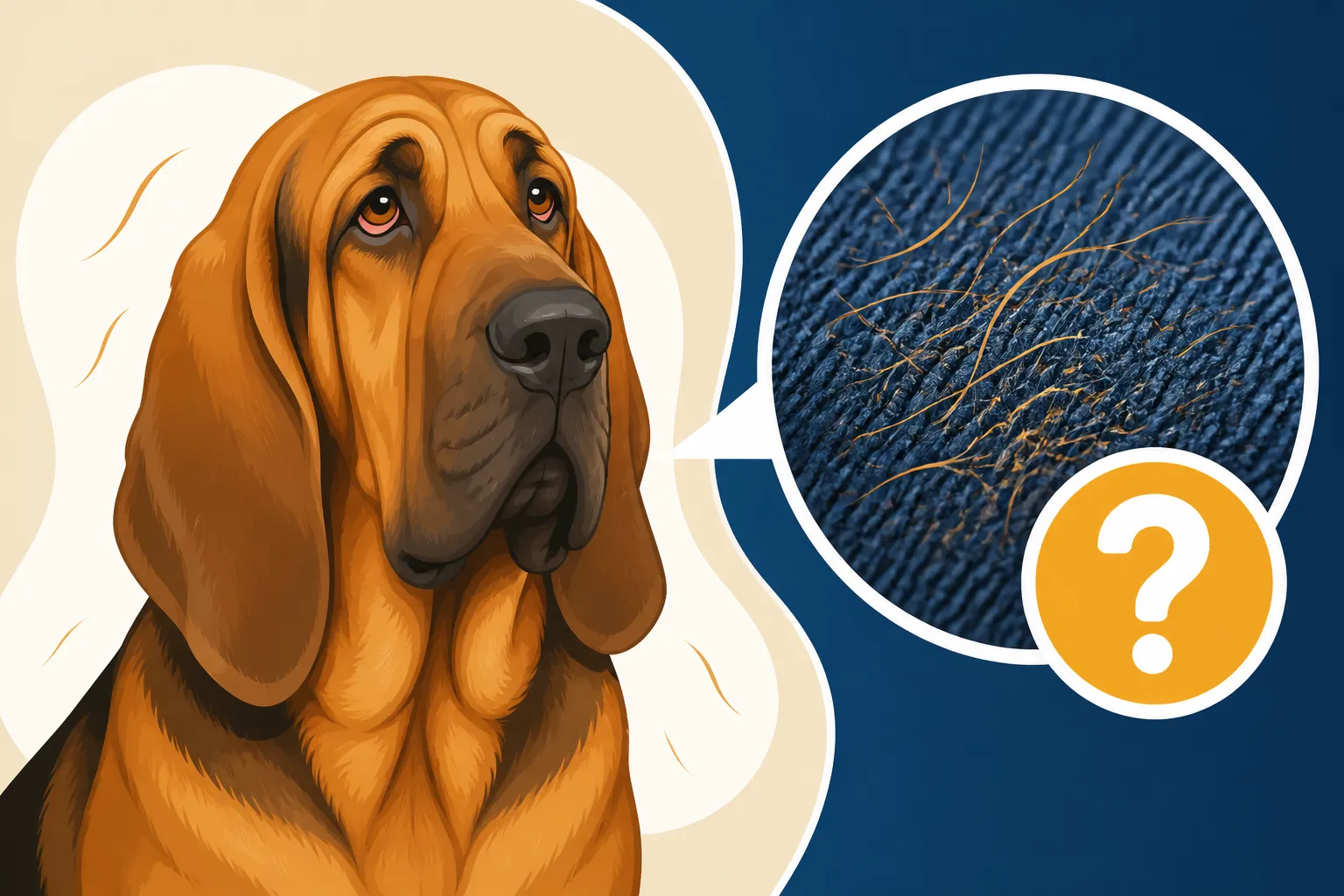
Whether a Bloodhound’s Hair Sticks in Fabric
If you're a Bloodhound owner, you know the struggle is real when it comes to dog hair. It's not just on things; it feels like it's woven into them. This guide is all about understanding why that short, seemingly innocuous Bloodhound hair is such a master of cling and, more importantly, what you can realistically do to manage it on your fabrics.
Understanding the Bloodhound Coat and Its Shedding Habits
Let's be honest, few breeds boast a coat that seems so low-maintenance at first glance, only to reveal its true, fabric-clinging nature. You look at those sleek, short hairs and think, "Oh, this won't be bad!" And then, you sit on your couch, stand up, and realize you've become a walking advertisement for your beloved hound.
The Bloodhound's Unique Hair Structure
Unlike some breeds with long, flowing locks that tend to clump and roll off surfaces, or those with fluffy undercoats that create soft tumbleweeds, the Bloodhound's coat is a special beast. It's generally short, dense, and can feel surprisingly coarse to the touch. Each individual hair might be short, but there are so many of them, packed tightly across that massive body. This particular combination of shortness, density, and a certain stiffness makes Bloodhound hair particularly adept at burrowing into fabric weaves rather than just sitting on top. It's like thousands of tiny, barbed projectiles, perfectly designed to weave themselves into your clothes, upholstery, and car seats, defying gravity and logic.
The coarseness of the hair means it doesn't just lie flat; it has a rigidity that helps it wedge itself into textile fibers. Think about it: a fine, silky hair might slide right out, but a stiff, short hair will catch and anchor itself. This is why you'll often find a single Bloodhound hair feeling like a sturdy thread, refusing to be flicked away. It becomes a permanent fixture, often requiring significant effort to dislodge.
Bloodhound Shedding: A Seasonal and Constant Reality
Let's dispel any myths right away: Bloodhounds shed. A lot. It's not just a seasonal event; it's a year-round, ongoing contribution to your home's décor. While you might notice heavier shedding periods, typically in spring as they blow their winter coat and in fall as they prepare for a new one, the truth is, a Bloodhound is always shedding. Every day is shedding day in a Bloodhound home.
During those peak shedding seasons, it can feel like you're sweeping up a small dog's worth of hair every week. This constant turnover of hair means there's always a fresh supply of those stubborn, short hairs looking for a new home – often, that new home is your favorite sweater or the freshly laundered blanket. The sheer volume of hair produced means that even with diligent grooming, some will inevitably escape into your living space, ready to cling. It's a never-ending cycle, but understanding that it's normal can help you mentally prepare for the daily battle.
Why Bloodhound Hair Clings So Stubbornly to Fabric
It's not just that Bloodhound hair sheds; it's how it interacts with textiles that causes so much frustration. There's a science to the cling, and once you understand it, you can better arm yourself for the fight.
The Electrostatic Cling Factor
Have you ever pulled a shirt out of the dryer only to find it covered in static cling, attracting every stray fiber in its vicinity? Bloodhound hair works on a similar principle, often exacerbated by its short, dense nature. As your Bloodhound moves around, rubs against furniture, or shakes off that persistent drool, friction is created. This friction generates static electricity, especially in drier environments.
These tiny electrostatic charges act like invisible magnets, causing the short, light Bloodhound hairs to literally jump onto nearby fabrics and bond with them. Once attached, the static charge helps them stay put, making them incredibly difficult to simply brush or shake off. Synthetic fabrics, in particular, are notorious for generating and holding static electricity, creating a perfect storm for pet hair adhesion. This is why you might notice the hair count go up in the winter months when the air is typically drier, and static is more prevalent. It’s a frustrating phenomenon, turning your otherwise clean laundry into a furry magnet.
Fabric Types and Their Hair-Attracting Properties
Not all fabrics are created equal when it comes to attracting and holding onto Bloodhound hair. Some materials are practically hair magnets, while others offer a bit more resistance. Understanding which is which can save you a lot of grief.
The Hair Magnets:
- Fleece and Wool: The soft, open weave and textured surface of these materials provide countless tiny hooks and loops for short hairs to embed themselves into. Fleece blankets and wool sweaters are particularly notorious.
- Velvet and Corduroy: These fabrics have a distinct pile or ribbed texture that effectively traps hair, making it incredibly difficult to remove without specialized tools.
- Loose-Weave Cottons and Linens: While natural, their often looser weave allows short hairs to work their way deep into the fabric, making them hard to dislodge.
- Many Synthetics (e.g., Polyester blends): These are prime candidates for static electricity generation, which, as we discussed, is a major cling factor. Their often textured or slightly napped surfaces also offer ample purchase for hairs.
The Hair-Resistant Choices:
- Leather and Faux Leather: Smooth surfaces offer no place for hair to cling. Hairs simply sit on top and can be easily wiped away.
- Tightly Woven Fabrics (e.g., Microfiber, some Canvas, Denim): The tight weave makes it harder for hairs to penetrate the fabric's surface. While some might sit on top, they're generally easier to remove.
- Silk and Satin: Their naturally smooth, slippery surfaces deter hair from clinging.
When you choose furniture, bedding, or even your daily wardrobe, keeping these fabric characteristics in mind can make a big difference in your hair management battle.
Practical Strategies for Managing Bloodhound Hair on Fabric
While you can't stop your Bloodhound from shedding (and wouldn't want to, really!), you can absolutely implement strategies to minimize the amount of hair that ends up stubbornly stuck to your favorite fabrics. It's a multi-pronged approach, but every little bit helps!
Proactive Grooming to Minimize Shedding
The first line of defense against hair on your couch is to remove as much of it as possible directly from your Bloodhound. A consistent grooming routine is paramount.
- Regular Brushing: This is your most powerful weapon. Aim to brush your Bloodhound several times a week, ideally daily during peak shedding seasons. Consistent brushing helps to remove loose, dead hair before it has a chance to fall off onto your fabrics. For a Bloodhound's short, dense coat, tools like a rubber curry brush or a hound glove work wonders. They help to massage the skin, stimulating circulation, and effectively pull out those shedding hairs without irritating the skin. Many owners find a grooming mitt to be particularly effective, allowing them to pet and brush simultaneously. Regular brushing not only helps with hair management but also keeps your hound's coat healthy and shiny. You might be surprised at the sheer volume of hair you can collect in just a few minutes! For more specific tools, you might find some great options by searching online retailers like Amazon or Chewy. Whether a Hound Glove Works on a Bloodhound
- Bathing: While not a daily activity, regular bathing (every 4-6 weeks, or as needed) can also help dislodge loose hair. Be sure to use a good quality dog shampoo that is gentle on their skin. Follow up with a thorough rinse and vigorous towel drying (and even a quick brush once dry) to remove any remaining loose hairs. How Often a Bloodhound Needs a Bath and Which Shampoo Suits a Bloodhound's Skin can offer more insights. Consider Whether a Groomer Is Necessary for a Bloodhound if you find the bathing process daunting for a large dog.
- Deshedding Tools: While Bloodhounds don't have the heavy undercoats of some double-coated breeds, certain deshedding tools designed for short-haired dogs can still be beneficial. These tools are designed to reach through the topcoat and gently remove loose undercoat without cutting the guard hairs. Use them sparingly and carefully to avoid skin irritation. Whether a Bloodhound Needs a Deshedding Tool
Cleaning Techniques for Hair-Laden Fabrics
Okay, so despite your best grooming efforts, some hair is still going to make it onto your fabrics. Don't despair! There are effective ways to get it off.
- Lint Rollers: The classic lint roller is a go-to for a reason. Keep them strategically placed around your home – by the door, in your car, next to your couch. While they are great for quick touch-ups on clothing or small areas, they can go through sheets quickly on larger surfaces. Consider reusable, washable lint rollers for a more eco-friendly and cost-effective option over time.
- Rubber Gloves or Squeegees: This might sound odd, but a damp rubber glove or a window squeegee can be incredibly effective on upholstery and carpets. Rubbing the surface with these tools creates friction and static, causing the hair to clump together into easily pick-up-able balls. It's a surprisingly satisfying method!
- Vacuum Cleaners: A good quality vacuum with strong suction and specialized pet hair attachments is a must-have. Look for attachments designed for upholstery, crevices, and stairs. Robotic vacuums can also be a game-changer for daily maintenance on floors, preventing hair from settling onto low-lying fabrics.
- Washing Machine & Dryer Tricks: For washable items like bedding, throws, or clothing, try these tips:
- Pre-Wash Rinse: Before washing a heavily furred item, run it through a short rinse cycle without detergent. This helps dislodge some of the hair, which can then be collected by your washing machine's filter (if it has one) or at least prevent it from redepositing.
- Add a Hair Catcher: There are specific laundry products, often called "pet hair removers" or "hair catchers," that you can toss into the wash with your clothes. These often have a sticky or textured surface that attracts hair during the wash cycle.
- Dryer Sheets: After washing, toss items in the dryer with a dryer sheet. The static generated in the dryer, combined with the softening agents in the sheet, helps release stubborn hairs from the fabric, which then collect in your lint trap. Be sure to clean your lint trap thoroughly after drying pet hair-laden items! What a Bloodhound Owner Spends on Towels and Cleaner and Whether a Bloodhound Owner Should Keep Cloths in Every Room can highlight the importance of being prepared.
Choosing Pet-Friendly Fabrics and Furniture Covers
Sometimes, the best offense is a good defense. Making smart choices about your home furnishings can significantly reduce the impact of Bloodhound hair.
- Opt for Hair-Resistant Fabrics: When buying new furniture, consider materials like tightly woven microfiber, canvas, or leather/faux leather. These surfaces are much easier to clean and don't allow hair to embed as readily as velvet or chenille.
- Invest in Washable Slipcovers and Throws: These are lifesavers! If you love your current couch but hate the hair, a durable, washable slipcover can protect your furniture and be tossed in the wash regularly. Throws and blankets placed strategically on your Bloodhound's favorite lounging spots provide a sacrificial layer that's easy to remove, shake out, and wash. You can find a wide variety of stylish and functional options on sites like Chewy or Amazon. Whether a Bloodhound Owner Should Buy Washable Everything
- Designated Pet Areas: Provide your Bloodhound with comfortable, easily washable beds and blankets that are theirs. This gives them a specific place to shed, hopefully concentrating some of the hair in one area. Look for beds with removable, machine-washable covers. Whether a Bloodhound's Bedding Holds the Odor
Living with Bloodhound Hair: Acceptance and Adaptation
Let's face it: owning a Bloodhound means accepting a certain level of hair in your life. It's part of the package, a small price to pay for the endless loyalty, goofy charm, and incredible nose power these magnificent hounds bring into our homes.
The Reality of Owning a Bloodhound
While the strategies above will certainly help, it's important to set realistic expectations. Complete hair eradication is likely an unattainable goal. Your home will have Bloodhound hair. Your clothes will have Bloodhound hair. Sometimes, you'll even find it in your food (we've all been there!). The key is to establish a routine that keeps it manageable, rather than striving for an impossible, hair-free existence.
Embrace the joy your Bloodhound brings, and try not to let the hair become a source of constant stress. A clean home is a lovely thing, but a home filled with love (and a little bit of dog hair) is even better. It’s about adapting your lifestyle and cleaning habits to accommodate your furry family member, not wishing them away.
Products and Tools to Make Life Easier
The market for pet hair management is vast, and for good reason! Here are some products that many Bloodhound owners find invaluable:
- Robot Vacuums: For maintaining floors and low-pile rugs, a robot vacuum that runs daily can significantly reduce the amount of loose hair migrating to your furniture. Many models are designed specifically for pet hair, with tangle-free brushes.
- Specialized Laundry Detergents: Some detergents are formulated with enzymes or other ingredients that help loosen pet hair from fabric during the wash cycle.
- Car Seat Covers: If your Bloodhound rides in the car, a durable, washable car seat cover (or even a blanket designated for the car) is essential to protect your upholstery. These are easily found on Chewy or Amazon.
- Heavy-Duty Lint Brushes: Beyond the sticky tape rollers, there are fabric lint brushes that use static electricity or a specific nap to lift hair from clothing and upholstery. They are reusable and very effective for quick clean-ups.
- Air Purifiers: While they won't remove hair from fabric, a good air purifier can help catch airborne dander and some loose hairs, improving overall air quality and potentially reducing the amount of hair settling on surfaces.
Ultimately, managing Bloodhound hair on fabric is an ongoing process that combines proactive grooming, smart cleaning techniques, and a healthy dose of acceptance. With the right tools and a consistent routine, you can keep your home feeling clean and comfortable, even with a magnificent, shedding Bloodhound by your side.
Here's a quick comparison of popular pet hair removal methods for fabric:
| Method | Best For | Pros | Cons |
|---|---|---|---|
| Lint Roller (Sticky) | Clothing, small upholstery | Quick, portable, effective for surface hair | Consumable (waste), can be slow for large areas, doesn't get deep |
| Reusable Lint Brush | Clothing, upholstery, bedding | Reusable, effective, no waste | Can fill up quickly, requires cleaning, some designs less effective |
| Rubber Glove/Squeegee | Upholstery, carpets, car seats | Very effective for embedded hair, no special products needed | Requires effort, can be messy if hair is wet, works best on specific fabrics |
| Vacuum with Attachments | Upholstery, carpets, corners | Deep cleaning, removes large volumes of hair | Can be bulky, noise, requires electricity, specialized attachments needed |
| Washing Machine/Dryer | Clothing, bedding, throws | Cleans and removes hair simultaneously | Requires specific techniques (pre-rinse, dryer sheets), can clog lint traps |
Disclaimer
This article is for general informational purposes only and does not constitute professional advice. Laws, prices and regulations vary by location and change over time. Consult a qualified professional for guidance on your specific situation.