Whether a Slow Feeder Helps a Bloodhound
Anyone who has owned a Bloodhound knows that mealtime isn't just a quick chow-down; it's often a frantic, gulping race against the clock. This rapid consumption isn't just a messy nuisance; for a breed with a deep chest like the Bloodhound, it carries a very real and terrifying risk: bloat. This guide is dedicated to helping you understand why your Bloodhound eats like a vacuum cleaner, the dangers associated with it, and crucially, how innovative feeding solutions like slow feeder bowls can be a literal lifesaver, offering practical strategies to make mealtime safer and more enjoyable for your beloved scent hound.
The Urgency of a Bloodhound's Mealtime Manners
You've probably seen it: your majestic Bloodhound, usually so deliberate and focused on a scent trail, transforms into a blur of jowls and gulps when the food bowl hits the floor. It's a common sight, but one that fills many Bloodhound owners with a sense of dread. This isn't just about good manners or keeping the kitchen tidy; it's about a very real, very dangerous health concern specific to our deep-chested companions. The sheer speed at which a Bloodhound can inhale a meal is truly astounding, and it's a habit that can lead to severe health consequences.
Why Bloodhounds Tend to Eat So Fast
There's a theory that the deep, primal instinct to secure food quickly stems from their ancestral hunting days or perhaps from pack dynamics where competition for resources was high. Even in our modern homes, far removed from the wilderness, many Bloodhounds seem to retain this inherent drive. They're often highly food-motivated, which, combined with their generally eager-to-please (but easily distracted by scent) nature, means that when food is present, it becomes the singular focus. This intense focus often overrides any inclination to savor the meal, leading to rapid, unchewed ingestion of kibble and a lot of swallowed air. It's not necessarily a sign of hunger or deprivation; it's just how they are with food.
The Problem with Gulping Food and Air
When a Bloodhound eats at warp speed, they're not just consuming their food; they're also taking in a significant amount of air with each frantic gulp. This swallowed air contributes to gas buildup in the stomach, which can be benign in smaller, less predisposed breeds. However, for a Bloodhound, whose unique anatomy includes that characteristic deep, narrow chest, this excess gas is a critical component in the development of a life-threatening condition known as gastric dilatation-volvulus, or bloat. This isn't just an upset tummy; it's an emergency where every second counts, and understanding the role of swallowed air is the first step in prevention.
Understanding Bloat and Why Speed Eating Is a Risk Factor
Bloat is the nightmare scenario for any Bloodhound owner. It's a condition that comes on suddenly and can be fatal incredibly quickly if not addressed with immediate veterinary intervention. Knowing the signs and understanding the risk factors, especially rapid eating, is paramount to protecting your dog. It's not an exaggeration to say that awareness can literally save a life.
The Mechanics of Bloat in Deep-Chested Breeds
Gastric dilatation-volvulus (GDV), more commonly known as bloat, occurs when a dog's stomach fills with gas, food, or fluid, causing it to distend (dilate). In many cases, the distended stomach then twists upon itself (volvulus), cutting off blood supply and trapping the contents and gases inside. This twisting is what makes bloat so lethal. The pressure can affect breathing, blood circulation, and lead to shock, organ damage, and eventually death. For breeds like the Bloodhound, with their distinctive chest shape, the stomach has more room to swing and twist when full and gassy, making them tragically predisposed. It's a terrible lottery, and our goal as owners is to stack the odds as much as possible in our favor. This is why addressing the rapid eating habit is so vital. Bloat Is What Kills Most Bloodhounds is a terrifying reality, and speed eating is a major contributing factor.
How Fast Eating Increases Bloat Risk
When your Bloodhound devours their meal in mere seconds, they're doing more than just satisfying their hunger. They are inhaling huge gulps of air along with their food. This air rapidly distends the stomach. Imagine blowing up a balloon inside a confined space – that's essentially what happens. The distended stomach, now like a swollen balloon, becomes much more likely to flip or twist. This is exacerbated by any post-meal activity, be it a vigorous play session or even just stretching in an uncomfortable way. The combination of swallowed air, rapid ingestion, and often, gulping down water immediately after eating, creates a perfect storm for bloat. Many owners wonder Whether a Bloodhound Bloats More After Six, but the risk is present at any age with rapid eating.
Other Factors Contributing to Bloat
While fast eating is a significant risk factor, it's certainly not the only one. Genetics play a huge role; if a Bloodhound's close relatives have bloated, their risk is higher. Stress and anxiety can also be triggers, as can feeding one large meal a day instead of multiple smaller ones. Certain types of exercise too close to mealtime, or drinking large quantities of water quickly, are also implicated. Even the type of food, with some studies suggesting kibble with certain ingredients might increase risk (though this is debated), can play a part. What the Purdue Bloat Study Found About Bloodhounds sheds light on many of these factors, and it's a valuable resource for any concerned Bloodhound owner. It's a multifaceted problem, and addressing one factor, like rapid eating, is a crucial piece of the overall prevention puzzle.
How Slow Feeder Bowls Work for Bloodhounds
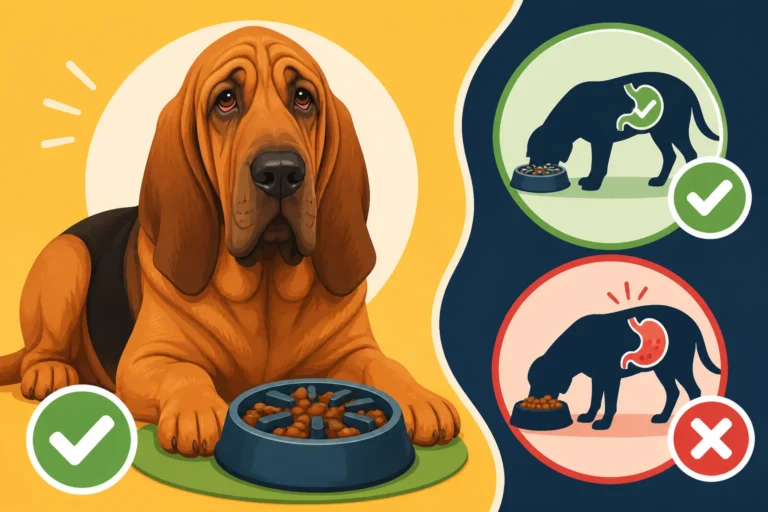
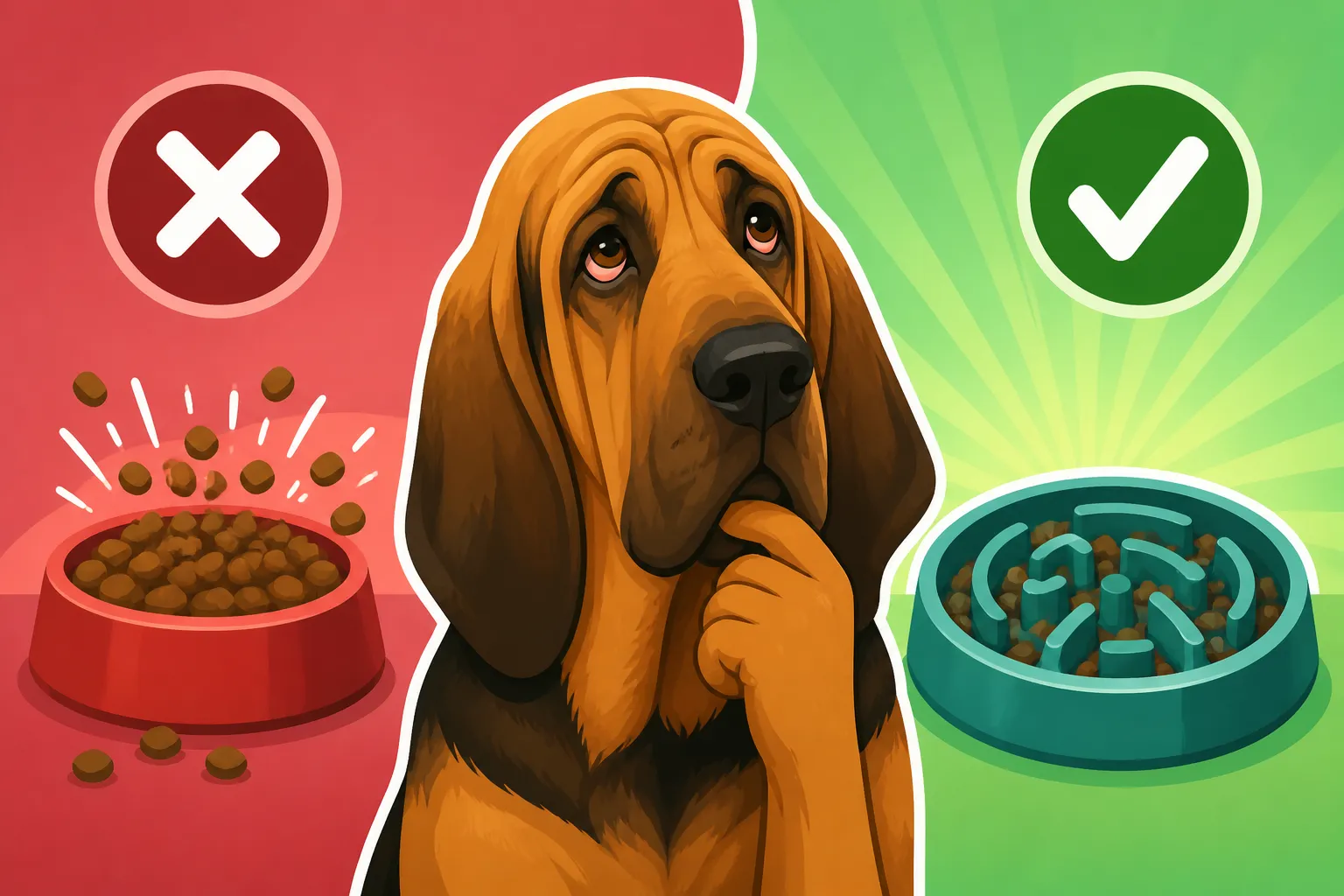
Slow feeder bowls are specifically designed to make it more challenging for your dog to access their food, thereby forcing them to eat at a slower pace. For a Bloodhound, this isn't just a nice-to-have; it's a preventative tool that can significantly reduce the intake of air during meals, thereby lowering the risk of bloat. These bowls are a simple yet ingenious solution to a potentially life-threatening problem.
The Design Philosophy: Obstacles and Engagement
At their core, slow feeder bowls introduce obstacles into the food dish. Instead of a wide-open surface where a Bloodhound can scoop up huge mouthfuls, these bowls feature ridges, mazes, or pillars that separate the kibble. Your Bloodhound has to navigate these barriers with their tongue and muzzle, picking up smaller portions at a time. This slows them down considerably, often transforming a 30-second meal into a 5-10 minute activity. This extended mealtime also provides a bit of mental stimulation, turning eating into a mini-puzzle. This engagement can actually make mealtime more satisfying for your Bloodhound, as they have to "work" for their food, much like their ancestors might have done in the wild.
Reducing Air Intake and Improving Digestion
The most direct benefit of a slow feeder for a Bloodhound is the dramatic reduction in swallowed air. By forcing them to take smaller bites and chew more, they are less likely to gulp large volumes of air. Less swallowed air means less gas buildup in the stomach, which, as we discussed, is a primary precursor to bloat. Beyond bloat prevention, slower eating also aids in better digestion. When food is chewed more thoroughly and eaten at a measured pace, the digestive system has more time to process it, leading to better nutrient absorption and potentially reducing issues like regurgitation or stomach upset. It's a simple change that can have a profound impact on overall gut health. It's often recommended alongside other practices, such as How Many Meals a Day a Bloodhound Should Eat to further manage bloat risk.
Mental Stimulation and Enrichment
Beyond the physical benefits, slow feeders offer a wonderful opportunity for mental enrichment. Bloodhounds are incredibly intelligent and driven by their noses, and anything that engages their brain in a positive way is a win. A slow feeder turns a mundane activity into a mild challenge, tapping into their natural problem-solving instincts. This can help reduce boredom, decrease anxiety around mealtime, and even redirect destructive chewing habits towards a more appropriate outlet. Instead of just "inhaling and done," they get to use their brains and their incredible noses to figure out how to get every last piece of kibble. You might find a wide variety of these bowls available on sites like Chewy or Amazon, offering different levels of difficulty and materials.
Different Types of Slow Feeders and Their Pros & Cons
The market for slow feeder bowls has expanded significantly, offering a range of designs and materials to suit different needs and preferences. While the core principle remains the same—to create obstacles—the execution can vary, and what works best for one Bloodhound might not be ideal for another.
Maze and Ridge Bowls
These are perhaps the most common type of slow feeder. They feature a pattern of raised ridges or a maze-like design within a standard bowl shape. The kibble settles into the valleys of the maze, requiring your Bloodhound to nudge and lick it out.
Pros:
- Effective: They are generally very good at slowing down eating, especially for dogs that tend to scoop food.
- Easy to clean: Most are made of durable plastic or ceramic and can be cleaned easily, often dishwasher safe.
- Variety: Available in many sizes, depths, and maze patterns, so you can find one appropriate for a Bloodhound's large muzzle.
- Affordable: Often more budget-friendly than more complex puzzle feeders.
Cons:
- Durability: Some plastic versions might not stand up to an enthusiastic Bloodhound's chewing if they decide to try and "solve" the bowl itself.
- Frustration: A particularly determined or easily frustrated Bloodhound might try to flip the bowl, especially if it's lightweight.
Silicone Lick Mats and Snuffle Mats
These aren't traditional bowls but flat or textured surfaces designed to be spread with wet food, peanut butter, or even kibble mixed with a bit of water. Snuffle mats are fabric mats with many folds and pockets where you can hide dry kibble.
Pros:
- Extremely Slow: Lick mats can keep a Bloodhound occupied for a very long time, as they require intense licking.
- Anxiety Reduction: Licking is a self-soothing behavior for dogs, so these can be excellent for anxious eaters or as a calming activity.
- Versatile: Great for wet food, yogurt, or even spreadable treats. Snuffle mats are fantastic for dry kibble.
- Portable: Lick mats are often flexible and easy to travel with.
Cons:
- Cleaning: Lick mats, especially those with intricate patterns, can be a bit more challenging to clean after wet food. Snuffle mats require regular washing to prevent bacterial growth.
- Mess: Wet food on a lick mat can be messy, especially with a Bloodhound's jowls. Snuffle mats can shed kibble if your dog is too vigorous.
- Not a primary bowl: While excellent for slowing down consumption, they might not replace a regular slow feeder bowl for everyday dry kibble meals for all owners.
Interactive Puzzle Feeders
These are the most advanced type of slow feeder, requiring your Bloodhound to manipulate parts of the feeder (e.g., slide covers, lift pieces, spin components) to access small portions of food.
Pros:
- High Mental Stimulation: These are fantastic for engaging a Bloodhound's mind and nose, offering significant enrichment.
- Very Slow Eating: They often slow down eating to the maximum extent, as your dog must actively work for each bite.
- Variety of Difficulty: Available in different difficulty levels, allowing you to choose one appropriate for your Bloodhound's problem-solving skills.
Cons:
- Cost: Generally more expensive than basic slow feeder bowls.
- Cleaning: More complex designs can be harder to clean.
- Durability: Some can be made of lighter plastic and might not withstand a heavy-jawed Bloodhound determined to get the food out quickly.
- Learning Curve: Some Bloodhounds might need a bit of guidance to figure out how to use them initially.
Here's a quick comparison of popular slow feeder types:
| Slow Feeder Type | Description | Primary Benefit | Considerations for Bloodhounds |
|---|---|---|---|
| Maze/Ridge Bowls | Standard bowl with raised obstacles (ridges, spirals, pillars). | Effective speed reduction, easy to clean. | Choose sturdy, non-slip base. Ensure maze is wide enough for jowls. |
| Silicone Lick Mats | Flat mat with textured surface to spread wet food, purees. | Prolonged licking, calming, mental enrichment. | Can be messy with drool/jowls. Requires wet food or spreadable treat. |
| Snuffle Mats | Fabric mat with fringes/pockets to hide dry kibble. | Engages scent, mental stimulation, slows eating. | Needs regular washing. Kibble can spill out if too vigorous. |
| Interactive Puzzle Toys | Multi-part feeders requiring manipulation (slides, lifts) for food. | Maximum mental challenge, very slow eating. | Can be expensive. Choose robust materials. Learning curve for some. |
Remember to supervise your Bloodhound, especially when introducing a new slow feeder, to ensure they're using it correctly and not getting overly frustrated or trying to chew the feeder itself. Brands like Outward Hound (available on Chewy and Amazon) offer a good range of different slow feeder types, from simple maze bowls to more complex puzzles.
Beyond the Bowl: Other Strategies for Slowing Down Your Bloodhound's Eating
While a slow feeder bowl is a fantastic tool, it's just one part of a comprehensive strategy to manage your Bloodhound's rapid eating and reduce bloat risk. A holistic approach that considers diet, mealtime routine, and environment will offer the best protection.
Multiple Small Meals Throughout the Day
One of the most effective strategies is to break your Bloodhound's daily food allowance into two or three smaller meals rather than one large one. This reduces the sheer volume of food and air in the stomach at any given time, making it less likely to distend to a dangerous level. Instead of one huge feast, your Bloodhound gets several smaller, manageable portions. This also keeps their digestive system working more consistently and can help regulate energy levels throughout the day. If you feed twice a day, aim for morning and evening meals, well-spaced out. Whether a Gastropexied Bloodhound Still Needs Split Meals is a common question, and even with that surgical protection, smaller meals are a good habit.
Limiting Exercise Before and After Meals
Physical activity too close to mealtime, particularly vigorous exercise, can significantly increase the risk of bloat. A full, gassy stomach is more prone to twisting if your Bloodhound is running, jumping, or rolling around. The general recommendation is to avoid strenuous exercise for at least an hour before and two hours after eating. This gives the stomach time to settle and begin processing the food without the added agitation of movement. A calm walk to relieve themselves before a meal is usually fine, but save the enthusiastic playtime or training sessions for other times of the day. Remember, How Long a Bloodhound Should Rest After Eating is crucial for their safety.
Managing Water Intake Around Meals
Just like food, gulping down large quantities of water very quickly, especially immediately after eating, can introduce a lot of air into the stomach and contribute to distention. While it's vital for your Bloodhound to stay hydrated, try to manage their water intake around meals. Offer water in smaller amounts, or encourage them to drink slowly. Some owners use slow-water bowls (which also have obstacles) or simply supervise and refill the bowl as needed rather than leaving a huge, full bowl for them to drain at once. If your Bloodhound is very thirsty after exercise, ensure they've had a good rest period before eating, and offer water gradually.
Avoiding Elevated Bowls (Controversial)
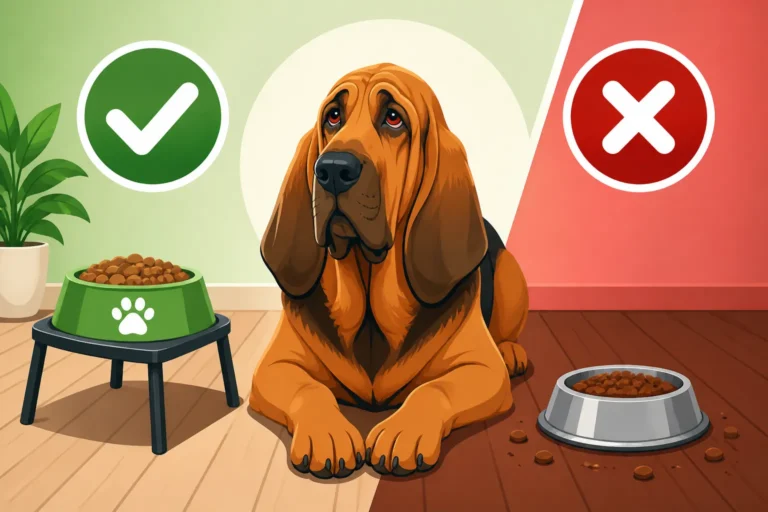
For many years, it was commonly believed that elevated food bowls could prevent bloat. The theory was that a dog wouldn't have to bend their neck as much, thereby reducing air intake. However, the landmark Purdue University bloat study actually found that elevated bowls were associated with an increased risk of bloat in large and giant breeds. This was a surprising and counter-intuitive finding for many. While the exact mechanism isn't fully understood, the current recommendation from many veterinarians is to feed Bloodhounds from bowls placed on the floor. It's a topic Whether Raised Bowls Raise a Bloodhound's Bloat Risk is still debated, but for now, most evidence points to feeding at floor level.
Making the Right Choice: When a Slow Feeder Is (and Isn't) Enough
Implementing a slow feeder bowl is a proactive and smart move for most Bloodhound owners. However, it's important to understand that it's a preventative tool, not a guarantee against bloat. It works best as part of a multi-faceted approach to reduce risk.
When a Slow Feeder Is a Great Solution
For the vast majority of Bloodhounds who inhale their food, a slow feeder is an excellent, straightforward solution. If your Bloodhound doesn't have other significant bloat risk factors (like a strong family history of GDV, or extreme anxiety around mealtime), a slow feeder, combined with split meals and careful post-meal management, can make a huge difference in reducing their overall risk. It's also fantastic for mental enrichment and can lead to a more satisfied dog, simply because mealtime lasts longer and involves more engagement. For owners looking to improve their Bloodhound's general digestive health and make mealtime a more positive experience, a slow feeder is definitely worth the investment. You can find a huge selection from various brands on sites like Chewy and Amazon, and even specialized pet food brands like Ollie might recommend certain feeding practices or accessories.
When a Slow Feeder Might Not Be Enough
While highly beneficial, a slow feeder alone might not be sufficient for Bloodhounds with very high bloat risk. For example, if your Bloodhound has multiple close relatives who have bloated, or if they've already had a bloat episode (and perhaps didn't have a gastropexy at the time), their risk profile is much higher. In such cases, your veterinarian might recommend a prophylactic gastropexy—a surgical procedure where the stomach is tacked to the abdominal wall to prevent it from twisting. The Gastropexy Decision Every Bloodhound Owner Faces is a serious one, and it's a discussion worth having with your vet if you have a high-risk dog. Even with a gastropexy, however, slowing down eating and managing post-meal activity are still good practices to maintain general digestive health and comfort.
Consulting Your Veterinarian for a Comprehensive Plan
Ultimately, the best approach to managing bloat risk and promoting healthy eating habits for your Bloodhound involves a conversation with your veterinarian. They know your dog's individual health history, genetic background, and lifestyle. They can help you assess your Bloodhound's specific risk factors for bloat and recommend the most appropriate combination of strategies. This might include dietary recommendations, medication if anxiety is a factor, or discussing the pros and cons of a gastropexy. A slow feeder is a wonderful tool, but it's part of a larger picture of responsible Bloodhound care. Being proactive and informed is the best way to ensure your loyal companion enjoys a long, healthy life free from the terrifying threat of bloat.
Disclaimer
This article is for general informational purposes only and does not constitute professional advice. Laws, prices and regulations vary by location and change over time. Consult a qualified professional for guidance on your specific situation.