Whether Raised Bowls Raise a Bloodhound’s Bloat Risk
One of the most worrying things about owning a Bloodhound is the ever-present shadow of bloat, or Gastric Dilatation-Volvulus (GDV). Many of us, myself included, have looked for every possible way to reduce this life-threatening risk. For a long time, raised feeding bowls seemed like a sensible solution for our tall, deep-chested hounds, making mealtime more comfortable. However, what if this seemingly helpful practice actually increased the very danger we were trying to avoid? This guide will dive deep into the science and practical realities behind raised bowls and their impact on a Bloodhound's bloat risk, helping you make informed decisions for your beloved companion.
The Persistent Debate: Raised Bowls and Bloat
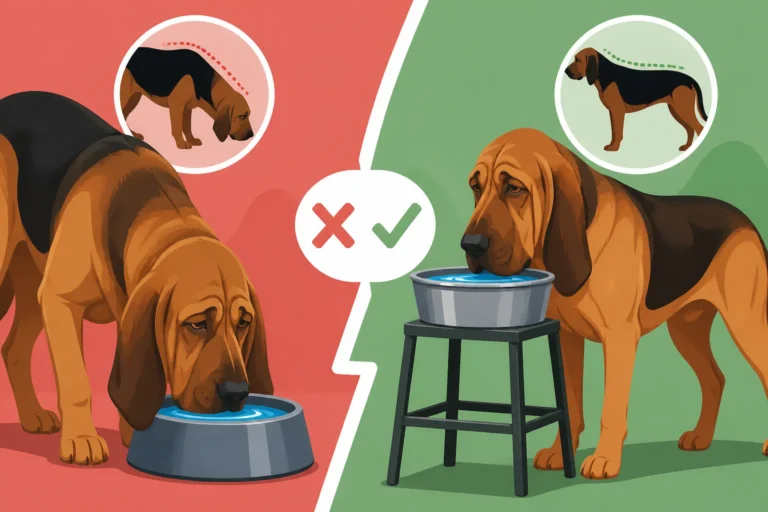
For years, conventional wisdom suggested that elevated food and water bowls were a good idea for large and giant breed dogs, including our Bloodhounds. The logic felt sound: why should a big dog have to bend all the way to the floor, putting strain on their neck and joints, when they could eat at a more natural standing height? Many dog owners embraced this idea, believing it not only enhanced comfort but might even aid digestion and prevent gulping.
Understanding the Initial Hypothesis
When you watch a big dog like a Bloodhound bend down to eat from a bowl on the floor, their neck extends, and their front legs might splay slightly. It just looks uncomfortable, especially if they have any joint issues, which are not uncommon in larger breeds. The thought was that a raised bowl would allow them to eat with a more neutral spine position, potentially leading to less stress on their skeletal system. This ergonomic benefit was a primary driver for many owners to invest in elevated feeders.
Beyond comfort, there was also a widespread belief that eating from a raised bowl would slow down eating, reduce the amount of air swallowed (a process called aerophagia), and thereby lessen the chance of bloat. The idea was that bending over might cause more gulping or make it harder for food to travel down, but eating upright would allow gravity to do its job more effectively. It seemed logical, and many anecdotal reports from owners supported these ideas, leading to the widespread adoption of raised bowls in large dog households. You could easily find a variety of elevated feeding stations on sites like Chewy or Amazon, often marketed specifically for giant breeds, reinforcing this common practice.
The Purdue Study's Revelations
Then came the scientific data, specifically the groundbreaking Purdue Bloat Study, which many Bloodhound owners are now very familiar with. This large-scale, comprehensive research project aimed to identify risk factors for bloat in various breeds. When the results were published, they turned a lot of our long-held beliefs on their heads.
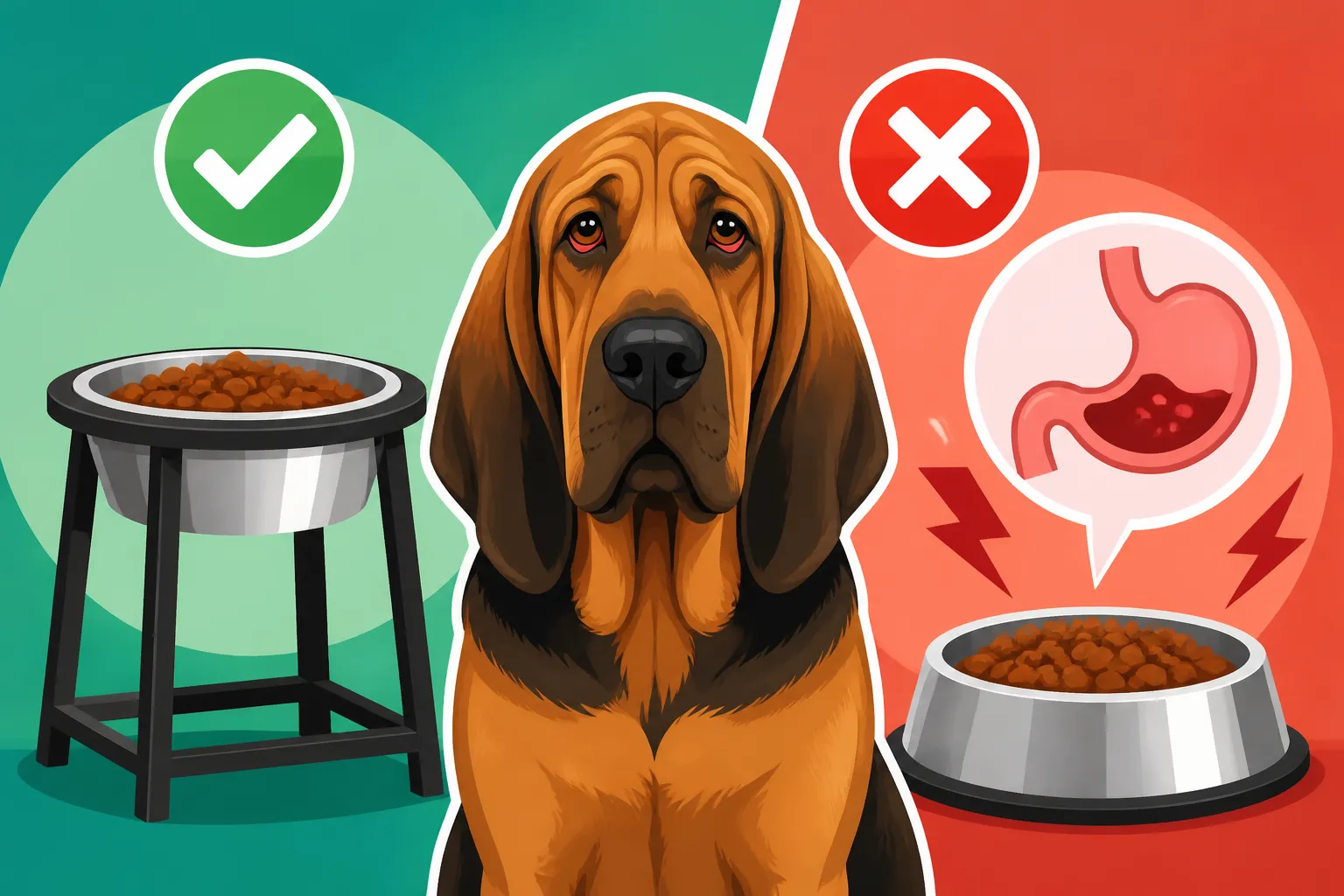
The study found, quite unexpectedly, that feeding from a raised bowl was not protective against bloat; in fact, it was associated with an increased risk for large and giant breeds. Specifically, for large breeds like Bloodhounds, the risk was roughly doubled when eating from an elevated surface compared to the floor. This finding was a major shock to the veterinary community and dog owners alike, challenging years of conventional wisdom and making many of us second-guess our feeding setups. The exact mechanisms behind this increased risk aren't fully understood, but one prominent theory suggests that elevated bowls might actually allow dogs to eat faster and gulp down more air, which is a known contributing factor to bloat. It seems counter-intuitive, but the data spoke volumes, forcing a re-evaluation of what we thought was best for our dogs. This study fundamentally shifted the conversation around What the Purdue Bloat Study Found About Bloodhounds.
Why the Study's Findings Were Counter-Intuitive for Many
It’s completely understandable why these findings felt so wrong to many dog owners. We'd been told for so long that raised bowls were better, and it felt right. The image of a majestic Bloodhound comfortably eating from a raised feeder just made sense. So, to hear that this practice might actually be detrimental was, frankly, confusing and even a little frustrating. We want to do everything right for our dogs, and sometimes the science contradicts our best intentions.
One of the common misconceptions was that bending down would cause dogs to ingest more air. However, it's thought that when a dog eats from a raised bowl, they can extend their neck straight, which might create a more open airway, allowing for larger, quicker gulps of air along with their food. When eating from the floor, a dog's head is often slightly lower than their esophagus, which might naturally slow down their eating and reduce air intake. Imagine trying to drink water while standing perfectly straight versus bending slightly forward – the posture can influence how easily and quickly you swallow. It’s also important to remember that bloat is a complex issue with multiple contributing factors, and bowl height is just one piece of the puzzle. Things like genetics, temperament, feeding frequency, and exercise around meals all play a significant role. Why a Deep Narrow Chest Puts a Bloodhound at Risk is a huge factor, which no bowl can change.
Navigating Feeding Practices for Bloodhounds
Given the findings of the Purdue study, Bloodhound owners are often left wondering what the "right" thing to do is. It's not a simple black-and-white answer, especially when considering individual dog needs and comfort.
Practical Implications for Bloodhound Owners
For our Bloodhounds, with their deep, narrow chests, anything that might increase bloat risk is a serious concern. The practical implication of the Purdue study is clear: avoiding elevated feeders for Bloodhounds is generally recommended to minimize bloat risk. While the study highlighted an association rather than a direct cause-and-effect, the correlation was strong enough to suggest a change in feeding habits for prevention.
This doesn't mean you have to throw out your current setup immediately if your Bloodhound has been eating from a raised bowl for years without issue. However, it's a strong recommendation to transition to floor-level feeding, especially for puppies or young adult Bloodhounds who haven't developed a routine yet. If your dog is already accustomed to a raised bowl and you're concerned about comfort due to age or arthritis, a slight elevation that still encourages a natural head-down eating posture might be a compromise, but it's essential to discuss this with your veterinarian. They can help you weigh the risks and benefits for your specific dog. Remember, every dog is an individual, and while the general recommendation is to avoid raised bowls, there might be specific medical reasons for a slight elevation that your vet can advise on.
Best Practices for Reducing Bloat Risk Beyond Bowl Height
While bowl height is one factor, it's far from the only, or even the most important, one when it comes to preventing bloat in Bloodhounds. There are several other crucial strategies that every Bloodhound owner should implement:
- Multiple Small Meals: Instead of one large meal a day, break your Bloodhound's daily food intake into two or three smaller meals. This reduces the amount of food and gas in the stomach at any one time, lessening the risk of gastric distension. This is a common and widely accepted recommendation, and you can learn more about How Many Meals a Day a Bloodhound Should Eat.
- Slow Feeders: If your Bloodhound tends to eat quickly, a slow feeder bowl can be incredibly effective. These bowls have ridges or obstacles that force your dog to eat around them, significantly slowing down their intake and reducing gulping. Brands like Outward Hound offer excellent slow feeder options, easily found on Amazon or Chewy.
- Avoid Exercise Around Meal Times: This is paramount. Never feed your Bloodhound immediately before or after strenuous exercise. A good rule of thumb is to wait at least an hour before and after meals before engaging in any vigorous activity or even excited play. This allows the stomach to settle and digest without being jostled, which can be a trigger for bloat.
- Ensure a Calm Feeding Environment: Stress and anxiety can contribute to bloat. Feed your Bloodhound in a quiet, undisturbed location where they feel safe and relaxed. If you have multiple dogs, feed them separately to prevent competition and rushed eating. An Ollie subscription or similar fresh food service might offer portion control and tailored nutrition, which can contribute to digestive health, though its direct impact on bloat risk due to ingredients is still a topic of ongoing research.
- Provide Constant Access to Fresh Water: Hydration is important, but avoid letting your Bloodhound gulp down large quantities of water immediately after a meal or heavy exercise, as this can also contribute to stomach distension. Offer water freely throughout the day, but supervise intake around meal times.
By combining these practices, you create a much safer feeding environment for your Bloodhound, significantly reducing their overall bloat risk.
Addressing Comfort vs. Risk
This is where things get tricky for some owners. What if your Bloodhound is a senior dog with severe arthritis, hip dysplasia, or elbow dysplasia, and bending down to eat is genuinely painful? You want to prevent bloat, but you also don't want your beloved companion to suffer discomfort every meal. Hip and Elbow Dysplasia in the Bloodhound are very real concerns.
In such cases, it's a conversation you must have with your veterinarian. They can help you assess your dog's individual orthopedic needs versus their bloat risk factors. For some dogs, a very slight elevation that still encourages a natural head position (not a straight neck) might be considered, with additional, stringent bloat prevention strategies in place. This might involve feeding even smaller, more frequent meals, using multiple slow feeders, and meticulous monitoring for any signs of discomfort or bloat.
It's a delicate balance. The priority is always the dog's overall health and well-being. If the discomfort from floor-level feeding is severely impacting their quality of life, a vet might suggest exploring careful compromises. However, for the vast majority of Bloodhounds without significant orthopedic issues, floor-level feeding remains the safest recommendation based on the current scientific understanding. Don't be afraid to talk openly with your vet about these concerns; they are your best resource for navigating these complex decisions.
Beyond Bowl Position: A Holistic Approach to Bloat Prevention
Bloat is a multifaceted condition, and preventing it requires a comprehensive approach that goes beyond just where your dog's food bowl sits. It involves understanding your Bloodhound's eating habits, managing their environment, and knowing when to seek professional veterinary advice.
Monitoring Your Bloodhound's Eating Habits
Paying close attention to how your Bloodhound eats is incredibly insightful. Do they scarf down their food in seconds, barely chewing? Do they seem stressed or rushed during mealtime, perhaps because other pets are nearby, or there’s a lot of household commotion? All these observations can point to increased risk factors.
A Bloodhound that gulps their food quickly is likely ingesting more air, regardless of bowl height. This is where slow feeder bowls truly shine. There are many designs available, from bowls with raised patterns to those that look like puzzles, forcing your dog to work for each kibble. You can find a great selection of these on Chewy or Amazon. If you notice your Bloodhound displaying any stress or anxiety around food, try to identify the cause. Maybe they need a quieter corner to eat in, or perhaps they feel pressured by another dog. Feeding them separately, even in different rooms, can make a huge difference in creating a more relaxed mealtime, reducing the chances of them gulping due to perceived competition.
Environmental Factors and Stress
It might surprise some, but a Bloodhound's emotional state and daily routine can play a role in bloat risk. Whether an Anxious Bloodhound Bloats More is a topic often discussed among owners and veterinarians. Stress can affect digestion and gut motility, potentially contributing to conditions that predispose a dog to bloat. This is particularly relevant for Bloodhounds, who can be sensitive souls despite their large size.
Maintaining a consistent daily routine for feeding and exercise can help reduce stress. Predictability can be very comforting for dogs. Sudden changes in diet, environment, or routine can sometimes be a trigger. If your Bloodhound is prone to anxiety, consider calming supplements or working with a professional trainer to manage their stress levels. A calm dog is generally a healthier dog. Ensure they have a quiet, comfortable space to rest and digest after meals.
When to Consult Your Veterinarian
Ultimately, your veterinarian is your primary partner in managing your Bloodhound's health and bloat risk. They can offer personalized advice based on your dog's age, health history, and specific risk factors. If you're concerned about bloat, or if your Bloodhound exhibits any signs like restlessness, pacing, unproductive retching, a distended abdomen, or excessive drooling, contact your vet immediately. Bloat is a rapidly progressing emergency, and every minute counts. The Half Hour a Bloating Bloodhound Has is not an exaggeration.
Beyond emergency situations, proactive discussions with your vet are invaluable. Many owners opt for a prophylactic gastropexy, a surgical procedure that tacks the stomach to the abdominal wall to prevent it from twisting. While it doesn't prevent the stomach from dilating (filling with gas), it can prevent the fatal twisting (volvulus) component of bloat. This is a significant decision, but one that can offer immense peace of mind for Bloodhound owners. The Gastropexy Decision Every Bloodhound Owner Faces is a critical conversation for many, and understanding What a Preventive Gastropexy Does for a Bloodhound can save lives. Your vet can discuss whether a gastropexy is right for your Bloodhound, the best age to perform it, and what to expect from the procedure.
A table comparing common feeding practices and their potential impact on bloat risk:
| Feeding Practice | Potential Bloat Risk Impact | Notes |
|---|---|---|
| Floor-Level Bowl | Lowered risk (as per Purdue Study) | Encourages a natural, slightly head-down eating posture, potentially reducing air intake. Most recommended. |
| Raised/Elevated Bowl | Increased risk (as per Purdue Study) | May allow for faster eating and increased air swallowing due to a straighter neck posture. Generally discouraged for bloat prevention. |
| Slow Feeder Bowl | Significantly lowered risk (regardless of height) | Designed to impede rapid eating, forcing smaller bites and reducing gulping and air intake. Highly recommended. |
| Multiple Small Meals | Significantly lowered risk | Reduces the volume of food in the stomach at any one time, decreasing the chance of distension and twisting. Recommended 2-3 times daily. |
| Single Large Meal | Increased risk | Large volume can distend the stomach more severely. Generally discouraged for large breeds prone to bloat. |
| Eating Immediately Before/After Exercise | Significantly increased risk | Physical activity can jostle a full stomach, making it more prone to twisting. Avoid strenuous activity for at least an hour before and after meals. |
| Eating in a Stressed Environment | Potentially increased risk | Stress can impact digestion and increase rapid, anxious eating. Provide a quiet, calm feeding space. |
| Rapid Water Intake Post-Meal | Potentially increased risk | Gulping large amounts of water immediately after eating can further distend the stomach. Monitor water intake around meal times. |
The science on feeding large, deep-chested dogs like Bloodhounds has evolved, and it's our responsibility as owners to stay informed and adapt our care. While elevated feeders might seem like a kind and comfortable option, the data suggests they could unintentionally increase the very risk we fear most. By prioritizing floor-level feeding, implementing slow-feeding techniques, offering multiple smaller meals, and being mindful of exercise and stress around mealtimes, we can create the safest possible environment for our Bloodhounds. Always remember to maintain an open dialogue with your veterinarian, who can provide tailored advice and discuss preventive measures like a gastropexy, ensuring your majestic hound enjoys a long, healthy life free from the threat of bloat.
Disclaimer
This article is for general informational purposes only and does not constitute professional advice. Laws, prices and regulations vary by location and change over time. Consult a qualified professional for guidance on your specific situation.