Whether a Bloodhound’s Lip Fold Sours First
For Bloodhound owners, or those considering bringing one of these magnificent, scent-driven hounds into their lives, the reality of their unique anatomy quickly becomes apparent. Those famously loose, wrinkled jowls and deep skin folds, while perfect for trapping scent particles, are also notorious for trapping something else: moisture, food debris, and everything that leads to a rather unpleasant odor and potential skin issues. Many owners find themselves asking: do the lip folds truly sour first, or is it just another myth about these wonderful dogs? The truth is, yes, the lip folds are often the primary hotspot for these issues, and understanding why is key to keeping your Bloodhound comfortable and your home smelling fresh. This guide will delve into the specific challenges presented by a Bloodhound's lip folds and provide practical, empathetic advice on managing them effectively.
The Unique Anatomy of a Bloodhound's Lip Folds
A Bloodhound's face is a masterpiece of scent-tracking design. Those long, pendulous ears, the deep-set eyes, and, most notably, the profuse, loose skin around the muzzle and throat – it all works together to create an unparalleled scenting machine. However, this same design, honed over centuries for trailing, inadvertently creates zones that are highly susceptible to moisture buildup and the growth of less-than-pleasant microbes.
Why Those Loose Jowls Are So Distinctive And Problematic
Let's talk about those jowls! A Bloodhound's jowls, or flews, are one of their most defining characteristics. They hang low and loose, often extending well below the jawline. This excess skin, combined with the deep folds and wrinkles that often accompany it around the muzzle, serves a fantastic purpose in the field: it helps funnel and trap scent molecules near the nose, amplifying their already incredible olfactory abilities. It's truly amazing to watch them work, nose to the ground, with those magnificent folds acting like sensory scoops.
However, once you bring that same dog inside and he goes about his daily life, those beautiful, functional jowls become a double-edged sword. Every time your Bloodhound drinks, water drips and settles into the folds. Every meal, bits of kibble or wet food get lodged deep within those crevices. And let's not forget the characteristic Bloodhound drool – a constant companion that also finds its way into every available fold and wrinkle. This constant dampness and accumulation of organic matter create an environment far from ideal for healthy skin. It’s no wonder so many owners come to realize that Everything on a Bloodhound Hangs Down and Has to Be Cleaned.
The Microclimate Within the Folds
Think of a Bloodhound's lip folds as tiny, warm, humid greenhouses. This is the "microclimate" we're talking about – an enclosed, poorly ventilated space that is consistently moist and has a ready supply of nutrients from food particles and saliva. This environment is absolutely perfect for the opportunistic growth of bacteria and yeast. These aren't necessarily "bad" organisms; they're naturally present on skin. But in these confined, damp conditions, they can multiply rapidly and cause problems.
Unlike exposed skin, which has the benefit of air circulation to dry out, the deep folds keep moisture locked in. This constant dampness softens the skin, making it more delicate and prone to irritation. When these microbes flourish unchecked, they break down the organic matter (food, drool, dead skin cells), and a byproduct of this breakdown is often a distinct, sour, sometimes yeasty or musky odor. This is what we mean when we say the folds "sour." It's not just a smell; it's a sign of a burgeoning skin irritation or infection. Because the lip folds are constantly exposed to food and water during the most frequent activities of the day, they are often the first place this problematic microclimate develops.
Why Lip Folds Are a Prime Spot for Sour Odors and Infection
It's not just about the loose skin; it's about what that loose skin collects and how those collections interact with the natural biology of the dog. The combination of anatomy and daily habits makes the lip folds particularly vulnerable.
The Role of Food, Water, and Saliva
Imagine trying to eat a bowl of soup while wearing a very baggy, loose-fitting shirt. Some of it's bound to end up on your clothes, right? Now imagine if that shirt had deep pockets around your mouth. That's essentially what happens with a Bloodhound's lip folds. During meal times, whether it's dry kibble, wet food, or even a treat, tiny pieces inevitably get pushed into the deep folds around their mouth. These food particles then sit there, often unnoticed by the dog, providing a feast for bacteria and yeast.
Drinking water is another major culprit. Bloodhounds are prodigious drinkers, and with those deep flews, a significant amount of water often splashes and pools in the lower lip folds. This means the area is almost constantly damp. Couple that with the generous amount of saliva Bloodhounds produce (especially when excited or anticipating food), and you have a perfect storm for persistent moisture. This isn't a problem that only arises occasionally; it's a constant, daily battle. Without intervention, these areas remain damp, soiled with food and drool, and become ripe for microbial overgrowth, leading directly to that tell-tale sour smell. This is precisely why Whether a Bloodhound's Jowls Should Be Wiped After Drinking is such an important topic for Bloodhound owners.
Early Warning Signs of Trouble
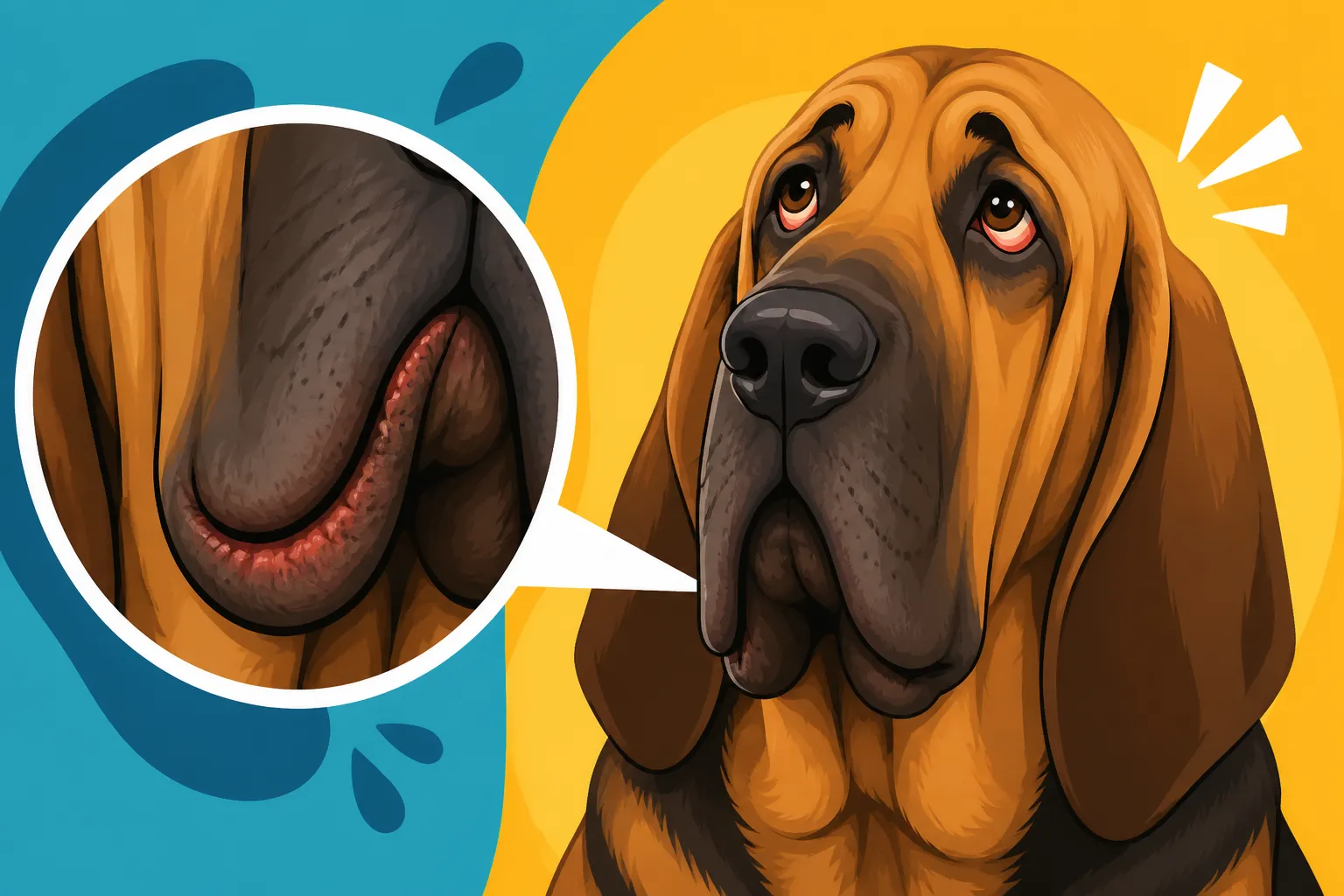
The "souring" of a Bloodhound's lip folds isn't just an aesthetic issue; it's often the first indicator that a localized skin infection, known as skin fold dermatitis or pyoderma, is brewing. The earliest sign is, unsurprisingly, the smell. It can range from a faintly musty or yeasty aroma to a distinctly putrid, sour odor. If you've ever smelled neglected skin folds on a dog, you know exactly what I mean – it's unmistakable and frankly, quite unpleasant.
Beyond the smell, vigilant owners should look for visual cues. Lift your Bloodhound's jowls gently and peek into the folds. You might see redness, particularly at the base of the fold or where the skin rubs together. The skin might appear inflamed or irritated. In more advanced stages, you might notice a brownish or reddish discharge, which is often a mix of yeast, bacteria, and inflammatory exudate. The fur in these areas might also be stained. Your dog might also start showing signs of discomfort, such as rubbing their face on the carpet, pawing at their mouth, or being reluctant to let you touch the area. These are all clear signals that the microclimate has gone from humid to hostile, and it's time to step up your hygiene routine or seek vet advice. Recognizing Signs a Bloodhound's Fold Is Turning can prevent a minor irritation from becoming a full-blown infection.
Practical Strategies for Keeping Lip Folds Clean and Healthy
The good news is that while Bloodhound lip folds are prone to issues, proactive and consistent care can prevent most problems. It requires dedication, but it's an essential part of responsible Bloodhound ownership.
Your Daily Lip Fold Wiping Routine
Daily cleaning is not optional for a Bloodhound; it's absolutely fundamental. Think of it as brushing your teeth – something you wouldn't skip! The goal is to remove trapped moisture, food debris, and excess saliva, thereby disrupting that perfect microbial breeding ground.
Here’s a simple routine that makes a huge difference:
- Gather your supplies: You'll need soft, absorbent cotton pads or gentle dog wipes. Many owners find unscented baby wipes or specific pet wipes to be effective and convenient. For tougher situations, a mild antiseptic wipe designed for pets, containing ingredients like chlorhexidine, might be recommended by your vet. You can often find a good selection of these wipes on Amazon or Chewy.
- Position your Bloodhound: Have your dog sit or lie down comfortably. A calm, relaxed dog makes this process much easier. Start this routine when they are a puppy, so they get used to it.
- Lift and wipe: Gently lift a jowl to expose the deep folds. Using a fresh wipe or cotton pad, carefully clean out all visible debris, moisture, and gunk. Don't be afraid to get in there, but be gentle. You might need multiple wipes for each side.
- Dry thoroughly: This step is crucial! After wiping, use a dry, clean cotton pad or a soft cloth to thoroughly dry the folds. Remember, moisture is the enemy here. Pat, don't rub aggressively, as the skin can be sensitive.
- Check for irritation: While cleaning, take a moment to inspect the skin for any redness, raw spots, or unusual odors. If you spot anything concerning, make a note of it.
Consistency is key. A quick wipe-down once or twice a day can prevent a multitude of problems. For more detail, you can refer to What to Wipe a Bloodhound's Folds With.
The Importance of Post-Meal and Post-Drink Wipes
While a daily routine is vital, targeting the immediate aftermath of eating and drinking is a proactive measure that can significantly reduce the workload and prevent issues from accumulating. Think of these as spot treatments throughout the day.
After your Bloodhound finishes eating, take a moment to quickly wipe their muzzle and the lip folds. Bits of food, especially if you feed wet food or supplements, are notorious for sticking around. Removing them immediately means they don't have time to ferment and feed bacteria. Similarly, after a long drink from the water bowl, give those jowls a quick pat-down with a clean towel or paper towel. Preventing water from sitting in the folds for hours is one of the easiest ways to keep the skin dry and healthy. This immediate attention minimizes the opportunities for that undesirable microclimate to take hold and reduces the chance of Whether a Bloodhound's Fold Smell Means Infection. This habit, though seemingly small, collectively makes a huge difference in preventing the problem before it starts, rather than reacting to it.
When to Seek Veterinary Advice
Even with the most diligent cleaning routine, sometimes issues can arise, or what seems like a simple "souring" can actually be something more serious. It's important to know when to stop your home care and reach out to your veterinarian.
If you notice any of the following, it's time for a vet visit:
- Persistent strong odor: If the sour smell doesn't improve with regular, thorough cleaning, it suggests a deeper infection that needs more than just topical wiping.
- Increased redness or inflammation: While a little pinkness might be normal, significant redness, swelling, or heat in the folds is a red flag.
- Excessive discharge: Any thick, yellowish, greenish, or bloody discharge is a sign of a serious infection.
- Pain or sensitivity: If your Bloodhound flinches, yelps, or tries to bite when you touch their jowls, they are in pain, and a vet needs to investigate.
- Ulcerations or sores: Open sores, raw patches, or crusts within the folds are clear indicators of a severe skin infection requiring medical treatment.
- Lethargy or changes in appetite: While less common for localized skin fold dermatitis, if your dog is also acting unwell, it could indicate a systemic issue or a more widespread infection.
Your vet might prescribe medicated wipes, topical creams, or even oral antibiotics or antifungals if the infection is severe. They can also provide guidance on preventing recurrence, which might involve discussing medicated shampoos or other long-term management strategies. Sometimes, a vet might even recommend a specific medicated wash if Whether a Bloodhound's Folds Need a Medicated Wash is a recurring problem.
Integrating Lip Fold Care into Overall Bloodhound Hygiene
Caring for your Bloodhound's lip folds isn't an isolated task; it's part of a broader commitment to their unique care needs. Their distinct features, from their long ears to their profuse skin, demand a holistic approach to hygiene.
The Bigger Picture of Fold Care
While the lip folds are often the first area to develop problems due to constant exposure to food and water, it's crucial to remember that a Bloodhound has many other skin folds that require attention. The deep wrinkles on their forehead, the folds around their neck, and even those on their chest can all trap moisture and debris, creating similar "microclimates" for bacterial or yeast overgrowth.
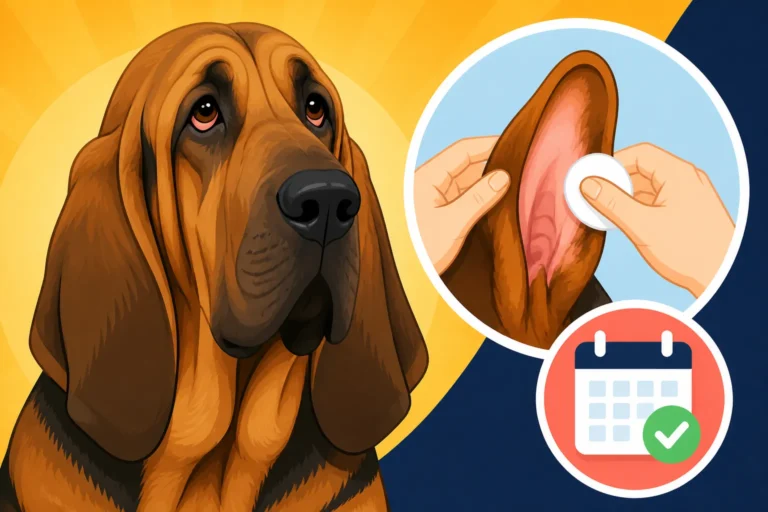
Establishing a routine for all these areas is just as important. Where a Bloodhound's Folds Sit can vary from dog to dog, but common spots include the forehead, around the eyes, on the neck, and under the chin. These areas might not require daily wiping like the lip folds, but they should be checked and cleaned regularly – perhaps every few days or weekly, depending on your dog's activity level and propensity for developing issues. Just like with the lip folds, thorough drying after cleaning is paramount. It’s a commitment, but it’s part of ensuring your Bloodhound stays healthy and comfortable. This comprehensive approach is part of the reason Why a Bloodhound Smells Like a Bloodhound if not properly cared for.
Dietary Considerations for Skin Health
You might not immediately connect diet with skin fold health, but what goes into your Bloodhound's bowl can absolutely play a role in their overall skin and coat condition, which in turn can influence their susceptibility to skin fold infections. A dog with a robust immune system and healthy skin barrier is generally better equipped to fend off opportunistic pathogens.
High-quality dog food, rich in essential fatty acids (like Omega-3s and Omega-6s), can contribute to healthy skin and a strong coat. Some dogs with chronic skin issues, including recurrent fold dermatitis, might benefit from limited-ingredient diets or specialized veterinary diets if allergies or sensitivities are suspected. Certain ingredients can trigger inflammatory responses in some dogs, which might manifest as itchy, irritated skin, making them more prone to infections in moist areas like the folds. While no diet can eliminate the need for physical cleaning of the folds, ensuring your Bloodhound receives optimal nutrition can support their skin health from the inside out. You can explore high-quality food options like those offered by Ollie or find a wide selection of reputable brands on platforms like Chewy. Proper feeding strategies, such as Feeding a Bloodhound So It Does Not Bloat, are also critical for their overall well-being.
Here’s a quick overview of what to look for when assessing your Bloodhound’s lip folds:
| Characteristic | Healthy Lip Folds | Unhealthy Lip Folds |
|---|---|---|
| Smell | Neutral, faint dog scent | Sour, yeasty, musky, or putrid odor |
| Color | Pinkish, uniform skin tone | Red, inflamed, dark pink, or brownish |
| Texture | Smooth, supple, no excessive moisture | Greasy, moist, raw, crusty, or thickened skin |
| Hair | Clean, unstained, minimal matting | Stained (reddish-brown), clumpy, sparse in patches |
| Discharge | None | Brownish, yellowish, greenish, or bloody discharge |
| Dog's Behavior | Tolerant of touching, no discomfort | Pawing at face, rubbing, sensitive to touch, pain |
Taking care of those magnificent, loose jowls is undeniably a commitment, but it's a small price to pay for the joy and companionship a Bloodhound brings. By understanding their unique anatomy and implementing a consistent, proactive cleaning routine, you can keep your Bloodhound comfortable, healthy, and smelling much better.
Disclaimer
This article is for general informational purposes only and does not constitute professional advice. Laws, prices and regulations vary by location and change over time. Consult a qualified professional for guidance on your specific situation.