Where a Bloodhound’s Skin Folds Sit
One of the most defining and endearing characteristics of our beloved Bloodhounds is their wonderfully abundant, loose skin. While it certainly contributes to their majestic, mournful expression and aids in their incredible scenting ability, these characteristic skin folds also present a unique set of challenges for owners. Many new Bloodhound parents find themselves scratching their heads, wondering exactly where these folds are, what they mean for daily care, and why they can sometimes become such a source of frustration. This comprehensive guide will take a deep dive into the anatomy of a Bloodhound's skin folds, detailing their location, purpose, and the critical care they require to keep your hound happy and healthy.
The Unique Dermis of a Bloodhound: More Than Just Loose Skin
When you first meet a Bloodhound, or even just see a picture, what often strikes you first is that incredible amount of skin. It drapes, it wrinkles, it sags – and it's all part of what makes a Bloodhound, well, a Bloodhound! But this isn't just excess skin; it's a finely tuned evolutionary trait that serves a specific purpose, primarily linked to their unparalleled scenting prowess. This abundance of skin, particularly around the head and neck, is designed to enhance their ability to pick up and trap scent particles.
This unique dermis is far different from many other breeds. Instead of a taut, close-fitting coat, Bloodhounds have a loose, pliable skin that forms deep wrinkles and folds. This isn't a defect; it's a hallmark of the breed standard. The skin's elasticity allows for a wide range of facial expressions, contributing to their famously soulful look, but more importantly, it creates a larger surface area for scent particles to adhere to. Imagine the scent molecules getting caught in the folds like dust in a finely woven tapestry. This biological adaptation is a testament to centuries of selective breeding focused on olfactory ability, transforming them into the ultimate trailing dog, whose evidence even holds up in court.
Understanding this fundamental aspect of their physiology is the first step in appreciating the level of care required. It’s not about judging their appearance; it’s about recognizing the functional design of their skin and how that design inherently leads to certain vulnerabilities if not properly managed. This isn't a dog you can simply bathe once in a while and forget about; their skin demands consistent, proactive attention to prevent common issues from taking root.
The Purpose Behind the Profuse Skin
So, why all this skin? It boils down to two main functions: enhancing scent work and protection. When a Bloodhound drops its head to the ground, those long, pendulous ears, coupled with the deep facial folds, act like a natural scent funnel. The ears sweep scent particles towards the nose, while the wrinkles and folds around the muzzle and neck trap those airborne scent molecules, concentrating them and guiding them directly into the nasal passages. This creates a miniature scent-rich microclimate right around their incredibly sensitive nose, allowing them to process and follow trails that would be utterly invisible to other breeds, even those with excellent noses like German Shepherds.
Beyond scenting, the loose skin also offers a degree of protection. In their ancestral role as tracking animals, particularly for large game, the loose skin could act as a buffer against bites or scratches from their quarry. A predator’s bite might only get a mouthful of skin, rather than muscle or vital organs, allowing the hound to continue its work or escape with less severe injury. While most modern Bloodhounds aren't wrestling with boars, this protective layer remains a part of their genetic makeup. It's a reminder of their hardy, working origins, even as today many live pampered lives as beloved family companions or dedicated search and rescue partners. This dual purpose – supreme scent enhancement and physical resilience – explains why the Bloodhound's characteristic skin folds have been preserved throughout their long history.
Specific Locations of Major Folds on a Bloodhound
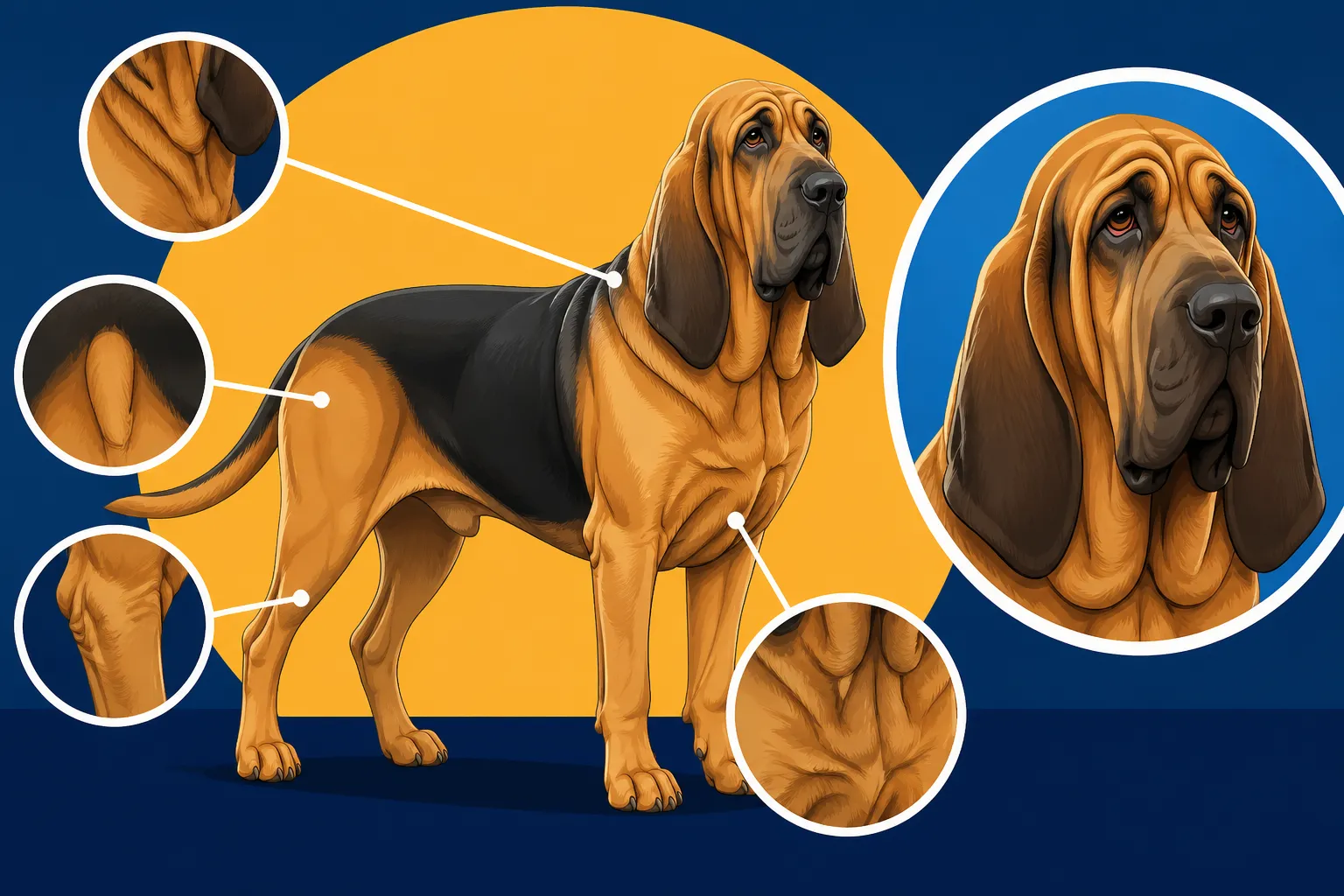
Now let's get down to the nitty-gritty: where exactly are these significant folds that require our attention? It's not just a general looseness; there are specific areas where folds are more prominent and, consequently, more susceptible to issues. Knowing these hotspots is crucial for effective daily care and early detection of potential problems.
Facial Folds: Eyes and Muzzle
The facial folds are arguably the most iconic and often the most challenging to manage. Starting with the eyes, Bloodhounds famously have a very loose lower eyelid, often referred to as the "haw," which can hang away from the eyeball. This characteristic contributes to their melancholic expression but also exposes the delicate conjunctiva and globe to dust, debris, and irritants. The folds around the eyes can deepen with age, sometimes exacerbating conditions like ectropion, where the eyelid rolls outwards, or even entropion, where it rolls inwards, scratching the cornea. Proper daily eye care for a Bloodhound is essential to prevent these issues from becoming chronic or leading to painful corneal ulcers.
Moving down, the muzzle is a veritable labyrinth of wrinkles. The deep folds above the nose and along the sides of the muzzle are constantly exposed to food, water, and drool. These are prime locations for moisture to get trapped, creating a warm, damp environment perfect for bacterial or yeast growth. The skin can become irritated, red, and even painful if not cleaned regularly. Owners often notice an unpleasant odor originating from these areas when neglected. It’s a constant battle to keep these deep crevices clean and dry, especially after meals or drinking.
Neck and Thoracic Folds: The Dewlap and Chest
The dewlap, that magnificent cascade of loose skin hanging from a Bloodhound's neck, is another defining feature. It extends from under their chin all the way down to their chest, sometimes even reaching the shoulders. This substantial fold, often referred to as the "neck roll," is a significant area for potential skin issues. When a Bloodhound lowers its head to sniff the ground, which they do constantly, this dewlap often drags, collecting dirt, moisture, and whatever else they might encounter on their trailing adventures.
The folds within the dewlap itself, where skin presses against skin, create an ideal environment for moisture and heat to build up. This can lead to irritation and infection, similar to the facial folds. Owners need to pay particular attention to these deeper crevices, especially after walks in damp conditions or when the dog has been drinking messily. The folds continue down onto the chest, sometimes forming additional pockets where sweat and environmental debris can accumulate, requiring regular inspection and cleaning.
Body Folds: Limbs and Tail Base
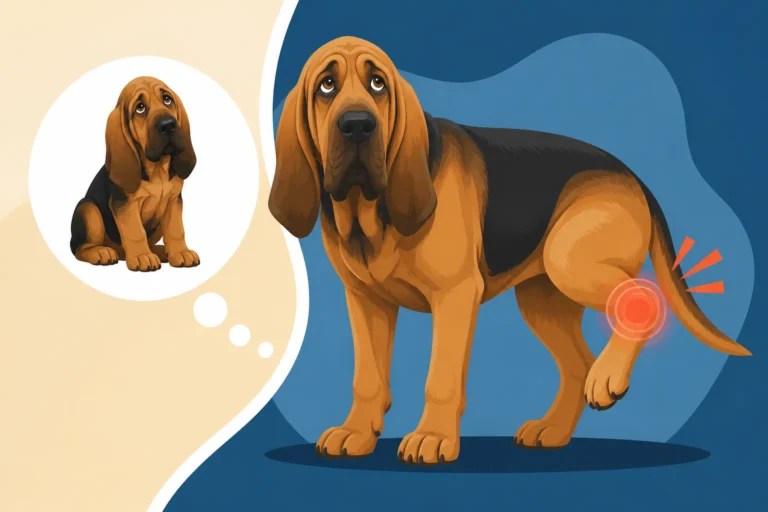
While less prominent than the facial or neck folds, Bloodhounds can also have significant skin looseness around their joints, particularly the elbows and hocks. These areas can sometimes develop calluses or become irritated due to friction against hard surfaces if the dog spends a lot of time lying down without adequate padding. The skin here is still part of the breed's general looseness, and while not as deep as the facial folds, they still warrant attention.
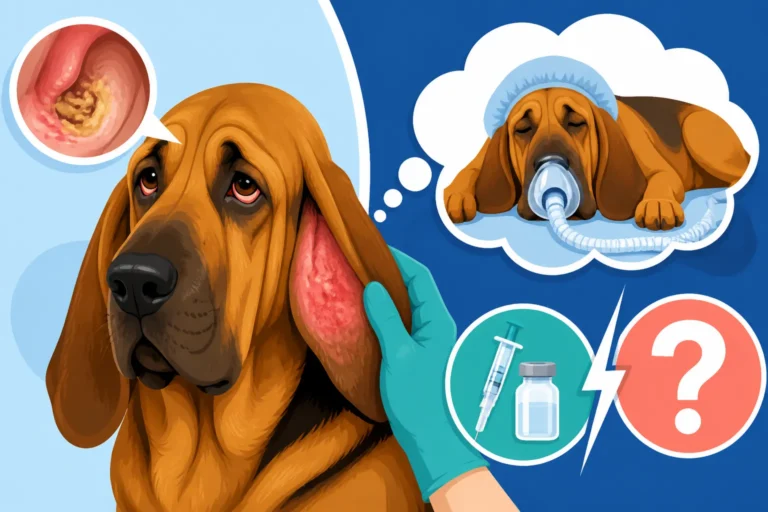
Even the tail base can exhibit some degree of skin folding, especially in dogs with a more robust build. While generally less problematic than other areas, it’s worth including in a full-body check. However, it's the ears that represent one of the most critical "fold-like" challenges, even if they're not technically skin folds in the same way. Their long, heavy ear leathers hang low, covering the ear canal and restricting airflow, which contributes to a Bloodhound's ears being a standing infection risk. While not a fold, the constant dampness and lack of ventilation under those impressive ears lead to similar issues of bacterial and yeast overgrowth as seen in true skin folds.
Why These Folds Are Prone to Issues
Understanding where the folds are is only half the battle; knowing why they become problematic is essential for proactive care. It’s not just bad luck; it’s a direct consequence of their unique anatomy combined with environmental factors and typical canine behavior.
Moisture Trapping and Lack of Airflow
The number one enemy of healthy Bloodhound folds is moisture. Whether it's water from drinking, slobber, sweat, rain, or even just humidity in the air, moisture gets trapped deep within the skin folds. Because the skin layers are pressed tightly together, there's little to no air circulation in these areas. Think of it like a dark, damp, warm cave – it’s the perfect breeding ground for all sorts of microscopic life that you don't want thriving on your dog.
Bacteria and yeast, which are naturally present on a dog's skin, seize this opportunity. In a moist, warm, anaerobic (low oxygen) environment, they multiply rapidly, leading to skin fold dermatitis and unpleasant odors. This is particularly true for the deep folds around the muzzle, where food particles often combine with moisture, providing extra nutrients for these microbes. Similarly, the extensive dewlap and any folds on the chest can trap moisture, dirt, and debris picked up from the ground, especially during their enthusiastic scent work. This constant dampness breaks down the skin's natural barrier, making it more vulnerable to infection. It truly illustrates why regular cleaning and thorough drying are not just suggestions, but critical requirements for Bloodhound health. We've talked about how a Bloodhound's folds trap moisture first, and this is exactly why it's such a persistent challenge.
Friction and Irritation Points
Beyond moisture, the constant friction between skin surfaces within the folds can lead to significant irritation. Every time a Bloodhound moves its head, eats, or even just lies down, these skin surfaces rub against each other. This mechanical friction can cause chafing, redness, and inflammation. Over time, this chronic irritation can weaken the skin's integrity, making it even easier for bacteria and yeast to penetrate and cause deeper infections.
Consider the facial folds, for example. The act of eating or drinking causes movement and direct contact with food or water, leading to both moisture and friction. The lip fold, in particular, where the upper lip often hangs over the lower jaw, can be a particularly nasty spot where food bits get stuck and moisture lingers. The neck roll also experiences considerable friction as the dog moves its head, especially if it’s pulling on a leash or playing vigorously. This combination of moisture and friction creates a vicious cycle: irritation leads to inflammation, which compromises the skin, allowing infection to take hold, which then causes more irritation and discomfort. This is often the precursor to what fold dermatitis does to a Bloodhound, turning a simple wrinkle into a painful skin condition.
Impact on Health and Hygiene
Neglecting a Bloodhound’s skin folds doesn’t just mean a funny smell; it leads to real, painful health problems that can significantly impact their quality of life. Owners must understand that the unique anatomy of this breed comes with unique responsibilities for their well-being.
Skin Fold Dermatitis and Infections
The most common and frustrating consequence of poorly managed skin folds is skin fold dermatitis, also known as intertrigo. This condition occurs when the skin within the folds becomes inflamed due to moisture, friction, and the overgrowth of bacteria or yeast. It typically manifests as redness, irritation, itching, and a foul odor. If left untreated, the inflammation can worsen, leading to secondary bacterial infections that become incredibly painful for the dog. You might see pustules, crusting, hair loss in the affected area, or even open sores.
These infections are not only uncomfortable but can also be quite difficult to clear up. They often require a trip to the vet for medicated wipes, topical creams, or even systemic antibiotics. A chronic, recurring skin fold infection can become a persistent source of discomfort for your Bloodhound, causing them to rub, scratch, or lick the area excessively, which only exacerbates the problem. This is a common and miserable experience for many Bloodhounds if their owners aren’t diligent. Recognizing the signs a Bloodhound's fold has become infected is crucial for prompt treatment and preventing further suffering.
Odor and Discomfort
Beyond the direct health implications, neglected skin folds contribute significantly to what many describe as the distinct "Bloodhound smell." While all dogs have some natural odor, a strong, sour, or yeasty smell emanating from the folds is a clear indicator of bacterial or yeast overgrowth. This isn’t just an aesthetic issue; it signifies an underlying problem causing discomfort to your dog. Imagine having a perpetually damp, irritated rash in multiple places on your body – it would be incredibly irritating and distracting.
For a Bloodhound, chronic irritation from their folds can lead to behavioral changes. They might become restless, constantly pawing at their face, rubbing their head on furniture, or showing reluctance when you try to touch or clean the affected areas. This discomfort can impact their general mood, sleep patterns, and even their willingness to engage in activities they usually enjoy. It’s a silent suffering that owners sometimes miss until the problem becomes severe. Proactive care is truly an act of compassion, ensuring your Bloodhound isn’t living with constant, low-level pain and irritation.
Daily Care and Prevention for Bloodhound Folds
The good news is that most skin fold issues are entirely preventable with a consistent and dedicated daily care routine. This isn't a "sometimes" task; it's a "every single day" commitment.
Regular Wiping and Drying
The cornerstone of fold care is regular wiping and, most importantly, thorough drying. Aim to wipe your Bloodhound's most problematic folds – typically the facial wrinkles, around the muzzle, and deep within the dewlap – at least once a day. For particularly messy eaters, droolers, or after outdoor adventures, you might need to do it more frequently. Use a soft, clean cloth or a specialized pet wipe. Many owners find unscented baby wipes or specifically formulated antiseptic pet wipes effective. However, the wiping is only half the battle.
The critical step that often gets overlooked is drying. After wiping, use a dry cloth, a piece of gauze, or even a soft tissue to thoroughly dry deep into every crevice. You want these areas to be completely dry, not just superficially. This removes the moisture that bacteria and yeast thrive on. Imagine cleaning your shower and then leaving it wet; the mold will be back in no time. The same principle applies here. If your Bloodhound has deep, challenging folds, you might even consider using a cool, low-setting hairdryer (held at a safe distance) to ensure complete dryness, especially in humid climates or during hot weather. This daily ritual, particularly for the neck roll, is non-negotiable for preventing severe skin fold dermatitis. How often a Bloodhound's folds need wiping depends entirely on their individual needs and lifestyle.
Choosing the Right Products for Fold Care
When it comes to cleaning products, gentle is key. Avoid harsh soaps, alcohol-based solutions, or human hygiene products that might irritate your Bloodhound's sensitive skin. For routine cleaning, a simple damp cloth followed by a dry one is often sufficient. However, if you notice a slight redness or a developing odor, you might need to step up your game with specific veterinary-approved products.
Chlorhexidine wipes or solutions are excellent for their antiseptic properties, helping to control bacterial and yeast growth. Ketoconazole wipes are also effective against yeast. You can find these at most pet supply stores or through your veterinarian. For areas prone to constant dampness, some owners use a thin layer of a cornstarch-based powder (unscented and non-talc) after thoroughly drying, to absorb residual moisture. However, powders can cake and create more problems if the area isn't perfectly dry first. Always introduce new products slowly and monitor your dog for any adverse reactions. Brands like Healthy Paws, known for their focus on pet health, often recommend gentle, vet-approved options.
For specific areas like the eyes, saline solution or veterinary eye wash is preferred over general skin wipes. Remember, the goal is to keep the area clean and dry without causing further irritation.
When to Seek Veterinary Help for Your Bloodhound's Folds
Despite diligent care, sometimes issues can still arise, or you might inherit a Bloodhound with existing skin fold problems. Knowing when to escalate your concerns to a professional is vital.
Recognizing Early Signs of Trouble
It's easy to dismiss a bit of redness or a slightly unpleasant smell as "just a Bloodhound thing," but these are often the early warning signs of a developing problem. Keep a keen eye out for any of the following:
- Persistent Redness or Inflammation: More than just a temporary flush after cleaning, consistent redness indicates ongoing irritation.
- Strong, Foul, or Yeasty Odor: A clear sign of bacterial or yeast overgrowth that's gotten out of hand.
- Excessive Itching, Rubbing, or Licking: Your Bloodhound is trying to tell you something is bothering them. They might rub their face on furniture or paw at their neck.
- Pustules, Sores, or Scabs: These indicate a more advanced infection that likely requires medication.
- Hair Loss or Thickened Skin: Chronic inflammation can lead to changes in skin and coat texture.
- Discharge: Any pus, excessive weeping, or unusual eye discharge needs attention.
- Pain or Sensitivity: If your Bloodhound reacts negatively or growls when you try to touch or clean a fold, it’s a strong indicator of pain.
Don't wait for these symptoms to become severe. Early intervention is always easier and less costly than treating a full-blown infection. Catching issues when they are just starting can mean the difference between a simple medicated wipe regimen and a course of strong antibiotics or even more intensive treatments.
The Role of Your Vet and Specialists
If you notice any of the concerning signs mentioned above, don't hesitate to contact your veterinarian. They can properly diagnose the type of infection (bacterial, yeast, or both) and prescribe appropriate treatment, which might include medicated shampoos, topical ointments, oral antibiotics, or antifungals. They might also suggest dietary changes or allergy testing if recurring skin issues are a persistent problem.
For chronic or severe cases, your vet might refer you to a veterinary dermatologist. These specialists have advanced training in skin conditions and can offer more in-depth diagnostic tests, such as skin scrapings, fungal cultures, or biopsies, to get to the root of the problem. They can also formulate highly customized treatment plans. In rare, severe, and persistent cases where skin fold dermatitis is causing immense, intractable suffering, surgical removal of problematic folds (a cheiloplasty for lip folds, or vulvoplasty for perivulvar folds, for instance) might be considered, though this is a last resort. This is why having comprehensive pet insurance, like a plan from Healthy Paws, can be invaluable for Bloodhound owners, as specialist visits and chronic condition treatments can add up.
Even for less common but equally important health concerns, regular veterinary check-ups are paramount. For instance, issues like Hip and Elbow Dysplasia in the Bloodhound are often screened for during routine health evaluations, reminding us that overall health is a continuous commitment. And as our Bloodhounds age, their skin can become even more delicate; knowing the signs of Aging in a Bloodhound starts at six means we can adjust our care routines accordingly, including paying even closer attention to those precious folds.
| Fold Location | Common Issues | Care Frequency | Key Care Action |
|---|---|---|---|
| Facial (Eyes) | Ectropion, irritation, discharge, infection | Daily | Gentle wiping with saline, thorough drying |
| Facial (Muzzle) | Dermatitis, yeast, bacteria, odor, food debris | 1-3 times daily | Thorough wiping with pet-safe wipe, critical drying |
| Neck (Dewlap) | Dermatitis, moisture, friction, infection | Daily, more after wet outings | Deep cleaning, meticulous drying |
| Body (Other) | Calluses, minor irritation (less common) | Weekly | Inspect, keep clean and dry |
| Ears (Not a fold but related) | Infections (bacterial/yeast), odor, debris | Weekly | Clean with vet-approved cleaner, dry well |
Conclusion: Embracing the Bloodhound's Unique Needs
Owning a Bloodhound is a deeply rewarding experience, filled with their goofy charm, unwavering loyalty, and that incredible nose. However, it's also a commitment to understanding and managing their unique physical traits. Their glorious, profuse skin folds are an integral part of their identity and their working ability, but they demand diligent, consistent care.
By understanding where these folds sit, why they are prone to issues, and how to implement a proactive daily cleaning and drying regimen, you can prevent a world of discomfort and costly veterinary visits for your beloved hound. It's not just about aesthetics or eliminating an odor; it's about safeguarding their health and ensuring they can live a happy, comfortable life, free from the irritation and pain that neglected skin folds can bring. This breed gives us so much, and in return, they deserve our unwavering dedication to their well-being, starting with those wonderfully wrinkly faces and dewlaps.
Disclaimer
This article is intended for informational purposes only and is not a substitute for professional veterinary advice, diagnosis, or treatment. Always seek the advice of your veterinarian or other qualified health provider with any questions you may have regarding a medical condition. Never disregard professional veterinary advice or delay in seeking it because of something you have read in this article.