Whether an Old Bloodhound Loses Its Nose
One of the most heart-wrenching concerns for any Bloodhound owner as their beloved companion enters their golden years is the thought of them losing their most defining characteristic: that incredible, unparalleled sense of smell. You might wonder if your older Bloodhound will still be able to follow a trail, or if their world will become a little less rich as their legendary nose starts to fail. This guide will explore the reality of an aging Bloodhound's olfactory abilities, separating fact from fiction and offering practical advice to support your senior scent hound.
The Unspoken Fear: Does an Aging Bloodhound's Superpower Fade?
It’s natural to worry that the very essence of your Bloodhound might diminish with age. Their nose isn't just a tool; it's a window into their world, a source of profound joy and purpose for them, and often, the reason we fall in love with the breed in the first place. The idea of them losing that sharpness, that intense focus on a scent, can feel like a loss for both you and your dog.
Understanding the Bloodhound's Olfactory Prowess
Let's just take a moment to appreciate what makes a Bloodhound's nose so special. We're not talking about just a good sense of smell; we're talking about a biological marvel. Bloodhounds possess an astounding number of olfactory receptors—estimates suggest they have hundreds of millions more than humans. Their unique facial structure, with those long, pendulous ears and abundant skin folds, isn't just for show; it's designed to scoop and trap scent particles, directing them right towards their super-sensitive noses. This physical adaptation, combined with an unparalleled genetic drive to follow a trail, makes them the undisputed champions of scent detection. When a Bloodhound commits to a scent, it's an all-encompassing experience for them, shutting out the rest of the world. It’s what makes them so good at their job, whether it's for law enforcement or a fun day of Mantrailing Is the Answer to a Bloodhound, Not Obedience.
The Myth vs. Reality of Scent Loss in Senior Dogs
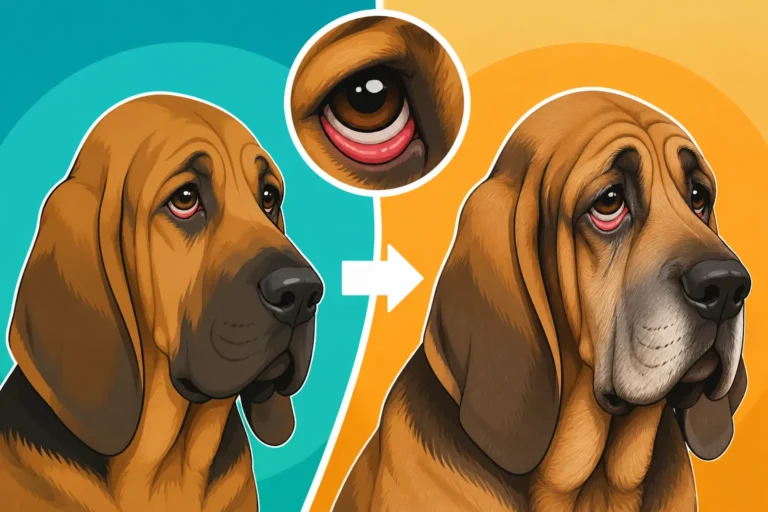
Now, about that worry: does an old Bloodhound lose its nose? The simple answer is usually "not entirely," and certainly not in the dramatic way some people fear. While it's true that all senses can experience some degree of decline with age, a Bloodhound's olfactory system is remarkably resilient. It's not like flipping a switch where suddenly their superpower vanishes. Instead, it's more often a gradual, subtle change, much like how our own hearing or vision might not be quite as sharp in our later years. Their nose might not be quite as efficient at picking up a faint, hours-old trail, or they might need a little more time to process complex scent information. But the fundamental ability, the drive, and the sheer power of their scenting apparatus remain largely intact. We're talking about a scale where "slightly less perfect" is still vastly superior to most other breeds, let alone humans.
Why the Perception of "Losing the Nose" Arises
If their nose doesn't just "go," why do owners sometimes perceive that their old Bloodhound is losing its nose? Often, it's a combination of factors unrelated to the primary olfactory system. An aging Bloodhound might simply be slower to move, or less willing to exert themselves physically on a challenging trail due to joint discomfort from issues like Hip Dysplasia in a Bloodhound. Their overall energy levels may decrease, meaning they tire more quickly. They might also be experiencing other age-related cognitive changes that affect their focus or their ability to problem-solve during a trail. Sometimes, changes in hearing or vision can also influence how they perceive their environment and respond to cues, making it seem like their nose isn't working as well when other senses are compounding the challenge. For instance, if their eyesight is dimming, they might rely even more heavily on scent, but a difficult visual environment could still make them appear hesitant.
Natural Changes in the Senior Bloodhound's Scenting Ability
As much as we wish our Bloodhounds could stay puppies forever, age brings inevitable changes. Understanding these changes, rather than fearing them, allows us to better support our aging companions.
Age-Related Physiological Changes Affecting the Nose
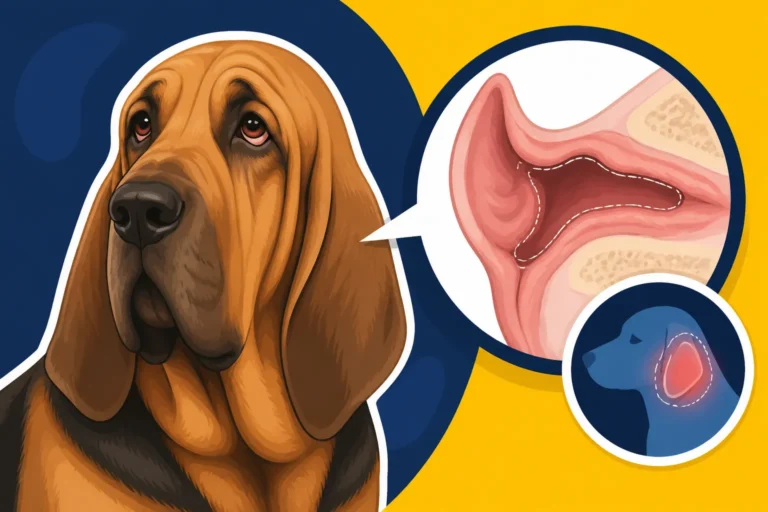
While the Bloodhound's primary scent receptors are quite robust, age can introduce some subtle physiological shifts. Just like humans, the mucous membranes that line a dog's nasal passages can become a little drier or less efficient at trapping scent molecules. There might be a slight reduction in the sheer number of functioning olfactory neurons, or a minor slowing in the neural pathways that transmit scent information to the brain. Think of it like a very high-performance engine that, after years of incredible work, might have a tiny bit more friction or a hair less horsepower. It’s still powerful, but maybe not hitting peak performance quite as effortlessly as it once did. These changes are typically minor and develop gradually, often compensated for by the Bloodhound's inherent determination and the sheer volume of their remaining scenting cells. Regular check-ups are crucial to catch other health issues that might indirectly impact their senses.
Impact of Overall Health on Olfactory Function
Perhaps more significant than direct olfactory aging is the impact of an old Bloodhound's overall health. When we talk about Aging in a Bloodhound Starts at Six, we're talking about a whole host of potential issues that can indirectly affect their nose. Conditions like untreated dental disease can cause chronic inflammation or infection that impacts the nasal passages. Metabolic diseases such as Hypothyroidism in a Bloodhound can lead to lethargy and a general dulling of senses, including smell. Even chronic pain from arthritis can reduce a dog's motivation and physical capacity to engage in prolonged scent work, leading owners to mistakenly believe their nose is failing. If your Bloodhound is feeling unwell, their focus and drive for trailing will naturally decrease, making it seem like their scenting ability has waned. A comprehensive senior wellness plan, including regular veterinary visits, can help mitigate these issues. Pet insurance providers like Healthy Paws can be invaluable in covering the costs of diagnostics and treatments for these age-related health concerns.
Behavioral Shifts That Mimic Scent Decline
Sometimes, what looks like a decline in scenting ability is actually a change in behavior, energy, or cognitive function. An older Bloodhound might not be as physically agile, making it harder for them to navigate challenging terrain or keep up a fast pace on a trail. They might also experience some cognitive decline, leading to shorter attention spans, increased distractibility, or a slower processing speed. If a Bloodhound is taking longer to "sort out" a scent puzzle, it might not be that they can't smell it, but that their brain is just taking a bit more time to interpret the information. They might become more easily fatigued, wanting to rest more frequently during a trailing session. It's important to differentiate between a true loss of scenting ability and these other age-related changes. A Bloodhound who used to work for hours might now only be good for 30 minutes, but those 30 minutes can still be incredibly productive. Understanding The Age a Bloodhound Is Considered Senior can help you adjust your expectations and activities accordingly.
| Aspect of Scenting | Young Bloodhound (1-5 years) | Senior Bloodhound (7+ years) |
|---|---|---|
| Olfactory Acuity | Peak performance, very sharp | Slight, gradual decrease likely |
| Scent Processing | Rapid and efficient | Potentially slower, needs more time |
| Physical Endurance | High, can work for extended periods | Lower, tires more quickly |
| Mental Focus | Sustained, high concentration | May be shorter, more distractible |
| Drive/Motivation | Very high, enthusiastic | Still high, but may be impacted by discomfort |
| Response to Scent | Immediate, confident | May be more hesitant or methodical |
Supporting and Maintaining Your Old Bloodhound's Nose
Even if there are some natural declines, there's a lot you can do to keep your senior Bloodhound's nose active, engaged, and happy. Their incredible sense of smell is a gift, and nurturing it throughout their life is part of responsible Bloodhound ownership.
Enriching the Environment for a Senior Scenter
Keeping your old Bloodhound's brain and nose engaged is vital for their well-being. You might not be doing competitive trailing every weekend, but you can still provide plenty of scent enrichment. Try hiding treats around the house or yard, encouraging them to use their nose to find them. Puzzle toys that dispense food can be fantastic for mental stimulation. Even simple "find it" games with a favorite toy or a small, strongly scented item can bring immense joy. Remember, a Bloodhound's nose is always "on," so providing appropriate outlets for it is crucial. These activities don't require the same physical exertion as a full trail but offer significant mental exercise. For an indoor Bloodhound, these daily scent games can prevent boredom and maintain cognitive sharpness.
Nutritional and Medical Support for Olfactory Health
A healthy body supports a healthy nose. Ensure your senior Bloodhound is on a high-quality diet appropriate for their age and activity level. Some joint supplements, like glucosamine and chondroitin, can help manage arthritis, allowing them to move more comfortably and therefore engage more readily in scent work. Omega-3 fatty acids can also support overall brain health and reduce inflammation. Regular veterinary check-ups are paramount, especially as your Bloodhound gets older. Your vet can monitor for conditions like thyroid issues, dental problems, or early signs of cognitive dysfunction that might be impacting their ability or desire to use their nose. Discuss with your vet if any medications or supplements might benefit your aging hound, and remember that pet insurance like Healthy Paws can help manage the costs of senior care, allowing you to prioritize their health.
Adapting Trailing Activities for the Aging Hound
Just because your Bloodhound is getting on in years doesn't mean their trailing career is over entirely, but you might need to make some adjustments. Instead of long, challenging trails, opt for shorter, less physically demanding ones. Choose terrain that's easier on their joints, avoiding steep inclines or rocky paths. You might need to lay fresher trails or use stronger scent articles to make it a bit easier for them. Patience is key; allow them more time to work out a scent puzzle without rushing them. The goal is enjoyment and mental stimulation, not setting new records. For many Bloodhounds, Whether a Bloodhound's Trailing Career Ends at Eight is less about their nose failing and more about their body asking for a gentler pace. Continue to celebrate every "find," no matter how simple the trail. Their satisfaction in using their nose is still palpable, and those moments of pure hound happiness are priceless. Even if they are just enjoying some gentle Nose Work Tires a Bloodhound More Than Walking, it's fulfilling for them.
Disclaimer
This article is for general informational purposes only and does not constitute professional advice. Laws, prices and regulations vary by location and change over time. Consult a qualified professional for guidance on your specific situation.