What Changes in a Bloodhound at Six
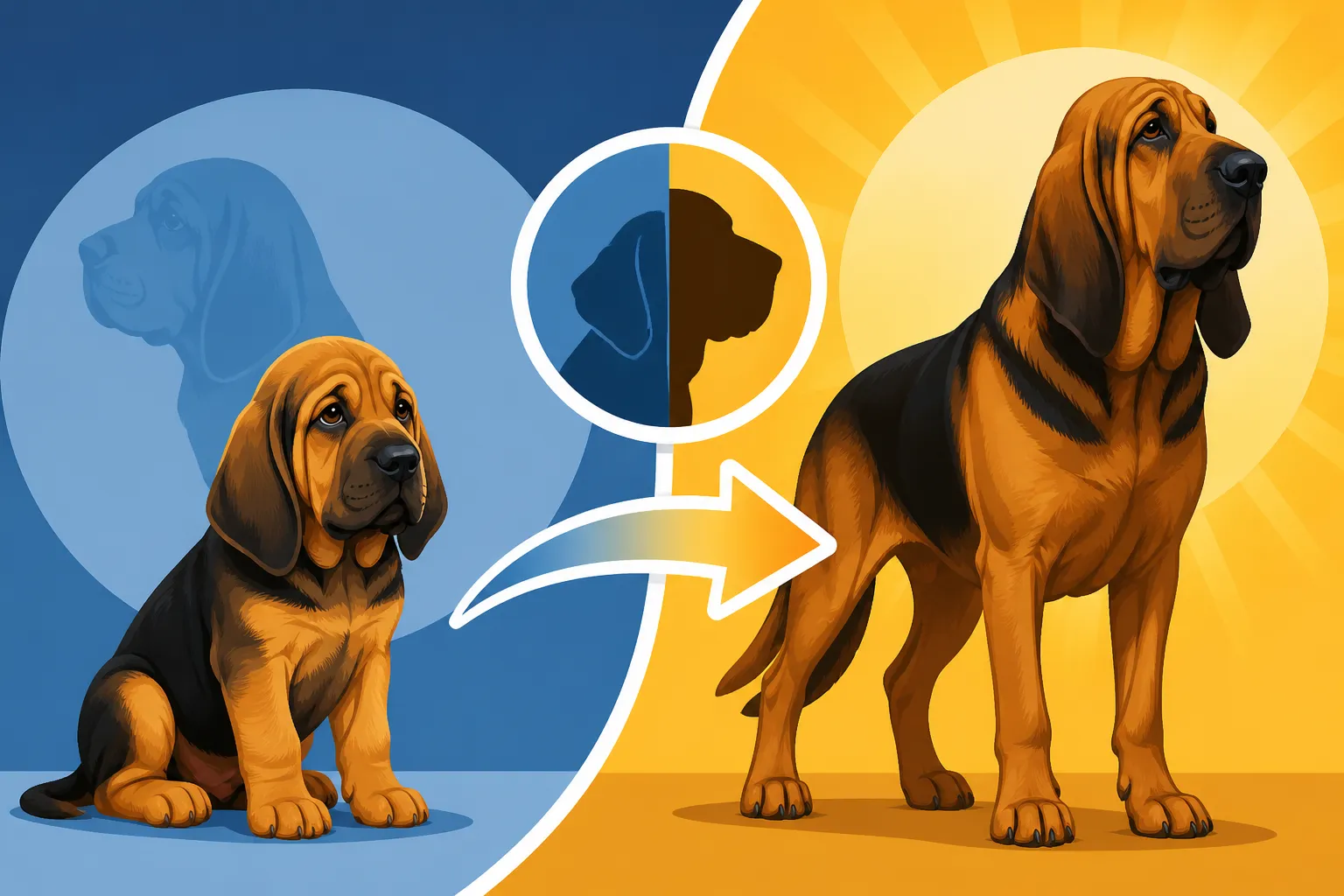
It's a bittersweet moment when you realize your beloved Bloodhound, once a clumsy, boundless puppy, is approaching the middle years of their life. For many Bloodhound owners, the age of six comes as a bit of a surprise because it often feels like just yesterday they were bringing home their floppy-eared bundle of joy. But six years old is indeed a significant milestone for our big hounds, marking the official transition into their senior years. This guide will walk you through the subtle, and sometimes not-so-subtle, changes you can expect in your Bloodhound as they turn six, helping you understand their evolving needs and how best to support them through their golden years.
The Subtle Shift to Seniority: Physical Changes at Six
When your Bloodhound hits that six-year mark, you might not see drastic changes overnight, but rather a gradual evolution in their physical well-being. It's like turning forty for humans – you're certainly not old, but things just don't bounce back quite the way they used to. Understanding these changes is key to providing the best possible care.
Joint Health and Mobility
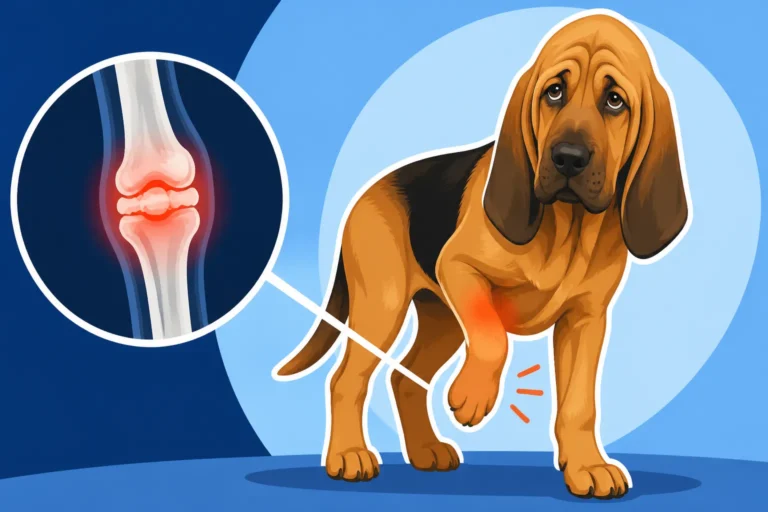
One of the most common and often painful changes we see in Bloodhounds at this age relates to their joints. These are big, heavy dogs, and carrying all that weight around for six years puts a significant strain on their hips, elbows, and other joints. While some might think of a Bloodhound's lifespan as relatively short, with a median age that can be less than other breeds of comparable size, they still spend a good portion of it with those heavy joints. You might start noticing them move a little slower, perhaps taking a moment longer to get up from a nap, or showing reluctance to jump into the car or onto the sofa – especially if they used to do it with joyful abandon. This isn't just "slowing down"; it can be the early signs of arthritis or the progression of underlying conditions like Hip Dysplasia in a Bloodhound.
Early signs can include a stiffness after resting, a slight limp that comes and goes, or even a change in their gait. They might seem less enthusiastic about long walks or trailing sessions that once thrilled them. It's crucial not to dismiss these as mere signs of aging. Regular veterinary check-ups can help catch these issues early. Your vet might suggest supplements like glucosamine and chondroitin, anti-inflammatory medications, or even physical therapy to help manage pain and maintain mobility. Keeping a close eye on your dog's comfort levels and discussing any changes with your veterinarian is paramount. This proactive approach can significantly improve their quality of life as they continue to age.
Sensory Changes and Cognitive Function
Our Bloodhounds rely so heavily on their incredible senses, particularly their nose. As they age, you might notice subtle shifts in these abilities. While a Bloodhound's nose is legendary, some owners report that an older Bloodhound might not be quite as sharp on a scent trail as they once were, especially when it comes to older, fainter trails. Their hearing might also start to dull, meaning they don't respond to commands as quickly or might sleep through noises that used to wake them. Similarly, vision can decline, potentially leading to more cautious movement, especially in dimly lit areas or unfamiliar environments.
Beyond the physical senses, some Bloodhounds may show very early signs of cognitive dysfunction at this age. This isn't dementia in the same way humans experience it, but it can involve subtle changes in behavior. They might seem a little more confused at times, stare blankly, or forget familiar routines. Perhaps they'll walk into a room and seem unsure why they went there. These moments can be heartbreaking to witness, but recognizing them early allows you to adapt their routine and environment to reduce stress and maximize their comfort. It's also a good idea to ensure their environment is consistent and predictable. Engaging them in gentle, familiar scent games can help keep their famous nose working and provide mental stimulation, even if they aren't quite as agile as they used to be.
Coat, Skin, and Ear Maintenance
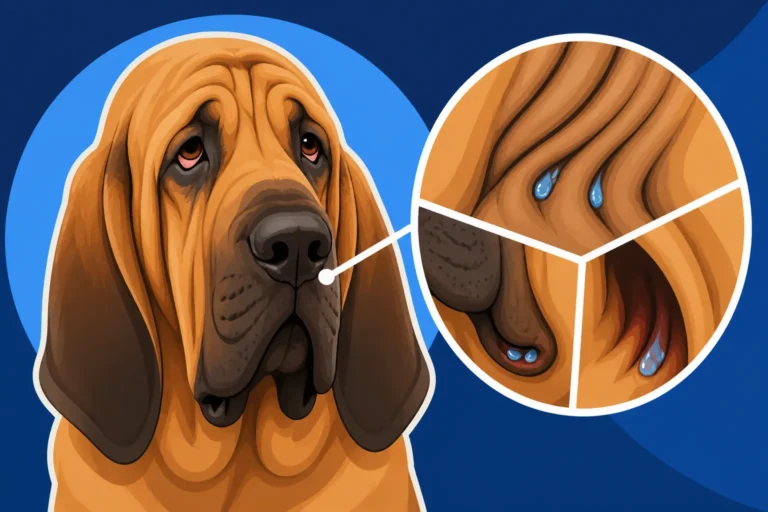
A Bloodhound's signature loose skin and long, pendulous ears are defining features, but they also make them prone to specific health issues throughout their lives. As they age, these issues can become more pronounced or new challenges might arise. The skin might become drier, less elastic, and more susceptible to irritation or infections in their characteristic folds. Regular wiping of these folds, especially the prominent ones around their face and neck, becomes even more important to prevent moisture and bacteria from building up. You might even find yourself needing to wipe a Bloodhound's lip fold, which tends to sour first, more frequently.
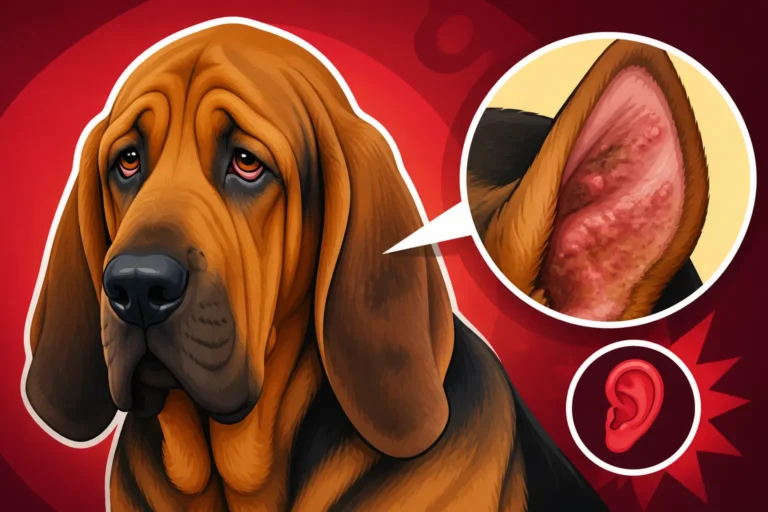
Their long, heavy ears are also a constant battleground against infections. As a Bloodhound ages, their ears might produce more wax, or the wax might change in consistency, making them even more prone to yeasty or bacterial infections. What often starts as a simple routine of Cleaning a Bloodhound's Ears Every Week for Life can become a more intense regimen as they get older. The ear canal itself can undergo changes, potentially making it harder for ear cleaners to penetrate effectively or for medication to work as quickly. Therefore, consistent and thorough ear care, along with vigilance for any new odors, redness, or discharge, is absolutely crucial. Don't be surprised if your vet recommends more frequent ear checks as they enter their senior years.
Behavioral and Lifestyle Adjustments in a Six-Year-Old Bloodhound
Just as their bodies change, so too can a Bloodhound's demeanor and daily habits. It's part of the natural process of Aging in a Bloodhound Starts at Six, and understanding these shifts will help you provide the calm, supportive environment they need.
Energy Levels and Exercise Needs
The boundless energy of a Bloodhound puppy, or even a young adult, often starts to temper around six years old. While they'll still be eager for a sniffari, you might notice they tire more quickly. Those hour-long adventures might turn into forty-five minutes, or they might be perfectly content with shorter, more frequent walks. They might not be as quick to burst into a run or engage in vigorous play. This isn't laziness; it's often a direct reflection of their changing joint health and stamina. Pushing them too hard can lead to discomfort or injury, so it's essential to listen to their cues.
Instead of intense physical exertion, focus on quality over quantity. Shorter, more frequent outings that allow them to thoroughly investigate scents are often more satisfying and less taxing. Mental stimulation becomes even more critical to keep them engaged without overstressing their bodies. Gentle games of "find it" in the house or yard, puzzle toys, or even just sitting with them and letting them sniff the breeze from an open window can fulfill their innate desire to use their nose without demanding too much physical effort. Remember, a tired Bloodhound is a happy Bloodhound, but a mentally tired Bloodhound is often even happier.
Changes in Social Dynamics and Temperament
Some Bloodhounds can become a bit more reserved as they age. While generally known for their amiable and gentle nature, an older Bloodhound might not have the same tolerance for boisterous young children or energetic puppies that they once did. They might seek out quieter spaces, preferring to nap undisturbed rather than be in the thick of family commotion. They could also become a little less patient with unfamiliar dogs or even some family members who don't respect their need for space.
It’s not uncommon for a senior Bloodhound to become more attached to their primary caregivers, seeking comfort and reassurance more often. They might follow you from room to room or lean on you more frequently. This increased need for reassurance can also manifest as increased anxiety in new situations or during disruptions to their routine. It's important to respect these changes in temperament by providing a safe, quiet retreat for them and advocating for their needs with guests or other pets. Gentle reassurance and consistent positive interactions are vital to maintaining their emotional well-being.
Sleep Patterns and Routine Sensitivity
As Bloodhounds get older, their sleep patterns can shift considerably. They'll likely spend more time sleeping throughout the day, often in shorter bursts, but may also find it harder to get truly restful sleep at night. You might notice them pacing more at night or struggling to settle down. This can be due to discomfort from aching joints, or sometimes, early cognitive changes can disrupt their internal clock. Establishing a consistent bedtime routine can be very helpful for these hounds, signaling to their bodies that it's time to rest.
Older Bloodhounds also tend to become much more sensitive to changes in their daily routine. They thrive on predictability, and disruptions can cause stress or confusion. Keeping meal times, walk times, and even play sessions as consistent as possible will help them feel secure and reduce anxiety. Their world often shrinks as they age, making the familiar comforts of their home and routine even more important. Providing a comfortable, supportive bed that is easy to get in and out of will encourage better sleep and ease joint pain.
Navigating Health Concerns and Veterinary Care for the Aging Bloodhound
Around six years old, your Bloodhound's health needs will definitely shift. This isn't a time to slack on vet visits; in fact, it's quite the opposite. This is when regular check-ups become critical to catch potential issues early.
Proactive Health Screenings and Preventative Care
Once your Bloodhound reaches six years old, standard annual vet visits become even more important. Many veterinarians will recommend increasing the frequency of wellness exams to twice a year. These visits should include comprehensive physical exams, blood work, and urinalysis to screen for common age-related conditions before they become serious. For example, conditions like Hypothyroidism in a Bloodhound can often develop or worsen with age, and early detection through blood tests can lead to effective management. Similarly, monitoring kidney and liver function is vital.
| Health Area | Potential Changes at Six | Recommended Actions |
|---|---|---|
| Joints | Stiffness, lameness, slow to rise | Vet check, supplements, pain management, soft bedding |
| Senses | Reduced hearing, vision, less keen nose | Adapt environment, gentle scent games |
| Skin/Ears | Drier skin, increased fold infections, more ear wax | More frequent cleaning, vet checks for infections |
| Energy | Tires faster, less enthusiasm for long activities | Shorter, more frequent walks, mental stimulation |
| Appetite | Can decrease or increase, risk of weight gain | Monitor food intake, adjust diet, dental checks |
| Temperament | More reserved, seeking quiet, increased anxiety | Provide safe space, consistent routine, positive interactions |
Preventative care extends beyond the vet clinic. Regular dental care, whether at home with brushing or through professional cleanings under anesthesia, is critical. Older dogs are highly susceptible to dental disease, which can impact overall health. Also, ensuring your dog is on appropriate flea, tick, and heartworm preventatives is still essential. Consider discussing with your vet if any changes to these protocols are needed based on your dog's age and lifestyle. It's often during these routine checks that a vet can spot something small that could become a big problem later. Some pet insurance providers, like Healthy Paws, recognize the increased needs of senior pets and offer comprehensive plans that can help manage these rising costs, though it’s always wise to check policy specifics regarding age and pre-existing conditions.
Dietary Modifications and Weight Management
As your Bloodhound's activity level naturally declines, their caloric needs will likely decrease. Maintaining a healthy weight becomes incredibly important, as excess pounds put even more strain on already aging joints and can exacerbate other health conditions. Many owners find themselves needing to adjust how much it eats (How Much an Adult Bloodhound Eats) around this age, often transitioning to a "senior" or "light" formula dog food. These foods are typically lower in calories but still provide essential nutrients.
It's not just about calorie restriction, though. The type of food and how you feed it matters. Consider introducing omega-3 fatty acids for joint and cognitive health, either through supplements or food enriched with them. Splitting their daily food intake into two or three smaller meals can also aid digestion and potentially reduce the risk of bloat, a life-threatening condition that, while it can strike at any age, is always a concern for deep-chested breeds like Bloodhounds. Always ensure your Bloodhound has access to fresh water, and monitor their intake, as changes can be an indicator of underlying health issues. A slower metabolism means weight can creep on quickly, so diligent monitoring of their body condition is key.
Managing Chronic Conditions
Around six years old, many Bloodhounds may start to show signs of chronic conditions that require ongoing management. Heart Disease in the Bloodhound can manifest as murmurs or other cardiac issues that may need medication to manage. Your vet might recommend regular cardiac screenings, especially if any concerns are noted during a routine exam. Hypothyroidism in a Bloodhound is another common endocrine disorder that can lead to weight gain, lethargy, and coat changes, all of which can be managed with daily medication.
And, of course, there's bloat. While bloat can occur at any age, it's a constant threat for Bloodhounds throughout their lives, and vigilance doesn't lessen as they age. Even if your Bloodhound has had a preventive gastropexy, which is a fantastic measure, it’s still important to understand Bloat Is What Kills Most Bloodhounds and recognize the signs, as it is still a medical emergency. Regular monitoring of their appetite, energy levels, and bowel movements can also provide early warnings for other potential issues. Any persistent cough, unexplained weight loss or gain, changes in thirst or urination, or unusual lumps and bumps should be brought to your veterinarian's attention immediately. Having a good pet insurance plan, like one from Healthy Paws, can be a huge relief when managing chronic conditions, as the costs for ongoing medications, special diets, and frequent vet visits can quickly add up.
Preparing for the Golden Years: Supporting Your Senior Bloodhound
Watching your Bloodhound mature is a privilege, and ensuring their comfort and happiness in their senior years is a profound responsibility. There are many ways to actively support them through this transition.
Creating a Comfortable and Accessible Environment
As mobility becomes more challenging, making your home senior-friendly is essential. Comfortable, orthopedic beds become non-negotiable for easing pressure on aching joints. Place them in easily accessible, quiet spots where your Bloodhound can rest undisturbed. Consider ramps or steps for accessing furniture, cars, or even a few porch steps, rather than letting them strain themselves jumping. Non-slip rugs on slick floors can prevent falls, which can be devastating for older dogs. Bloodhounds are large, so any fall can lead to significant injury.
Even simple modifications can make a big difference. Ensure food and water bowls are easily reachable without excessive bending, or consider elevated bowls if your vet recommends it (though always discuss this with your vet, as some studies suggest raised bowls might correlate with increased bloat risk for some breeds, it's not a universal recommendation and individual needs vary). A dedicated, warm, and cozy spot away from drafts will be much appreciated by an older hound who might feel the cold more keenly. Just like humans, a comfortable environment goes a long way in managing the aches and pains of aging.
Mental Enrichment and Continued Engagement
Don't assume an older Bloodhound wants to spend all their time sleeping. Their minds are still sharp, and mental stimulation is crucial for preventing cognitive decline and keeping them happy. Scent work, their absolute favorite activity, is perfect for seniors because it's low-impact and highly engaging. Gentle indoor "find it" games with treats or a favorite toy, or slow, deliberate sniffing walks in a safe, familiar park, can keep their brain active. Even if their nose isn't quite what it was, the act of searching is inherently rewarding.
Puzzle toys that dispense treats can offer satisfying challenges. Continued, short training sessions, focusing on commands they already know or teaching simple new tricks, can reinforce their bond with you and keep their minds pliable. Remember that an older Bloodhound might need more patience and positive reinforcement, as their response times might be slower. The goal isn't perfect obedience, but rather continued engagement and enjoyment. Even if An Old Bloodhound Loses Its Nose a tiny bit of its original power, it's still the most magnificent instrument in the world, and they will enjoy using it.
Regular Grooming and Hygiene
Regular grooming takes on renewed importance as your Bloodhound ages. They might struggle to groom themselves as effectively, and their skin and coat can become more sensitive. Regular brushing helps remove loose hair, stimulates circulation, and allows you to check for any new lumps, bumps, or skin irritations that might crop up. This is also a perfect opportunity to look at their eyes and ensure they're clear, check their paws for any issues, and trim their nails. Long nails can alter their gait, causing discomfort and potentially leading to falls.
And, of course, the ears and folds. These areas remain a constant focus. You'll need to continue with consistent ear cleaning, often more diligently than ever. Similarly, ensuring their folds are clean and dry becomes even more critical to prevent skin fold dermatitis, which can be very uncomfortable. This routine attention also strengthens your bond and allows you to catch any health issues early. Remember, even if you ask yourself Whether a Bloodhound Still Needs Its Folds Wiped Daily as they age, the answer is a resounding yes! A clean, well-maintained Bloodhound is a more comfortable and happier Bloodhound, ready to enjoy their well-deserved golden years with you.
Disclaimer
This article is for general informational purposes only and does not constitute professional advice. Laws, prices and regulations vary by location and change over time. Consult a qualified professional for guidance on your specific situation.