Where a Bloodhound’s Folds Trap Moisture First
If you share your life with a Bloodhound, you quickly learn that their magnificent, loose skin is both their hallmark and, let's be honest, a bit of a high-maintenance feature. One of the biggest challenges Bloodhound owners face is dealing with the myriad of skin folds that naturally collect moisture, dirt, and debris, creating a perfect breeding ground for irritation and infection. This comprehensive guide will walk you through exactly where these sneaky moisture traps lie and how to keep your cherished hound comfortable and healthy.
Understanding the Bloodhound's Unique Skin Folds
Bloodhounds are truly unique in their physical presentation, with that wonderfully exaggerated loose skin, often referred to as "furnishings." This distinctive trait isn't just for show; it's an integral part of their unparalleled scenting ability. Those dramatic wrinkles and dewlaps help to cup and collect scent particles, sweeping them towards their incredibly sensitive noses as they work the ground. It's a marvel of natural engineering, perfectly designed for tracking.
However, this same design, so effective in the field, creates some inherent challenges in daily care. The folds, while excellent for scent, also create warm, damp, and dark environments. These conditions are a paradise for bacteria and yeast, which are naturally present on a dog's skin but can quickly overgrow when given the right conditions. Without diligent, consistent attention, these areas can become irritated, inflamed, and downright painful for your Bloodhound. It’s a trade-off, really, for having such an exceptional nose, and one that dedicated Bloodhound owners learn to manage as part of the breed's charm.
Why Bloodhounds Have So Much Loose Skin
The amount of loose skin on a Bloodhound is truly remarkable and serves multiple purposes beyond just scent collection. Firstly, it provides a protective barrier against potential bites and scratches from brush or even defensive targets during a trail, as a loose grip on the skin is less likely to damage vital organs underneath. Imagine a thick, flexible suit of armor. Secondly, the heavy folds around the face and neck act like blinkers, helping to keep their focus solely on the ground trail, minimizing visual distractions.
This evolutionary adaptation means that your Bloodhound isn't just a dog with saggy skin; they are a finely tuned tracking machine. But this unique physiology demands specific hygiene practices. Ignoring these folds would be like neglecting a vital part of their health, leading to discomfort and potentially serious issues. It's a testament to the breed's ancient lineage and specialized purpose, but also a daily reminder of the commitment required from their human companions.
The Consequences of Neglecting Fold Hygiene
Neglecting a Bloodhound's folds, even for a short period, can lead to a cascade of unpleasant consequences. The most common issues are skin fold dermatitis, a fancy term for skin inflammation within the folds, and secondary bacterial or yeast infections. You might notice redness, a greasy discharge, a foul odor, and your dog constantly scratching or rubbing the affected area. Imagine having a perpetually damp, irritated patch of skin on yourself, and you can understand the discomfort.
Beyond the immediate discomfort, these chronic infections can become deeply embedded, requiring strong medications and frequent veterinary visits. In severe cases, the skin can thicken, become scarred, and the problem can become almost impossible to fully resolve without consistent, rigorous care. It's not just about a little smell; it's about your dog's quality of life. This is where proactive care truly saves you and your Bloodhound a lot of heartache and expense down the road.
The Prime Moisture Traps: Where to Focus Your Attention
When it comes to where a Bloodhound's folds trap moisture first, the answer often comes down to gravity and activity. Their long ears, heavy jowls, and extensive neck wrinkles are the usual suspects, constantly coming into contact with food, water, and the ground itself. These areas require daily vigilance, almost like a ritual, to prevent problems from festering.
It's not just the sheer volume of skin, but the way it drapes and folds upon itself, creating those perfect microclimates for moisture. Think of it like a series of hidden valleys and crevices, each one a potential haven for dampness. Understanding these hotspots is the first step in effective management.
The Mouth and Jowl Folds
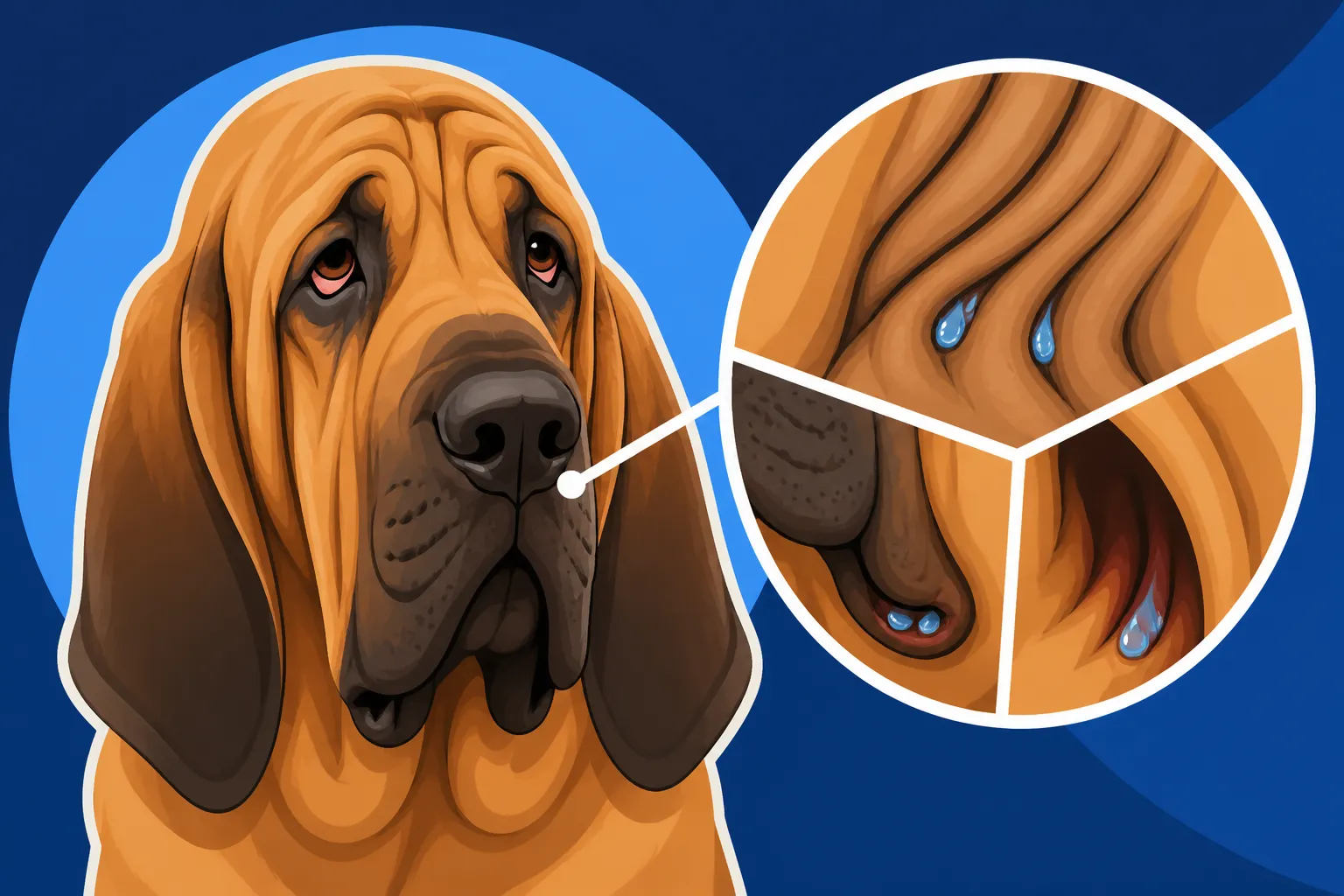
The jowls and mouth area are arguably the primary culprits for moisture accumulation on a Bloodhound. Their deep, pendulous lips, designed to funnel scent, also become incredibly efficient at collecting drool, water, and food particles. Every drink of water or mouthful of food is a new opportunity for moisture to get trapped in the deep folds surrounding their muzzle and lower jaw. This area is constantly wet.
If you observe your Bloodhound drinking, you'll see how their entire muzzle dips into the bowl, allowing water to wick into the creases. When they shake their head, which they inevitably do, that same water gets flung around, often settling into the neck and chest folds. The combination of constant wetness, warmth from their body heat, and residual food particles creates a fertile ground for bacterial and yeast overgrowth. This is often where a Bloodhound's lip fold sours first, leading to a distinctive, unpleasant odor if not managed daily.
The Neck and Chest Wrinkles
Following closely behind the jowls, the extensive wrinkles on a Bloodhound's neck and chest are major moisture magnets. These deep folds of skin provide ample space for drool, water, and even environmental moisture (from dew-laden grass, for example) to accumulate. When your Bloodhound lowers its head to sniff or eat, these folds compress, trapping moisture even more effectively.
Moreover, if your Bloodhound gets excited or hot, they might drool more, and that drool often trickles down into these neck and chest folds. Add to that the occasional shake of the head after a drink, and you have a consistent source of dampness. Whether a Bloodhound's Neck Roll Traps Moisture is not a question of if, but how much. Without regular cleaning and drying, these areas can quickly become irritated, leading to reddened skin and a tell-tale sour smell, signaling the onset of skin fold dermatitis.
The Long, Pendulous Ears
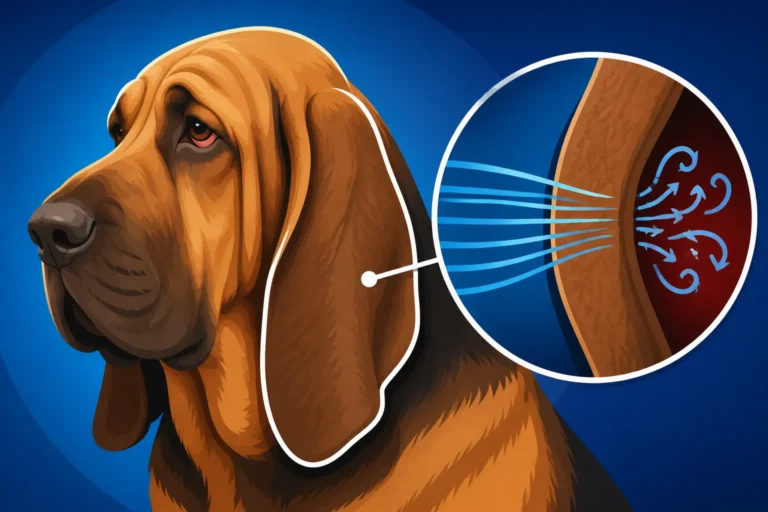
While not technically "folds" in the same way as skin wrinkles, a Bloodhound's remarkably long and heavy ears deserve special mention as significant moisture traps. Their ears hang low, often dragging on the ground when they're sniffing, and frequently dip into food and water bowls. This constant contact with moisture, combined with the way their heavy ear leather covers the ear canal, creates a perfect, humid environment.
This lack of airflow means that moisture trapped inside the ear canal, or even on the folds of the outer ear leather, struggles to evaporate. This makes a Bloodhound's ears incredibly prone to infections, as discussed in A Bloodhound's Ears Are a Standing Infection Risk. Regular cleaning, as outlined in How Often a Bloodhound's Ears Need Cleaning, is not just recommended, it's absolutely essential to prevent painful ear infections that can quickly become chronic and costly to treat.
Other Hidden Folds: Eyes and Tail Base
Don't forget the less obvious, but still critical, areas where moisture can gather. Bloodhounds are known for their somewhat droopy eyelids (ectropion), which can sometimes create small pockets that collect tear film, dust, and environmental debris, leading to irritation. While not a "fold" in the traditional sense, the area just under the lower eyelid needs attention.
Then there's the base of the tail, especially in Bloodhounds with thicker, more tightly curled tails. If a dog has dense fur or a particularly deep fold at the very top of their tail where it meets their body, moisture, dirt, or even fecal matter can get trapped. This is less common than the facial or neck folds but can still lead to localized irritation and infection if overlooked during routine grooming. Every crease and cranny on a Bloodhound needs consideration!
The Dangers of Neglected Folds: Infections and Irritation
Leaving moisture to sit in a Bloodhound's skin folds is like leaving a wet towel in a dark, warm bathroom – it's going to get funky, fast. The results are not just unpleasant for your nose, but genuinely painful and unhealthy for your dog. The skin, a vital protective barrier, breaks down, and opportunistic invaders seize their chance.
It's a common scenario that many Bloodhound owners have faced. The best defense is a good offense, meaning consistent and thorough cleaning. Without it, you're looking at more than just a bad smell.
Skin Fold Dermatitis and Pyoderma
The most common ailment stemming from neglected, moist folds is skin fold dermatitis. This is an inflammation of the skin that occurs when moisture, warmth, and friction combine, creating an ideal environment for bacteria and yeast to multiply. You might first notice a subtle redness, perhaps a slight stickiness, and then the tell-tale sour or cheesy smell. As it progresses, the skin can become severely irritated, itchy, and painful.
Left untreated, dermatitis can quickly escalate into pyoderma, a bacterial skin infection. The affected skin becomes red, raw, and often develops pustules or oozing sores. This is not only intensely uncomfortable for your Bloodhound, causing them to constantly scratch or rub, but it can also lead to deeper skin infections that require antibiotics, sometimes for weeks at a time. This is a common concern for owners, and What Fold Dermatitis Does to a Bloodhound outlines the full extent of the issue. A simple daily wipe can prevent a lot of misery and save you a trip to the vet.
Yeast Infections
Along with bacteria, yeast (particularly Malassezia) absolutely loves warm, moist, dark environments – exactly what a Bloodhound's skin folds provide. A yeast infection often presents with intensely itchy, reddened skin that can feel greasy or oily to the touch. The odor is often described as sweet, musty, or even like corn chips. The skin might also appear thickened and discolored, often a brownish-red, due to chronic inflammation.
Yeast infections are notoriously uncomfortable and can be quite persistent. They often require specialized medicated shampoos and topical treatments, sometimes combined with oral antifungal medications. These can be costly and time-consuming, highlighting how crucial preventative daily hygiene is. If you suspect a yeast infection, a vet visit is essential for proper diagnosis and treatment.
Persistent Odor and Discomfort
Beyond visible infections, neglected folds create a persistent, unpleasant odor that can permeate your home and cling to your Bloodhound. This isn't just "dog smell"; it's a specific, sour, yeasty, or bacterial smell that indicates a hygiene problem. Many Bloodhound owners know Why a Bloodhound Carries an Odor often stems from these overlooked areas.
More importantly, your Bloodhound will be in constant discomfort. Itching, rubbing, and general irritability are common signs. Imagine living with constantly chafed, itchy skin that you can't properly reach or relieve. It affects their mood, their willingness to play, and their general well-being. Keeping their folds clean isn't just about aesthetics or smell; it's about their fundamental comfort and health, ensuring they can focus on what they do best: sniffing and being a loving companion.
Proactive Care: Keeping Your Bloodhound's Folds Healthy and Dry
The good news amidst all this talk of potential problems is that preventing them is entirely achievable with a consistent, proactive care routine. It's not glamorous work, but it's an essential part of being a Bloodhound parent. Think of it as a small daily investment in your dog's long-term health and happiness.
This commitment to hygiene will significantly reduce the risk of infections, minimize odors, and ensure your Bloodhound remains comfortable and itch-free. It's about being prepared and creating habits that benefit both you and your magnificent hound.
Establishing a Daily Fold-Wiping Routine
The cornerstone of healthy Bloodhound folds is a daily wiping routine. This isn't something you can skip for days and expect no consequences. Just like brushing your teeth, it needs to be a regular habit. Aim for at least once a day, and ideally, after every meal or drink, especially for the jowl and neck folds.
For the jowls, gently lift the folds and wipe the skin underneath with a soft, damp cloth or a pet-specific cleansing wipe. Ensure you get into all the crevices. Follow up with a dry cloth or even a cool hairdryer on a low setting (if your dog tolerates it) to ensure the skin is completely dry. For neck and chest folds, inspect them daily, especially if your Bloodhound has been outside in wet grass or drooled a lot, and wipe and dry as needed. Consistent daily care, as detailed in Wiping a Bloodhound's Folds Before They Sour, is the ultimate preventative measure.
Choosing the Right Cleaning Products
When it comes to cleaning your Bloodhound's folds, the right products make a huge difference. Avoid harsh soaps, human baby wipes with alcohol or fragrances, or anything that could further irritate sensitive skin. Instead, opt for products specifically formulated for pet skin folds. Many veterinary lines offer antiseptic wipes or gentle cleansing solutions containing ingredients like chlorhexidine or witch hazel, which are safe and effective.
For general daily wiping, simple warm water on a soft cloth can be sufficient, followed by thorough drying. If you notice any redness or a developing odor, a specific antiseptic wipe is a good choice. Always have plenty of clean, soft cloths or specialized pet wipes on hand. Remember, you'll be using these frequently, so stocking up is wise. When choosing, consider those recommended by your veterinarian or reputable brands that focus on pet skin health.
The Importance of Thorough Drying
This cannot be stressed enough: drying is just as important as cleaning. Wiping away moisture and debris is only half the battle. If you leave the folds damp, you're essentially re-creating the perfect environment for yeast and bacteria to flourish. After every wipe, ensure the skin is completely dry.
You can use a clean, dry cloth or paper towel to gently blot and air dry the folds. Some Bloodhounds tolerate a hairdryer on a very cool or low-heat setting, held at a safe distance. Just be mindful of the noise and sensation, and always ensure the air isn't too hot. The goal is to leave the skin feeling dry and clean, not just damp-clean. This extra step, though seemingly small, is critical in preventing those nasty infections.
When to Seek Veterinary Advice
Despite your best efforts, sometimes an infection can take hold, or you might notice something concerning. It's crucial to know when to seek professional veterinary advice. If you observe any of the following, don't delay:
- Persistent redness, swelling, or pain in the folds.
- A strong, foul odor that doesn't resolve with cleaning.
- Discharge, pus, or bleeding from the skin folds.
- Your Bloodhound is constantly scratching, rubbing, or licking the area, indicating significant discomfort.
- The skin appears thickened, crusty, or discolored.
These are all signs that a more serious infection or underlying issue might be at play, requiring prescription medication or specialized diagnostics. Addressing these issues early can prevent them from becoming chronic and much harder to treat. Pet insurance, such as a policy from Healthy Paws, can be incredibly helpful for covering unexpected vet visits related to skin infections or other health issues inherent to the breed. Having a plan with Healthy Paws can give you peace of mind that you can afford the best care for your hound.
Managing the Bloodhound's Ears and Eyes
While the main focus is on skin folds, a Bloodhound's ears and eyes also have unique needs that contribute to overall moisture management and health. These areas, like the folds, are prone to specific issues due to the breed's conformation.
Integrating ear and eye care into your daily or weekly routine alongside fold cleaning is vital for comprehensive health.
Comprehensive Ear Care
A Bloodhound's ears are a saga unto themselves. Their long, heavy leathers block air circulation, making the ear canal a warm, moist, dark tunnel – prime real estate for yeast and bacteria. Routine cleaning isn't just a suggestion; it's a necessity, as explored in Cleaning a Bloodhound's Ears Every Week for Life. You should be cleaning your Bloodhound's ears at least once a week, and more often if they are prone to infections or have been swimming.
Use a veterinarian-approved ear cleaner that is designed to dry the ear canal and break down wax. Apply it into the canal, massage the base of the ear, and then let your Bloodhound shake its head. After the shake, use a cotton ball or gauze to gently wipe away any debris and excess cleaner from the outer ear and visible parts of the canal. Never use cotton swabs deep inside the ear canal, as this can push debris further in or damage the eardrum. Always ensure the outer ear leather, especially the tips, are kept clean and dry, as they can also get soiled easily.
Daily Eye Hygiene
A Bloodhound's characteristic droopy eyelids (ectropion) can mean their eyes are more exposed to dust, pollen, and debris, leading to more tear production and accumulation in the lower eyelid. While this isn't a "fold" in the same way as their jowls, the area around the eye needs careful attention. Daily eye care for a Bloodhound might include gently wiping away any discharge or "sleepers" with a soft, damp cloth.
If your Bloodhound produces excessive tears or has chronic eye irritation, discussing it with your vet is important. Sometimes, saline rinses or specific eye drops might be recommended to keep the eyes clean and comfortable. This preventative care helps avoid irritation and secondary issues that could otherwise become problematic.
Equipping Your Home for a Bloodhound
Living with a Bloodhound means making some adjustments to your home and daily habits to accommodate their unique needs. It's not just about the cleaning products; it's about making your life, and theirs, easier and cleaner.
From specialized bowls to readily available cleaning supplies, a few strategic purchases can make a world of difference in managing the delightful mess that comes with a Bloodhound.
Snoods and Specialized Bowls
One of the most effective tools for keeping a Bloodhound's ears (and subsequently, their neck and chest folds) cleaner and drier during mealtime is a snood. A snood is a tubular fabric cover that fits over your Bloodhound's head, keeping their long ears neatly tucked away and out of their food and water bowls. This simple garment can dramatically reduce the amount of food and water that ends up on their ears and, by extension, in their folds.
Complementing a snood, specialized bowls can also be a huge help. Narrow, deep bowls (sometimes called "spaniel bowls" or "bloodhound bowls") are designed to minimize the area where ears can dip in. Even slow feeder bowls can help, as they can reduce the mess by slowing down enthusiastic eaters. Consider also placing a large, easy-to-clean mat under their bowls to catch any spills. These small changes add up to significantly less mess and less moisture getting trapped in those critical areas.
The Power of Towels and Wipes
You can never have too many towels when you live with a Bloodhound. Seriously. Designate a stack of small, absorbent towels specifically for Bloodhound duty. Keep them strategically placed around your home: near their food and water bowls, by the door for muddy paws and wet beards after outdoor adventures, and even in the car. These aren't just for cleaning up messes, but for quick drying of jowls, necks, and ears throughout the day.
In addition to towels, a good supply of pet-specific cleansing wipes is invaluable. These are perfect for quick clean-ups after a particularly messy drink or if you notice a fold looking a bit damp. Having them readily accessible makes it much easier to stick to your daily routine. Remember, prompt action is key. The faster you dry, the less chance moisture has to cause problems. Sometimes, a Bloodhound owner should buy ear cleaner by the gallon and stock up on wipes because they're used so often!
Regular Grooming and Monitoring
Beyond daily wiping, regular full-body grooming sessions are important for monitoring the overall health of your Bloodhound's skin and coat. While their short coat doesn't require extensive brushing, it gives you an opportunity to thoroughly inspect all their folds, including the less obvious ones like those under their chin or around their tail base.
During these sessions, pay close attention to any changes in the skin: redness, bumps, scabs, hair loss, or any unusual odors. Early detection of any issues means faster intervention, which is always better for your Bloodhound's health and your wallet. A diligent owner is a Bloodhound's best advocate, especially when it comes to managing those distinctive, yet challenging, skin folds. Being proactive with grooming helps you stay ahead of potential issues, perhaps even before they become serious enough for a vet claim through Healthy Paws.
| Problem Area | Primary Moisture Sources | Recommended Cleaning Frequency | Key Care Action |
|---|---|---|---|
| Jowl/Lip Folds | Drool, water, food particles | Daily, after every meal/drink | Wipe & thoroughly dry |
| Neck/Chest Folds | Drool, water (from head shakes), environmental | Daily or as needed | Wipe & thoroughly dry |
| Ears (Inside Canal) | Lack of airflow, moisture from bathing/swimming | Weekly (or more if prone to infection) | Vet-approved cleaner & gentle wipe |
| Ears (Outer Leather) | Food, water, ground contact | Daily, as needed | Wipe & dry |
| Eye Area | Tears, dust, debris | Daily, as needed | Gentle wipe with damp cloth |
| Tail Base Folds | Dirt, moisture, fecal matter | Weekly, or as needed | Inspect, wipe & dry |
Ultimately, living with a Bloodhound is a deeply rewarding experience, filled with their loyal companionship and incredible character. Their unique physical traits, while charming, do come with specific care requirements, particularly when it comes to managing their magnificent skin folds. By understanding where moisture tends to accumulate and dedicating yourself to a consistent routine of cleaning and drying, you can ensure your Bloodhound stays healthy, happy, and comfortable for years to come.
Disclaimer
This article is for general informational purposes only and does not constitute professional advice. Laws, prices and regulations vary by location and change over time. Consult a qualified professional for guidance on your specific situation.