The Half Hour a Bloating Bloodhound Has
That gut-wrenching moment when you look at your Bloodhound and see the subtle, terrifying signs of bloat – it's a fear no dog owner ever wants to experience. This isn't a routine vet visit; it's a sprint against time, where minutes can feel like an eternity, and a critical window of about half an hour dictates your beloved hound's fate. This guide is here to arm you with the knowledge to recognize, react, and respond decisively within that crucial timeframe, offering your Bloodhound the absolute best fighting chance.
Understanding the Urgency of Bloat in Bloodhounds
Bloat, medically known as Gastric Dilatation-Volvulus (GDV), isn't just a really bad case of indigestion. It's a life-threatening emergency where a dog's stomach fills with gas and then, terrifyingly, twists on its axis. For Bloodhound owners, this isn't some abstract threat; it’s a reality we must understand because our dogs are particularly susceptible.
Why a Bloodhound's Anatomy Puts it at Risk
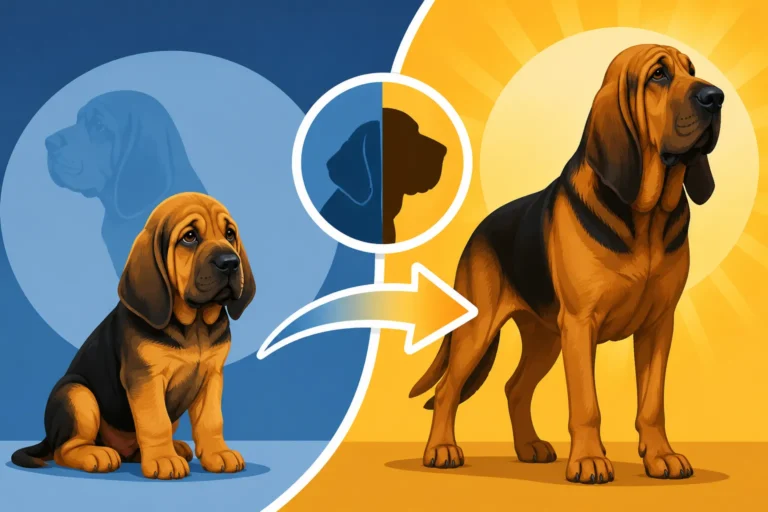
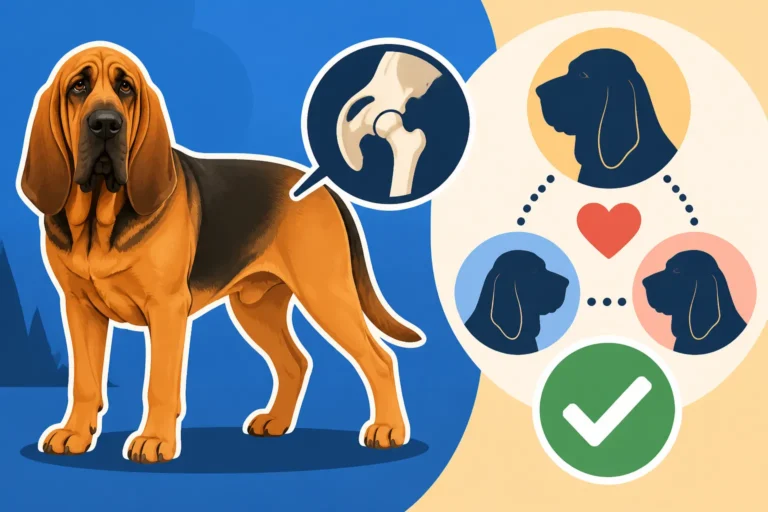
Bloodhounds, with their characteristic deep, narrow chests, are unfortunately predisposed to bloat. It's a cruel irony that a physical trait often admired in the breed's conformation is also a significant risk factor. Imagine a balloon tied at both ends; if it inflates rapidly, it has nowhere to go but to twist. This is a simplified, yet accurate, way to visualize what happens inside your Bloodhound's abdomen during bloat. The stomach, instead of lying flat, can flip, sealing off both the entrance and exit. This trapping of gas, food, and fluid prevents anything from passing, rapidly expanding the stomach and putting immense pressure on other organs. This pressure can cut off blood supply, leading to organ damage, shock, and ultimately, death. Understanding why a Bloodhound's chest shape causes bloat is crucial for prevention and quick recognition.
When the stomach twists, it can also pull the spleen with it, damaging blood vessels and adding another layer of complexity and danger to an already critical situation. This anatomical predisposition isn't something you can change, but it highlights why vigilance is absolutely non-negotiable for Bloodhound owners. The internal chaos that ensues is rapid, painful, and without immediate intervention, fatal. This isn't just discomfort; it's a full-blown medical crisis unfolding at an alarming pace.
The Critical "Golden Half Hour"
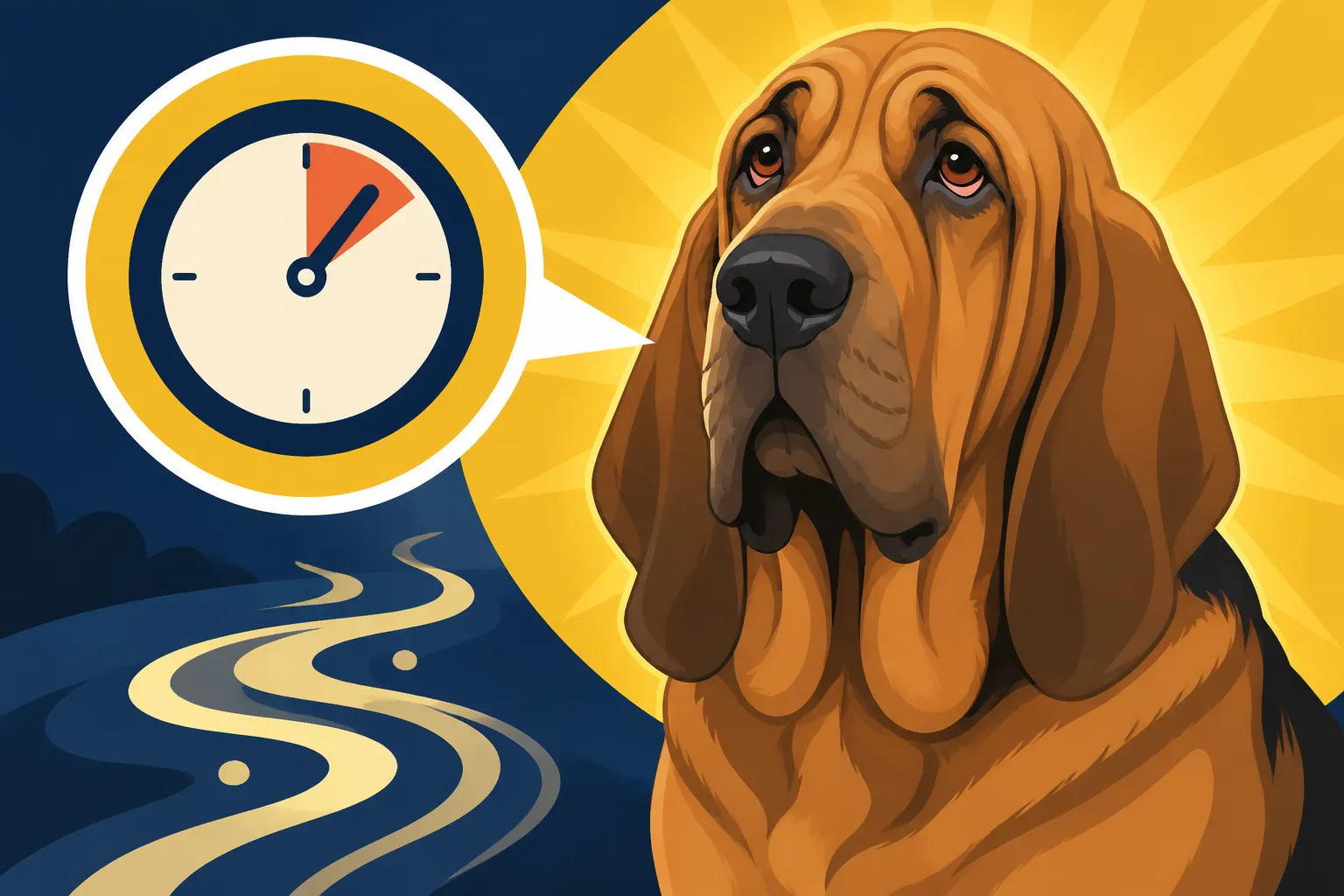
The phrase "the half hour a bloating Bloodhound has" isn't an exaggeration; it's a stark reality emphasized by veterinarians and experienced Bloodhound owners alike. From the moment the stomach begins to twist, the clock starts ticking furiously. Initially, your dog might just seem a little uncomfortable, but this can escalate to a full-blown, life-threatening crisis in as little as 30 minutes to an hour. This "golden half hour" is when intervention is most effective and offers the highest chance of survival. Every moment beyond this window increases the risk of irreversible damage, making emergency surgery more complicated and the prognosis grimmer.
During this brief period, the stomach can expand dramatically, restricting breathing, impairing blood circulation, and sending the dog into shock. The pain is intense, and their condition deteriorates with terrifying speed. We often talk about bloat as what kills most Bloodhounds, and the speed at which it progresses is a major part of that grim statistic. Recognizing signs a Bloodhound is bloating and acting within this precious window isn't just recommended; it's imperative. Delaying even for a seemingly short time to "see if they get better" can mean the difference between life and death.
Recognizing the Immediate Signs of Bloat
The signs of bloat can be subtle at first, making them easy to miss if you're not acutely aware of your Bloodhound's normal behavior and body language. However, given the rapid progression of this condition, learning to identify these early indicators is literally a lifesaver.
Visible Symptoms and Behavioral Changes
Your Bloodhound might start pacing restlessly, unable to settle, looking back at its abdomen with a worried expression. This anxiety and discomfort are usually among the first noticeable changes. A hallmark sign that often sends shivers down an owner's spine is non-productive retching or attempts to vomit. Your dog will heave and strain, sometimes producing foamy saliva or white mucus, but nothing substantial comes up. This is because the twisted stomach has sealed off both ends.
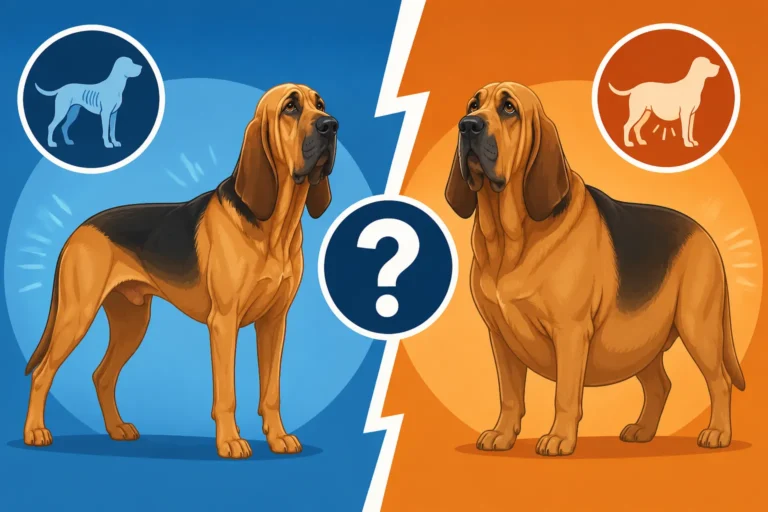
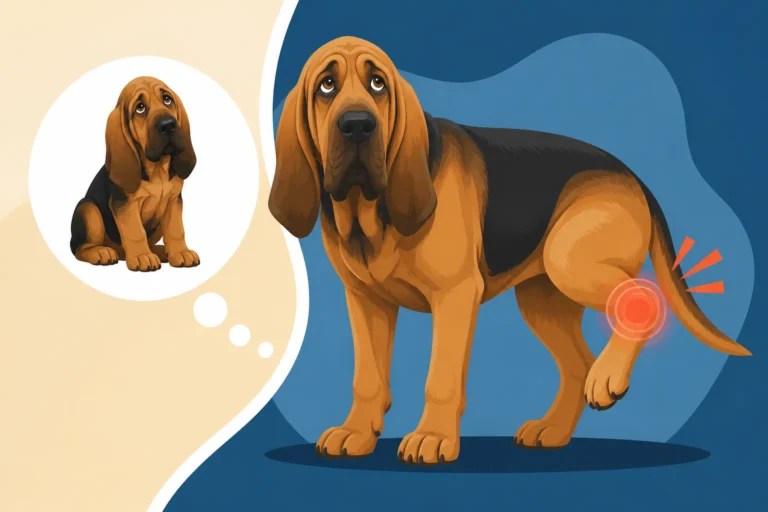
As the stomach rapidly fills with gas, you'll notice a noticeable distension or swelling of the abdomen, especially on the left side, just behind the last rib. The abdomen may feel tight and firm, like a drum. Other signs include excessive drooling, a clear indication of distress and nausea, and weakness or collapse. Your dog's gums might appear pale, and their heart rate might be elevated as their body struggles to cope with the circulatory shock. It’s also worth noting the prayer position a bloating Bloodhound takes – front paws down, hind end up – which is a classic sign of abdominal pain. Remember, how fast bloat kills a Bloodhound is directly tied to how quickly these symptoms are recognized and addressed.
Differentiating Bloat from Other Ailments
It's natural to second-guess yourself, wondering if it's just an upset stomach or if your Bloodhound ate something it shouldn't have. However, with bloat, hesitation is deadly. If your Bloodhound exhibits any combination of the symptoms described above, especially the non-productive retching and abdominal distension, assume it’s bloat. Simple indigestion or a minor upset might cause vomiting, but it usually produces something, and the abdominal swelling won't be as rapid or as firm.
The sheer speed of deterioration is a critical differentiator. A dog with typical indigestion might seem uncomfortable but won't usually go into severe shock within minutes. Don't wait for all symptoms to appear, and certainly don't wait for your dog to collapse. If you have even a shadow of a doubt, it's always safer to err on the side of caution and treat it as an emergency. When you're dealing with a breed as prone to this condition as the Bloodhound, your gut instinct as an owner is often your most reliable tool.
What to Do in the Crucial Half Hour
Once you suspect bloat, your actions in the next few minutes are paramount. There is no time for home remedies or online searches for alternative solutions. This is an immediate, life-or-death situation that requires professional veterinary intervention, and fast.
Immediate Actions for Bloodhound Owners
The very first thing you MUST do is call your veterinarian or the nearest emergency veterinary clinic immediately. Don't just hop in the car; a quick phone call can save precious minutes upon arrival. Inform them that you suspect GDV in your Bloodhound and that you are on your way. This allows them to prepare their team and equipment for your arrival, potentially shaving off critical moments from the diagnostic and treatment process. Many clinics prioritize bloat cases, understanding the urgency. Consider whether a Bloodhound owner should call ahead to the clinic for this very reason.
While one person is on the phone, another should be gathering essentials: your car keys, a leash for your Bloodhound, and your payment method or pet insurance information. Having pet insurance, like a policy from Healthy Paws, can significantly reduce the stress of financial concerns in such a high-stakes emergency, allowing you to focus entirely on your dog. This isn't a time to meticulously search for documents; know where your insurance card is or have the policy number readily accessible. Do not attempt to decompress your Bloodhound at home with any at-home methods; this can be incredibly dangerous and cause more harm than good. Your goal is to get to the vet as quickly and safely as possible.
The Drive to the Emergency Clinic
The drive to the clinic will likely feel like the longest journey of your life. Try to keep your Bloodhound as calm and comfortable as possible, but do not waste time trying to soothe them extensively if it delays your departure. Secure them safely in your vehicle. If possible, have someone else drive so you can monitor your dog. You might observe them continuing to retch, drool, or pace in the car. It's heartbreaking to witness, but you are doing the right thing by getting them to professional help.
Avoid any sudden stops or accelerations, but maintain a swift, safe speed. The objective is efficient transport, not reckless driving. Keep talking to your Bloodhound calmly if it helps, but mostly focus on getting there. Remember that every second counts. Your vet team will be waiting, armed with the knowledge and tools to stabilize and treat your dog, which is why making that initial phone call is so vital. This is why having your affairs in order, including pet insurance like Healthy Paws, allows you to act without hesitation.
The Veterinary Emergency Response
Once you arrive at the emergency clinic, a dedicated team will spring into action. They understand the severity of bloat and the need for immediate, decisive care. Knowing what to expect can help you remain a little calmer in a truly chaotic moment.
Initial Assessment and Stabilization
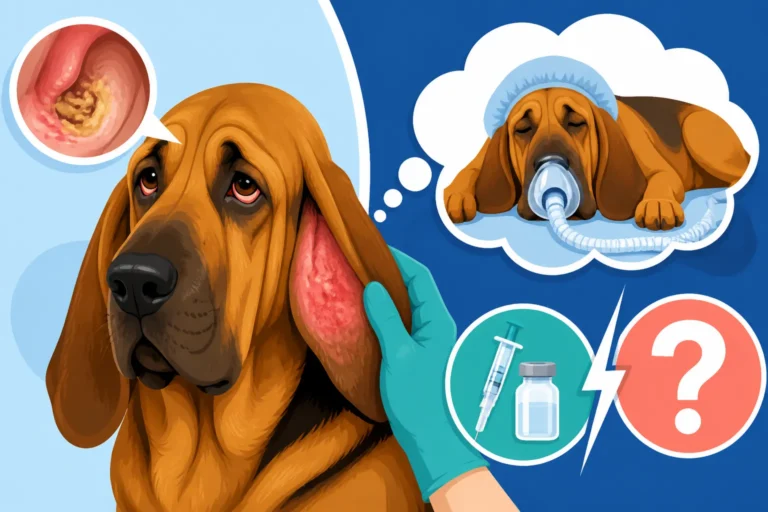
Upon arrival, your Bloodhound will be rushed into the treatment area. The veterinary team will quickly perform a physical examination to confirm the diagnosis of GDV. This often includes palpating the abdomen and taking an X-ray, which definitively shows the twisted stomach. Time is of the essence here; they won't delay for non-critical procedures. Simultaneously, they'll work to stabilize your dog, which typically involves placing an intravenous (IV) catheter to administer fluids for shock, pain medication, and potentially antibiotics.
One of the first critical steps is often gastric decompression. This involves attempting to pass a tube down your Bloodhound's esophagus into the stomach to release the trapped gas. This can provide some immediate relief and is vital for stabilizing the dog before surgery. In some cases, if a tube cannot be passed, a large-bore needle or catheter might be used to puncture the stomach wall through the side of the body (trocarization) to relieve pressure. While these steps help stabilize the dog, they are only temporary measures. The ultimate solution for a twisted stomach is always surgery.
Surgical Intervention and Prognosis
After stabilization and decompression, if the stomach has indeed twisted (GDV), surgical intervention is the next crucial step. During emergency bloat surgery, the veterinary surgeon will carefully de-rotate the stomach back to its normal position. They will also meticulously inspect the stomach and spleen for any damage, as prolonged twisting can compromise blood flow, leading to tissue death. In some cases, part of the stomach or even the spleen may need to be removed if the damage is too severe.
Critically, most veterinarians will also perform a gastropexy during this surgery. A gastropexy is a procedure where the stomach is permanently tacked to the abdominal wall, preventing it from twisting again in the future. This doesn't prevent bloat (the stomach still fills with gas), but it largely prevents the life-threatening volvulus (twisting). This is why the gastropexy decision every Bloodhound owner faces is so important, and why many owners opt for a preventive gastropexy even before an emergency arises.
The survival rate for bloat depends heavily on how quickly the dog receives treatment. If caught within the critical half hour and immediate surgery is performed, the prognosis is significantly better. However, if treatment is delayed, especially for several hours, the chances of survival decrease dramatically due to organ damage, infection, and severe shock. The costs of such a procedure can be substantial, and this is where pet insurance from providers like Healthy Paws can truly be a lifesaver, covering a significant portion of what emergency bloat surgery costs on a Bloodhound.
Here's a quick summary of the signs and actions:
Symptom Category Specific Signs to Watch For A Urgent Action
— This is not medical advice and is intended for informational purposes only. Always consult a qualified veterinary professional for guidance related to your pet's health.