Whether a Lean Bloodhound Bloats More Easily
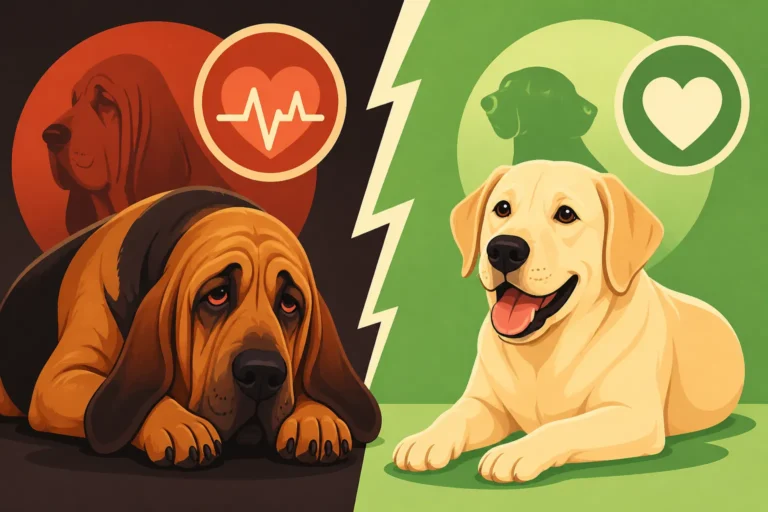
One of the most terrifying things a Bloodhound owner can face is bloat. It strikes suddenly, often without warning, leaving us frantically wondering what we could have done differently. Among the many questions that swirl when we talk about this silent killer, a common concern I hear is whether a leaner Bloodhound might actually be more susceptible. This guide aims to unpack this unsettling query, diving deep into the factors that contribute to bloat and offering clarity on how body condition plays a role in your hound's health.
Understanding Bloat and Your Bloodhound's Unique Risks
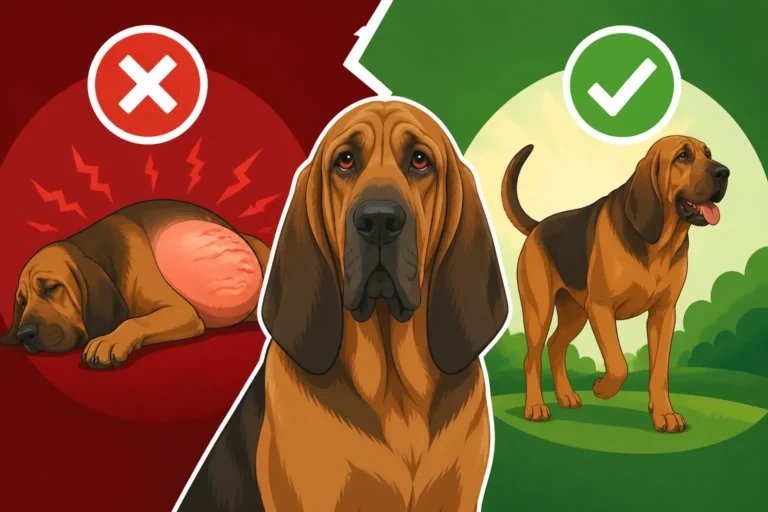
Bloat, or Gastric Dilatation-Volvulus (GDV), isn't just a tummy ache. It's a life-threatening condition where a dog's stomach fills with gas, food, or fluid, and then, in many cases, twists on its axis. This twisting cuts off blood supply to the stomach and often the spleen, and without immediate emergency surgery, it's almost always fatal. For Bloodhound owners, this isn't just a distant threat; it's a very real and present danger.
The Bloodhound's Deep, Narrow Chest Conformation
Our beloved Bloodhounds are famous for their incredible noses and long, droopy ears, but their unique physical structure also puts them at a higher risk for certain health issues, including bloat. Specifically, their deep, narrow chest conformation is a significant anatomical predisposition. Imagine a long balloon suspended in a tall, narrow box; it has more room to swing and twist than a shorter, wider one. This is essentially what happens with a Bloodhound's stomach.
The deep chest cavity allows the stomach more space to distend and rotate when filled with gas or food. Breeds like Bloodhounds, Great Danes, Weimaraners, and German Shepherds share this characteristic, which is why GDV is so prevalent among them. Understanding Why a Deep Narrow Chest Puts a Bloodhound at Risk is crucial for any owner, as it highlights that the risk isn't just about what they eat or how fast, but fundamentally, how they're built. It’s a design feature that comes with a significant drawback.
The Mechanism of Gastric Dilatation-Volvulus
When a Bloodhound's stomach rapidly fills with gas, it expands, causing the "dilatation" part of GDV. This distention alone is incredibly painful and dangerous, as the enlarged stomach can press on major blood vessels, reducing blood flow to the heart and other organs. The dog can go into shock very quickly. If the stomach then twists, or "volvulus," it seals off both the entrance and exit, trapping gas and fluid inside, leading to a rapid and irreversible decline.
The speed at which this can occur is terrifying. From the first subtle signs to a full-blown crisis, you might only have a matter of hours, sometimes even less. This is why it’s often said that How Fast Bloat Kills a Bloodhound means every minute counts once symptoms appear. It's a race against time that no owner ever wants to lose. The pressure on the diaphragm makes breathing difficult, and the lack of blood flow to the stomach wall can cause tissue death, or necrosis, leading to toxins being released into the bloodstream.
Body Condition and Other Factors Influencing Bloat Risk
When we talk about whether a lean Bloodhound bloats more easily, it's a nuanced discussion. While anecdotal evidence and early theories sometimes suggested leaner dogs were at higher risk, scientific studies have painted a more complex picture. It's not as simple as lean equals more risk.
The "Lean" Factor: What the Research Says
The concern that a lean Bloodhound might be more prone to bloat often stems from the idea that a lack of protective fat might allow the stomach more freedom to move. However, the scientific evidence on this is somewhat mixed and doesn't definitively point to lean dogs as being at a universally higher risk than those at an ideal weight. Some studies, including aspects of What the Purdue Bloat Study Found About Bloodhounds, have suggested that underweight dogs, rather than simply "lean" dogs, might have a slightly increased risk, possibly due to overall poorer health or less supportive abdominal musculature.
It's important to distinguish between a "lean" Bloodhound – one at a healthy, athletic weight with ribs easily felt but not seen, and a visible waist tuck – and an "underweight" Bloodhound, who might appear emaciated or lack muscle mass. An ideally lean Bloodhound is often a healthier Bloodhound, especially concerning joint health. Overweight dogs also carry their own set of risks, although not directly tied to bloat in the same way. The primary takeaway is that while extreme leanness (being underweight) could be a minor factor, it pales in comparison to conformational predispositions and other environmental and genetic elements. Maintaining an ideal, healthy weight for your Bloodhound is always the goal.
Other Significant Risk Factors Beyond Weight
While body condition is a talking point, many other factors contribute significantly to a Bloodhound's bloat risk. Some are within our control, others are not.
- Genetics and Family History: This is a huge one. If a Bloodhound's immediate relatives (parents, siblings) have bloated, their risk is substantially higher. This emphasizes why researching Whether a Bloodhound's Relatives Predict Its Bloat Risk is so important when considering a puppy or adopting a rescue.
- Age: Bloat generally becomes more common as dogs age. Whether a Bloodhound Bloats More After Six is a common question, and statistics do show an increased incidence in middle-aged to senior dogs, though it can strike at any age.
- Eating Habits: Eating rapidly, consuming a single large meal per day, or exercising vigorously around meal times can increase risk. This ties into the advice on Feeding a Bloodhound So It Does Not Bloat.
- Temperament: Some research indicates that anxious or easily stressed dogs might have a higher risk. This concern addresses Whether an Anxious Bloodhound Bloats More. Managing stress can be a small, but potentially helpful, part of prevention.
- Gender: There's some evidence to suggest that male Bloodhounds might be at a slightly higher risk than females, though this difference isn't always statistically significant across all studies. Still, it's a factor owners often consider when asking Whether Male Bloodhounds Bloat More Than Females.
Here's a table summarizing common bloat risk factors and how they relate to a Bloodhound's ideal body condition:
| Risk Factor | Description | Relation to Lean Body Condition (Ideal vs. Underweight) | Mitigation Strategy |
|---|---|---|---|
| Deep Chest Conformation | Inherent anatomical feature of Bloodhounds. | No direct relation to body condition, but a lean dog might have less abdominal support. | Preventive gastropexy, careful feeding. |
| Eating Speed | Rapid ingestion of food/water, gulping air. | No direct relation. | Slow feeder bowls, smaller, more frequent meals. |
| Single Large Meal | One large meal increases stomach distention. | No direct relation. | Divide daily food into 2-3 smaller meals. |
| Vigorous Exercise | Activity immediately before or after eating. | No direct relation. | Restrict exercise 1 hour before and 2 hours after meals. |
| Anxiety/Stress | Highly stressed or anxious dogs may be more prone. | No direct relation. | Create calm mealtime environment, address anxiety. |
| Family History of GDV | Genetic predisposition. | No direct relation. | Discuss with breeder, consider preventive gastropexy. |
| Age | Risk increases with age, typically middle-aged to senior. | No direct relation. | Increased vigilance with older dogs. |
| Underweight | Being significantly underweight (emaciated, poor muscle mass). | Potential minor increase in risk due to overall frailty. | Maintain ideal body weight, ensure proper nutrition. |
This table clearly shows that while an underweight condition might play a minor role, it's far from the dominant factor. The breed's conformation and a combination of other genetic and environmental elements are much more influential.
Proactive Steps to Safeguard Your Bloodhound
Given the severity and rapid progression of bloat, proactive measures are paramount for any Bloodhound owner. These strategies focus on minimizing known risk factors and ensuring you're prepared for the worst-case scenario.
Optimizing Feeding Routines to Minimize Risk
How and when you feed your Bloodhound can make a real difference in reducing bloat risk. It’s not just about what they eat, but the whole ritual. First and foremost, resist the urge to feed one massive meal a day. Dividing their daily food into two or even three smaller meals is highly recommended. This prevents the stomach from becoming overly distended at any one time. For example, if your hound eats 6 cups a day, break it into two 3-cup meals or three 2-cup meals.
Secondly, tackle rapid eating. Some Bloodhounds act like they haven't eaten in a week, vacuuming down their kibble in seconds. This gulping often leads to them swallowing excessive air, a major contributor to gastric distention. Slow feeder bowls, which have raised obstacles that force the dog to eat around them, can be incredibly effective. Even placing a large, clean rock or a tennis ball in their regular bowl (if they don't try to eat it) can slow them down. Furthermore, create a calm, peaceful eating environment. Avoid feeding immediately before or after vigorous exercise. Ideally, allow for an hour of quiet time before meals and at least two hours afterwards. This is critical for digestion and reducing stomach upset.
The Life-Saving Option of a Preventive Gastropexy
For many Bloodhound owners, the most impactful proactive step they can take is a preventive gastropexy. This surgical procedure permanently attaches the stomach to the abdominal wall, preventing it from twisting. It doesn't stop the stomach from filling with gas (dilatation), but it effectively eliminates the deadly "volvulus" component of GDV. This is why What a Preventive Gastropexy Does for a Bloodhound is often described as a life-saving measure.
The decision for a gastropexy is significant, and it’s a conversation every Bloodhound owner should have with their veterinarian. Many choose to have it done at the same time as spaying or neutering, as it minimizes the number of anesthetic events. The Age a Bloodhound Should Have a Gastropexy often coincides with these routine procedures, typically between six months and two years of age, but it can be done on adult dogs too. While it does involve a surgical cost, many owners consider it an investment that could literally save their dog's life and significantly reduce the stress and financial burden of an emergency bloat surgery, which can be far more expensive. Considering What Emergency Bloat Surgery Costs on a Bloodhound, investing in prevention is a sensible choice.
Recognizing Symptoms and Taking Emergency Action
Even with the best preventive measures, understanding the signs of bloat and knowing precisely what to do is non-negotiable for Bloodhound owners. Time is of the essence, and your quick action can be the difference between life and death.
Urgent Signs That Demand Immediate Attention
The signs of bloat can sometimes be subtle initially, but they progress rapidly. The moment you suspect bloat, act. One of the most common and alarming signs is unproductive retching, where your Bloodhound tries to vomit but nothing comes up, or only a small amount of foamy saliva is produced. This is a huge red flag and one of the clearest Signs a Bloodhound Is Bloating. Other key indicators include:
- Distended Abdomen: Your dog's belly might look swollen or feel tight and drum-like, particularly on the left side.
- Restlessness and Pacing: They may be unable to get comfortable, constantly shifting, trying to lie down and then immediately standing up again.
- Pain: Whining, groaning, or guarding their abdomen when touched.
- Drooling: Excessive drooling, often due to nausea.
- Weakness and Collapse: As bloat progresses, your dog may become weak, pant heavily, and eventually collapse.
- The "Prayer Position": A dog with abdominal pain, including bloat, might stand with their front legs stretched out and their rear end raised, as if bowing. This The Prayer Position a Bloating Bloodhound Takes is an attempt to relieve pressure on the abdomen.
Never wait to see if symptoms improve. If you see these signs, it's an emergency.
Your Action Plan for a Suspected Bloat Emergency
If you suspect bloat, you need to act immediately. This is not a situation for "wait and see."
- Contact Your Vet Immediately: Call your regular veterinarian or, if it's after hours, the nearest emergency veterinary clinic. Inform them that you suspect bloat and are on your way. This allows them to prepare for your arrival, potentially saving precious minutes.
- Head to the Clinic, NOW: Drive carefully but swiftly. Every second counts. Avoid any sudden stops or movements that could jostle your dog. Keeping your dog as calm as possible during What to Do on the Drive With a Bloating Bloodhound is important.
- Stay Calm (as much as possible): Your dog will pick up on your anxiety, which can worsen their stress. Try to remain as calm as you can for their sake.
- No Food or Water: Do not offer any food or water, as this can worsen the distention.
Once at the clinic, the veterinary team will quickly assess your Bloodhound and likely perform X-rays to confirm GDV. If confirmed, emergency surgery is usually the only option. This involves repositioning the stomach and often performing a gastropexy to prevent future episodes. Knowing that you have options, and being able to make quick decisions, is where preparing financially can come into play. Pet insurance from providers like Healthy Paws can be an invaluable safety net, helping to cover the often substantial costs associated with emergency surgeries like bloat. Planning for unforeseen medical expenses, whether through savings or insurance, allows you to focus solely on your Bloodhound's care during such a critical time. Even if you've done a preventive gastropexy, knowing the signs is still important, as the stomach can still distend (though it won't twist), requiring veterinary attention.
Disclaimer
The information provided in this article is for educational purposes only and is not intended to be a substitute for professional veterinary advice, diagnosis, or treatment. Always seek the advice of your veterinarian or other qualified health provider with any questions you may have regarding a medical condition. Never disregard professional veterinary advice or delay in seeking it because of something you have read here.