Why a Bloodhound’s Lower Lid Hangs Away From the Eye
It's heartbreaking to see your beloved Bloodhound constantly dealing with irritated, weeping eyes because their lower lids just don't sit right. Many Bloodhound owners grapple with this unique breed trait, often feeling helpless as they wipe away discharge, wondering if it's "normal" or something more serious. This comprehensive guide is here to shed light on why a Bloodhound's lower eyelid hangs away from the eye, what problems it can cause, and how you can proactively manage and treat these sensitive eyes for a healthier, happier hound.
Understanding the Bloodhound's Unique Eyelid Structure
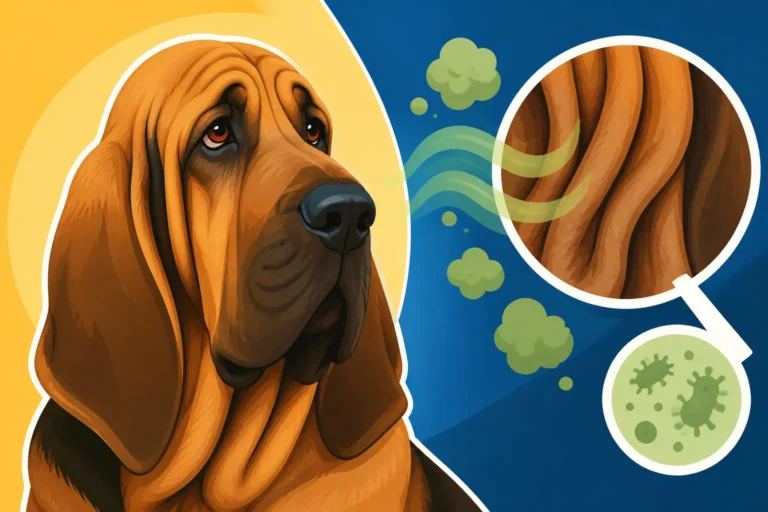
The Bloodhound is instantly recognizable for its deep wrinkles, long pendulous ears, and that soulful, almost sorrowful expression. This look, while charming and iconic, is a direct result of the breed's loose skin and specific facial anatomy. It’s part of what makes a Bloodhound a Bloodhound, but it also predisposes them to certain eye conditions that require diligent care.
The Breed Standard and the "Sad" Expression
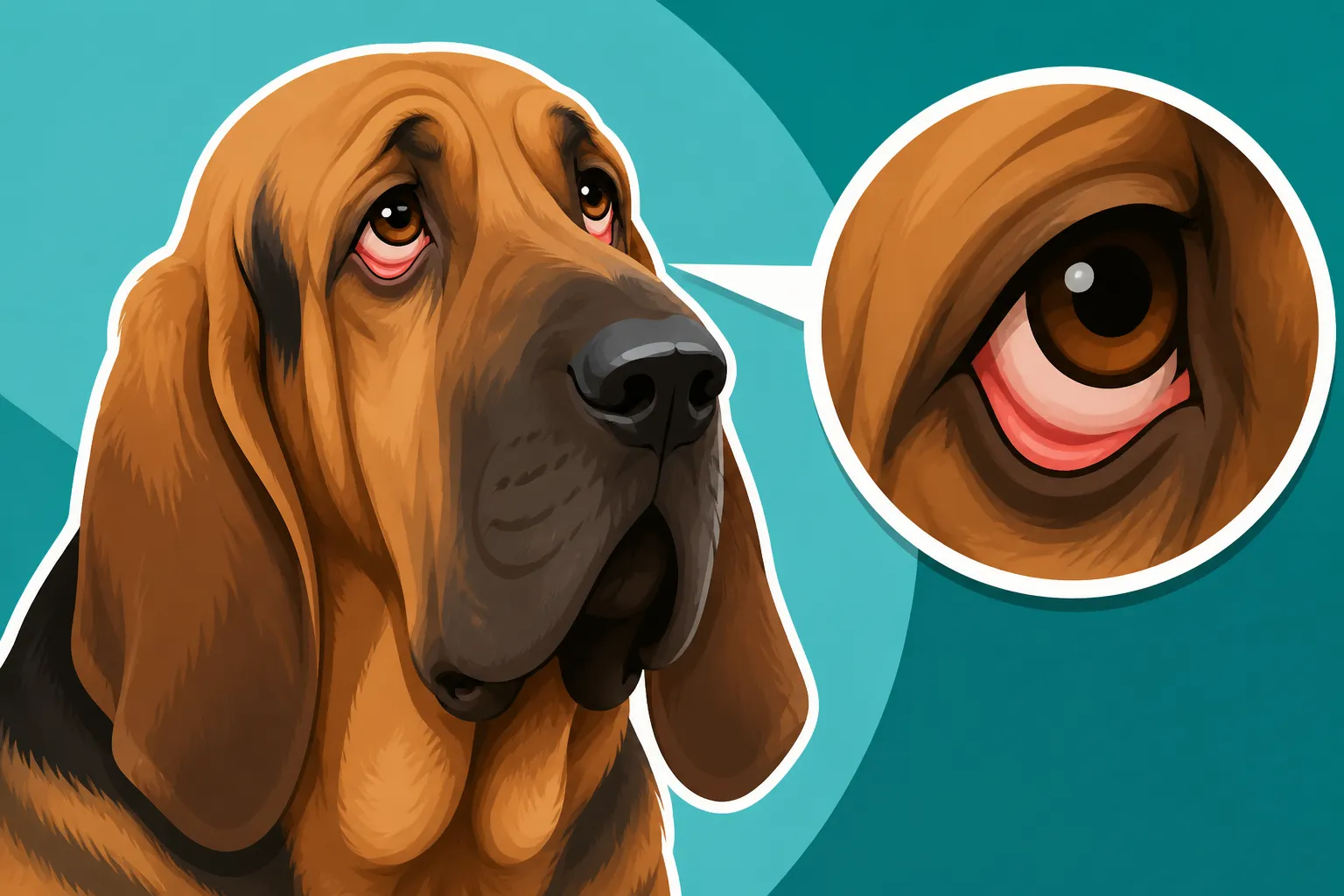
That endearing "sad" or "droopy" look in a Bloodhound's eyes isn't just a random occurrence; it's actually part of the breed standard. The American Kennel Club (AKC) standard for Bloodhounds describes the eyes as "deep-set, diamond-shaped, and of a color from hazel to deep brown," often stating that "the lower lids are somewhat pendulous and show a moderate amount of haw." The "haw" is the pink or red conjunctival tissue of the inner eyelid, and seeing a bit of it is considered normal for the breed.
This loose skin, particularly around the face and neck, aids in their incredible scent tracking abilities. When a Bloodhound puts its nose to the ground, these folds and dewlaps help funnel scent particles towards their highly sensitive nostrils. However, this same characteristic loose skin around the eyes, especially the lower lids, can create a space that exposes the delicate conjunctiva and globe of the eye to the elements.
Anatomical Reasons for Droop
Beyond just the aesthetic preference in the breed standard, there are concrete anatomical reasons why a Bloodhound's lower lid often hangs away. The ligaments and muscles that hold the eyelid taut in other breeds are naturally looser and less supportive in Bloodhounds. This laxity, coupled with the sheer volume of extra skin and tissue around the face, means gravity plays a significant role. The weight of the skin pulls the lower lid downwards and outwards.
Think of it like a naturally relaxed hammock for the eye. In some Bloodhounds, this "hammock" is perfectly adequate, providing enough protection while maintaining the breed's characteristic look. In others, the hammock might be a little too relaxed, creating a wide opening that leaves the eye vulnerable. It's a fine line between a typical Bloodhound expression and a condition that compromises the health of the eye.
Ectropion: When the Droop Becomes a Problem
While a certain degree of "droop" is expected and even desired in a Bloodhound, there's a point where it crosses over from a breed characteristic to a medical condition known as ectropion. This is a common and often frustrating issue for Bloodhound owners, as it can lead to chronic discomfort and more serious health problems. It's crucial to understand the difference between a natural "haw" and problematic ectropion. If you're wondering, "Whether a Bloodhound's Drooping Lid Is a Defect or the Standard," it really comes down to the severity and the impact on their health.
Defining Ectropion in Bloodhounds
Ectropion is a condition where the lower eyelid rolls outward, away from the eyeball. Instead of snugly protecting the eye, the lid sags, exposing the delicate pink conjunctival tissue that normally lines the inside of the eyelid. This isn't just a cosmetic issue; it means the eye loses a significant portion of its natural protection and lubrication mechanism. When you see a Bloodhound with very pronounced, red lower lids that seem to flip outwards, chances are you're looking at ectropion.
This outward rolling prevents the eyelid from performing its vital functions: sweeping debris from the eye with each blink and distributing tear film evenly across the cornea. Because the eyelid doesn't make full contact with the eye, tears can't form a proper meniscus along the lid margin, leading to them spilling over the lower lid, a condition often called epiphora, or excessive tearing. This constant wetness can then lead to secondary skin issues around the eye.
Genetic Predisposition and Contributing Factors
The primary cause of ectropion in Bloodhounds is their genetic predisposition for excessive loose skin and the specific conformation of their facial structure. Responsible breeders strive to balance the breed's characteristic look with functional health, but the genes for loose skin are strong. If you’re considering a Bloodhound puppy, asking about the eye health of the parents and their lineage can provide valuable insights into potential issues down the line.
Beyond genetics, several factors can exacerbate or contribute to ectropion:
- Age: While many Bloodhounds are born with the predisposition, the condition can sometimes worsen with age as skin loses elasticity.
- Weight: Significant weight loss can sometimes make the skin looser, potentially worsening existing ectropion, though this is less common than other factors.
- Trauma or scarring: Injuries to the eyelid or surrounding facial tissues can pull the eyelid outwards.
- Nerve damage: Less common, but nerve damage affecting facial muscles could lead to eyelid paralysis and ectropion.
- Inflammation: Chronic inflammation or irritation around the eye can sometimes contribute to the lid sagging further.
For instance, a Bloodhound puppy might show a mild droop, but as they grow and mature, the laxity in the eyelids might become more pronounced. This is why vigilance and regular vet check-ups are so important, even for seemingly minor issues.
The Risks Associated with Excessive Drooping
When a Bloodhound's eyelids hang too far away from the eye, it creates a cascade of potential health problems. What might seem like a mere cosmetic flaw can actually lead to significant discomfort and even impair their ability to see or track. Understanding these risks is the first step in proactive care for your unique hound.
Increased Exposure and Irritation
The most immediate risk of ectropion is the constant exposure of the eye's delicate surfaces. Imagine walking around all day with your eyes slightly open, unable to fully blink or protect them. That's essentially what a Bloodhound with significant ectropion experiences. Their conjunctiva, the pink membrane lining the inner eyelid and part of the eyeball, becomes perpetually exposed to environmental irritants.
Dust, dirt, pollen, grass seeds, and even just strong winds can easily get into the eye. This constant bombardment leads to chronic irritation, causing the eyes to become red, inflamed, and uncomfortable. You might notice your Bloodhound squinting, rubbing their face on furniture or the ground, or pawing at their eyes more frequently. This constant irritation isn't just annoying for them; it opens the door to more serious complications.
Chronic Eye Infections and Dryness
The exposed eye is also a breeding ground for bacterial and yeast infections. With the eyelid unable to properly sweep away foreign particles and distribute the natural tear film, the eye's self-cleaning mechanism is compromised. This means bacteria and other microorganisms can settle on the exposed conjunctiva and cornea, leading to recurring conjunctivitis. You'll likely see a thick, often yellowish or greenish discharge, and the eye itself will be noticeably red and swollen. These infections often require veterinary intervention with antibiotics or anti-inflammatory drops, which can become a constant financial strain. This is where What a Bloodhound's Eye Drops Cost Each Year can really add up.
Paradoxically, despite often having watery eyes due to tears spilling over, Bloodhounds with ectropion can also suffer from dry eye. While tears are produced, they aren't efficiently spread across the entire surface of the eye. The exposed areas dry out quickly, leading to discomfort and potentially damage to the cornea. The constant weeping you see is often a reactive response to irritation, not necessarily effective lubrication. Ignoring signs like redness and discharge means allowing your Bloodhound to live with persistent discomfort and the ongoing threat of infection. You can read more about Signs a Bloodhound Has Dry Eye to understand what to look for.
Corneal Damage and Vision Impairment
The most severe long-term risk of untreated ectropion is damage to the cornea, the clear outer layer of the eye. Constant exposure, irritation, and rubbing can lead to corneal abrasions or ulcers. These are extremely painful and, if left untreated, can become infected, deepen, and even rupture the eye. A corneal ulcer is always an emergency and requires immediate veterinary attention.
Repeated corneal damage and chronic inflammation can also lead to scarring, which can eventually impair vision. In severe cases, extensive scarring can make vision cloudy or even lead to blindness in the affected eye. It’s a stark reminder that what seems like a simple droopy eyelid can escalate into a serious threat to your Bloodhound's quality of life and their ability to enjoy their world, including their incredible sense of smell.
Recognizing the Signs of Trouble
As a Bloodhound owner, you become accustomed to their unique facial features, including those famously droopy eyes. However, it's vital to differentiate between a normal, healthy droop and one that's causing problems. Early recognition of the signs of trouble can make a huge difference in preventing serious complications and ensuring your hound's comfort.
Visual Cues and Behavioral Changes
Your Bloodhound can't tell you their eyes are bothering them, so it's up to you to be a keen observer. Start by looking at their eyes daily. A healthy eye should be clear, bright, and free of excessive discharge.
Here are some key visual cues to watch for:
- Excessive Redness: If the conjunctiva (the pink tissue) is significantly redder or more swollen than usual, especially the exposed lower lid.
- Increased or Abnormal Discharge: While a little clear or whitish discharge is common, look for thick, yellowish, greenish, or pus-like discharge. This often indicates an infection.
- Constant Wetness and Tear Staining: If tears are constantly spilling over the lower lid and soaking the fur beneath, leading to reddish-brown staining (especially noticeable on lighter-colored Bloodhounds). This is a strong indicator the eyelid isn't doing its job.
- Cloudiness or Opacity in the Eye: Any haziness, white spots, or visible damage on the clear surface of the eyeball (cornea) is a red flag for ulcers or scarring.
- Rubbing or Pawing at the Face: If your Bloodhound is frequently rubbing their face on carpets, furniture, or pawing at their eyes, it's a clear sign of irritation or discomfort.
- Squinting or Holding One Eye Partially Closed: This is a pain response and indicates something is seriously wrong.
- Sensitivity to Light (Photophobia): If your dog is unusually sensitive to bright light, it could signal eye pain or inflammation.
Remember, a little "haw" is normal, but if the exposed pink tissue looks inflamed, dry, or has any discharge beyond a minor amount of clear weeping, it's time to pay closer attention.
When to Consult a Veterinarian
Don't wait if you notice these signs. The sooner an eye problem is addressed, the better the outcome. While your general practice veterinarian is a great first point of contact, they may recommend a referral to a veterinary ophthalmologist, a specialist in animal eye care. These specialists have advanced diagnostic tools and expertise in intricate eye surgeries.
Here's when you should definitely pick up the phone:
- Any sign of pain: Squinting, pawing, sensitivity to light.
- Sudden onset of severe redness or discharge.
- Visible injury or cloudiness to the eyeball.
- If you suspect an object is in the eye.
- Chronic, recurring infections: If your Bloodhound keeps getting eye infections despite treatment, it indicates an underlying structural issue that needs addressing.
- If the ectropion appears to be getting worse: Perhaps the lid is sagging more, or the irritation is increasing.
Even if you're just unsure, a quick call to your vet is always a good idea. They can help you determine the urgency and whether an immediate visit is necessary. Remember, eye problems can progress very quickly, so prompt action is always best for your Bloodhound's vision and comfort. This is also where having pet insurance like Healthy Paws can truly come in handy, as specialist consultations and potential surgeries can be costly.
Management and Treatment Options for Eyelid Issues
Dealing with a Bloodhound's droopy eyelids can feel like a constant battle, but there are numerous strategies, from daily care to advanced surgical interventions, that can significantly improve their quality of life. The approach will depend on the severity of the ectropion and the specific issues it's causing.
Conservative Management
For mild cases of ectropion where the droop is present but not yet causing severe complications, conservative management focuses on keeping the eyes clean, lubricated, and free from irritants. This requires diligence and consistency from the owner.
- Daily Cleaning: Regularly and gently cleaning around your Bloodhound's eyes is paramount. Use a sterile saline solution (specifically formulated for eyes, not contact lens solution) or a veterinarian-approved eye cleanser on a soft cotton pad. Wipe away any accumulated debris, discharge, or tear stains. Be gentle, wiping away from the eye itself. Whether a Bloodhound's Eye Should Be Rinsed Daily is an important question, and the answer is often yes, but with the right product.
- Lubricating Eye Drops or Ointments: Your vet might prescribe artificial tears or lubricating ointments to help keep the exposed conjunctiva and cornea moist. These can be applied several times a day to prevent dryness and reduce irritation. These often become a regular part of Daily Eye Care for a Bloodhound.
- Environmental Control: Try to minimize your Bloodhound's exposure to dusty, windy, or excessively smoky environments. If they love sticking their head out the car window, doggles (protective eyewear for dogs) can be a fantastic way to shield their eyes from wind and debris.
- Addressing Tear Stains: While mostly cosmetic, the constant moisture from tear overflow can irritate the skin and create a breeding ground for yeast. Keeping the area dry and clean, possibly with a vet-recommended topical solution, can help prevent secondary skin issues. You can read more about Why a Bloodhound's Haw Shows and its associated care.
These conservative measures are often sufficient for mild cases and can significantly reduce discomfort and the frequency of infections.
Surgical Interventions
When conservative management isn't enough, or if the ectropion is severe and causing chronic pain, infections, or corneal damage, surgical correction often becomes the best solution. The goal of surgery is to tighten the lower eyelid and reposition it so it sits closer to the eyeball, restoring its protective function.
Several surgical techniques can be used, often performed by a veterinary ophthalmologist:
- Wedge Resection: This involves removing a small, V-shaped wedge of tissue from the affected eyelid, then stitching the remaining edges together to shorten and tighten the lid.
- Hotz-Celsus Procedure: This technique removes an elliptical piece of skin and muscle just below the eyelid, allowing the lid to roll inward and up towards the eye.
- Lateral Canthoplasty: In some cases, reshaping the outer corner of the eye (lateral canthus) can help tighten the lid.
- Combination Techniques: Often, a combination of these procedures is used to achieve the best functional and aesthetic outcome, particularly with the complex facial structure of a Bloodhound.
The specific procedure chosen will depend on the individual Bloodhound's anatomy and the severity of their ectropion. While the idea of surgery can be daunting, a skilled ophthalmologist can make a remarkable difference, providing lasting relief for your dog. If you are exploring this, it's worth checking out When a Bloodhound's Eyelids Need Surgery. Having pet insurance like Healthy Paws can help manage the financial aspect, as these specialized procedures can be quite an investment.
Post-Operative Care and Long-Term Outlook
Post-operative care is critical for the success of eyelid surgery. Your Bloodhound will likely come home with an Elizabethan collar (the "cone of shame") to prevent them from rubbing or scratching at the surgical site. You'll need to administer prescribed eye drops or ointments, keep the area clean, and monitor for any signs of infection or complications.
- Medication Adherence: This usually includes antibiotics to prevent infection and anti-inflammatory drugs to manage pain and swelling.
- E-Collar Compliance: This is non-negotiable. Even a few minutes of scratching can undo the surgery or cause severe damage.
- Restricted Activity: Your Bloodhound will need to avoid strenuous activity, rough play, and getting wet (e.g., swimming or baths) during the initial healing period.
- Follow-up Appointments: Regular check-ups with your vet or ophthalmologist are essential to monitor healing and remove sutures.
The long-term outlook for Bloodhounds who undergo successful ectropion surgery is generally very good. The surgery can dramatically reduce irritation, prevent chronic infections, and protect their vision. While no surgery can completely eliminate the breed's natural predisposition for loose skin, it can effectively address the problematic aspects of ectropion. In some rare cases, a second surgery might be needed if the initial correction isn't sufficient or if the skin relaxes over time, but generally, the improvement is significant and lasting. Keep in mind that What a Bloodhound's Eyelid Surgery Costs as a Puppy can vary, so planning for this is important.
Prevention and Responsible Ownership
While the genetic predisposition for loose eyelids is strong in Bloodhounds, responsible ownership plays a crucial role in managing and minimizing the impact of ectropion. This involves both thoughtful breeding practices and consistent, proactive daily care.
Responsible Breeding Practices
The foundation of a healthy Bloodhound begins with responsible breeding. Ethical breeders understand the potential health challenges associated with the breed's conformation and actively work to minimize these risks. When looking for a Bloodhound puppy, ask detailed questions about the parents' eye health and the breeder's screening practices.
- Health Clearances: Reputable breeders will have health clearances for their breeding stock. For Bloodhounds, this includes ophthalmologist evaluations. They should be able to provide documentation, often from organizations like the Orthopedic Foundation for Animals (OFA) or the Canine Eye Registration Foundation (CERF), demonstrating that the parent dogs do not suffer from severe ectropion or other inheritable eye conditions.
- Careful Selection: Breeders should be selecting for good functional conformation, not just exaggerated features. This means prioritizing dogs with moderate loose skin that does not compromise eye health. They won't just look for "pretty" eyes but healthy eyes.
- Transparency: A responsible breeder will be open about any instances of ectropion in their lines and discuss how they are working to reduce its occurrence. They should educate potential owners about the breed's specific needs, including the potential for eye issues and the necessary daily care.
Supporting breeders who prioritize health and temperament over extreme breed characteristics is vital for the future well-being of the Bloodhound breed. This is also why understanding The Four Eye Problems a Bloodhound Is Born Toward is crucial for prospective owners.
Proactive Daily Care
Even with a well-bred Bloodhound, consistent daily care is essential to prevent irritation and catch potential problems early. Think of it as an ongoing commitment to their unique needs.
- Regular Eye Checks: Make it a habit to visually inspect your Bloodhound's eyes every day. Look for redness, discharge, squinting, or anything that seems out of the ordinary. The more familiar you are with their normal eyes, the quicker you'll spot an issue.
- Gentle Cleaning: As mentioned earlier, routine cleaning with a vet-approved solution can prevent accumulation of debris and reduce irritation. This doesn't have to be a major chore; often, a quick wipe while you're cuddling them is enough.
- Protection from Irritants: If your Bloodhound spends time in environments with dust, pollen, or strong winds, consider protective eyewear like "doggles." This is especially true for trailing hounds who spend a lot of time with their noses to the ground, potentially kicking up debris.
- Maintain a Healthy Weight: Keeping your Bloodhound at a lean, healthy weight can also contribute to overall skin and tissue health, though its impact on ectropion is usually minor compared to genetics.
- Prompt Veterinary Attention: Don't delay in seeking veterinary advice if you notice any changes or signs of discomfort. What starts as a minor irritation can quickly escalate into a painful infection or corneal ulcer. Early intervention is always the best course of action. Your investment in pet insurance, perhaps with a provider like Healthy Paws, can ensure you don't hesitate to seek specialist care when needed.
By being proactive and attentive, you can help your Bloodhound navigate the challenges posed by their characteristic droopy eyelids and enjoy a lifetime of clear, comfortable vision, ready for any scenting adventure.
| Eyelid Condition | Appearance | Primary Concern | Management/Treatment |
|---|---|---|---|
| Normal Droop | Mild exposure of pink haw, not inflamed | Requires routine cleaning | Daily cleaning, monitoring |
| Ectropion | Lower lid rolls outward, significant haw | Chronic irritation, exposure to debris, dryness | Conservative care, surgical correction |
| Entropion | Eyelid rolls inward, lashes rub cornea | Corneal irritation, ulcers, pain | Surgical correction, lubricating drops |
| Cherry Eye | Prolapsed gland of the third eyelid | Discomfort, dryness, cosmetic concern | Surgical tucking, rarely removal |
Note: Entropion is a distinct condition where the eyelid rolls inward, causing eyelashes to rub against the cornea. While ectropion means the lid rolls outward, it's important to be aware of What Entropion Does to a Bloodhound's Eye as some Bloodhounds can experience a combination of issues.
Disclaimer
The information provided in this article is for educational and informational purposes only and does not constitute veterinary medical advice. Always consult with a qualified veterinarian or veterinary ophthalmologist for any health concerns or before making any decisions about your Bloodhound's care, diet, or treatment. Each animal is an individual, and specific advice should be tailored to their unique needs and medical history.