What Entropion Does to a Bloodhound’s Eye
It’s a heart-wrenching moment when you look into your beloved Bloodhound’s soulful eyes and notice something isn't quite right – persistent tearing, a subtle squint, or even an eye that looks red and painful. For many Bloodhound owners, this can be the first sign of entropion, a common and deeply uncomfortable condition where a portion of the eyelid rolls inward, causing eyelashes and fur to relentlessly rub against the delicate surface of the eye. This guide is here to shed light on exactly what entropion does to a Bloodhound's eye, helping you understand this challenge, recognize its symptoms, and navigate the journey to providing relief for your furry companion.
Understanding Entropion in Bloodhounds
Owning a Bloodhound means embracing their magnificent, loose skin and those famously droopy eyes. While these features are part of their charm and enhance their incredible scenting ability, they also, unfortunately, predispose them to certain health issues, with entropion being a significant concern. It’s a condition that can cause constant irritation and, if left untreated, serious long-term damage.
What is Entropion?
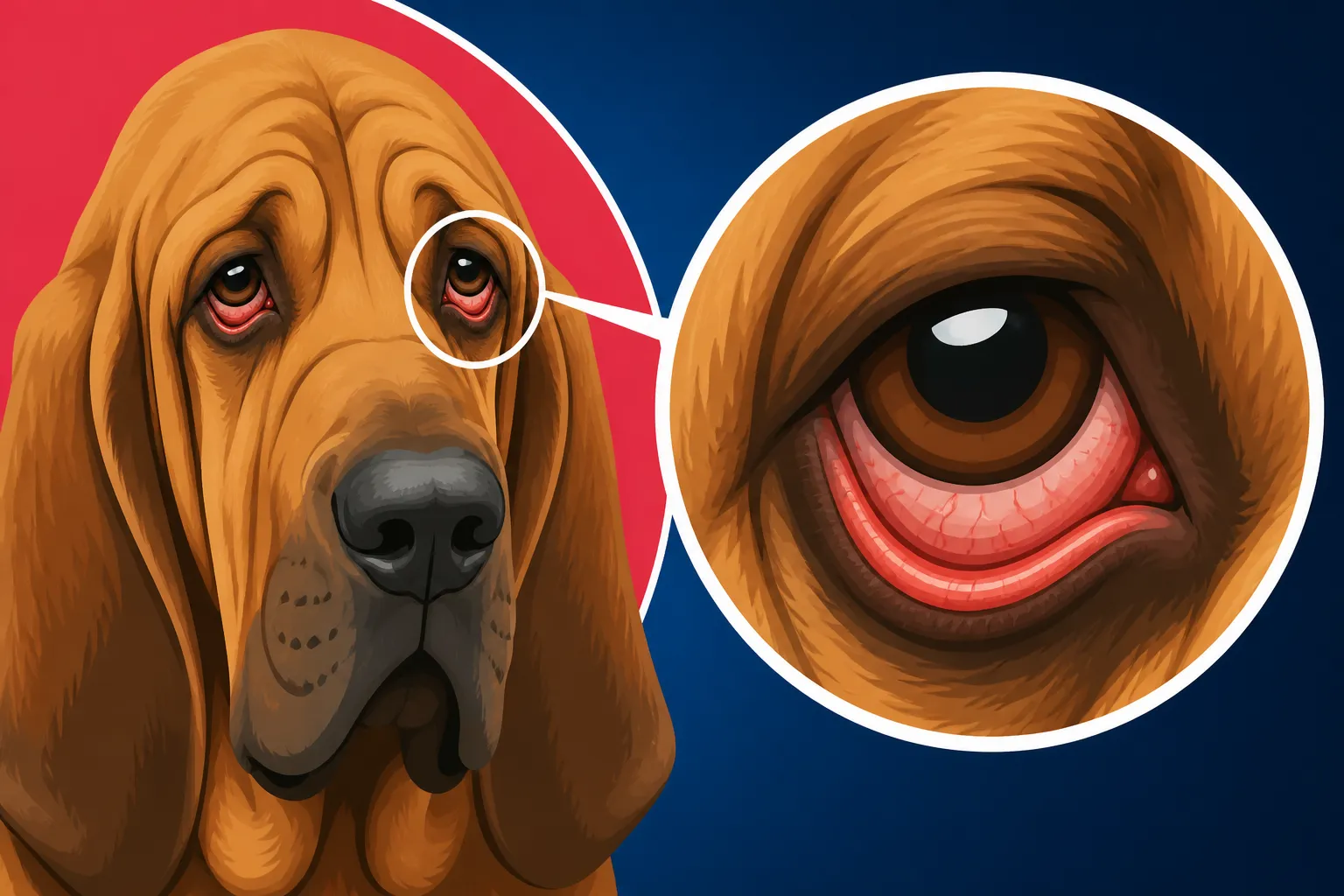
Imagine having a tiny piece of grit or sand constantly rubbing against your eye, day in and day out. That’s a fraction of what entropion feels like for a Bloodhound. Entropion is a medical condition in which a segment of the eyelid, most commonly the lower lid but sometimes the upper, rolls inward toward the eyeball. This inward rolling causes the hair on the outer surface of the eyelid, along with the eyelashes, to make direct contact with the cornea – the clear, protective outer layer of the eye.
This constant friction acts like sandpaper on the cornea. Initially, it might just be irritating, leading to excessive tearing and redness. Over time, however, this irritation can lead to more serious complications, including corneal abrasions, ulcers, and even scarring, which can impair vision. It’s not just a cosmetic issue; it's a painful condition that significantly impacts a dog's comfort and quality of life. Unlike some temporary irritations, entropion is a structural problem with the eyelid itself, meaning it won't resolve on its own. It's a persistent, daily battle for your hound, often requiring intervention to alleviate their discomfort.
Why Bloodhounds Are Prone to Entropion
The very features that define the Bloodhound breed – their abundant loose skin, prominent facial folds, and deep-set eyes – are the primary reasons they are so susceptible to entropion. The breed standard calls for a certain amount of loose skin, or "wrinkle," especially around the head and neck, which unfortunately translates to the delicate area around their eyes. This excess skin can cause the eyelids to sag and, in some cases, fold inward.
It's a delicate balance, as breeders strive to maintain the breed's distinctive appearance while also prioritizing health. However, the genetic predisposition is strong; if a Bloodhound’s parents or close relatives had entropion, there’s a higher likelihood that their offspring will too. It’s often considered one of the conditions falling under the umbrella of "The Four Eye Problems a Bloodhound Is Born Toward". This genetic component means that even with the best care, some Bloodhounds are simply born with the anatomical structure that makes them prone to the condition. Other large, wrinkly breeds like the Mastiff or Shar-Pei face similar challenges, but the Bloodhound's unique facial structure makes it particularly vulnerable. It's crucial for prospective owners to be aware of this inherent risk and discuss it with breeders. Responsible breeders will be transparent about the incidence of entropion in their lines and what measures they take to minimize it, aligning with the screenings the American Bloodhound Club recommends.
Recognizing the Signs and Symptoms
Catching entropion early can make a significant difference in preventing severe complications and ensuring your Bloodhound remains comfortable. The signs can sometimes be subtle at first, easily mistaken for general eye irritation or even just a tired look. However, knowing what to look for specifically can help you act quickly.
Early Indicators of Entropion
One of the most common early indicators of entropion is persistent or excessive tearing, medically known as epiphora. You might notice constant wetness around your Bloodhound's eyes, often leading to tear staining on their lower eyelids and cheeks. This isn't just cosmetic; it's a clear signal that something is irritating the eye, causing it to produce more tears to try and flush out the foreign material – in this case, its own eyelashes.
Another key sign is a noticeable change in their blinking pattern. Your Bloodhound might start squinting, blinking more frequently, or even holding one or both eyes partially closed. This is their way of trying to minimize the painful friction. The whites of their eyes might appear red or inflamed, and the conjunctiva (the pink tissue lining the inside of the eyelids) might look swollen or hyperemic. Some Bloodhounds will try to relieve the discomfort by rubbing their faces against furniture, blankets, or even pawing at their eyes. This self-trauma, unfortunately, can introduce bacteria or further irritate the delicate eye surface, worsening the problem. Don't dismiss these early signs as just a "Bloodhound thing" or minor irritation; they're your dog's way of telling you they're in pain.
Advanced Symptoms and Complications
If entropion remains unaddressed, the constant rubbing of hair against the cornea will inevitably lead to more serious and painful complications. The most concerning of these are corneal ulcers. A corneal ulcer is essentially an open sore on the surface of the eye, caused by the continuous trauma breaking down the corneal tissue. These ulcers can range from superficial abrasions to deep, painful lesions that can threaten your dog's vision. You might notice a cloudy spot on the eye, an even more pronounced squint, or a thick, pus-like discharge. Learning to identify the "Signs a Bloodhound Has a Corneal Ulcer" is critical, as these are medical emergencies.
Beyond ulcers, chronic irritation can lead to corneal scarring. This appears as a permanent cloudy or opaque area on the cornea, which directly interferes with light transmission and can lead to significant vision impairment or even blindness in severe cases. The chronic pain and discomfort can also significantly impact your Bloodhound’s overall well-being. They might become more lethargic, less playful, and generally withdrawn. They might be reluctant to open their eyes fully in bright light or avoid activities they once enjoyed. Furthermore, the compromised corneal surface becomes an easy target for secondary bacterial infections, leading to more discharge, pain, and a more complex treatment regimen. These advanced symptoms make it clear that entropion is not a condition to be taken lightly; it requires prompt and decisive action to prevent irreversible damage and restore your Bloodhound's comfort.
Diagnosing and Managing Entropion
Once you suspect your Bloodhound might be suffering from entropion, the next crucial step is a visit to your veterinarian. Early and accurate diagnosis is key to implementing an effective treatment plan and preventing the progression of the condition to more severe stages. Your vet will perform a comprehensive eye examination to determine the extent and nature of the entropion.
The Diagnostic Process
When you take your Bloodhound to the vet with concerns about their eyes, the diagnostic process will typically begin with a thorough physical examination, focusing specifically on their ocular health. The veterinarian will carefully observe the position of the eyelids, noting any inward rolling. They'll check for signs of inflammation, discharge, and perform a basic neurological assessment of their pupillary light reflexes and menace response to gauge vision.
A critical tool in diagnosing entropion-related damage is the fluorescein stain test. This involves applying a special orange dye to the surface of the eye. If there's any abrasion or ulcer on the cornea, the dye will adhere to the damaged area and appear bright green under a blue light, making even tiny lesions visible. This test helps determine the severity of corneal damage caused by the entropion and guides immediate treatment. While not directly diagnostic for entropion itself, a Schirmer tear test might also be performed to rule out or identify concurrent dry eye, which can complicate symptoms and treatment. If the case is particularly complex, involves significant corneal damage, or the vet believes a specialist is warranted, they might refer you to a board-certified veterinary ophthalmologist. These specialists have advanced equipment and expertise in delicate eye surgeries, ensuring the best possible outcome. For significant and potentially costly diagnostic steps like these, having pet insurance like Healthy Paws can truly alleviate the financial burden, allowing you to focus on your Bloodhound's health without undue stress.
Initial Management and Temporary Relief
While surgical correction is often the definitive treatment for entropion, there are initial management strategies and temporary relief options that can help your Bloodhound while awaiting surgery or in milder cases. The primary goal of these measures is to reduce friction and irritation to the cornea.
Your vet may prescribe lubricating eye drops or ointments. These create a protective barrier between the eyelid hairs and the corneal surface, reducing the abrasive effect. If there's any evidence of infection, antibiotic eye drops will be prescribed to clear it up and prevent further damage. It's essential to administer these medications exactly as directed by your vet, even if your Bloodhound isn't a fan of eye drops. For puppies diagnosed with entropion, a temporary procedure called eyelid tacking might be performed. This involves placing sutures in the eyelid to evert it (turn it outwards) temporarily. The idea is that as the puppy grows, their facial structure matures, and the entropion might resolve on its own. It's a less invasive option for young dogs, buying time to see if permanent surgery can be avoided. Regularly cleaning the area around your Bloodhound's eyes, gently wiping away discharge, is also important, as detailed in guides like "Daily Eye Care for a Bloodhound". These temporary measures provide comfort but rarely offer a permanent solution for adult Bloodhounds with pronounced entropion. They are a bridge to definitive treatment, and knowing that costs for these medications and vet visits can add up quickly underscores the value of a comprehensive pet insurance plan from a provider like Healthy Paws.
Surgical Treatment Options
For most Bloodhounds with true entropion, especially those with moderate to severe inward rolling of the eyelid, surgical intervention is the most effective and often the only permanent solution. This isn't a decision to take lightly, but it’s one that promises a vastly improved quality of life for your dog, freeing them from chronic pain and the risk of severe eye damage.
Permanent Surgical Correction Blepharoplasty
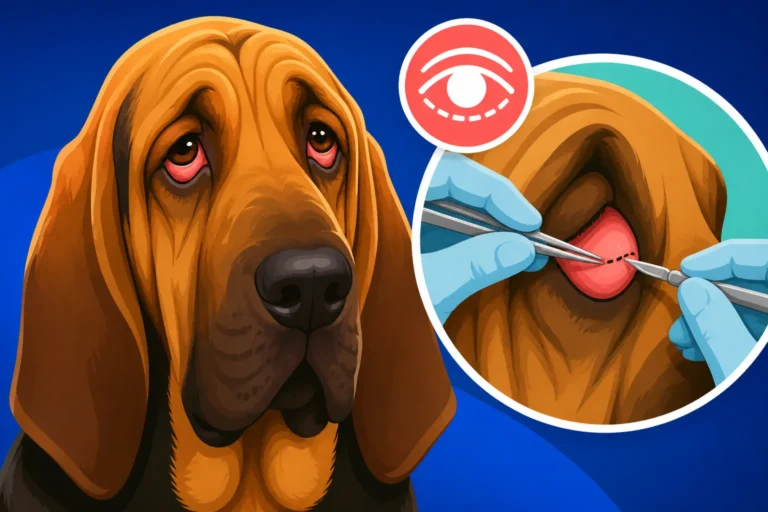
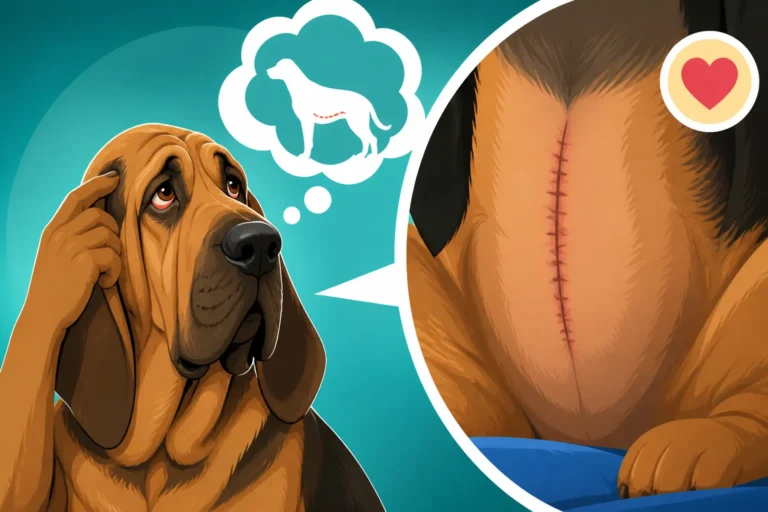
The most common and effective surgical procedure for entropion is a blepharoplasty, often a modified Hotz-Celsus procedure. This involves the precise removal of a small, crescent-shaped piece of skin and muscle from the affected eyelid, parallel to the lid margin. Once the skin is removed and the edges are carefully sutured back together, it creates tension that pulls the eyelid margin outward, away from the eyeball. The goal is to correct the eyelid's position permanently, preventing the hairs from rubbing against the cornea.
The surgery requires a skilled veterinarian, often a veterinary ophthalmologist, due to the delicate nature of the eye and the need for precision to achieve the optimal cosmetic and functional outcome. The amount of tissue removed is critical; too little and the entropion persists, too much and it can lead to ectropion (where the eyelid rolls outward, exposing the conjunctiva) or an overly tight eyelid. In some cases, a second, minor revision surgery might be necessary if the initial correction isn't perfect, making it important to understand "Whether a Bloodhound Needs Eyelid Surgery Twice". The success rate for these surgeries is generally high, offering long-term relief and preventing future complications. While the phrase "surgery" can sound daunting, the relief it brings to a Bloodhound suffering from chronic entropion is immeasurable, transforming a life of irritation into one of comfort. The cost for such specialized procedures can be substantial, making reliable coverage from pet insurance providers like Healthy Paws an invaluable asset for many Bloodhound owners.
Post-Operative Care and Recovery
After entropion surgery, your Bloodhound will need careful post-operative care to ensure a smooth recovery and the best possible outcome. This period is just as crucial as the surgery itself in preventing complications and allowing the surgical site to heal properly.
One of the most important aspects of post-operative care is preventing your Bloodhound from interfering with the surgical site. This means your dog will almost certainly be going home with an Elizabethan collar, often affectionately called a "cone of shame." While they might hate it, the cone is absolutely vital to prevent them from rubbing, scratching, or pawing at their eyes, which could pull out sutures, introduce infection, or reopen the incision. You'll also be sent home with medications, typically oral pain relief to manage discomfort and oral antibiotics to prevent infection. In some cases, topical antibiotic eye drops or anti-inflammatory drops might also be prescribed. Follow the instructions for these medications meticulously.
You'll need to monitor the incision site daily for any signs of swelling, redness, discharge, or if any sutures appear loose or missing. Your vet will schedule follow-up appointments to check the healing progress and remove sutures, usually 10-14 days after surgery. During recovery, keep your Bloodhound calm and limit strenuous activity to prevent any accidental trauma to the healing eye. This means no rough play, jumping, or long walks for a couple of weeks. Recovery time is generally good, and most Bloodhounds adapt quickly to the cone, and the vast majority make a full recovery, enjoying pain-free vision afterward. The financial implications of "Eyelid Surgery Is the Bill Bloodhound Owners Do Not Expect", including the post-operative care and medications, highlight why many owners choose to secure pet insurance coverage from a company such as Healthy Paws to help manage these significant veterinary expenses.
Long-Term Outlook and Prevention
Successfully treating entropion is a significant step towards improving your Bloodhound’s quality of life. However, living with a breed prone to such conditions means adopting a proactive approach to their long-term ocular health and considering the broader implications, especially regarding breeding.
Living with a Bloodhound Prone to Entropion
Even after successful surgical correction, it's wise for Bloodhound owners to remain vigilant about their dog’s eye health. While surgery generally provides a permanent fix, the underlying genetic predisposition to having a lot of loose skin doesn't disappear. Regular, gentle daily checks of their eyes should become a routine, just like checking their ears. Look for any subtle return of tearing, squinting, or redness. Early detection of any new irritation or, in rare cases, a recurrence of entropion (or development of another eye issue) allows for prompt intervention.
Sometimes, Bloodhounds can exhibit a combination of eyelid issues. For example, some might have entropion on one lid and "What Ectropion Looks Like on a Bloodhound" on another, or even a degree of both on the same eye. This is why thorough veterinary examinations are so important, as different conditions require different approaches. Understanding "Whether Entropion and Ectropion Appear on the Same Bloodhound" can help you recognize the complexity of their unique eye anatomy. Supporting your Bloodhound’s overall health with a balanced diet, appropriate exercise, and regular veterinary check-ups can also contribute to their general well-being, which in turn supports their eye health.
Breeding Considerations and Ethical Choices
Given the strong genetic component of entropion in Bloodhounds, responsible breeding practices are paramount in reducing its prevalence. Breeders committed to the health of the breed will actively screen their breeding stock and avoid breeding dogs that have severe entropion or that consistently produce offspring with the condition. The American Bloodhound Club, for instance, provides clear guidance on "What the American Bloodhound Club Asks Breeders to Screen" for, and eye health is a key component.
Prospective Bloodhound owners should always seek out reputable breeders who prioritize health clearances. Ask to see eye certifications for the parents, and inquire about the incidence of entropion in their lines. A breeder who is transparent about health challenges and actively works to minimize them through careful selection is a good indicator of their commitment to the breed's future. By choosing to support such breeders, you contribute to a healthier gene pool and reduce the likelihood of perpetuating conditions like entropion. While no breeder can guarantee a dog will never develop an issue, making informed choices and discussing the potential for health problems can help minimize the risks associated with this beautiful but genetically predisposed breed. Ultimately, proactive care and responsible breeding, often supported by the financial safety net of pet insurance from Healthy Paws, allow Bloodhounds to live their fullest, most comfortable lives.
Holistic Care for Ocular Health
Beyond surgical intervention and genetic considerations, a Bloodhound’s environment and overall well-being play a significant role in managing their ocular health, especially for a breed as uniquely structured as they are. Thinking holistically about their care can help prevent exacerbations of eye issues and ensure their comfort day-to-day.
Environmental Factors and Management
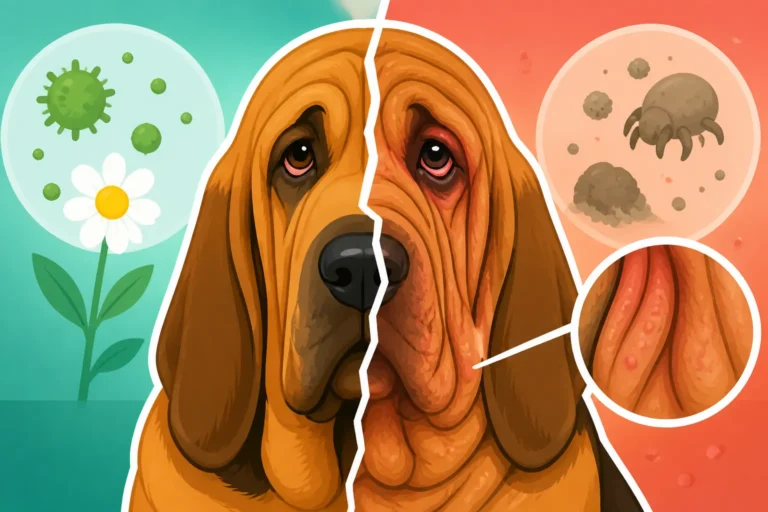
For Bloodhounds, whose eyes are already prone to irritation due to their conformation, environmental factors can dramatically exacerbate discomfort. Dust, pollen, strong winds, and airborne irritants can quickly turn a mild eye irritation into a more serious problem. Imagine those long, loose lower eyelids collecting every speck of dust when they’re sniffing the ground – it's a constant battle.
To help mitigate this, consider modifying their environment where possible. While a Bloodhound needs to be outdoors for their crucial scent work and exercise, limit exposure to excessively dusty areas or very windy conditions. If they enjoy riding in the car, ensure their head isn't hanging out the window, where wind and debris can assault their eyes. Keeping your home clean and dust-free can also contribute. Regular, gentle cleaning around their eyes with a damp, soft cloth can help remove accumulated debris and discharge, preventing it from drying and causing further irritation. This simple routine, alongside professional veterinary care, forms a vital part of managing their long-term eye health and comfort.
The Emotional Toll on Your Bloodhound
It's easy to focus on the physical aspects of entropion – the redness, the tearing, the ulcers. But we must not overlook the profound emotional and behavioral toll that chronic eye pain and discomfort can take on a Bloodhound. Dogs, much like humans, can become withdrawn, irritable, or even depressed when they are in constant pain.
A Bloodhound suffering from entropion might be less enthusiastic about their favorite activities, whether it's a long sniff-walk or simply interacting with their family. Their typical goofy, affectionate demeanor might be overshadowed by their discomfort. You might notice them being more sensitive to touch around their head, or perhaps they start avoiding bright light. Successfully treating entropion not only resolves the physical symptoms but also restores your Bloodhound's zest for life. The transformation can be remarkable: a dog that was once quiet and uncomfortable can rediscover their playful, happy self. This return to their normal, joyful personality is perhaps the greatest testament to the importance of addressing entropion promptly and effectively. When faced with such debilitating conditions, the access to specialized care, often covered by comprehensive pet insurance like Healthy Paws, ensures that your Bloodhound doesn't suffer needlessly and can fully enjoy their life.
Disclaimer
The information provided in this article is for general informational purposes only and is not a substitute for professional veterinary advice, diagnosis, or treatment. Always seek the advice of your veterinarian or other qualified animal health provider with any questions you may have regarding a medical condition. Never disregard professional veterinary advice or delay in seeking it because of something you have read in this article.