Whether Entropion and Ectropion Appear on the Same Bloodhound
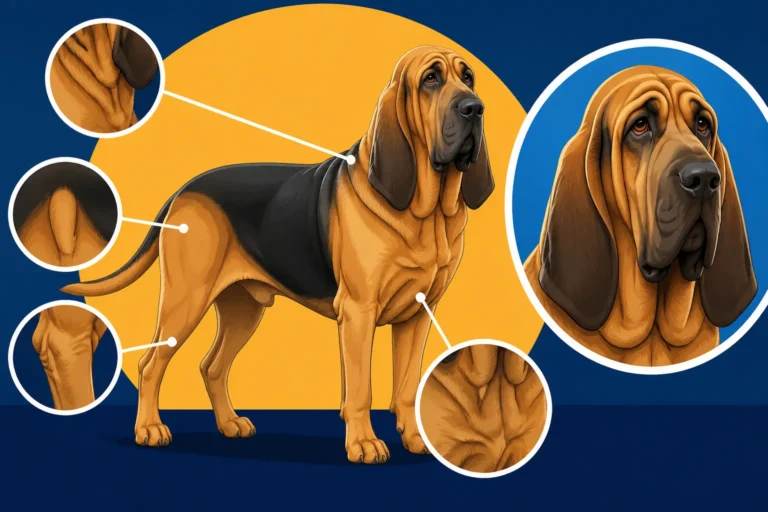
Oh, the eyes of a Bloodhound! They are truly one of their most distinctive features, adding to that famously mournful, contemplative expression we all adore. But for us Bloodhound owners, those beautiful, droopy eyes can also be a source of constant worry, often requiring diligent care and sometimes even veterinary intervention. One common and particularly frustrating question that comes up is whether a Bloodhound can suffer from both entropion and ectropion simultaneously, two conditions that seem almost contradictory. The truth is, yes, it's absolutely possible, and understanding how these seemingly opposite eyelid issues can coexist is crucial for their well-being.
Unpacking Entropion: When the Eyelid Turns Inward
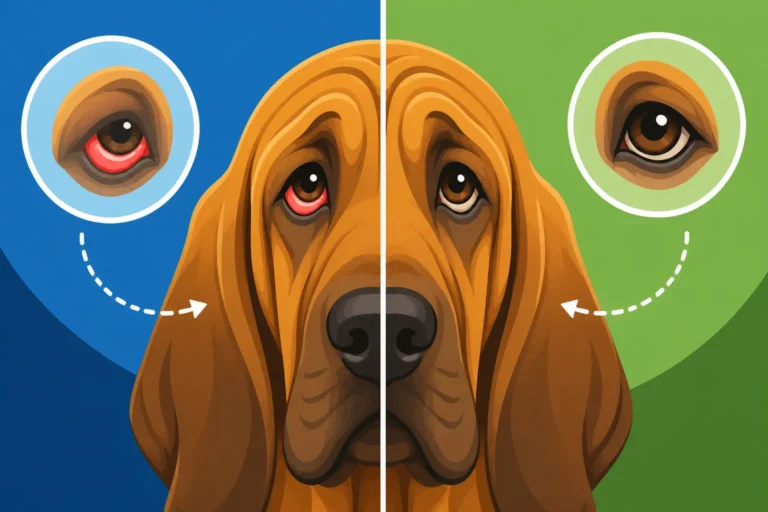
Let's start with entropion, a condition that many Bloodhound owners dread. Entropion occurs when a portion of the eyelid, usually the lower lid, rolls inward toward the eyeball. While it might sound like a minor issue, the consequences for your beloved hound can be quite severe and incredibly uncomfortable. The delicate hairs on the eyelid, instead of pointing outward, rub constantly against the cornea, which is the clear, protective outer layer of the eye.
Imagine having a tiny, stiff brush irritating your eye with every blink—that's what your Bloodhound experiences. This constant friction can lead to a whole host of problems. You might notice your Bloodhound squinting frequently, rubbing their face on the carpet, or pawing at their eyes. There will often be excessive tearing, a discharge (which can be clear or even purulent if infection sets in), and redness around the eye. In some cases, the pain can be so intense that they keep the affected eye nearly shut. If left untreated, this persistent rubbing can cause significant damage to the cornea, leading to painful corneal ulcers. These ulcers are not just uncomfortable; they can become infected and, in severe cases, even impair your dog's vision. To truly understand the potential severity, you can learn more about What Entropion Does to a Bloodhound's Eye
Bloodhounds are particularly susceptible to entropion due to their breed-specific facial structure, which includes loose skin and deep-set eyes. While it’s often genetic, it can sometimes be exacerbated by injuries or muscle spasms around the eye. Catching the signs early is incredibly important to prevent long-term damage and keep your dog comfortable. The pain and irritation can dramatically impact their quality of life, making even simple things like a walk or a good snooze difficult.
Deciphering Ectropion: The Characteristic Droopy Look
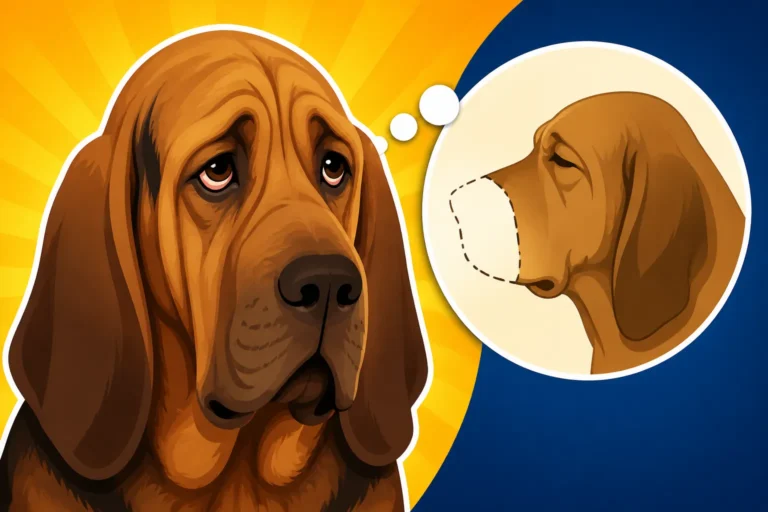
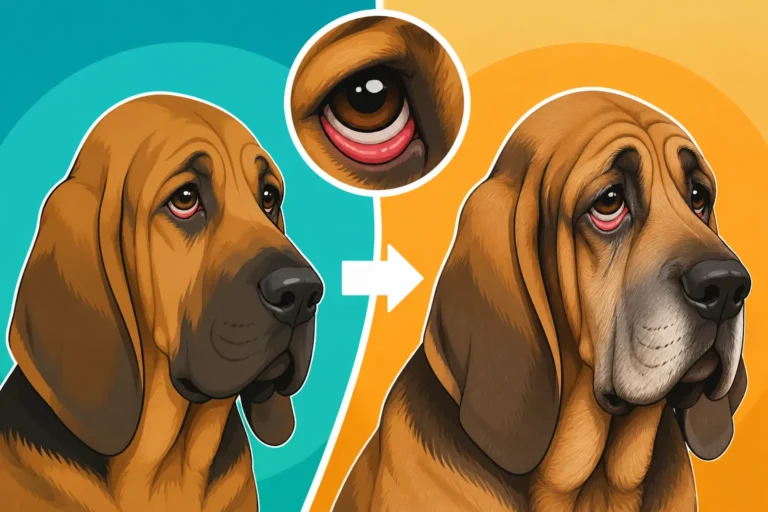
On the flip side, we have ectropion, which is arguably what gives the Bloodhound its iconic look. Ectropion is characterized by an outward rolling or drooping of the eyelid, most commonly the lower lid. This exposes the delicate pink conjunctiva – often referred to as the "haw" – that normally lines the inside of the eyelid. When you see a Bloodhound with wonderfully saggy, visible lower lids, you're looking at ectropion. In many breeds, and even in milder forms in Bloodhounds, this might not be a significant health concern. In fact, many people often confuse the visible haw as a sign of their signature "sad" expression, and the breed standard often accepts a certain degree of laxity. You might wonder, Whether a Bloodhound's Drooping Lid Is a Defect or the Standard
However, for Bloodhounds, this characteristic can lead to its own set of problems when it's excessive. The exposed conjunctiva is no longer protected by the eyelid, making it vulnerable to environmental irritants like dust, dirt, pollen, and even bacterial infections. Owners often report chronic redness, inflammation (conjunctivitis), and a thick, sometimes colored, discharge from the eyes. Because the eyelid can't properly distribute tears across the eye, the exposed surface can become dry, leading to further irritation and discomfort. This constant exposure to the elements means that diligent daily eye care is often necessary to keep the area clean and moisturized.
When your Bloodhound is out on a trail, nose to the ground, those droopy eyelids are literally sweeping up debris. While this might aid their scenting abilities by trapping scent particles, it also means a higher risk of foreign bodies getting lodged in their eyes. This exposure can make conditions like dry eye or chronic conjunctivitis a persistent battle. Many owners have found themselves needing to carefully clean their Bloodhound's eyes multiple times a day. If you've ever seen What Ectropion Looks Like on a Bloodhound up close, you know it's not just about looks; it's about vulnerable, exposed tissue. This is also where having a robust pet insurance plan, like one from Healthy Paws, can be incredibly helpful for managing ongoing treatments or potential surgical corrections.
Can a Bloodhound Suffer From Both Entropion and Ectropion Simultaneously?
Now for the million-dollar question: can a single Bloodhound truly experience both entropion and ectropion? The answer is a resounding yes, and it's more common than you might think in breeds like Bloodhounds that have excessively loose facial skin and unique eye structures. It’s not necessarily a contradiction; rather, it's about the specific parts of the eyelid and even different eyes being affected in different ways.
Here's how it can manifest:
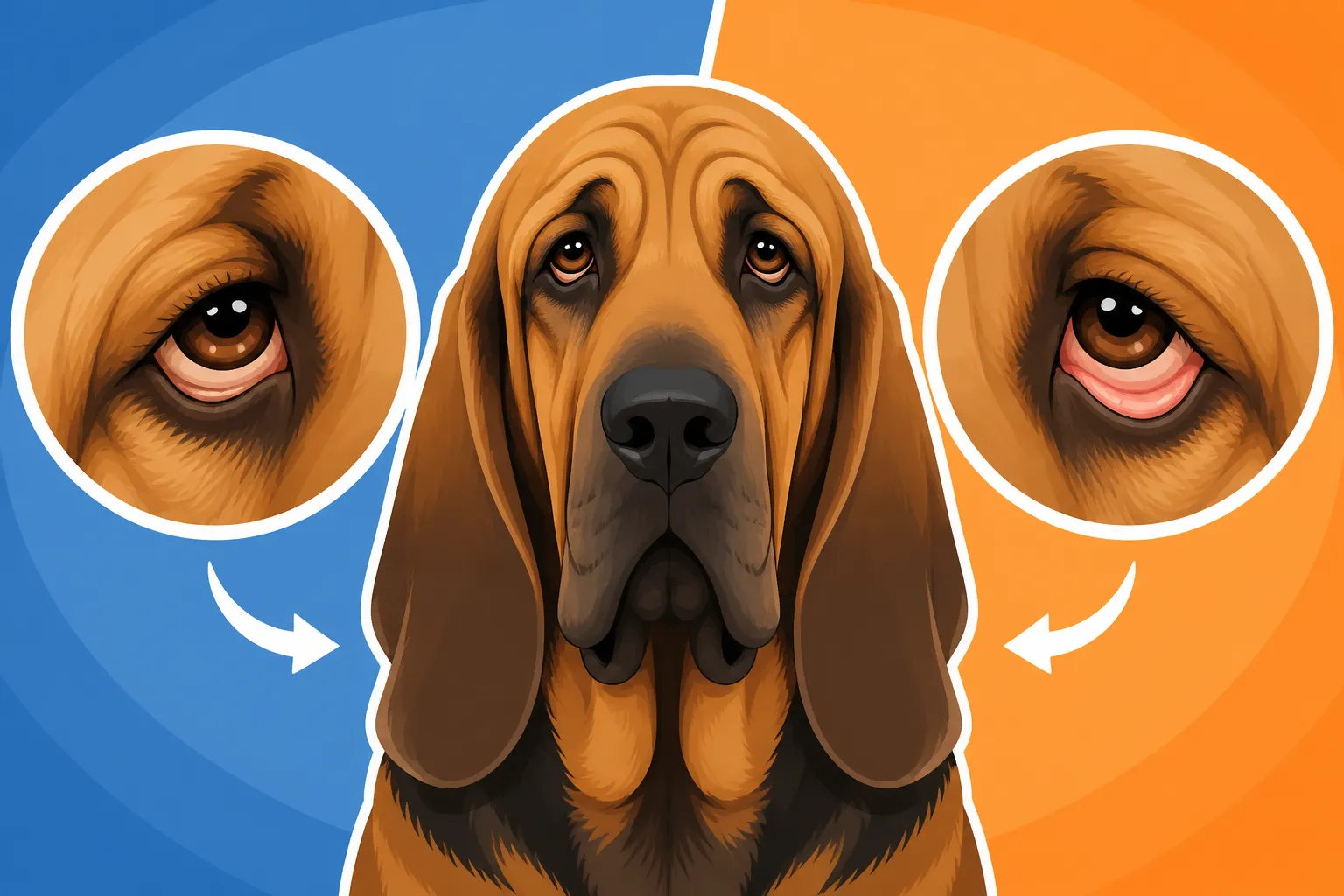
- Different Eyelids on the Same Eye: It's entirely possible for a Bloodhound to have ectropion affecting its lower eyelid, giving it that characteristic droopy, exposed look, while simultaneously having a segment of its upper eyelid (or even a different part of the lower lid) rolling inward (entropion). Imagine a scenario where the central portion of the lower lid sags outwards, while one corner of that same lower lid, or the upper lid, tucks inwards. This creates a complex problem where one part of the eye is vulnerable to dryness and debris, and another part is being scratched by errant hairs.
- Different Eyes: A Bloodhound might have severe entropion in one eye, causing pain and corneal ulcers, while the other eye exhibits prominent ectropion, leading to chronic irritation and dryness. Each eye presents its own unique set of challenges that need to be addressed independently.
- Segmental or Spastic Entropion/Ectropion: Sometimes, only a small segment of an eyelid turns inward (segmental entropion) or droops outward. In other cases, conditions like spastic entropion can occur due to pain, where the eyelid muscles contract, causing a temporary inward roll, even in an eye that primarily suffers from ectropion. This can be triggered by external irritants or underlying discomfort that the ectropion causes.
These combined conditions mean a much more intricate diagnosis and treatment plan. A veterinarian, especially a specialist ophthalmologist, needs to carefully assess each eyelid and eye individually to determine the best course of action. It's a testament to the complexities that can arise from selective breeding for certain physical traits, even those as endearing as the Bloodhound's expressive face. Managing a Bloodhound with both issues can feel like a constant balancing act, ensuring one treatment doesn't inadvertently worsen the other. This is precisely why early intervention and expert care are non-negotiable for these magnificent hounds.
Here's a quick comparison of the two conditions:
| Feature | Entropion | Ectropion |
|---|---|---|
| Description | Eyelid rolls inward | Eyelid droops outward |
| Appearance | Eyelashes hidden, eye often squinted | Visible pink conjunctiva (haw), saggy lid |
| Primary Issue | Lashes rub cornea, causing pain/damage | Exposed eye, vulnerable to irritation/dryness |
| Symptoms | Squinting, tearing, redness, discharge, ulcers | Redness, chronic conjunctivitis, discharge, dryness, debris collection |
| Urgency | Often more urgent due to corneal damage | Chronic management, can lead to severe irritation |
| Impact | Significant pain, potential vision loss | Chronic discomfort, secondary infections |
Managing Dual Eyelid Conditions in Your Bloodhound
Dealing with both entropion and ectropion in your Bloodhound can be a challenging journey, but with vigilance, expert veterinary care, and consistent home management, your dog can lead a comfortable life.
The Critical Role of Early Detection and Veterinary Consultation
The first and most crucial step in managing any eyelid condition in your Bloodhound is early detection. Those unique eyes need daily attention, not just for affection, but for careful inspection. Look for any changes in appearance – new redness, excessive tearing, squinting, or unusual discharge. Don't dismiss slight changes as just "being a Bloodhound." Their characteristic features often mask serious underlying issues. Puppies, in particular, should be regularly checked, as many of these conditions become apparent as they grow.
As soon as you notice anything amiss, schedule an appointment with your veterinarian. For complex cases, especially those involving both entropion and ectropion, your vet may recommend a consultation with a board-certified veterinary ophthalmologist. These specialists have advanced training and equipment to accurately diagnose the extent of the problem and recommend the most effective treatment plan. They can differentiate between genetic predispositions and acquired issues, helping you navigate the best path forward. For instance, determining Whether a Bloodhound's Eye Should Be Rinsed Daily or requires medicated drops is best left to an expert. Investing in specialized care upfront can often prevent more severe problems down the line, and knowing that a company like Healthy Paws might cover some of these specialist visits can bring immense peace of mind.
Navigating the Waters of Treatment Approaches
Treatment for combined entropion and ectropion is rarely a one-size-fits-all solution and often involves a combination of medical and surgical interventions.
- Medical Management: For milder cases, or as a temporary measure before surgery, medical management can help alleviate symptoms. This often includes lubricating eye drops or gels to protect the cornea from friction in entropion or to combat dryness in ectropion. Anti-inflammatory drops might be prescribed to reduce swelling and redness, and antibiotics could be used to treat any secondary bacterial infections. Regular, gentle cleaning with a sterile saline solution is also vital to remove debris and discharge, especially with ectropion. This daily regimen, which is a key part of Daily Eye Care for a Bloodhound can significantly improve comfort, but it rarely provides a permanent solution for structural problems.
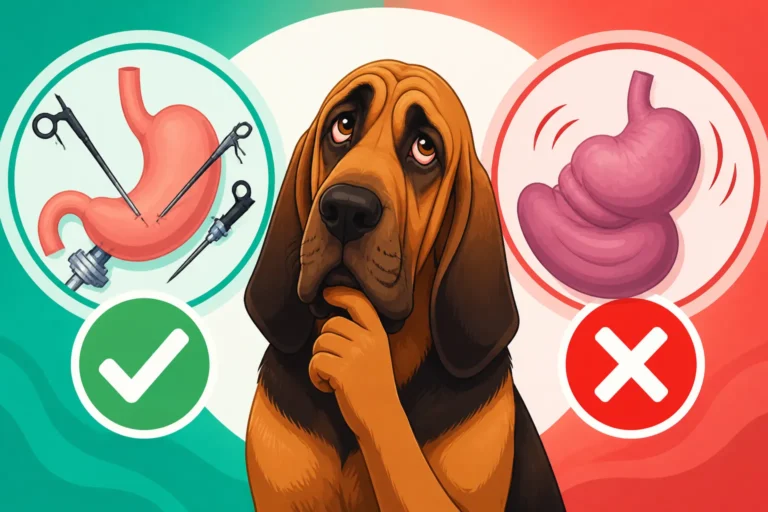
- Surgical Correction: When medical management isn't enough, surgery becomes the most effective long-term solution. The type of surgery will depend entirely on the specific presentation of entropion and ectropion.
- For Entropion: Procedures often involve removing a small, crescent-shaped piece of skin and muscle from the affected eyelid, allowing the lid to roll outward to its correct position. In puppies, temporary eyelid tacking stitches might be used to pull the lid into place as they grow, sometimes preventing the need for permanent surgery.
- For Ectropion: Surgical techniques aim to tighten the eyelid and reduce the amount of exposed conjunctiva. This might involve wedge resections or other procedures to shorten and lift the sagging lid.
- Combined Surgery: When both conditions are present, the ophthalmologist may need to perform multiple procedures, sometimes even on different parts of the same eyelid, or stage the surgeries over time. This requires immense precision to ensure the eyelids function correctly and comfortably. It's not uncommon for Eyelid Surgery Is the Bill Bloodhound Owners Do Not Expect to be significant, highlighting the importance of planning for these potential costs. It's not just about aesthetics; it’s about restoring proper eye function and preventing chronic pain. Sometimes, Whether a Bloodhound's Eyelid Surgery Is Cosmetic is a question that arises, but for serious cases, it's definitively a medical necessity.
The Journey of Post-Operative Care and Long-Term Management
Surgery isn't the end of the road; it's the beginning of a recovery period that requires diligent care from you. Your Bloodhound will likely need to wear an Elizabethan collar (the dreaded "cone of shame") to prevent them from rubbing or scratching their surgical sites, which could compromise healing. You’ll be responsible for administering prescribed eye drops or oral medications (pain relievers, antibiotics) and keeping the area clean. Restricted activity will also be part of the recovery, which can be a challenge for an active Bloodhound.
Even after successful surgery and recovery, a Bloodhound with a history of eyelid issues will often require ongoing monitoring and care. Their unique facial structure means they may always be somewhat predisposed to eye irritation. Regular veterinary check-ups are essential to ensure the corrections are holding and no new issues are developing. Continuing with a gentle daily eye-cleaning routine can help prevent the accumulation of debris and keep the eyes healthy. This commitment to long-term management ensures your Bloodhound remains comfortable and free from chronic pain. A good pet insurance policy, especially one that covers ongoing treatments and follow-up care for chronic conditions, can be a lifesaver for Bloodhound owners. Healthy Paws, for example, is often chosen by owners seeking comprehensive coverage for the breed-specific health challenges that come with owning a Bloodhound.
Disclaimer
This article is intended for informational purposes only and does not constitute veterinary advice. Always consult with a qualified veterinarian or veterinary ophthalmologist for any health concerns or before making any decisions about your Bloodhound's medical care.