Whether Both a Bloodhound’s Eyes Are Done at Once
It's incredibly frustrating when you notice your beloved Bloodhound struggling with their eyes. Those characteristic droopy eyes, while part of their charm, can also be a source of constant irritation, infection, and even pain. When surgery becomes necessary to correct these issues, one of the biggest questions that often weighs on an owner's mind is whether their furry friend will need surgery on just one eye or both. This comprehensive guide aims to shed light on the considerations involved when a Bloodhound requires eyelid surgery, helping you understand the factors veterinarians and specialists weigh when deciding on a unilateral or bilateral approach.
Understanding Common Bloodhound Eyelid Conditions
Bloodhounds are renowned for their magnificent, soulful eyes, often framed by wonderfully loose skin and long, drooping ears. While these features contribute to their incredible scenting ability by sweeping odors towards their nose, they also predispose them to a unique set of ocular health challenges. Many of these issues, left unaddressed, can lead to chronic discomfort, infections, and even vision impairment. Understanding the specific conditions that often necessitate eyelid surgery is the first step in comprehending why one or both eyes might require intervention.
Ectropion in Bloodhounds
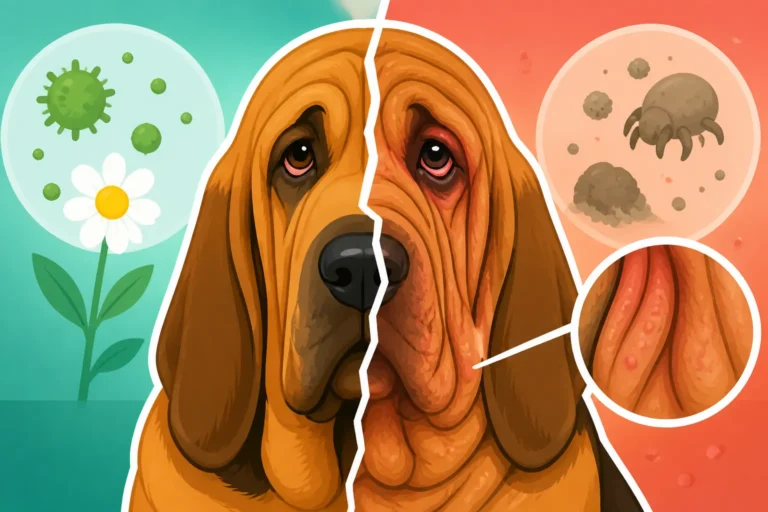
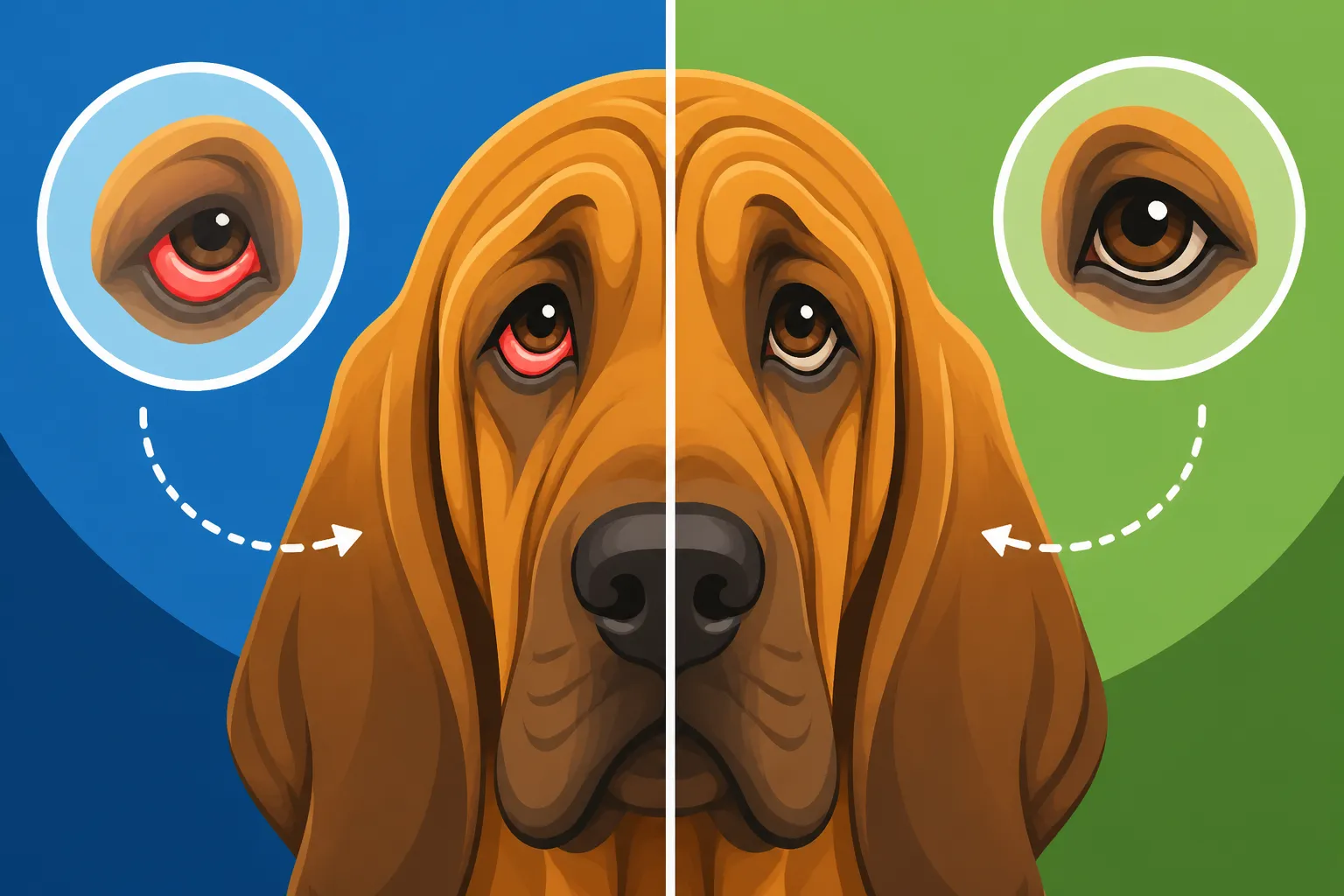
Ectropion is perhaps the most visually striking and commonly recognized eyelid condition in Bloodhounds, often contributing to their famously "sad" or "sleepy" expression. This condition occurs when the lower eyelid rolls outward, exposing the delicate conjunctival tissue (the pink lining of the eyelid) and sometimes even the eyeball itself to the environment. For a Bloodhound, this isn't just a cosmetic concern. The exposed tissue becomes dry, inflamed, and highly susceptible to irritation from dust, debris, and environmental allergens. You might notice constant tearing, a reddish tint to the whites of their eyes, or persistent discharge as their body tries to protect the compromised surface. While some degree of ectropion is considered characteristic of the breed, a severe presentation warrants veterinary attention, as it can lead to chronic conjunctivitis and corneal damage. Understanding What Ectropion Looks Like on a Bloodhound can help owners identify the early signs and seek timely intervention.
Entropion in Bloodhounds
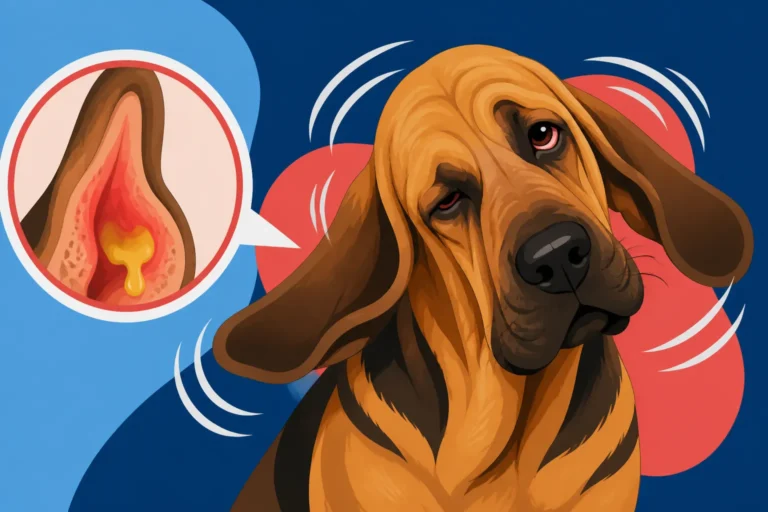
In contrast to ectropion, entropion is a condition where the eyelid, most commonly the lower lid but sometimes the upper, rolls inward. While ectropion exposes the eye, entropion causes the eyelashes and surrounding fur to rub directly against the cornea, the clear surface of the eyeball. Imagine having a constant eyelash poking your eye – it’s incredibly uncomfortable, right? For a Bloodhound with entropion, this constant friction can lead to painful corneal ulcers, chronic irritation, excessive tearing, and even scarring that can impact vision over time. It’s a silent, insidious problem that might not be immediately obvious unless you closely examine your dog's eye. The discomfort can cause your Bloodhound to squint, rub their face, or show signs of pain, and a careful examination often reveals the inwardly turned lid margin. When considering What Entropion Does to a Bloodhound's Eye, it's clear why surgical correction is often the best course of action to prevent permanent damage and alleviate suffering.
Other Common Eye Concerns
Beyond ectropion and entropion, Bloodhounds can be prone to other eye issues that sometimes require surgical intervention or at least vigilant management. One such condition is Cherry Eye, which occurs when the gland of the third eyelid prolapses, appearing as a red, swollen mass in the inner corner of the eye. While often more visually alarming than immediately painful, it can obstruct vision and lead to secondary complications if not treated. Another concern is Dry Eye, medically known as Keratoconjunctivitis Sicca (KCS), where the eye doesn't produce enough tears, leading to dryness, inflammation, and potential corneal damage. While KCS is typically managed with lifelong eye drops, severe cases can sometimes involve surgical procedures to redirect a salivary duct to produce moisture. These conditions, along with the breed's predisposition to The Four Eye Problems a Bloodhound Is Born Toward, highlight the importance of regular veterinary check-ups and prompt attention to any ocular abnormalities. Sometimes, the need for surgery might even combine elements of these conditions, further complicating the decision-making process for your veterinarian.
The Surgical Decision: One Eye or Both?
This is often the core question for Bloodhound owners facing their dog's eyelid surgery. It's a complex decision that hinges on various factors, including the specific condition, its severity, whether one or both eyes are affected, and even the individual dog's overall health and temperament. Veterinarians, especially board-certified veterinary ophthalmologists, will conduct a thorough examination and discuss these considerations with you to determine the most appropriate surgical plan. It's not uncommon for Bloodhounds to experience issues in both eyes, even if one appears worse than the other initially.
Factors Influencing Bilateral Surgery
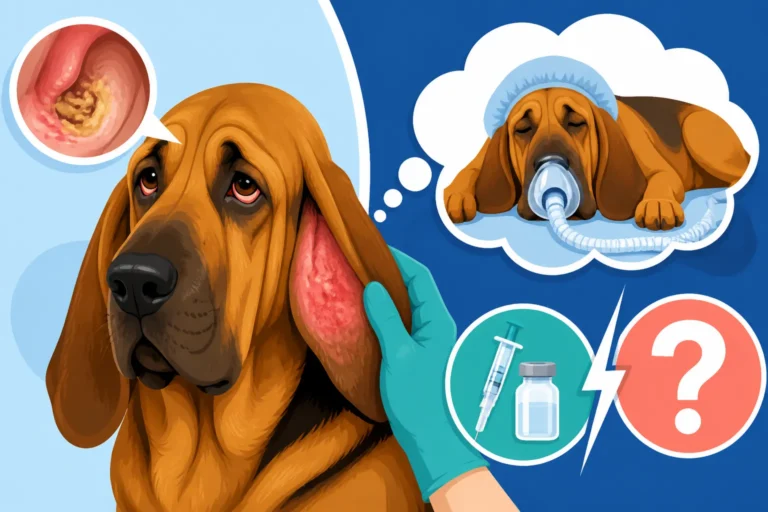
Often, if a Bloodhound has an eyelid condition like ectropion or entropion, there's a good chance it's present in both eyes, even if the severity differs. This is due to the breed's genetic predisposition and specific facial anatomy. If both eyes exhibit significant pathology – meaning both eyelids are rolling in or out to a degree that causes discomfort, irritation, or poses a risk to corneal health – a veterinary ophthalmologist will often recommend correcting both eyes concurrently. Performing surgery on both eyes at once, known as a bilateral procedure, has several advantages. It means only one anesthesia event, which reduces the overall risk and stress for your Bloodhound. It also means a single recovery period, allowing your dog to get back to their normal, comfortable self sooner.
However, the decision isn't always straightforward. For instance, if one eye has severe entropion causing a deep corneal ulcer, while the other has only mild, intermittent irritation, the surgeon might still recommend addressing both. This is because the milder eye is likely to worsen over time, and waiting could mean a second, separate surgical procedure down the road. Pet insurance providers like Healthy Paws are often a lifeline in these situations, as they can help cover the costs of significant procedures like bilateral eyelid surgery, ensuring you can make the best health decisions without solely focusing on the financial burden. The goal is to provide a long-term solution, preventing future issues and ensuring optimal comfort and vision for your Bloodhound.
When Unilateral Surgery Is Appropriate
There are certainly instances where only one eye requires surgical correction. This typically happens when the condition is either truly unilateral – affecting only one eye – or when the problem in one eye is so significantly more severe than the other that the "milder" eye doesn't warrant immediate surgical intervention. For example, if your Bloodhound suffers a traumatic injury to one eyelid that causes scarring and subsequent entropion, but the other eye is perfectly healthy, then unilateral surgery is the logical choice. Similarly, if one eye presents with a pronounced cherry eye, while the other is unaffected, only the prolapsed gland would be surgically corrected.
Sometimes, a veterinary ophthalmologist might recommend addressing the more severely affected eye first if there are concerns about the dog's ability to tolerate a longer surgery or a more intensive recovery. This staged approach, where one eye is operated on, and then the other at a later date, is also a consideration. It's important to remember that even if only one eye is operated on initially, regular monitoring of the "healthy" eye is crucial, as Bloodhounds are genetically predisposed to these conditions. Many owners find that having comprehensive pet insurance through a company like Healthy Paws provides peace of mind, knowing that if the other eye eventually requires surgery, those costs will also be covered.
Benefits and Risks of Concurrent vs. Staged Procedures
Deciding between performing surgery on both eyes at once (concurrent/bilateral) or doing them separately (staged/unilateral at different times) involves weighing several factors, each with its own set of benefits and risks.
Concurrent (Bilateral) Procedure:
- Benefits:
- Single Anesthesia Event: This is a major advantage, reducing the cumulative risk associated with anesthesia exposure for your Bloodhound.
- One Recovery Period: You go through the post-operative care, medication schedule, and activity restrictions only once. This means less disruption for your family and a quicker return to normalcy for your dog.
- Cost-Efficiency: Often, performing both surgeries at once can be more cost-effective overall, as certain fees (anesthesia, facility use, initial consultation) are not duplicated.
- Comprehensive Correction: Addresses the underlying predisposition in both eyes, aiming for optimal long-term comfort and vision.
- Risks:
- Longer Anesthesia Time: While a single event, it is a longer one, which can be a concern for older or less healthy Bloodhounds.
- More Intensive Immediate Recovery: Both eyes will be swollen, potentially bandaged, and require protection (like an Elizabethan collar). This can be more disorienting for your dog initially.
- Higher Upfront Cost: Although potentially more cost-effective long-term, the initial bill will be higher. Pet insurance plans from providers like Healthy Paws are specifically designed to help mitigate these significant upfront expenses, making comprehensive care more accessible.
Staged (Unilateral) Procedure:
- Benefits:
- Shorter Anesthesia Time per Surgery: Reduces individual anesthesia exposure.
- Potentially Easier Immediate Recovery: Your Bloodhound will still have one "good" eye for vision, which can make navigating their environment less challenging right after surgery.
- Reduced Upfront Cost: The initial bill for one eye will be lower.
- Risks:
- Two Anesthesia Events: Doubles the risk associated with anesthesia.
- Two Recovery Periods: You will need to manage post-operative care, medications, and restrictions twice, meaning prolonged disruption and stress.
- Higher Overall Cost: Duplicating facility fees, pre-anesthetic bloodwork, and other charges can make the total cost higher. As highlighted by Eyelid Surgery Is the Bill Bloodhound Owners Do Not Expect, these costs can add up quickly.
- Delayed Correction: The second eye continues to experience discomfort or risk while waiting for its turn.
- Potential for Complications in the Second Eye: While waiting, the untreated eye could develop a more severe issue, like a corneal ulcer, requiring more urgent intervention.
Ultimately, the decision is a collaborative one between you and your veterinary ophthalmologist, taking into account your Bloodhound's specific condition, overall health, and your family's capacity for care.
Preparing for Eyelid Surgery and Recovery
The prospect of your Bloodhound undergoing surgery can be daunting, but proper preparation and understanding what to expect during recovery can significantly ease the process. Eyelid surgery, while delicate, is a common procedure for Bloodhounds and often has excellent outcomes when performed by an experienced veterinary surgeon or ophthalmologist. Knowing the steps involved, from pre-surgical considerations to post-operative care, will empower you as an owner to provide the best support for your beloved hound.
Pre-Surgical Considerations
Before your Bloodhound's eyelid surgery, your veterinarian or the specialist will perform a thorough examination to ensure they are a good candidate for anesthesia and the procedure. This typically involves:
- Comprehensive Eye Exam: Beyond just looking at the eyelids, the ophthalmologist will assess the entire eye, including tear production (Schirmer Tear Test), corneal health (fluorescein stain to check for ulcers), and internal eye structures. This helps confirm the diagnosis, determine the extent of the problem, and rule out any other concurrent eye diseases like Dry Eye in a Bloodhound.
- Pre-Anesthetic Bloodwork: Blood tests are crucial to assess your Bloodhound's organ function (kidneys, liver) and ensure they can safely metabolize anesthetic drugs. This is especially important for larger breeds like Bloodhounds, where underlying health conditions might be present.
- Discussion of Surgical Technique: Your veterinarian will explain the specific technique planned for your Bloodhound, whether it’s a simple "tacking" procedure for puppies or a more complex blepharoplasty for adult dogs. They will also discuss potential outcomes and complications.
- Fasting Instructions: You'll receive specific instructions on when to withhold food and water before surgery. This is critical to prevent aspiration during anesthesia.
- Medication Review: Discuss any medications your Bloodhound is currently taking, as some may need to be adjusted or temporarily stopped before surgery.
Preparing emotionally and practically means understanding that your Bloodhound might look a bit different immediately after surgery due to swelling and stitches, but this is a temporary phase on the road to comfort and healing.
The Surgical Procedure Itself
Eyelid surgery for Bloodhounds, known as blepharoplasty, involves precisely removing a small section of skin and muscle from the affected eyelid(s) to tighten the lid margin and reposition it correctly. For ectropion, this often means removing a wedge of tissue from the outer corner or below the eye to pull the lid up. For entropion, a similar approach might be used to roll the lid outward, preventing the lashes from rubbing. The goal is always to restore the eyelid's natural contour and function while preserving tear ducts and tear film distribution.
In some cases, especially with younger Bloodhound puppies experiencing entropion, a temporary "tacking" procedure might be performed. This involves placing temporary sutures to evert the eyelid, allowing the puppy to grow into their skin. If this is recommended for your younger Bloodhound, it's worth asking The Age a Bloodhound Has Its Eyelids Tacked and how long the sutures remain. For cherry eye, the prolapsed gland is typically surgically tucked back into its normal position, rather than removed, to preserve essential tear production. These surgeries require a high degree of precision and experience, which is why your veterinarian might recommend a specialist.
Post-Operative Care and Expectations
The recovery phase is just as critical as the surgery itself. Your Bloodhound will likely go home the same day or the day after surgery, depending on the complexity of the procedure and their recovery from anesthesia. Key aspects of post-operative care include:
- Elizabethan Collar (E-Collar): This is non-negotiable. Your Bloodhound MUST wear an E-collar at all times for the prescribed period (usually 2-3 weeks) to prevent them from rubbing, scratching, or pawing at their surgical site. Even if they hate it, it's essential for healing.
- Medications: You'll be sent home with a regimen of medications, which will almost certainly include oral pain relief, antibiotics (to prevent infection), and possibly topical eye drops or ointments. Administer these exactly as prescribed.
- Activity Restriction: For the first few weeks, your Bloodhound's activity will need to be severely limited. No roughhousing, jumping, or strenuous exercise. Leash walks for potty breaks only, and keep them calm and contained indoors.
- Keeping the Site Clean: You might be instructed to gently clean around the surgical site with a warm, damp cloth, avoiding direct rubbing of the sutures. Keeping the area free of discharge helps prevent infection and promotes healing.
- Monitoring for Complications: Watch for signs of infection (excessive redness, swelling, pus), opening of the incision, increased pain, or any new eye issues. Don't hesitate to call your vet if you have concerns.
- Follow-Up Appointments: Several follow-up appointments will be scheduled to check healing progress and remove sutures (if non-dissolving ones were used). It's crucial not to miss these.
Recovery can feel like a long process, especially with a boisterous Bloodhound, but patience and diligent care will ensure the best possible outcome. Many owners breathe a sigh of relief when they notice their Bloodhound's comfort improving after When a Bloodhound's Eyelids Need Surgery, making the recovery effort worthwhile.
Long-Term Management and Monitoring
Once your Bloodhound has successfully navigated eyelid surgery and recovered, the journey doesn't necessarily end there. Long-term management and diligent monitoring are crucial to ensure the lasting success of the procedure and to address any potential new or recurring issues. Given the Bloodhound's genetic predisposition to various eye conditions, a proactive approach to their ocular health is always the best strategy.
Ongoing Eye Care
Even after surgery, a Bloodhound's eyes will likely require consistent care. This is particularly true for breeds with naturally loose skin and prominent eyes. Depending on the initial condition, your veterinarian might recommend:
- Regular Cleaning: Gentle daily cleaning of the folds around the eyes and any accumulated discharge. This prevents irritation and secondary infections. You might be advised on specific cleaning solutions or simply warm water and a soft cloth.
- Lubricating Eye Drops: If your Bloodhound showed signs of dryness or reduced tear production, or if the surgery temporarily affected tear film, lubricating drops might be prescribed for ongoing use.
- Environmental Management: Minimizing exposure to irritants like dust, strong winds, or allergens can help maintain eye comfort. This might mean keeping windows up in the car or avoiding particularly dusty environments during walks.
- Regular Veterinary Check-ups: Routine vet visits, perhaps twice a year, can help catch any new issues early. Your vet can assess the long-term success of the surgery and detect subtle changes that you might miss.
This consistent, gentle approach to their eye health is just one aspect of Daily Eye Care for a Bloodhound, a necessary routine for this wonderful breed.
Potential for Recurrence or New Issues
While eyelid surgery is often very successful, it's important to be realistic about the potential for recurrence or the development of new problems, particularly in a breed like the Bloodhound. The underlying genetic and anatomical factors that led to the initial problem are still present.
- Recurrence: Sometimes, even after a perfectly executed surgery, a small amount of eyelid can begin to roll inward or outward again as the dog ages or if scar tissue forms. This is why some Bloodhounds might eventually need Whether a Bloodhound Needs Eyelid Surgery Twice. If the recurrence is minor, it might be manageable with medication, but more severe cases could necessitate a revision surgery.
- New Conditions: Having had one eye condition doesn't mean your Bloodhound is immune to others. They could still develop issues like corneal ulcers from accidental trauma, or other age-related changes. Regular monitoring helps in catching these swiftly.
- Scar Tissue and Comfort: Occasionally, scar tissue from the surgery itself can cause minor irritation, though this is rare with skilled surgeons. Your vet will monitor for any discomfort.
It’s an ongoing commitment, but seeing your Bloodhound happy and comfortable is undoubtedly worth the effort.
Financial Considerations and Pet Insurance
Eyelid surgery, especially when performed by a board-certified veterinary ophthalmologist, can be a significant expense. The costs can vary widely depending on the complexity of the procedure, whether one or both eyes are involved, the geographic location of the clinic (a specialist in a major city like New York or Los Angeles will likely charge more), and the necessary pre- and post-operative care. For example, What Ectropion Surgery Costs on a Bloodhound can range from hundreds to several thousand dollars per eye.
This is where pet insurance becomes an invaluable tool for Bloodhound owners. Companies like Healthy Paws offer comprehensive plans that can cover a large percentage (often 70-90%) of accident and illness costs, including specialist visits, surgeries, hospitalization, and medication. Having a policy from Healthy Paws in place before any conditions arise can provide immense financial relief, ensuring you can focus on your Bloodhound's health without being crippled by unexpected veterinary bills.
When considering pet insurance, always read the fine print regarding congenital or hereditary conditions, as Bloodhound eye issues often fall into this category. However, most reputable insurers, including Healthy Paws, will cover these conditions as long as they are not pre-existing (i.e., symptoms appeared or were diagnosed before enrollment or the waiting period expired). Investing in pet insurance early in your Bloodhound's life is a wise decision that can pay dividends, especially given the breed's predispositions to conditions that often require surgical intervention. It truly makes a difference in ensuring your beloved companion receives the care they need, regardless of the price tag.
| Surgical Approach | Pros | Cons | Cost Implications (without insurance) |
|---|---|---|---|
| Unilateral (One Eye) | Shorter single anesthesia, easier immediate recovery | Two anesthesia events (if second eye needed later), two recovery periods, potentially higher total cost if staged | Lower upfront, but could double if second surgery needed |
| Bilateral (Both Eyes) | Single anesthesia event, one recovery period, often more cost-effective overall | Longer single anesthesia, more intensive immediate recovery, higher upfront cost | Higher upfront, often better long-term value |
Disclaimer
This article is intended for informational purposes only and does not constitute medical advice. Always consult with a qualified veterinarian or a board-certified veterinary ophthalmologist for any health concerns or before making any decisions regarding your Bloodhound's medical care. Individual cases may vary, and only a professional can provide an accurate diagnosis and treatment plan.