Whether a Bloodhound Needs Eyelid Surgery Twice
One of the most heart-wrenching concerns for Bloodhound owners is witnessing their beloved dog struggle with persistent eye issues, often leading to the question of whether a single surgery will truly resolve the problem or if they're facing a lifetime of repeat procedures. It's a valid worry, given the breed's unique anatomy and predisposition to certain conditions. This guide aims to demystify the complexities of Bloodhound eyelid surgery, explore why a second procedure might be considered, and equip you with the knowledge to work effectively with your vet to give your hound the best possible outcome.
Understanding Eyelid Issues in Bloodhounds
Bloodhounds are undeniably majestic, with their deep-set eyes, long ears, and abundant loose skin, but these very characteristics, which contribute to their incredible scenting ability and distinctive appearance, also predispose them to a range of ocular conditions. It’s not just a cosmetic concern; these issues can cause chronic discomfort, pain, and even threaten their vision if left untreated. Many owners find themselves asking, "Whether a Bloodhound's Drooping Lid Is a Defect or the Standard?" and the truth is, while some droop is characteristic, excessive looseness can be problematic.
The Common Culprits: Ectropion and Entropion
When we talk about Bloodhound eyelid issues, we're usually focusing on two primary conditions: ectropion and entropion. These are often discussed together because they frequently occur in the same breed, sometimes even in the same eye!
-
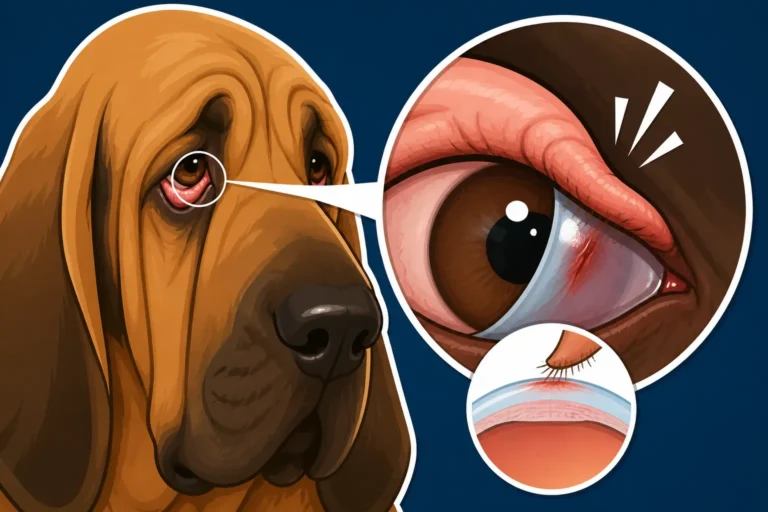
Ectropion: This is the condition where the eyelid rolls outward, exposing the delicate inner conjunctival tissue. Imagine your Bloodhound's lower lid hanging away from its eye, like a perpetually tired or sad expression. This "sagging" allows environmental irritants like dust, pollen, and even bacteria to easily get into the eye, leading to chronic dryness, irritation, and recurrent infections. You might notice your Bloodhound's haw shows, which is that visible red or pink tissue of the inner eyelid. It's not uncommon for owners to first notice excessive tearing or discharge, as the eye tries to naturally flush out these constant invaders. While a certain degree of ectropion is considered characteristic of the breed, particularly the lower lid, when it becomes severe enough to cause symptoms, it transitions from a breed trait to a medical problem that needs attention. You can read more about What Ectropion Looks Like on a Bloodhound to understand the visual cues.
-
Entropion: On the flip side, entropion is when the eyelid rolls inward, causing the eyelashes and surrounding hair to rub directly against the cornea (the clear surface of the eye). This is incredibly painful and can lead to corneal ulcers, scarring, and even blindness if not corrected. Imagine having a constant hair poking you in the eye – that’s what your Bloodhound is experiencing. Unlike ectropion, which can sometimes be managed with drops if mild, entropion almost always requires surgical correction due to the constant irritation. A severe case of entropion can quickly become an emergency. Owners often notice their dog squinting, pawing at their face, or having thick, painful discharge. For a deeper dive, learn What Entropion Does to a Bloodhound's Eye.
These two conditions, along with Cherry Eye in a Bloodhound, make up The Four Eye Problems a Bloodhound Is Born Toward, highlighting the genetic predisposition.
Why Bloodhound Anatomy Makes Them Prone
It all comes down to that magnificent, loose skin. Bloodhounds are famous for their generous folds and wrinkles, which are fantastic for trapping scent but can be a real headache for their eyes. The excessive skin around their head and face means there's simply more tissue that can potentially sag or roll in the wrong direction.
-
Loose Skin and Gravity: The sheer weight and laxity of a Bloodhound's facial skin mean that gravity can pull the lower eyelids down and out (ectropion) or, sometimes, the upper eyelid can roll inward. In some cases, the skin around the eyes is so loose that it acts like a blanket, pushing the lid margins either in or out, depending on the specific conformation. This isn't just a puppy problem; as a Bloodhound ages, skin elasticity can change, sometimes making mild conditions more pronounced or even causing new issues to develop.
-
Conformation Challenges: Reputable breeders strive to produce Bloodhounds with sound structure, including their eye set. However, even with the best breeding practices, the characteristic heavy brow and deep-set eyes combined with loose skin create a constant battle against gravity and irritation. This is why many owners eventually reach the point of deciding When a Bloodhound's Eyelids Need Surgery because conservative management just isn't cutting it. It's not a failure on the owner's part; it's a structural reality of the breed.
When Surgery Becomes Necessary
The decision for surgery is usually made when the eye condition starts causing significant discomfort, pain, or threatens the Bloodhound's vision, and when conservative treatments (like daily cleaning or medicated drops) are no longer effective. It's not a decision to be taken lightly, as Eyelid Surgery Is the Bill Bloodhound Owners Do Not Expect, and it involves anesthesia and recovery.
-
Relief from Chronic Pain: For conditions like entropion, where the hair constantly scratches the cornea, surgery offers immediate and long-lasting relief from pain. Without intervention, repeated trauma can lead to painful corneal ulcers, which are serious and require immediate veterinary attention. Imagine having a constant irritant in your eye; that's the pain a Bloodhound with untreated entropion experiences.
-
Preventing Vision Loss: Chronic irritation, inflammation, and repeated infections can eventually lead to scarring of the cornea or other structures within the eye, which can impair or even lead to total vision loss. Surgery helps to protect the integrity of the eye and preserve sight. This is a crucial factor in the decision-making process, as a Bloodhound's world is so heavily reliant on its senses, even if its nose takes center stage.
-
Improving Quality of Life: A Bloodhound constantly pawing at its eyes, squinting, or suffering from discharge isn't living its best life. Surgical correction, especially for severe cases, significantly improves their overall comfort and allows them to enjoy daily activities without the burden of painful eyes. It's about giving them back their comfort.
The Reality of Repeat Eyelid Surgery
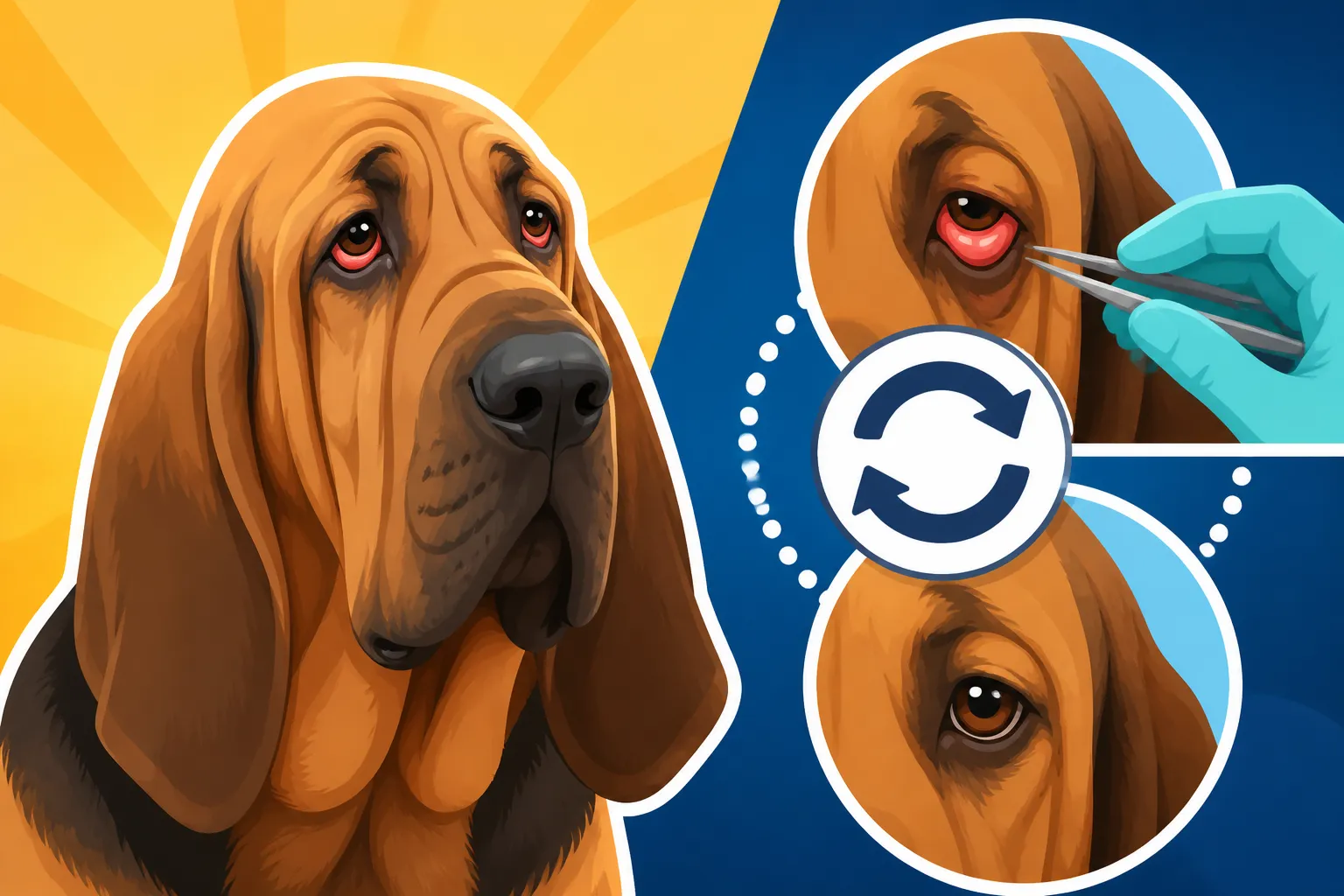
The question, "Whether a Bloodhound Needs Eyelid Surgery Twice," is one that many owners wrestle with. The hope is always that one procedure will be enough, but the reality for some Bloodhounds is that follow-up or additional surgeries may be necessary. This isn't necessarily a sign of a failed initial surgery, but often a reflection of the challenging nature of working with such unique facial anatomy.
Factors Leading to a Second Procedure
There are several reasons why a Bloodhound might require a second eyelid surgery. It’s important for owners to understand these possibilities upfront, so they can make informed decisions with their veterinary ophthalmologist.
-
Under-correction or Over-correction: Eyelid surgery involves removing a precise amount of skin or tucking the lid in just the right way to achieve the desired tension. It’s a delicate balance. Sometimes, a surgeon might opt for a conservative initial correction to avoid over-correcting, which could lead to the opposite problem (e.g., correcting entropion too much and causing ectropion). If the initial correction isn't quite enough to resolve the issue, a second, minor procedure might be needed to fine-tune the result. Conversely, over-correction is less common but can occur, necessitating a corrective surgery. It's a bit like tailoring a custom suit; sometimes a second fitting is needed to get it just right.
-
Progression of the Condition with Age: As Bloodhounds age, their skin elasticity changes. What was a mild case of ectropion at two years old might worsen by age six or seven, requiring a second intervention. Similarly, if a puppy had eyelid tacking (a temporary stitch to correct entropion) done at a young age, permanent surgery would still be needed later. You might also consider The Age a Bloodhound Has Its Eyelids Tacked for temporary relief. This isn't a failure of the original surgery, but rather a natural progression or development of the breed's anatomical tendencies.
-
Development of a New or Different Issue: Sometimes, a Bloodhound might have surgery for ectropion on one lid, only to develop entropion on a different part of the same lid, or on the other eye entirely, a few years down the line. It's also possible for other eye conditions to manifest, such as persistent Dry Eye in a Bloodhound or even another instance of Cherry Eye in a Bloodhound, which would require separate attention. The eyes are complex, and addressing one problem doesn't always prevent others from arising.
-
Individual Healing and Scar Tissue: Every dog heals differently. In some cases, scar tissue can contract during the healing process, pulling the eyelid in an unintended direction and recreating the original problem or even creating a new one. This is why careful post-operative care and monitoring are so crucial. Even with the best surgical technique, individual biological responses can sometimes necessitate a re-evaluation.
Surgical Approaches and Their Efficacy
When a Bloodhound needs eyelid surgery, there are different techniques available, and the choice often depends on the specific condition and severity. Understanding these can help set expectations for potential recurrence. Many owners wonder, "Whether a Bloodhound's Eyelid Repair Is Done in Two Stages," which speaks to the staged approach sometimes necessary.
-
The Modified Hotz-Celsus Procedure (for Entropion): This is a common and effective technique for entropion. It involves removing a crescent-shaped piece of skin and underlying muscle from just below the affected eyelid. When the skin is sutured closed, it pulls the eyelid margin outward, away from the eye. The success rate for this procedure is generally high, but as mentioned, slight under-correction or over-correction can occur, potentially requiring a minor revision. For a Bloodhound, due to the generous skin, sometimes a more extensive excision or a slightly different angle is needed.
-
Wedge Resection or K-Plasty (for Ectropion): For ectropion, the goal is to shorten the eyelid or tighten the corner. A wedge resection removes a V-shaped piece of tissue from the eyelid margin, and the edges are then sutured together. A K-plasty involves removing skin and pulling the surrounding tissue to tighten the lid. The aim is to create enough tension to pull the eyelid back into a more normal position without causing it to roll inward. Due to the inherent looseness of Bloodhound skin, achieving the perfect tension can be challenging, and sometimes subsequent tightening procedures are needed as the skin continues to stretch or settle over time.
-
Eyelid Tacking (Temporary Solution): For young puppies, especially those with severe entropion, a temporary eyelid tacking procedure might be performed. This involves placing sutures in the eyelid to evert it temporarily, protecting the cornea as the puppy grows. It's usually done to provide relief until the puppy is older and its facial structure is more developed, at which point a permanent surgical correction would be considered. This means that if a Bloodhound has tacking as a puppy, a second, permanent surgery is almost certainly in its future.
It's worth noting that What Ectropion Surgery Costs on a Bloodhound can be substantial, and these costs add up with multiple procedures. Many owners look into pet insurance providers like Healthy Paws to help mitigate these expenses, especially if their policy doesn't exclude congenital conditions like eyelid issues as "pre-existing."
What to Discuss with Your Veterinary Ophthalmologist
If your Bloodhound is facing eyelid surgery, open and honest communication with a board-certified veterinary ophthalmologist is key. They are specialists in eye health and surgery and have the most experience with complex cases, especially in breeds like Bloodhounds.
-
Realistic Expectations: Discuss the potential for needing a second surgery. Ask about the surgeon's experience with Bloodhounds and their typical success rates for the specific procedure. Understand that with breeds predisposed to these issues, sometimes a "perfect" outcome is hard to achieve on the first try, and minor revisions are a possibility, not a failure.
-
Surgical Strategy: Inquire about their chosen surgical technique and why they believe it's the best option for your Bloodhound's particular anatomy and condition. Ask about their approach to managing potential under or over-correction. Some specialists prefer a staged approach, especially for severe cases, tackling one aspect at a time. Also, clarify Whether Both a Bloodhound's Eyes Are Done at Once if both are affected.
-
Pre-operative Assessment: A thorough eye exam is crucial to assess not just the eyelids but the overall health of the eye, checking for corneal ulcers, tear film quality, and any other concurrent conditions. This comprehensive view helps the surgeon plan the most appropriate and effective procedure.
-
Post-operative Care and Follow-up: Get detailed instructions on post-operative care, including medication, cone-of-shame usage, and activity restrictions. Regular follow-up appointments are essential to monitor healing and identify any potential complications or signs of recurrence early. This is where diligent observation on your part becomes crucial.
Minimizing the Need for Further Interventions
While some Bloodhounds may indeed need a second eyelid surgery due to the nature of their anatomy or the progression of their condition, there are ways to minimize this likelihood and manage their eye health proactively.
Diligent Post-Operative Care
The success of any surgery isn't just about the procedure itself; it's heavily reliant on the care given during recovery. This is a critical period that can significantly impact whether your Bloodhound needs additional surgery.
-
Strict Adherence to Medication Schedules: Your vet will prescribe eye drops and potentially oral medications to manage pain, inflammation, and prevent infection. It is absolutely vital to administer these exactly as directed, even if your Bloodhound puts up a fuss. Skipping doses or stopping early can lead to complications that might require further intervention.
-
Preventing Self-Trauma: The Elizabethan collar (e-collar or "cone of shame") is not a fashion statement; it's a necessity. Your Bloodhound will try to rub, scratch, or paw at their healing eyes, which can tear sutures, introduce infection, or even damage the delicate surgical site. Keep the e-collar on 24/7 as instructed by your vet, even during meals or when they're sleeping. Many owners find creative ways to make the cone more comfortable, like adding soft collars, but its primary purpose must be upheld.
-
Restricted Activity: Limit vigorous play, running, and anything that could cause your Bloodhound to accidentally bump their head or exert themselves too much. Keeping them calm reduces swelling and minimizes the risk of stitches coming undone. Short, leashed potty breaks are usually the extent of their activity for the first few weeks.
-
Cleanliness and Monitoring: Keep the area around their eyes clean, following your vet's instructions for gently wiping away any discharge. Regularly (but gently) examine the surgical site for signs of infection (redness, swelling, pus) or if the stitches look like they are coming loose. If anything seems amiss, contact your vet immediately.
Long-Term Management and Monitoring
Even after full recovery from surgery, Bloodhounds with a history of eyelid issues require ongoing care and vigilance throughout their lives. This proactive approach can help catch problems early and potentially avoid another surgery.
-
Daily Eye Care Routine: Establish a routine for Daily Eye Care for a Bloodhound. This might involve gently wiping their eyes with a damp, clean cloth or a vet-approved eye wash. For Bloodhounds with ectropion, even after surgery, some degree of exposure can remain, so keeping the eyes clean and free of irritants is essential. Regularly check for any redness, excessive tearing, or discharge. Learning How to Clean a Bloodhound's Eyes effectively is a lifelong skill for Bloodhound owners.
-
Regular Veterinary Check-ups: Beyond their annual wellness exams, consider more frequent check-ups with your regular vet, or periodic visits with a veterinary ophthalmologist, especially if you notice any subtle changes. Early detection of new issues or a recurrence of old ones can mean simpler, less invasive treatment options, or allow for planning if another surgery becomes truly necessary.
-
Environmental Management: Since exposed eyes are prone to irritation, try to minimize exposure to dusty, windy, or smoky environments. If your Bloodhound loves sticking their head out the car window, consider doggles (protective eyewear) or teach them to keep their head inside. Regular cleaning of bedding and avoiding strong household chemicals can also help.
| Eyelid Condition | Description | Typical Surgical Approach | Recurrence Risk Factors | Long-Term Management |
|---|---|---|---|---|
| Ectropion | Eyelid rolls outward, exposing conjunctiva. Leads to dryness, irritation, infection. | Wedge resection, K-plasty to tighten lid. | Under-correction, aging skin laxity, individual healing. | Daily cleaning, protective drops, regular vet checks. |
| Entropion | Eyelid rolls inward, causing hair/lashes to rub cornea. Leads to pain, ulcers, vision loss. | Modified Hotz-Celsus procedure. | Under-correction, scar tissue contraction, growth in puppies. | Post-op checks, vigilant monitoring for irritation, cleaning. |
| Cherry Eye | Prolapsed gland of the third eyelid. | Surgical tucking or repositioning. | Incomplete initial tuck, genetic predisposition, trauma. | Monitoring for recurrence in same or other eye. |
The Role of Breed-Specific Care and Responsible Breeding
Ultimately, the health challenges faced by Bloodhounds, including eye issues, underscore the importance of responsible breeding practices and owners committing to breed-specific care.
-
Choosing a Responsible Breeder: A responsible Bloodhound breeder will health test their breeding stock for a range of conditions, including eye problems. They should be transparent about the health history of their lines and be able to provide information on the parents' and grandparents' eye health. While no breeder can guarantee a dog will never have health issues, choosing a puppy from health-conscious lines can reduce the likelihood of severe, early-onset problems. The American Bloodhound Club recommends certain health screenings for good reason.
-
Advocacy for Your Bloodhound: As an owner, you are your Bloodhound's primary advocate. Don't hesitate to seek a second opinion from a veterinary ophthalmologist if you're unsure about a diagnosis or treatment plan from your general vet. These specialists have advanced training and equipment to handle complex eye conditions. Finding a specialist, though, can sometimes involve travel and additional costs, as Whether a Bloodhound's Eyelid Surgery Needs a Specialist is often recommended for the best outcomes. Organizations like the ACVO (American College of Veterinary Ophthalmologists) can help you locate a board-certified specialist in your area.
-
Understanding the Breed's Unique Needs: Owning a Bloodhound means accepting and embracing their unique anatomy, which includes a predisposition to specific health issues. It means being prepared for the extra effort in Daily Eye Care for a Bloodhound and potentially for veterinary interventions. With careful management, dedicated care, and the expertise of veterinary professionals, most Bloodhounds can live comfortable, happy lives, even if their eyes require a bit more attention. Remember, companies like Healthy Paws are there to help with potential financial burdens for many of these necessary procedures.
Taking on a Bloodhound is a commitment to a life filled with love, laughter, and perhaps a few extra vet visits. By being informed and proactive, you can ensure their distinctive eyes remain clear, comfortable, and ready to spot the next exciting scent.
Disclaimer
The information provided in this article is for general informational purposes only and is not intended as a substitute for professional veterinary advice. Always consult with a qualified veterinarian or veterinary ophthalmologist regarding any medical concerns or before making any decisions about your Bloodhound's health or treatment.