The Age a Bloodhound Has Its Eyelids Tacked
The endearing, droopy eyes of a Bloodhound are part of what makes them so captivating, but for many owners, these unique features become a source of worry, leading to uncomfortable and even painful eye conditions. Deciding when and if to intervene surgically with eyelid tacking can be a stressful choice, fraught with questions about timing, efficacy, and your dog's long-term comfort. This guide will walk you through the complexities of Bloodhound eyelid issues and the crucial considerations for surgical timing, helping you understand the best approach for your beloved companion.
Understanding Eyelid Issues in Bloodhounds
Bloodhounds are distinct with their magnificent folds of skin and deep-set, soulful eyes. While these traits are part of their charm, they also predispose them to certain ocular conditions that can cause significant discomfort and health problems. Understanding these issues is the first step toward effective management and knowing when surgical intervention, often referred to as eyelid tacking or repair, becomes necessary.
The Common Eyelid Problems: Ectropion and Entropion
The two most prevalent eyelid conditions in Bloodhounds are ectropion and entropion, both of which affect the normal functioning and protection of the eye. While they sound similar, their effects are quite opposite.
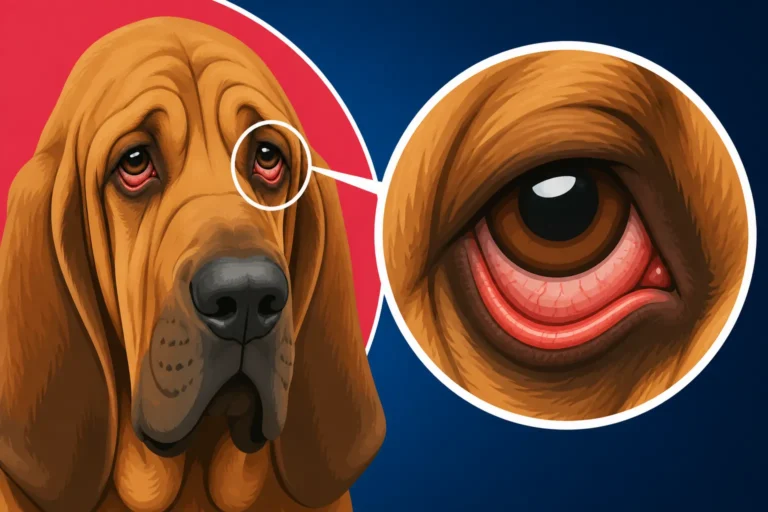
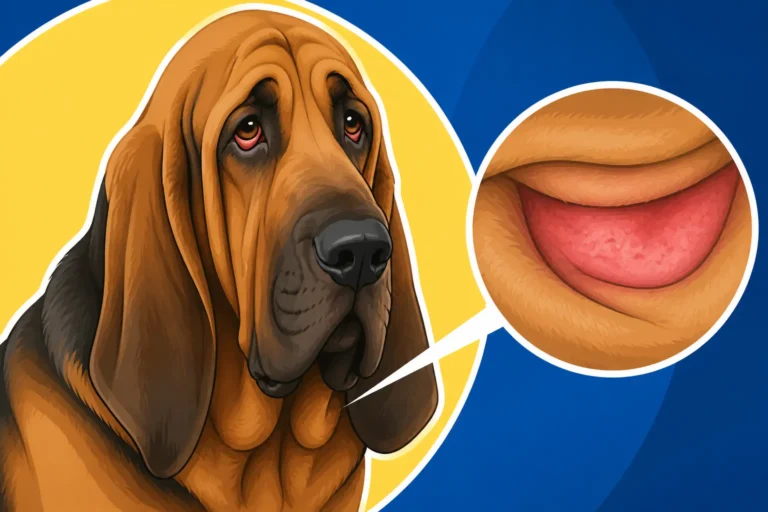
Ectropion is a condition where the eyelid, typically the lower one, rolls outwards, exposing the delicate conjunctiva and the eye's surface. Think of it like a perpetually sleepy, droopy look, which, while characteristic of the breed, can be problematic. This outward rolling leaves the eye vulnerable to environmental irritants like dust, dirt, and wind, leading to chronic dryness, inflammation, and recurring infections. Owners often notice excessive tearing, a discharge, or redness in the exposed conjunctiva. It's an open invitation for foreign bodies to get trapped, and without proper lubrication, the eye can suffer significant damage over time. You might have seen a Bloodhound with its "haw" (the pink inner lining of the lower lid) clearly visible, and while some degree of this is standard for the breed, an excessive amount signals a problem. If left untreated, the constant exposure can lead to corneal ulcers or even impair vision.
On the flip side, we have entropion, which is arguably the more immediately painful of the two. This occurs when the eyelid, usually the upper or lower, rolls inwards, causing the eyelashes and surrounding hair to rub against the cornea. Imagine having a tiny, stiff brush constantly scraping your eyeball – that's what your Bloodhound experiences. The irritation from this constant friction can lead to watery eyes, squinting, redness, and a strong urge for your dog to rub their face, which only exacerbates the problem. The most serious complication of entropion is the development of corneal ulcers, which are open sores on the surface of the eye. These ulcers are extremely painful and can lead to infections, scarring, and, in severe cases, even rupture of the eyeball if not treated promptly. It's a critical situation that requires immediate veterinary attention. For a deeper dive, you can learn more about What Entropion Does to a Bloodhound's Eye.
When Eyelid Issues Become a Problem
It's one thing for a Bloodhound to have naturally droopy eyes; it's another when those droopy eyes are causing pain and chronic health issues. The key is recognizing when a characteristic breed trait crosses the line into a medical problem. Early signs might be subtle: your dog might blink more often, squint in bright light, or you might notice a persistent clear or mucous-like discharge. Sometimes, the first hint is persistent redness in the whites of their eyes or a reluctance to open their eyes fully.
The real problem arises when these conditions lead to secondary issues. For ectropion, persistent exposure leads to dry eye, recurring bacterial infections, and chronic conjunctivitis. The constant wetness from tearing can also lead to skin irritation in the folds beneath the eyes, creating a breeding ground for yeast and bacteria. With entropion, the constant rubbing from eyelashes can cause painful corneal abrasions and ulcers. These ulcers are not just painful; they can be sight-threatening. If you notice your Bloodhound rubbing its face excessively, squinting, or showing signs of discomfort around their eyes, it's crucial to consult your veterinarian. They can accurately diagnose the specific condition and severity, guiding you on whether intervention is needed and how urgently. This is not just about aesthetics; it's about your Bloodhound's quality of life and preventing permanent damage to one of their most vital senses.
The Ideal Age for Eyelid Tacking and Why Timing Matters
Once eyelid issues are identified as problematic, the question of surgical correction inevitably arises. For Bloodhounds, the timing of this surgery is particularly critical, primarily due to their unique growth patterns and facial structure development. Rushing into surgery too early or waiting too long can have significant implications for the success of the procedure and your dog's comfort.
Puppyhood vs. Adulthood: The Surgical Window
The general consensus among veterinary ophthalmologists is that permanent eyelid surgery for conditions like ectropion and entropion in Bloodhounds should ideally be performed once the dog has reached or is very close to its adult head size and facial structure. This usually means waiting until they are between 6 to 12 months of age, though some specialists might recommend waiting a bit longer, up to 18 months, depending on the individual puppy's development.
The reason for this waiting period is straightforward: puppies are still growing rapidly. Their skull and facial bones are developing, and the skin and muscle tone around their eyes are changing. If permanent surgery is performed on a young puppy whose head is still maturing, there's a significant risk that the results won't be sustained. As the puppy grows, the corrected eyelids might revert to their problematic state, or new issues could develop, necessitating a second, more complex surgery later on. This is not only more stressful for the dog but also more costly for the owner. A premature surgery might be deemed cosmetic if not genuinely necessary, and some pet insurance providers, like Healthy Paws, will look at the timing relative to the onset of symptoms and growth.
However, "waiting" doesn't mean ignoring the problem. If a puppy is experiencing severe discomfort, chronic infections, or corneal ulcers due to entropion, waiting for full maturity is simply not an option. In such cases, temporary measures are often employed to alleviate suffering and protect the eye until permanent surgery can be safely performed. Understanding When a Bloodhound's Eyelids Need Surgery is a conversation you'll have closely with your vet.
The Role of Temporary Tacking
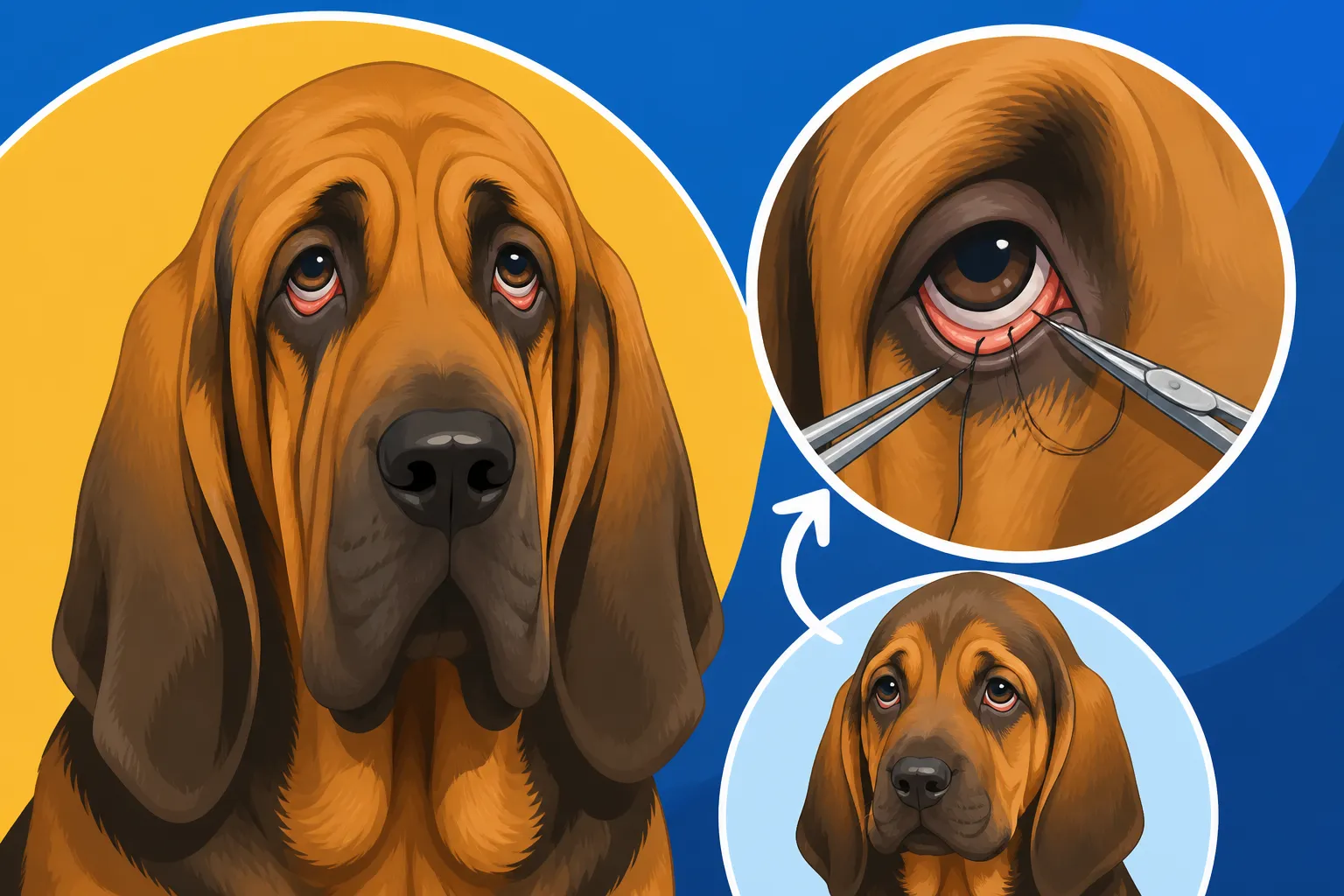
For Bloodhound puppies suffering from severe entropion or ectropion before they reach full maturity, temporary eyelid tacking can be a lifesaver. This procedure involves placing a few temporary stitches in the eyelids to manually evert (for entropion) or invert (for ectropion) the eyelid margin, keeping the hair and lashes off the cornea or reducing exposure, respectively. These stitches are typically left in for a few weeks and then removed.
The primary goal of temporary tacking is to provide immediate relief from pain and to prevent further damage to the eye, particularly the cornea, during the crucial developmental stages. It's a way to "buy time" while the puppy grows, allowing their facial structure to mature without the added burden of chronic eye irritation or infection. This temporary fix can make a huge difference in a puppy's comfort and health. It prevents the development of corneal scarring and can reduce the risk of permanent vision impairment.
Often, puppies will need temporary tacking multiple times as they grow, as the stitches may not hold for long, or as their face continues to change. While it's a temporary solution, it's a vital one that showcases a veterinarian's commitment to patient well-being while observing the optimal window for a definitive surgical repair. It’s important to note that this is usually for more severe cases, and your vet will assess if this intermediate step is truly needed.
The Surgical Process and Post-Operative Care
When the decision is made to proceed with permanent eyelid correction, understanding the surgical process and the subsequent recovery period is crucial. This insight helps prepare owners for what to expect and ensures the best possible outcome for their Bloodhound.
What Eyelid Tacking Entails
The term "eyelid tacking" can be a bit general, often referring to various surgical techniques aimed at correcting ectropion or entropion. For permanent correction, the procedure typically involves a veterinary ophthalmologist or a skilled general practitioner making precise excisions of skin or muscle tissue around the eyelid. The goal is to carefully reshape the eyelid margin, either by tightening it or removing excess skin, to achieve a natural and functional position.
For entropion, the surgeon will remove a small crescent-shaped piece of skin and muscle from just below the eyelid, and then suture the remaining edges together. This tightens the lid and causes it to roll outwards, away from the cornea. For ectropion, the approach might involve removing a wedge of tissue from the outer corner of the eyelid, shortening the lid, or using a technique that everts the lid into a more natural position. The specific technique chosen will depend on the severity and type of condition, as well as the individual Bloodhound's facial anatomy. The entire procedure is performed under general anesthesia, and your dog will likely have pre-anesthetic bloodwork done to ensure they are healthy enough for surgery. You might find more detail about Whether a Bloodhound's Eyelid Surgery Needs a Specialist if the case is complex.
The surgeon's precision is paramount, as over-correction or under-correction can lead to new problems or necessitate further surgery. The aim is to create a functional eyelid that protects the eye, allows for proper tear drainage, and maintains as much of the breed's characteristic appearance as possible, without compromising eye health.
Recovery and Long-Term Management
Post-operative care is just as critical as the surgery itself for a successful outcome. Your Bloodhound will likely come home with an Elizabethan collar (e-collar or "cone of shame") to prevent them from rubbing or scratching at the surgical site, which could pull out stitches or introduce infection. Expect some swelling and bruising around the eyes for the first few days. Pain medication, anti-inflammatory drugs, and sometimes antibiotics will be prescribed to manage discomfort and prevent infection. You’ll also likely need to apply topical eye drops or ointments.
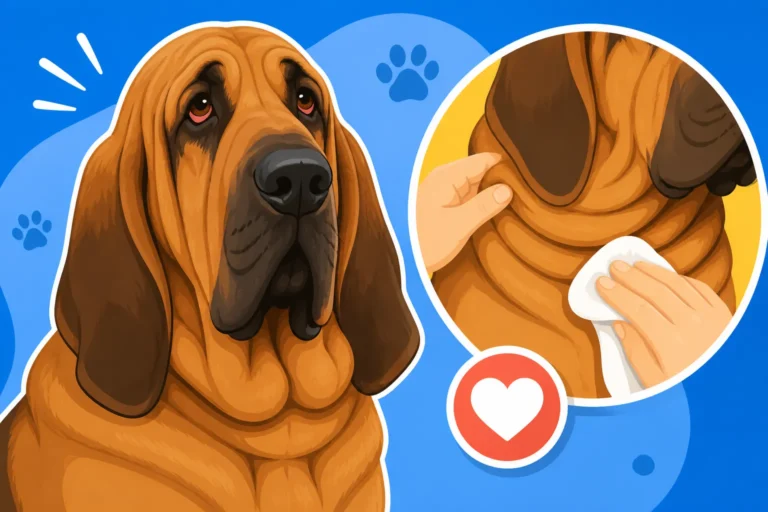
During recovery, it’s essential to keep the surgical site clean and dry. This often means gentle cleaning around the eyes with a sterile saline solution, as directed by your vet. Restricting activity is crucial to prevent accidental injury to the healing eyelids. Most stitches are dissolvable, but some may need to be removed by your vet in 10-14 days. Full recovery usually takes a few weeks.
While eyelid surgery is highly effective, it’s important to understand that in some cases, especially with very severe or complex conformational issues, a second minor touch-up surgery might be required later. This isn't common, but it's a possibility to be aware of. Long-term, you'll need to continue monitoring your Bloodhound's eyes for any signs of irritation or recurrence, though successful surgery should significantly improve their quality of life and reduce the incidence of chronic eye problems. Ongoing regular veterinary check-ups are always a good idea to catch any issues early.
Making the Decision and Financial Considerations
Deciding to pursue surgery for your Bloodhound's eyelids is a significant choice, both emotionally and financially. It involves careful consideration, expert advice, and an understanding of the potential costs and how to manage them.
Consulting Your Veterinarian and Specialist
The first and most crucial step in addressing any eyelid issue is a thorough examination by your primary veterinarian. They can assess the severity of the condition, differentiate between ectropion and entropion, and rule out other potential causes of eye irritation. Based on their initial findings, your vet may recommend a referral to a board-certified veterinary ophthalmologist.
A specialist has advanced training and equipment to perform a more in-depth ocular examination, including precise measurements of eyelid length and tension, tear production tests, and evaluation for corneal damage. They can provide a definitive diagnosis and recommend the most appropriate surgical technique tailored to your Bloodhound's specific anatomy and needs. This consultation is invaluable for discussing the optimal timing for surgery, understanding the prognosis, and asking any questions you have about the procedure and recovery. Don't hesitate to seek a second opinion if you feel it's necessary. After all, your Bloodhound's comfort and vision are at stake. This proactive step can prevent you from facing more serious issues like Signs a Bloodhound Has a Corneal Ulcer.
Costs and Insurance Support
Eyelid surgery for Bloodhounds, particularly when performed by a specialist, can be a significant financial undertaking. The cost can vary widely depending on your geographic location, the specific veterinary practice, the complexity of the procedure, and whether one or both eyes require correction. Generally, you can expect to pay anywhere from several hundred to a couple of thousand dollars per eye. This estimate often includes the surgical fee, anesthesia, pre-operative bloodwork, post-operative medications, and follow-up appointments. For many owners, this expense is unforeseen, making it challenging to manage. Articles like Eyelid Surgery Is the Bill Bloodhound Owners Do Not Expect detail these costs.
This is where pet insurance can be a tremendous help. Companies like Healthy Paws offer comprehensive pet insurance plans that can cover a significant portion of unexpected veterinary costs, including those for corrective surgeries like eyelid tacking. If your Bloodhound developed ectropion or entropion after enrolling in a policy and serving any applicable waiting periods, Healthy Paws could help reimburse you for eligible veterinary bills. This can provide immense peace of mind, allowing you to focus on your Bloodhound's recovery without the added stress of financial strain. It's always a good idea to review different pet insurance plans carefully, understand what they cover, their deductibles, reimbursement rates, and any breed-specific exclusions or waiting periods. Being prepared financially can make the decision to move forward with necessary surgery much easier.
| Feature | Temporary Eyelid Tacking (Puppies) | Permanent Eyelid Surgery (Older Bloodhounds) |
|---|---|---|
| Purpose | Immediate relief, prevent damage while growing | Definitive correction of eyelid position |
| Timing | As needed in puppies (typically < 6-12 months) | Once head size is mature (6-18 months, often later) |
| Procedure | Simple sutures to reposition lid temporarily | Surgical excision of tissue to reshape lid |
| Duration | Stitches in for ~2-4 weeks, then removed | Permanent change, stitches typically dissolvable/removed |
| Anesthesia | Light sedation or general anesthesia | General anesthesia |
| Recovery | Relatively quick, monitor for stitch removal | Longer, requires e-collar, pain meds, restricted activity |
| Cost | Lower (often multiple times if needed) | Higher (typically one-time permanent fix) |
| Repeatability | Often repeated as puppy grows | Generally a one-time procedure, touch-ups possible |
| Insurance | May be covered if medically necessary | Generally covered if not a pre-existing condition |
Conclusion: Prioritizing Your Bloodhound's Comfort and Vision
Navigating eyelid issues in a Bloodhound requires a careful balance of patience, observation, and timely veterinary intervention. While their characteristic droopy eyes are undeniably charming, they can unfortunately be a doorway to significant discomfort and health challenges. Understanding the nuances of conditions like ectropion and entropion, and knowing the optimal window for surgical correction, is paramount for responsible ownership.
The journey might involve temporary measures in puppyhood to safeguard developing eyes, leading to a more definitive surgical correction once your Bloodhound's facial structure has fully matured. This thoughtful approach ensures the best possible long-term outcome, preserving their vision and enhancing their quality of life. Always partner closely with your veterinarian and, if recommended, a veterinary ophthalmologist, to create a tailored plan for your unique Bloodhound. Being proactive and informed will allow you to confidently address these issues, ensuring your beloved scent hound can see the world clearly and comfortably for years to come.
Disclaimer
The information provided in this article is for educational purposes only and is not intended to be a substitute for professional veterinary advice, diagnosis, or treatment. Always seek the advice of your veterinarian or other qualified animal health provider with any questions you may have regarding a medical condition or treatment plan for your Bloodhound. Never disregard professional veterinary advice or delay in seeking it because of something you have read in this article.