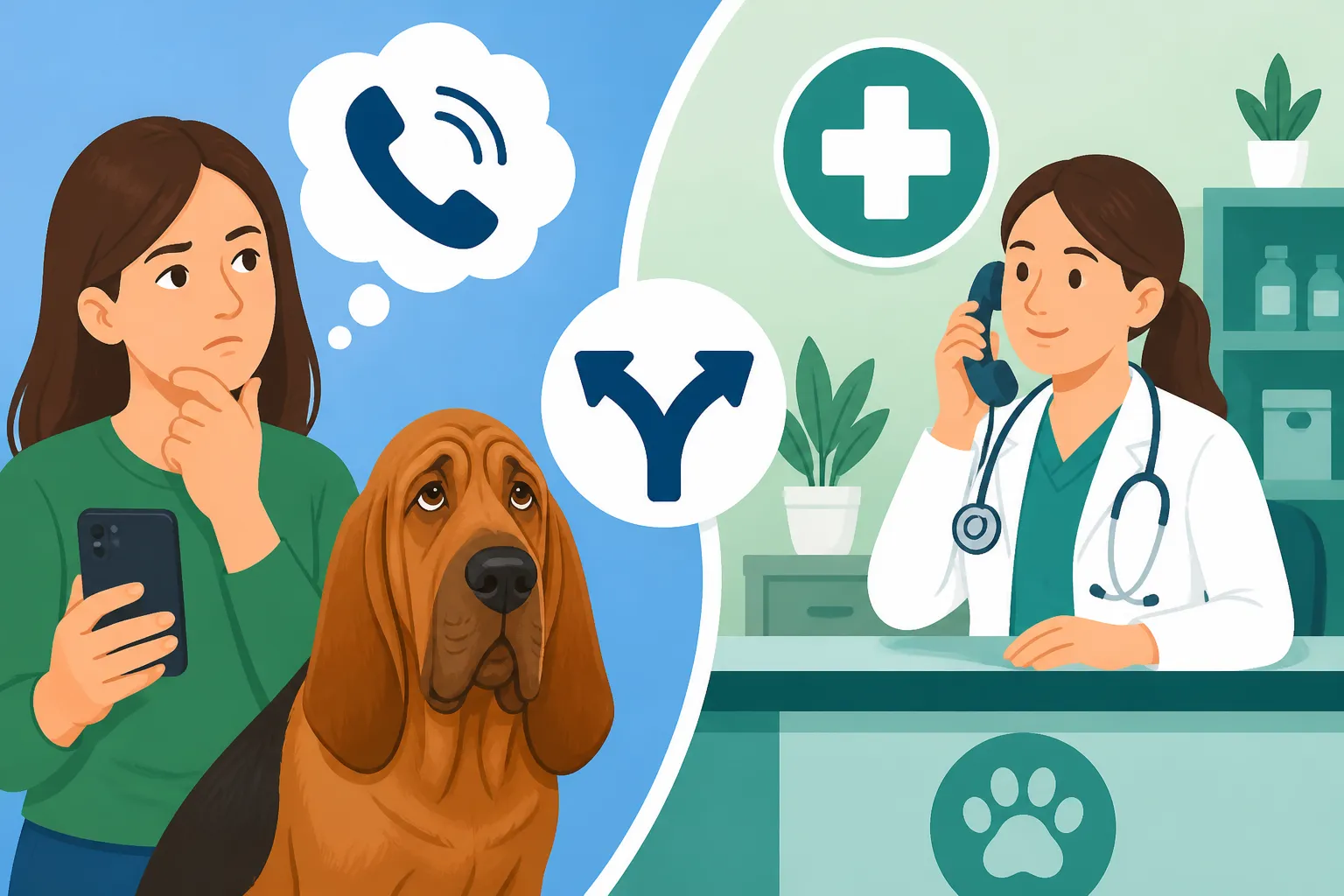
Whether a Bloodhound Owner Should Call Ahead to the Clinic
That sudden, gut-wrenching realization that something is profoundly wrong with your Bloodhound can send any owner into a tailspin of panic. It’s a fear many of us have faced – seeing our usually boisterous or stoic hound suddenly quiet, in pain, or exhibiting alarming symptoms. In those moments of extreme stress, every decision feels monumental, and the question of what to do first often boils down to: "Should I just rush them to the vet, or call ahead?" This guide is here to tell you definitively that a quick phone call, even when seconds feel like hours, is not just helpful but often absolutely crucial for your Bloodhound’s best chance at survival and recovery.
The Critical Importance of a Heads-Up Call to Your Vet Clinic
When a Bloodhound, a breed known for its impressive size and often stoic nature, shows signs of distress, it's rarely a minor issue. Their physical characteristics and predisposition to certain conditions mean that what might be a moderate concern in a smaller dog can escalate rapidly into a life-threatening emergency for them. Thinking clearly in such a high-stress situation is tough, but understanding why that quick call is vital can make all the difference.
Why Every Second Counts in a Bloodhound Emergency
Let's be blunt: for some Bloodhound emergencies, time isn't just a factor; it's the only factor. We're talking about conditions that can go from bad to catastrophic in minutes, not hours. The most notorious of these is Gastric Dilatation-Volvulus, or bloat, where the stomach twists on itself, trapping gas and cutting off blood supply. Many Bloodhound owners dread this silent killer, and rightly so. If you've ever wondered How Fast Bloat Kills a Bloodhound, the answer is terrifyingly fast. The pressure builds, blood flow is compromised, and organs start to die.
Beyond bloat, think about severe trauma – a sudden impact, a deep laceration, or a fall. Internal bleeding, shock, and pain can quickly incapacitate your large dog. Poisons, too, work through their system with alarming speed due to their size and metabolism. In these situations, your vet clinic isn't just a building; it's a critical care unit, and they need every moment they can get to prepare for your Bloodhound’s arrival. Delaying that initial communication can literally be the difference between life and death because the staff won't have critical time to mobilize.
Preparing the Veterinary Team for Your Arrival
Imagine pulling up to an emergency room with a gravely ill family member, and the medical team is completely unprepared. That's what happens if you don't call ahead for your Bloodhound. When you make that call, you're not just reporting a problem; you're activating a carefully choreographed emergency response.
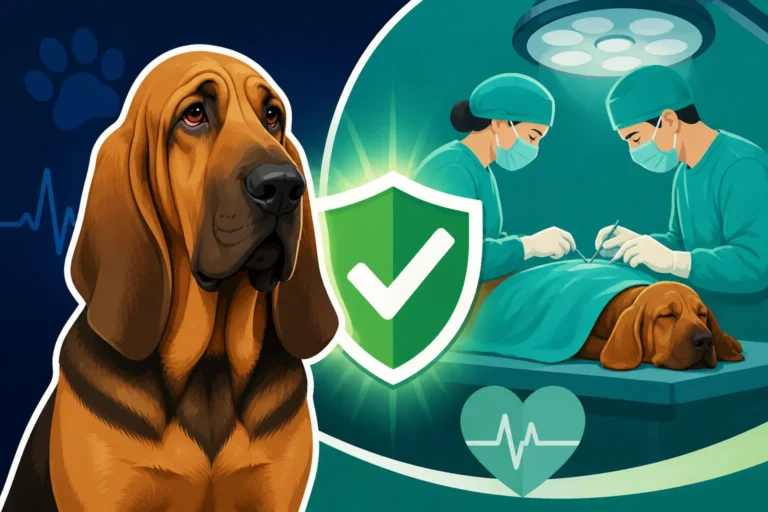
Firstly, your call allows the veterinary team to assess the situation and determine the urgency. They can then spring into action. This means a veterinarian can drop what they're doing and mentally prepare for the potential case. Technicians can begin setting up an IV drip stand, grabbing oxygen masks, preparing necessary medications, and ensuring the surgical suite is ready for a potential emergency operation, like the urgent surgery required for a bloat episode. They might even have an ultrasound or X-ray machine warmed up and waiting. The right examination room can be prepped, cleared of other patients, and stocked with specialized equipment for a large breed like a Bloodhound. This isn't just about efficiency; it's about minimizing the crucial time between your Bloodhound's arrival and the start of life-saving treatment. They can prioritize your dog and avoid the typical check-in process that would otherwise delay care.
What Information to Have Ready When You Call
When panic sets in, it’s easy for our minds to go blank, but having a few key pieces of information ready for that call can save precious time. The veterinary staff needs a concise, clear picture to understand the severity and prepare appropriately.
Start by clearly stating your Bloodhound's breed, age, and approximate weight. This gives them an immediate understanding of the patient. Next, describe the specific symptoms you are observing. Is your Bloodhound pacing, drooling excessively, or retching without producing anything? This specific detail, known as non-productive retching, is a hallmark sign of bloat. Is their abdomen distended, hard to the touch, and painful? Are they collapsed, disoriented, or having trouble breathing? Describe the onset of these symptoms – when did you first notice something was wrong, and how quickly have they progressed? For example, noting that your Bloodhound went from seemingly normal to severely distressed in under an hour is vital information. Also, share any relevant medical history. For instance, if your Bloodhound has had a preventive gastropexy, that changes the potential diagnosis and treatment plan significantly. Even if you're panicking, try to gather these facts quickly before dialing. It helps the team prioritize and allocate resources even before you arrive.
Navigating the Drive and Arrival with a Bloodhound in Crisis
The drive to the clinic can feel like an eternity, filled with fear and uncertainty. While calling ahead sets the stage for a rapid medical response, your actions during transport and upon arrival are equally important in ensuring your Bloodhound receives the immediate attention they desperately need.
Maintaining Calm (As Much As Possible) During Transport
It’s completely natural to be overwhelmed with fear and anxiety when your beloved Bloodhound is in distress. However, your Bloodhound can sense your emotional state, and your panic can exacerbate their own stress, potentially worsening their condition. Take a few deep breaths. Your primary goal is to get your dog to the clinic safely and swiftly.
If possible, have a second person drive while you tend to your Bloodhound, or at least keep them calm. Speak to them in soothing tones. Ensure they are as comfortable as they can be in the vehicle; a large dog like a Bloodhound might need to lie down. If you suspect bloat, try to keep them as still as possible to minimize any further twisting of the stomach. If you’re alone, focus on driving safely and directly to the clinic. Remember, frantic driving risks an accident, which would only make a terrible situation worse. The best thing you can do for your Bloodhound at this moment is to deliver them to professional care as quickly and calmly as your situation allows. Many owners wonder What to Do on the Drive With a Bloating Bloodhound – the key is often to maintain a steady course and avoid sudden movements, while staying calm yourself.
What to Expect When You Arrive at the Clinic
When you’ve called ahead, your arrival at the veterinary clinic won't be like a routine check-up. Expect a focused, urgent response. Often, staff will be waiting outside or immediately inside the entrance with a gurney or stretcher for your large Bloodhound. You might be directed past the waiting room directly into a treatment area. This isn't a sign of rudeness; it's rapid triage and care in action.
The veterinary team will perform a swift initial assessment, checking vital signs, assessing pain levels, and looking for immediate life threats. They might immediately place an IV catheter for fluids or administer pain medication. You'll likely be asked to briefly reconfirm the symptoms and timeline you already provided over the phone. While they work on stabilizing your Bloodhound, they'll gather more in-depth information. Be prepared for a flurry of activity around your dog; this is the team doing everything in their power to save your companion.
Financial Considerations in an Emergency
Let's face it: veterinary emergencies are incredibly stressful, and the added worry of cost can be overwhelming. Emergency care, especially for a large breed like a Bloodhound, can quickly become expensive. Procedures like emergency bloat surgery can run into thousands of dollars. Having a conversation about potential costs, even briefly, may happen soon after your Bloodhound is stabilized.
This is where planning ahead truly pays off. Many Bloodhound owners choose to invest in pet insurance. Companies like Healthy Paws can provide significant financial relief during emergencies, covering a large percentage of unexpected veterinary bills after your deductible is met. It’s definitely worth considering Whether Pet Insurance Is Worth It on a Bloodhound long before an emergency strikes. If you don't have insurance, clinics often offer payment plan options, or you might need to use an emergency fund or a credit line. Don't let financial concerns delay life-saving treatment; discuss options openly with the clinic staff, who are usually very understanding and can guide you through the available choices. Getting a general idea of What Emergency Bloat Surgery Costs on a Bloodhound can prepare you somewhat, but always remember costs can vary.
Scenarios Where Calling Ahead is Absolutely Non-Negotiable
While calling ahead is always a good idea in a veterinary emergency, there are specific situations where it becomes an absolute necessity. For Bloodhound owners, understanding these critical moments can be a literal lifesaver.
Suspected Gastric Dilatation-Volvulus (Bloat)
This cannot be stressed enough: if you suspect your Bloodhound is bloating, calling ahead is the single most important action you can take. Bloat is a true veterinary emergency, and the survival rate is directly tied to how quickly treatment begins. Bloodhounds, with their deep, narrow chests, are particularly prone to this condition. If you see your Bloodhound trying to vomit but nothing comes up, if their abdomen is distended and hard like a drum, or if they're acting restless, pacing, and showing signs of extreme discomfort, get on the phone immediately.
These symptoms, especially the non-productive retching, are red flags. You might also notice them taking a peculiar stance known as The Prayer Position a Bloating Bloodhound Takes, with their front end down and rear end up, as if trying to relieve pain. Every minute counts because the twisting of the stomach quickly cuts off blood supply, leading to shock and potential organ damage. It's a sobering fact that Whether Bloat Accounts for a Quarter of Bloodhound Deaths is a question many owners face, and it often does. Your quick call gives the vet team time to prepare for surgical intervention or immediate decompression upon your arrival, which is the only way to save a dog with a twisted stomach.
Severe Trauma or Acute Injury
Accidents happen, and with a large, active dog like a Bloodhound, they can be particularly devastating. If your Bloodhound has been hit by a car, fallen from a height, or been involved in a serious fight with another animal, calling the vet clinic is paramount. Even if you don't see obvious external injuries, there could be significant internal trauma.
Symptoms like heavy bleeding, fractured bones, severe lameness, or signs of shock (pale gums, rapid breathing, weakness) demand immediate veterinary attention. A phone call allows the clinic to prepare for triage, gather appropriate splinting materials, arrange for immediate diagnostic imaging, or even alert a surgeon if needed. For instance, if your Bloodhound has a deep wound, they can ensure sterile drapes and wound care supplies are ready. This advanced preparation minimizes delays in getting your dog the critical care they need to stabilize their condition and address any life-threatening injuries.
Sudden Onset of Severe Illness
Sometimes, illness strikes with alarming speed, leaving your Bloodhound suddenly debilitated. This could manifest as severe difficulty breathing, sudden collapse, uncontrolled bleeding, or repeated, severe seizures. While some Bloodhounds might experience Whether a Bloodhound's Seizures Can Be Controlled with medication, a cluster of seizures or a prolonged one is always an emergency.
If your Bloodhound suddenly loses consciousness, cannot stand, or is struggling desperately to breathe, these are immediate, life-threatening scenarios. The veterinary team needs to prepare oxygen support, intravenous medications, and potentially resuscitation equipment. Your call allows them to clear a path and have staff ready to meet you at the door, streamlining the process and shaving off invaluable minutes that could be the difference between recovery and irreversible decline.
| Emergency Symptom Category | Specific Bloodhound Examples | Urgency of Calling Ahead | Why It Matters for Bloodhounds |
|---|---|---|---|
| Gastrointestinal | Non-productive retching, distended abdomen, extreme pain | Immediate (Critical) | Bloat (GDV) is rapid, fatal without intervention. Prep for surgery/decompression is vital. |
| Traumatic Injury | Hit by car, large laceration, severe fall, broken bone | Immediate (High) | Internal bleeding, shock, and pain need immediate stabilization and diagnostics. |
| Respiratory Distress | Gasping, struggling to breathe, blue gums | Immediate (Critical) | Airway obstruction or severe lung issues require immediate oxygen and medical support. |
| Neurological | Seizures (especially clusters), sudden collapse, disorientation | Immediate (High) | Requires rapid assessment, seizure control, and potentially advanced imaging. |
| Severe Bleeding | Uncontrolled external bleeding, bloody vomit/stool | Immediate (High) | Can quickly lead to shock due to large blood volume loss in a big dog. |
Beyond the Emergency: Why a Proactive Relationship with Your Vet Matters
While we hope you never face an emergency with your Bloodhound, being prepared and having a strong relationship with your veterinary team can offer immense peace of mind. It’s about building a foundation of care that extends beyond urgent situations.
Establishing an Emergency Plan Before It's Needed
Don't wait until panic sets in to figure out your emergency plan. Take some time now to understand your regular veterinarian's emergency protocols. Do they have after-hours services? If not, identify the closest 24/7 emergency veterinary clinic and save their number in your phone. Map out the fastest route. Knowing exactly where to go and who to call can shave precious minutes off response time in a crisis.
Consider discussing preventive measures with your vet, such as The Gastropexy Decision Every Bloodhound Owner Faces. A gastropexy, which tacks the stomach to the abdominal wall, significantly reduces the risk of recurrence of bloat by preventing the stomach from twisting, although it doesn't prevent gas dilatation. It's a proactive step that can save your Bloodhound's life and give you immense peace of mind. Understanding What a Preventive Gastropexy Does for a Bloodhound is an important conversation to have with your vet when your Bloodhound is young and healthy.
Keeping Your Bloodhound's Records Up-to-Date
Having current and accessible medical records for your Bloodhound is surprisingly helpful, even in emergencies. If you end up at an unfamiliar emergency clinic, they’ll need to know basic health information, vaccination status, and any existing medical conditions or medications your dog is on.
Many veterinary clinics now offer online portals or apps where you can access your Bloodhound’s records. Keep a digital or physical copy of essential information readily available. This not only streamlines care but can also save time during the intake process at an emergency clinic. If you have pet insurance like Healthy Paws, having up-to-date records also makes the claims process smoother when you're already dealing with the aftermath of an emergency. This ensures they have all the details about your Bloodhound’s health, from past ear infections (A Bloodhound's Ears Are a Standing Infection Risk) to any previous eye issues like Signs a Bloodhound Has a Corneal Ulcer.
The Peace of Mind a Good Vet Relationship Offers
Ultimately, building a trusting and open relationship with your veterinarian is invaluable. They know your Bloodhound’s personality, quirks, and health history. This familiarity can be incredibly beneficial in diagnosing and treating emergencies, as they have a baseline understanding of what's "normal" for your dog.
Having a vet who understands the unique health challenges and breed predispositions of Bloodhounds, such as their susceptibility to bloat (which is What Most Bloodhounds Actually Die Of), hip dysplasia, or chronic ear infections, allows for more tailored advice and proactive care. They can guide you on preventive strategies, alert you to potential issues, and be a trusted resource in those terrifying moments when you realize your beloved companion needs urgent help. Knowing you have a dedicated team ready to spring into action because you made that crucial phone call provides a level of reassurance that money simply can't buy.
Disclaimer
This article is intended for informational purposes only and does not constitute professional veterinary advice. Always consult with a qualified veterinarian for any health concerns or emergencies regarding your Bloodhound.