Whether the American Bloodhound Club Keeps a Health Registry
One of the biggest concerns for anyone bringing a Bloodhound into their life is their health and lifespan. It's a heavy topic for such a deeply beloved breed, and many prospective owners naturally wonder if there’s a central, official "health registry" maintained by the American Bloodhound Club to ensure they're making an informed choice about a puppy. This guide dives into how breed health is managed within the Bloodhound community, clarifying the role of the parent club and the essential resources available to you.
The American Bloodhound Club's Role in Health
When you’re looking at a specific dog breed, it’s only natural to wonder who’s watching over the whole picture of their health. For Bloodhounds, that responsibility largely falls to the American Bloodhound Club (ABHC). This isn't just a group for showing dogs; it's the official parent club recognized by the American Kennel Club (AKC), and their mission extends to safeguarding the breed's health, temperament, and purpose.
Understanding the Parent Club's Mission
Think of a parent club as the guardian of the breed. They set the standards, not just for what a Bloodhound looks like in the show ring, but also for what it should be in terms of health and soundness. This is incredibly important for a breed like the Bloodhound, which, despite its incredible working ability and gentle nature, does come with its share of potential genetic health challenges. The ABHC works to educate both breeders and the public on these concerns. They don't just sit back and watch; they actively guide the breed community towards better health practices. This includes sponsoring research, providing educational materials, and outlining what responsible breeding truly entails. A key part of their role is encouraging transparency and diligence among breeders, urging them to make informed decisions that prioritize the long-term well-being of the breed, not just immediate wins or quick sales. They understand the heartbreak that comes with a beloved hound facing preventable health issues, and they strive to minimize that risk for future generations.
Official Health Screening Recommendations
While the American Bloodhound Club doesn't operate a centralized database of every individual dog's health results, they are very clear about what health screenings are expected from responsible breeders. This is crucial for maintaining the integrity and health of the Bloodhound line. They publish recommendations for specific tests that address the most prevalent and serious genetic health issues in the breed. For instance, joint problems are a significant concern, so screenings for Hip and Elbow Dysplasia in the Bloodhound are paramount. Breeders are advised to have their breeding stock evaluated by organizations like the Orthopedic Foundation for Animals (OFA).
Beyond joints, eye health is another area of focus. Bloodhounds, with their distinctive droopy eyelids, are prone to certain conditions. Therefore, breeders are encouraged to have their dogs' eyes examined by a board-certified veterinary ophthalmologist to screen for conditions like ectropion, entropion, and others covered in topics like The Four Eye Problems a Bloodhound Is Born Toward. Heart health and thyroid function are also on the list, with recommendations for cardiac exams and thyroid panels to detect issues such as Hypothyroidism in a Bloodhound. These screenings aren't just suggestions; they represent the best practices derived from years of veterinary science and breed-specific research, aiming to ensure that puppies produced have the best possible start to a healthy life. It’s about building a foundation of health through careful, considered breeding.
How the ABHC Promotes Health Without a Central Registry
It might seem counterintuitive that a parent club wouldn't have its own central health registry, but the ABHC achieves its goals through promotion and integration with existing, reputable health databases. Instead of duplicating efforts, the ABHC strongly advises and expects its member breeders to utilize recognized independent health registries, primarily the Orthopedic Foundation for Animals (OFA) and the Canine Eye Registry Foundation (CERF), now known as CAER (Companion Animal Eye Registry). When a breeder completes the recommended health tests – hips, elbows, eyes, cardiac, and thyroid – and submits them to OFA, those results become publicly accessible. This means that while the ABHC doesn't host the data itself, it directs breeders to platforms that do, making it possible for prospective puppy owners to verify health clearances independently.
The ABHC also offers resources and educational materials to help members understand the importance of these screenings and how to properly interpret results. They provide guidance on what specific certifications mean and encourage members to strive for Canine Health Information Center (CHIC) numbers for their breeding dogs. A CHIC number indicates that a dog has had all the health screenings recommended by the parent club (in this case, the ABHC) and that the results, whether passing or failing, are publicly available. This system fosters transparency and accountability within the breeding community, effectively serving the purpose of a health registry without the overhead of creating and maintaining a separate database. This distributed approach leverages existing veterinary infrastructure and expertise, ensuring broad participation and standardized results.
Navigating Public Health Databases for Bloodhounds
Understanding that the American Bloodhound Club points breeders to external registries, your next step as a prospective Bloodhound owner is to learn how to use these public databases effectively. These tools are your best friends in verifying a breeder's claims and making an informed decision about your future companion.
The Orthopedic Foundation for Animals OFA Database
The Orthopedic Foundation for Animals, universally known as OFA, is the gold standard for canine health databases in North America. It’s an open-access resource where you can search for individual dogs and their health clearances across many breeds, including Bloodhounds. OFA collects and archives health screening results for genetic diseases such as hip and elbow dysplasia, patellar luxation, various eye conditions, cardiac issues, and thyroid disorders. For Bloodhounds, the primary focus is on hips, elbows, eyes, and sometimes cardiac and thyroid.
Here’s how it typically works: a veterinarian, often a specialist, performs the required diagnostic tests—like X-rays for hips and elbows, or an eye exam for inherited eye diseases. The results are then submitted to OFA, where a panel of experts reviews them. Once certified, these results are uploaded to the public database. You can go to the OFA website and search by a dog's registered name, registration number, or even by its sire or dam. This allows you to trace lineage and see the health history of multiple generations, which is incredibly powerful when evaluating a breeder. You can see, for example, if a puppy's parents, grandparents, and even great-grandparents have passed their hip and elbow evaluations, giving you a clearer picture of the genetic predisposition of the litter.
Interpreting Health Certifications
When you dive into the OFA database, you'll encounter a variety of terms and ratings. Understanding what these mean is crucial. For hip clearances, results range from Excellent, Good, Fair (all considered passing), to Borderline, Mild, Moderate, or Severe Dysplasia (all non-passing). A responsible breeder will only use dogs with passing hip scores – ideally Good or Excellent – for breeding. You might sometimes see a breeder say a dog has "Fair" hips; this is still a passing grade, but many strive for better. Similarly, elbow clearances are either normal or show varying grades of dysplasia (Grade I, II, or III). Only dogs with normal elbows should be bred.
Beyond joints, eye certifications are typically listed as "Normal" or indicate specific conditions found. These are often renewed periodically because some eye conditions can develop later in life. For cardiac clearances, results might show "Normal" or indicate the presence of a murmur or other abnormality. A "CHIC" number is a particularly good sign, as it means the dog has completed all the health tests recommended by the American Bloodhound Club for Bloodhounds, and the results are publicly available. It doesn't mean the dog is perfect, but it does mean the breeder is being transparent about known genetic health issues. For a breed like the Bloodhound, whose physical structure can lead to certain issues, like Why a Bloodhound's Chest Shape Causes Bloat or specific eye challenges, these certifications are your safeguard against unforeseen problems. While insurance providers like Healthy Paws can help manage unexpected veterinary costs, proactive health testing by breeders is the first line of defense.
The Value of Health Testing Certificates
The health testing certificates found on databases like OFA aren't just pieces of paper; they are your direct line to understanding the genetic health potential of a Bloodhound puppy. They provide tangible, verifiable proof that the breeder has taken proactive steps to screen for common inherited conditions that can severely impact a dog's quality of life and your veterinary bills. Without these certifications, you're essentially buying a puppy blind, relying solely on a breeder's word, which, while sometimes trustworthy, isn't enough when thousands of dollars and years of emotional investment are on the line.
Consider a breeder who can show you OFA Excellent hips on both parents, grandparents, and even some great-grandparents. This lineage significantly reduces the risk of your puppy developing Hip Dysplasia in a Bloodhound. While no test is 100% foolproof, and genetics are complex, such a track record is a strong indicator of a commitment to sound health. The absence of these certifications, or a breeder's unwillingness to provide them, should be a major red flag. This transparency allows you to make an educated decision, not just an emotional one, helping you avoid preventable heartache and substantial veterinary expenses down the road. It empowers you to become a responsible pet owner from the very beginning, ensuring you support ethical breeding practices that prioritize the health and longevity of the magnificent Bloodhound breed.
Here is a table summarizing key Bloodhound health concerns and associated OFA screenings:
| Health Concern | OFA Screening Type | Typical Screening Age | Importance for Bloodhounds |
|---|---|---|---|
| Hip Dysplasia | Radiographs (X-rays) | 24 months + | Prevents painful arthritis, limits mobility |
| Elbow Dysplasia | Radiographs (X-rays) | 24 months + | Causes lameness, chronic pain, early arthritis |
| Eye Conditions (Ectropion, Entropion, etc.) | CAER Exam (Ophthalmologist) | 12 months +, annually | Can lead to corneal ulcers, vision impairment, chronic irritation |
| Cardiac Disease | Auscultation, Echocardiogram | 12 months + | Detects inherited heart conditions, critical for breeding decisions |
| Hypothyroidism | Thyroid Panel (Blood Test) | 12 months + | Affects metabolism, coat, energy levels; manageable with medication |
The Buyer's Responsibility: Asking the Right Questions
As much as reputable breeders do their part, the ultimate responsibility for finding a healthy Bloodhound puppy lies with you, the prospective owner. It's not about being suspicious, but about being diligent and informed. You have every right, and indeed, a duty, to ask probing questions and demand transparency.
What to Ask a Bloodhound Breeder About Health
When you connect with a Bloodhound breeder, your first set of questions should revolve around health clearances. Don't be shy; a good breeder welcomes these questions. Start by asking if both parents of the litter have received all the health screenings recommended by the American Bloodhound Club. Specifically inquire about OFA certifications for hips and elbows, and current CAER (eye) certifications. Ask for the registered names of the sire and dam so you can look up their results on the OFA public database yourself. A truly transparent breeder will not only provide this information readily but will often have copies of the certificates available for your review.
You should also ask about the health history of previous generations, not just the parents. Have any siblings or close relatives of the parents developed significant health issues? Are there any instances of Bloat Is What Kills Most Bloodhounds in their lines, even though it's not a genetic screening test, it's a huge concern for the breed? What kind of health guarantee do they offer, and what does it cover? A comprehensive health guarantee should cover genetic conditions for a reasonable period, usually the first year or two of life. Be wary of breeders who are vague, defensive, or claim their dogs are "vet checked" but can't produce official, verifiable clearances. This is your chance to really understand Whether a Bloodhound Should Be Screened Before Breeding and what that means for your future puppy.
Beyond the Paperwork: Observing the Parents
While health certificates are essential, they are only part of the picture. When possible, it's incredibly valuable to visit the breeder's facility and meet the parent dogs, especially the dam. Observe them closely. Do they appear healthy, active, and well-cared for? Look for clear, bright eyes without excessive discharge or redness, which could be a sign of eye problems. Are their ears clean and free of odor, or do they show signs of chronic infection? Do they move freely without limping or stiffness, indicating sound joint health?
Beyond physical health, pay attention to their temperament. Bloodhounds are known for being gentle and good-natured, so excessive shyness, aggression, or hyperactivity in the parents might be a red flag. A puppy's temperament is heavily influenced by its parents and early environment. A breeder who prioritizes health will also prioritize temperament, ensuring their breeding dogs are not only physically sound but also mentally stable. This personal observation gives you a more holistic view of the dogs you are considering bringing into your home and allows you to gauge the overall quality of the breeding program. It's a chance to see if the reality matches the certifications, making sure you are choosing a puppy from a truly responsible and caring environment.
The Role of Health Guarantees and Contracts
Most reputable Bloodhound breeders will provide a written contract that includes a health guarantee. This guarantee is a crucial safeguard for you, offering recourse if your puppy develops a serious genetic health condition within a specified timeframe. Typically, these guarantees cover severe, debilitating genetic issues like hip or elbow dysplasia, heart defects, or certain eye conditions that might not have been evident at the time of purchase.
It's vital to read and understand the contract thoroughly before you commit. What exactly does the guarantee cover, and for how long? Some guarantees might offer a replacement puppy, while others might provide a partial refund towards veterinary treatment. Be cautious of guarantees that are extremely short (e.g., only a few weeks) or that place unreasonable demands on you, such as requiring you to return the dog if a problem arises. Also, understand that no guarantee can cover every single health issue that might ever occur, especially those that are environmental or arise from accidents. However, a strong health guarantee from a transparent breeder demonstrates their confidence in their breeding practices and their commitment to the long-term well-being of their puppies. It’s a sign that they stand behind their dogs, giving you peace of mind that you're not entirely alone if unexpected health challenges arise, even with companies like Healthy Paws offering robust pet insurance plans. Remember, purchasing a Bloodhound, particularly one from a well-screened lineage, is an investment, as outlined in articles like A Bloodhound's Money Is Spent in the Operating Room and What a Health Tested Bloodhound Puppy Costs.
Supporting Bloodhound Health Research and Initiatives
Being a responsible Bloodhound owner extends beyond ensuring your own dog's health; it also means contributing to the overall well-being of the breed. The collective effort of owners and enthusiasts plays a vital role in advancing veterinary science and improving the genetic health of Bloodhounds for future generations.
How Donations and Participation Help
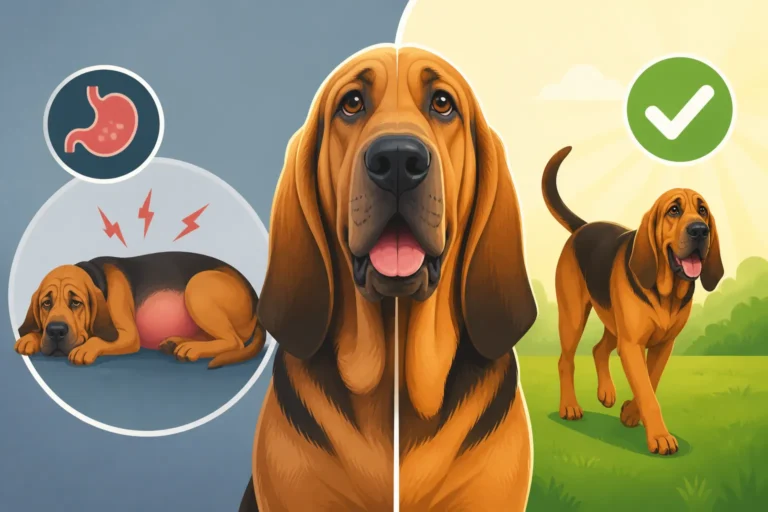
Research into breed-specific health issues is expensive and requires significant resources. Organizations like the American Bloodhound Club, often through dedicated health committees, frequently support or initiate studies aimed at identifying genetic markers for diseases, improving diagnostic techniques, or finding better treatments. These initiatives rely heavily on donations from breed enthusiasts. Even small contributions add up and can fund vital research that uncovers new insights into conditions like bloat, a life-threatening emergency detailed in Bloat Is What Kills Most Bloodhounds, or the complex genetics behind hip and elbow dysplasia.
Beyond financial support, owner participation is invaluable. This can involve sharing your dog's health data with researchers (anonymously, of course), participating in specific studies (e.g., providing blood samples or medical records), or simply being vigilant about your dog's health and reporting any unusual symptoms to your veterinarian and, if appropriate, to the breed club's health committee. By doing so, you contribute to a larger pool of knowledge that benefits the entire breed. Whether your dog is a cherished family pet or a working K9, every piece of information helps build a clearer picture of Bloodhound health. Being part of this larger community effort helps ensure that the Bloodhound, with its unique capabilities and endearing personality, continues to thrive for years to come.
Breed-Specific Health Concerns for Bloodhounds
Bloodhounds, for all their wonderful qualities, do have certain breed-specific health concerns that prospective and current owners should be aware of. While genetic screening helps mitigate many of these, ongoing vigilance and preventive care are key. Hip and elbow dysplasia are at the top of the list for many large breeds, and Bloodhounds are no exception, making careful selection from health-tested parents critical.
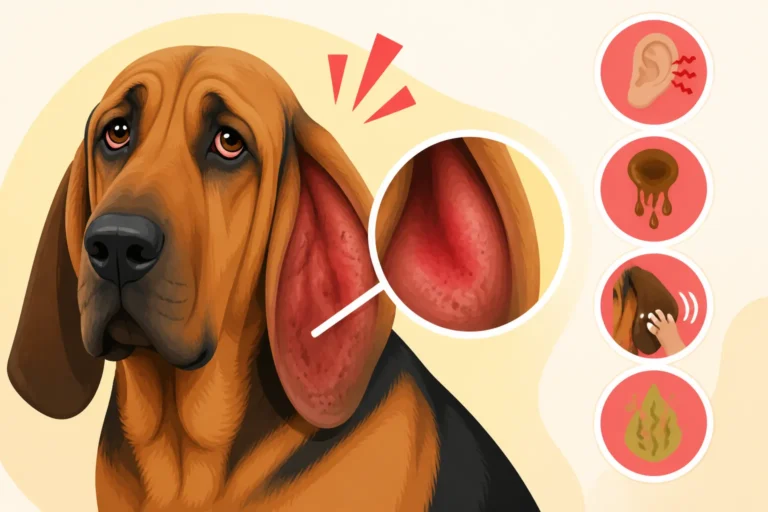
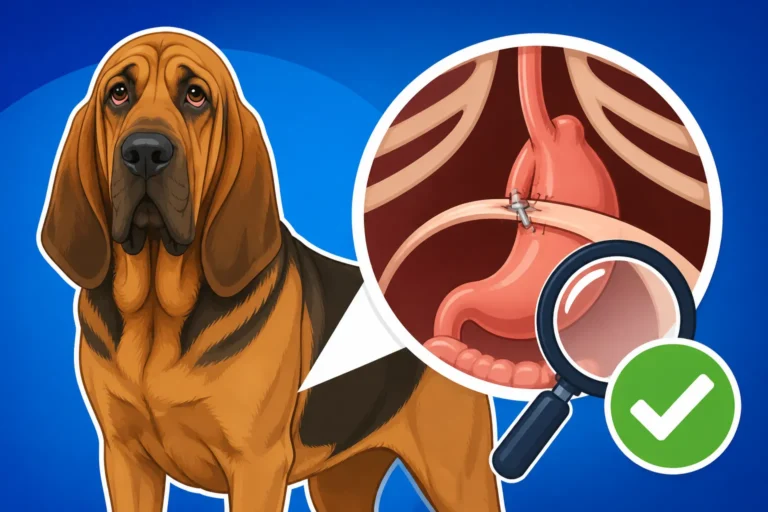
Their distinctive facial structure and long, pendulous ears also predispose them to particular issues. Eye problems such as ectropion (where the lower lid rolls outward) and entropion (where it rolls inward) can cause chronic irritation and require surgical correction, often discussed in depth in resources like Eyelid Surgery Is the Bill Bloodhound Owners Do Not Expect. Similarly, their long, heavy ears create a warm, moist environment ripe for ear infections, requiring diligent cleaning and care, as explored in A Bloodhound's Ears Are a Standing Infection Risk. Bloat, or gastric dilatation-volvulus (GDV), is another emergency that every Bloodhound owner must be aware of. Its rapid onset and life-threatening nature mean owners often consider preventive measures like gastropexy, which is the subject of The Gastropexy Decision Every Bloodhound Owner Faces. While this procedure can significantly reduce the risk of the stomach twisting, bloat remains a serious concern. Other conditions like hypothyroidism and certain heart conditions also appear in the breed, though less frequently than joint and eye issues. Understanding these specific risks allows owners to be proactive in their hound’s care, working closely with their veterinarian for early detection and management, and potentially even considering pet insurance from providers like Healthy Paws to help with the substantial costs associated with these conditions.
Disclaimer
This article is for general informational purposes only and does not constitute professional advice. Laws, prices and regulations vary by location and change over time. Consult a qualified professional for guidance on your specific situation.