Whether a Bloodhound Owner Should Screen for Bloat Genetics
The fear of bloat, or Gastric Dilatation-Volvulus (GDV), is a heavy cloud that hangs over many Bloodhound owners. It’s a terrifying, sudden, and often fatal condition that can strike without much warning, leaving you feeling helpless. When you hear whispers of "genetic predisposition" or "screening," it's natural to wonder if there’s a definitive test or preventative genetic screening you should be doing to protect your beloved hound. This guide will delve into the current understanding of bloat genetics and what practical steps you can take.
The Reality of Bloat Risk in Bloodhounds: More Than Just Genetics
Bloat isn't just a concern for Bloodhound owners; it's often the single biggest health worry we carry. The rapid onset and devastating consequences make it a truly terrifying prospect. Understanding why it's such a threat helps to put the discussion about genetics into perspective.
Why Bloat Haunts Bloodhound Owners
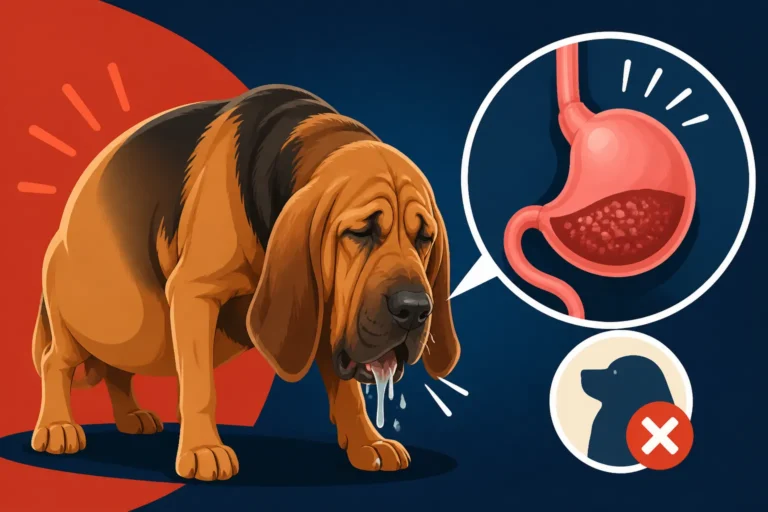
When we talk about bloat, we're really talking about Gastric Dilatation-Volvulus, or GDV. It's not merely a "gassy stomach." This condition involves the stomach filling with gas, fluid, or food (dilatation) and then, critically, twisting upon itself (volvulus). This twist cuts off both ends of the stomach, trapping everything inside, and also kinks off the blood supply. The consequences are dire: rapid shock, organ damage, and if not treated immediately, death. It's a race against the clock, and the signs can escalate quickly. You might see your typically calm Bloodhound pacing, drooling excessively, attempting to vomit without producing anything, and their abdomen may become distended and hard. Recognizing these symptoms quickly is paramount, as the window for intervention is incredibly small. The fact is, Bloat Is What Kills Most Bloodhounds, and the statistics are sobering.
The unique physiology of the Bloodhound, like many deep-chested breeds, plays a significant role in their susceptibility. Their chest conformation creates a larger abdominal cavity, allowing the stomach more room to move and, unfortunately, twist. It’s a sad irony that the very build that makes them such magnificent hounds also puts them at such risk. If you've ever wondered about the mechanics behind this, the article "Why a Bloodhound's Chest Shape Causes Bloat" offers a great explanation of this anatomical predisposition. Once bloat sets in, every minute counts, and it's truly horrifying how fast this condition can become fatal. You'll often hear that a dog only has "The Half Hour a Bloating Bloodhound Has" before the chances of survival plummet drastically.
The Multifactorial Nature of Bloat
While genetics certainly play a part, it’s crucial to understand that bloat is a multifactorial disease. This means it doesn't just boil down to one specific gene or a single cause. Instead, it’s a complex interplay of several elements: genetics, diet, feeding practices, lifestyle, and even your dog's temperament. For example, dogs that eat very quickly, consuming large amounts of food or water in one go, may increase their risk. High-stress situations, vigorous exercise immediately before or after meals, and even certain types of food have all been implicated as potential contributing factors.
We often focus on the physical, but a Bloodhound’s emotional state can also play a role. Anecdotal evidence and some studies suggest that "Whether an Anxious Bloodhound Bloats More" is a valid question, with stress and anxiety potentially increasing susceptibility. It's not just about what goes into their bowl, but also the environment and routine surrounding their meals and daily life. Age can also be a factor, with older Bloodhounds sometimes showing increased risk. All these elements combined mean that while we can look at genetics, we must also adopt a holistic approach to prevention, addressing every known risk factor we possibly can.
Current Understanding of Bloodhound Bloat Genetics
It's completely understandable to want a clear-cut answer, a simple test that tells you if your Bloodhound carries "the bloat gene." The reality, however, is a bit more complicated, and frankly, a bit frustrating for owners seeking definitive answers.
What Research Says About Genetic Predisposition
There is a general consensus within the veterinary and breeding communities that there is a genetic component to bloat susceptibility in Bloodhounds and other deep-chested breeds. This means that certain dogs, and indeed certain family lines, appear to be more predisposed to developing bloat than others, even when other environmental factors are controlled. However, this isn't a simple case of a single "bloat gene" that we can test for with a swab. Bloat is what's known as a polygenic trait, meaning multiple genes, each contributing a small part, are likely involved. Furthermore, these genes probably interact with environmental triggers, making the whole picture incredibly complex.
Early research, such as "What the Purdue Bloat Study Found About Bloodhounds", provided invaluable insights into risk factors, including breed predisposition and family history. While these studies highlight the heritability of risk, pinpointing the exact genetic markers has proven incredibly challenging. Scientists are continuously working on this, but identifying and isolating these multiple genes, and understanding their interactions, takes time and extensive research. For breeders, this means paying close attention to the health history of their breeding stock's relatives, looking for patterns of bloat in parents, grandparents, and siblings. It's the best tool they currently have for making informed breeding decisions to reduce risk in future generations.
The Limitations of "Screening for Bloat Genetics" Today
This brings us directly to the core of your question: "Whether a Bloodhound Owner Should Screen for Bloat Genetics." As of now, there isn't a commercially available, definitive genetic test for bloat in Bloodhounds (or any breed) that an owner can simply order. You won't find a lab offering a "Bloat Gene Panel" that can tell you with certainty if your dog will or will not bloat. This is a significant limitation and often a source of confusion and disappointment for owners who are desperately seeking concrete answers.
Because specific bloat genes haven't been isolated and validated for a simple test, breeders primarily rely on careful pedigree analysis and open communication about bloat incidence within their lines. A responsible breeder will be transparent about any cases of bloat in their dogs' ancestry, even if it's a difficult conversation. They'll also discuss the age of onset and whether those affected dogs had a prophylactic gastropexy. This approach, while not a "genetic screen" in the DNA testing sense, is currently the most informed way to gauge a Bloodhound's potential genetic predisposition based on familial patterns. It's not perfect, but it's the best we have until scientific advancements catch up with our desire for clear genetic markers.
Practical Steps for Bloodhound Owners Concerned About Bloat Risk
Given the current limitations of genetic screening, what can a Bloodhound owner do? Plenty! Proactive measures, from choosing a puppy carefully to preventive surgery and daily management, are your strongest defense.
Pedigree Research and Breeder Transparency
If you're considering adding a Bloodhound puppy to your family, your best "genetic screening" tool is the breeder themselves. A responsible and ethical breeder will be open and honest about the health history of their dogs, including any instances of bloat in their breeding lines. Don't be shy about asking direct questions:
- Have any of your breeding dogs or their close relatives (parents, grandparents, full siblings) ever bloated?
- At what age did the bloat occur?
- Was it a simple bloat (dilatation) or did it involve torsion (volvulus)?
- Did they have a gastropexy before or after the incident?
- What measures do you take to reduce bloat risk in your puppies and adult dogs?
A good breeder isn't just selling a puppy; they're offering a lifetime of support and information. They should be able to provide pedigrees and health records that give you a sense of the bloat incidence in the lineage. While it won't give you a definitive "yes" or "no" for your specific puppy, it helps you choose a puppy from lines with a lower observed incidence of bloat, which is currently the closest we can get to genetic prevention. Look for breeders who are actively involved in the Bloodhound community and prioritize health.
Proactive Veterinary Consultations
Once you have your Bloodhound, regular and open communication with your veterinarian is paramount. Discuss your concerns about bloat openly with them. They can help you assess your individual dog's risk factors based on their build, temperament, and family history (if known). This conversation is crucial because it can lead to discussing the most effective preventive measure currently available: a prophylactic gastropexy.
A gastropexy is a surgical procedure where the stomach is permanently attached to the abdominal wall. This prevents the stomach from twisting (volvulus), which is the life-threatening component of bloat. The stomach can still dilate (fill with gas), but it cannot twist, giving you valuable time to get to the vet for treatment. This procedure is often done electively, either as a standalone surgery or at the same time as a spay or neuter. The article "The Gastropexy Decision Every Bloodhound Owner Faces" delves much deeper into this important choice. When considering such an elective procedure, it's also a good time to consider pet insurance. Companies like Healthy Paws are well-regarded and can help manage unexpected veterinary costs, particularly with a breed prone to emergencies like bloat. It's worth looking into coverage options early, before any pre-existing conditions arise.
Comprehensive Bloat Prevention Strategies for Your Bloodhound
Since definitive genetic screening isn't yet available, and even with a genetic predisposition, environmental factors play a huge role, a comprehensive approach to prevention is your best bet. This means looking at everything from what your Bloodhound eats to how they live their daily life.
Dietary and Feeding Management
How and what you feed your Bloodhound can make a significant difference in reducing bloat risk. Instead of one large meal a day, breaking their food into two or even three smaller meals can reduce the amount of gas and food in the stomach at any one time, making it less likely to distend excessively. Consider feeding your Bloodhound two or three meals a day, rather than one large one. This strategy is highlighted in "How Many Meals a Day a Bloodhound Should Eat".
Using a slow feeder bowl can also be incredibly beneficial. Bloodhounds, being hounds, often eat with gusto and can vacuum down their meals in minutes. A slow feeder makes them work for their food, slowing down ingestion and reducing air swallowing. Hydration is important, but monitor how much water your dog drinks immediately after a meal, as excessive intake can also contribute to stomach distention. Some owners also choose to lightly moisten dry kibble, but avoid soaking it to the point of turning it into a mush, as research on this specific practice's effectiveness is mixed. Ensure a calm, quiet environment for meals, free from stress or competition with other pets.
Lifestyle and Stress Reduction
A Bloodhound's daily routine and overall stress levels can also influence their bloat risk. Dogs that are anxious or highly stressed may be more prone to various health issues, including bloat. If you've ever thought, "Whether an Anxious Bloodhound Bloats More", you're not alone in noticing this potential connection. Maintaining a predictable routine, providing plenty of mental stimulation through scent work, and ensuring adequate (but not excessive) exercise can contribute to a calmer, healthier hound.
It's absolutely critical to avoid strenuous exercise, vigorous play, or high-excitement activities for at least an hour before and two hours after meals. This allows their food to digest more peacefully and reduces the chances of the stomach shifting or twisting. Moderate exercise, like a calm walk or a sniffari, is fine, but save the zoomies for other times. Keeping your Bloodhound at a healthy, lean weight is also important. Obesity can contribute to many health problems, and while not a direct cause of bloat, a lean body condition can reduce overall strain on the body. You can learn more about maintaining an ideal physique in "Keeping a Bloodhound Lean on Purpose".
The Value of Prophylactic Gastropexy
While not a "genetic screen," the prophylactic gastropexy is hands down the most effective proactive measure a Bloodhound owner can take to prevent the life-threatening twist of GDV. As mentioned, it physically attaches the stomach to the abdominal wall, meaning that while the stomach might still dilate with gas, it can't flip over. This buys critical time if your dog still experiences bloat symptoms, allowing you to get them to emergency care before it becomes fatal. The peace of mind this procedure offers is truly invaluable for many Bloodhound owners.
The discussion around "What a Preventive Gastropexy Does for a Bloodhound" often highlights that it significantly improves survival rates for dogs that might still experience the non-torsion form of bloat. Many owners choose to have this done when their Bloodhound is spayed or neutered to minimize the number of anesthetic events. While it is an elective surgery and has its own cost, many owners view it as a wise investment. When considering this, planning for the cost is important, and some owners literally "bank" the savings from not having to face a full-blown emergency surgery. If you're weighing the financial implications, "Whether a Bloodhound Owner Should Bank the Gastropexy Savings" offers a good perspective. It’s also important to remember that pet insurance providers like Healthy Paws may cover elective surgeries like a gastropexy if the policy is in effect before the procedure is planned and if it's not considered a pre-existing condition. Always check policy details carefully.
Being Prepared for an Emergency
Even with all the preventative measures in place, it's vital to remain vigilant. Bloat can still happen, even in gastropexied dogs (though without the twist, it's far less deadly). Every Bloodhound owner needs to know the signs of bloat and have an emergency plan. Look for restlessness, drooling, unsuccessful attempts to vomit, a distended abdomen, and signs of pain or discomfort. If you're unsure, the symptoms of bloat are detailed in "Signs a Bloodhound Is Bloating".
Time is of the essence. If you suspect bloat, contact your emergency veterinarian immediately and head to the clinic. Don't wait to see if it improves. Have your vet's number programmed into your phone and know the quickest route to the nearest emergency animal hospital. On the drive, stay calm, and if possible, have someone else drive so you can monitor your dog. You can find practical advice for this stressful journey in "What to Do on the Drive With a Bloating Bloodhound". Having a financial plan in place, such as an emergency fund or robust pet insurance from a provider like Healthy Paws, can remove a huge burden in these critical moments, allowing you to focus entirely on your Bloodhound's care.
Comparison of Genetic Screening (Theoretical) vs. Practical Prevention for Bloat
To summarize the current landscape for Bloodhound owners concerned about bloat, here's a quick comparison:
| Feature | Genetic Screening (Currently Theoretical) | Practical Bloat Prevention (Available Now) |
|---|---|---|
| Availability | Not commercially available as a specific DNA test for bloat genes. | Widely available through responsible veterinary care and owner diligence. |
| Methodology | Would involve DNA analysis to identify specific bloat susceptibility genes (not yet identified). | Involves pedigree research, veterinary consultation, surgical intervention, and daily management. |
| What it Offers | Hypothetically: Definitive genetic risk assessment for individual dogs. | Realistically: Significant reduction in the risk of life-threatening GDV, improved survival rates, and peace of mind. |
| Cost | Hypothetically: Varies by complexity of future tests. | Ranges from daily management (food, slow feeders) to significant one-time veterinary costs (prophylactic gastropexy). |
| Decision-Making Impact | Hypothetically: Could guide breeding decisions and owner vigilance based on genetic score. | Guides selection of breeders, decision for prophylactic surgery, and daily feeding/exercise protocols. |
| Current Action for Owners | Ask breeders about bloat history in pedigree lines as a proxy for genetic risk. | Proactively implement feeding strategies, manage stress, and consider prophylactic gastropexy. |
Disclaimer
This article is for general informational purposes only and does not constitute professional advice. Laws, prices and regulations vary by location and change over time. Consult a qualified professional for guidance on your specific situation.