Keeping a Bloodhound Lean on Purpose
It’s a struggle many Bloodhound owners know all too well: despite their best intentions, their beloved hound starts to put on weight. You look at that magnificent, powerful frame and wonder if they’re just naturally "big-boned," but the truth is, excess weight can silently chip away at their health and vitality. This guide is here to help you navigate the unique challenges of keeping a Bloodhound lean on purpose, ensuring they live their healthiest, most joyful lives.
Why a Lean Bloodhound Is a Healthy Bloodhound
When you’re sharing your home with a Bloodhound, their sheer size can sometimes mask subtle weight gain. It’s easy to dismiss a few extra pounds as just part of their grandeur, but for a breed prone to specific health issues, maintaining a lean body condition isn't just about aesthetics – it's absolutely critical for their long-term well-being. Every extra ounce puts more strain on their body, turning minor predispositions into major problems.
Joint Health and Weight
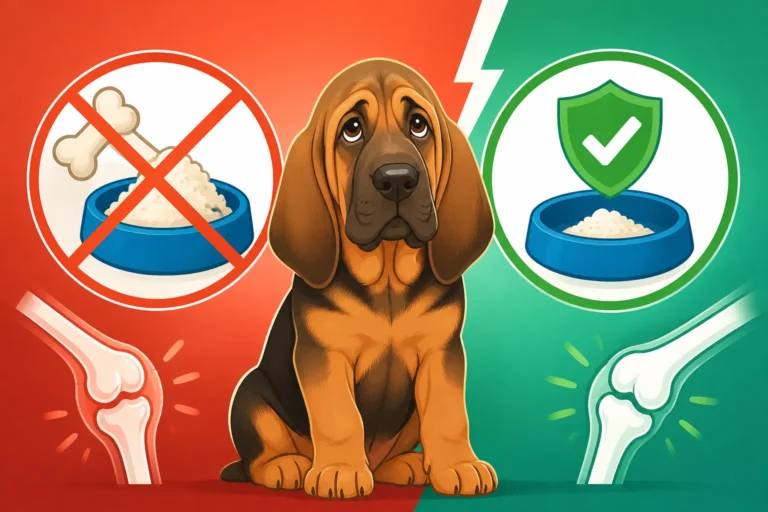
One of the most heartbreaking issues many large breed dog owners face is joint disease, and Bloodhounds are certainly no exception. Conditions like hip and elbow dysplasia, where the joints don't form correctly, are sadly common in the breed. Imagine trying to walk around all day with aching knees or hips; now imagine doing that while carrying a heavy backpack. That’s what it’s like for a Bloodhound with joint issues who is also carrying excess weight.
Every additional pound puts immense pressure on those already vulnerable joints. It can accelerate the progression of arthritis, increase pain, and significantly reduce their mobility and quality of life. A lean Bloodhound moves with a beautiful, effortless gait, able to enjoy long walks and engage in their beloved scent work without discomfort. A heavier hound, on the other hand, might struggle to get up from a nap, limp after a short stroll, or even refuse to climb stairs. Hip and Elbow Dysplasia in the Bloodhound is a serious concern, and maintaining a healthy weight is one of the most proactive things you can do to mitigate its impact.
Cardiovascular Health and Stamina
Bloodhounds are built for endurance, designed to follow a scent trail for miles without tiring. Their deep chests and powerful musculature hint at their athletic potential. However, carrying too much weight puts an undeniable strain on their cardiovascular system. Their heart has to work harder to pump blood throughout a larger body mass, increasing their risk of heart disease and making everyday activities more taxing.
A fit, lean Bloodhound can engage in sustained activity, whether it's an extended training session or a vigorous hike. Their stamina allows them to truly express their breed instincts. A Bloodhound that's carrying extra weight, however, will tire more quickly, pant excessively, and may even be reluctant to engage in activities they once loved. This isn't just about their physical capacity; it impacts their mental well-being too, as scent work is deeply enriching for them. You might notice them lagging behind on a walk or choosing to lie down instead of exploring, and it’s often a sign their heart and lungs are working overtime.
Bloat Risk and Body Condition
If there's one health concern that sends shivers down every Bloodhound owner's spine, it's bloat, or Gastric Dilatation-Volvulus (GDV). This life-threatening condition, where the stomach fills with gas and can twist, is notoriously common in deep-chested breeds like Bloodhounds. While the exact causes are complex and multi-factorial, there's growing evidence that a lean body condition can play a role in reducing risk.
A Bloodhound's conformation, specifically their deep and narrow chest, makes them particularly susceptible. Why a Deep Narrow Chest Puts a Bloodhound at Risk is something every owner should understand. While a definitive link between being overweight and bloat isn't always clear-cut, an excessively heavy abdomen can put additional pressure on internal organs, potentially affecting stomach motility and stability. Keeping your Bloodhound at a healthy, lean weight helps ensure all their internal systems function optimally and reduces any additional stressors that could contribute to this devastating emergency. Bloat Is What Kills Most Bloodhounds is a stark reminder of why every preventative measure, including weight management, is so vital.
Understanding Your Bloodhound's Caloric Needs
One of the biggest hurdles to keeping a Bloodhound lean is accurately assessing how much food they actually need. They're big dogs, and it’s natural to assume they need a lot of food, but their metabolism and activity levels might surprise you. What seems like a reasonable portion to us can quickly become too much for their bodies to handle, leading to gradual, unnoticed weight gain.
Activity Level vs. Metabolism
It’s a common misconception that all large, active dogs have sky-high metabolisms. While Bloodhounds are certainly capable of intense, sustained activity, many pet Bloodhounds don't always get the rigorous, consistent exercise of their working counterparts. Even those who do get regular walks or scent work sessions may have a metabolism that doesn't burn calories as rapidly as you might expect.
Some Bloodhounds, particularly as they mature, can have a surprisingly efficient metabolism, meaning they don't need a huge amount of food to maintain their weight. If their activity levels fluctuate—a week of intense training followed by a week of lounging—their caloric intake needs to be adjusted accordingly. Without consistent, high-energy output, those extra calories quickly turn into fat. It’s a delicate balance that requires careful observation and frequent reassessment. A Bloodhound might look like they're burning through calories with a burst of zoomies, but if the rest of their day is spent snoozing on the couch, their overall energy expenditure is lower than you might assume.
Age and Life Stage Considerations
A Bloodhound’s caloric needs are not static; they change significantly throughout their life. A growing puppy, for instance, requires a diet formulated for large breed puppies, carefully balanced to support their rapid growth without encouraging too-fast development, which can contribute to joint problems. Overfeeding a puppy is a serious risk, not just for immediate weight gain, but for their skeletal health down the line.
As they transition into adulthood, usually around 12-18 months, their growth slows, and their caloric needs per pound of body weight typically decrease. This is often where owners miss the shift, continuing to feed puppy portions to an adult dog. Similarly, as a Bloodhound enters its senior years—around six years old, as mentioned in The Age a Bloodhound Is Considered Senior—their metabolism often slows further, and their activity levels might naturally decline due to arthritis or other age-related issues. This necessitates another reduction in food intake. Failing to adjust for these life stage changes is a primary reason Bloodhounds become overweight.
The Pitfalls of "Eyeballing" Portions
Let's be honest, we've all done it. You scoop food into the bowl, and it looks about right. Maybe you're in a hurry, or maybe you just don't think a little extra here and there will matter. But for a Bloodhound, who can pack on pounds with surprising ease, "eyeballing" portions is a recipe for gradual weight gain. Those extra few kibbles added with each meal, or a slightly larger scoop than recommended, accumulate over days, weeks, and months.
The difference between a precise measurement and a casual scoop can be hundreds of calories over the course of a day. This is especially true for calorie-dense large breed formulas. Using a dedicated measuring cup, or even better, a kitchen scale, to weigh out your Bloodhound's food at every meal is perhaps the single most effective way to ensure consistent portion control. It removes all guesswork and helps you stay accountable to the exact nutritional guidelines recommended for your specific dog. It might seem tedious at first, but it quickly becomes second nature and is absolutely vital for managing their weight effectively.
Strategies for Effective Weight Management
Once you understand why a lean body is paramount for your Bloodhound and how easily they can gain weight, the next step is to implement practical strategies. It's not about deprivation; it's about making smart, consistent choices every single day that support their health and long-term vitality.
Choosing the Right Food
The foundation of any successful weight management plan starts with the food you put in their bowl. Not all dog foods are created equal, and for a Bloodhound, you need a formula that supports their large breed needs while controlling calorie intake. Look for high-quality protein sources as the first ingredient, and avoid excessive fillers or artificial additives that offer little nutritional value.
Many brands offer specific "large breed" or "weight management" formulas. These are often designed with slightly lower calorie counts and carefully balanced nutrients to support joint health, which is a huge bonus for Bloodhounds. When browsing options, whether it’s on a site like Chewy or your local pet store, pay close attention to the guaranteed analysis and feeding guidelines. Sometimes, a "lighter" formula might be necessary if your Bloodhound is particularly prone to weight gain or has a lower activity level. Some owners even explore fresh food options like Ollie, which can offer precise portioning and nutrient control, working closely with their vets to ensure it's balanced for their Bloodhound's unique needs.
Portion Control and Feeding Schedule
Once you've chosen the right food, strict portion control is non-negotiable. Don't rely on the back of the bag alone; those guidelines are often broad estimates. Work with your veterinarian to determine the precise caloric intake your individual Bloodhound needs based on their age, activity level, and target weight. Then, measure every single meal accurately. A digital kitchen scale can be incredibly helpful for this, ensuring you're feeding the exact amount every time.
Another crucial aspect is the feeding schedule. For Bloodhounds, like many deep-chested breeds, splitting their daily food allowance into two or even three smaller meals can help reduce the risk of bloat by preventing the stomach from becoming overly distended. How Many Meals a Day a Bloodhound Should Eat is a question with a clear answer: multiple small meals are always preferred over one large one. This also helps with digestion and keeps their metabolism ticking over more consistently throughout the day. Establish a routine and stick to it religiously.
| Body Condition | Visual Cues | Tactile Cues | Recommendation |
|---|---|---|---|
| Too Thin | Ribs, spine, hip bones easily visible. | Ribs, spine, hip bones feel prominent with no fat. | Increase food gradually, consult vet for health. |
| Ideal Lean | Ribs easily felt but not seen. Waist visible from above. | Ribs feel like knuckles when hand is flat. Smooth abdomen. | Maintain current feeding, regular activity. |
| Overweight | Ribs hard to feel, no discernible waist. Belly sags. | Ribs require pressure to feel. Broad, flat back. | Reduce food, increase activity, consult vet. |
| Obese | No waist. Obvious fat deposits on chest, back. | Ribs very difficult to feel under thick fat layer. | Immediate vet consultation, strict diet, exercise plan. |
Smart Snacking and Treats
Treats are an important part of training and bonding with your Bloodhound, but they are also silent calorie bombs if not managed properly. Many commercial dog treats are surprisingly high in calories, and a few "rewards" throughout the day can easily push your Bloodhound over their daily caloric limit.
When choosing treats, think "low calorie, high value." Small pieces of plain, cooked chicken breast, green beans, carrots, or apple slices (without seeds) make excellent healthy alternatives. You can also break up commercial treats into tiny, pea-sized pieces to stretch them further without adding too many calories. Always factor treats into their total daily food allowance, rather than seeing them as "extra." If you're using a lot of treats for training, you might need to slightly reduce their main meal portions for that day. Look for low-calorie training treats on Chewy or even simple freeze-dried options from Amazon if you prefer pre-packaged. Remember, a Bloodhound's motivation is often tied to the reward, so use high-value treats sparingly for the most impactful training moments, and stick to healthier options for general reinforcement.
Incorporating Appropriate Exercise
Exercise isn't just about burning calories; it's about building lean muscle, maintaining joint flexibility, and providing crucial mental stimulation. For a Bloodhound, "exercise" takes on a whole new meaning beyond just a jog around the block. Their unique drive means their exercise needs are distinct and often misunderstood.
The Bloodhound's Unique Exercise Needs
Many people think a long walk is enough for a big dog, but for a Bloodhound, physical exercise alone isn't always sufficient. They are scent hounds, and their primary drive is to follow a trail. This means their brains need as much, if not more, exercise than their bodies. A physically tired Bloodhound might still be mentally restless if their nose hasn't been engaged.
The best form of exercise for a Bloodhound, hands down, is mantrailing or scent work. This involves them using their incredible nose to follow a human scent trail. It's mentally exhausting and physically demanding in a way that regular walking simply isn't. Activities like Mantrailing Is the Answer to a Bloodhound, Not Obedience not only help burn calories but also satisfy their innate instincts, leading to a much more fulfilled and calmer dog at home. Instead of endless walking that might just make them fitter to run away, focused scent work channels their energy productively. Even twenty minutes of intense scent work can be more tiring for a Bloodhound than an hour of leashed walking.
Balancing Physical Activity and Joint Protection
While vigorous exercise is important for weight management, it’s critical to balance it with joint protection, especially in a breed prone to hip and elbow issues. This is particularly true for puppies and adolescents. Over-exercising a young Bloodhound on hard surfaces or allowing excessive jumping and stair climbing can put undue stress on their developing joints.
The Exercise Limit on a Growing Bloodhound is a vital concept to understand. For puppies, short, frequent play sessions on soft ground are better than long, intense runs. As they mature, gradually increase the duration and intensity of exercise, always watching for any signs of lameness or discomfort. For adult Bloodhounds, varied terrain—grass, dirt trails, even sand—is excellent for building muscle and maintaining joint health. Swimming can also be a fantastic low-impact exercise option that helps build strength without stressing their joints. Always consult with your vet about appropriate exercise routines, particularly if your Bloodhound has been diagnosed with any joint conditions.
Making Exercise Fun and Consistent
Consistency is key when it comes to exercise, and making it enjoyable for both you and your Bloodhound will ensure you stick with it. Bloodhounds can be famously "stubborn" if they don't see the point of an activity, but if it involves their nose, they are usually all in!
Vary your routine to keep things interesting. Explore new parks, trails, or even urban environments for scent work. Hide treats around the house or yard for them to find. Consider enrolling in a local scent work class or finding a group that practices mantrailing. This not only provides structured exercise but also social interaction. Equipping yourself with the right gear, like a comfortable tracking harness and a long line (easily found on Amazon), can make your scent adventures more effective and enjoyable. Remember, a tired Bloodhound is a happy Bloodhound, and a mentally stimulated Bloodhound is even happier. By tapping into their natural instincts, you'll find exercise becomes less of a chore and more of an enriching activity you both look forward to.
Monitoring Progress and Adjusting as Needed
Weight management isn't a one-and-done deal; it's an ongoing process that requires regular monitoring and willingness to adjust your approach. What works perfectly for one Bloodhound might need tweaking for another, and even the same dog’s needs can change over time.
How to Assess Body Condition
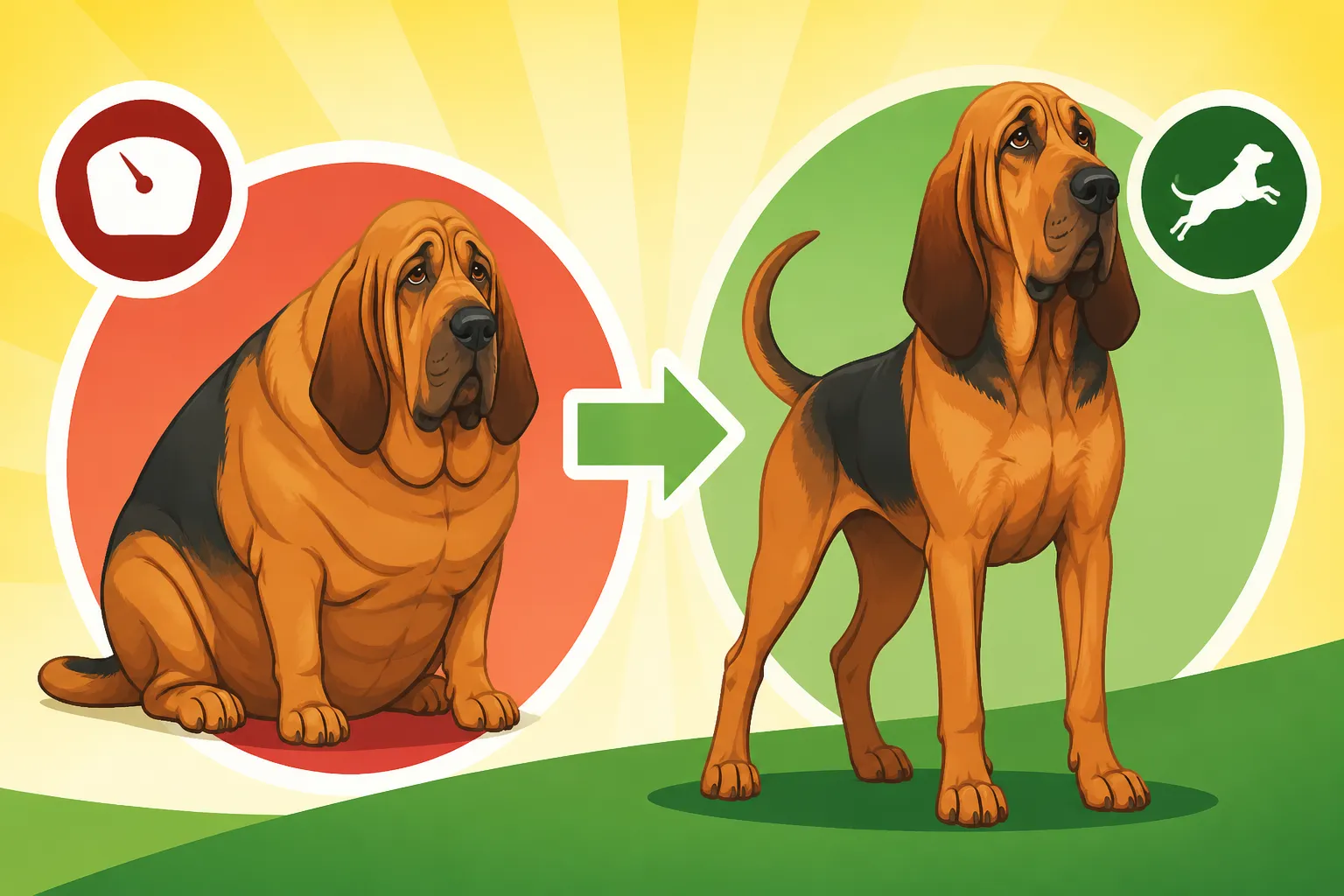
The most important tool in your weight management arsenal isn't the scale—it's your hands and eyes. Learning to regularly assess your Bloodhound's body condition is crucial. You should be able to feel their ribs easily, like the knuckles on your hand when it's flat, without pressing hard. They shouldn't be visible, but definitely palpable.
From above, your Bloodhound should have a discernible "waist" where their body tucks in slightly behind their ribs. From the side, their abdomen should gently tuck up, not hang straight down or sag. If you can't feel their ribs without digging, or if they have a "barrel" shape with no waist, they are likely carrying too much weight. Make it a habit to perform this quick check weekly. This tactile assessment is far more informative than just looking at a number on a scale, as Bloodhounds vary significantly in build and bone structure.
Regular Vet Check-ups and Professional Advice
Your veterinarian is your best partner in your Bloodhound's weight management journey. Regular check-ups are essential for monitoring their weight, discussing their body condition score, and making necessary dietary or exercise adjustments. They can also rule out any underlying medical conditions, such as hypothyroidism, that might contribute to weight gain, as mentioned in Hypothyroidism in a Bloodhound.
Don't hesitate to openly discuss your Bloodhound's diet, exercise routine, and any concerns you have about their weight with your vet. They can provide tailored advice, calculate precise calorie targets, and help you navigate plateaus or challenges. They can also offer guidance on specific large breed food choices, or if a therapeutic weight-loss diet is necessary. Signs a Bloodhound Is Overweight can be subtle to the untrained eye, but your vet's professional assessment is invaluable.
Dealing with Weight Loss Plateaus or Regains
It's common to hit a plateau during a weight loss journey, or even experience a frustrating regain of a few pounds. Don't get discouraged! This is a normal part of the process, and it doesn't mean you're doing anything wrong. When this happens, it's time for a thorough reassessment.
First, re-evaluate your measurements. Are you still being precise with every meal and treat? Are family members or guests accidentally sneaking extra food? Re-examine your exercise routine; has it become less consistent or less intense? Sometimes, a slight reduction in calories or an increase in the duration or intensity of their scent work is all that's needed to kickstart progress again. If your Bloodhound has reached their ideal weight, the goal shifts from weight loss to weight maintenance, which might still require careful monitoring and adjustments over time. Persistence and patience are your greatest allies here.
Common Misconceptions About Bloodhound Weight
There are certain ideas about Bloodhounds that, while well-intentioned, can inadvertently lead to weight problems. As a large breed with a distinctive appearance, they often fall victim to misconceptions that undermine efforts to keep them lean and healthy.
"They're Supposed to Be Big"
This is perhaps the most pervasive and misleading idea about Bloodhounds. Yes, they are a large breed, with powerful bones and significant muscle mass. But "big" does not equate to "fat." A common frustration for owners is when others comment on their "skinny" Bloodhound if they can feel their ribs, when in fact, the dog is at an ideal, lean weight.
The breed standard describes a dog that is "powerful, and of great strength and stamina," qualities that are diminished by excess weight. A lean Bloodhound is an athletic Bloodhound, capable of performing the work they were bred for. Overweight Bloodhounds, while still endearing, often struggle with mobility and health issues that could be avoided. It's important for owners to distinguish between a healthy, substantial build and an unhealthy, overweight condition. Looking at images of well-conditioned working Bloodhounds can help calibrate your perception of what "lean" truly means for the breed.
The "Hungry Hound" Fallacy
Bloodhounds are often incredibly food-motivated. They have sensitive noses, and food is often a high-value reward for them. This can lead to persistent begging, soulful gazes, and even counter-surfing, making owners believe their dog is constantly ravenously hungry. It's easy to succumb to those pleading eyes and offer an extra bite or two.
However, a Bloodhound who is begging is not necessarily genuinely hungry, especially if they’ve already received their appropriate daily caloric intake. They are simply opportunists, driven by their instincts and the anticipation of a reward. Feeding into this behavior reinforces it and contributes to weight gain. It's crucial to distinguish between a dog who wants food and a dog who needs food. Sticking to scheduled meals, ignoring begging, and offering appropriate, low-calorie treats at designated times will help manage this behavior without adding unnecessary pounds.
Impact of Spay/Neuter on Metabolism
Many Bloodhound owners will opt to spay or neuter their dogs, and while there are many benefits to this decision, it's vital to be aware of its potential impact on metabolism. Sterilization often leads to a decrease in metabolic rate and a change in hormonal balance, which can make dogs more prone to weight gain.
Whether a Neutered Bloodhound Gains Weight is a legitimate concern. If you don't adjust their food intake after your Bloodhound is spayed or neutered, they will almost certainly start to gain weight, even if their activity level remains the same. This is another critical juncture where a frank discussion with your vet about their caloric needs is important. Often, a slight reduction in their daily food allowance (around 10-20%, but always consult your vet) is necessary to prevent post-surgical weight creep. Being proactive about these changes will save you and your Bloodhound a lot of trouble down the line.
Disclaimer
This article is for general informational purposes only and does not constitute professional advice. Laws, prices and regulations vary by location and change over time. Consult a qualified professional for guidance on your specific situation.