The Exercise Limit on a Growing Bloodhound
One of the biggest worries I hear from new Bloodhound parents is the balancing act of exercise. These aren't tiny dogs, and they aren't fully grown for a while, making it incredibly nerve-wracking to know how much activity is too much. Push them too hard, and you risk damaging their developing bones and joints, leading to a lifetime of pain and costly vet visits. Don't exercise them enough, and you end up with a bored, destructive giant pup with boundless energy. This guide is all about navigating that tricky middle ground, so you can help your majestic Bloodhound grow strong and healthy without injury.
The Critical Role of Growth Plates in Your Bloodhound's Development
Understanding how your Bloodhound puppy grows is key to preventing injuries. Their bones aren't just getting bigger; they're undergoing a complex process that leaves them vulnerable during certain stages. Rushing things can have serious, long-term consequences, so let's dig into what's happening beneath all that adorable loose skin.
What Are Growth Plates and Why Are They So Fragile?
Think of growth plates, or epiphyseal plates, as the soft, cartilaginous areas near the ends of your puppy's long bones. These are the factories where new bone tissue is produced, allowing the bones to lengthen as your Bloodhound grows from a clumsy pup into a stately adult. They're incredibly active and crucial during the rapid growth phases of a large breed like a Bloodhound. Unlike mature bone, which is rigid and strong, growth plates are made of cartilage and are much softer and more susceptible to injury.
Because they're still made of cartilage, these growth plates are weaker than the surrounding bone, making them vulnerable to trauma. A seemingly innocent jump off the couch, a hard fall, or even repetitive high-impact activities can cause these plates to fracture, crush, or separate. If a growth plate is damaged, it can lead to abnormal bone growth, limb deformities, or even a shorter limb, permanently affecting your Bloodhound's mobility and comfort. This is especially critical for a breed whose future work often depends on robust physical health.
The Timeline of Growth Plate Closure in Large Breeds Like Bloodhounds
The good news is that growth plates don't stay vulnerable forever. As your Bloodhound matures, these cartilaginous plates gradually ossify, meaning they turn into solid bone and fuse with the rest of the bone structure. Once they're "closed," the bones stop growing in length and are much stronger and more resistant to impact. For smaller dogs, this might happen relatively quickly, but for large and giant breeds like Bloodhounds, this process takes much longer.
Generally, a Bloodhound's growth plates will begin to close around 12-14 months of age, but some plates, particularly in areas like the elbow, might not be fully fused until they are 18-24 months old. This means that for nearly two years, your Bloodhound is in a critical developmental phase where careful exercise management is paramount. Patience during these formative years will pay dividends in your dog's long-term health and soundness, preventing issues like Hip and Elbow Dysplasia in the Bloodhound down the line.
Understanding the Risks of Over-Exercising a Growing Bloodhound
It's natural to want to provide plenty of activity for a lively Bloodhound puppy, especially given their working heritage. However, the enthusiasm of youth doesn't always align with what their bodies can safely handle. Ignoring these limitations can pave the way for a host of painful and debilitating conditions that could shorten their active years.
The Link Between Excessive Exercise and Joint Dysplasia
One of the most significant concerns with over-exercising a growing Bloodhound is the increased risk of developmental orthopedic diseases, particularly hip and elbow dysplasia. These conditions, where the joints don't form properly, are unfortunately common in large breeds. While genetics play a major role, environmental factors, including improper exercise, can significantly exacerbate them. High-impact activities such as prolonged running on hard surfaces, jumping repeatedly, or intense agility work before growth plates are closed can put undue stress on delicate, forming joints.
Imagine the cartilage of the growth plate and the soft bone ends constantly grinding or compressing under excessive force. This can disrupt the smooth formation of the joint, leading to uneven surfaces, loose ligaments, and ultimately, the pain and degenerative changes associated with dysplasia. A Bloodhound with early signs of lameness, especially before a year old, might be showing the first warnings of Signs a Bloodhound Puppy Has Elbow Dysplasia or similar issues. It's not about making them sedentary, but about choosing appropriate activities that support, rather than hinder, healthy joint development.
Beyond the Joints: Other Physical Injuries and Behavioral Setbacks
While joint issues are often top of mind, over-exercising a Bloodhound puppy can lead to other types of injuries. Soft tissue injuries, like strains and sprains in muscles, tendons, and ligaments, are also a risk. A young Bloodhound, still clumsy and developing coordination, might easily overdo it during an intense play session or a forced long run, leading to pulled muscles or tendonitis. These injuries, while often treatable, can be painful, require lengthy rest periods, and sometimes even lead to chronic weakness in the affected area.
Furthermore, pushing a puppy beyond its physical limits can have behavioral consequences. A puppy constantly pushed into uncomfortable or painful situations might become reluctant to engage in exercise, associating it with discomfort. They could also become anxious or stressed if they're always feeling overwhelmed physically. On the flip side, an overtired puppy might also become hyperactive or "witching hour" destructive as they struggle to self-regulate. Finding the right balance ensures your Bloodhound remains happy, confident, and eager to participate in activities, rather than developing a negative association with movement.
How to Provide Appropriate Exercise for Your Bloodhound Puppy
So, if intense running and jumping are out, what does a growing Bloodhound need? It's all about gentle, controlled, and mentally stimulating activities that encourage natural movement without excessive impact. Remember, their minds are as active as their bodies, if not more so!
The Power of Supervised Free Play and Short, Gentle Walks
For puppies, especially large breeds, the best exercise is often self-directed. Supervised free play in a secure, soft environment like a grassy yard is ideal. Let them romp, roll, and wrestle with appropriate playmates (if available and well-matched) at their own pace. They'll naturally take breaks when they need to, which is exactly what we want. Keep these sessions relatively short, perhaps 10-15 minutes, several times a day, rather than one long, exhausting marathon.
When it comes to structured walks, less is definitely more during puppyhood. A good rule of thumb is 5 minutes of structured walking per month of age, twice a day. So, a 4-month-old Bloodhound puppy would get two 20-minute walks a day. These walks should be on soft surfaces like grass or dirt trails, not pounding pavement. The goal is exploration and leash manners, not endurance. These gentle strolls help with socialization and getting them used to the world, while also allowing their joints to develop without strain. Consider investing in a comfortable, well-fitting harness for these walks, which you can often find on platforms like Amazon, to prevent strain on their neck.
Mental Stimulation: The Unsung Hero of Puppy Exercise
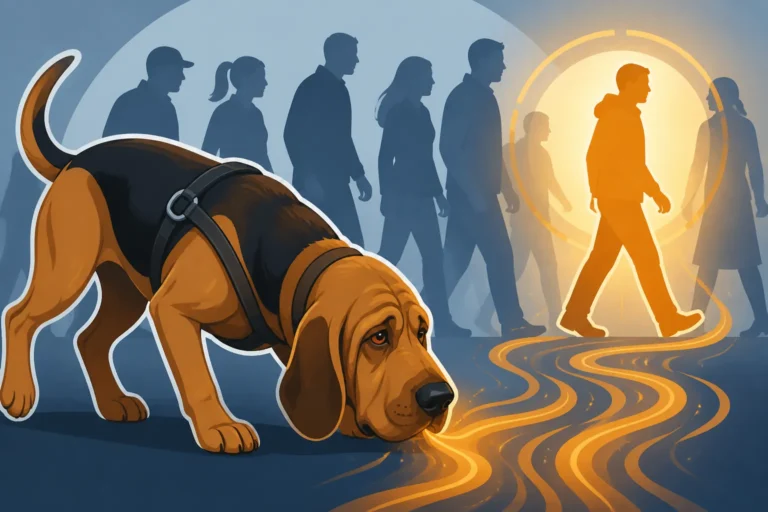
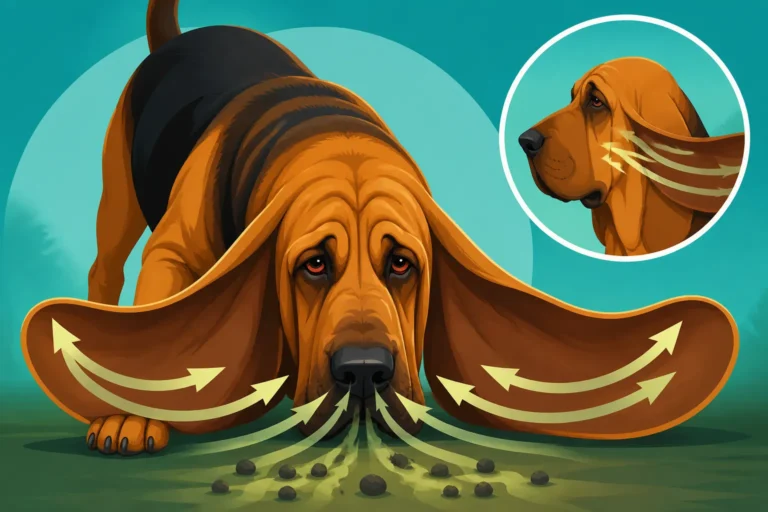
Many people underestimate how much mental exertion can tire out a Bloodhound puppy. These dogs were bred to think and problem-solve, using their incredible noses. Engaging their minds can be just as, if not more, exhausting than physical exercise, and it's far safer for their developing bodies. Puzzle toys, interactive feeders, and short, fun training sessions can burn mental energy effectively.
Scent games are particularly fantastic for Bloodhounds. Hide treats around the house or yard and let their powerful noses do the work. Start simple and gradually increase the difficulty. This taps into their innate abilities and provides immense satisfaction without any joint impact. Programs like BAXTER & Bella offer excellent resources for positive reinforcement training and enrichment ideas that are perfect for mentally stimulating a Bloodhound puppy. Remember, a mentally tired Bloodhound is often a well-behaved Bloodhound.
Exploring Low-Impact Activities for Growing Pups
As your Bloodhound gets a bit older, but before their growth plates are fully closed, you might start exploring other low-impact activities. Swimming is an excellent option once your puppy is comfortable and knows how to swim safely. It provides a full-body workout without any concussive force on the joints. Always supervise swimming closely, and ensure easy entry and exit from the water.
Another great choice is short sessions of basic obedience training or learning fun tricks. These activities involve controlled movements and mental engagement. They build strength and coordination without putting stress on the joints. Focus on teaching good body awareness and gentle movements. For example, instead of asking for high jumps, teach a "crawl" or a "bow," which are gentler on their structure.
Recognizing the Signs of Overexertion and Discomfort
Even with the best intentions and careful planning, sometimes puppies push themselves too hard, or we might miss a subtle cue. It's crucial to be vigilant and know what to look for, so you can intervene quickly and prevent further injury. Being attuned to your Bloodhound's body language and behavior is paramount.
Subtle Clues: Limping, Stiffness, and Changes in Gait
One of the most obvious signs that your Bloodhound puppy has overdone it is a change in their movement. A slight limp, even if intermittent, should never be ignored. Pay attention to which leg they favor, and if it appears after a particular activity. Stiffness, especially after resting or waking up, is another red flag. Does your pup struggle to get up, or move slowly for the first few minutes after a nap? That's a sign of discomfort.
Changes in gait can also indicate a problem. Perhaps they're taking shorter strides, or bunny-hopping when they run, trying to avoid putting weight on one leg. Sometimes, it's not a clear limp but an overall awkwardness or reluctance to move as freely as usual. Observing your Bloodhound carefully during and after play, especially after they've been lying down, will help you spot these subtle cues. Many owners mistakenly believe Whether a Bloodhound Limps Before It Is a Year Old is always due to growth spurts, but it's often a sign of something more serious needing veterinary attention.
Behavioral Indicators: When Your Puppy Is Telling You "No More"
Beyond physical signs, your Bloodhound's behavior can also tell you a lot. A puppy that's normally eager to play or go for a walk but suddenly seems lethargic or disinterested might be in pain or simply overtired. They might seek out quiet places to lie down more frequently or be less enthusiastic about their favorite toys. Conversely, an overtired puppy can sometimes become unusually grumpy, nippy, or difficult to settle, much like an overtired toddler.
Another behavioral clue might be excessive panting, especially if the weather isn't hot, or if it continues long after the activity has ceased. While some panting after exertion is normal, prolonged, heavy panting could indicate they've pushed their cardiovascular system too hard. Always trust your gut if something feels off. If your usually boisterous Bloodhound seems quiet or unusually subdued, it's worth investigating. It’s always better to err on the side of caution and consult your vet if you suspect your puppy is in pain or discomfort.
Gradually Increasing Activity Levels as Your Bloodhound Matures
Once your Bloodhound approaches maturity, typically between 18 to 24 months, their growth plates will have largely closed, and their bones will be much stronger. This is when you can start to gradually increase the intensity and duration of their exercise, preparing them for a lifetime of activity, whether it's long hikes or intensive scent work.
The Transition to More Structured Exercise
The transition from puppy-appropriate exercise to adult activity levels should be a slow and deliberate process. Don't suddenly jump from short walks to multi-mile runs. Gradually extend the length of your walks, increase the pace, and introduce more challenging terrains. For instance, if you've been doing 30-minute walks, try adding 5-10 minutes each week, observing your Bloodhound closely for any signs of fatigue or soreness the next day.
This is also the time when you can safely introduce more structured activities like controlled jogging, or even a bit of light off-leash work in a securely fenced area. Remember, even as an adult, Why Off Leash Is Not a Goal With a Bloodhound in open or unfenced spaces remains a golden rule due to their incredible scent drive. If you're considering serious scent work or other dog sports, gradually increase the duration and intensity of these training sessions, always prioritizing proper warm-ups and cool-downs.
Tailoring Exercise to Your Individual Bloodhound's Needs
Even once fully grown, every Bloodhound is an individual. Some might be natural athletes with endless stamina, while others might be more laid-back. Consider your dog's temperament, energy levels, and overall health when planning their exercise routine. A Bloodhound involved in active trailing work, for instance, will naturally require more conditioning than one who is primarily a family companion. However, all Bloodhounds need consistent, meaningful exercise to stay healthy and happy.
Regular veterinary check-ups are essential to monitor their joint health and overall condition. If you're involved in competitive activities, consider consulting with a canine physical therapist or a sports medicine vet to help design an optimal conditioning program. They can offer guidance on exercises that build muscle strength and flexibility, further supporting joint health. What How Much Exercise a Bloodhound Actually Needs as an adult can vary widely, but generally speaking, they thrive on consistent, engaging activity that works both their body and their incredible nose.
Here's a quick reference guide to help you gauge appropriate exercise levels as your Bloodhound grows:
| Age Range | Type of Exercise | Duration & Frequency (approx.) | Key Considerations |
|---|---|---|---|
| 0-4 Months (Puppy) | Supervised free play, short sniff walks, mental games | 5-10 mins, several times a day | – Focus on socialization and exploration. – Play on soft surfaces. – No forced running, jumping, or stairs. – Mental stimulation is paramount. – Keep interactions with other dogs gentle. |
| **4-8 Months (Adolescent) | Supervised free play, gentle structured walks, continued mental enrichment, intro to swimming** | 5 mins per month of age, twice daily | – Continue soft surfaces for walks. – Avoid repetitive jumping or quick stops/starts. – Begin gentle leash training and basic obedience. – Introduce low-impact activities like swimming if appropriate. – Monitor for signs of fatigue. |
| 8-12 Months (Pre-Teen) | Controlled free play, longer structured walks, scent work, introductory trailing, swimming | Gradually increase walks to 30-45 mins, twice daily | – Growth plates still closing, so maintain caution. – Introduce more formal, but still low-impact, scent work or Mantrailing Is the Answer to a Bloodhound, Not Obedience. – Continue to avoid high-impact activities. – Focus on building endurance gradually. |
| **12-18 Months (Teenager) | Moderate hikes, longer scent trails, continued low-impact sports, controlled running** | 45-60 mins, twice daily, or equivalent scent work | – Most growth plates closed, but still be mindful. – Can start to increase intensity and duration, but always gradually. – Monitor for joint soreness. – Great age for more serious Starting a Bloodhound Puppy on a Trail. – Keep an eye on their weight; Whether Overfeeding a Bloodhound Puppy Harms Its Joints is a concern. |
| 18-24+ Months (Young Adult) | Full adult exercise, long hikes, sustained scent work, dog sports, running on varied terrain | 60+ mins, twice daily, or sustained scent work/training | – Growth plates typically closed. – Can engage in more strenuous activities. – Continue monitoring overall health and joint soundness. – Adjust activity based on individual stamina and health. – This is when you'll truly appreciate The First Year With a Bloodhound That Already Wants to Trail and its foundation. |
Remember, every Bloodhound puppy develops at its own pace. Always prioritize their comfort and well-being over pushing them to keep up. By being mindful of their physical limitations during their critical growth period, you're setting them up for a long, healthy, and fulfilling life.
Disclaimer
This article is for general informational purposes only and does not constitute professional advice. Laws, prices and regulations vary by location and change over time. Consult a qualified professional for guidance on your specific situation.