How Much Walking a Bloodhound Needs Daily
It's a common misconception that Bloodhounds are lazy couch potatoes who just want to lounge around all day. While they certainly excel at napping, especially after a good "shift," believing they require minimal exercise is a huge disservice to the breed and can lead to a host of behavioral issues. Owners often struggle to understand the unique blend of physical and mental stimulation these incredible scent hounds truly need to thrive. This comprehensive guide will peel back the layers of the Bloodhound's exercise requirements, helping you create a routine that truly satisfies their deepest instincts and keeps them happy, healthy, and calm.
Deciphering the Bloodhound's Energy Equation
When you look at a Bloodhound curled up, seemingly lost in a world of dreams on your living room rug, it's easy to assume they're low-energy dogs. Many owners are drawn to their placid, gentle nature indoors, imagining a calm companion. However, this serene domestic picture can be incredibly misleading.
The Couch Potato Façade
Yes, Bloodhounds can be incredibly calm and laid-back indoors. They are not typically a breed that bounces off the walls or demands constant, high-octane play within the confines of your home. You'll often find them contentedly napping, perhaps occasionally ambling from one sunbeam to another, or gently leaning against your leg for a pat. This mellow indoor demeanor is one of their most endearing qualities, giving the impression of an easy-going pet. It's why many people, especially those unfamiliar with their working heritage, might incorrectly peg them as low-maintenance in the exercise department.
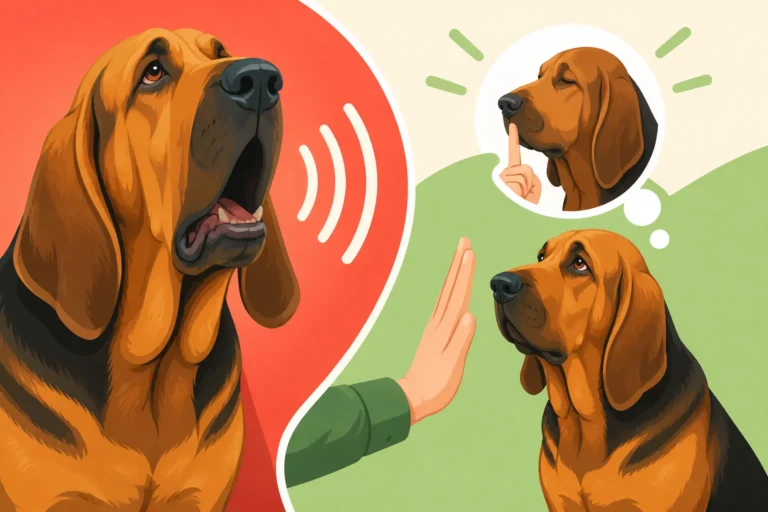
However, this calm often masks a significant need for outdoor activity and mental engagement. It’s not that they don't have energy; it's that they manage it differently than, say, a high-drive herding breed. They are conserving their physical resources for what truly matters to them: working with their nose. If a Bloodhound consistently lacks appropriate outlets for its energy and instincts, that "couch potato" can quickly transform into a frustrated, bored, and potentially destructive force. They might start counter-surfing, chewing furniture, or, of course, letting out that impressive bay more often than you'd like, all in an attempt to alleviate their pent-up drive.
The Deep Well of Stamina and Scent Drive
Beneath that relaxed exterior lies an athlete of endurance and unparalleled olfactory prowess. Bloodhounds were bred for centuries to follow a cold trail for long distances, sometimes over challenging and varied terrain, with an unwavering focus. They aren't sprinters; they're marathoners of the scent world. Their physical capacity for sustained work is immense, even if you don't see it expressed in frantic games of fetch or lightning-fast zoomies in the yard. This isn't about bursts of speed but about relentless, methodical pursuit.
Their primary drive isn't just physical movement, but purposeful movement dictated by their nose. For a Bloodhound, "exercise" is intrinsically linked to "work"—specifically, the profound mental and physical exertion involved in tracking. This means that a casual stroll around the block, while better than nothing, often doesn't cut it. Their minds need to be engaged as much as their bodies, perhaps even more so. They need to process an intricate tapestry of scents, follow a narrative only they can perceive, and use their entire being to solve a complex puzzle. Understanding this inherent drive is the first step in providing them with truly fulfilling daily activity. Without this targeted stimulation, their incredible abilities become a source of internal frustration, manifesting in behaviors that are often mislabeled as "stubbornness" or "disobedience." They're not being difficult; they're simply unfulfilled. For context on their incredible ability, consider How Far a Bloodhound Will Follow a Trail.
Age and Health: Tailoring the Daily Routine
Just like people, a Bloodhound's exercise needs aren't static; they evolve throughout their life. What's appropriate for a rambunctious puppy can be detrimental to an aging senior, and vice-versa. Understanding these developmental stages and how to adapt your activity plans is key to their long-term well-being.
Puppyhood: Building Blocks, Not Marathons
Bringing home a Bloodhound puppy is an exciting time, full of adorable wrinkles and clumsy paws. It's tempting to want to play and explore constantly, but restraint is crucial during these formative months. As a large breed, Bloodhound puppies grow incredibly quickly, and their bones, joints, and ligaments are still developing and quite vulnerable. Too much high-impact, forced, or repetitive exercise can put undue stress on their immature skeletal system, potentially contributing to serious orthopedic issues later in life, such as Hip Dysplasia in a Bloodhound or Elbow Dysplasia in a Bloodhound.
Instead of long hikes or strenuous runs, focus on short, frequent bursts of gentle activity. Supervised free play in a safe, enclosed yard is perfect, allowing them to self-regulate their intensity. Short, structured walks should be kept brief – a general rule of thumb is about 5 minutes per month of age, two or three times a day. So, a four-month-old puppy might get 20-minute walks, morning and evening. These walks are more about socialization, exposure to new sights and sounds, and practicing leash manners in a low-pressure environment. Crucially, this is also the perfect time to introduce very simple, low-impact scent games indoors or in a soft grassy area. Hide a treat under a cup, or toss kibble in the grass and let them sniff it out. This starts to tap into their natural instincts without overtaxing their growing bodies, setting the stage for more advanced work later. For specific guidance on avoiding strain, you can refer to The Exercise Limit on a Growing Bloodhound.
Adolescent and Adult Hounds: The Prime of Their Lives
Once your Bloodhound puppy has reached maturity and their growth plates have closed – typically between 18 and 24 months of age – they can handle more rigorous and sustained activity. This is the period when their incredible stamina and innate desire to track truly come to the forefront. An adult Bloodhound absolutely needs daily vigorous exercise, which ideally should include a significant component of purposeful scent work.
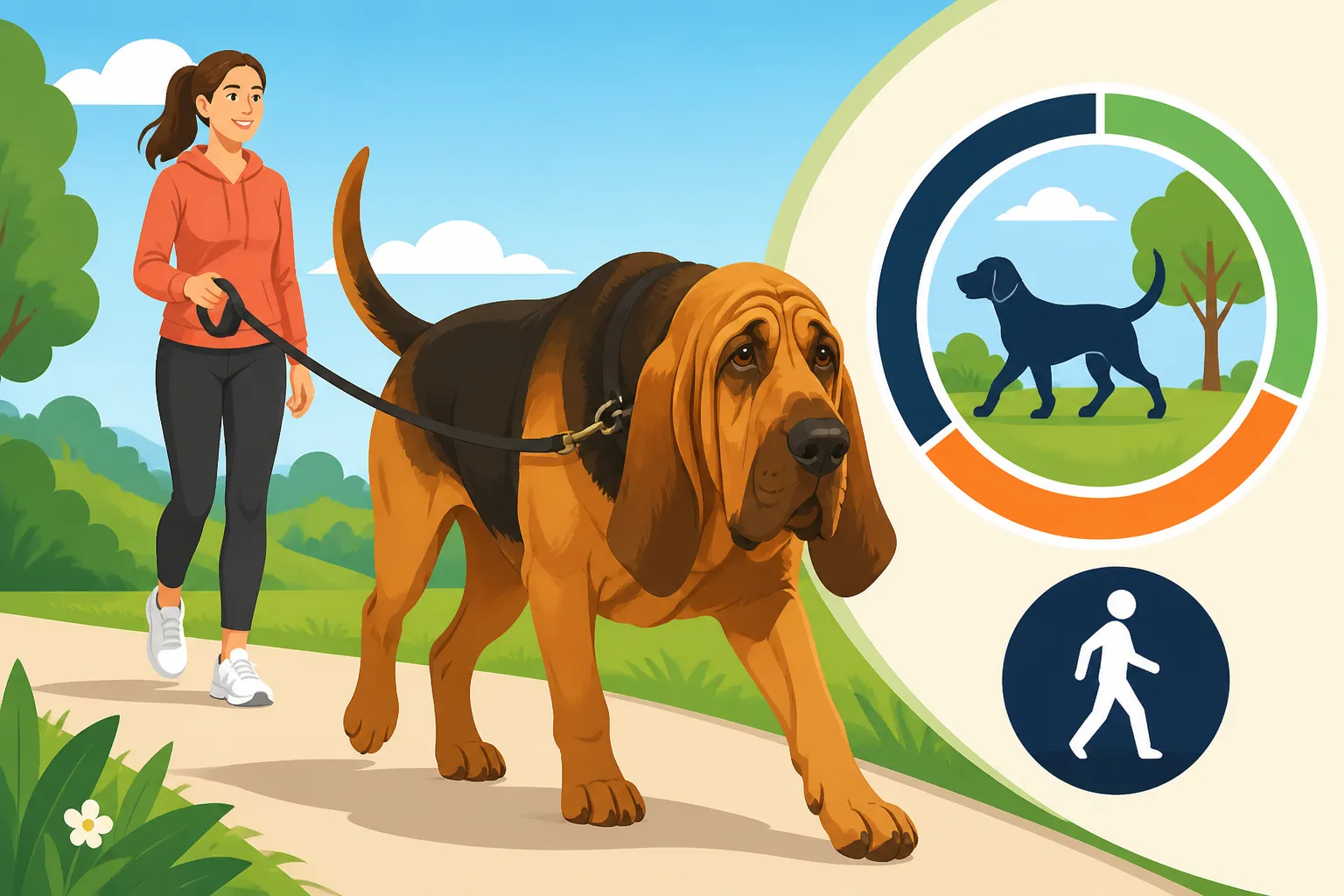
Think of it as their "job." Daily walks need to be more than just a quick trot around the block. They should include opportunities for robust sniffing (often called a "sniffari"), where your dog can thoroughly investigate scents at their own pace. This mental engagement is profoundly tiring for them. Brisk-paced walking or jogging, interspersed with these sniff-breaks, can also be beneficial for their cardiovascular health and muscle tone. Aim for 60-90 minutes of active time daily, split into multiple sessions. A significant portion of this time should be dedicated to engaging their nose. This could mean formal mantrailing sessions, advanced hide-and-seek games with articles or people, or even participation in organized scent work classes. Providing this kind of focused, instinct-driven activity isn't just a fun pastime; it's a fundamental requirement for a well-adjusted, happy adult Bloodhound.
Senior Years: Maintaining Mobility and Comfort
As your Bloodhound transitions into its senior years, typically around The Age a Bloodhound Is Considered Senior (6 to 7 years old), their exercise needs will naturally shift once again. You might notice them slowing down, becoming less enthusiastic about long treks, or showing signs of stiffness after activity. Arthritis, hip or elbow dysplasia that has progressed, or other age-related conditions can make prolonged, strenuous exercise uncomfortable or even painful. At this stage, the goal isn't maximum output, but rather maintaining mobility, comfort, and mental engagement without exacerbating any physical limitations.
Shorter, more frequent, and gentler walks are usually best. Multiple 15-20 minute strolls throughout the day, rather than one long hour-long hike, can help keep their joints lubricated and muscles strong without causing excessive fatigue or pain. Pay close attention to their cues: if they lag behind, seem stiff, or limp, it's time to shorten the activity or consult your veterinarian. Continuing low-impact scent games, perhaps indoors on soft carpets or in a familiar, flat yard, is vital for keeping their minds sharp and engaged. Swimming can also be an excellent low-impact exercise for senior Bloodhounds, as the water supports their joints. Regular veterinary check-ups are paramount to monitor for conditions like Arthritis Slows a Bloodhound at Six and to adjust pain management or supplements as needed, ensuring they remain as comfortable and active as possible in their golden years.
The Art of the Bloodhound Walk: Purposeful Movement
When you picture walking a dog, you might imagine a brisk pace, maybe a jog, covering a certain distance. For many breeds, that's perfectly adequate. But for a Bloodhound, a walk is so much more than just physical exertion; it's a sensory expedition, a complex mental task, and a social event all rolled into one. Understanding this difference is critical to providing them with fulfilling outings.
Scent Walks: The Ultimate Mental Workout
For a Bloodhound, a true walk is primarily about their nose. They are constantly analyzing the world through olfaction, piecing together invisible stories left by every creature and person who has passed by. A "sniffari" or scent walk is where you allow your Bloodhound to dictate the pace and direction, stopping frequently to thoroughly investigate interesting smells. This isn't just dawdling; it's their equivalent of a human immersing themselves in a fascinating novel or solving a complex crossword puzzle. Each stop, each prolonged sniff, is a moment of intense mental focus and information processing.
It might seem counterintuitive, but these "slow" walks, rich in olfactory stimulation, are often far more mentally exhausting and satisfying for a Bloodhound than a fast, straight-line jog where they aren't allowed to stop and sniff. While a brisk pace might tire their muscles, a dedicated scent walk tires their brain, leading to a much more contented and relaxed hound afterward. Consider dedicating specific walks to this purpose, giving them permission to follow their nose for extended periods. This isn't to say brisk walks aren't valuable for physical conditioning, but they should be balanced with these mentally demanding scent explorations. For an idea of what they're actually up to, check out What a Bloodhound Is Actually Smelling on a Trail.
Essential Gear for Successful Outings
Given a Bloodhound's immense strength and singular focus on scent, having the right equipment isn't just helpful; it's a matter of safety and control. A standard neck collar, no matter how sturdy, is often insufficient to manage a strong Bloodhound on the trail, especially when they hit a compelling scent. The pressure on their neck can be uncomfortable and even damaging, and it's less effective in controlling their body.
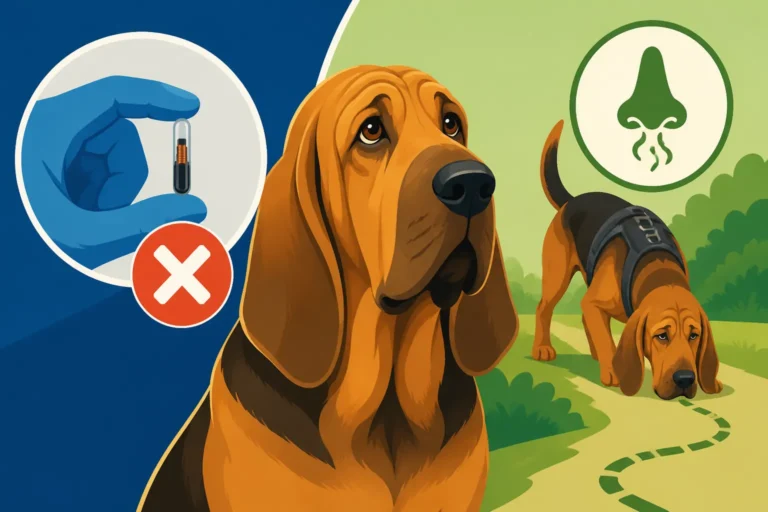
Instead, invest in a well-fitting, sturdy harness that discourages pulling. Front-clip harnesses, which redirect their pulling power to their side, or Y-harnesses that distribute pressure across their chest and shoulders, are excellent choices. You'll find a wide variety of effective options on platforms like Amazon. Additionally, because their nose can lead them far astray, a strong, comfortable leash (at least 6-8 feet, but often longer for open areas) is essential. A long line, ranging from 15 to 30 feet, can be invaluable for giving them more freedom to explore scents safely in a contained, secure outdoor area, mimicking off-leash exploration without the inherent risks. This allows them to extend their search radius while still being connected to you. Always ensure your Bloodhound is microchipped and wears current ID tags; a GPS tracker on their collar offers an extra layer of security, which is highly recommended for a breed so prone to following its nose into the unknown. For more on equipment, see What a Mantrailing Harness and Long Line Cost.
Managing the Irresistible Call of the Trail
Let's be realistic: even with the best training, a Bloodhound's instinct to trail can be an almost irresistible force when a potent scent crosses their path. This is why Why Off Leash Is Not a Goal With a Bloodhound is a fundamental safety principle for this breed. No matter how reliable your recall might be in other situations, a compelling scent can override everything, leading your Bloodhound to simply "tune you out" as they lock onto the trail.
Be prepared for sudden surges of strength as they attempt to follow a scent. Consistent positive reinforcement training, focusing on engagement and redirection, is crucial. Teach a strong "leave it" cue and practice it frequently with increasingly tempting distractions. While you may not always be able to stop them from checking out a scent, you can train them to quickly re-engage with you. This involves making yourself more interesting than the environment, using high-value treats and praise. Brands like BAXTER & Bella offer comprehensive online training programs that can provide the structured guidance needed to establish a strong bond and effective communication with your Bloodhound, giving you tools to manage their powerful scent drive in various situations. It's about working with their nature, not against it, understanding that sometimes you'll need to concede a moment to the nose, but always bringing them back to focus on you.
Integrating Scent Work and Play into Daily Life
While daily walks are a given, truly fulfilling a Bloodhound's exercise needs means embracing their inherent purpose: scent work. This isn't just a niche hobby; it's the core of their being and the most effective way to provide both physical and mental stimulation.
Structured Scent Games and Mantrailing
This is where your Bloodhound truly comes alive and can engage their full suite of instincts. Even if you have no aspirations for search and rescue certification, introducing structured scent work to your Bloodhound is arguably the single most important form of exercise you can provide. It challenges their incredible nose, engages their problem-solving abilities, and fulfills their deep-seated desire to "work." This is why Mantrailing Is the Answer to a Bloodhound, Not Obedience when it comes to truly satisfying their breed-specific drives.
Start simple. Hide high-value treats around your house or backyard and encourage them to "find it!" You can create a short, easy trail in your yard by dragging a scented article (like a worn t-shirt) a few yards and letting your Bloodhound follow it to a reward. As they gain confidence and skill, you can gradually increase the difficulty by making trails longer, older, or laying them over different surfaces. Many local dog clubs offer "Nose Work" or "Scent Work" classes that can guide you through these steps, providing expert instruction on how to harness their natural abilities. Even beginning with How to Introduce a Bloodhound Puppy to a Scent Article can lay an incredible foundation for a lifetime of rewarding scent work. The mental effort involved in untangling a scent puzzle is immensely tiring and satisfying for them, often leaving them more relaxed than a vigorous run.
The Importance of Mental Stimulation Indoors
There will be days when going outside for an extended period isn't feasible – perhaps due to inclement weather, your schedule, or even a temporary health issue for your dog. On these days, mental stimulation becomes even more critical to prevent boredom and destructive behaviors. While not a direct replacement for outdoor scent work, engaging their minds indoors can go a long way in keeping them content.
Puzzle toys, especially those that dispense treats as your dog solves a problem, are excellent. KONGs stuffed with peanut butter, yogurt, or wet food and then frozen can provide a long-lasting, mentally engaging challenge. Short, frequent training sessions can also be incredibly effective. Teaching new tricks, refining existing cues, or even playing simple games like "shell game" with treats under cups can provide significant cognitive exercise. Remember, a tired mind can be just as important as a tired body for a Bloodhound. These activities not only burn mental energy but also strengthen your bond and reinforce good behavior in a positive, engaging way. Don't underestimate the power of brain games to tire out a Bloodhound on a rainy day! Whether Nose Work Tires a Bloodhound More Than Walking is often true.
Common Pitfalls and How to Avoid Them
Even with the best intentions, it's easy to make mistakes when it comes to exercising a Bloodhound. Their unique physiology and profound drives require a thoughtful and informed approach to avoid both physical and behavioral problems.
Over-exercising Young Bloodhounds
One of the most common mistakes new Bloodhound owners make is treating their energetic puppy like a fully grown dog, especially in terms of physical exertion. Driven by enthusiasm and a desire to tire out a boisterous pup, owners might engage in long walks, extensive jogging, or high-impact games like fetch for extended periods. As discussed earlier, a Bloodhound puppy's skeletal system is still developing. Excessive or inappropriate exercise during this critical growth phase can place undue stress on their joints, predisposing them to or exacerbating conditions like hip and elbow dysplasia, which are already prevalent in large breeds.
To avoid this, always err on the side of caution. Stick to the "5 minutes per month of age" rule for structured walks, and ensure free play is supervised and self-regulated. Focus on quality over quantity for physical activity, prioritizing gentle exploration and short bursts of play. More importantly, channel their energy into low-impact mental stimulation through early scent games. A mentally tired puppy is a happy puppy, and you'll be protecting their long-term joint health in the process. Remember, you're building a foundation for a lifetime of activity, not pushing for peak performance in puppyhood.
Under-stimulating Mature Bloodhounds
On the flip side, it's equally easy to under-stimulate an adult Bloodhound. Their calm indoor demeanor can fool owners into believing they don't need much, especially if they're not overtly destructive. An adult Bloodhound that only gets a couple of short, brisk walks a day, without any opportunities to engage its nose meaningfully, is likely an under-stimulated Bloodhound. This lack of appropriate mental exercise can lead to a host of problems, even if they aren't physically tired.
An under-stimulated Bloodhound might develop undesirable behaviors such as excessive baying, restlessness, destructive chewing, or becoming "stubborn" and difficult to manage on walks because their primary drive isn't being met. They might also become withdrawn or depressed. To avoid this, ensure their daily routine includes dedicated scent work. This doesn't have to be formal search and rescue; even daily "sniffaris" where they lead the way, or hiding treats and articles for them to find in the yard or house, makes a huge difference. Think about it: their entire physiology is built for scent work. Denying them that outlet is like never allowing a border collie to herd or a retriever to retrieve. Integrating purposeful nose work into their daily routine is not a luxury; it's a necessity for their psychological well-being.
Ignoring Health Cues During Exercise
Finally, it’s vital to be attuned to your Bloodhound’s physical condition and adjust their exercise accordingly. Their stoic nature means they might not always clearly communicate discomfort until it's significant. Pushing an older Bloodhound with developing arthritis, for example, to maintain the same pace or distance they did in their prime can cause unnecessary pain and worsen their condition. Similarly, during hot or humid weather, a Bloodhound's deep chest and loose skin can make them susceptible to overheating, and excessive exercise in these conditions can be dangerous.
Always observe your Bloodhound carefully before, during, and after exercise. Look for subtle signs of pain, fatigue, or overheating: limping, stiffness, lagging behind, excessive panting, drooling, or seeking shade. Adjust the duration, intensity, or time of day for exercise based on their age, health, and environmental conditions. Regular veterinary check-ups are essential to monitor their overall health, especially for common breed-specific issues like joint problems or heart conditions. Consulting with your vet can help you tailor an exercise plan that keeps your Bloodhound healthy and happy throughout all stages of their life, ensuring you're meeting their needs responsibly.
| Life Stage | Recommended Active Time Per Day | Type of Activity | Key Considerations |
|---|---|---|---|
| Puppy (2-6 mos) | 30-60 minutes (split into 3-5 sessions) | Short, gentle walks (5 mins/month of age); supervised backyard play; intro to scent games indoors | Protect growing joints; focus on positive experiences; avoid forced exercise; lots of naps |
| Junior (6-18 mos) | 60-90 minutes (split into 2-3 sessions) | Longer walks; increasing scent work intensity; free play in secure areas | Continue protecting joints; build stamina gradually; formal scent introduction is great |
| Adult (18 mos-6 yrs) | 90-120+ minutes (split into 2-3 sessions) | Daily vigorous walks (sniffaris + brisk pacing); formal mantrailing/scent work; active play | Prioritize scent work; varied environments; high-quality gear essential; mental challenge is key |
| Senior (6+ yrs) | 45-75 minutes (split into 3-4 sessions) | Shorter, frequent gentle walks; low-impact scent games (indoors/soft ground); swimming | Monitor for arthritis/discomfort; adapt to energy levels; vet consultation for pain management |
Disclaimer
This article is for general informational purposes only and does not constitute professional advice. Laws, prices and regulations vary by location and change over time. Consult a qualified professional for guidance on your specific situation.