The Age a Bloodhound Is Considered Senior
It’s a bittersweet moment when you start noticing those subtle changes in your beloved Bloodhound – a bit slower on walks, a little more sleep, maybe a touch of gray around the muzzle. You might find yourself wondering, "Is my big, goofy companion truly entering their golden years?" The reality is, while many might consider a dog "senior" around seven years old, for large and giant breeds like our Bloodhounds, that timeline often shifts a bit earlier. Understanding when your Bloodhound is considered senior isn't just about marking a calendar date; it's about recognizing the physiological and behavioral shifts that call for a different approach to their care, ensuring their comfort and well-being as they age.
Understanding Canine Seniority: It's Not Just About a Number
For us Bloodhound owners, the concept of seniority hits a little differently than it might for someone with a smaller breed. Our dogs, magnificent and powerful as they are, often have a compressed lifespan compared to their smaller counterparts. This means that the signs of aging can creep in sooner than you might expect, and recognizing them is key to providing the best possible care.
The General Rule for Large Breeds
While a small terrier might still be bouncing off the walls at six or seven, a general rule of thumb for larger breeds, including our beloved Bloodhounds, is that they start showing signs of aging, or are considered senior, around the age of five or six. It's a tough pill to swallow, isn't it? Especially when they still have so much youthful exuberance for a good scent trail or a boisterous bay at the mail carrier. This earlier onset of seniority is largely due to their accelerated growth rates and the sheer strain that their larger bodies experience over time. Think about the impact of all that weight on their joints, or the extra work their internal organs have to do simply to sustain such a massive frame. It's a different kind of wear and tear than a tiny dog experiences.
When we talk about general canine seniority, veterinarians often categorize dogs into different life stages: puppy, adolescent, adult, mature adult, senior, and geriatric. For a Bloodhound, the transition from mature adult to senior can happen quite abruptly in terms of physical changes. While a six-year-old human is still very much a child, a six-year-old Bloodhound is likely already starting to slow down. This biological reality means we, as owners, need to be hyper-aware and proactive in supporting their changing needs.
Why Bloodhounds Mature Faster
Our Bloodhounds, with their incredible noses and endearing wrinkles, are simply built differently. Their rapid growth from an adorable, clumsy puppy into a massive adult in such a short span of time puts immense stress on their developing systems. This fast-track development means that their bodies begin the process of senescence – biological aging – at an earlier chronological age than breeds that take longer to reach their full size. This often leads to a shorter overall lifespan, a fact that can be truly heartbreaking for us owners. If you're wondering How Long a Bloodhound Lives, it's generally shorter than smaller breeds, which ties directly into this accelerated aging process.
Think about the sheer size and weight of an adult Bloodhound. Their bones, joints, and organs are constantly under a heavier load. Conditions like Hip and Elbow Dysplasia in the Bloodhound, which can be present even in younger dogs, often become more pronounced and painful as they age. Their unique physiology, including their deep chests, also predisposes them to certain life-threatening conditions like bloat, which can unexpectedly cut their lives short, making every year we have with them incredibly precious. This accelerated maturation isn't a defect, but a characteristic of their breed type, demanding diligent health monitoring from an early age right through their senior years.
Individual Variation and Lifestyle Factors
Now, while the general guidelines give us a starting point, it's crucial to remember that every Bloodhound is an individual. Just like people, some Bloodhounds might show signs of aging earlier or later than others. Factors like genetics, diet, exercise, overall health, and even emotional well-being play a significant role in how gracefully (or not) your Bloodhound enters their senior years. A Bloodhound that has lived a life of optimal nutrition, consistent exercise, and regular veterinary care might maintain a more youthful vigor for longer than one with a less ideal upbringing.
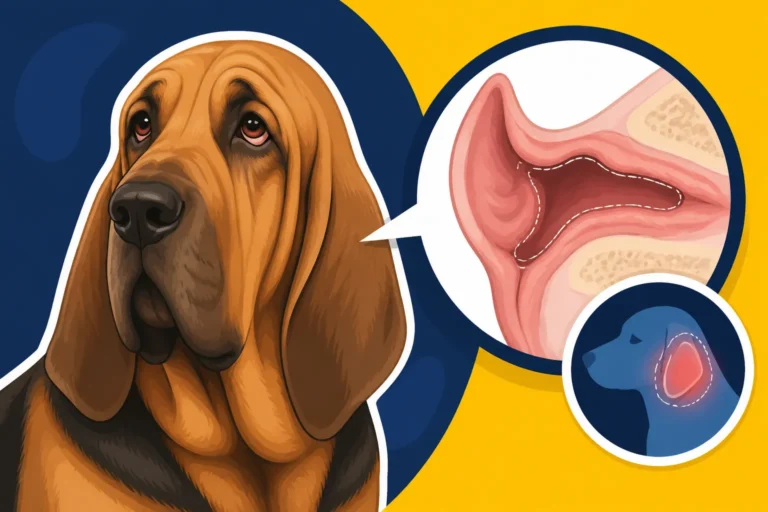
For instance, a Bloodhound that has been kept at a healthy weight throughout its life will likely have less strain on its joints, potentially delaying the onset or severity of arthritis. Conversely, a Bloodhound that has been overweight, or has had a history of chronic health issues like repeated ear infections – a common problem given that A Bloodhound's Ears Are a Standing Infection Risk – might show signs of aging sooner due to the cumulative stress on its body. Even mental stimulation and continued engagement can impact cognitive function as they age. A Bloodhound that remains active in scent work or other mentally challenging activities might stay sharper for longer. It's a complex interplay of nature and nurture, and while we can't control genetics, we certainly have a profound impact on their lifestyle.
Early Signs of Aging in a Bloodhound
Spotting the subtle hints that your Bloodhound is transitioning into their senior years allows you to proactively adjust their care. It’s not about finding fault or rushing them into old age, but rather about being an observant and empathetic owner who can anticipate needs before they become major issues. These changes often manifest in mobility, behavior, and even their metabolism.
Subtle Changes in Mobility and Stamina
One of the first things many Bloodhound owners notice is a gradual decline in their dog's boundless energy. While they might still get excited for a walk or a game, the duration and intensity of their activity often diminish. You might observe them being a little slower to get up after a nap, or perhaps they’re not quite as keen to bound up the stairs anymore. A common sign that Aging in a Bloodhound Starts at Six is often this reduction in spontaneous activity. They might still love their walks, but they might need them to be shorter, or they might prefer to stop and sniff more often rather than maintain a brisk pace.
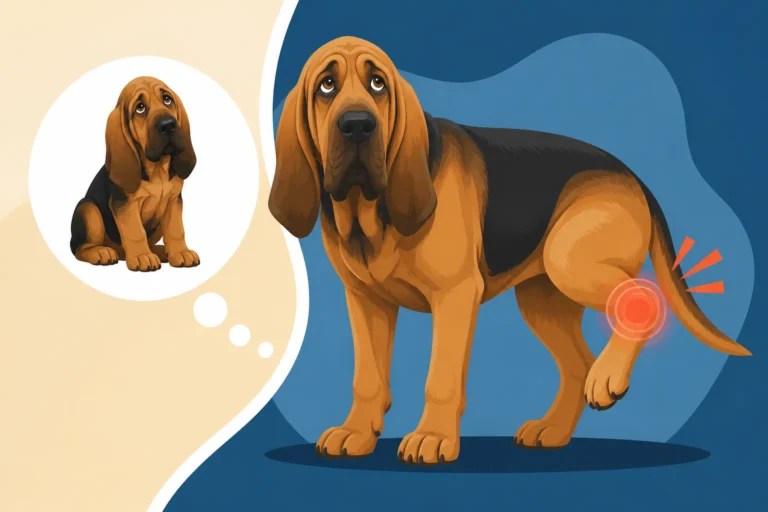
Arthritis is a very real concern for large breeds, and it's often the culprit behind these changes. You might notice a subtle stiffness, especially in cold weather, or after a long period of rest. They might hesitate before jumping into the car or onto the couch (if they were allowed there!). Sometimes, the changes are so gradual that you only truly notice them when you look back at old photos or videos and see the stark contrast in their movement. Keeping a close eye on their gait, their willingness to move, and how quickly they tire is incredibly important. Even a slight limp or an unusual way of carrying themselves can be an early indicator of joint discomfort, suggesting that Arthritis Slows a Bloodhound at Six.
Cognitive Shifts and Behavioral Differences
Aging doesn't just affect the body; it impacts the mind too. As Bloodhounds enter their senior years, some may experience cognitive dysfunction, often compared to senility in humans. This can manifest in various ways, from mild confusion to more significant behavioral changes. You might notice your Bloodhound seeming a bit disoriented in familiar surroundings, staring blankly at walls, or perhaps struggling to remember cues they’ve known their whole life. Their sleep-wake cycle might shift, leading to more daytime napping and restlessness at night, occasionally resulting in pacing or vocalizing.
Another common behavioral change can be an increase in anxiety or a decrease in tolerance for change. A previously unflappable Bloodhound might become more sensitive to loud noises, new people, or alterations to their daily routine. They might seek more comfort and reassurance from you, or conversely, become a bit more withdrawn. House-training issues can sometimes reappear, not due to malice, but due to a decreased ability to hold their bladder or a lack of awareness of their surroundings. Recognizing these cognitive and behavioral shifts is paramount, as there are strategies and even medications that can help manage these symptoms and improve their quality of life.
Changes in Appetite and Metabolism
As Bloodhounds age, their metabolism naturally slows down. This means they often require fewer calories to maintain a healthy weight, even if their appetite remains robust. Owners might notice their senior Bloodhound starting to gain weight despite no change in their food intake, or conversely, some older dogs might experience a decrease in appetite or develop pickiness. It's a delicate balance to manage, as both under- and overweight conditions can exacerbate other age-related health issues.
Monitoring their weight and body condition score becomes even more critical in their senior years. Their digestive system can also become more sensitive, leading to issues like constipation or diarrhea if their diet isn't appropriate. You might find that the food they've eaten happily for years suddenly causes an upset stomach. Changes in thirst, either increased or decreased, can also be a red flag for underlying health problems, such as kidney disease or diabetes, which are more common in older dogs. Regular veterinary check-ups are essential to catch these metabolic shifts early and make necessary dietary adjustments to support their overall health.
Health Considerations for Senior Bloodhounds
As our Bloodhounds gracefully (or sometimes clumsily!) move into their senior years, their health needs evolve considerably. It's no longer just about managing puppy exuberance or adolescent mischief; it's about anticipating and mitigating the common ailments that come with age. This phase of their life demands a more vigilant and proactive approach to their veterinary care.
Joint Health and Arthritis
For a large breed like the Bloodhound, joint health is a paramount concern throughout their lives, but it becomes even more critical in their senior years. The sheer size and weight they carry put enormous strain on their hips, elbows, and other joints, making them highly susceptible to conditions like osteoarthritis. This degenerative joint disease causes pain, stiffness, and reduced mobility, significantly impacting their quality of life. Owners might observe their Bloodhound struggling to climb stairs, reluctant to jump, or developing a noticeable limp after resting. This often aligns with What Changes in a Bloodhound at Six, where mobility issues become more apparent.
Management of arthritis involves a multi-faceted approach. This can include maintaining a healthy weight to reduce joint load, physical therapy, gentle exercise, and a range of supplements like glucosamine and chondroitin. Your veterinarian might also recommend anti-inflammatory medications (NSAIDs) or newer injectable treatments designed to reduce pain and improve joint function. It's a constant balancing act to keep them comfortable without over-medicating. Regular check-ups are vital to assess the progression of arthritis and adjust treatment plans accordingly. The goal is to keep them as mobile and pain-free as possible, allowing them to enjoy their golden years without constant discomfort.
Increased Risk of Certain Diseases
Just like humans, older Bloodhounds are at a higher risk of developing a variety of serious health conditions. Their aging immune systems and organ function can predispose them to diseases that might not have been a concern in their youth. Cancer, unfortunately, is a significant concern for many senior dogs, and Bloodhounds are no exception. Regular physical exams, blood work, and urine tests become crucial for early detection. Tumors, both benign and malignant, can appear anywhere, so being diligent about lumps and bumps is important.
Other conditions to watch out for include kidney disease, liver disease, and diabetes. These often present with subtle signs like changes in appetite, thirst, urination patterns, or weight loss. Heart Disease in the Bloodhound can also become more prevalent in their later years, manifesting as coughing, lethargy, or reduced exercise tolerance. Hypothyroidism, a condition where the thyroid gland doesn't produce enough hormones, is another consideration, often causing weight gain, lethargy, and skin issues. Early detection through routine senior wellness panels allows for timely intervention, often improving prognosis and management. This proactive approach is where pet insurance, like a comprehensive plan from Healthy Paws, can really make a difference, helping to cover the costs of these more frequent and often expensive diagnostic tests and treatments.
Sensory Decline
As Bloodhounds age, it's common for their senses to gradually decline. Their famous noses might not be quite as sharp, their eyesight can dim, and their hearing might become less acute. While a Bloodhound's nose is legendary, some older dogs may not track scent with the same intensity or accuracy they once did. Their world can shrink a little as these vital senses diminish, potentially leading to confusion or anxiety if not managed properly.
Vision problems, such as cataracts or progressive retinal atrophy, can lead to impaired sight, especially in low light. You might notice them bumping into furniture, hesitating in unfamiliar environments, or becoming more startled when approached. Hearing loss can make them less responsive to verbal cues or household noises, leading to them seeming to ignore you. While these changes can be frustrating, especially if your Bloodhound relies heavily on their senses for joy and comfort, there are ways to adapt. Maintaining a consistent home environment, using hand signals or vibrations for communication, and ensuring their safety in both familiar and unfamiliar spaces can help them navigate their world with confidence. It's about being patient and understanding that these changes are a natural part of the aging process.
Adapting Care for Your Aging Bloodhound
Recognizing that your Bloodhound is officially a senior citizen is the first step; the next is adapting their daily care to meet their evolving needs. This isn't about coddling them, but about optimizing their environment and routine to maximize their comfort, health, and happiness in their golden years. A thoughtful approach to nutrition, exercise, and veterinary care can make a world of difference.
Nutritional Adjustments and Feeding Strategies
As discussed earlier, a senior Bloodhound's metabolism slows down, and their activity levels typically decrease. This means their dietary needs change significantly. Continuing to feed them the same high-calorie, adult-formula food can lead to unwanted weight gain, which in turn exacerbates joint pain and other health issues. It's time to consider switching to a high-quality senior dog food, which is usually lower in calories, fat, and phosphorus (to support kidney health), but rich in fiber and beneficial nutrients like omega-3 fatty acids for joint and cognitive support. Understanding What a Bloodhound Eats in a Month by Weight will help you adjust quantities.
Beyond what they eat, how they eat can also be important. Splitting their daily food allowance into two or three smaller meals can aid digestion and reduce the risk of bloat, a condition that remains a serious threat for Bloodhounds of any age. While some people debate whether raised bowls are truly beneficial for bloat prevention, ensuring comfortable access to food and water is key for senior dogs who might struggle to bend down. Consider slow-feeder bowls if your Bloodhound still eats too quickly. Always ensure they have access to fresh water, and monitor their intake, as changes can indicate underlying health issues. Any significant dietary change should always be discussed with your veterinarian to ensure it meets your Bloodhound's specific health profile.
Tailoring Exercise and Mental Stimulation
While your senior Bloodhound might not be up for long, vigorous hikes or intense scent work sessions anymore, exercise and mental stimulation remain vital for their physical and mental well-being. The key is moderation and tailoring the activity to their current capabilities. Short, frequent walks are often better than one long excursion. Focus on gentle, low-impact activities that keep their joints moving without putting undue strain on them. Consider walking on softer surfaces like grass or dirt paths instead of hard pavement. If your Bloodhound used to love hitting the trails, you might need to adjust their "trailing gear" as well, ensuring it's comfortable and supportive for their aging body.
Mental stimulation is just as important, perhaps even more so, as cognitive function can decline. Continue engaging their incredible nose with milder, shorter scent games around the house or yard. Puzzle toys, KONGs stuffed with treats, or even just teaching them a new, simple trick can keep their minds active and engaged. These activities provide enrichment and purpose without demanding too much physically. The goal is to prevent boredom and cognitive decline while respecting their physical limitations, which might mean adapting their previous intense activities, like those discussed in What It Costs to Put a Bloodhound on a Trail, to a more leisurely pace.
Proactive Veterinary Care and Screenings
This is perhaps the most critical aspect of caring for a senior Bloodhound. Routine annual check-ups are no longer sufficient; senior Bloodhounds often benefit from semi-annual (every six months) veterinary visits. These more frequent appointments allow your vet to monitor their overall health more closely, catch potential issues early, and manage chronic conditions proactively. These visits typically include a thorough physical examination, weight assessment, and discussions about any changes you've observed at home.
Beyond the physical exam, your vet will likely recommend routine senior wellness panels, which include blood work, urinalysis, and sometimes thyroid checks. These tests provide invaluable insights into organ function (kidneys, liver, thyroid), screen for diabetes, and can detect early signs of various diseases before clinical symptoms even appear. For example, if you're dealing with a chronic issue like A Bloodhound's Ears Are a Standing Infection Risk, your vet might recommend more frequent ear checks and cleanings. It’s also the time to discuss pain management strategies for arthritis, dental health (dental disease is very common in older dogs), and any changes in their vision or hearing. Proactive care can significantly improve their comfort and extend their healthy lifespan, making every visit a worthwhile investment in their golden years.
Emotional and Behavioral Support for Senior Bloodhounds
Beyond the physical changes and medical needs, our senior Bloodhounds also experience emotional and behavioral shifts that require our understanding and patience. Just as a human might become more set in their ways or more sensitive with age, so too can our canine companions. Providing a stable, loving, and supportive environment is crucial for their mental well-being during this stage of life.
Recognizing and Addressing Anxiety
As Bloodhounds age and their senses decline, or they experience physical discomfort, they can become more anxious. Imagine navigating a world where your sight is dim, your hearing is muffled, and every step causes a twinge of pain – it’s disorienting and can be frightening. This anxiety might manifest as increased clinginess, destructive behaviors (uncommon for a senior, but possible if stressed), house-soiling accidents, or vocalization. They might seem more easily startled or seek out quiet, secluded spots more often. Changes in sleep patterns, such as increased nocturnal restlessness, can also be a sign of underlying anxiety or cognitive dysfunction.
It's vital to acknowledge these changes rather than dismiss them as "just old age." Consult your veterinarian about any new or worsening anxiety; they can rule out underlying medical causes and suggest strategies. This could include creating a safe, quiet space for them, using calming aids like pheromone diffusers (e.g., Adaptil), or even discussing anti-anxiety medications if the problem is severe. Sometimes, simply increasing your presence and providing gentle reassurance can make a big difference. Understanding their fears and providing a predictable, low-stress environment can help your Bloodhound feel secure and loved.
Maintaining Routine and Comfort
For senior Bloodhounds, consistency and routine become more important than ever. Their ability to adapt to new situations or environments diminishes, and a predictable schedule can provide a sense of security and reduce stress. Stick to regular feeding times, walk schedules (even if they’re shorter and slower), and bedtime routines. Minimize major changes to their environment, such as rearranging furniture, if possible. If changes are unavoidable, introduce them gradually and patiently.
Physical comfort is also paramount. Invest in orthopedic dog beds that support their aging joints and provide cushioning. Place water bowls and food dishes in easily accessible locations, perhaps even one on each floor if you have a multi-level home, to minimize the need for stair climbing. Ensure their favorite resting spots are warm, draft-free, and away from high-traffic areas where they might be disturbed. For Bloodhounds, whose ears are always a concern, ensure their bedding is clean and dry, especially after ear cleanings, as Why a Bloodhound's Ear Canal Stays Damp can be a persistent issue, leading to discomfort. The goal is to make their daily life as comfortable and stress-free as possible, acknowledging their reduced mobility and potential sensory impairments.
The Importance of Continued Engagement
While physical activity might be curtailed, continued engagement – both mental and emotional – is crucial for keeping your senior Bloodhound's spirits high. Don't let their seniority turn them into a forgotten fixture in the corner. They still thrive on interaction, affection, and feeling like a valued member of the family. Gentle petting, quiet cuddles, and even just sitting beside them for a while can provide immense comfort and strengthen your bond.
Continue to involve them in family activities in ways they can manage. If they can no longer join you for a long walk in the park, perhaps they can sit on the porch with you while you garden, or enjoy a short, slow stroll around the block. Keep up with simple, fun games that don't require much physical exertion but engage their minds, like finding hidden treats. Even if they don't respond to every command with the same zest, acknowledging their efforts and rewarding their participation reinforces their confidence and sense of purpose. A Bloodhound, at any age, benefits from feeling loved and included, and these golden years are no exception.
Planning for Your Bloodhound's Golden Years
Anticipating and planning for the unique needs of a senior Bloodhound can help alleviate stress and ensure you can provide the best possible care when it's most needed. It’s a thoughtful, sometimes difficult, but ultimately loving responsibility that comes with sharing your life with these magnificent hounds.
Financial Planning for Senior Care
Let's be realistic: senior dogs often come with increased veterinary bills. As your Bloodhound ages, the frequency of vet visits typically increases, and they are more prone to developing chronic conditions like arthritis, heart disease, kidney disease, or cancer, all of which require ongoing management, medications, and sometimes costly diagnostics or specialized treatments. Just as you might consider that A Bloodhound's Money Is Spent in the Operating Room for bloat surgery, their senior years can also present significant financial demands.
This is where proactive financial planning becomes crucial. Having a dedicated emergency fund, or robust pet insurance coverage, can make a world of difference. Comprehensive pet insurance plans, like those offered by Healthy Paws, can help mitigate the financial burden of unexpected illnesses or chronic conditions. It's worth researching various policies and understanding what they cover, especially regarding pre-existing conditions and hereditary issues common in Bloodhounds. For example, it’s important to know Whether a Bloodhound's Premium Climbs After Six or if certain age-related conditions have coverage limits. While a Bloodhound’s puppy years might have a predictable cost, their senior years can bring surprises, so being prepared is truly a gift to both you and your loyal companion.
End-of-Life Discussions and Quality of Life
This is, without a doubt, the hardest part of sharing your life with a senior dog, but it's a conversation that every responsible owner needs to have. Openly discussing your Bloodhound's quality of life with your veterinarian is essential. It's about recognizing when their comfort and happiness are significantly compromised despite all efforts, and understanding the difficult choices that might lie ahead. These conversations are not about giving up; they are about profound love and compassion.
Your veterinarian can help you assess your Bloodhound's overall well-being, considering factors like their pain levels, appetite, mobility, cognitive function, and ability to engage in activities they once enjoyed. They can help you create a "quality of life" checklist to objectively monitor their good days versus bad days. Making decisions about euthanasia is agonizing, but it’s the ultimate act of kindness to prevent prolonged suffering. Having these discussions ahead of time, when you're not in the midst of a crisis, can help you make clear, compassionate choices that honor your Bloodhound's life and ensure their peaceful passing when the time comes. It's a testament to the depth of your bond, ensuring their final moments are filled with love, dignity, and freedom from pain.
Disclaimer
This article is for general informational purposes only and does not constitute professional advice. Laws, prices and regulations vary by location and change over time. Consult a qualified professional for guidance on your specific situation.