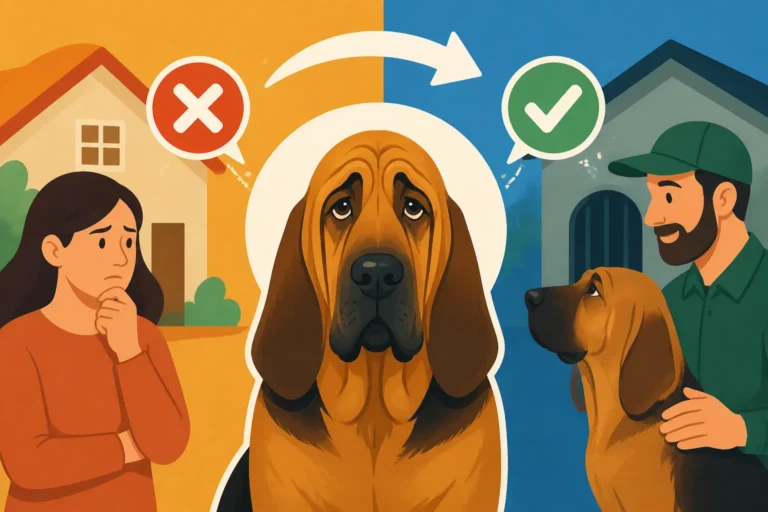
What It Costs to Put a Bloodhound on a Trail
So, you've been swept away by the majestic sight of a Bloodhound, nose to the ground, utterly focused on a trail, perhaps a missing person or a complex scent puzzle. It's an inspiring vision, one that often sparks the dream of putting your own Bloodhound's incredible natural abilities to work. But let's be realistic from the start: transforming that dream into a working partnership, whether for sport or serious search and rescue, involves a considerable financial journey. This guide isn't here to scare you off, but to lay out the real costs you'll encounter when you decide to fully embrace the unparalleled world of Bloodhound trailing.
The Foundation: Initial Gear Investment for Trailing
Getting started on the trailing path with your Bloodhound isn't just about showing up at a class; it requires specific equipment that supports their unique working style and keeps both of you safe and effective. You can't just grab any old leash and collar for a dog with a nose like this.
Essential Trailing Harnesses
When your Bloodhound is on a trail, their entire body language changes. They lean into the scent, pulling steadily, and a regular collar can put undue pressure on their neck and throat, potentially harming their trachea or even impacting their ability to breathe freely as they work. That's why a proper tracking or trailing harness is non-negotiable. These harnesses are designed to distribute pressure across the chest and shoulders, allowing your dog to pull comfortably and safely. You'll find a range of styles, from padded Y-front harnesses that prevent chafing to more robust designs used by professional search and rescue teams.
Investing in a good quality harness right from the start is crucial. It becomes a vital piece of your communication system; your Bloodhound learns that "harness on" means "time to work." Many handlers prefer a harness that has a D-ring or attachment point closer to the dog's back, allowing for a more natural line of pull when using a long line. You might even want a couple of harnesses: a lightweight one for casual practice and a more durable, heavy-duty option for serious training or adverse weather conditions. Thinking about durability and fit is key, especially with a growing Bloodhound puppy.
The Indispensable Long Line
Forget the standard six-foot leash you use for walks around the block. A Bloodhound on a trail needs room to work, to sweep left and right, to investigate pooled scent, and to follow the nuanced shifts in a track. This is where the long line comes in – typically a 15, 20, or even 30-foot length of webbing or rope. This isn't just about giving them freedom; it's about giving them the space to make decisions and follow the scent without feeling constantly reined in by a handler at their heels.
The material of the long line matters significantly. You want something that's comfortable to hold, even when wet or muddy, and won't cause rope burn if it slips through your hands. Biothane or similar coated webbing is a popular choice for its durability and ease of cleaning, especially since your line will inevitably drag through all sorts of terrain. You'll also need to consider the clip – a sturdy, reliable clip that won't accidentally open is paramount. A long line isn't just a piece of equipment; it's an extension of your communication and trust with your working Bloodhound, allowing them the necessary independence while maintaining a vital connection to you. You can read more about How Long a Line a Bloodhound Handler Buys for detailed considerations.
Scent Articles and Containers
Every trailing exercise begins with a "scent article" – something that carries the specific odor of the person your Bloodhound is meant to find. This could be a worn t-shirt, a hat, a sock, or even a small piece of fabric rubbed on the person's skin. The cost here isn't in the article itself, which is often donated, but in the intelligent organization and preservation of these crucial items. You'll need airtight containers, usually plastic bags or glass jars, to prevent cross-contamination of scents. Imagine the frustration of your Bloodhound trailing the wrong person because their scent article was stored next to another!
These containers also need to be clearly labeled with the date, time, and name of the person whose scent is inside. Investing in a good system for your scent articles, including dedicated bags or boxes for transport, is a small but critical part of successful trailing. Some handlers even invest in specific gloves for handling scent articles to ensure they don't inadvertently transfer their own scent. While the physical articles are often free, the system and supplies to manage them can accumulate, particularly if you're training regularly with different "quarry" (the term for the person being tracked).
The Price of Specialized Training
A Bloodhound's nose might be a superpower, but it's not a self-guided missile. To truly harness that power, especially for search and rescue or competitive trailing, you'll need specialized training – for both you and your dog. This isn't your average puppy obedience class; it's a deep dive into scent theory, handling techniques, and understanding canine communication.
Group Trailing Classes and Workshops
Many new Bloodhound owners start their trailing journey in group classes or workshops offered by local dog clubs, training centers, or specialized scent work organizations. These classes are invaluable. They teach you the basics of laying a trail, reading your dog's body language (which can be incredibly subtle when they're working a scent), and managing the long line. The cost for these can vary significantly depending on the duration, location, and instructor's experience. You might pay per session, for a multi-week course, or for a weekend-long intensive workshop.
The real value of group classes often lies beyond the structured lessons. It's in the community you build, the chance to observe other handlers and dogs, and the opportunity to train in various environments with different people laying tracks. These experiences are critical for both you and your Bloodhound to gain confidence and skills. Remember, while your Bloodhound is learning to follow a scent, you're learning to interpret their signals and provide the right support. These experiences expose your Bloodhound to new challenges, different surface types, and varying distractions, all crucial for building a reliable trailing dog. You can often find introductory workshops advertised that are a great way to dip your toe in without a huge initial commitment. To find out more about the variety of training available, consider looking into What a Mantrailing Seminar Costs a Bloodhound Owner.
Private Coaching and Advanced Instruction
Once you and your Bloodhound have a solid foundation, you might find yourselves hitting a plateau or facing specific challenges that a group setting can't fully address. This is when private coaching becomes incredibly beneficial, albeit more expensive. A dedicated instructor can tailor sessions precisely to your team's needs, focusing on weaknesses, refining advanced techniques, or preparing for specific certification tests. They might work with you on complex scent scenarios, urban trailing, or navigating difficult terrain.
The cost of private instruction is typically hourly or per session, and it reflects the instructor's expertise, often their own experience in search and rescue or high-level competition. For truly advanced work, you might even travel to train with nationally recognized experts, incurring travel and lodging expenses on top of the instruction fees. This level of personalized guidance can accelerate your progress dramatically, allowing you to fine-tune your handling skills and better understand your Bloodhound's working style in intricate situations. It’s an investment in moving beyond hobby trailing to a more serious pursuit.
Online Resources and Self-Study Materials
In addition to in-person training, there's a wealth of online resources available that can supplement your learning and provide valuable insights, often at a lower cost. This includes books, DVDs, online courses, and webinars from experienced handlers. While these can't replace hands-on instruction, they can deepen your theoretical understanding of scent, wind dynamics, and Bloodhound behavior. Many handlers use these resources to study between sessions, reinforce concepts, or explore different training philosophies.
The cost for these materials ranges from free articles and videos to paid subscriptions or course enrollments. It's important to be discerning with online content and seek out reputable sources. While self-study is cost-effective, remember that trailing is a highly practical skill, and nothing beats getting out there with your Bloodhound and a qualified instructor. However, these resources can be excellent for broadening your knowledge base, particularly on topics like What a Bloodhound Is Actually Smelling on a Trail or understanding how environmental factors affect scent. Think of them as supplemental education that helps you become a more informed and effective handler.
Ongoing Expenses for a Working Bloodhound
Bringing a Bloodhound into your life, especially with the intention of trailing, means committing to ongoing expenses that go far beyond initial gear and training. These are the day-to-day costs that keep your working partner healthy, fueled, and ready to put their nose to the ground.
High-Quality Nutrition and Supplements
A working Bloodhound expends a lot of energy. Trailing is physically and mentally demanding, often involving long distances, varied terrain, and intense concentration. This means your Bloodhound will need a high-quality diet that supports their energy levels, maintains a healthy coat, and promotes strong muscles and joints. Bargain-basement kibble simply won't cut it for a serious working dog. You'll likely be looking at premium kibbles, raw diets, or gently cooked options.
The monthly cost of feeding a large breed like a Bloodhound can be substantial. Beyond their main meals, you might also factor in high-value training treats – treats they'll work hard for on a trail. Some owners also opt for supplements, such as joint support for their large, active breed or probiotics for digestive health, especially given the stress that sometimes comes with intense work or travel. Brands like Ollie, which offer fresh, human-grade food, or quality kibble from Chewy, can be part of this nutritional strategy. It's an investment in their performance and longevity, ensuring they have the stamina and resilience for consistent trailing. You can learn more about What an Adult Bloodhound Eats to plan your budget.
Regular Veterinary Care and Preventatives
A healthy Bloodhound is a working Bloodhound. Beyond annual check-ups and vaccinations, your trailing companion will need consistent preventative care to stay in top form. This includes monthly heartworm and flea/tick preventatives, which for a large dog come at a higher cost than for smaller breeds. Regular nail trims are also crucial, especially if they're working on varied surfaces; overgrown nails can cause discomfort or injury, sidelining your dog from trailing.
Given the breed's predispositions, you'll also be mindful of potential health issues that could impact their ability to work. Their long, pendulous ears, for instance, are prone to infection, requiring regular cleaning and sometimes veterinary intervention. You can read more about A Bloodhound's Ears Are a Standing Infection Risk. Additionally, large breeds are susceptible to conditions like hip and elbow dysplasia, which might necessitate specific diagnostics or management strategies if they arise. Investing in a robust health insurance plan from providers like Healthy Paws can provide immense peace of mind, cushioning the blow of unexpected veterinary bills for injuries or illnesses that could impact their trailing career.
Grooming Supplies and Maintenance
While a Bloodhound's coat might be short, their extensive wrinkles and long ears require diligent care. This isn't just for aesthetics; it's vital for preventing skin infections and maintaining comfort. You'll need a steady supply of ear cleaner and cotton balls or gauze for weekly ear cleaning sessions. Without this, the damp, warm environment under their long ear leathers becomes a breeding ground for yeast and bacteria, leading to expensive and painful infections. Similarly, their deep facial and neck folds need regular wiping to prevent moisture and debris from accumulating, which can lead to skin fold dermatitis.
Beyond ears and folds, you'll need mild shampoo for occasional baths, a soft brush or hound glove for shedding, and perhaps a snood to keep those magnificent ears out of their food bowl. These aren't huge individual expenses, but they are consistent and necessary for a Bloodhound, especially one that's spending time outside on trails. Neglecting these small, regular tasks can quickly lead to more significant, costly veterinary issues down the line. It's all part of the unique care package that comes with owning this incredible breed, ensuring they are comfortable and healthy enough to focus on their work.
The Price of Competition and Certification
For many Bloodhound owners, trailing isn't just a hobby; it's a passion that leads them to seek official recognition of their dog's abilities through competitions, titles, and certifications. This step up involves a whole new set of financial considerations.
Entry Fees for Trailing Trials and Events
Once your Bloodhound is proficient in following a trail, you might decide to enter official trailing trials or competitions hosted by organizations like the American Bloodhound Club or other scent work clubs. These events provide a structured environment to test your dog's skills against a set standard and earn titles that reflect their achievements. Each trial entry comes with a fee, which can vary based on the level of the trial, the organization hosting it, and the number of entries. Higher-level trials, which demand more complex and longer trails, often have commensurately higher entry fees.
These fees cover the organizational costs of the event, including judges, field rentals, materials for laying trails, and administrative expenses. If you plan to compete regularly, these entry fees can add up quickly over a season. It’s also common for handlers to enter multiple events throughout the year to accumulate the necessary qualifications for advanced titles. Beyond the entry fee, you might also have costs associated with travel to different trial locations, which could be hours away. Understanding What an American Bloodhound Club Trailing Test Entry Costs is a crucial part of budgeting for this competitive aspect.
Travel and Accommodation Costs
Serious trailing work, particularly for national certifications or specialized seminars, often requires significant travel. You might find the best instructors or the most challenging trial grounds are not in your backyard. This means budgeting for fuel, tolls, and potentially overnight accommodation for both yourself and your Bloodhound. If you're attending a multi-day event, these costs can easily eclipse the entry fees. Some handlers even invest in specialized crates or vehicle setups to ensure their Bloodhound travels safely and comfortably.
Consider the logistics: do you need dog-friendly hotels? Can your Bloodhound comfortably stay in a motel room, or do you need a setup that allows them to be secure and content while you're away? Planning for meals on the road and ensuring your dog has access to water and appropriate potty breaks are also part of the travel equation. The further you aspire to go in the trailing world, the more likely it is that you'll be hitting the road, transforming weekends into mini-expeditions. These travel expenses are a significant, but often overlooked, part of the cost of putting a Bloodhound on a trail at an advanced level.
Certification and Membership Fees
Beyond individual trial entries, attaining official certifications for specific trailing disciplines or becoming a member of elite search and rescue teams often involves additional fees. These might include application fees, testing fees for certification exams (which can be rigorous and require multiple passes), and annual membership dues for the organizations that govern these activities. For instance, if you aim for your Bloodhound to be certified for actual search and rescue work, the certification process is typically extensive, involving multiple stages and assessments.
Membership in breed clubs or specialized trailing organizations also usually carries an annual fee. While these fees contribute to the group's operational costs and advocacy for the breed or sport, they are another line item in your overall trailing budget. However, membership often comes with benefits like access to exclusive training resources, networking opportunities with experienced handlers, and reduced entry fees for events. It's a commitment to the community and the advancement of the sport or profession, but it definitely adds to the financial outlay.
Unexpected Costs and Contingency Planning
No matter how well you plan, life with a Bloodhound, especially a working one, will inevitably throw you a curveball. Being prepared for the unexpected is not just smart; it's essential for ensuring your Bloodhound can continue their work and live a long, healthy life.
Emergency Veterinary Care
This is perhaps the biggest "unexpected" cost any Bloodhound owner faces. Bloodhounds, like many large, deep-chested breeds, are at a higher risk for gastric dilatation-volvulus (GDV), commonly known as bloat. This life-threatening condition requires immediate, often expensive, emergency surgery. The costs associated with emergency bloat surgery can be substantial, often running into the thousands of dollars, especially if it happens after hours or requires intensive post-operative care. You can gain more insight into What Emergency Bloat Surgery Costs on a Bloodhound.
Beyond bloat, active working dogs are also susceptible to injuries like paw pad lacerations, muscle strains, or accidental ingestion of something undesirable on a trail. Having an emergency fund specifically for veterinary care is crucial. This could be a separate savings account, a line of credit, or, most effectively, comprehensive pet insurance.
The Role of Pet Insurance
Pet insurance, from providers like Healthy Paws, can be an absolute lifesaver for Bloodhound owners. Given the breed's predispositions to certain health issues (like bloat, hip and elbow dysplasia, and chronic ear infections), a good insurance policy can significantly mitigate the financial impact of unexpected illnesses or injuries. While it's an ongoing monthly expense, it can prevent you from having to make heartbreaking decisions based on cost during a crisis.
When choosing a policy, pay close attention to what is covered, the deductible, reimbursement percentage, and any caps on payouts. Some policies might have waiting periods for certain conditions, or might consider congenital conditions (like some eye problems) as pre-existing if diagnosed before coverage starts. It's often wisest to enroll your Bloodhound when they are a puppy and healthy to ensure the broadest coverage. The peace of mind that comes with knowing you can afford the best care for your working dog is truly invaluable. Learn more about What Insurance Will and Will Not Cover on a Bloodhound to make an informed decision.
Damage to Gear and Property
Working a Bloodhound, especially a young, enthusiastic one, can sometimes lead to unexpected wear and tear on your gear and even your personal property. Long lines can get snagged and frayed, harnesses can be chewed if left unattended, and even your vehicle's interior can suffer from muddy paws and wet ears after a long day on the trail. Bloodhounds are powerful dogs, and they can inadvertently cause damage simply through their size and exuberance.
Budgeting for replacements or repairs is a wise idea. This might mean having a spare long line on hand, opting for extra-durable gear, or investing in vehicle protection like seat covers and cargo liners. It also means accepting that some items might simply have a shorter lifespan than you'd expect with a less active or less driven dog. While these aren't typically huge individual costs, they can accumulate over time. Think about how many times you've replaced a torn leash or a worn-out bed – a working Bloodhound will accelerate that cycle.
Saving Money While Still Supporting Your Bloodhound's Drive
It's easy to look at all these potential costs and feel overwhelmed, but there are definitely strategies you can employ to make owning and trailing a Bloodhound more manageable without compromising their needs or your aspirations.
DIY Training and Resourcefulness
While professional training is invaluable, you can significantly reduce costs by being resourceful and incorporating a lot of "DIY" into your training regimen. This means regularly practicing the skills you learn in classes at home and in varied environments. Become proficient at laying your own trails for practice, enlisting friends and family as "quarry." Utilize public parks, local walking trails, and even urban environments for training, ensuring you're always mindful of local leash laws and public etiquette.
There are many free or low-cost resources available online, from articles to videos, that can help you understand scent theory and handling nuances. Join online communities for Bloodhound owners or scent work enthusiasts; many experienced handlers are generous with their advice and tips. Instead of constantly paying for new seminars, attend one or two key ones and then dedicate yourself to practicing and integrating those lessons. Your consistency and dedication are far more valuable than endlessly buying more training.
Smart Shopping for Gear and Supplies
You don't always have to buy the most expensive gear to get quality. Researching brands, reading reviews, and looking for sales can save you a significant amount. For instance, reputable online retailers like Chewy often have sales on high-quality dog food, treats, and even some gear. Consider buying in bulk for non-perishable items like ear cleaner, cotton, or even some types of training treats.
For specific gear like long lines and harnesses, look for durable materials that will last, even if they cost a little more upfront. A well-made harness that lasts for years is more economical than buying several cheaper ones that quickly wear out. Sometimes, second-hand gear from experienced handlers who are upgrading can be a fantastic find, as long as it's in good condition and safe for your dog. Joining Bloodhound clubs or trailing groups can also sometimes give you access to group discounts or advice on where to find the best value for money.
Preventive Health Maintenance
An ounce of prevention is truly worth a pound of cure, especially with a Bloodhound. Diligent daily and weekly preventive care can significantly reduce veterinary bills down the line. This means consistently cleaning their ears to prevent infections, wiping their folds to avoid dermatitis, and maintaining a healthy weight to reduce strain on their joints. These are small, consistent efforts that pay off huge dividends in terms of your Bloodhound's health and your wallet.
Regular dental care, even just daily brushing, can prevent costly dental procedures later. Feeding a high-quality diet and ensuring appropriate exercise (without overworking a growing puppy) contributes to overall health and resilience. Staying on top of routine vet visits and recommended vaccinations keeps small issues from becoming big problems. While you can't prevent every illness, proactive care can often minimize the severity and frequency of veterinary interventions, keeping your Bloodhound healthy and ready for the trail.
Understanding the Return on Investment for a Trailing Bloodhound
When you invest so much time, energy, and money into your Bloodhound's trailing journey, it's natural to wonder about the "return." For most owners, this return isn't financial, but deeply personal and incredibly rewarding.
The Unmeasurable Value of Partnership
The bond you forge with your Bloodhound through trailing is unlike any other. You learn to trust their nose implicitly, to read their subtle signals, and to work as an inseparable team. This partnership goes beyond simple companionship; it's a shared purpose, a mutual reliance that deepens your connection profoundly. Watching your Bloodhound light up when the harness comes out, seeing their absolute joy and focus on a trail, and celebrating a successful "find" – these are experiences that money simply cannot buy.
The pride in their work, the satisfaction of seeing their instincts fulfilled, and the deep understanding you develop of their unique capabilities are the true returns on your investment. For many, this enriched relationship is the primary motivation for dedicating themselves to trailing. It's about honoring the breed's heritage and providing an outlet for their extraordinary talents, creating memories and a bond that lasts a lifetime.
Contributing to Community and Search Efforts
For those who pursue formal certification and join search and rescue teams, the return on investment can also be measured in the tangible good their Bloodhound does for the community. The ability to help find a lost child, a vulnerable adult, or even recover crucial evidence provides an immeasurable sense of purpose and contribution. Knowing that your Bloodhound's unique nose can make a critical difference in someone's life is a powerful motivator.
While search and rescue work is often volunteer-based, the impact is profound. The skills and dedication you cultivate with your Bloodhound can save lives and bring closure to families. This kind of work is demanding, both physically and emotionally, but the rewards are deeply significant. It's a way to transform your passion into a public service, using your Bloodhound's extraordinary gifts for the greater good.
Personal Growth and Skill Development
Finally, the journey of putting a Bloodhound on a trail fosters immense personal growth. You develop patience, observation skills, and problem-solving abilities. You learn to be resilient in the face of challenges, to adapt to changing conditions, and to celebrate small victories. Handling a Bloodhound on a trail requires a unique blend of leadership and deference, knowing when to guide and when to simply trust their nose.
You'll also gain a deeper understanding of canine behavior, scent dynamics, and environmental factors. For many, the trailing world becomes a lifelong learning endeavor, connecting them with a community of like-minded individuals and fostering a continuous desire for knowledge and improvement. This personal development, both as a dog owner and as an individual, is an often-understated but highly valuable return on the financial and emotional investment in your trailing Bloodhound.
Summary of Trailing Costs
To give you a clearer picture of where your money will likely go, here's a general overview of the categories of costs associated with putting a Bloodhound on a trail. Remember, specific figures vary wildly by location, instructor, and the quality of items chosen.
| Cost Category | Description | Example Items/Services | Frequency |
|---|---|---|---|
| Initial Gear | Essential items to begin trailing safely and effectively. | Tracking harness, long line (15-30 ft), scent article containers, proper leash | One-time initial purchase, occasional replacement |
| Specialized Training | Instruction for handler and dog to develop trailing skills. | Group classes, workshops, private lessons, online courses/webinars | Ongoing, as needed for skill progression |
| Ongoing Care & Nutrition | Daily expenses to maintain a working Bloodhound's health and performance. | High-quality dog food, training treats, joint supplements, flea/heartworm preventatives | Monthly/Annually |
| Health Maintenance | Regular and preventative veterinary care specific to the breed's needs. | Ear cleaner, fold wipes, routine vet check-ups, vaccinations | Weekly/Monthly/Annually |
| Competition/Certification | Costs associated with formally testing and recognizing your Bloodhound's abilities. | Trial entry fees, certification exam fees, club memberships | Per event, Annually |
| Travel & Logistics | Expenses incurred when attending training or events away from home. | Fuel, tolls, accommodation (dog-friendly), specialized vehicle gear | As needed for events/training |
| Contingency Fund/Insurance | Preparing for unexpected health issues, especially those common to the breed, or gear damage. | Pet insurance premiums (e.g., Healthy Paws), emergency savings, gear replacement budget | Monthly (insurance), As needed (emergency) |
This table serves as a realistic snapshot of the financial journey. Every dollar spent is an investment in your Bloodhound's potential and your shared experiences.
Disclaimer
This article is for general informational purposes only and does not constitute professional advice. Laws, prices and regulations vary by location and change over time. Consult a qualified professional for guidance on your specific situation.