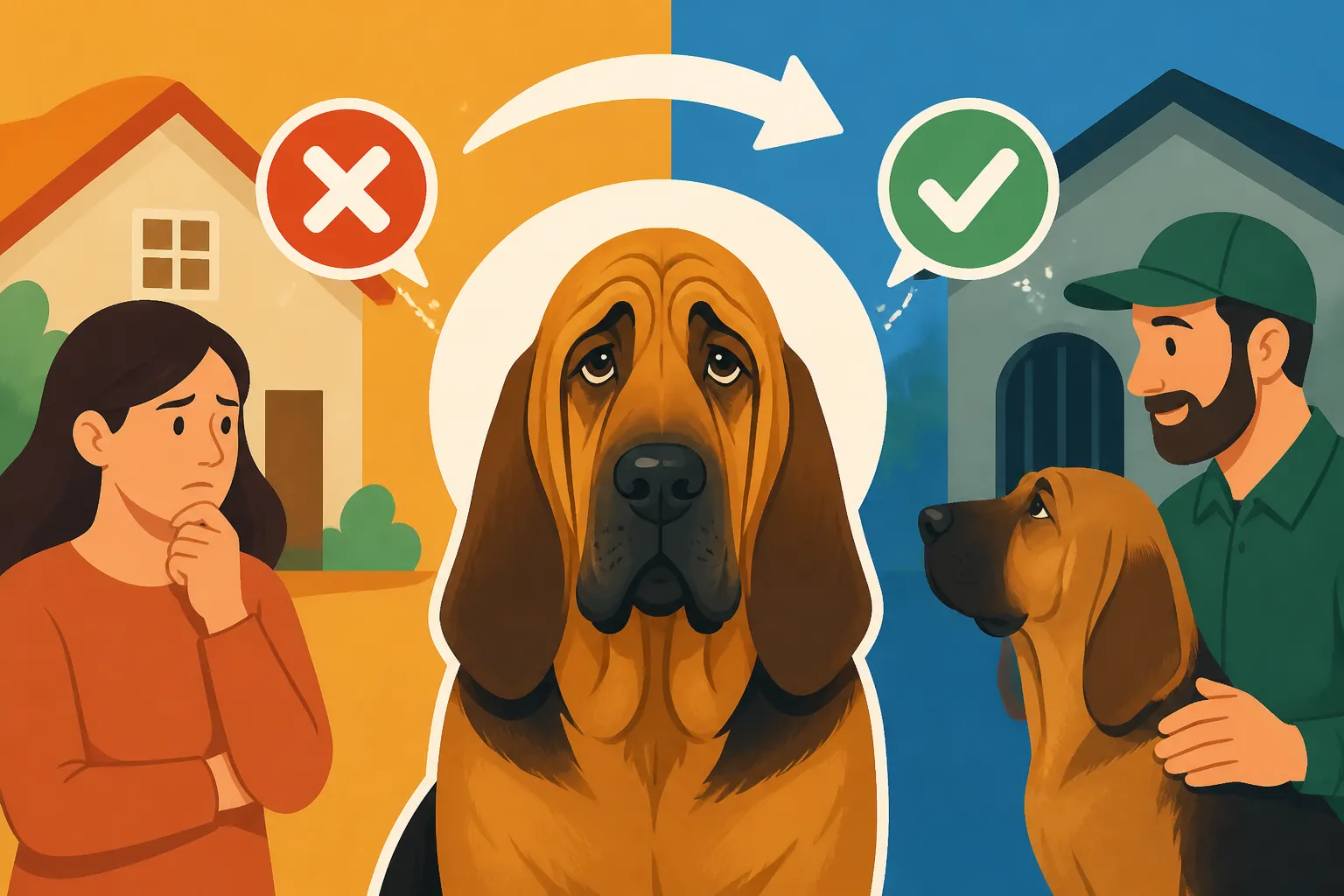
Whether a Bloodhound Can Be Returned to Its Breeder
It’s a heartbreaking decision no one ever imagines making when they bring home that floppy-eared, wrinkly Bloodhound puppy: the realization that, for whatever reason, this beloved dog might not be able to stay. The guilt can be overwhelming, the questions endless, and the path forward unclear. This guide is here to walk you through the difficult process of understanding whether returning your Bloodhound to its breeder is an option, what to expect, and some vital considerations along the way.
The Emotional Weight of Realizing a Bloodhound Isn't a Fit
Bringing a Bloodhound into your home is a huge commitment, filled with dreams of long walks, happy bays, and loyal companionship. When those dreams collide with reality, and you find yourself contemplating rehoming, it's a truly gut-wrenching experience. You might feel like you've failed, or that you're letting your dog down, and those feelings are completely valid. This isn't a decision made lightly, and acknowledging the emotional toll is the first step.
Acknowledging the Difficult Decision
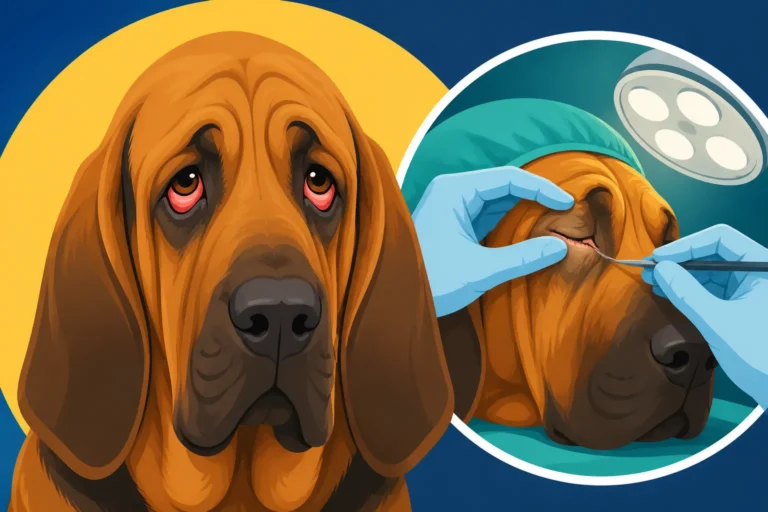
Sometimes, life throws curveballs we never anticipate. A new job with longer hours, a sudden move to a smaller living space, a family member developing allergies, or unforeseen financial strain can all contribute to a situation where you genuinely believe you can no longer provide the best life for your Bloodhound. Then there are the breed-specific challenges that, despite all your research, might prove more demanding than expected. Perhaps the constant baying is causing neighbor disputes, or the sheer strength of a Bloodhound on a leash is proving unmanageable. Many owners underestimate the dedication required for Everything on a Bloodhound Hangs Down and Has to Be Cleaned, a task that, if neglected, can lead to serious health issues. It's okay to admit when you're struggling; it doesn't make you a bad pet parent. It makes you a realistic one trying to make the best choice for everyone involved, especially your hound.
Guilt, Shame, and the Reality of Ownership
The societal pressure to keep a pet "no matter what" can weigh heavily, leading to feelings of shame and isolation. You might worry about what friends, family, or even your breeder will think. However, holding onto a dog when you can no longer meet its needs, or when its presence is causing significant stress in your home, isn't fair to anyone, least of all the dog. A Bloodhound, with its sensitive nature and incredible need for connection, thrives in a stable, suitable environment. If you're constantly stressed, or if the dog's needs are going unmet, then exploring options like returning to the breeder is a responsible, albeit painful, decision. Remember, the goal is always the dog's well-being, and sometimes that means a change of scenery.
Understanding Your Breeder Contract
Before you even pick up the phone, the most crucial first step is to dig out that original contract you signed when you brought your Bloodhound puppy home. This document isn't just a receipt; it's a legally binding agreement that often outlines what happens in situations like this. It's truly your roadmap.
What to Look For in Your Original Agreement
Most reputable Bloodhound breeders will include specific clauses in their contracts regarding the rehoming of their puppies. The most common and important one is often called a "Right of First Refusal" or a "Take Back Clause." This means that if, at any point, you cannot keep your Bloodhound, you are obligated to contact the breeder first. They have the right to take the dog back, or at least be involved in the rehoming process. Some contracts explicitly state that the dog must be returned to them, no questions asked, sometimes with no refund, or a partial one depending on the circumstances and the dog's age. Others might stipulate that you cannot rehome the dog yourself without their express written permission, especially to avoid situations where a dog ends up in a shelter or an unsuitable home. Look for language that addresses "surrender," "rehoming," or "inability to keep." It's also wise to check for any clauses about spaying/neutering requirements, health guarantees, or expectations regarding how the dog should be cared for over its lifetime. These clauses are put in place because good breeders care deeply about their dogs' welfare, long after they leave their initial home. They are often the best resource and advocate for their Bloodhound's future.
The Ethical Breeder's Perspective
For an ethical Bloodhound breeder, a dog is not just a commodity; it's a piece of their legacy, a living representation of their breeding program and dedication to the breed. They invest countless hours, resources, and emotional energy into selecting appropriate breeding stock, performing health clearances like those mentioned in What the American Bloodhound Club Asks Breeders to Screen, raising puppies, and carefully vetting prospective homes. When an owner faces the difficult decision to rehome, a responsible breeder wants to know. They want to ensure their Bloodhound doesn't end up in a shelter or an inappropriate home. Taking a dog back allows them to:
- Ensure Proper Placement: They have the experience and network to find a new, suitable home, often with other Bloodhound enthusiasts who understand the breed's unique needs.
- Maintain Genetic Information: Keeping track of their dogs' health and temperament throughout their How Long a Bloodhound Lives is crucial for evaluating their breeding program and making informed decisions for future litters.
- Provide Support: They often know the dog's lineage, early personality traits, and can offer valuable advice or insights that a new owner or shelter might not have.
Open communication with your breeder, even when it's difficult, demonstrates respect for their commitment and ensures the best outcome for your Bloodhound.
The Process of Returning Your Bloodhound
Once you've reviewed your contract and decided that reaching out to your breeder is the right step, the next phase involves direct communication and logistical planning. It's a sensitive conversation, but approaching it with honesty and preparation can make a world of difference.
Initial Contact and Discussion
When you contact your breeder, be prepared to have an open and honest conversation. It's best to be direct about the situation, explaining why you're considering returning the dog, but without placing blame. For example, rather than saying "Your dog is impossible to train!", you might say, "We've found that the intensity of Why Off Leash Is Not a Goal With a Bloodhound is more than we can safely manage, or that the dog's need for How Much Exercise a Bloodhound Actually Needs doesn't fit our current schedule." Provide as much information as possible about your Bloodhound's current health, temperament, training level, and daily routine. Gather all veterinary records, vaccination history, and any microchip information. If your Bloodhound has developed specific behavioral quirks, be transparent about those too. The more information the breeder has, the better equipped they will be to assess the situation and find a suitable new home. Discuss logistics such as transportation – will you be expected to bring the dog back to them, or will they be able to meet you partway? Agree on a timeline that works for both parties, keeping the dog's welfare in mind.
Potential Financial Considerations
Many owners wonder if they will receive a refund when returning a Bloodhound to its breeder. The honest answer is: probably not a full one, and often, none at all. This is where your contract is paramount. Most "take back" clauses in reputable breeder contracts specify that the dog is returned without monetary compensation, or with only a partial refund if the dog is still very young and can be rehomed quickly. Think about it from the breeder's perspective: they will incur costs to take the dog back, including potential vet checks, updating vaccinations, feeding, and advertising to find a new home. If a breeder does offer a partial refund, it might be contingent on the dog being in good health and temperament, and successfully rehomed. While you might be hoping for some financial relief, remember that the primary goal of this arrangement is the dog's welfare and ensuring it doesn't end up in a less-than-ideal situation, rather than a financial transaction. Any potential refund should be considered a bonus, not an expectation.
Alternatives to Returning to the Breeder
Sometimes, returning to the breeder isn't feasible, or perhaps you're not quite ready to give up without exploring every avenue. It's important to know that there are other options, both for working through challenges and for responsibly rehoming your Bloodhound if necessary.
Working Through Challenges
Before making the final decision, pause and consider if there are ways to address the issues you're facing. Often, what seems like an insurmountable problem can be managed with the right tools and support.
- Professional Training: Many Bloodhound behaviors, like persistent baying or pulling on the leash, can be addressed with consistent, positive reinforcement training. A professional trainer specializing in scent hounds can provide invaluable guidance. They can help you understand Why a Bloodhound Ignores a Cue It Knows and how to motivate them. Consider looking into activities like Mantrailing Is the Answer to a Bloodhound, Not Obedience, which harnesses their natural abilities and can resolve many behavioral issues rooted in boredom or unmet instincts.
- Behavioral Consultation: If the issues are more complex, such as anxiety or aggression, a veterinary behaviorist can offer a specialized approach. They can help identify underlying causes and develop a comprehensive behavior modification plan, potentially involving medication.
- Lifestyle Adjustments: Can your schedule be tweaked to better accommodate your Bloodhound's needs? Perhaps a dog walker could provide an extra midday outing, or a doggy daycare could offer mental and physical stimulation. Exploring a subscription service like Ollie for convenient, pre-portioned meals can sometimes alleviate the burden of meal prep, freeing up time for other care aspects.
- Health Management: Sometimes, behavioral issues stem from underlying health problems. Regular vet check-ups and open communication with your veterinarian are key. For instance, chronic ear infections, a common Bloodhound ailment, can make them irritable. Addressing these can improve their overall demeanor. If veterinary bills are a concern, remember that pet insurance, such as through Healthy Paws, can significantly offset unexpected costs, preventing a health crisis from becoming a rehoming trigger. Having an Whether a Bloodhound Owner Needs an Emergency Fund is also crucial for such eventualities.
Responsible Rehoming Options
If, after exhausting all avenues, you determine that you absolutely cannot keep your Bloodhound, and returning to the breeder isn't an option (or they are unable to take the dog back), there are still responsible ways to find your dog a new home. The key is to avoid "free to good home" ads, which can attract individuals with ill intentions.
- Breed-Specific Rescues: Bloodhound rescues are dedicated organizations focused solely on finding new homes for Bloodhounds. They have extensive networks of foster homes, experienced volunteers, and a thorough screening process for adopters. They understand the breed's quirks and ensure placements are a good match. This is often the second-best option after returning to the breeder. You can find these organizations through the American Bloodhound Club or online searches.
- No-Kill Shelters/Humane Societies: While less ideal than a breed-specific rescue, a reputable no-kill shelter is a better option than a facility with high euthanasia rates. They will screen potential adopters and provide care for your Bloodhound until a suitable home is found. Be prepared to provide all known history and records.
- Networking: Sometimes, a friend, family member, or acquaintance who genuinely understands large, scent-driven hounds might be interested. Utilize your personal network, but always conduct the same rigorous screening you'd expect from a rescue, including home checks and vet references.
- Online Adoption Platforms (with caution): There are reputable online platforms designed to connect owners with potential adopters, but these require you to do all the screening yourself. Be incredibly thorough, ask for references, and don't rush the process. Companies like Chewy even have resources that can sometimes point you towards local rescue organizations or provide information on responsible rehoming practices.
Here's a quick comparison of the common rehoming pathways:
| Rehoming Option | Pros | Cons | Typical Financial Outcome |
|---|---|---|---|
| Original Breeder | Deep understanding of dog/line, strong vetting, often contractual obligation. | May not be able to take back immediately, might not offer refund. | Usually no refund or partial refund. |
| Breed-Specific Rescue | Expertise with the breed, thorough screening, foster network. | Waitlists can exist, not always local. | Often requires a surrender fee. |
| No-Kill Shelter | Safe environment, professional staff, wider reach for adopters. | Less breed-specific knowledge, can be stressful for the dog. | Often requires a surrender fee. |
| Owner-Facilitated Rehoming | You control vetting, direct communication with new owner. | Requires significant time/effort, risk of poor screening. | Variable, potential small adoption fee. |
Ultimately, the goal is to secure a safe, loving, and permanent home for your Bloodhound, where its unique needs are met. While the decision to rehome is never easy, approaching it thoughtfully and responsibly is a testament to your love for your hound.
Disclaimer
This article is for general informational purposes only and does not constitute professional advice. Laws, prices and regulations vary by location and change over time. Consult a qualified professional for guidance on your specific situation.