What the American Bloodhound Club Asks Breeders to Screen
Bringing a Bloodhound into your life is an incredible journey filled with joy, slobbery kisses, and an endless fascination with their extraordinary nose. However, it also comes with the weighty responsibility of understanding and safeguarding their unique health needs. Many new owners, captivated by their charm, often feel overwhelmed by the sheer number of potential health issues or are simply unaware of what constitutes truly responsible breeding. This comprehensive guide is designed to demystify the crucial health screenings recommended by the American Bloodhound Club, empowering you to navigate the complexities of Bloodhound health with confidence and knowledge.
Understanding the American Bloodhound Club's Role in Health
The American Bloodhound Club (ABC) isn't just a fan club for our beloved long-eared friends; it's the official parent club recognized by the American Kennel Club (AKC). This means they're entrusted with preserving the breed's integrity, which includes paramount focus on health. Their recommendations aren't arbitrary; they stem from decades of collective experience, veterinary science, and a deep commitment to the well-being of the Bloodhound. For anyone looking to acquire a Bloodhound, or simply seeking to understand their current companion better, knowing what the ABC advocates for in terms of health screening is absolutely foundational.
Why Breeder Screening Matters
When you choose to bring a purebred dog into your home, you're not just picking a puppy; you're also inheriting its genetic predispositions. Unfortunately, many breeds, Bloodhounds included, are prone to certain inherited conditions that can lead to heartache and significant financial strain down the road. Responsible breeders understand this deeply. They don't just breed two Bloodhounds together because they like the look of them; they meticulously research pedigrees, perform health tests, and make informed decisions aimed at minimizing the risk of passing on debilitating genetic diseases. This isn't about guaranteeing a perfect dog – nature always has its surprises – but it's about stacking the odds in favor of a healthier, happier life for your future companion.
Think of it like building a house. You wouldn't want to start with a shaky foundation, right? Genetic health screening is exactly that for our Bloodhounds. It's the groundwork that informs ethical breeding practices, giving puppies the best possible start. Without it, you're essentially breeding blind, and that often leads to heartbreaking consequences for the dogs and their families. This is why organizations like the ABC put so much emphasis on these screenings.
The ABC's Commitment to Breed Health
The American Bloodhound Club acts as a beacon for responsible breeding practices, guiding its members and educating the public. Their health committee works tirelessly, collaborating with veterinary specialists, researchers, and experienced breeders, to stay abreast of the latest scientific findings relevant to Bloodhound health. They then translate this complex information into practical, actionable recommendations for their members. This isn't just about identifying problems, but about actively seeking solutions and promoting a culture of transparency and continuous improvement within the breed community.
The club understands that the health challenges faced by Bloodhounds, such as their predisposition to certain orthopedic issues, eye conditions, and particularly bloat, are significant. They recognize that these aren't minor inconveniences but potentially life-altering or even life-threatening conditions. Their commitment extends to supporting research initiatives and maintaining databases that help breeders track health outcomes, further refining their understanding of genetic patterns and disease prevalence. It's a long-term vision, one that aims to see every Bloodhound live out its full, healthy potential, which sometimes means challenging breeders to adopt new screening protocols as scientific knowledge evolves.
Setting the Standard for Responsible Breeding
The ABC's screening recommendations essentially establish a gold standard for responsible Bloodhound breeding. For a breeder to be considered truly ethical and committed to the breed's future, they should be adhering to these guidelines, if not exceeding them. These aren't just suggestions; they represent the bare minimum a puppy buyer should expect from any reputable source. A breeder who dismisses these screenings or claims they aren't necessary for their lines is, frankly, someone to be very wary of.
When you're looking for a puppy, always ask for proof of these health clearances. Don't just take their word for it. Legitimate breeders will be proud to share their dogs' certifications and will patiently explain what they mean. They understand that a knowledgeable buyer is a good buyer, and that transparency builds trust. These standards help ensure that the legacy of the Bloodhound—a legacy of incredible scenting ability and gentle temperament—is passed down alongside robust health, rather than being undermined by avoidable genetic ailments. This also impacts the breed's overall longevity; to understand more about that, you might want to read Why a Bloodhound Dies Younger Than Its Size Predicts.
Hip and Elbow Dysplasia: Mobility at Stake
Among the most common and debilitating genetic conditions affecting large and giant breed dogs like the Bloodhound are hip and elbow dysplasia. These are developmental abnormalities of the joints that can lead to pain, lameness, and crippling arthritis, often at a relatively young age. For a breed known for its stamina and ability to follow a trail for miles, healthy joints are absolutely non-negotiable. The American Bloodhound Club therefore places significant emphasis on screening for these conditions.
The Impact of Hip Dysplasia on Bloodhounds
Hip dysplasia occurs when the ball and socket of the hip joint don't fit together properly, leading to looseness (laxity), abnormal wear and tear, and eventually degenerative joint disease (osteoarthritis). For a large, heavy dog like a Bloodhound, every step puts immense pressure on these joints. Symptoms can range from a subtle limp after exercise to severe pain and difficulty getting up, especially after resting. Imagine a Bloodhound, built for tireless trailing, struggling to even stand up or enjoy a simple walk. It's a heartbreaking reality for many owners whose dogs develop severe hip dysplasia.
The condition often becomes apparent as a puppy or young adult, but can worsen significantly with age. The costs associated with managing hip dysplasia can be substantial, involving pain medications, joint supplements, physical therapy, and potentially expensive surgeries like total hip replacement. This is where a robust pet insurance plan, like those offered by Healthy Paws, can really make a difference, helping to mitigate the financial burden of chronic conditions. The goal of screening is to prevent these scenarios from ever happening by ensuring that breeding dogs have sound hips, thereby reducing the likelihood of passing on the genetic predisposition to their offspring. More details on this specific issue can be found in Hip and Elbow Dysplasia in the Bloodhound.
Elbow Dysplasia: Another Crucial Joint Concern
Similar to hip dysplasia, elbow dysplasia is a complex condition involving multiple developmental abnormalities of the elbow joint. It's not a single disease but rather a collection of inherited conditions that affect the proper growth and alignment of the bones forming the elbow. These issues can include an ununited anconeal process (UAP), fragmented coronoid process (FCP), osteochondrosis dissecans (OCD), and elbow incongruity. All of these lead to instability, pain, and inevitably, crippling arthritis within the joint.
An affected Bloodhound might show lameness in one or both front legs, often exacerbated by exercise, and may stand with its elbows turned out. Just like with hip dysplasia, the pain and reduced mobility can severely impact a Bloodhound's quality of life and its ability to participate in the activities it loves, be it trailing or simply playing in the yard. Early diagnosis and management are key, but prevention through careful breeding is always the preferred path. This is why the ABC mandates screening for both hips and elbows, understanding that both sets of joints are critical to a Bloodhound's overall well-being and function.
OFA and PennHIP Evaluations for Joint Health
To screen for hip and elbow dysplasia, the American Bloodhound Club recommends evaluations through recognized organizations like the Orthopedic Foundation for Animals (OFA) or the PennHIP program. These organizations provide standardized methods for assessing joint health in breeding animals.
The OFA method involves veterinarians taking specific X-ray views of the dog's hips and elbows, which are then submitted to a panel of board-certified veterinary radiologists. These radiologists evaluate the films for signs of dysplasia and grade the hips (Excellent, Good, Fair, Borderline, Mild, Moderate, Severe) and certify elbows as normal or dysplastic. Dogs typically need to be at least 24 months old for their final OFA certifications, as joint development is not complete before this age. Understanding What an OFA Hip Score Means for a Bloodhound is vital for potential owners.
PennHIP is another valuable screening tool, which can be performed on dogs as young as 16 weeks of age. It measures the passive hip laxity (looseness) with greater precision than OFA's extended view. While it doesn't provide a "grade" in the same way OFA does, it gives a distraction index (DI) that quantitatively measures hip laxity, and compares it to other dogs within the same breed, allowing breeders to select dogs with tighter hips. Reputable Bloodhound breeders will have these certifications readily available for their breeding stock, demonstrating their commitment to producing healthy puppies. It’s critical to ask for these documents and verify them before committing to a puppy.
Eye Health: Protecting Those Precious, Droopy Eyes
One of the most distinctive features of a Bloodhound is their magnificent, droopy eyes, framed by those characteristic loose eyelids. While undeniably charming, these features also make them particularly susceptible to a range of ocular conditions. The American Bloodhound Club strongly advises comprehensive eye examinations for all breeding Bloodhounds to identify and, ideally, eliminate genetic predispositions to these problems. Healthy vision is paramount for any dog, but especially for a breed that relies so heavily on its senses to navigate the world and perform its work.
Common Ocular Issues in Bloodhounds
Bloodhounds are prone to several eye conditions, many of which are directly related to their unique facial structure and loose skin. The most prevalent include ectropion, entropion, cherry eye, and dry eye.
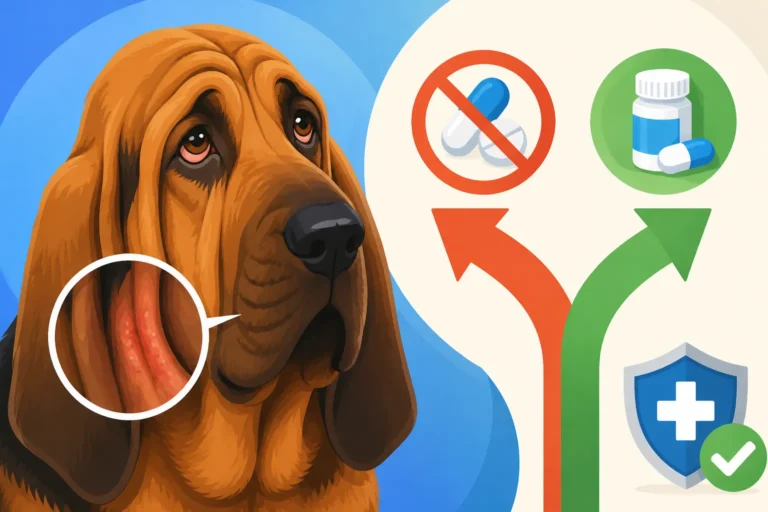
- Ectropion: This is perhaps the most obvious eye condition, where the lower eyelids roll outwards, exposing the delicate pink conjunctiva. While a certain degree of "haw" (the visible third eyelid) and loose lower lid is characteristic of the breed, excessive ectropion leaves the eye vulnerable to environmental irritants, dust, and debris, leading to chronic irritation, conjunctivitis, and corneal damage. It can cause ongoing discomfort and requires diligent daily care.
- Entropion: In contrast to ectropion, entropion is when the eyelid (usually the lower one) rolls inwards, causing the eyelashes and fur to rub directly against the surface of the eye. This constant friction is incredibly painful and can lead to corneal ulcers, scarring, and even blindness if left untreated.
- Cherry Eye: This condition occurs when the gland of the third eyelid prolapses, appearing as a red, swollen mass in the inner corner of the eye. While not usually painful, it can lead to irritation and reduced tear production.
- Dry Eye (Keratoconjunctivitis Sicca – KCS): This is a condition where the eye does not produce enough tears to keep the surface moist and healthy, leading to chronic irritation, corneal damage, and potential vision loss.
These issues are common enough that the ABC places high importance on screening. You can dive deeper into these specific issues by exploring The Four Eye Problems a Bloodhound Is Born Toward.
The Importance of OFA Eye Certifications
To address these prevalent eye issues, the American Bloodhound Club recommends annual eye examinations by a board-certified veterinary ophthalmologist. These specialists perform a thorough examination of the entire eye structure, looking for any signs of inherited eye diseases. The findings are then reported to the OFA (Orthopedic Foundation for Animals) Eye Certification Registry (formerly CERF), which issues a clearance number if the dog is free of observable inherited eye disease.
These certifications are crucial because some eye conditions, like early cataracts or retinal issues, might not be immediately obvious to a general vet or a breeder without specialized equipment. The ophthalmologist can detect subtle changes that indicate a problem is developing. Furthermore, some conditions can be progressive, which is why annual re-examinations are often recommended, especially for breeding stock. A breeder who consistently performs these eye certifications demonstrates a serious commitment to producing healthy puppies with good vision, reducing the likelihood that you'll be faced with expensive and uncomfortable eye surgeries for your beloved hound.
Beyond Certification: Ongoing Eye Care and Vigilance
While OFA eye certifications are vital for breeding soundness, they don't negate the need for diligent daily eye care and ongoing vigilance in Bloodhounds. Even with clear eyes, their unique conformation means their eyes remain vulnerable. Owners should be prepared for regular cleaning, especially if their Bloodhound has even minor ectropion. This involves gently wiping away discharge and keeping the area around the eyes clean and dry to prevent irritation and infection.
Any signs of excessive tearing, redness, squinting, discharge, or pawing at the eyes warrant a prompt veterinary visit. These can be indicators of an infection, corneal ulceration, or a worsening underlying condition. Prevention and early intervention are key to managing these issues effectively and preserving your Bloodhound's vision and comfort. A proactive approach to daily care, combined with a responsible breeder's screening efforts, gives your Bloodhound the best chance for a lifetime of clear sight. Many owners find that setting up a routine, perhaps even making it part of their general morning clean-up, helps immensely.
Cardiac Health: Listening to a Bloodhound's Heartbeat
For a breed of their size and athletic potential, maintaining robust cardiac health is vital for Bloodhounds. Heart conditions, while sometimes insidious and subtle in their early stages, can have devastating consequences if left unaddressed. The American Bloodhound Club underscores the importance of cardiac screening for breeding Bloodhounds to identify and mitigate the risks of inherited heart diseases that could impact the longevity and quality of life of future generations.
Identifying Potential Heart Conditions
Bloodhounds, like many large and giant breeds, can be susceptible to various cardiac conditions. One of the primary concerns is Dilated Cardiomyopathy (DCM), a disease of the heart muscle that results in an enlarged heart and weakened contractions, leading to progressive heart failure. Other potential issues include various congenital heart defects (present at birth) such as subvalvular aortic stenosis (SAS) or patent ductus arteriosus (PDA), as well as arrhythmias.
In the early stages, a Bloodhound with a heart condition might show no outward symptoms, or only very subtle signs like reduced exercise tolerance. As the disease progresses, owners might notice coughing, difficulty breathing, lethargy, or even fainting spells. These conditions can significantly shorten a Bloodhound's lifespan and necessitate complex and expensive long-term medical management. Understanding Heart Disease in the Bloodhound can provide more context on these issues. This is why screening is so critical – it helps breeders identify affected individuals before they pass on these problematic genes to their puppies.
Auscultation and Echocardiograms: The Screening Process
The ABC recommends two primary methods for cardiac screening in breeding Bloodhounds:
- Auscultation: This is a basic but important first step. A veterinarian uses a stethoscope to listen to the dog's heart, checking for any murmurs or abnormal rhythms. While a murmur doesn't always indicate a severe problem, especially in puppies, a persistent or loud murmur in an adult dog warrants further investigation.
- Echocardiogram (Echo): For a comprehensive evaluation, particularly for breeds at risk of DCM, a full cardiac examination by a board-certified veterinary cardiologist is recommended. This usually includes an echocardiogram, which is an ultrasound of the heart. The echo allows the cardiologist to visualize the heart's structure, measure its chambers, assess valve function, and evaluate the strength of the heart muscle's contractions. They can identify subtle changes indicative of DCM or other structural abnormalities before clinical signs develop.
The findings from these examinations are then reported to the OFA, which maintains a cardiac registry. Breeders should aim for clear cardiac clearances on their breeding stock to ensure they are not inadvertently contributing to the prevalence of heart disease within the breed. These evaluations are usually performed annually for breeding dogs, as some conditions can develop or progress over time. This commitment helps future puppy owners avoid the heartbreak and financial burden of managing serious heart conditions.
The Role of OFA Cardiac Clearances
The OFA Cardiac Database serves as a vital resource for Bloodhound breeders and prospective owners. When a board-certified veterinary cardiologist performs an echocardiogram and finds no evidence of congenital or acquired heart disease, the OFA will issue a cardiac clearance, often listed as "Normal" or "Clear." This public database allows anyone to verify the health status of a potential puppy's parents, grandparents, and beyond.
A reputable breeder will not only have these clearances but will also be transparent about their dogs' cardiac history and the cardiac health of their lines. They understand that a clear OFA cardiac certification provides crucial peace of mind and reflects their dedication to the breed's long-term health. While no screening can guarantee perfect health, these proactive measures significantly reduce the risk of debilitating cardiac conditions appearing in puppies. Knowing that your puppy comes from parents with clear hearts is a strong indicator of a responsible breeding program focused on overall well-being.
Thyroid Function: Balancing Hormones for Overall Well-being
Thyroid problems, particularly hypothyroidism, are another significant health concern in Bloodhounds, much like in many other purebred dogs. The thyroid gland, located in the neck, produces hormones that regulate metabolism and affect virtually every organ system in the body. When the thyroid gland doesn't function properly, a cascade of health issues can arise. The American Bloodhound Club advocates for regular thyroid screening to identify and manage these conditions in breeding stock.
Hypothyroidism: A Common Endocrine Disorder
Hypothyroidism occurs when the thyroid gland doesn't produce enough thyroid hormones. It's often an autoimmune condition where the dog's own immune system attacks and destroys the thyroid tissue over time. For a Bloodhound, this can manifest in a wide array of non-specific symptoms, making it challenging to diagnose without specific testing.
Common signs of hypothyroidism in Bloodhounds can include:
- Lethargy and weight gain: Despite no change in diet or exercise, an affected dog might become sluggish and start putting on weight.
- Skin and coat problems: These are frequently the most noticeable signs. Owners might observe a dull, dry, brittle coat, hair loss (especially on the flanks or tail), recurring skin infections, or excessive dandruff.
- Intolerance to cold: Hypothyroid dogs might seek out warm places more often.
- Reproductive issues: In breeding dogs, hypothyroidism can lead to infertility or poor litter sizes.
- Behavioral changes: Some dogs may become more irritable, anxious, or fearful.
Because these symptoms can mimic many other conditions, thyroid testing is essential for accurate diagnosis. More information about this can be found at Hypothyroidism in a Bloodhound.
Understanding Thyroid Screening Protocols
To screen for hypothyroidism, the American Bloodhound Club recommends a full thyroid panel, typically including measurements of total T4, free T4, TSH (thyroid-stimulating hormone), and autoantibodies (TgAA). This comprehensive panel provides a complete picture of the thyroid gland's function and can detect autoimmune thyroiditis before the gland is fully compromised.
- Total T4 (TT4) and Free T4 (fT4): These measure the levels of thyroid hormones circulating in the blood. Free T4 is often considered a more accurate indicator as it's the biologically active form of the hormone.
- TSH (Thyroid-Stimulating Hormone): Produced by the pituitary gland, TSH signals the thyroid to produce hormones. In primary hypothyroidism, T4 and fT4 levels will be low, and TSH levels will be high as the body tries to stimulate the underperforming thyroid.
- Thyroglobulin Autoantibodies (TgAA): The presence of these antibodies indicates autoimmune thyroiditis, which is the most common cause of hypothyroidism in dogs. Detecting these early allows breeders to identify dogs at risk, even if their thyroid hormone levels are still within the normal range.
These screenings are usually conducted annually on breeding stock, and results are often submitted to the OFA's thyroid registry. This diligence helps breeders avoid propagating genes that predispose Bloodhounds to this common and often overlooked condition.
Managing Thyroid Health in a Bloodhound
If a Bloodhound is diagnosed with hypothyroidism, the good news is that it is typically very manageable with daily medication, usually synthetic thyroid hormone (levothyroxine). Once on medication, most dogs return to normal health, with their symptoms resolving over several weeks or months. However, it is a lifelong treatment, and regular blood tests are needed to ensure the dosage is correct.
For breeding animals, a diagnosis of hypothyroidism means they should generally be removed from a breeding program to avoid passing on the genetic predisposition. This is a tough decision for breeders, but it's a critical one for the long-term health of the breed. Reputable breeders prioritize breed health over individual achievements, making these difficult choices when necessary. For owners of a beloved Bloodhound, knowing about the genetic risk and understanding the importance of screening helps them advocate for their dog's health throughout its life. It's another area where pet insurance, like Healthy Paws, can be incredibly beneficial for covering the ongoing costs of medication and monitoring appointments.
Addressing Bloat Risk: A Proactive Stance
Perhaps one of the most terrifying and rapidly fatal conditions that Bloodhound owners face is Gastric Dilatation-Volvulus (GDV), commonly known as bloat. This emergency situation occurs when the stomach fills with gas and often twists upon itself, cutting off blood supply and leading to shock and death. Bloodhounds, with their deep, narrow chests, are one of the breeds at extremely high risk. The American Bloodhound Club takes this threat very seriously, recognizing that while bloat isn't solely genetic, genetic predisposition plays a role, and proactive steps are crucial.
Understanding Gastric Dilatation-Volvulus (Bloat)
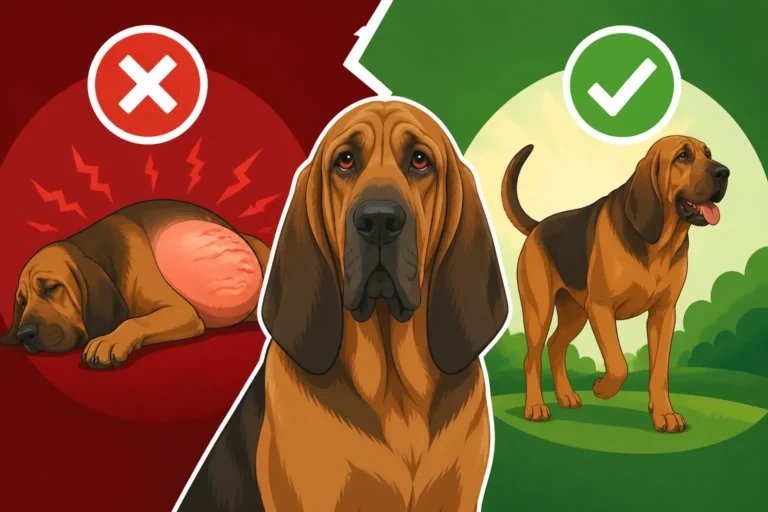
Bloat is a true veterinary emergency. When the stomach twists (volvulus), it traps gas and food, preventing anything from passing into the intestines or being vomited up. This rapidly expanding stomach puts pressure on major blood vessels, impairing blood flow back to the heart and causing the dog to go into shock. Without immediate surgical intervention, a dog can die within hours.
Signs of bloat are critical to recognize quickly:
- Restlessness and pacing: The dog seems uncomfortable and can't settle.
- Non-productive retching: They try to vomit but nothing comes up, or only foamy saliva.
- Distended abdomen: The belly may appear visibly swollen, hard, and painful to the touch.
- Drooling and lethargy: Excessive drooling, weakness, and a general decline in energy.
- Rapid, shallow breathing: Indicative of distress and shock.
This condition is so devastating that many Bloodhound owners live with constant anxiety. For a deeper dive into this life-threatening issue, check out Bloat Is What Kills Most Bloodhounds. The urgency of this condition means knowing what to do in the immediate aftermath of suspected bloat can literally be the difference between life and death.
Breeding Considerations for Bloat Risk
While the exact genetics of bloat are complex and not fully understood, research indicates a hereditary component, especially regarding risk factors like chest conformation. The American Bloodhound Club encourages breeders to consider the bloat history in their lines when making breeding decisions. This involves looking at how many relatives (parents, siblings, offspring) have bloated and, if possible, what triggered those incidents. Breeding dogs from lines with a high incidence of bloat is generally discouraged.
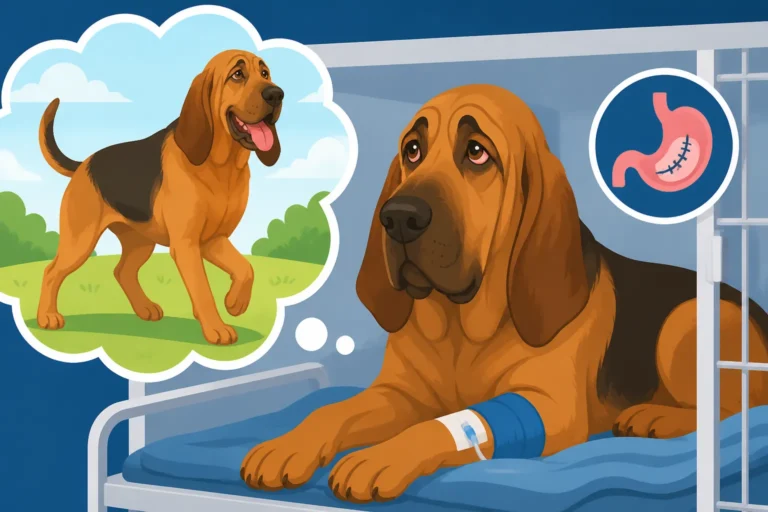
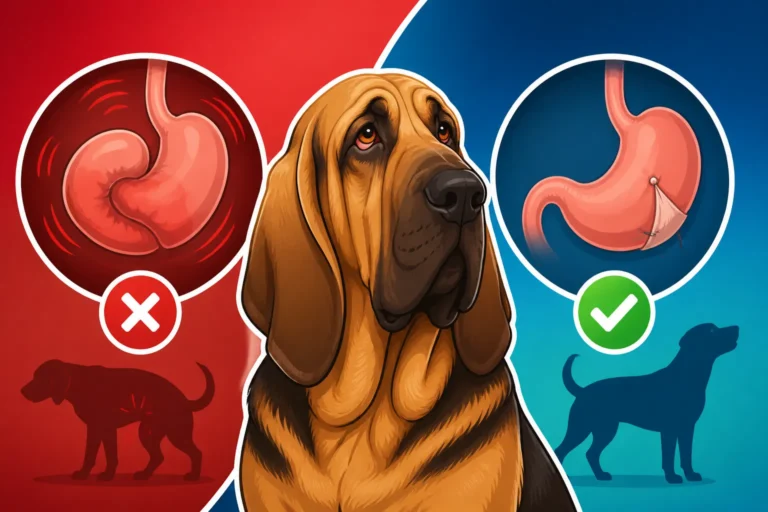
However, bloat is multifactorial, meaning genetics are only one piece of the puzzle. Environmental and management factors also play a huge role. For this reason, while genetic screening for bloat isn't as straightforward as for hip dysplasia, breeders are encouraged to make proactive recommendations to puppy buyers, such as the option of a prophylactic gastropexy. This surgical procedure tacks the stomach to the abdominal wall, preventing it from twisting, though it does not prevent the stomach from filling with gas. This preventive measure is so significant that it's a decision every Bloodhound owner needs to face, as discussed in The Gastropexy Decision Every Bloodhound Owner Faces.
The Broader Picture: Management Beyond Genetics
Beyond breeding considerations, responsible Bloodhound ownership, informed by the ABC's emphasis on bloat awareness, involves several key management strategies. These strategies are often shared by reputable breeders as part of their puppy care guidance:
- Feeding practices: Feeding multiple smaller meals per day instead of one large meal, using a slow-feeder bowl, and avoiding vigorous exercise or large amounts of water immediately before or after meals are common recommendations.
- Gastropexy: A prophylactic gastropexy is widely recommended by veterinarians and Bloodhound enthusiasts as the most effective preventive measure against the fatal twisting aspect of bloat. This can often be performed concurrently with spay/neuter surgery in younger dogs.
- Awareness: Knowing the signs of bloat and having an emergency plan in place, including the location of the nearest 24/7 veterinary emergency hospital, is paramount. Every second counts when bloat strikes.
The ABC's focus on bloat isn't just about screening breeders; it's about educating the entire Bloodhound community on this dire threat and empowering owners with the knowledge and tools to protect their dogs. This breed-specific knowledge is a cornerstone of responsible Bloodhound care.
Epilepsy and Other Neurological Concerns
While not as visibly obvious as a structural issue like hip dysplasia or as acutely dramatic as bloat, neurological conditions, particularly epilepsy, can profoundly impact a Bloodhound's quality of life and create significant challenges for owners. The American Bloodhound Club acknowledges the presence of epilepsy within the breed and supports efforts to understand and reduce its incidence through responsible breeding.
Recognizing Epilepsy in Bloodhounds
Epilepsy is a chronic neurological disorder characterized by recurrent, unprovoked seizures. In Bloodhounds, as in many breeds, the most common form is idiopathic epilepsy, meaning there's no identifiable underlying cause such as a brain tumor, infection, or metabolic disorder. These seizures typically begin between 6 months and 6 years of age.
Seizures can vary in presentation:
- Generalized (Grand Mal) Seizures: These are the most dramatic and recognizable, involving a loss of consciousness, uncontrolled muscle twitching or paddling of the limbs, drooling, vocalization, and sometimes loss of bowel or bladder control. They usually last from a few seconds to a few minutes.
- Focal (Partial) Seizures: These affect only a specific part of the brain and may manifest as localized twitching, lip-smacking, staring, or unusual behaviors like "fly-biting" or tail-chasing.
Witnessing a seizure can be incredibly frightening for an owner. While most seizures are not immediately life-threatening, repeated or prolonged seizures (status epilepticus) can be dangerous. Managing epilepsy often involves lifelong medication, careful monitoring, and a deep understanding of the individual dog's triggers and response to treatment. For more comprehensive information, see Epilepsy in a Bloodhound.
Current Screening Limitations and Future Directions
Unlike orthopedic or eye conditions, genetic screening for idiopathic epilepsy is significantly more complex. There isn't a single gene that causes epilepsy in all Bloodhounds, and the inheritance pattern is often polygenic, meaning multiple genes contribute to the risk. This makes a simple "clear" or "affected" test challenging, if not impossible, with current technology.
Therefore, the ABC's approach to epilepsy screening is primarily focused on collecting data and supporting research. Breeders are encouraged to:
- Be transparent: Disclose any history of epilepsy in their breeding lines.
- Track incidence: Keep detailed records of any seizures in their dogs and their offspring.
- Avoid breeding affected dogs: While a perfect solution doesn't exist, reputable breeders generally avoid breeding any Bloodhound that has experienced seizures, or those with a high incidence of epilepsy in their immediate pedigree.
The veterinary genetics community, often supported by organizations like the OFA and the AKC Canine Health Foundation, is actively researching the genetic basis of epilepsy in various breeds, including Bloodhounds. The goal is to identify markers that could lead to reliable genetic tests in the future. This ongoing research is a critical part of the ABC's long-term commitment to improving breed health.
Supporting Research for Neurological Health
Given the current limitations in direct genetic testing for epilepsy, supporting research becomes paramount. The American Bloodhound Club, through its health and research initiatives, encourages members and Bloodhound enthusiasts to participate in studies, contribute DNA samples, and report cases of epilepsy to central registries. This collective data is invaluable for scientists working to unravel the complex genetics of the disease.
By actively participating in research, the Bloodhound community contributes to a larger scientific understanding that could eventually lead to genetic tests, more effective treatments, or even preventative strategies. This collaborative effort demonstrates a profound commitment to the future health of the breed, recognizing that some health challenges require a long-game approach. While no immediate "screening" test exists, the dedication to ongoing research is a form of proactive screening for future generations.
The Ongoing Journey of Bloodhound Health
Owning a Bloodhound, or committing to breeding them, is a continuous journey of learning and adaptation. The American Bloodhound Club's health screening recommendations are not just a checklist; they represent a philosophy of responsible care and a dedication to the breed's future. Beyond the initial screenings, a Bloodhound's health is a dynamic landscape that requires ongoing attention, a strong partnership with your veterinarian, and the ethical commitment of every breeder.
Lifelong Care and Veterinary Partnership
Health screenings provide a snapshot of a Bloodhound's genetic predispositions and current health status, but they are just the beginning. A Bloodhound's entire life demands attentive care. This includes regular veterinary check-ups, appropriate vaccinations, parasite prevention, and a high-quality diet tailored to their specific needs and activity level. As they age, their needs will shift, and conditions like arthritis (often a consequence of unaddressed dysplasia, even if mild), or age-related organ decline may become concerns. You can expect to see changes as early as six years old; you can learn more about this in Aging in a Bloodhound Starts at Six.
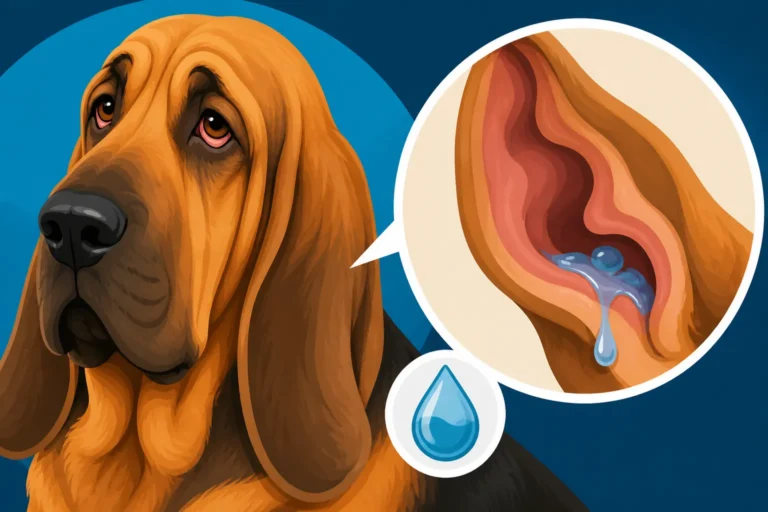
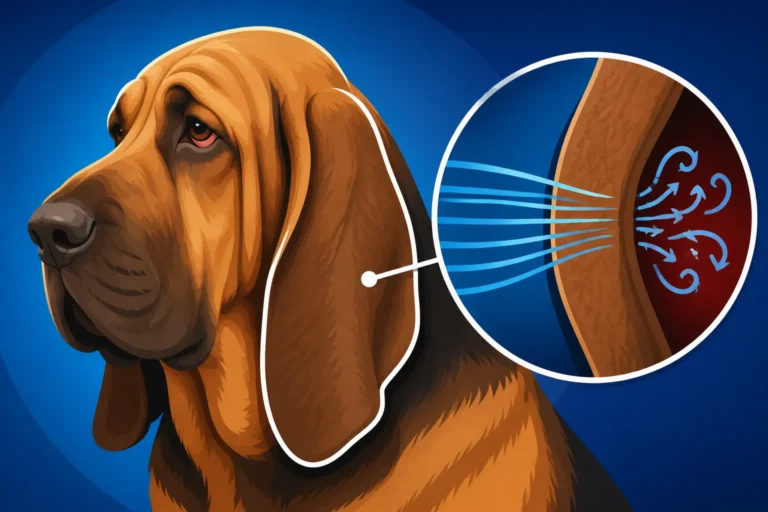
Developing a strong, trusting relationship with a veterinarian who understands large breeds and ideally has experience with Bloodhounds is invaluable. They will be your primary partner in monitoring your dog's health, addressing any concerns, and guiding you through preventive care. This might include annual blood work, dental cleanings, or managing chronic conditions with medication. And of course, the unique characteristics of Bloodhounds, such as their long ears, require special attention, as a Bloodhound's ears are a standing infection risk. Daily cleaning of their folds and ears are essential to prevent problems from escalating.
The Ethical Imperative for Breeders
For breeders, the ABC's guidelines are an ethical imperative. Responsible breeding isn't about profit or producing the most puppies; it's about making thoughtful, informed decisions that prioritize the health, temperament, and welfare of the breed. This means investing significant time, effort, and financial resources into health testing, researching pedigrees, and providing optimal care for their breeding stock and puppies. It also involves being transparent with prospective buyers, educating them about the breed's specific health challenges, and providing ongoing support throughout the puppy's life.
An ethical breeder understands that every puppy they produce carries a piece of the breed's future. They are stewards of the Bloodhound legacy, striving to improve each generation. This often means making difficult decisions, such as removing a beloved dog from a breeding program due to an unexpected health issue, even if that dog possesses other desirable traits. Their commitment extends beyond puppy sales; it's a lifelong dedication to the dogs they bring into the world.
Empowering Bloodhound Owners
Ultimately, understanding what the American Bloodhound Club asks breeders to screen for empowers you, the Bloodhound owner or prospective owner. It provides you with the knowledge to:
- Choose a responsible breeder: You'll know what questions to ask and what documentation to request, such as OFA certifications for hips, elbows, eyes, and heart. This due diligence is critical for your future peace of mind and your Bloodhound's well-being.
- Be a proactive owner: Knowing the breed's predispositions allows you to be more vigilant about potential symptoms, discuss relevant screenings with your vet, and implement preventive care strategies, such as understanding the significance of a prophylactic gastropexy.
- Advocate for your dog: If health issues do arise, you'll be better equipped to understand diagnoses, explore treatment options, and make informed decisions with your veterinary team.
- Plan financially: Being aware of potential health costs (like those related to joint surgeries, chronic medication, or emergency bloat surgery) can help you budget appropriately or invest in comprehensive pet insurance from providers like Healthy Paws.
By embracing this comprehensive understanding of Bloodhound health and the ABC's screening recommendations, you are not just acquiring a pet; you are becoming an informed and responsible participant in the preservation and enhancement of this magnificent breed.
Summary of ABC Recommended Health Screenings
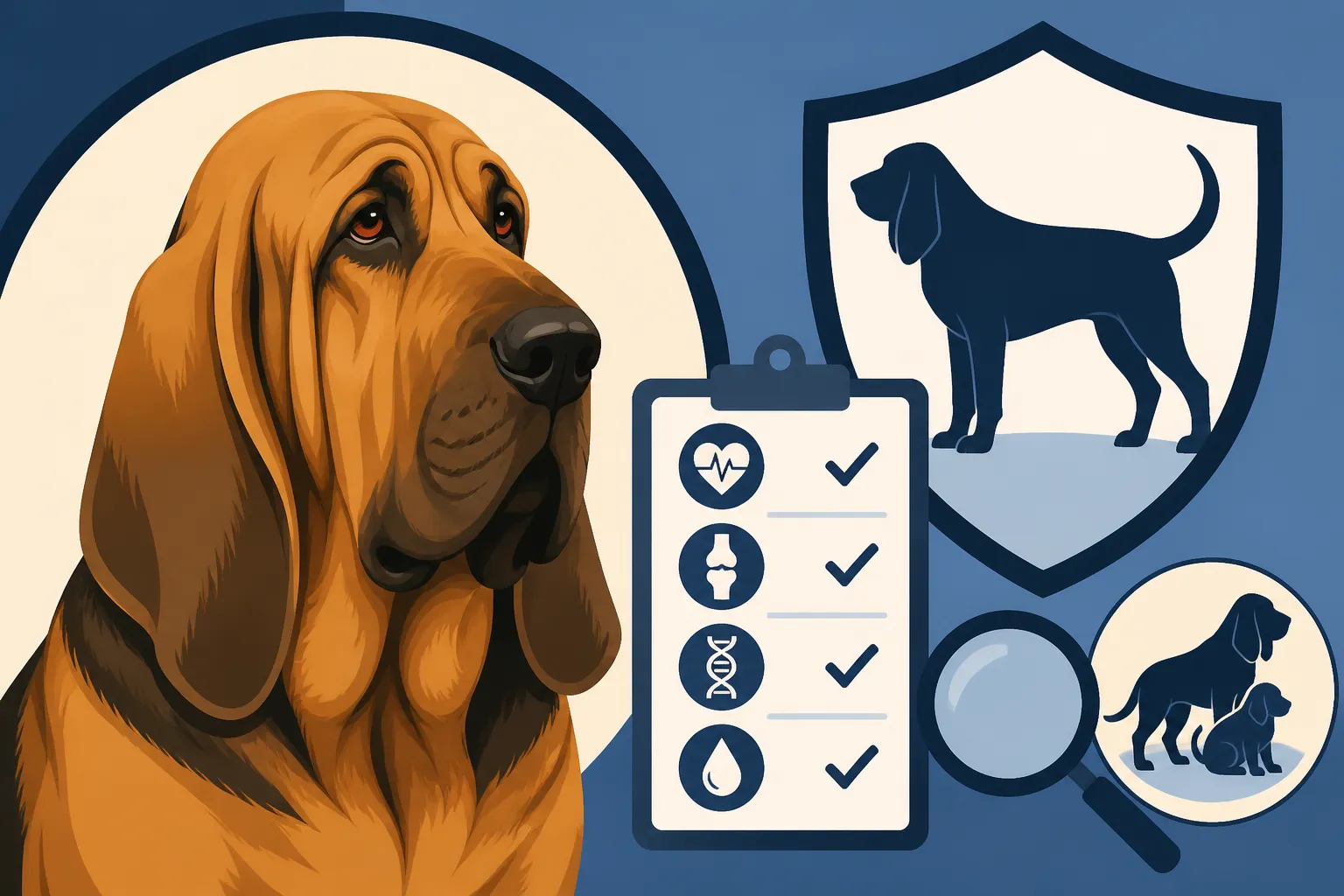
Here's a quick overview of the key health screenings recommended by the American Bloodhound Club for breeding stock, which every prospective owner should inquire about:
| Health Condition | Screening Method | Certifying Body | Minimum Age for Certification | Frequency |
|---|---|---|---|---|
| Hip Dysplasia | X-rays (Extended Hip View) / PennHIP | OFA / PennHIP | 24 months (OFA) / 16 weeks (PennHIP) | Once (final OFA) |
| Elbow Dysplasia | X-rays (Lateral & Flexed Views) | OFA | 24 months | Once |
| Eye Conditions (Ectropion, Entropion, etc.) | Examination by Board-Certified Veterinary Ophthalmologist | OFA (ECR) | 12 months | Annually |
| Cardiac Disease (DCM, congenital defects) | Auscultation & Echocardiogram by Board-Certified Veterinary Cardiologist | OFA | 12 months | Annually |
| Hypothyroidism | Full Thyroid Panel (T4, fT4, TSH, TgAA) | OFA | 12 months | Annually |
| Epilepsy | Pedigree research, disclosure of family history | (No direct test) | – | Ongoing data collection |
| Bloat Risk | Pedigree research, chest conformation assessment | (No direct test) | – | Ongoing data collection |
Disclaimer
The information provided in this article is intended for educational purposes only and should not be considered a substitute for professional veterinary advice. Always consult with a qualified veterinarian for any health concerns or before making any decisions related to your Bloodhound's medical care.