Whether a Bloodhound Survives Bloat
The sheer terror that strikes when you see your beloved Bloodhound desperately trying to vomit, their belly distended and hard, is a moment no owner ever forgets. Gastric Dilatation-Volvulus, or bloat, is a lightning-fast killer, and in those frantic moments, the only question that screams in your mind is: will my Bloodhound survive this? This guide aims to shed light on the realities of bloat survival, exploring the factors that tip the scales and what you can do to give your hound the best possible chance.
Understanding Gastric Dilatation-Volvulus (GDV) in Bloodhounds
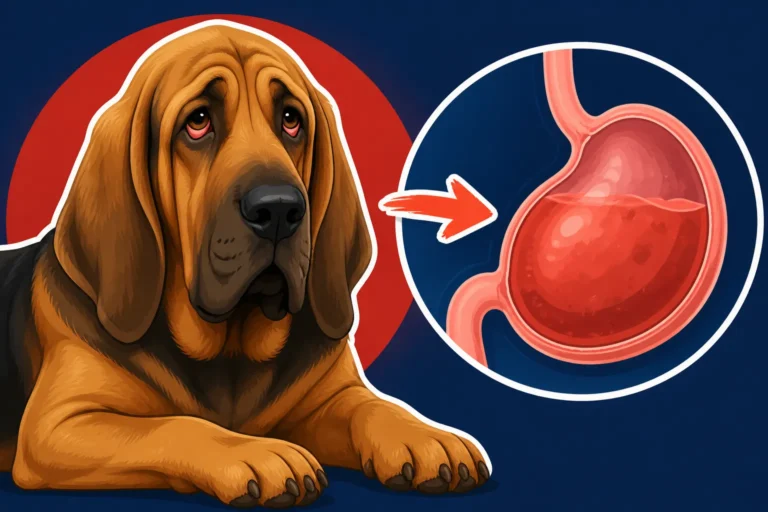
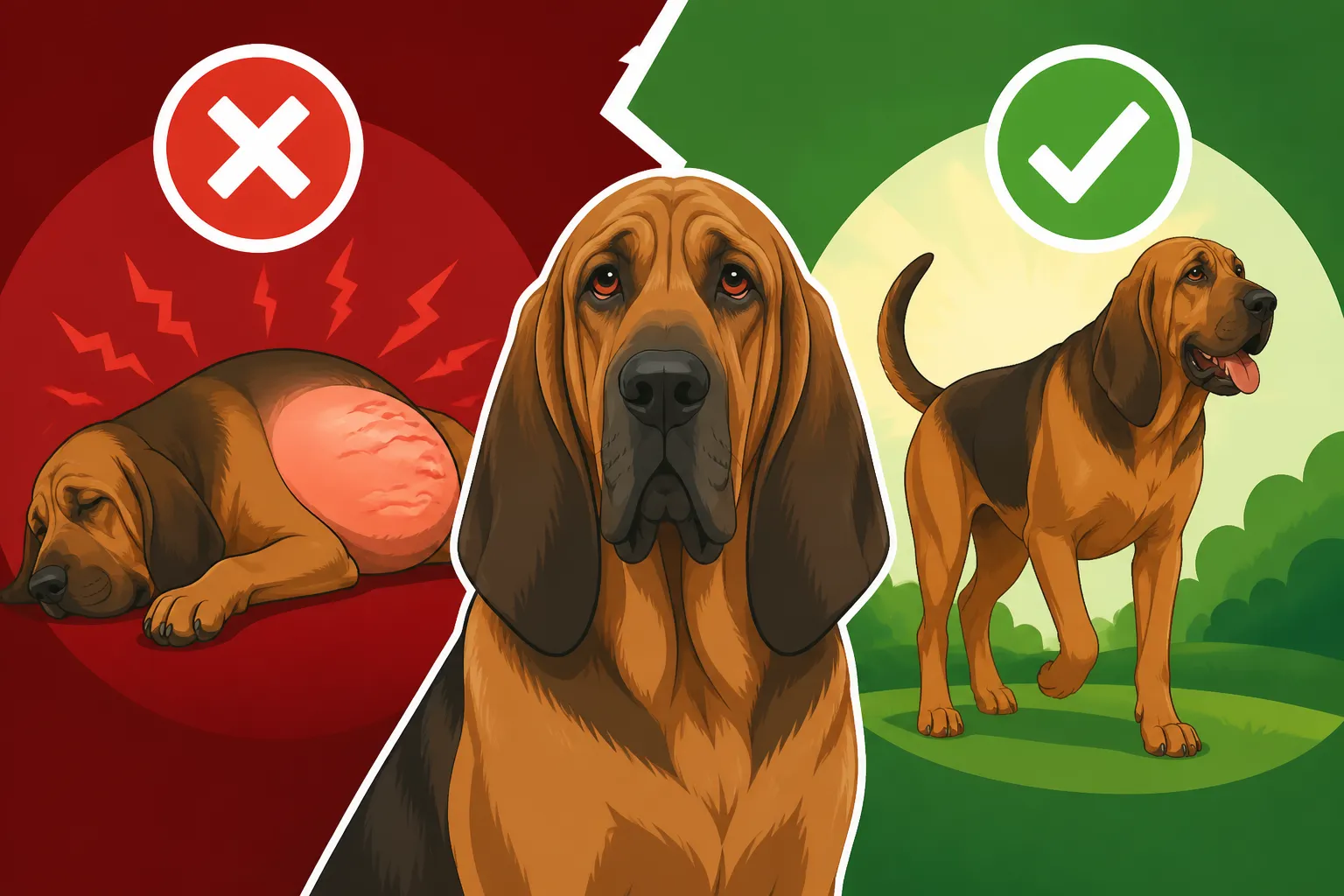
Bloat, specifically Gastric Dilatation-Volvulus (GDV), isn't just an upset stomach; it's a life-threatening emergency where a dog's stomach fills with gas and twists upon itself. For Bloodhounds, with their deep, narrow chests, the risk of GDV is significantly higher than in many other breeds. When this happens, blood flow to the stomach is cut off, and the trapped gas can press on major blood vessels, leading to shock and organ damage. It’s a terrifying cascade of events that unfolds with alarming speed.
The Mechanism Behind Bloat in Bloodhounds
Imagine a balloon filling rapidly with air, and then, before you can release the air, someone twists its neck. That's essentially what happens with bloat. The stomach dilates, expanding with gas, fluid, or food. Then, in the case of GDV, it rotates, usually clockwise, sometimes 180 degrees, sometimes even more. This twist seals off both the entrance (from the esophagus) and the exit (to the small intestine), trapping everything inside. The pressure quickly builds, reducing blood flow to the stomach lining, spleen, and other vital organs. This can lead to tissue death and a massive inflammatory response throughout the body.
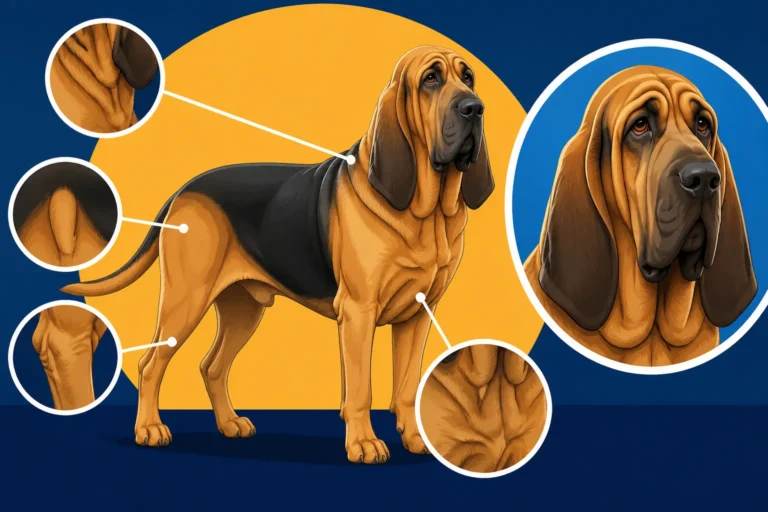
For a Bloodhound, their unique conformation, particularly their deep chest and relatively narrow waist, is a significant anatomical predisposing factor. This body shape, which allows for those powerful lungs needed for long hours on the trail, unfortunately also creates more space for the stomach to distend and twist. This is a cruel irony, as the very feature that makes them such exceptional working dogs also puts them at grave risk. Understanding Why a Deep Narrow Chest Puts a Bloodhound at Risk is crucial for every Bloodhound owner.
Why Bloodhounds Are Particularly Susceptible
It's not just their body shape. Several other factors contribute to a Bloodhound's increased risk. Genetics play a role; if a Bloodhound’s parents or siblings have bloated, their risk increases. Eating habits are also critical; fast eaters, those who consume one large meal a day, or those who are highly stressed or anxious around meal times may be more prone to the condition. Studies, like the famous Purdue Bloat Study, have identified specific risk factors, and Bloodhounds consistently appear among the high-risk breeds.
Beyond physical characteristics, their activity level and temperament can also play a part. High-strung or anxious Bloodhounds, or those engaging in vigorous exercise right before or after eating, might also face a slightly elevated risk. The combination of genetics, physiology, and environmental factors creates a perfect storm, making every Bloodhound owner hyper-aware of the subtle signs and immediate dangers of bloat. It's why so many of us walk on eggshells, monitoring every burp and every change in our hound's demeanor.
The Critical Factors Influencing Survival
When a Bloodhound bloats, the clock starts ticking. Survival rates vary widely, primarily depending on a handful of critical factors. It’s not just about getting to the vet; it’s about when you get there, the severity of the twist, and what damage has already occurred internally. This is why immediate recognition and action are literally life or death.
The Importance of Rapid Intervention
Time is the single most critical factor in a Bloodhound's survival from bloat. From the onset of symptoms, you typically have a very small window—sometimes as little as 30 minutes to an hour—before irreversible damage begins. The faster your Bloodhound receives veterinary attention, the higher their chances of survival. This means recognizing the subtle signs of bloat early on, which can include restlessness, drooling, pacing, discomfort, and unsuccessful attempts to vomit. If you notice Signs a Bloodhound Is Bloating, every second counts.
Delaying even for an hour can drastically reduce the prognosis. The longer the stomach remains twisted, the greater the likelihood of shock, heart arrhythmias, and necrosis (tissue death) of the stomach wall. Once the stomach tissue starts to die, the chances of complications, and ultimately death, skyrocket. This is why veterinary professionals always stress that bloat is a true emergency, demanding immediate action, not a "wait and see" approach. Many owners report the bloat starting in the middle of the night, adding another layer of challenge and urgency to getting help.
Severity of the Gastric Torsion
Not all bloat cases are created equal. Some dogs experience gastric dilatation without volvulus, meaning the stomach fills with gas but doesn't twist. While still uncomfortable and requiring veterinary attention, this form is less immediately life-threatening. However, in Bloodhounds, the twist is all too common. The degree of the twist, typically measured in degrees of rotation, significantly impacts survival. A partial twist might allow some blood flow, while a full 360-degree rotation completely cuts off the blood supply.
The more severe the torsion, the more quickly the stomach tissue becomes compromised. This can lead to a condition called gastric wall necrosis, where parts of the stomach simply die. If the dead tissue isn't removed, it can rupture, leading to peritonitis and a near-certain fatal outcome. The veterinary surgeon will assess the stomach's viability during surgery. If significant portions are necrotic, the prognosis becomes much grimmer, even if the torsion is successfully corrected. In some cases, the spleen may also become twisted and damaged, necessitating its removal.
The Development of Secondary Complications
Even if the stomach twist is corrected, Bloodhounds are not out of the woods. Bloat can trigger a cascade of secondary complications that can be fatal even after a successful surgery. The most common and dangerous complications include cardiac arrhythmias (irregular heartbeats), which can lead to sudden death. These arrhythmias can occur due to the systemic shock and toxin release from the damaged stomach tissue.
Other severe complications include peritonitis (inflammation of the abdominal lining) if the stomach wall was compromised or ruptured, disseminated intravascular coagulation (DIC), a severe bleeding disorder, and aspiration pneumonia if the dog vomits during or after the event. Kidney failure and pancreatitis can also occur. The longer the delay to surgery, the higher the risk of these complications. Post-operative care, which includes close monitoring for these issues, is just as critical as the surgery itself. A Bloodhound owner should understand that Whether a Bloodhound Survives Bloat is not just about the surgery, but also the days that follow.
The Role of Emergency Veterinary Care
When bloat strikes, your veterinarian becomes your Bloodhound's lifeline. The quality, speed, and comprehensiveness of the emergency care they receive directly correlate with their chances of survival. This isn't a situation for your regular daytime vet unless they are equipped for 24/7 emergency surgery.
Initial Stabilization and Diagnosis
Upon arrival at the emergency veterinary clinic, the first priority is always stabilization. A Bloodhound presenting with bloat is typically in shock, so the veterinary team will immediately begin administering intravenous fluids to combat shock and stabilize their cardiovascular system. Pain medication is also crucial, as bloat is incredibly painful. Simultaneously, the veterinary team will attempt to decompress the stomach, often by inserting a tube down the esophagus (or, if that's not possible, using a large needle directly through the abdomen). Relieving this pressure is vital to prevent further damage and improve blood flow.
During this initial phase, diagnostic tests will be performed, including X-rays of the abdomen to confirm the GDV. The characteristic "double bubble" appearance or a shifted spleen on the X-ray quickly confirms the diagnosis. Blood work will also be drawn to assess organ function, hydration levels, and to check for signs of infection or other systemic issues. All of this happens at a frantic pace, as every moment counts. Your vet might also recommend an electrocardiogram (ECG) to monitor for those dangerous cardiac arrhythmias.
Surgical Intervention: The Definitive Treatment
Once your Bloodhound is stabilized, emergency surgery is the definitive treatment for GDV. There’s no getting around it; this condition requires immediate surgical correction. During the procedure, the surgeon will carefully untwist the stomach, manually decompressing any remaining gas or fluid. They will then assess the stomach wall for any areas of necrosis and remove them if necessary. The spleen is also examined, and if it's damaged or twisted, a splenectomy may be performed.
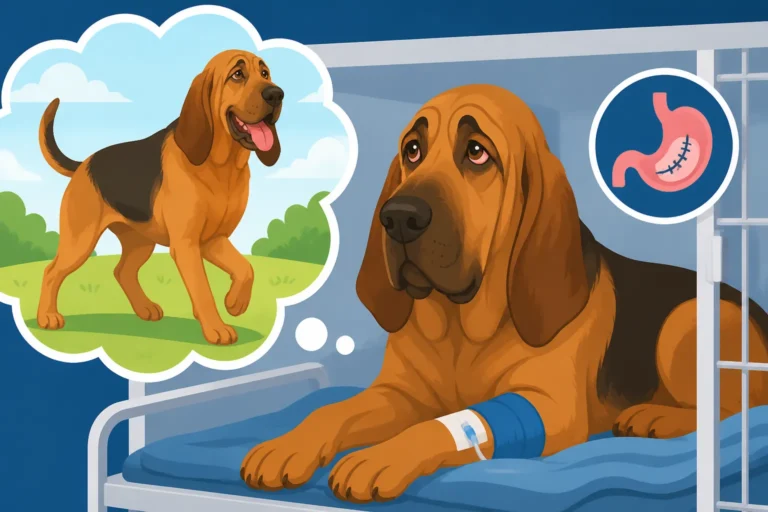
A critical part of the surgery is performing a gastropexy. This procedure involves tacking the stomach wall to the abdominal wall, creating a permanent adhesion that prevents the stomach from twisting again in the future. While a gastropexy doesn't prevent the stomach from dilating with gas, it dramatically reduces the risk of life-threatening volvulus. Understanding What Emergency Bloat Surgery Does for a Bloodhound highlights the comprehensive nature of this critical intervention. While it's an intense procedure, it significantly improves the long-term prognosis by preventing recurrence.
Post-Operative Care and Monitoring
The period immediately following bloat surgery is just as critical as the surgery itself. Your Bloodhound will require intensive post-operative care and monitoring in the hospital for several days. This includes continued intravenous fluids, pain management, antibiotics to prevent infection, and close monitoring for complications like cardiac arrhythmias, which can still occur up to 72 hours post-surgery. Many veterinary hospitals use continuous ECG monitoring for this very reason.
Your Bloodhound's vital signs, urine output, and incision site will be meticulously checked. They will slowly be introduced back to small amounts of water and then bland food. Managing pain is paramount, not only for comfort but also to aid in recovery. Owners often ask How Long a Bloodhound Stays In After Bloat Surgery, and the answer varies depending on the individual dog's recovery, but a typical stay is 2-5 days, sometimes longer if complications arise. The veterinary staff will guide you through the feeding protocols and activity restrictions necessary for a full recovery once your Bloodhound is discharged.
Post-Surgery Complications and Long-Term Outlook
Surviving the initial surgery is a huge hurdle, but it's not the end of the journey. Bloodhounds who undergo bloat surgery still face potential complications and require careful long-term management to prevent future health issues.
Common Post-Surgical Challenges
One of the most concerning post-surgical challenges is the risk of cardiac arrhythmias. These irregular heartbeats can develop during or after surgery, sometimes suddenly, and can be fatal. Vets monitor for these continuously and use medications to manage them if they appear. Another common challenge is pain management, as the incision site can be quite sore. Adequate pain relief is essential for comfort and to encourage movement, which aids recovery.
Wound complications, such as infection or dehiscence (the incision opening up), are also possibilities, though less common with good surgical technique and post-op care. Some Bloodhounds may experience a temporary decrease in appetite or mild gastrointestinal upset as their system recovers. Close observation at home, following all veterinary instructions, is paramount. Owners should be aware that even with a successful surgery, the first few days to weeks at home still require careful monitoring and restricted activity.
The Reality of Recurrence and Gastropexy
While a gastropexy significantly reduces the risk of recurrent GDV (volvulus), it's important to understand that it does not eliminate the possibility of gastric dilatation (the stomach filling with gas). A Bloodhound with a gastropexy can still bloat, meaning their stomach can fill with gas, but because it's tacked, it cannot twist. This is still uncomfortable and requires veterinary attention for decompression, but it is generally not life-threatening in the same way GDV is. Therefore, even after a gastropexy, owners should still be vigilant about bloat symptoms. For those considering the procedure preventatively, understanding What a Preventive Gastropexy Does for a Bloodhound is key.
The long-term outlook for a Bloodhound that has undergone successful GDV surgery and gastropexy is generally good, provided no severe irreversible damage occurred to the stomach or other organs. The recurrence rate for GDV in dogs that have had a gastropexy is reported to be very low, often less than 5%. Without a gastropexy, the recurrence rate after GDV can be as high as 70-80%, which is why it's considered an essential part of the surgical treatment.
Quality of Life After Recovery
For Bloodhounds who make a full recovery, their quality of life after bloat surgery can be excellent. They can return to their normal activities, including trailing, playing, and being a cherished family member. Most will not experience any lasting issues related to the bloat itself. However, owners should remain diligent about managing bloat risk factors, such as feeding habits and exercise routines.
Some Bloodhounds might have a slightly increased sensitivity in their digestive system or may require a specific diet, but this is not universal. The mental and emotional recovery for the dog and owner is also important. Many owners feel a renewed sense of appreciation for their hound and often become fierce advocates for bloat awareness and preventive gastropexy. The initial trauma fades, replaced by gratitude for their hound's survival and a commitment to their ongoing health.
Preventive Measures and Reducing Risk
The best treatment for bloat is prevention. While you can't eliminate all risk, there are many proactive steps Bloodhound owners can take to significantly reduce the chances of this deadly condition striking their beloved companion.
Dietary Adjustments and Feeding Strategies
How and what you feed your Bloodhound can have a major impact on their bloat risk. Instead of one large meal, splitting your Bloodhound's daily food allowance into two or three smaller meals can reduce the amount of gas and food in the stomach at any one time, making it less prone to distension and twisting. Many vets recommend feeding at least twice a day.
Using a slow-feeder bowl or placing a large, non-choking hazard object (like a Kong or a rock larger than your dog can swallow) in their bowl can discourage fast eating. Rapid ingestion of food often leads to gulping air, which contributes to gas buildup in the stomach. Avoiding vigorous exercise for at least an hour before and two hours after meals is also crucial. Similarly, limiting large quantities of water right before or after eating can help. Consider if Three Meals Lower a Bloodhound's Bloat Risk could be beneficial for your hound.
Managing Exercise and Stress
The timing and intensity of exercise are significant factors. High-energy activities, running, or rough-housing immediately before or after meals should be avoided. A full stomach bouncing around vigorously is more likely to twist. Allow your Bloodhound ample time to digest their food calmly. A gentle walk on a leash an hour or two after eating is usually fine, but intense activity should be postponed.
Stress and anxiety can also play a role in bloat risk. Anxious dogs may eat faster, gulp more air, or have digestive upsets that make them more prone to bloat. Creating a calm, consistent feeding environment, away from other pets or household commotion, can be beneficial. If your Bloodhound is generally anxious, addressing their stress levels through training, enrichment, or even medication (under veterinary guidance) might be a holistic approach to their overall health, including bloat prevention.
The Proactive Choice: Preventive Gastropexy
For Bloodhounds, due to their inherent high risk, a preventive gastropexy is often recommended. This elective surgery, performed before bloat ever occurs, permanently attaches the stomach to the abdominal wall, making it impossible for the stomach to twist. While it doesn't prevent the stomach from filling with gas (dilatation), it eliminates the life-threatening volvulus component.
Many owners choose to have a gastropexy performed at the same time their Bloodhound is spayed or neutered, as it allows for one anesthetic event and recovery period. This is often an excellent choice, as it can be Whether a Gastropexy Can Be Done at a Bloodhound's Neuter. While it's an added cost, it's significantly less expensive and less risky than emergency bloat surgery. Investing in pet insurance, such as plans from Healthy Paws, can also help cover the costs of a preventive gastropexy or, more importantly, the astronomical bills of an emergency bloat surgery if the worst happens. Healthy Paws and similar providers understand the importance of proactive care in breeds like the Bloodhound. The peace of mind this procedure offers to Bloodhound owners is immense, knowing they've done everything possible to protect their beloved companion from this silent killer.
Financial Preparedness for Emergencies
The cost of emergency bloat surgery can be staggering, often ranging from $3,000 to $10,000 or more, depending on the severity of the case, geographic location, and post-operative complications. This financial burden, coupled with the emotional stress, can be overwhelming. Therefore, being financially prepared is a critical aspect of responsible Bloodhound ownership. Building an emergency fund specifically for veterinary care is highly recommended. You might want to understand How Much a Bloodhound Owner Should Keep Liquid for such emergencies.
Pet insurance is another invaluable tool for managing these costs. Policies from providers like Healthy Paws can cover a significant portion of emergency veterinary bills, including diagnostics, surgery, and post-operative care for bloat. While there's typically a waiting period, enrolling your Bloodhound in a comprehensive pet insurance plan early can provide a crucial safety net. Consider researching options from Healthy Paws or other reputable providers to ensure you're covered. This preparedness ensures that when bloat strikes, your decision to pursue life-saving treatment isn't hampered by financial constraints, allowing you to focus entirely on your Bloodhound's recovery.
Disclaimer
The information provided in this article is for general educational purposes only and is not a substitute for professional veterinary advice. If you suspect your Bloodhound is experiencing bloat or any other medical emergency, seek immediate veterinary attention. Always consult with your veterinarian for diagnosis and treatment options.