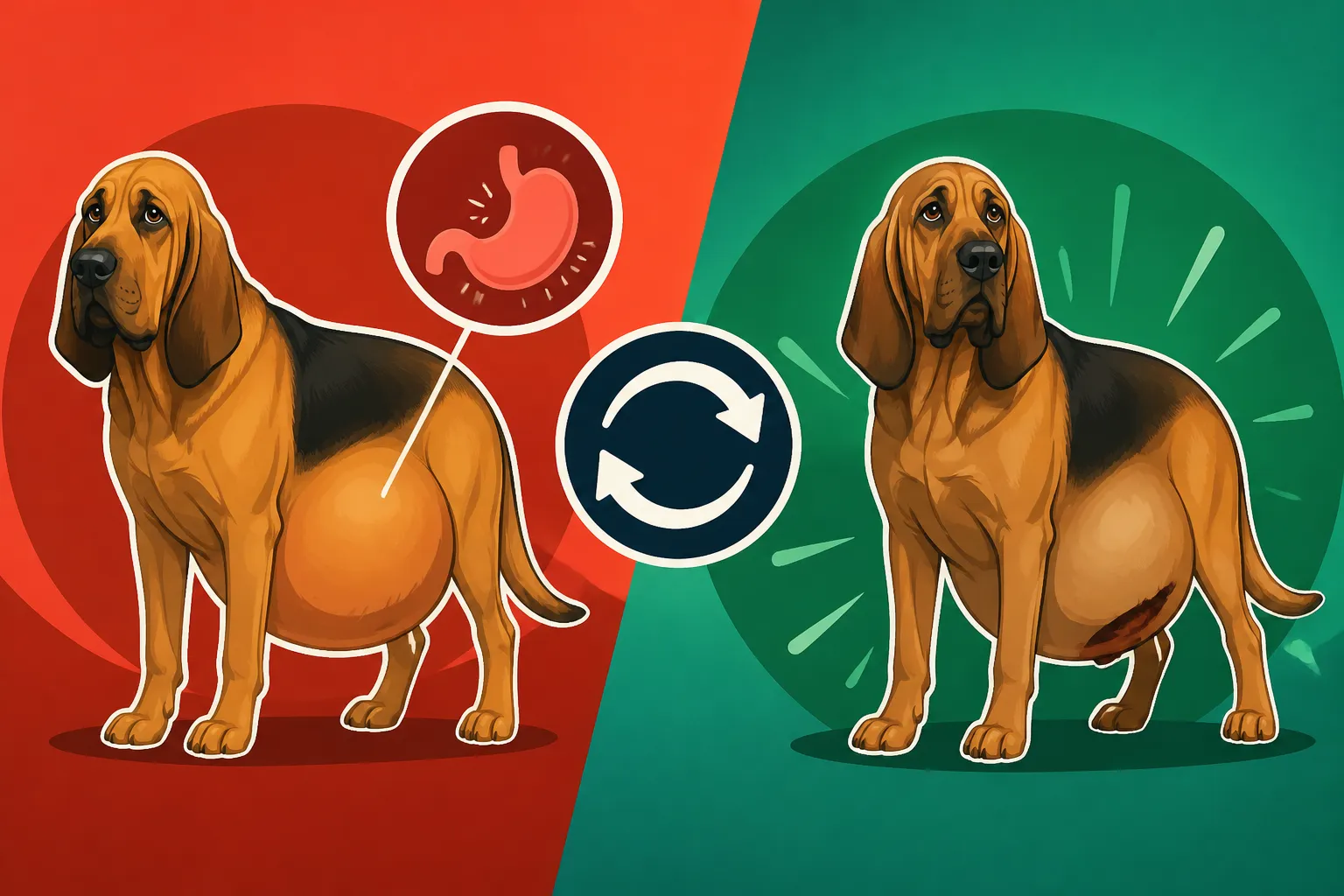
Whether a Bloodhound That Bloated Once Bloats Again
The terrifying experience of bloat is something no Bloodhound owner ever wants to face, let alone relive. That wrenching anxiety of watching your beloved hound struggle, the frantic drive to the emergency vet, and the harrowing wait for news – it leaves an indelible mark. Once your Bloodhound has survived an episode of gastric dilatation-volvulus (GDV), commonly known as bloat, a new, pervasive fear often takes root: will it happen again? This guide delves deep into the unfortunate reality of bloat recurrence in Bloodhounds, exploring the factors at play and, crucially, what steps you can take to minimize that risk, and how to best prepare for their continued care.
The Alarming Likelihood of a Second Bloat Episode
If your Bloodhound has experienced bloat once, the unfortunate truth is that they are at a significantly higher risk of experiencing it again. This isn't just an anecdotal fear; it's a stark reality backed by veterinary statistics that underline the breed's inherent vulnerabilities. The anxiety that comes with knowing this can be overwhelming, making every gulp of air or change in posture a cause for concern.
Understanding the High Risk Factors for Recurrence
Without surgical intervention, a Bloodhound that has bloated once faces a staggering chance of recurrent GDV. Studies indicate that dogs who have experienced bloat without a gastropexy (a surgical procedure to tack the stomach) can have a recurrence rate as high as 70-80% within their lifetime. This means that for every ten Bloodhounds who bloat and are successfully treated medically or surgically without a gastropexy, seven or eight of them are likely to face that harrowing ordeal again. It’s a statistic that weighs heavily on the hearts of Bloodhound owners, knowing that even after surviving the first emergency, the threat looms large.
The factors contributing to this high recurrence risk are multifaceted. Beyond the immediate anatomical predisposition, the very act of bloat itself can weaken the ligaments and tissues that normally help hold the stomach in place. Imagine a stretched-out rubber band; once it's been pulled to its limit, it doesn't quite return to its original tautness. Similarly, the stomach that has undergone GDV may be more prone to distending and twisting again. This increased laxity, combined with the inherent deep chest of the Bloodhound, creates a persistent danger zone. Owners often describe living with a palpable sense of dread, always watching for the Signs a Bloodhound Is Bloating, knowing how quickly the situation can escalate.
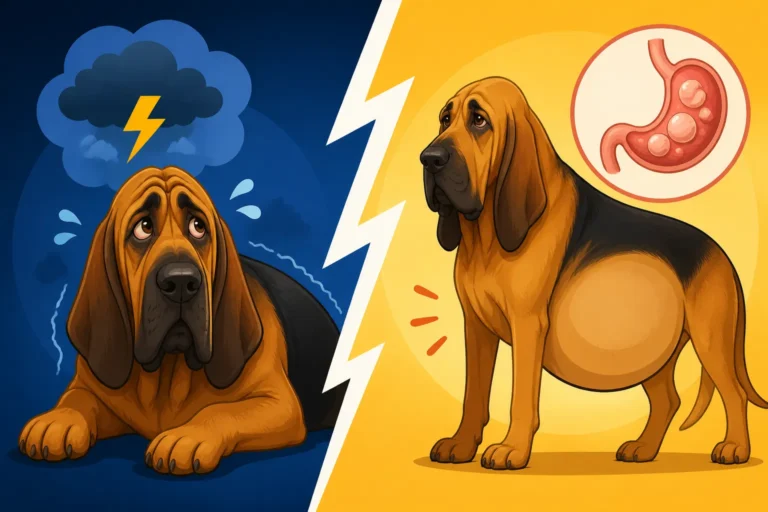
Furthermore, some of the underlying triggers for the initial bloat episode might still be present. Whether it was rapid eating, post-meal exercise, stress, or a combination of genetic predispositions, these factors don't simply vanish after the first recovery. If these environmental or behavioral components aren't addressed, they will continue to contribute to the risk of future episodes. This is why a comprehensive approach to prevention is absolutely critical, moving beyond just treating the immediate crisis to safeguarding against its return.
Why a Bloodhound's Anatomy Poses a Continuous Threat
Bloodhounds, with their distinctive physical characteristics, are a prime example of a breed uniquely predisposed to GDV. Their deep, narrow chests are a hallmark of the breed, a feature that, while impressive, creates a significant internal cavity where the stomach has ample room to shift and twist. This anatomical predisposition isn't something that changes after one bloat episode; it's a permanent fixture of their physiology. It's the reason why Why a Deep Narrow Chest Puts a Bloodhound at Risk is such a crucial piece of knowledge for any owner.
Think of it like this: in breeds with more compact chests, the stomach has less free space to move around. In a Bloodhound, however, the spacious abdominal cavity combined with stretched ligaments post-bloat means the stomach can swing like a pendulum, making it easier for it to flip over on its axis. This twisting motion, the "volvulus" part of GDV, is what makes bloat so deadly, as it cuts off blood supply and traps gas. The stomach might inflate like a balloon (gastric dilatation) due to gas, then swing and twist, sealing off both the entrance and exit.
Even without a full twist, the deep chest configuration means the stomach can distend more dramatically, putting immense pressure on other organs and the diaphragm, making breathing difficult and leading to shock. The sheer size of a Bloodhound's stomach also means it can hold a substantial amount of food and gas, contributing to the potential for severe distension. This inherent design, unfortunately, means that a Bloodhound lives with a heightened risk of bloat throughout its life, and even more so after an initial episode.
Gastropexy: The Game-Changer for Bloat Prevention
When facing the terrifying prospect of bloat recurrence, there is one intervention that stands out as the most effective preventative measure: the gastropexy. This surgical procedure offers a profound sense of relief for many Bloodhound owners, transforming a life of constant worry into one where the most fatal aspect of bloat is largely mitigated.
How a Gastropexy Dramatically Reduces Recurrence
A gastropexy is a surgical procedure where the stomach is permanently attached, or "tacked," to the abdominal wall. The goal is to prevent the stomach from twisting (volvulus), which is the life-threatening component of GDV. While a gastropexy doesn't prevent the stomach from distending with gas (gastric dilatation), it effectively stops it from rotating. This crucial distinction means that if your Bloodhound were to bloat again after a gastropexy, it would likely be a much less severe and non-life-threatening situation, as the blood supply would not be cut off.
There are several ways a gastropexy can be performed, ranging from a traditional open abdominal surgery to a less invasive laparoscopic procedure. During an open procedure, the surgeon directly sutures a section of the stomach wall to the inner abdominal wall. For those interested in What a Preventive Gastropexy Does for a Bloodhound, it’s important to understand the mechanics: a small incision is made in the abdominal wall, and a corresponding section of the stomach is identified. These two surfaces are then meticulously sutured together, creating a permanent adhesion as they heal. This adhesion acts as an anchor, preventing the stomach from flipping. Laparoscopic gastropexies, on the other hand, involve smaller incisions and the use of a camera and specialized instruments, often leading to a quicker recovery time.
The impact of a gastropexy on recurrence rates is truly remarkable. For dogs who have a gastropexy after surviving an initial bloat episode, the recurrence rate of volvulus drops dramatically, often to less than 5%. This is a massive reduction from the 70-80% risk without the procedure. It effectively takes the most deadly aspect of bloat off the table, allowing owners to breathe a sigh of relief. It’s a decision that many Bloodhound owners feel is not just preventative, but life-saving, often performed at the same time as the initial bloat surgery or even preemptively if owners are aware of the risks. The question of The Age a Bloodhound Should Have a Gastropexy often comes up, and for many, doing it at spay/neuter is ideal.
Addressing the "What If" – Bloat After Gastropexy
While a gastropexy is incredibly effective at preventing the stomach from twisting, it's vital for owners to understand that it does not prevent the stomach from distending with gas. This is a common misconception that can lead to confusion and anxiety if a gastropexied Bloodhound starts showing signs of gastric upset. The stomach can still fill with air, fluid, or food, causing discomfort and distress, even if it cannot flip.
If a Bloodhound that has had a gastropexy begins to show signs like unproductive retching, pacing, abdominal distension, or restlessness – which are classic Signs a Bloodhound Is Bloating – it is still a cause for concern and requires immediate veterinary attention. The key difference is that because the stomach is tacked, the condition is far less immediately life-threatening. The blood supply to the stomach is likely still intact, and the chances of necrotic tissue developing are minimal. However, severe distension can still cause pain, put pressure on the diaphragm, and potentially lead to shock if left untreated.
In such a scenario, the veterinary team can typically decompress the stomach much more easily. They might use a stomach tube to release the trapped gas or remove stomach contents, or in some cases, a needle can be used to relieve pressure (trocarization). The recovery from a non-twisted bloat episode is generally much faster and less complicated than from a full GDV event. This is why even with a gastropexy, vigilance remains paramount. Owners should still understand that while the "volvulus" has been largely eliminated as a threat, the "gastric dilatation" aspect can still occur and requires prompt intervention to prevent discomfort and potential secondary issues. It's a testament to the procedure's efficacy that it shifts the emergency from a race against the clock to a managed, albeit urgent, medical issue.
Proactive Management and Lifestyle Adjustments
Beyond the surgical solution of gastropexy, adopting proactive management strategies and making specific lifestyle adjustments can significantly contribute to preventing bloat recurrence in your Bloodhound. These measures are about mitigating the environmental and behavioral triggers that can lead to gastric issues, whether or not your dog has had a gastropexy.
Optimizing Your Bloodhound's Diet for Gastric Health
Dietary management plays a crucial role in minimizing the risk of bloat. One of the most widely recommended changes is to divide your Bloodhound's daily food intake into multiple smaller meals rather than one or two large ones. Feeding two or three smaller meals throughout the day reduces the amount of food and gas present in the stomach at any one time, making it less likely to distend excessively. For instance, instead of a single 6-cup meal, consider three 2-cup meals spread out over the day.
The type of food also warrants consideration. While there's no single "anti-bloat" diet, some recommendations include:
- Avoid rapid eating: Use slow-feeder bowls or puzzle feeders to encourage your Bloodhound to eat more slowly. Gulping down food too quickly can lead to ingesting excessive air, which contributes to distension. Brands like Outward Hound and Kong offer effective slow-feeder options that can make a noticeable difference.
- Kibble size and type: Some studies suggest that diets containing ingredients like soy or large amounts of fat in the first four ingredients might increase bloat risk, though research is ongoing and not conclusive. Discuss your Bloodhound's diet with your veterinarian. Large-breed specific formulas are often recommended, but ensuring the kibble size prevents gulping can be beneficial.
- Water intake: Ensure fresh water is always available, but consider limiting access immediately before and after meals, especially if your Bloodhound tends to gulp large quantities. Excessive water intake alongside food can quickly fill the stomach.
- Avoid elevated bowls: While previously thought to reduce bloat risk, recent studies, including the Purdue Bloat Study, suggest that elevated feeding bowls may actually increase the risk of GDV, particularly in large breeds. It's generally recommended to feed Bloodhounds from bowls placed on the floor.
A key aspect of dietary management is consistency. Sudden changes in diet can upset a sensitive stomach, so any transitions should be gradual, typically over 7-10 days, slowly mixing increasing amounts of new food with decreasing amounts of old food. Remember, a healthy, steady digestive system is a less volatile one.
Strategies for Stress Reduction and Exercise Protocol
Stress and anxiety are increasingly recognized as potential contributors to bloat. A Bloodhound prone to anxiety, particularly around meal times or during times of change, may be at a higher risk. This is because stress can affect digestion, leading to changes in gut motility and increased air swallowing. Identifying and mitigating sources of stress for your Bloodhound is therefore an important part of a preventative strategy.
- Consistent routine: Dogs thrive on routine. Maintaining a predictable schedule for feeding, walks, and rest can help reduce anxiety.
- Quiet meal times: Ensure your Bloodhound eats in a calm, quiet environment away from other pets or disturbances. Rushing or competing for food can lead to faster eating and increased air intake.
- Enrichment activities: Mental stimulation, such as scent work or puzzle toys, can help alleviate boredom and anxiety, leading to a more relaxed dog overall. Remember, for a Bloodhound, Mantrailing Is the Answer to a Bloodhound, Not Obedience when it comes to engaging their minds.
- Gentle exercise protocol: It's crucial to manage your Bloodhound's activity levels around meal times. Avoid strenuous exercise, excessive rolling, or excited play for at least one hour before eating and two hours after eating. This is a critical window during which the stomach is most full and therefore most vulnerable to distension and twisting. A gentle walk on a leash before a meal is usually fine, but leave the high-energy play for later.
- Training and calm: If your Bloodhound is particularly anxious, consider working with a certified professional dog trainer or a veterinary behaviorist. They can provide techniques and strategies to help manage anxiety and promote a calmer demeanor.
By combining careful dietary choices with mindful management of exercise and stress, you create a holistic approach to reducing the chances of bloat recurrence. These lifestyle adjustments, while requiring commitment, offer a substantial layer of protection for your beloved companion.
Vigilance and Early Detection: Your Best Defense
Even with the best preventative measures, including a gastropexy, vigilance remains an owner's most powerful tool in protecting their Bloodhound from the ongoing threat of bloat. Knowing what to look for, even if the signs are atypical, and having a clear emergency plan can make all the difference.
Recognizing Residual or Atypical Bloat Signs
If your Bloodhound has had a gastropexy, the fear of the stomach twisting is largely alleviated. However, as mentioned, gastric dilatation (simple bloat without a twist) can still occur. The signs might be less dramatic than a full GDV, but they still warrant immediate attention. It's important to be acutely aware of any changes in your Bloodhound's behavior or physical presentation.
Typical signs of gastric distension, even post-gastropexy, can include:
- Restlessness and discomfort: Pacing, an inability to settle, or looking at their flank.
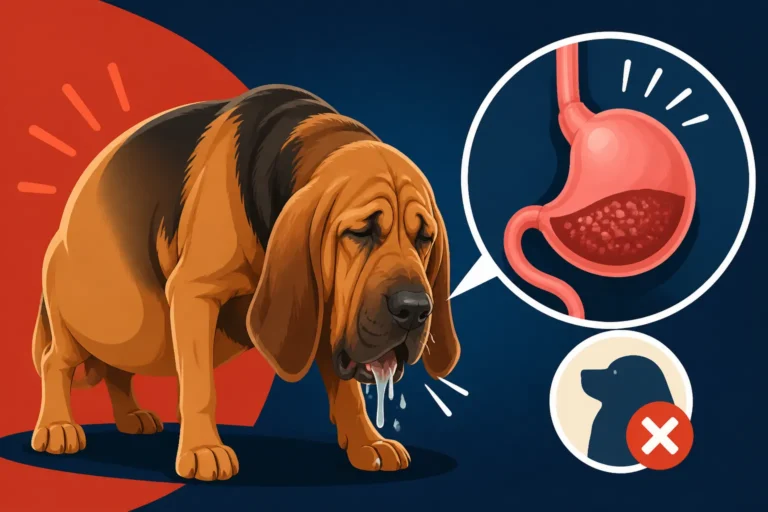
- Excessive drooling: This can be a sign of nausea or discomfort.
- Unproductive retching or gagging: This is a classic sign, where your dog looks like they're trying to vomit but nothing comes up. It's a strong indicator of stomach upset.
- Swollen or hard abdomen: While a gastropexied stomach won't twist, it can still swell significantly. Gently feel your dog's abdomen; if it feels hard and distended, especially behind the last rib, it's a red flag.
- Pain indicators: Whining, groaning, or being reluctant to lie down.
- Changes in gum color: Pale gums can indicate shock, even if the bloat isn't twisted.
- Rapid, shallow breathing: Pressure on the diaphragm from a distended stomach can make breathing difficult.
It's also crucial to monitor for signs that might indicate a less severe but still concerning digestive upset. These could include excessive gas, burping, mild stomach gurgling, or changes in stool consistency. While these aren't bloat in the immediate sense, they could signal an underlying issue that needs addressing to prevent more serious gastric problems. Remember, any time you're concerned, it's always best to err on the side of caution and contact your veterinarian. It is better to make an unnecessary trip than to wait until it's too late, especially since How Fast Bloat Kills a Bloodhound can be shockingly rapid in a full GDV scenario.
Establishing an Emergency Action Plan
Having an emergency action plan isn't just a good idea for Bloodhound owners; it's an absolute necessity. When bloat strikes, every second counts. The panic and urgency of the moment can be paralyzing, but a pre-established plan helps you act swiftly and effectively.
Here’s what your emergency action plan should include:
- Know your nearest 24-hour emergency veterinary hospital: Don't wait for an emergency to look this up. Have the address and phone number saved in your phone and posted visibly in your home. It's also wise to know a backup emergency clinic, just in case.
- Inform the clinic on the way: If you suspect bloat, call the emergency clinic while you are en route. This allows them to prepare for your arrival, ensuring a veterinary team is ready to immediately assess your Bloodhound and begin treatment, which might involve What Emergency Bloat Surgery Does for a Bloodhound if it's a full GDV.
- Transportation logistics: Identify the quickest route to the clinic and consider traffic patterns. If you have multiple vehicles, know which one is best for transporting a large, potentially distressed Bloodhound.
- Financial preparedness: Bloat surgery and emergency care can be incredibly expensive. Ensure you have access to funds, whether through savings, credit, or pet insurance like Healthy Paws. Understanding What a Bloodhound's Bloat Surgery Bill Comes To can prepare you for the financial shock.
- Designated contact person: If you live with others, ensure everyone knows the emergency plan. If you live alone, identify a trusted friend, family member, or neighbor who can assist you if you need help getting your dog to the clinic.
- "Go bag" for your dog: While not strictly for bloat, having a small bag ready with your dog's medical records, a comfort blanket, and any regular medications can save precious minutes.
Practice running through the mental steps of your plan. The more prepared you are, the calmer and more efficient you'll be if disaster strikes. This preparedness is not about inviting disaster, but about empowering yourself to provide the best possible chance of survival and recovery for your beloved Bloodhound. Remember, swift action is the biggest determinant of Whether a Bloodhound Survives Bloat.
| Aspect of Care | Without Gastropexy (Initial Bloat) | With Gastropexy (Recurrent Distension) |
|---|---|---|
| Recurrence Risk | High (70-80% chance of volvulus) | Very Low (<5% chance of volvulus) |
| Severity of Episode | Often life-threatening due to twisting, blood supply cut off | Typically non-life-threatening, stomach distends but does not twist |
| Emergency Urgency | Extreme emergency, immediate vet care critical (minutes count) | Urgent, but typically allows more time for vet assessment (hours count) |
| Treatment Required | Emergency surgery (detorsion, gastropexy) + supportive care | Decompression (stomach tube/trocar) + supportive care (surgery rare) |
| Recovery Time | Longer, more intensive post-op care | Shorter, less intensive recovery |
| Associated Costs | Very high due to emergency surgery, ICU stay | Lower, usually for medical management and decompression |
| Owner Anxiety Level | High, constant worry of fatal twist | Reduced, but still vigilant for distension |
Navigating the Financial Realities of Bloat Prevention and Treatment
Owning a Bloodhound comes with the understanding that certain health challenges are more prevalent in the breed. Bloat is perhaps the most significant of these, not only for its devastating health impact but also for the substantial financial burden it can place on owners. Proactive planning is crucial to ensure you're never in a position where cost dictates your Bloodhound's care.
Calculating the Cost of Prevention Versus Emergency Care
Let's talk numbers, because the cost difference between preventing bloat and treating an emergency episode is stark. A preventive gastropexy, often performed electively (meaning it's planned, not emergency) usually costs significantly less than emergency bloat surgery. For example, a planned gastropexy might range from $400 to $1,500, with a laparoscopic procedure often falling on the higher end due to specialized equipment and expertise. This cost can often be further reduced if it's performed at the same time as a spay or neuter, as the dog is already under anesthesia. This upfront investment in The Case for Tacking a Bloodhound's Stomach Down Early can save thousands.
Compare that to the cost of an emergency GDV surgery. If your Bloodhound twists its stomach, you're looking at an immediate emergency situation, often in the middle of the night, at an emergency veterinary hospital. What a Bloodhound's Bloat Surgery Bill Comes To can be anywhere from $3,000 to $10,000 or more, depending on the severity, whether parts of the stomach or spleen have become necrotic and need removal, and how long your dog needs to stay in intensive care. This massive bill is for a procedure that carries significant risks and a much longer, more difficult recovery. This financial disparity makes the case for a preventive gastropexy incredibly compelling. It's not just about health; it's about smart financial planning for your Bloodhound's future.
Many owners find that the one-time, predictable cost of a preventive gastropexy is a small price to pay for the peace of mind and the dramatically reduced risk of a future, potentially fatal, and certainly more expensive, emergency. It’s an investment in your Bloodhound's longevity and your own financial stability when it comes to their health.
The Reassurance of Pet Insurance for Bloodhound Owners
Given the breed's propensity for bloat and other potential health issues like hip and elbow dysplasia or eye problems, pet insurance can be an invaluable asset for Bloodhound owners. The unpredictable nature of veterinary emergencies means that even with preventive measures, unexpected costs can arise. This is where a reliable pet insurance provider like Healthy Paws truly shines.
Pet insurance works by reimbursing you for a percentage of your veterinary bills after you've paid your deductible. For an emergency like bloat, which can lead to a bill soaring into thousands of dollars, having a policy that covers 80% or 90% of those costs can be life-changing. Imagine a $7,000 emergency bill; with a 90% reimbursement, you'd only be responsible for your deductible (perhaps $250-$1,000) plus 10% of the remaining bill, saving you thousands of dollars out of pocket.
However, it's crucial to understand the nuances of pet insurance:
- Pre-existing conditions: Most policies, including those from Healthy Paws, do not cover pre-existing conditions. This means if your Bloodhound has already experienced bloat before you enroll in a policy, subsequent bloat episodes or related issues might not be covered. This highlights the importance of enrolling your Bloodhound in a policy as early as possible, ideally as a puppy.
- Waiting periods: There are usually waiting periods before coverage kicks in for accidents or illnesses. For example, Healthy Paws typically has a 15-day waiting period for accidents and illnesses. Be aware of these periods.
- Coverage for preventive procedures: While emergency bloat treatment is typically covered, preventive gastropexies might not be covered by all policies, or they may fall under a wellness rider that you need to add on. It's essential to review the policy details or speak with a representative to understand exactly What Insurance Will and Will Not Cover on a Bloodhound.
Despite these considerations, the peace of mind that comes with knowing you have financial support for major health events is immense. Pet insurance allows you to make decisions based on what's best for your Bloodhound's health, rather than being constrained by the immediate cost. For a breed like the Bloodhound, whose money is indeed often spent A Bloodhound's Money Is Spent in the Operating Room, it's a responsible and compassionate choice for any dedicated owner.
Disclaimer
The information provided in this article is for general informational purposes only and does not constitute veterinary advice. Always consult with a qualified veterinarian for any health concerns or before making any decisions related to your Bloodhound's health and treatment plan. Individual circumstances may vary, and only a professional can provide tailored advice.