What Emergency Bloat Surgery Does for a Bloodhound
The moment you realize your beloved Bloodhound is bloating is one of the most terrifying experiences any dog owner can face. It's a sudden, life-threatening emergency where their stomach twists, trapping gas and food, and it requires immediate, decisive action. This guide will walk you through exactly what emergency bloat surgery entails for a Bloodhound, offering a clear, empathetic look at this critical procedure that can save their life.
Understanding Gastric Dilatation-Volvulus (GDV) in Bloodhounds
Gastric Dilatation-Volvulus, or GDV, is the formal name for bloat, and it's a condition that strikes fear into the hearts of large and giant breed dog owners. For Bloodhounds, it's not just a concern; it's a very real and present danger, often without much warning. It's not just a belly ache; it's a rapidly progressing disaster inside their abdomen, and understanding its mechanics is the first step in appreciating the urgency of surgical intervention.
The Immediate Danger of a Twisted Stomach
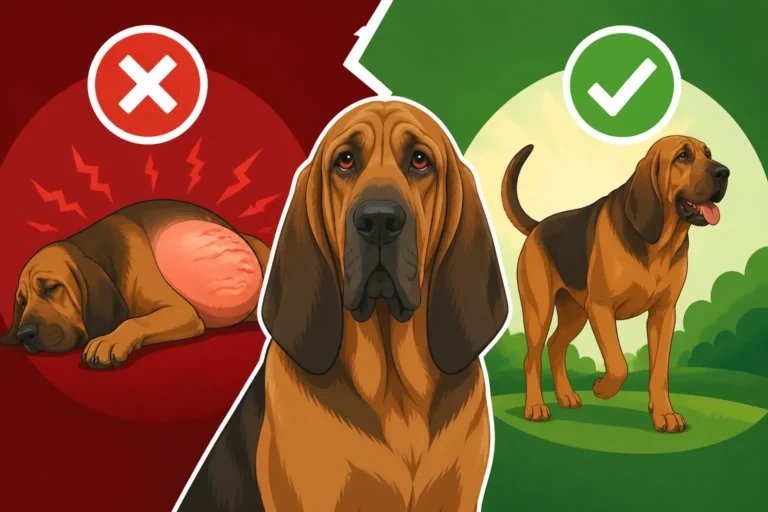
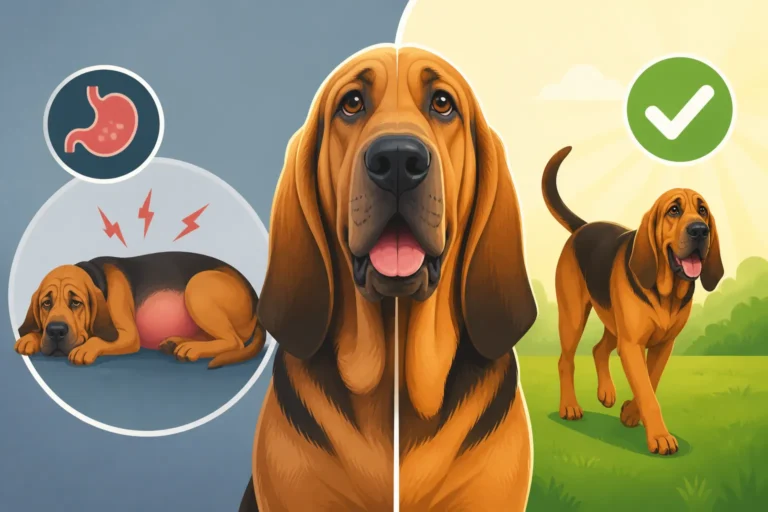
When a Bloodhound's stomach first dilates, it fills with gas, food, or fluid, causing it to expand like a balloon. This alone is incredibly painful and presses on other organs, making breathing difficult. However, the true catastrophe occurs when this distended stomach then twists on its axis, a process known as volvulus. Imagine a water balloon tied off at both ends – nothing can get in or out. This twist completely cuts off blood flow to the stomach, leading to tissue death, and also obstructs the major veins returning blood to the heart, causing a rapid drop in blood pressure and shock.
The immediate consequence of this twisting is that the Bloodhound rapidly goes into shock. Their heart rate skyrockets, their gums become pale, and they struggle to breathe. The pressure inside their abdomen can also press on the diaphragm, making each breath a monumental effort. Toxins released from dying stomach tissue flood their bloodstream, further exacerbating the shock. Without intervention, this spiral accelerates, leading to organ failure and death often within hours. It's a brutal, swift progression, which is why swift veterinary care is paramount.
Why Bloodhounds Are Especially Prone to Bloat
Bloodhounds, with their deep, narrow chests, are unfortunately among the breeds most susceptible to GDV. It's not just their size; it's the specific conformation of their rib cage and abdomen that creates an anatomical predisposition. This unique body shape provides a larger cavity for the stomach to distend and twist within, rather than being snugly held in place by surrounding structures.
Beyond their conformation, several factors are thought to contribute to a Bloodhound's bloat risk. Eating one large meal a day, eating rapidly, exercising immediately after eating, and even stress or anxiety have been implicated. Some studies, like those explored in What the Purdue Bloat Study Found About Bloodhounds, have also suggested that genetics play a role. It's a complex interplay of anatomical features, environmental triggers, and potentially inherited predispositions that makes bloat a constant shadow for Bloodhound owners. Knowing Why a Bloodhound's Chest Shape Causes Bloat is crucial for understanding the preventative measures we can take, but when prevention fails, surgery is the only path.
The Race Against Time: Emergency Assessment and Stabilization
Once you suspect bloat – perhaps your Bloodhound is retching unproductively, drooling excessively, or their abdomen is noticeably distended and hard – every second counts. Getting your Bloodhound to an emergency veterinary clinic is not just important; it's a frantic race where minutes can determine life or death. The team at the clinic will be prepared to act with incredible speed and precision.
Initial Steps at the Veterinary Emergency Clinic
Upon arrival, the veterinary team will immediately assess your Bloodhound's condition. This usually involves a quick physical exam to confirm abdominal distension and pain, check their heart rate, respiratory rate, and gum color, and assess for signs of shock. Often, they can tell it's bloat simply by palpating the taut, drum-like abdomen. There's no time for lengthy diagnostics when How Fast Bloat Kills a Bloodhound is measured in mere hours.
The first critical steps involve stabilizing your dog. This means inserting an intravenous (IV) catheter to administer fluids rapidly, combatting shock and improving blood pressure. Pain medication is also given quickly, not just for comfort but because severe pain exacerbates shock. They might take a quick X-ray to confirm the gastric torsion, but in many cases, especially with a classic presentation, clinical signs are enough to move directly to the next intervention. This initial stabilization buys precious time, making your Bloodhound strong enough to withstand the life-saving procedure that must follow.
Decompressing the Bloated Stomach Before Surgery
Before any surgical incision is made, the veterinary team will attempt to decompress your Bloodhound's stomach. This crucial step reduces the dangerous pressure inside the abdomen, which is suffocating organs and impeding blood flow. There are two primary methods for decompression: passing an orogastric tube or trocharization.
Passing an orogastric tube involves carefully inserting a long, flexible tube down your Bloodhound's esophagus and into their stomach. This is often done under sedation, as it can be uncomfortable and the stomach may be twisted, making passage difficult. If successful, the tube allows the trapped gas to escape, often with a dramatic whoosh, and some fluid may also be released. The immediate relief for the dog is palpable, though temporary. In cases where the twist is too severe for the tube to pass, the vet may resort to trocharization. This involves carefully inserting a large-bore needle through the abdominal wall directly into the stomach to release the gas. While less ideal as it can carry risks, it's a vital, quick way to relieve pressure when the tube method fails. These decompression steps are temporary fixes; they relieve the immediate crisis but do not address the underlying twist, which requires surgery.
The Surgical Procedure: What Happens in the Operating Room
Once your Bloodhound is stabilized and partially decompressed, they are rushed to surgery. This is where the veterinary surgeon performs the critical work to not only correct the immediate life-threatening twist but also to implement measures to prevent future occurrences. It's a complex, delicate procedure that demands skill and speed.
Untwisting and Repositioning the Stomach
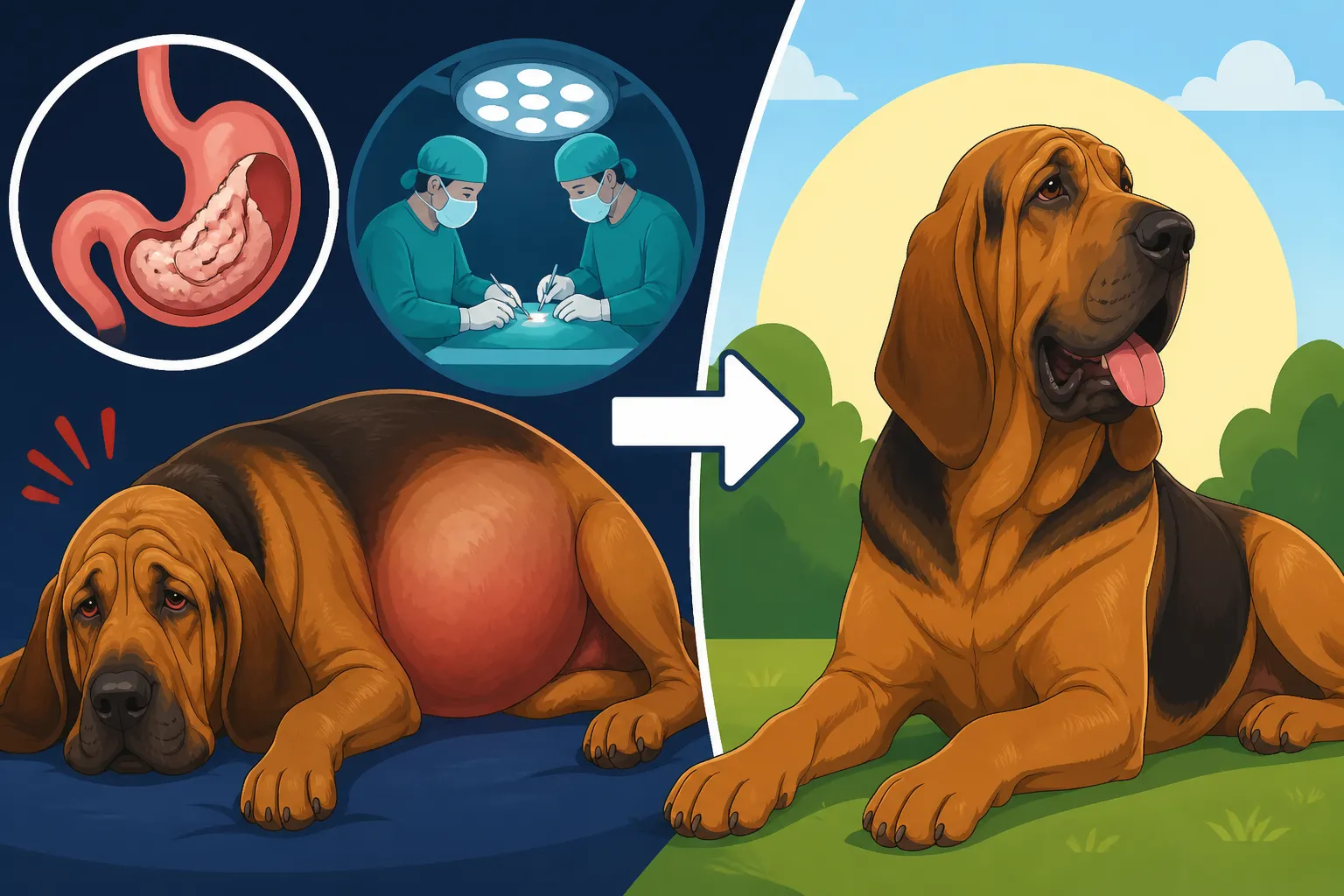
The primary goal of the surgery, known as a gastrectomy or exploratory laparotomy, is to physically untwist the stomach and return it to its normal anatomical position. The surgeon makes an incision in the abdomen, gaining direct access to the distended, twisted stomach. It’s often a shocking sight, as the stomach can be huge and discolored due to compromised blood flow.
The surgeon carefully rotates the stomach back into its correct orientation, often a clockwise or counter-clockwise movement depending on the direction of the twist. This untwisting immediately restores some blood flow to the organ. While they untwist, the surgical team continuously monitors the Bloodhound's vital signs, as this moment can sometimes cause a temporary drop in blood pressure as blood rushes back to the affected tissues. Once untwisted, the stomach can be further decompressed, removing any remaining gas or fluid to make it more manageable for the next step.
The Essential Gastropexy: Tacking the Stomach
Once the stomach is back in its proper place, the surgeon performs a gastropexy. This is arguably the most critical part of the surgery for long-term prevention. A gastropexy is a procedure where the stomach is permanently sutured to the abdominal wall, typically the right side, to prevent it from twisting again. Think of it as tacking the stomach in place so it can still expand and contract normally, but it can't rotate.
There are several techniques for performing a gastropexy, including incisional, circumcostal, or belt-loop gastropexy. The choice often depends on the surgeon's preference and the patient's specific anatomy. This permanent attachment is vital because while emergency surgery can save a Bloodhound from an immediate bloat episode, Whether a Bloodhound That Bloated Once Bloats Again is a very high risk if a gastropexy isn't performed. This preventative step drastically reduces the chances of a future life-threatening twist, though it doesn't prevent dilation (gas build-up) entirely. Understanding What a Preventive Gastropexy Does for a Bloodhound highlights its immense value.
Assessing and Addressing Organ Damage
During the surgery, once the stomach is untwisted and blood flow is restored, the surgeon meticulously inspects the stomach wall and other abdominal organs for damage. Because blood flow was compromised, parts of the stomach lining may have sustained ischemic injury, meaning they were deprived of oxygen. The stomach tissue might appear dark, bruised, or even necrotic (dead).
If areas of the stomach wall are clearly necrotic, the surgeon may need to remove them (partial gastrectomy) to prevent further complications like perforation or peritonitis. This is a difficult decision, as removing too much tissue can compromise the stomach's function. The spleen is also closely associated with the stomach and can sometimes twist with it, or its blood supply can be compromised. If the spleen is severely damaged, a splenectomy (removal of the spleen) may be necessary. This thorough assessment and intervention are critical to ensuring the long-term success of the surgery and preventing secondary complications.
| Surgical Stage | Primary Goal | Key Actions | Importance for Bloodhounds |
|---|---|---|---|
| Pre-Op Stabilization | Prepare for surgery, combat shock | IV fluids, pain meds, oxygen, X-rays | Stabilizes dog for surgery, buys time. |
| Decompression | Relieve internal pressure | Orogastric tube, trocharization | Essential for immediate relief, prevents organ damage. |
| Laparotomy | Access abdomen | Surgical incision | Allows surgeon direct view and manipulation of organs. |
| Untwisting Stomach | Restore normal anatomy | Manual rotation of stomach | Re-establishes blood flow, corrects life-threatening twist. |
| Gastropexy | Prevent future twisting | Suturing stomach to abdominal wall | Drastically reduces recurrence of GDV, a lifelong benefit. |
| Organ Assessment | Check for damage | Inspection of stomach, spleen, other organs | Identifies and addresses tissue necrosis, prevents complications. |
Post-Operative Care and Recovery Journey
Emergency bloat surgery is a major undertaking, and the care doesn't stop once your Bloodhound leaves the operating room. The post-operative period is crucial for ensuring a smooth recovery and monitoring for potential complications. It's a time of intense vigilance for both the veterinary team and, eventually, for you at home.
Immediate Critical Care and Monitoring
Immediately after surgery, your Bloodhound will be transferred to a recovery area, often in an intensive care unit (ICU) where they can be continuously monitored. This critical period, usually 24-72 hours, is fraught with potential complications. The veterinary team will be monitoring their heart rhythm for arrhythmias, which are common after bloat surgery, especially when blood flow is restored to the stomach. They'll also watch for signs of further shock, pain, infection, or internal bleeding.
Intravenous fluids will continue to be administered to maintain hydration and support organ function. Pain management is paramount, with strong analgesics given to keep your Bloodhound comfortable. They'll also be kept warm and their recovery will be carefully tracked. How Long a Bloodhound Stays In After Bloat Surgery largely depends on how well they navigate this initial critical phase. It's a testament to the dedication of veterinary professionals, often working through the night, to guide your Bloodhound through this perilous time.
Managing Pain and Preventing Complications
Pain management is a huge part of the recovery process. Your Bloodhound will have a significant incision and internal healing to do, so a robust pain protocol is essential. This usually involves a combination of injectable pain medications initially, transitioning to oral medications as they improve. Controlling pain not only provides comfort but also helps reduce stress, which can aid healing.
Beyond pain, preventing complications like infection or further gastrointestinal issues is key. Antibiotics might be prescribed to prevent bacterial infections, especially if there was any compromised tissue. Anti-nausea medications and stomach protectants are also commonly used to support stomach health and reduce the risk of vomiting or ulcers. The recovery path isn't always linear, and setbacks can occur, but attentive care greatly improves The Survival Rate for a Bloodhound That Reaches Surgery. Owners with pet insurance, such as Healthy Paws, often find peace of mind knowing that significant costs associated with extended stays and specialized care can be managed, allowing them to focus solely on their Bloodhound's recovery.
The Long Road to Full Recovery at Home
Once your Bloodhound is stable enough to come home, the real work for you begins. The first few weeks of home recovery require strict adherence to veterinary instructions. This includes administering all prescribed medications on schedule, restricting activity to allow internal healing, and carefully monitoring their eating and drinking.
The surgical incision needs to be checked daily for redness, swelling, or discharge. Your Bloodhound will likely need to wear an Elizabethan collar (e-collar) to prevent them from licking or chewing at the stitches. Strenuous exercise, jumping, or rough play will be off-limits for several weeks to prevent strain on the gastropexy site. While Whether a Bloodhound's Recovery From Bloat Is Complete typically sees them return to their old selves, it's a gradual process, and patience is a virtue. This quiet period at home, though challenging, is vital for ensuring the gastropexy holds and their internal organs heal correctly.
Life After Bloat Surgery: What Changes and What Stays the Same
Successfully navigating emergency bloat surgery is a huge relief, but it often marks a turning point in how you manage your Bloodhound's health. While the gastropexy significantly reduces the risk of future twists, there are still important considerations for their diet, exercise, and overall well-being.
Dietary and Exercise Adjustments for a Gastropexied Bloodhound
Even with a gastropexy, which physically tacks the stomach in place, your Bloodhound can still experience gastric dilation – meaning their stomach can still fill with gas and expand. The gastropexy just prevents the deadly twist. Therefore, many of the same dietary precautions recommended to prevent bloat in the first place should still be followed. This typically means feeding multiple smaller meals throughout the day instead of one large one, and avoiding vigorous exercise immediately before or after eating.
Consider feeding a high-quality, easily digestible diet. Some owners find that incorporating some canned food or wetting kibble can help slow down eating and reduce air intake. A slow feeder bowl can also be incredibly useful in preventing rapid consumption. For specific advice on What a Bloodhound Eats After Bloat Surgery, your vet will provide tailored recommendations, but generally, the focus is on reducing factors that encourage excess gas or rapid stomach filling. Limiting water intake directly after meals can also be beneficial.
Understanding the Risk of Recurrence Even with Gastropexy
It's important to understand that while a gastropexy dramatically reduces the risk of GDV (gastric dilatation-volvulus, the twisted stomach), it does not eliminate the risk entirely. A Bloodhound with a gastropexy can still bloat, meaning their stomach can still fill with gas and distend. However, because the stomach is surgically attached to the abdominal wall, it's highly unlikely to twist. This distinction is critical: the life-threatening volvulus is largely prevented, but simple dilation can still occur, causing discomfort and potentially requiring veterinary attention if severe.
While the odds are heavily in your favor after a gastropexy, it's not a foolproof guarantee against all stomach issues. Whether a Bloodhound With a Gastropexy Can Still Bloat is a concern many owners have, and the answer is yes, they can still experience dilation. Therefore, maintaining vigilance for signs of discomfort or abdominal distension is still important. Regular check-ups with your veterinarian will help monitor your Bloodhound's overall health and discuss any ongoing concerns.
The Emotional Toll on Owners and the Importance of Support
Going through a bloat emergency with your Bloodhound is incredibly traumatic and emotionally exhausting. The sudden onset, the race to the vet, the agonizing wait during surgery, and the critical post-operative period can leave owners feeling helpless, anxious, and deeply worried. It's an experience that truly highlights the deep bond we share with our canine companions.
It's okay to feel overwhelmed, even after a successful surgery. Many owners experience a form of PTSD, constantly checking their dog for signs of bloat or feeling anxious at meal times. Seeking support from other Bloodhound owners, breed-specific groups, or even professional counseling can be incredibly beneficial. Sharing your experience and hearing from others who have gone through similar ordeals can help you process the trauma and build confidence in your Bloodhound's recovery. Remember, you did everything you could to save your beloved companion, and that's a tremendous accomplishment. Consider this experience as a profound reason to evaluate The Gastropexy Decision Every Bloodhound Owner Faces proactively.
Disclaimer
The information provided in this guide is for general informational purposes only and does not constitute veterinary advice. Always consult with a qualified veterinarian for any health concerns or before making any decisions related to your Bloodhound's medical care. Emergency situations, such as bloat, require immediate professional veterinary attention.