The Survival Rate for a Bloodhound That Reaches Surgery
That heart-stopping moment when you suspect your beloved Bloodhound is bloating is every owner's worst nightmare. The rush to the emergency vet, the frantic worry, the terrifying realization of how quickly things can go wrong – it all culminates in the dreaded question: if they make it to surgery, will they survive? This guide is here to shed light on the survival rates for Bloodhounds undergoing emergency surgery for gastric dilatation-volvulus (GDV), commonly known as bloat, and to explore the critical factors that can influence their chances of pulling through.
Understanding Gastric Dilatation-Volvulus GDV in Bloodhounds
For Bloodhound owners, the threat of bloat isn't just a distant concern; it's an ever-present anxiety. This breed, with its distinctive deep chest and often laid-back demeanor, carries a significantly higher risk for this life-threatening condition. Knowing what you're up against is the first step in being prepared.
Why Bloodhounds Are at High Risk for Bloat
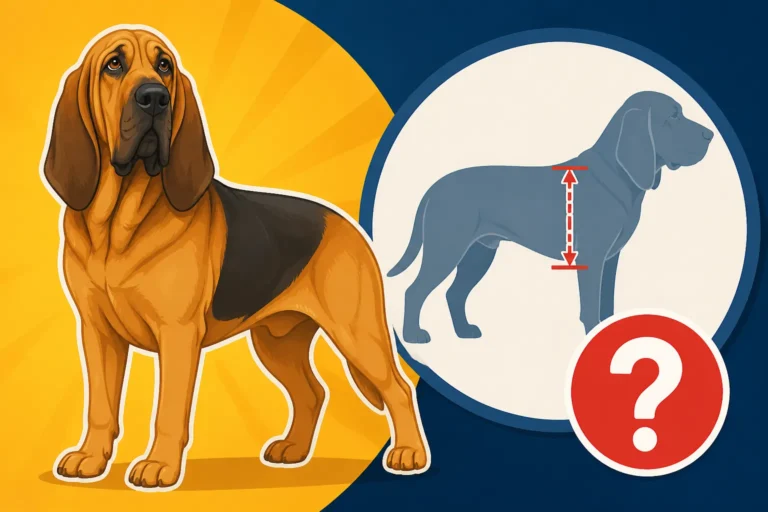
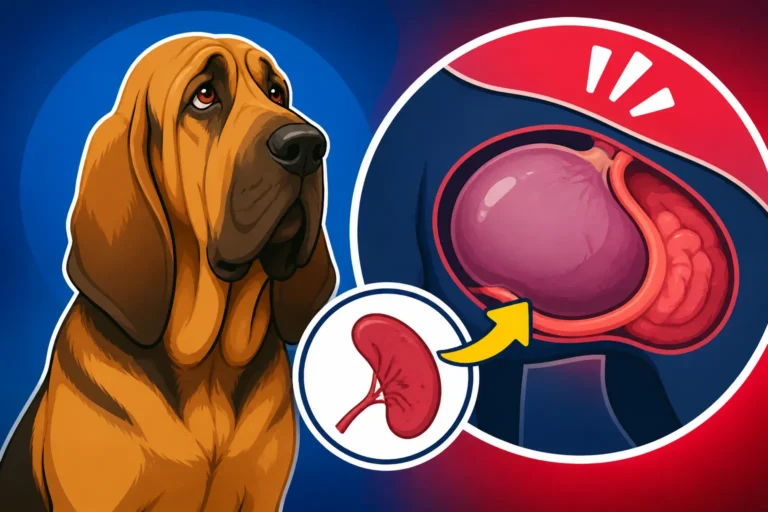
Bloodhounds are unfortunately predisposed to Gastric Dilatation-Volvulus (GDV) due to their unique anatomy. Their deep, narrow chests are a hallmark of the breed, giving them that majestic appearance we all adore. However, this same physical trait creates a spacious abdominal cavity where the stomach has more room to distend and twist. When a dog like a Bloodhound experiences bloat, it's not just a belly ache; it's a rapid, often fatal, event where the stomach fills with gas, food, or fluid (dilatation) and then rotates (volvulus), cutting off both ends.
This rotation traps everything inside, including blood flow to the stomach and often the spleen. The pressure builds, affecting breathing and circulation throughout the body. Breeds with these deep chests, like Bloodhounds, Great Danes, and Standard Poodles, simply have more 'play' in their abdominal anatomy, making the stomach more prone to flipping. It’s a tragic irony that a defining characteristic of our beloved hounds also puts them at such grave risk. If you want to delve deeper into this, you might find our article on why a Bloodhound's chest shape causes bloat particularly insightful.
The Critical Window: Getting to the Vet
When bloat strikes a Bloodhound, time is not just of the essence; it's literally ticking away. From the moment you notice the first signs – unproductive retching, a distended abdomen, restlessness, or excessive drooling – you have a very narrow window to get your dog to an emergency veterinary clinic. Many experts suggest this critical window can be as short as 30 minutes to an hour for the best prognosis. The longer the stomach remains twisted, the more damage occurs to the stomach tissue, which can become necrotic (dead) due to lack of blood supply.
This severe tissue damage not only complicates surgery but also significantly reduces the chances of survival. Toxins can also build up, leading to systemic shock and multi-organ failure. The drive to the vet feels like an eternity, and every second counts. Calling ahead to the emergency clinic is crucial so they can prepare for your Bloodhound’s arrival and begin treatment immediately upon entering the door. Understanding how fast bloat kills a Bloodhound underscores the urgency of this situation.
Deciphering Bloodhound Bloat Surgery: What Happens Inside
The decision to proceed with emergency bloat surgery is terrifying, but it offers the best chance of survival for a Bloodhound in the throes of GDV. Understanding what the surgical team is doing can help demystify the process and highlight the complexities involved.
The Surgical Procedure for GDV
Once your Bloodhound arrives at the emergency hospital, the veterinary team will work quickly to stabilize them. This often involves intravenous fluids to combat shock and sometimes gastric decompression, where a tube is passed into the stomach (if possible) or a needle is inserted through the abdominal wall to release gas. However, if volvulus (twisting) has occurred, these initial steps might be limited in their effectiveness, and surgery becomes imperative.
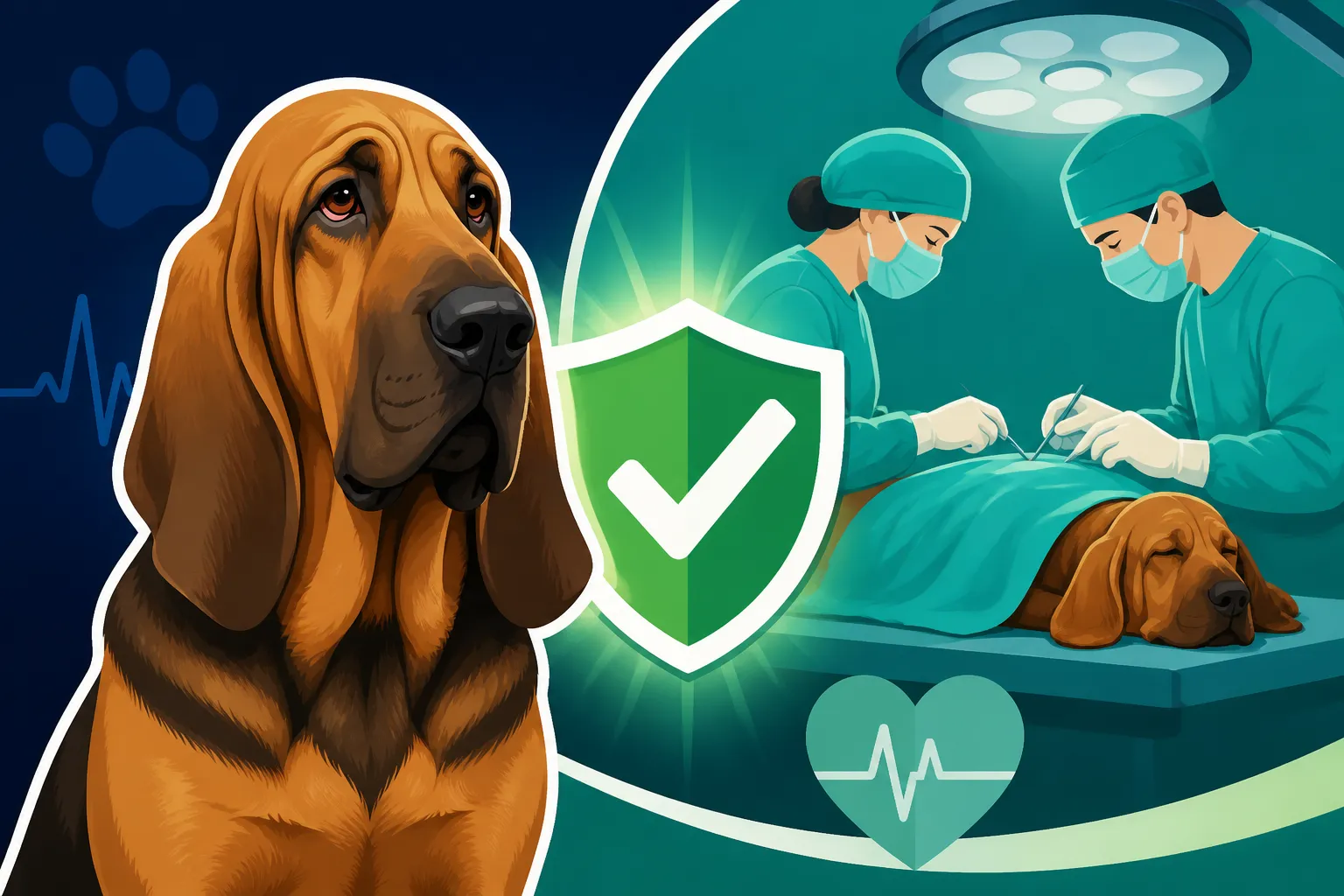
The actual surgery for GDV, known as a gastrectomy and gastropexy, is a major abdominal procedure. The surgeon will make an incision into your Bloodhound's abdomen. The first step is to carefully untwist the stomach and return it to its normal anatomical position. This can be challenging, especially if the stomach is severely distended or adhered. After correcting the twist, the surgeon will meticulously inspect the stomach wall and often the spleen, which can also be damaged or twisted. Any compromised (necrotic) stomach tissue may need to be removed, and if the spleen is severely damaged, it might also be removed, which is a common occurrence.
Following the untwisting and assessment, the most crucial part for long-term prevention is the gastropexy. This procedure involves permanently attaching the stomach to the abdominal wall, typically the right side, to prevent it from twisting again in the future. While a gastropexy doesn't prevent the stomach from dilating (filling with gas), it dramatically reduces the risk of life-threatening volvulus. What emergency bloat surgery does for a Bloodhound is comprehensive, addressing both the immediate crisis and attempting to mitigate future occurrences.
Potential Complications During and After Surgery
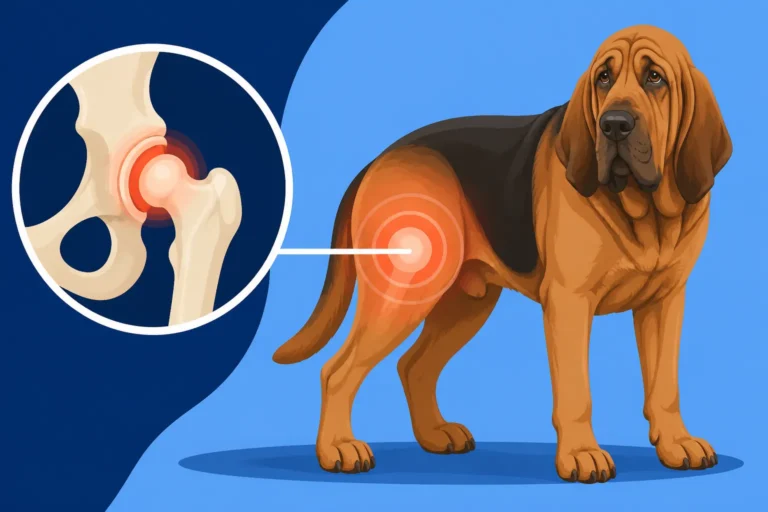
Even with skilled veterinary surgeons, emergency GDV surgery is not without significant risks, both during and after the procedure. During surgery, the primary concerns include hemorrhage, particularly if the spleen is severely affected and needs removal, and anesthetic complications in an already compromised patient. The heart can be particularly vulnerable due to the shock, toxins released from damaged tissues, and electrolyte imbalances. Cardiac arrhythmias (irregular heartbeats) are common both during and after surgery.
Post-operatively, the challenges continue. The most common complications include further cardiac arrhythmias, pneumonia (especially aspiration pneumonia if the dog has vomited or retched a lot), peritonitis (infection of the abdominal cavity if there was stomach wall rupture or leakage), and issues related to the damaged stomach tissue. Even after the stomach is untwisted and tacked, some areas of the stomach wall might have suffered irreversible damage and could rupture days later. This is why intensive post-operative care, including monitoring for signs of infection, pain management, and nutritional support, is absolutely critical. It's a testament to the dedication of veterinary teams that they navigate these complex waters for our hounds.
The Survival Rate: A Closer Look at the Numbers
As a Bloodhound owner, you want to know the chances. While no one can give you a guaranteed outcome, understanding the general survival rates and the factors that influence them can provide some perspective during a difficult time.
General Survival Statistics for GDV Surgery
When a Bloodhound makes it to surgery for GDV, the survival rates are actually quite encouraging, considering the severity of the condition. Studies typically report a survival rate ranging from 75% to 85% for dogs that receive timely surgical intervention. This means that for every 10 Bloodhounds that undergo surgery, 7 or 8 will generally survive and be discharged from the hospital.
However, it's important to understand that this statistic reflects dogs that make it through the initial critical recovery period and are sent home. The rate can fluctuate based on numerous factors, which we'll discuss next. It's a testament to veterinary advancements and the resilience of our dogs that these numbers are as high as they are. The promptness of care, the expertise of the surgical team, and the intensity of post-operative monitoring all play a significant role in achieving these positive outcomes.
Here’s a simplified look at how various factors can influence survival rates:
| Factor | Impact on Survival Rate (Approximate) | Notes |
|---|---|---|
| No Volvulus (Simple Bloat/Dilatation) | 90-95% | Less severe, as the stomach hasn't twisted, meaning blood supply is not completely cut off. Still requires emergency intervention to prevent volvulus. |
| With Volvulus (Twist) | 75-85% | The stomach has twisted, compromising blood flow and leading to tissue damage. This is the more common and life-threatening form of GDV. |
| Time to Surgery (< 6 hours) | 85-90% | Early intervention significantly reduces tissue damage, shock, and complications. |
| Time to Surgery (> 6 hours) | 60-70% | Delays lead to greater tissue necrosis, toxin release, and systemic complications, decreasing prognosis. |
| Stomach Necrosis Present | 60-75% | If parts of the stomach wall are dead and need removal, the surgery is more complex, and the risk of infection, leakage, and longer recovery increases. |
| Spleen Removed | No significant decrease in survival | While additional surgery, spleen removal (splenectomy) is often necessary if it's damaged or twisted and generally doesn't dramatically worsen the overall prognosis if the GDV itself is managed. |
| Pre-existing Health Conditions | Variable (can decrease) | Underlying heart conditions, kidney disease, or other systemic issues can make anesthesia and recovery more challenging. |
| Post-operative Arrhythmias | Can decrease | Cardiac arrhythmias are common after GDV. If severe or persistent, they can be life-threatening and require intensive management. |
Factors Influencing a Bloodhound's Prognosis
While the general statistics offer hope, several specific factors can significantly tip the scales for an individual Bloodhound's survival. These aren't just numbers; they represent critical elements in your dog's fight for life.
- Speed of Intervention: This is arguably the most critical factor. As mentioned, the faster your Bloodhound receives veterinary care and gets into surgery after the onset of GDV, the higher their chances of survival. Early diagnosis and immediate transport to an emergency facility are paramount.
- Presence and Severity of Volvulus: Simple gastric dilatation (bloat without twisting) has a much better prognosis than GDV with volvulus. When the stomach twists, it cuts off blood supply, leading to rapid tissue death. The extent of this tissue damage, or necrosis, directly impacts survival. If large sections of the stomach are dead, surgical removal is required, which carries higher risks.
- Overall Health Status: A Bloodhound who is otherwise healthy, without underlying conditions like heart disease, kidney issues, or severe arthritis, generally tolerates surgery and recovery better. A dog already battling other health problems will have a harder time bouncing back from such an invasive procedure.
- Anesthetic Risk and Cardiac Issues: Bloodhounds, like many large breeds, can be prone to certain heart conditions. The stress of bloat and surgery can exacerbate existing cardiac problems or induce arrhythmias, which can be life-threatening. Vets will closely monitor heart function throughout the process.
- Post-Operative Complications: Even if surgery is successful, the period immediately following is fraught with potential dangers. Infection, aspiration pneumonia, and persistent cardiac arrhythmias are common. Intensive care and vigilant monitoring for at least 48-72 hours after surgery are crucial to manage these risks. Having robust pet insurance, such as a comprehensive plan from Healthy Paws, can certainly alleviate the financial stress during this intensive care period, allowing owners to focus solely on their dog's recovery without compromise.
All these elements intertwine to create a unique prognosis for each Bloodhound. Understanding whether a Bloodhound survives bloat involves looking at this complex interplay of factors.
Post-Operative Care and Long-Term Outlook
Surviving the surgery is a huge hurdle, but it's not the finish line. The days and weeks following GDV surgery are vital for a Bloodhound's full recovery and for preventing future episodes.
The Critical First 72 Hours After Surgery
The immediate 72 hours following GDV surgery are arguably just as critical as the surgery itself. During this time, your Bloodhound will be under constant, vigilant care in the veterinary hospital's intensive care unit. The veterinary team will be monitoring for a host of potential complications. This includes closely watching for cardiac arrhythmias, which are very common after bloat surgery and can be life-threatening. They'll also be checking for signs of peritonitis (inflammation or infection in the abdomen), leakage from the stomach, or further stomach tissue necrosis.
Pain management is a high priority to ensure your Bloodhound is as comfortable as possible, which aids in healing and reduces stress. They'll receive intravenous fluids, antibiotics, and often anti-nausea medications. Your Bloodhound will likely have restrictions on eating and drinking immediately after surgery, slowly being introduced to small amounts of water and bland food over the next few days. This careful reintroduction helps prevent further stomach upset and allows the surgical site to heal. Knowing how long a Bloodhound stays in after bloat surgery gives you a better idea of this critical observation period.
Preventing Future Bloat with a Gastropexy
One of the most profound benefits of emergency bloat surgery is that it almost always includes a gastropexy – the procedure to permanently tack the stomach to the abdominal wall. This significantly reduces the chance of future volvulus. While a Bloodhound who has undergone a gastropexy can still experience gastric dilatation (their stomach can still fill with gas or fluid), the life-threatening twisting of the stomach is largely prevented. This is why some owners opt for a preventive gastropexy even before their Bloodhound ever experiences bloat, often performed at the same time as spaying or neutering. The gastropexy decision every Bloodhound owner faces is a serious one, as it offers a strong protective measure.
Even with a gastropexy, it's wise to continue practices that reduce bloat risk, such as feeding multiple small meals throughout the day rather than one large one. This means that whether a gastropexied Bloodhound still needs split meals is a question worth considering. Monitoring your Bloodhound for any signs of discomfort or changes in eating habits remains important, even post-surgery. While the trauma of bloat is something no owner wants to revisit, the gastropexy provides a great deal of peace of mind against the most dangerous aspect of the condition. Many pet insurance providers, including Healthy Paws, often cover the costs associated with a preventive gastropexy if it's deemed medically necessary or part of a comprehensive wellness plan, making this important preventative step more accessible.
Disclaimer
The information provided in this article is intended for general knowledge and informational purposes only, and does not constitute medical advice. Always seek the advice of a qualified veterinarian for any questions you may have regarding your Bloodhound's health or a medical condition. Never disregard professional veterinary advice or delay in seeking it because of something you have read in this article.