Whether a Bloodhound’s Cherry Eye Should Be Tucked or Removed
One of the most disheartening things to discover on your beloved Bloodhound is that bright red, fleshy mass popping out from the corner of their eye – a condition commonly known as "cherry eye." It looks alarming, can cause discomfort, and leaves many owners wondering what to do. This guide will walk you through the two primary surgical options for correcting cherry eye in Bloodhounds: tucking the gland back into place versus removing it entirely, helping you understand the implications of each decision for your hound's long-term eye health.
Understanding Cherry Eye in Bloodhounds
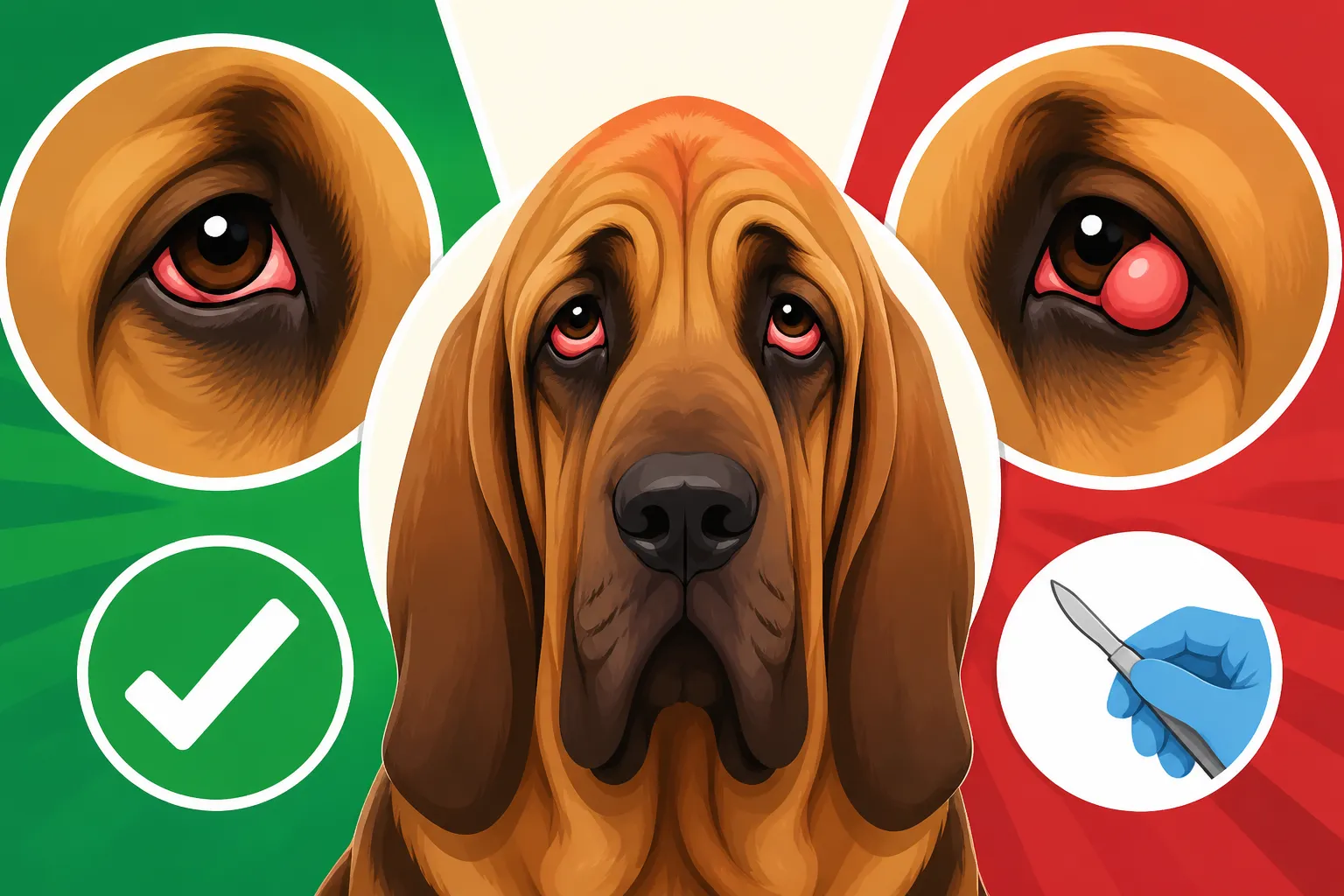
Cherry eye is a rather common ailment in Bloodhounds, and it’s due to a prolapse of the third eyelid gland, or nictitating membrane gland, which is usually tucked away neatly in the corner of your dog's eye. When this gland pops out, it appears as a red, swollen mass, often resembling a small cherry, hence the name. It’s not just a cosmetic issue; this gland plays a crucial role in producing a significant portion of your Bloodhound's tears – about 30-50%, in fact. This tear production is essential for lubricating the eye, flushing out irritants, and maintaining overall eye health.
Bloodhounds are particularly susceptible to cherry eye, often alongside other eyelid conditions like What Ectropion Looks Like on a Bloodhound due to their distinctive facial structure. Their loose skin and deep-set eyes, while charming, can predispose them to these issues. It's often seen in puppies or young adult Bloodhounds, typically before they reach two years of age, though it can manifest at any point. The exact cause isn't always clear, but genetics certainly play a role, suggesting a predisposition within the breed. When you notice a sudden cherry eye, it's often a sign that the connective tissue holding the gland in place has weakened or stretched, allowing it to prolapse.
Once the gland prolapses, it’s exposed to air and irritants, which can lead to inflammation, dryness, and even infection if left untreated. The gland can become more swollen, painful, and prone to further damage. Some Bloodhounds might rub at their eye or show signs of discomfort. While it might spontaneously retract occasionally in very mild cases, this is rare, and the condition almost always requires veterinary intervention. Early detection and treatment are key to preserving the gland's function and preventing secondary complications.
The Surgical Approach: Gland Tucking (Repositioning)
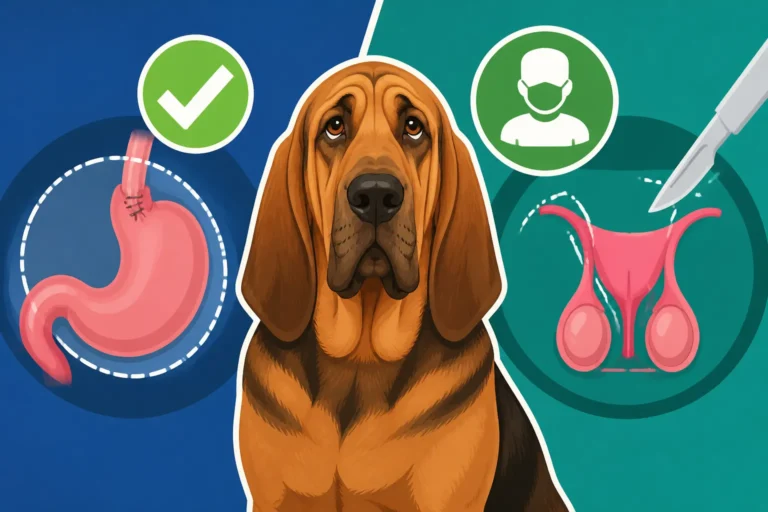
When faced with a cherry eye diagnosis, the first and often preferred option for many veterinarians and owners is to reposition the prolapsed gland back into its natural pocket. This procedure is formally known as orbital gland repositioning or sometimes simply a "tuck" procedure. The goal here is twofold: to restore the gland to its proper anatomical position and, crucially, to preserve its vital tear-producing function.
The Procedure and Its Benefits
During the gland tuck procedure, your Bloodhound will be under general anesthesia. The veterinary ophthalmologist or experienced general practitioner will create a small pocket or flap of tissue, often within the third eyelid itself, and then carefully suture the prolapsed gland into this new, secure position. The sutures are typically absorbable and are placed internally, meaning you won't see them on the surface of your dog's eye. The aim is to create a new, strong attachment that prevents the gland from popping out again. This method is meticulous and requires a delicate touch, as the tissues around the eye are very sensitive.
The primary benefit of a gland tuck is the preservation of the gland's tear production. Since this gland contributes significantly to a Bloodhound's tear film, keeping it functional dramatically reduces the risk of developing keratoconjunctivitis sicca (KCS), more commonly known as dry eye, later in life. Dry eye is a chronic and uncomfortable condition that requires lifelong medication and can lead to severe complications, including corneal ulcers and even blindness. By saving the gland, you're investing in your Bloodhound's long-term ocular comfort and health, minimizing the need for constant eye drops. Also, the cosmetic outcome is generally excellent, as the eye returns to its normal appearance.
Potential Drawbacks and Recovery
While gland tucking is the gold standard, it's not without its potential drawbacks. The most significant concern is the possibility of recurrence. Despite the surgeon's best efforts, the sutures can sometimes fail, or the underlying connective tissue can weaken again, causing the cherry eye to prolapse a second time. If this happens, a second, or even third, tuck procedure might be necessary. Each subsequent surgery carries its own set of risks and costs. In some cases, if the gland prolapses repeatedly, removal might become the only viable option, though this is usually considered a last resort.
Recovery after a gland tuck typically involves a period of rest, often with an Elizabethan collar (e-collar) to prevent your Bloodhound from scratching or rubbing the surgical site. This is a vital part of protecting the healing tissues. You’ll usually be sent home with anti-inflammatory medications and antibiotic eye drops to prevent infection and manage discomfort. Regular follow-up appointments with your veterinarian or the ophthalmologist will be necessary to monitor healing and ensure the gland remains in place. This recovery phase usually lasts a couple of weeks, but ongoing vigilance is important. It's good to know that some pet insurance providers, like Healthy Paws, often cover these types of surgical interventions, which can alleviate some financial stress for owners facing these unexpected Eyelid Surgery Is the Bill Bloodhound Owners Do Not Expect.
The Alternative: Gland Removal (Excision)
For various reasons, some owners or veterinarians might consider the complete removal of the prolapsed third eyelid gland. This procedure, known as excision, involves surgically detaching and removing the entire gland from your Bloodhound's eye. While it definitively solves the problem of the gland prolapsing again, it introduces a significant risk that every Bloodhound owner needs to understand thoroughly.
The Procedure and Its Immediate Fix
The gland removal procedure is straightforward from a surgical perspective. Under general anesthesia, the veterinarian simply excises the prolapsed tissue. Because the source of the cherry eye is removed entirely, there is no chance of recurrence of the cherry eye itself. This can seem like an attractive option, particularly if a Bloodhound has experienced multiple failed tuck procedures or if the prolapsed gland is severely damaged, infected, or necrotic. In such extreme cases, removal might be the most practical and humane course of action to alleviate immediate pain and prevent further complications.
For owners seeking a definitive, one-time fix without the worry of future prolapses, removal might initially appear to be the simpler solution. It eliminates the cosmetic issue and the discomfort associated with the prolapse, and the recovery from the surgery itself might seem less complicated since there’s no delicate reattachment involved. However, the long-term implications for your Bloodhound's eye health can be profound, far outweighing these immediate advantages in most situations.
The Significant Risk of Dry Eye
The most critical and often devastating consequence of removing the third eyelid gland is the high likelihood of developing dry eye (KCS) later in your Bloodhound's life. As mentioned, this gland is responsible for a substantial portion of tear production. Without it, the remaining tear glands often cannot compensate adequately, leading to insufficient lubrication of the eye. This deficiency causes the surface of the eye to become dry, irritated, and susceptible to a host of secondary problems.
Dry eye is not just an inconvenience; it's a chronic, often painful condition that demands lifelong management. Your Bloodhound would likely require daily application of prescription eye drops and ointments to stimulate tear production or provide artificial lubrication. These medications, such as cyclosporine or tacrolimus, are often costly and need to be administered consistently for the rest of your dog's life. Neglecting treatment can lead to chronic inflammation, corneal ulceration, bacterial infections, pigmentary keratitis (pigment deposits on the cornea that can impair vision), and eventually, blindness. The financial burden of managing What a Bloodhound's Eye Drops Cost Each Year and the constant need for Daily Eye Care for a Bloodhound can be overwhelming for many owners. Therefore, gland removal is generally reserved for rare circumstances when tucking is truly impossible or has been repeatedly unsuccessful.
Factors Influencing the Decision
Deciding whether to tuck or remove your Bloodhound's cherry eye gland isn't a simple choice and should always be made in close consultation with your veterinarian, and ideally, a veterinary ophthalmologist. Several factors will weigh into this important decision, impacting your Bloodhound’s long-term comfort and health.
Age and Overall Health of the Bloodhound
The age of your Bloodhound can play a significant role. Cherry eye often appears in younger dogs. For a young Bloodhound puppy, preserving tear production is paramount, as they have a longer life ahead of them where dry eye could become a persistent issue. The younger the dog, the more critical it is to opt for a gland tuck, especially given the breed's natural propensity for other eye issues. A younger dog is also often more resilient for recovery.
Overall health is also a consideration. If your Bloodhound has other chronic health issues or is elderly, your vet might weigh the risks of anesthesia and prolonged recovery differently. However, even with an older Bloodhound, the commitment to lifelong dry eye medication should be seriously considered if removal is discussed.
Severity and Duration of the Prolapse
The condition of the prolapsed gland itself matters. If the cherry eye has only recently appeared and the gland still looks healthy, pink, and moist, a tuck procedure has a very high chance of success. However, if the gland has been prolapsed for an extended period, it might be severely inflamed, swollen, dry, or even infected. In rare, severe cases, the tissue might have become damaged beyond repair, making a successful tuck unlikely or even impossible. In such extreme circumstances, removal might be the more practical and immediate solution to alleviate pain, though the dry eye risk remains. Your vet will assess the viability of the gland during the examination.
Expertise of the Surgical Team
The skill and experience of the surgical team are incredibly important. Repositioning the third eyelid gland requires precision and a good understanding of ocular anatomy. While many general practice veterinarians are proficient in tuck procedures, a board-certified veterinary ophthalmologist often has specialized training and experience that can lead to a higher success rate for the tuck and a lower chance of recurrence. If your regular vet recommends removal due to a lack of experience with the tuck procedure, it's always advisable to seek a referral to an ophthalmologist for a second opinion. This is particularly true if you are concerned about Whether a Bloodhound's Eyelid Surgery Needs a Specialist.
Financial Considerations and Long-term Commitment
The financial aspect cannot be ignored. Both procedures incur costs for surgery, anesthesia, medication, and follow-up care. A tuck procedure might cost more upfront due to its delicate nature and the potential need for a specialist, but it can save you significant money in the long run by avoiding the lifelong expenses of dry eye medication. Some pet insurance plans, like those offered by Healthy Paws, can be incredibly helpful in mitigating these costs, whether for the initial surgery or for managing chronic conditions like dry eye. It’s always wise to discuss the estimated costs for both options with your vet and to consider whether you can commit to the potential ongoing financial and time investment required for daily dry eye treatment if the gland is removed. A preventive tuck, if done early, might be a more cost-effective choice in the long run than dealing with dry eye.
Potential Complications and Aftercare
Regardless of whether your Bloodhound undergoes a gland tuck or removal, proper post-operative care is crucial for successful healing and preventing complications. Understanding what to expect during recovery and the potential long-term issues is key to providing the best care for your hound.
Post-Operative Care Essentials
After any eye surgery, your Bloodhound will need a period of careful management at home. An Elizabethan collar (e-collar), often affectionately called the "cone of shame," is non-negotiable. It prevents your dog from rubbing, scratching, or pawing at their eye, which could disrupt sutures, introduce infection, or cause further trauma. They will likely be on oral anti-inflammatory medications to manage pain and swelling, as well as antibiotic eye drops or ointments to prevent infection. Administering these medications faithfully as prescribed is essential.
You'll need to monitor your Bloodhound's eye closely for any signs of complications: excessive redness, swelling, discharge (especially if it's yellow or green), increased pain, or if the gland appears to be prolapsing again (if it was tucked). Activity should be restricted to short, leashed walks for a couple of weeks to prevent accidental injury and allow the surgical site to heal properly. Avoid strenuous play, jumping, or anything that could put pressure on the eye. Your vet will schedule follow-up appointments to check the healing progress and remove any external sutures if necessary. If you're managing a corneal ulcer (What Treating a Bloodhound's Corneal Ulcer Costs) due to a complication, the aftercare can become even more intense.
Monitoring for Recurrence (Tucking)
If your Bloodhound had a gland tuck, the main complication to watch for is recurrence. Sometimes, despite a successful surgery, the gland can prolapse again. This can happen days, weeks, or even months later. It's important not to panic if you see the "cherry" reappear, but to contact your veterinarian immediately. A second tuck might be possible, often with a slightly different technique to reinforce the attachment. While recurrence is a concern, many tuck procedures are successful on the first try, offering a permanent solution. The goal is always to keep that gland tucked safely away and producing tears.
Lifelong Management for Dry Eye (Removal)
If the gland was removed, your primary concern shifts to managing the very high risk of dry eye. This is not a matter of if, but often when. Your Bloodhound will likely need lifelong prescription eye drops to supplement their tear production. These typically include tear stimulants like cyclosporine (Optimmune, Restasis) or tacrolimus, which help the remaining tear glands produce more tears, and artificial tear drops to provide lubrication.
It's a daily commitment. These drops might need to be administered once or twice a day, every day, for the remainder of your Bloodhound’s life. Regular check-ups with your vet, potentially including Schirmer Tear Test measurements, will be necessary to monitor tear production and adjust medication as needed. Without diligent management, dry eye can lead to chronic discomfort, infections, and irreversible vision loss. It's a significant burden that many owners underestimate when considering gland removal. Understanding Whether a Bloodhound With Dry Eye Needs Drops for Life is critical before making this choice. Remember, investing in pet insurance like Healthy Paws early on can help with these lifelong costs.
Here’s a quick overview of the two main options:
| Feature | Gland Tucking (Repositioning) | Gland Removal (Excision) |
|---|---|---|
| Primary Goal | Preserve gland and tear production | Eliminate prolapse, alleviate immediate issue |
| Risk of Recurrence | Moderate to Low (can require repeat surgery) | None (cherry eye cannot recur once removed) |
| Risk of Dry Eye (KCS) | Low (if gland remains functional) | High (requires lifelong management) |
| Procedure Complexity | More intricate, requires delicate technique | More straightforward, less delicate |
| Cosmetic Outcome | Excellent (eye returns to normal appearance) | Good (no red mass), but underlying issue remains |
| Long-Term Care | Regular monitoring, potentially minor future issues | Lifelong daily eye drops, regular vet checks for KCS |
| Cost Implications | Initial surgery cost, potential for repeat surgery | Initial surgery cost, significant ongoing cost for eye meds |
| Overall Recommendation | Generally preferred, preserves long-term eye health | Considered a last resort, high risk of severe complications |
The decision between tucking and removal for your Bloodhound’s cherry eye is a complex one, with significant long-term implications for their health and your commitment as an owner. While gland removal offers an immediate, definitive fix for the prolapse itself, the overwhelming risk of developing chronic dry eye makes it a far less desirable option for most Bloodhounds. The gold standard remains the gland tuck procedure, which aims to preserve the crucial tear-producing function of the third eyelid gland.
Always consult with your veterinarian, and if possible, a board-certified veterinary ophthalmologist. They can assess your Bloodhound's specific situation, discuss the pros and cons in detail, and help you make an informed choice that prioritizes your beloved hound's comfort and long-term eye health. Remember, addressing Cherry Eye in a Bloodhound proactively and effectively can prevent a lifetime of discomfort for your loyal companion.
Disclaimer
The information provided in this article is for general informational purposes only and is not intended as a substitute for professional veterinary advice, diagnosis, or treatment. Always seek the advice of your veterinarian or other qualified animal health provider with any questions you may have regarding a medical condition or the health and welfare of your Bloodhound.