What the Purdue Bloat Study Found About Bloodhounds
The sudden, terrifying onset of bloat is a nightmare scenario for any Bloodhound owner, often striking without warning and demanding immediate, expensive veterinary intervention. This isn't just a minor upset stomach; it's a life-threatening emergency where every second counts. Understanding what contributes to this devastating condition, known scientifically as Gastric Dilatation-Volvulus (GDV), is paramount for protecting our beloved hounds, and the groundbreaking research from the Purdue Bloat Study has given us invaluable insights into how we can better safeguard them.
Understanding the Purdue Bloat Study and Its Impact
When we talk about canine health, especially with breeds prone to specific conditions, large-scale studies are truly gold. They move us beyond anecdotal evidence and provide the scientific data needed to make informed decisions for our dogs. The Purdue Bloat Study stands as one of the most comprehensive investigations into GDV, unraveling many of the mysteries surrounding this deadly ailment.
The Study's Genesis and Goals
The Purdue Bloat Study wasn't a quick weekend project; it was a monumental undertaking led by researchers at Purdue University, spearheaded by Dr. Larry Glickman, that spanned many years, beginning in the late 1990s and continuing with various phases. The primary goal was ambitious: to identify the risk factors associated with Gastric Dilatation-Volvulus in dogs, with a particular emphasis on large and giant breeds known to be susceptible. Before this study, much of what we "knew" about bloat was based on observation rather than rigorous scientific method. Owners and veterinarians had theories, but concrete, statistical data was scarce. The Purdue team set out to change that, meticulously collecting data on thousands of dogs, including their diet, feeding habits, living environments, family history, and more. This kind of extensive data collection allowed them to spot patterns and correlations that had previously been invisible or misunderstood, fundamentally shifting how the veterinary community and dog owners approach bloat prevention.
Why Bloodhounds Were a Focus
It's no secret to anyone who loves Bloodhounds that they are disproportionately affected by bloat. While many large, deep-chested breeds are at risk, Bloodhounds consistently rank among the top breeds for GDV incidence. This unfortunate reality made them a crucial part of the Purdue study's focus. Researchers recognized that by studying breeds with a high predisposition, they could uncover insights that might be generalized to other at-risk breeds, while also providing specific, breed-tailored advice. Our gentle giants possess that classic deep, narrow chest conformation that is unfortunately a primary physical risk factor, making them a living case study for the condition. The study didn't just confirm that Bloodhounds bloat more often; it sought to understand why this was the case, looking beyond just their physical build to other potential contributing factors unique to the breed's genetics, lifestyle, or even temperament. This dedicated focus on breeds like the Bloodhound meant that the findings had direct, profound implications for owners like us, providing guidance that felt specifically relevant to our furry companions.
Broadening Our Understanding of Gastric Dilatation-Volvulus GDV
Before the Purdue study, GDV was often seen as a somewhat unpredictable event, a roll of the dice for deep-chested dogs. While we knew it involved the stomach filling with gas and sometimes twisting, the intricate web of contributing factors was largely unknown. The study changed all that. It moved us beyond simply treating bloat after it happened to actively thinking about prevention. It provided hard evidence, allowing veterinarians to give more confident recommendations on everything from diet to feeding practices and even surgical interventions.
For instance, the study helped clarify some of the complex physiological mechanisms at play. We now have a better understanding of how a Bloodhound's chest shape causes bloat, revealing that it's not just about being large, but about the specific proportions of their thoracic and abdominal cavities. This deeper insight helps us appreciate why certain preventive measures, like a gastropexy, are so effective. The study also highlighted the multifactorial nature of bloat, meaning it's rarely just one thing that triggers it, but rather a combination of genetic predispositions, environmental factors, and even behavioral traits. This broadened understanding empowers owners to adopt a multi-pronged approach to prevention, rather than fixating on a single "cure." It fundamentally reshaped veterinary advice and owner practices, making GDV a condition that, while still terrifying, is now far better understood and, crucially, often preventable.
Key Risk Factors Identified in Bloodhounds
The Purdue Bloat Study meticulously analyzed countless data points to pinpoint specific factors that significantly increase a dog's risk of developing GDV. For Bloodhounds, these findings are particularly pertinent, offering a roadmap for owners to understand and potentially mitigate the risks. It’s not about fear-mongering, but about informed care.
The Role of Breed-Specific Conformation
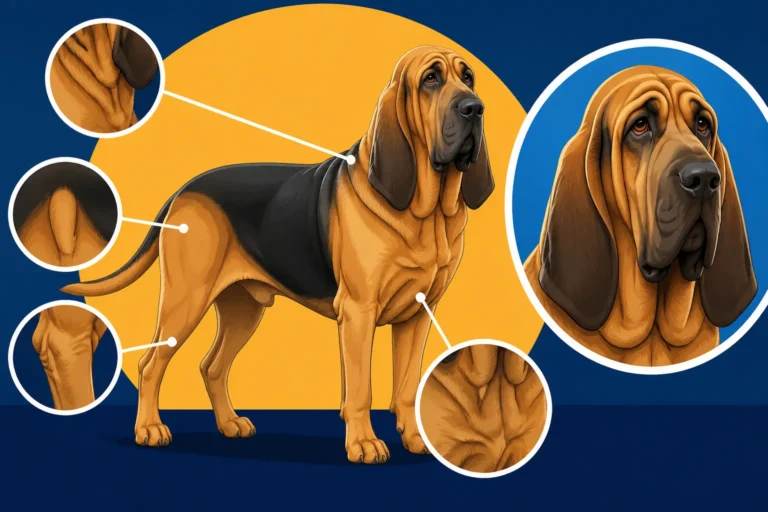
One of the most widely acknowledged findings from the Purdue study, and perhaps the least surprising to Bloodhound owners, concerned the profound impact of breed conformation on bloat risk. Bloodhounds, with their characteristic deep, narrow chests, are practically poster children for the physical predisposition to GDV. The study provided statistical backing for what many had observed for years: dogs with a greater chest depth-to-width ratio are significantly more likely to suffer from bloat.
Think about it this way: a deep, narrow chest offers more "swinging room" for the stomach. When a Bloodhound's stomach fills with gas, often after eating or drinking too quickly, that extra space can allow it to expand and then twist on its axis. Imagine a balloon tied to a string in a very wide room versus a narrow corridor – the one in the wider room has more opportunity to spin. This anatomical reality isn't something we can change about the breed, but understanding its significance is critical. It reinforces why a breed like a Bloodhound, despite its sturdy build, is at a higher risk than, say, a Beagle. This deep chest is part of their distinctive appearance and working heritage, but it comes with this inherent health vulnerability that owners must acknowledge and proactively manage.
Dietary and Feeding Practices Under Scrutiny
The Purdue Bloat Study delved extensively into feeding practices and dietary components, challenging some long-held beliefs and confirming others. For Bloodhounds, how and what they eat can significantly influence their bloat risk. The study found that feeding a single, large meal per day was associated with an increased risk compared to feeding multiple smaller meals. This makes intuitive sense: a larger meal means more food and potentially more swallowed air in the stomach at one time, creating a greater chance for gas buildup. Therefore, adopting a feeding regimen of two or three smaller meals throughout the day is a widely recommended practice, aimed at preventing the stomach from becoming overly full.
Furthermore, the type of food also came under scrutiny. While there's no single "bloat-proof" food, the study indicated that diets containing certain ingredients, particularly those with oil or fat listed as one of the first four ingredients, might increase risk. Conversely, foods with ingredients like meat meal (e.g., lamb meal, chicken meal) listed among the first four were associated with a reduced risk. This doesn't mean you have to become an ingredient detective overnight, but it does suggest paying attention to the composition of your Bloodhound's diet. It's a delicate balance, trying to ensure proper nutrition while minimizing risk, and these insights from Purdue give us a much clearer direction. Owners should avoid abrupt changes in diet and ensure their Bloodhound always has access to fresh water, but perhaps not right before or after strenuous activity.
Temperament and Stress as Contributing Elements
Beyond physical conformation and diet, the Purdue Bloat Study also explored less tangible, but equally important, factors such as temperament and stress. Interestingly, the study suggested a correlation between certain behavioral traits and bloat risk. For example, dogs described as "anxious" or "fearful" appeared to have a slightly higher incidence of GDV. While the exact physiological mechanism linking anxiety to bloat isn't fully understood, it's theorized that stress can impact gut motility, alter digestive processes, or even lead to increased air swallowing (aerophagia), all of which could contribute to gas accumulation in the stomach.
Consider a Bloodhound that gets very stressed by loud noises or separation anxiety. This chronic or acute stress might affect their digestive system more profoundly than we realize. This finding emphasizes the holistic nature of canine health; it's not just about the physical body but also the mental and emotional well-being of our dogs. Managing stress in our Bloodhounds, through consistent routines, positive reinforcement, and a calm home environment, might not only improve their overall quality of life but also subtly reduce their bloat risk. This insight adds another layer to preventive care, reminding us that a happy, well-adjusted Bloodhound is likely a healthier Bloodhound. Pet insurance providers like Healthy Paws often highlight the importance of understanding a breed's unique predispositions, and these temperament links are a great example of that comprehensive approach.
Debunking Common Bloat Myths for Bloodhound Owners
Before the Purdue Bloat Study, many widely accepted pieces of advice regarding bloat prevention were based on observation, assumption, or limited data. The study, with its rigorous scientific methodology, had the invaluable effect of either confirming these beliefs or, more often, debunking them entirely. This clarity is essential for Bloodhound owners trying to navigate the complexities of their dog's health.
Re-evaluating Raised Food Bowls
For years, it was common wisdom that feeding a deep-chested dog from a raised food bowl would prevent bloat. The theory was that it would reduce air swallowing by making the dog's posture more natural during eating. Many conscientious Bloodhound owners invested in elevated feeders, believing they were doing the absolute best for their dogs. However, the Purdue Bloat Study delivered a surprising blow to this popular belief: it found that feeding from a raised bowl actually increased the risk of GDV in large and giant breeds. This was a counter-intuitive finding that completely flipped conventional wisdom on its head for many.
The exact reasons for this increased risk aren't definitively known, but hypotheses include that elevated bowls might encourage faster eating or position the esophagus in such a way that it makes it easier to swallow air. Regardless of the precise mechanism, the statistical data was clear: raised bowls were not protective and, in fact, seemed to be detrimental. This is why it's so important to rely on scientific research rather than well-meaning but unproven theories. For Bloodhound owners, this means going back to basics: feeding your hound's meals on the floor is likely safer. If you've been using a raised bowl, don't panic, but consider making the switch. This kind of reversal in advice can feel jarring, but it's all part of advancing our understanding of a complex condition.
The Myth of Water Consumption and Exercise Timing
Another area where the Purdue study shed new light was on the timing of water consumption and exercise around meal times. Many owners were told, or instinctively believed, that restricting water before or after meals, or heavily regulating exercise, would prevent bloat. The fear was that a stomach full of water and/or rigorous activity would somehow precipitate a torsion. While it's generally good practice to avoid strenuous exercise immediately before or after any large meal for any dog, the study's findings specifically on water and exercise timing in relation to bloat risk were more nuanced than previously thought.
The study did not find a strong, direct correlation between drinking large amounts of water before or after meals and an increased risk of bloat. This doesn't mean we should let our Bloodhounds gulp down gallons right after eating, but it eases the intense worry many owners had about every sip. Similarly, while extreme exertion immediately after a meal is still not recommended, moderate activity didn't show a direct link to bloat incidence as strongly as once believed. The key takeaway here is balance and common sense rather than strict, fear-driven prohibitions. Ensuring your Bloodhound has access to fresh water at all times, but maybe not allowing them to chug an entire bowl immediately after wolfing down a meal, is a reasonable approach. Likewise, a gentle walk is fine, but intense running or jumping right after eating should be avoided. The study helped separate the truly impactful factors from those that were less significant, allowing owners to focus their preventative efforts more effectively.
Genetic Predisposition vs. Environmental Triggers
A fundamental question surrounding bloat has always been the interplay between genetics and environment. Is it something a Bloodhound is born with, or something triggered by their lifestyle? The Purdue study strongly reinforced the concept of genetic predisposition as a significant underlying factor. Breeds like Bloodhounds are simply more genetically susceptible due to their conformation and, potentially, other inherited traits not yet fully understood. This means that even with perfect feeding practices and stress management, a Bloodhound still carries an inherent risk that other breeds might not.
However, the study also emphasized that genetics aren't the sole determinant. Environmental triggers certainly play a role. Factors like feeding practices (number of meals, type of food), age (older dogs tend to be at higher risk, as Bloodhound lifespan shows), and even temperament contribute to the overall risk profile. It’s not an either/or situation; it’s a complex interaction. Think of it like this: genetics load the gun, but environmental factors pull the trigger. A Bloodhound with a strong genetic predisposition might bloat even if environmental factors are managed reasonably well, while another might be more resilient. This understanding highlights the importance of comprehensive care, addressing both the inherent risks through measures like considering a gastropexy and managing the daily environmental factors within our control. This dual approach provides the best possible defense against this devastating condition.
Actionable Insights for Bloodhound Bloat Prevention
The Purdue Bloat Study wasn't just about identifying risks; it was about empowering owners with practical strategies to protect their dogs. For Bloodhound owners, armed with this knowledge, we can implement specific, evidence-based practices to significantly reduce the chances of encountering this emergency.
Strategic Feeding Regimens and Food Choices
One of the most powerful takeaways for Bloodhound owners revolves around how and what we feed our dogs. Based on the Purdue study, shifting from one large meal a day to two or three smaller meals is a highly recommended and relatively easy change to make. This helps prevent the stomach from becoming overly distended with food and gas at any single point. Imagine filling a balloon slowly versus trying to inflate it all at once; smaller, more frequent meals ease the digestive load. You can explore how many meals a day a Bloodhound should eat to tailor this to your dog's specific needs and schedule.
Beyond the frequency, the type of food also matters. While the study didn't point to a single "bad" ingredient to avoid completely, it did suggest that dog foods listing fat or oil among the first four ingredients might be associated with higher risk. Conversely, foods with meat meal as a primary ingredient showed a reduced risk. This doesn't mean you have to overhaul your dog's diet drastically, but it's worth reviewing the ingredient list of your Bloodhound's current food. Opt for high-quality kibble, perhaps a large-breed formula, and avoid sudden changes that can upset their digestive system. Some owners also find that using a slow feeder bowl helps reduce the speed at which their Bloodhound eats, thereby decreasing the amount of air swallowed during mealtime. This simple adjustment can make a world of difference for a dog that tends to gulp its food down.
Managing Exercise and Stress Levels
While the Purdue study clarified that intense exercise immediately before or after a meal is less of a direct bloat trigger than once thought, it's still prudent to practice moderation. We want to avoid anything that could put undue stress on the digestive system. For a Bloodhound, this means no vigorous play, running, or high-impact activities for at least an hour before and two hours after eating. A leisurely stroll or some quiet time is perfectly fine, but saving the intense trailing sessions or roughhousing for several hours after digestion has had a chance to progress is a wise choice.
Beyond physical exertion, managing stress is also important, as the study hinted at a link between anxious temperaments and increased bloat risk. Bloodhounds are generally easygoing, but they can experience stress from various sources – separation anxiety, new environments, loud noises, or changes in routine. Creating a calm, predictable environment for your Bloodhound can contribute to their overall well-being and, by extension, potentially reduce their bloat risk. Consider enriching their environment with puzzle toys or providing a quiet, safe den where they can retreat when feeling overwhelmed. Addressing any underlying anxiety with appropriate training, behavioral modification, or, if necessary, veterinary consultation, could be a beneficial part of your preventative strategy.
The Crucial Role of Prophylactic Gastropexy
Perhaps the most significant and concrete preventative measure supported by the Purdue Bloat Study is the prophylactic gastropexy. This surgical procedure involves permanently attaching the stomach to the abdominal wall, preventing it from twisting – the "volvulus" part of GDV. The stomach can still dilate (fill with gas), but the life-threatening twist is largely averted. The study highlighted the immense protective power of this surgery.
For Bloodhound owners, this is a game-changer. Given that bloat is what kills most Bloodhounds, and considering their inherent predisposition, many veterinarians and breeders now strongly recommend a gastropexy. It's often performed at the same time as a spay or neuter, typically when the Bloodhound is young, making it a single anesthetic event. This decision every Bloodhound owner faces is a serious one, but the evidence from Purdue heavily favors it as the most effective preventative strategy against the deadliest aspect of bloat. It's an investment in your dog's future, potentially saving their life and preventing a costly emergency surgery down the road. Even with pet insurance like Healthy Paws, which can help cover emergency costs, prevention is always the best path. You can learn more about what a preventive gastropexy does for a Bloodhound to fully understand its benefits and implications.
The Evolving Landscape of Bloat Research and Future Directions
While the Purdue Bloat Study provided a monumental leap forward in our understanding of GDV, the work isn't over. Science is an ongoing process, and researchers continue to build upon these foundational findings, striving for even more comprehensive solutions and preventative strategies for breeds like the Bloodhound.
Continuing Studies and Genetic Markers
The initial Purdue studies established broad risk factors, but current research is diving deeper, often focusing on the genetic underpinnings of bloat susceptibility. Identifying specific genetic markers that predispose a Bloodhound to GDV would be a revolutionary step. Imagine being able to test a Bloodhound puppy and know their individual bloat risk with a high degree of certainty! This could allow breeders to make more informed decisions and owners to implement highly tailored preventative care from day one. Researchers are using advanced genetic mapping techniques to pinpoint these elusive genes, collaborating with breed clubs and dedicated owners to collect DNA samples.
This kind of focused genetic research holds the promise of not only improving individual dog care but also, over generations, potentially reducing the overall incidence of bloat in the breed through responsible breeding practices. While we’re not quite there yet with a definitive genetic test for bloat, the advancements in canine genetics are rapid, and the hope is that future studies will unlock these deeper mysteries, offering even more precise tools for prevention. The American Bloodhound Club actively encourages health screening and research, understanding the critical need for continued efforts in this area.
The Importance of Owner Participation and Data Collection
One of the most powerful aspects of the Purdue Bloat Study was its reliance on a vast amount of data voluntarily provided by dog owners and veterinarians. This collaborative spirit remains crucial for the evolution of bloat research. Future studies often depend on large datasets to identify subtle trends or confirm hypotheses. This means that every Bloodhound owner who participates in surveys, reports health outcomes, or contributes their dog's genetic material to research studies is playing a vital role in advancing our collective knowledge.
Your individual experience, whether your Bloodhound has suffered from bloat or has been fortunate enough to avoid it, contributes to the bigger picture. By carefully documenting your dog's health, diet, and any incidents, you provide invaluable real-world data that researchers simply cannot replicate in a lab setting. Organizations like the American Bloodhound Club and specific university research programs often put out calls for owner participation, and by engaging, we become active partners in safeguarding the health of our beloved breed for generations to come. This community effort is what truly drives progress in understanding complex conditions like GDV.
Collaborative Efforts for a Healthier Future
No single institution or group can tackle a challenge as complex as bloat alone. The future of bloat research, and indeed canine health as a whole, lies in collaborative efforts. This includes partnerships between universities, veterinary schools, breed-specific organizations (like the American Bloodhound Club), veterinary practices, and even pet insurance companies. Each entity brings unique resources and expertise to the table. For example, veterinary hospitals provide access to clinical cases and surgical outcomes, while breed clubs offer extensive historical data and owner networks. Pet insurance companies, such as Healthy Paws, can also provide valuable aggregate data on health claims, offering insights into disease prevalence and treatment effectiveness across large populations of dogs.
This interdisciplinary approach ensures that research is comprehensive, practical, and ultimately, impactful. By pooling resources and knowledge, we can accelerate the pace of discovery, leading to better diagnostic tools, more effective preventative strategies, and improved treatment outcomes for Bloodhounds and all at-risk breeds. The goal is a future where the terrifying threat of bloat is significantly diminished, allowing our incredible hounds to live longer, healthier lives free from this devastating condition.
Bloodhound Bloat Risk Factors: Common Beliefs vs. Purdue Findings
Here's a quick look at some key areas where the Purdue Bloat Study either confirmed or dramatically shifted our understanding of bloat risk factors for Bloodhounds and other deep-chested breeds.
| Factor | Common Belief (Pre-Purdue) | Purdue Bloat Study Finding | Impact on Bloodhound Owners |
|---|---|---|---|
| Raised Food Bowls | Thought to reduce air swallowing, protective. | Increased risk of GDV. No protective benefit found; actively detrimental. | Feed Bloodhounds from bowls on the floor. |
| Feeding Frequency | One large meal per day was common. | Multiple smaller meals per day reduces risk. | Split daily food into 2-3 smaller meals. |
| Diet Composition | Vague, emphasis on "quality" food. | Diets with fat/oil as first 4 ingredients increased risk. Meat meal as first 4 ingredients reduced risk. | Check ingredient lists; prioritize meat-based proteins early. |
| Water Consumption | Large amounts after eating were highly feared. | No strong, direct link found between water gulping and bloat. | Offer constant fresh water; avoid extreme gulping after meals. |
| Exercise After Meals | Strenuous activity after eating was a major concern. | Less significant direct link than previously believed, but still advised to avoid vigorous exercise. | Avoid intense exercise for 1-2 hours post-meal; gentle walks are fine. |
| Genetics/Breed | Acknowledged, but mechanisms unclear. | Confirmed strong genetic predisposition, especially for deep-chested breeds like Bloodhounds. | Acknowledge inherent risk; consider prophylactic gastropexy. |
| Temperament/Stress | Not widely considered a direct factor. | Anxious/fearful temperament linked to increased risk. | Manage stress; provide calm environment; address anxiety. |
| Prophylactic Gastropexy | Less common, perceived as elective surgery. | Highly effective in preventing gastric volvulus (the twist). | Strongly recommended for Bloodhounds to prevent the deadliest aspect of bloat. |
Disclaimer
The information provided in this article is for general educational and informational purposes only, and does not constitute veterinary advice. Always consult with a qualified veterinarian for any health concerns or before making any decisions about your Bloodhound's care, diet, or treatment.