Whether a Bloodhound Should Be Screened Before Breeding
Bringing a Bloodhound into your life is an incredible journey filled with loyalty and endless scent adventures, but the joy can quickly turn to heartbreak when unexpected health issues arise, especially those that could have been prevented. For anyone considering breeding these magnificent hounds, the responsibility of ensuring the health of future generations is paramount. This guide will walk you through the essential health screenings every Bloodhound should undergo before breeding, helping you make informed decisions that safeguard the breed's future.
The Moral Imperative and Practical Necessity of Breeding Health Screenings
It's easy to fall in love with a Bloodhound puppy's wrinkled face and clumsy charm, but behind that adorable exterior lies a complex genetic blueprint. When we talk about breeding, we're not just matching two beautiful dogs; we're making decisions that will echo through generations. Ignoring health screenings isn't just irresponsible; it's a gamble with a living, feeling creature's well-being and a potential source of immense heartache and financial strain for future owners.
Why Responsible Breeding Matters More Than Ever
In today's world, where so much information is at our fingertips, there's really no excuse for cutting corners when it comes to the health of our beloved breeds. Bloodhounds, like many purebreds, are predisposed to certain genetic conditions that can significantly impact their quality of life and, sadly, their lifespan. Think about the common frustrations new owners face: a puppy limping before its first birthday, chronic eye infections, or even the devastating sudden onset of bloat. Many of these issues have a genetic component, and responsible breeders are the first line of defense against propagating them. They understand that bringing new lives into the world carries a heavy ethical weight, and part of that weight is ensuring those lives have the best possible start, free from avoidable suffering.
It's about more than just avoiding a vet bill; it's about the future of the breed itself. Every time a dog with an un-screened genetic issue is bred, the prevalence of that issue in the breed's gene pool potentially increases. This isn't just a concern for individual dogs, but for the overall health and vitality of Bloodhounds as a whole. The commitment to screening is a commitment to upholding the integrity and health standards of these amazing working dogs.
Understanding the Genetic Legacy in Bloodhounds
Bloodhounds are renowned for their incredible noses and gentle dispositions, but their distinctive physical characteristics – like their heavy bones, loose skin, and long, pendulous ears – also make them susceptible to specific health challenges. These traits, while iconic, come with their own set of potential genetic predispositions that can lead to orthopedic problems, eye conditions, and even certain types of cancer or heart disease. As breeders, we're essentially stewards of this legacy, and part of that stewardship is understanding which genes we're passing on.
Genetic screening helps us make informed choices, moving beyond just what a dog looks like and delving into its intrinsic health. It allows breeders to identify carriers of certain conditions, understand risk factors, and make pairings that reduce the likelihood of offspring inheriting problematic traits. This proactive approach not only spares individual puppies from a lifetime of discomfort but also strengthens the breed's overall health trajectory. It’s a powerful tool in combating the spread of inherited diseases and ensuring that the unique qualities of the Bloodhound are celebrated for generations to come, free from preventable suffering.
Core Orthopedic Concerns and What to Screen For
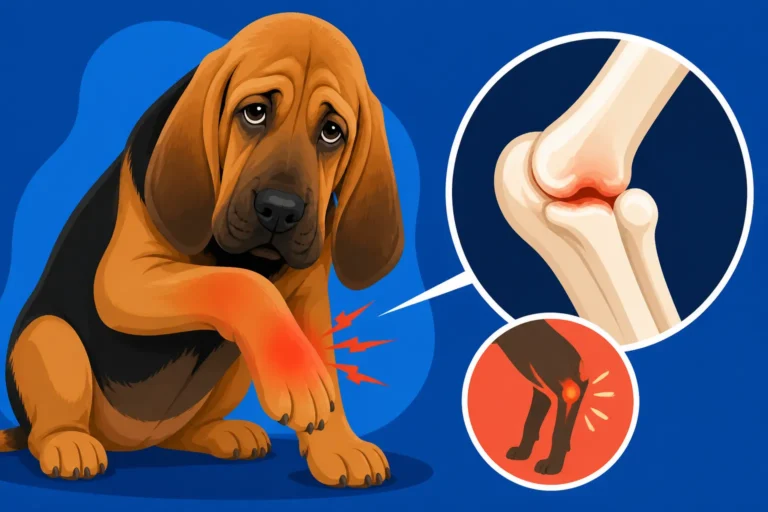
One of the biggest concerns for large and giant breeds like the Bloodhound is orthopedic health. Their rapid growth and significant weight can put immense strain on developing joints, making conditions like hip and elbow dysplasia particularly prevalent. Ignoring these issues in breeding stock is a recipe for heartbreak for future puppy owners and can lead to a lifetime of pain and limited mobility for the dogs themselves.
Hip Dysplasia: A Persistent Challenge
Hip dysplasia is a notoriously common and often painful condition in Bloodhounds, where the hip joint doesn't form correctly, leading to looseness and eventual arthritis. Imagine a dog that should be bounding through fields, trailing with gusto, instead struggling to get up, or limping after even a short walk. This is the reality for many dogs affected by hip dysplasia. For breeders, identifying this condition in potential parents is critical. It's not always evident just by watching a dog move, especially in younger animals, which is why radiographic screening is so important.
The goal isn't just to produce dogs that don't show clinical signs of limping, but to actively breed towards healthier joints. This often means carefully selecting breeding partners with excellent hip scores and considering their lineage's orthopedic history. While genetics play a huge role, environmental factors like nutrition and exercise during puppyhood can also influence the expression of hip dysplasia, but starting with genetically sound parents provides the best foundation. Understanding Hip and Elbow Dysplasia in the Bloodhound is a crucial step for any responsible breeder.
Elbow Dysplasia: The Silent Crippler
Often overshadowed by hip dysplasia, elbow dysplasia is equally, if not more, debilitating for many large breeds. This term actually encompasses several different developmental abnormalities of the elbow joint that can lead to pain, lameness, and severe arthritis, sometimes at a very young age. Puppies can show signs like a subtle limp, reluctance to play, or an unusual gait. Because the Bloodhound is a heavy breed, their elbows bear a significant load, making sound elbow structure essential for a comfortable life.
Like hip dysplasia, elbow dysplasia requires radiographic screening for accurate assessment. Breeders committed to improving the breed will ensure their breeding stock has clear elbow evaluations from a reputable registry. It’s a difficult conversation to have, but sometimes even a dog with mild dysplasia, if bred, can produce severely affected offspring. It's about minimizing risk and maximizing the chances of healthy, pain-free lives for the puppies, which sometimes means making tough choices about which dogs to breed.
Navigating the OFA and PennHIP Systems
When it comes to orthopedic screening, breeders have two primary, well-regarded systems available in the United States: the Orthopedic Foundation for Animals (OFA) and PennHIP. Both aim to evaluate hip and elbow joint health, but they use different methodologies and provide different types of information. It's important for breeders to understand these differences to choose the best option for their program and to interpret the results accurately.
The OFA system relies on a single, extended hip view X-ray taken when the dog is at least 24 months old. Radiographs are submitted to a panel of three veterinary radiologists who evaluate the films for signs of hip dysplasia, grading them as Excellent, Good, Fair, Borderline, Mild, Moderate, or Severe. OFA also provides evaluations for elbows, typically grading them as Normal or Dysplastic (Grade I, II, or III). Their database is publicly accessible, allowing potential puppy buyers to research the orthopedic health of a dog's parents and relatives. Understanding What an OFA Hip Score Means for a Bloodhound is fundamental for breeders.
PennHIP, on the other hand, can be performed on dogs as young as 16 weeks and measures hip laxity (looseness), which is a predictor of hip dysplasia. It involves three specific radiographic views and provides a Distraction Index (DI) score, which is a quantitative measure of laxity. A lower DI score indicates tighter hips and a lower risk of developing hip dysplasia. While PennHIP doesn't offer a pass/fail grade like OFA, it provides a percentile ranking for the dog compared to others within its breed, allowing breeders to select dogs with tighter hips than the breed average. Many breeders choose to utilize both systems to get the most comprehensive picture of their dog's joint health, demonstrating an earnest commitment to the health of their lines. The investment in these screenings might seem significant, but services like Healthy Paws pet insurance can help owners manage unforeseen vet costs down the line, although preventive screenings are typically out-of-pocket for breeders.
| Orthopedic Screening Method | Minimum Age | Key Measurement | Benefits for Bloodhounds | Considerations |
|---|---|---|---|---|
| OFA (Orthopedic Foundation for Animals) | 24 months | Radiographic evaluation of hip conformation (Excellent, Good, Fair, etc.) and elbow presence of dysplasia (Normal, Grade I-III). | Widely recognized, established public database for lineage research. Direct assessment of joint structure. | Cannot be done until maturity; subjective interpretation by radiologists. |
| PennHIP (University of Pennsylvania Hip Improvement Program) | 16 weeks | Quantitative measurement of hip joint laxity (Distraction Index). | Can be performed much younger, providing early assessment. More objective measure of laxity, a strong predictor of future dysplasia. | Requires special training for vets to perform; less focus on elbow evaluation in its primary protocol. |
Eye Health: Protecting Vision in a Scent Hound
A Bloodhound's eyes, with their characteristic droopy lower lids, are undeniably part of their charm and function, helping to sweep scent towards their powerful nose. However, these very features can predispose them to a number of eye conditions. Maintaining clear vision and comfortable eyes is paramount for a breed that relies so heavily on its other senses, yet still needs to navigate its world safely.
Ectropion and Entropion: The Droopy and Rolled Lids
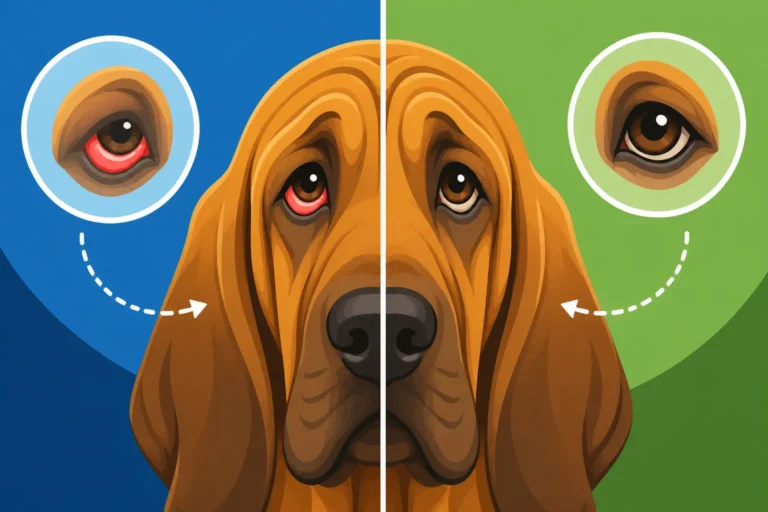
Ectropion, the outward rolling of the lower eyelid, is extremely common in Bloodhounds, contributing to their signature "sad" expression. While some degree of droopiness is characteristic, excessive ectropion can lead to chronic irritation, exposure of the conjunctiva (the pink tissue lining the eyelids), and increased susceptibility to foreign bodies, dust, and infections. It makes their eyes constantly watery, red, and uncomfortable. Imagine trying to work a complex trail with constantly irritated eyes – it would be incredibly distracting and painful.
Conversely, entropion, where the eyelid rolls inward, is far more serious. This causes the eyelashes and surrounding hair to rub directly against the cornea (the clear surface of the eye), leading to chronic pain, corneal ulcers, scarring, and potentially permanent vision impairment. Both conditions often require surgical correction, sometimes multiple times over a dog's life. Breeders have a responsibility to screen for both, as they are largely genetic. Seeing What Ectropion Looks Like on a Bloodhound or What Entropion Does to a Bloodhound's Eye firsthand can be quite alarming for owners who aren't prepared.
Other Ocular Conditions to Watch For
Beyond ectropion and entropion, Bloodhounds can be susceptible to a host of other eye problems that warrant screening before breeding. These can include:
- Cherry Eye: A prolapse of the third eyelid gland, often appearing as a red, swollen mass in the corner of the eye. While not usually painful, it can lead to dry eye if not treated properly and often has a genetic component.
- Dry Eye (Keratoconjunctivitis Sicca or KCS): A condition where the eyes don't produce enough tears, leading to dryness, irritation, and potentially corneal damage. It can be secondary to other issues or a primary autoimmune problem.
- Progressive Retinal Atrophy (PRA): A group of degenerative diseases affecting the retina, eventually leading to blindness. While less common in Bloodhounds than some other breeds, genetic testing for specific forms of PRA is becoming available for many breeds and should be considered.
These conditions can range from mildly irritating to severely sight-threatening. The goal of screening is to identify affected individuals and carriers to prevent these problems from being passed down, ensuring future generations of Bloodhounds maintain healthy, comfortable vision throughout their lives. This preventative measure is part of the comprehensive approach outlined by What the American Bloodhound Club Asks Breeders to Screen.
The Role of a Board-Certified Ophthalmologist
Given the complexity and potential severity of eye conditions in Bloodhounds, routine veterinary checks are often not sufficient for comprehensive breeding screening. This is where a board-certified veterinary ophthalmologist comes in. These specialists have advanced training and equipment to perform thorough eye examinations, identifying subtle signs of disease that a general practitioner might miss. They can expertly diagnose conditions like ectropion, entropion, and other hereditary eye diseases, and provide OFA certifications for eye health (known as Companion Animal Eye Registry, or CAER, exams).
For breeding stock, a CAER exam should be performed annually to ensure the dog remains clear of hereditary eye conditions. This specialized screening provides peace of mind for breeders and future owners, knowing that a professional has meticulously evaluated the dog's ocular health. It’s an investment, but when you consider the potential costs of corrective surgeries or lifelong medication, and more importantly, the potential suffering of a puppy born with severe eye issues, it's an indispensable step in responsible breeding. This due diligence ensures that the iconic The Four Eye Problems a Bloodhound Is Born Toward are not inadvertently passed on.
Cardiac and Thyroid Health: Beyond the Obvious
While orthopedic and eye issues are often the most visible concerns in Bloodhounds, it's crucial not to overlook internal health factors such as cardiac and thyroid function. These conditions might not be immediately apparent, but they can significantly impact a dog's overall health, energy levels, and even lifespan. Responsible breeders look at the complete picture of a dog's health, not just what's on the surface.
Uncovering Hidden Heart Issues
Heart disease can be a silent threat in any breed, and Bloodhounds are no exception. While some conditions might manifest as a noticeable cough, exercise intolerance, or fainting spells, others can be subtle or asymptomatic in their early stages. Conditions like dilated cardiomyopathy (DCM) or certain congenital heart defects can have a genetic component and could be passed down. Imagine the devastating blow of a puppy collapsing during play or a beloved adult hound suddenly succumbing to heart failure. These are scenarios breeders strive to prevent.
Screening for cardiac health in breeding Bloodhounds typically involves a physical examination by a veterinarian, looking for heart murmurs or arrhythmias. For a more thorough assessment, especially in breeds predisposed to heart issues, an evaluation by a board-certified veterinary cardiologist is recommended. This can include an echocardiogram (an ultrasound of the heart) to assess its structure and function, and possibly an EKG to evaluate electrical activity. This proactive step helps identify potential problems before breeding, ensuring that parents are contributing to healthy hearts in their offspring. It's one of the important screenings breeders should do, as highlighted in Whether a Bloodhound Breeder Should Do Cardiac and Thyroid Too.
Thyroid Dysfunction and Its Impact
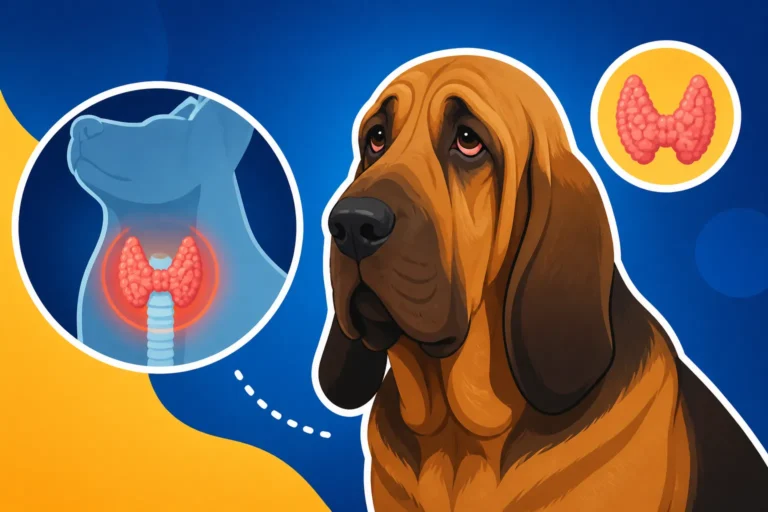
Hypothyroidism, a condition where the thyroid gland doesn't produce enough thyroid hormone, is another health concern that Bloodhounds can be genetically predisposed to. While not immediately life-threatening, it can significantly affect a dog's quality of life, leading to a host of symptoms that can be easily mistaken for other issues or simply attributed to aging. These symptoms often include lethargy, unexplained weight gain despite no change in diet, hair loss, a dull coat, cold intolerance, and even behavioral changes like increased anxiety or aggression.
Testing for thyroid function is a straightforward blood test that measures the levels of various thyroid hormones. Breeders should ensure their breeding stock has normal thyroid values, as hypothyroidism can impact reproductive success and can be passed to offspring. While it's a manageable condition with daily medication, bringing a puppy into the world with a known predisposition to a lifelong illness, when it could have been avoided, is not responsible. This commitment helps ensure a healthier and more comfortable life for future generations, reducing the likelihood of issues like Hypothyroidism in a Bloodhound.
Why Comprehensive Testing Prevents Future Heartache
The array of health conditions a Bloodhound can face underscores the importance of a comprehensive health screening protocol for breeding. While some conditions are more immediately obvious, the insidious nature of cardiac and thyroid issues means that without dedicated screening, they can silently propagate through generations. The emotional and financial toll on owners dealing with a dog suffering from preventable genetic diseases is immense. Imagine discovering your cherished Bloodhound puppy has a serious heart defect that limits its ability to enjoy life, or develops debilitating hypothyroidism at a young age.
By diligently screening for these conditions, breeders are not just minimizing risk; they are actively working to improve the overall health and longevity of the Bloodhound breed. This commitment reflects a true love for the breed and an understanding of the profound responsibility that comes with breeding. While no screening can guarantee a perfect puppy, it dramatically increases the odds of producing healthy, resilient dogs that will bring joy to their families for many years. It's a key part of ensuring How Long a Bloodhound Lives can be maximized.
Additional Health Considerations for Bloodhound Breeders
Beyond the commonly screened orthopedic, ocular, cardiac, and thyroid conditions, there are other health concerns unique to the Bloodhound breed that responsible breeders should be aware of and actively work to mitigate. These issues, while perhaps not always requiring specific genetic tests, necessitate careful breeding decisions and management to ensure the well-being of future puppies.
Bloat Risk: Proactive Measures and Genetic Predisposition
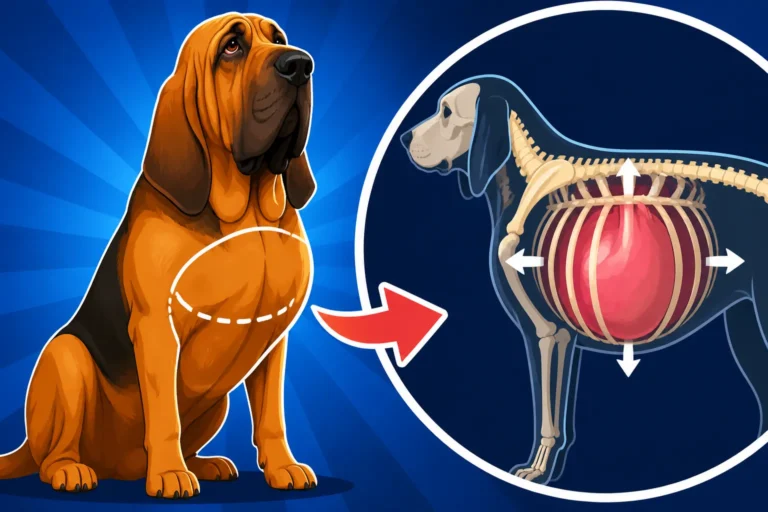
One of the most terrifying and acute emergencies for any Bloodhound owner is Gastric Dilatation-Volvulus (GDV), commonly known as bloat. This condition, where the stomach fills with gas and often twists, can kill a Bloodhound in a matter of hours. The breed's deep, narrow chest conformation is a significant risk factor, and while exact genetic markers are still being researched, there's a clear familial predisposition. This means if a dog's parents or close relatives have bloated, that dog is at a higher risk. Understanding Bloat Is What Kills Most Bloodhounds is critical for owners and breeders alike.
While there isn't a specific genetic "test" for bloat like there is for hip dysplasia, breeders should meticulously track bloat incidence in their lines. Dogs with a strong family history of bloat, particularly at a young age, should be carefully considered for breeding, if at all. Many breeders also educate their puppy buyers about preventative measures, such as feeding multiple small meals a day, avoiding strenuous exercise immediately before and after eating, and discussing prophylactic gastropexy surgery with their veterinarian. This responsible approach, though not a "screening" in the traditional sense, is a vital part of safeguarding the breed's future. Healthy Paws pet insurance often includes coverage for emergency bloat surgery, which can be incredibly costly, offering a lifeline to owners facing this sudden crisis.
Skin Fold Dermatitis: A Breed-Specific Concern
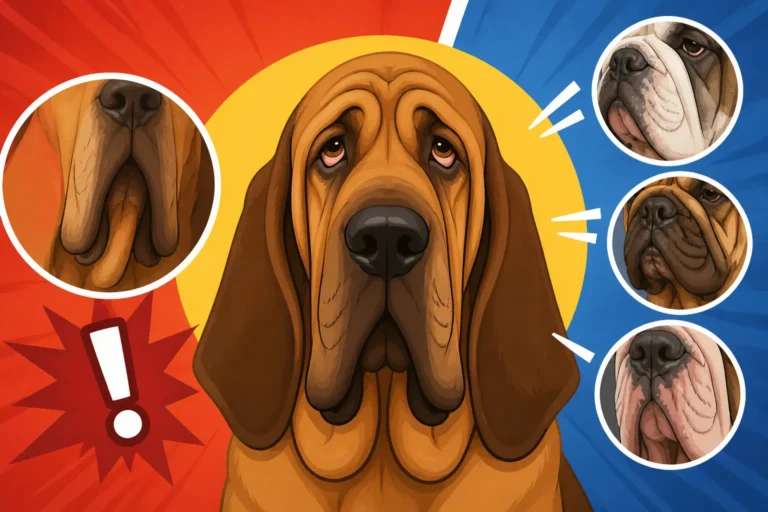
The Bloodhound's iconic loose skin and abundant wrinkles are beautiful and functional for scent trailing, but they also create ideal environments for skin fold dermatitis. These warm, moist folds can trap dirt, moisture, and bacteria, leading to irritation, infection, and a distinct, unpleasant odor. While often manageable with diligent daily cleaning, severe cases can require veterinary intervention, medicated washes, and even antibiotics. Imagine trying to live with constant itching and irritation in your own skin folds – it's no different for a Bloodhound.
While not a life-threatening condition, skin fold dermatitis can significantly impact a dog's comfort and quality of life. Breeders should observe their breeding stock for the severity and location of their skin folds and any history of chronic skin issues. Selecting dogs with moderately tight skin that still maintains the breed's distinctive appearance, without excessive, problematic folds, can help reduce the predisposition in puppies. It's about finding that balance between breed type and practical health, a nuanced decision that shows true commitment to the overall well-being of the Bloodhound. Daily care is crucial, and it's important to know Where a Bloodhound's Skin Folds Sit to clean them properly.
The Importance of a Complete Health Picture
Ultimately, deciding Whether a Bloodhound Should Be Screened Before Breeding isn't about checking off boxes on a list; it's about evaluating the entire animal and its lineage with integrity and foresight. No dog is perfect, and breeding always carries some inherent risk, but responsible breeders do everything in their power to minimize the likelihood of passing on known genetic health problems. This means not only performing the specific tests mentioned (hips, elbows, eyes, heart, thyroid) but also being transparent about any health issues that may arise in their breeding stock or their relatives.
It also involves a commitment to ongoing education, staying current with veterinary advancements and breed-specific research. Breeders should seek out mentorship, collaborate with other responsible breeders, and prioritize the health and temperament of their dogs above all else. The investment in comprehensive health screening directly contributes to the quality of life of every puppy they produce and helps preserve the integrity and robust health of the Bloodhound breed for generations to come. This careful approach also factors into What a Health Tested Bloodhound Puppy Costs for prospective owners, reflecting the true value of a well-bred companion.
Disclaimer
The information provided in this guide is for general educational purposes only and should not be considered a substitute for professional veterinary advice. Always consult with a qualified veterinarian or board-certified specialist regarding any health concerns or breeding decisions for your Bloodhound.