Whether a Bloodhound’s Lip Fold Is the Worst One
It’s a common, truly valid worry among Bloodhound owners: those magnificent, dramatic jowls are undeniably charming, but they also bring a whole host of concerns, not least of which is the potential for chronic skin fold issues. You might find yourself constantly wondering if your Bloodhound's lip fold is the absolute worst offender when it comes to trapping moisture, food, and developing nasty infections. This guide is here to walk you through the realities of Bloodhound lip folds, compare them to other problem areas, and empower you with the knowledge to keep your beloved hound healthy and comfortable.
The Unique Challenges of a Bloodhound's Lip Folds
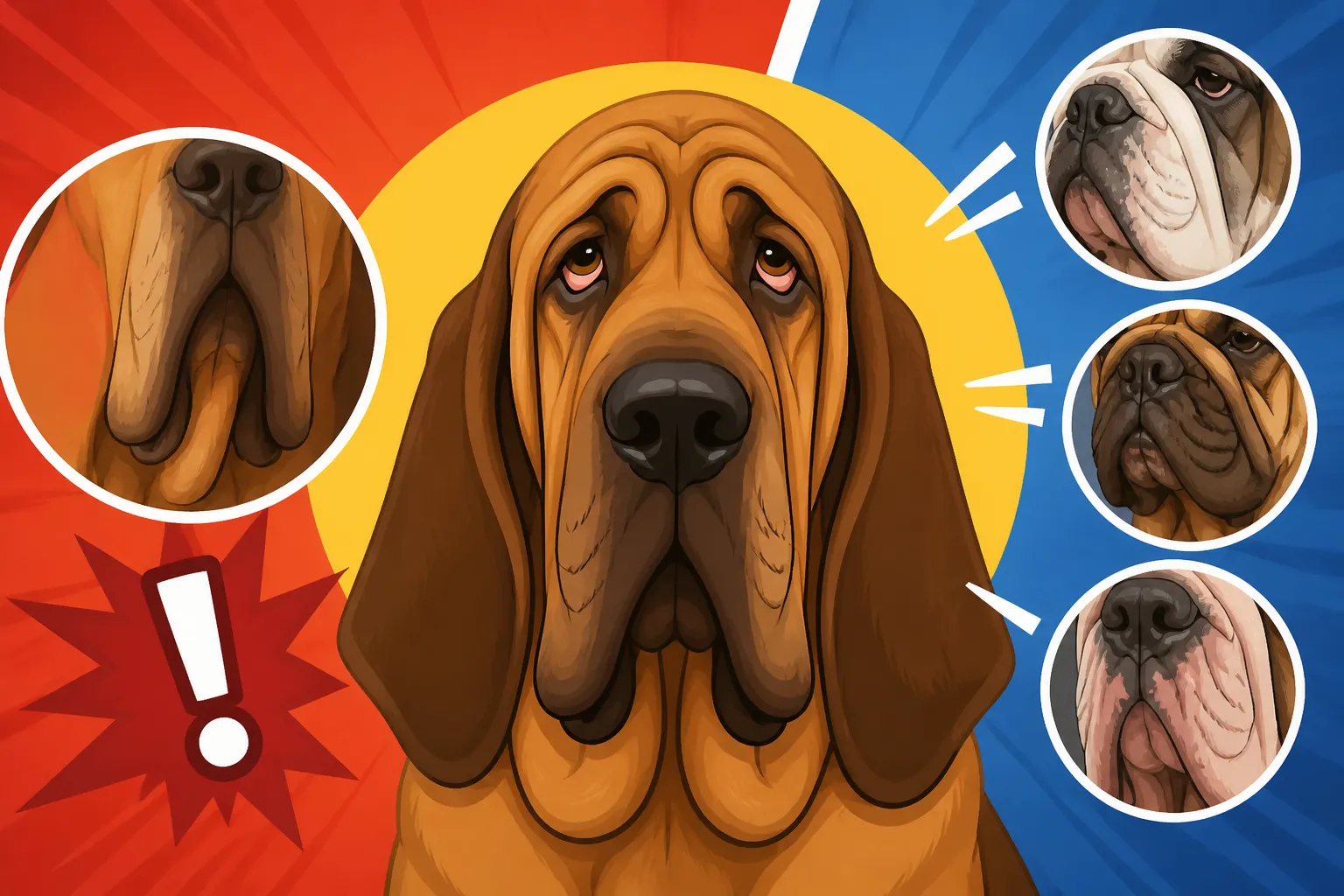
Let's face it, a Bloodhound's face is iconic. Those deep, flowing wrinkles and pendulous flews (lips) are part of what makes them so distinctive, but they're also a magnet for trouble. Unlike some other breeds with facial folds, a Bloodhound's lip folds are constantly interacting with food, water, and whatever intriguing scents they've been investigating with their phenomenal nose. This creates a perfect storm for moisture, debris, and bacterial overgrowth.
Anatomy and the Accumulation of Trouble
The sheer depth and looseness of a Bloodhound's flews mean that the skin around their mouth forms deep, often overlapping folds. These aren't just superficial wrinkles; they're like little pockets and crevices that trap everything. Think about mealtime: kibble crumbs, wet food residue, and water inevitably get pushed into these folds. Even drinking water becomes a messy affair, leaving the area persistently damp. This constant dampness, combined with organic matter, creates a warm, moist environment where bacteria and yeast thrive. It’s not just about aesthetics; it’s a biological incubator for potential problems.
The skin in these areas is also often in constant contact with itself, leading to reduced airflow. Without good air circulation, the skin can't dry out properly, making it even harder to prevent microbial growth. This is a common setup for a condition known as skin fold dermatitis, which can manifest as redness, irritation, a foul odor, and even pain for your hound.
Food, Drool, and the Ever-Present Moisture
It’s no secret that Bloodhounds are champion droolers and often rather enthusiastic eaters. This combination directly impacts the lip folds. After a good drink, water drips and collects along the lower jaw and into the folds. After eating, tiny bits of food, oils, and saliva cling to the skin. Even just sniffing around the yard, a Bloodhound can pick up dirt, pollen, and other environmental allergens that then get lodged in these moist crevices.
This persistent dampness is the enemy. It softens the skin, making it more susceptible to friction and irritation. Once the skin barrier is compromised, it’s much easier for opportunistic bacteria and yeast to take hold, turning a damp spot into a full-blown infection. Many owners describe a sour or yeasty smell emanating from these areas, which is a tell-tale sign that something is brewing beneath those folds. Dealing with this proactively is crucial, and it’s why understanding Wiping a Bloodhound's Folds Before They Sour is such an important part of daily care.
Comparing Lip Folds to Other Problematic Areas
While the lip folds definitely present a unique set of challenges due to their constant exposure to food and moisture, Bloodhounds have other folds and areas that also demand diligent attention. It's not always a competition for "worst," but rather an acknowledgment that different areas have different vulnerabilities.
The Neck Roll and Facial Wrinkles
Beyond the lips, Bloodhounds often possess impressive neck rolls and deep wrinkles around their eyes and forehead. These areas can also be prone to skin fold dermatitis, especially in larger, heavier hounds. The neck roll, for instance, can trap sweat and dirt, particularly during exercise or in warmer weather. If your Bloodhound loves to roll in questionable yard discoveries, these folds will undoubtedly collect their share of grime.
Facial wrinkles, though usually less deeply affected by food and water than the lip folds, can still become irritated. Tear staining around the eyes can keep those smaller folds damp, creating a breeding ground for yeast, which often manifests as a reddish-brown discoloration. The primary difference here is the type of moisture and debris. While lip folds get food and drool, neck and facial folds tend to collect environmental grime and sweat. Regular cleaning, though, is a common thread for both, highlighting why How Often a Bloodhound's Folds Need Wiping should be a daily consideration.
The Ears: A Constant Battleground
While not "folds" in the same sense as skin wrinkles, a Bloodhound's ears are arguably their most infamous anatomical feature for health issues. Those long, heavy ear leathers, combined with the deep, convoluted ear canal, create an environment that is constantly damp, warm, and poorly ventilated. This is a perfect habitat for ear infections. Food and drool can also get slung onto the ear tips, adding to the problem, making them almost an extension of the mouth's messy zone.
In fact, many Bloodhound owners will tell you that their dog's ears are a far more frequent source of vet visits and ongoing maintenance than any skin fold. The constant potential for deep yeast or bacterial infections in the ear canal often requires powerful prescription medications and diligent cleaning routines that can be quite time-consuming. Understanding that A Bloodhound's Ears Are a Standing Infection Risk is crucial for any owner, as it underscores the breed's need for consistent, preventative care.
Here’s a quick comparison of common problem areas:
| Problem Area | Primary Challenges | Common Symptoms | Prevention/Management Strategies |
|---|---|---|---|
| Lip Folds | Food debris, constant moisture (drool, water) | Redness, odor, irritation, infection | Daily wiping, drying, post-meal cleaning |
| Neck Roll | Sweat, dirt, environmental debris, friction | Redness, irritation, odor | Regular wiping, keeping dry, ensuring proper fit of collars |
| Facial Wrinkles | Tear staining, dirt, environmental allergens | Discoloration, irritation, minor infections | Daily wiping, keeping dry, addressing tear staining |
| Ears | Poor ventilation, moisture, wax buildup | Odor, head shaking, scratching, discharge, pain | Weekly cleaning, drying, vet checks, regular plucking |
Proactive Care for Healthy Lip Folds
The good news is that while Bloodhound lip folds are prone to issues, many problems can be prevented or managed with a consistent, proactive care routine. It's about diligence and understanding the unique needs of your hound. Neglecting these areas can lead to painful, chronic conditions that are much harder and more expensive to resolve, sometimes even requiring medical intervention.
Daily Cleaning and Drying Rituals
For a Bloodhound, "daily" often means multiple times a day, especially around mealtimes. After your hound eats and drinks, take a moment to gently wipe their lip folds clean. Use a soft, damp cloth or a pet-specific cleansing wipe to remove any food particles, drool, or water. Make sure to get deep into the crevices without causing irritation. The most important step after cleaning is to thoroughly dry the area. A soft, absorbent towel or even a cotton pad can work wonders. This removes the moisture that bacteria and yeast thrive on.
Some owners even find it helpful to use a small amount of cornstarch powder (unscented) to help keep the folds dry, but always check with your vet before introducing any powders, especially if there's already irritation. The goal is to create an environment where moisture cannot linger. This routine will significantly reduce the likelihood of What Fold Dermatitis Does to a Bloodhound taking hold. If you find your hound is often drooling excessively, you might also consider what Whether a Bloodhound's Jowls Should Be Wiped After Drinking implies for their general cleanliness.
Understanding Signs of Infection
Even with the best preventative care, sometimes an infection can still pop up. It's critical to be able to recognize the early signs so you can address them quickly before they become severe. Look out for:
- Redness and inflammation: The skin in the folds might look unusually red, angry, or swollen.
- Foul odor: A strong, yeasty, or rancid smell is a common indicator of bacterial or yeast overgrowth. This is often one of the first things owners notice. In fact, Whether a Bloodhound Carries an Odor From Its Folds is often directly related to the cleanliness of these skin pockets.
- Discharge: You might see yellowish, brownish, or even green discharge from the folds.
- Itching or discomfort: Your Bloodhound might paw at their face, rub their mouth on furniture, or seem generally uncomfortable when you touch the area.
- Pain: If the infection is advanced, your hound might yelp or pull away when the area is touched.
- Hair loss: In chronic cases, the hair within and around the folds might thin or fall out due to persistent inflammation.
If you observe any of these signs, it's time for a closer look and likely a vet visit. Early intervention is key to preventing discomfort and more serious issues.
When to Seek Veterinary Intervention
Sometimes, even with meticulous care, the lip folds can become infected. This isn't a failure on your part; it's simply a reality of the Bloodhound's anatomy. Knowing when to call the vet is paramount to your dog's comfort and health. Don't wait until the problem is severe.
Initial Treatment for Mild Irritation
For very mild redness or a faint odor that you catch early, a thorough cleaning and drying, perhaps with a vet-approved medicated wipe (often containing chlorhexidine or miconazole), might be enough to nip it in the bud. However, if there's any sign of pain, pus, significant redness, or if the odor is strong and persistent, it's time to involve your veterinarian.
Your vet can properly diagnose whether it's a bacterial infection, a yeast infection, or a combination of both, and prescribe the appropriate topical or oral medications. Trying to self-diagnose and treat can sometimes make the problem worse or delay effective treatment. This is especially true when considering Whether a Bloodhound's Fold Infection Needs Antibiotics, which can only be prescribed by a vet.
Managing Chronic or Recurrent Issues
Some Bloodhounds, despite diligent daily care, might suffer from chronic or recurrent lip fold dermatitis. This can be incredibly frustrating for owners. In these cases, your vet might recommend a deeper investigation, potentially including skin cytology (looking at cells under a microscope) or even a culture and sensitivity test to identify the exact microbes present and the best antibiotics to combat them.
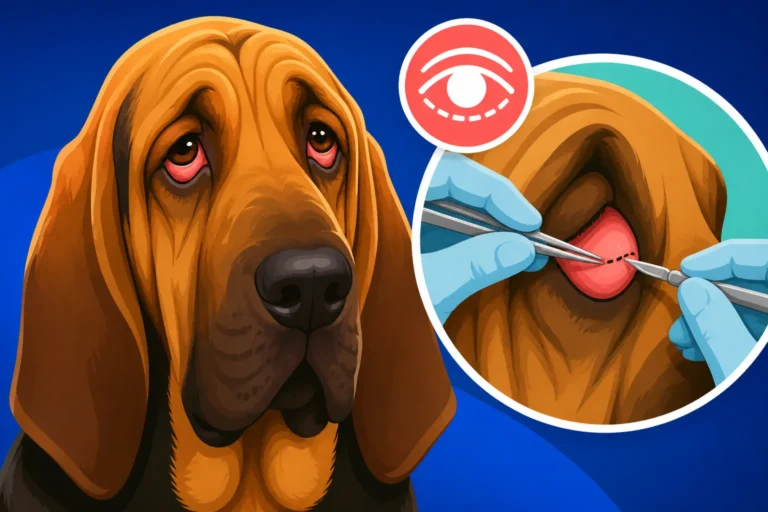
For dogs with severe, persistent issues, surgical intervention might even be discussed. This involves a cheiloplasty, which is a procedure to remove the excessive lip fold tissue. While it sounds drastic, for some dogs, it can be a life-changing solution that alleviates chronic pain and infection. Of course, any surgery carries costs, and this is where having a robust pet insurance plan like Healthy Paws can truly make a difference, helping to cover unexpected medical expenses for these types of conditions. Discussing all options with your vet, including potential surgical routes, is essential for a long-term solution. When considering health concerns, particularly chronic ones, exploring options from providers like Healthy Paws can provide peace of mind.
Regular vet check-ups are also crucial to catch any recurring issues early. Your vet can provide tailored advice for your specific Bloodhound, considering their individual anatomy, lifestyle, and any underlying conditions that might contribute to skin fold problems. Remember, your vet is your best partner in ensuring your Bloodhound's health. Financial planning for these possibilities, especially for a breed prone to specific health issues, is smart. Companies like Healthy Paws offer various plans that can help soften the blow of unexpected medical bills.
Disclaimer
This article is for general informational purposes only and does not constitute professional advice. Laws, prices and regulations vary by location and change over time. Consult a qualified professional for guidance on your specific situation.