Whether a Bloodhound’s Fold Infection Needs Antibiotics
As a Bloodhound owner, you know those adorable, soulful eyes are often accompanied by a symphony of wrinkles and folds. While they're a hallmark of the breed's charm, they also create hidden pockets that can become damp, irritated, and downright stinky. One of the most common worries is when that innocent dampness escalates into a full-blown fold infection, leaving you to wonder if a simple wipe will do, or if your beloved hound needs the big guns: antibiotics. This guide will help you understand when a Bloodhound's fold infection truly calls for a course of antibiotics and what you can do to prevent these frustrating, often painful, issues.
The Unavoidable Truth: Why Bloodhound Folds Are a Breeding Ground for Trouble
Let's be honest, part of the Bloodhound's undeniable appeal is all that glorious loose skin. The dewlaps, the wrinkles around their eyes, the folds on their neck – it’s what gives them their distinctive look and helps them "catch" scent particles. But it's also a double-edged sword, creating a perfect storm for skin problems.
The Anatomy of a Challenge: Deep Folds and Trapped Moisture
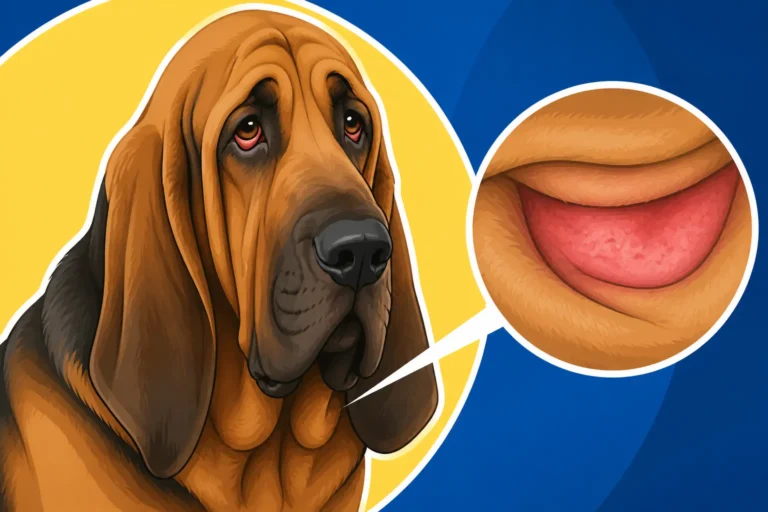
The very structure that makes your Bloodhound such an incredible tracker also leaves them susceptible to skin issues. Their skin isn't just loose; it's often deep and overlapping, creating warm, moist, and dark environments. These are ideal conditions for bacteria and yeast to multiply unchecked. Think about the areas: the deep folds around their muzzle and lips (often called "lip folds"), the voluminous skin on their neck and chest, and even the folds around their tail. These areas don't get much air circulation, and they're constantly exposed to drool, food particles, water, and environmental grime.
Imagine trying to keep a deep, damp canyon clean and dry. It’s a similar challenge for your Bloodhound’s skin. Every time they drink, water gets trapped in those lip folds. Every time they eat, tiny bits of kibble can lodge themselves in there. And let's not forget the sheer amount of drool! This constant moisture breaks down the skin's natural barrier, leading to irritation, inflammation, and eventually, infection. It’s a perpetual battle, and it's why Everything on a Bloodhound Hangs Down and Has to Be Cleaned isn't an exaggeration – it's a daily reality for us Bloodhound parents.
Spotting the Early Warning Signs: More Than Just a "Hound Smell"
Every Bloodhound has a certain "hound smell," and if you're like me, you've learned to love it (mostly!). But there's a distinct difference between that natural, earthy scent and the sour, yeasty, or even putrid odor of an infection. Learning to recognize the early signs of a fold infection is crucial because catching it early can often prevent it from escalating to the point where antibiotics are needed.
The very first thing you might notice is that particular smell – often a sweet, musty, or truly foul odor emanating from a specific fold. If you gently lift the skin, you might see redness or inflammation. The skin might feel warm to the touch, and it could be damp or even exuding a sticky, yellowish, or brownish discharge. Your Bloodhound might also be more sensitive when you touch the area, pulling away or whimpering. They might rub their face more, shake their head, or scratch at the affected area, indicating discomfort or itchiness. Sometimes, the hair in the fold might even start to thin or fall out due. If you've been consistent with Wiping a Bloodhound's Folds Before They Sour, you'll quickly notice any deviation from their normal skin health.
Navigating the First Steps: Home Care Versus the Vet Visit
When you spot those early signs, it’s natural to want to jump in and fix it. And often, early intervention at home can make a significant difference. However, it’s equally important to know when home care isn’t enough and professional help is required.
Your First Line of Defense: Daily Cleaning and Drying
For mild irritation or the very first hint of that "off" smell, your best weapon is a consistent and thorough cleaning routine. This isn't just about wiping; it's about getting into the folds and ensuring they are truly clean and dry. Start by gently pulling back the folds to expose the skin underneath. Use a soft cloth or cotton ball dampened with a veterinarian-approved skin antiseptic or a gentle, non-stinging cleanser specifically designed for pets. Many owners have success with solutions containing chlorhexidine or witch hazel, but always check with your vet for recommendations.
After cleaning, and this is critical, thoroughly dry the area. Moisture is the enemy here. You can use a clean, soft towel or even a cool hairdryer on a low setting (if your Bloodhound tolerates it) to ensure the skin is completely dry. You should be doing this daily, if not twice a day, especially after meals or drinking. If your Bloodhound tolerates it, applying a thin layer of a pet-safe soothing balm or cornstarch-based powder can help create a barrier against moisture and reduce friction. Remember, consistency is key, as highlighted in How Often a Bloodhound's Folds Need Wiping. This proactive care can prevent minor dampness from escalating into a full-blown infection.
Red Flags: When to Pick Up the Phone for Professional Help
While diligent home care can manage mild irritation, there are definite signs that indicate your Bloodhound needs to see a veterinarian. Ignoring these can lead to a much more severe, painful, and costly infection. One clear indicator is if the redness, swelling, or odor worsens despite your best efforts at home. If the discharge becomes thick, pus-like, or green/yellow, that's a serious red flag.
Other worrying signs include:
- Pain: Your Bloodhound cries out, snarls, or acts aggressively when the area is touched.
- Deep lesions: You see open sores, ulcers, or deep cracks in the skin folds.
- Systemic signs: Your dog is lethargic, has a fever, isn't eating, or shows other signs of being generally unwell. This means the infection might be spreading beyond the local skin area.
- Bleeding: If the folds are bleeding, it suggests significant irritation and possible ulceration.
- Lack of improvement: If, after 2-3 days of diligent home care, there's no improvement or things seem to be getting worse, it's time for a vet visit.
Don't hesitate if you see these signs. Catching a severe infection early can mean the difference between a topical treatment and a course of oral antibiotics, or even more involved care. It’s always better to be safe than sorry, and your vet can accurately diagnose the issue.
Antibiotics: Understanding the 'When' and 'Why' for Bloodhound Folds
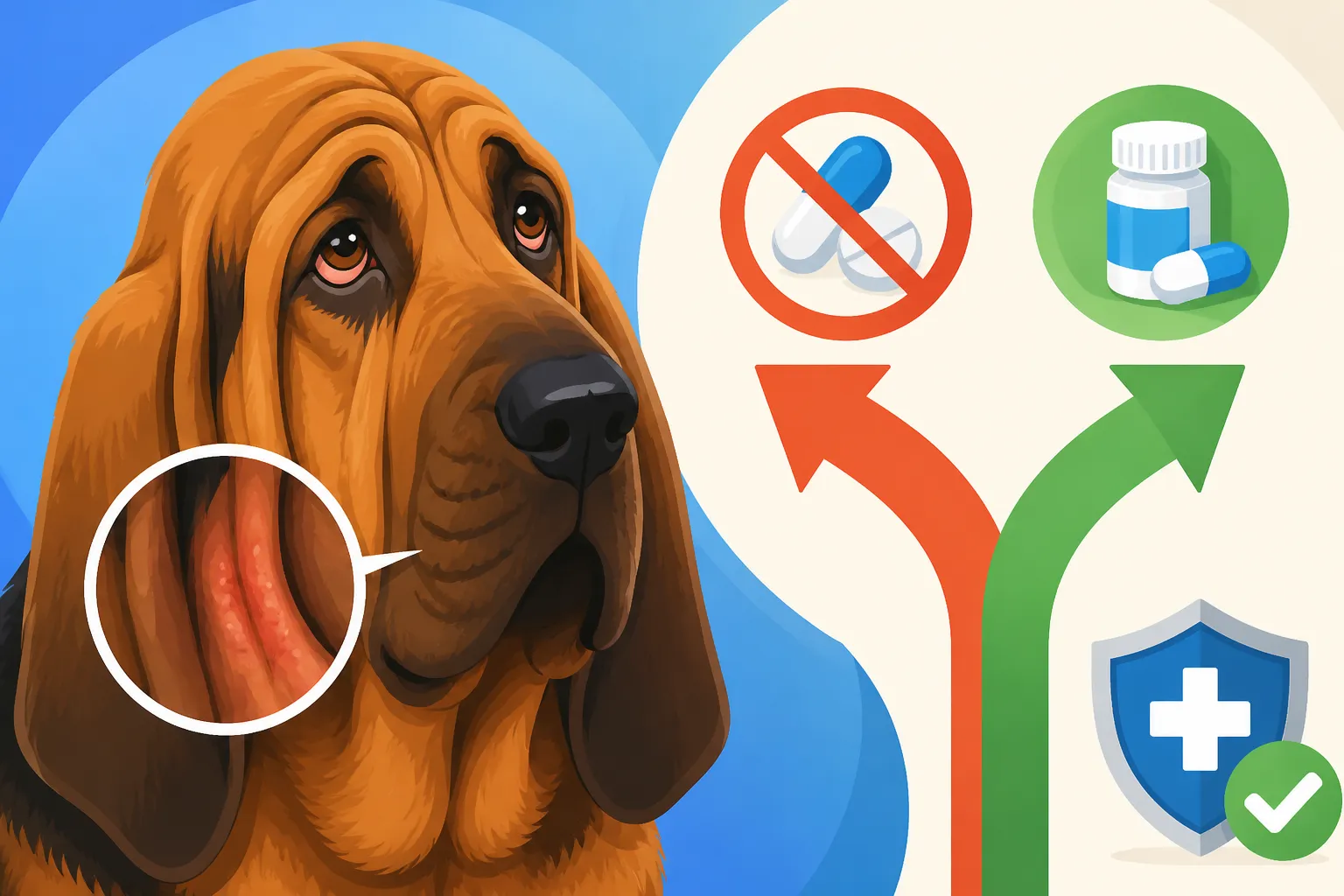
So, does a Bloodhound's fold infection always need antibiotics? The short answer is no, not always. The need for antibiotics depends entirely on the type and severity of the infection. Your veterinarian will be the best person to make this call after a thorough examination.
The Diagnostic Journey: What Your Vet Needs to Know
When you bring your Bloodhound in for a fold infection, your vet isn't just going to guess. They'll typically perform a thorough physical examination, paying close attention to the affected areas. More often than not, they'll also recommend a simple diagnostic test called cytology. This involves gently pressing a glass slide onto the affected skin or collecting a sample with a cotton swab, then staining and examining it under a microscope.
Cytology is incredibly helpful because it tells the vet what kind of organisms are present and how abundant they are. They can see if it's primarily a bacterial infection (identifying different shapes of bacteria), a yeast infection (which looks distinctly different), or a mixed infection of both. Sometimes, they might also see inflammatory cells, which confirm an active immune response. This crucial information guides treatment. For very stubborn or recurrent infections, a bacterial culture and sensitivity test might be performed. This involves sending a sample to a lab to grow the bacteria and determine which specific antibiotics will be most effective against them. This kind of targeted approach helps avoid using unnecessary antibiotics, which is important for combating antibiotic resistance.
Topical Treatments: The Localized Solution
Many mild to moderate fold infections, particularly those caught early, can be successfully treated with topical medications. These are creams, ointments, medicated wipes, or sprays that you apply directly to the affected skin. Your vet might prescribe a topical antibiotic cream, an antifungal cream (for yeast infections), or a combination product that addresses both. Some products also include a steroid component to reduce inflammation and itchiness.
The key to topical treatment success is diligent and correct application. You need to clean the area thoroughly first, as described above, and then apply the medication as directed, often twice a day. It's vital to ensure the medication reaches the deepest parts of the folds. Many of these topical solutions are incredibly effective because they deliver the medicine directly to the site of the infection with minimal systemic side effects. For many Bloodhound owners, a consistent routine involving these targeted topical agents is a permanent fixture in their care regimen. For those with pet insurance like Healthy Paws, even recurring prescription topical treatments can often be covered, easing the burden of ongoing care.
Systemic Solutions: When Oral Antibiotics Enter the Picture
Oral antibiotics are reserved for more severe infections where topical treatments alone aren't sufficient, or when the infection has spread beyond the surface of the skin. This includes:
- Deep pyoderma: Infections that extend deeper into the skin layers.
- Cellulitis: A widespread bacterial infection of the skin and subcutaneous tissues.
- Systemic signs of illness: If your Bloodhound has a fever, is lethargic, or the infection is visibly spreading rapidly.
- Recurrent or non-responsive infections: If previous topical treatments haven't worked or the infection keeps coming back despite consistent care.
- Pain: If the infection is causing significant pain, oral antibiotics can help resolve it more quickly, bringing relief to your hound.
Oral antibiotics work by being absorbed into the bloodstream and reaching the infection from the inside out. Your vet will prescribe a specific antibiotic based on the cytology results and their clinical judgment. It's incredibly important to complete the entire course of antibiotics, even if your Bloodhound seems to be feeling better, to prevent the infection from returning and to reduce the risk of antibiotic resistance. Stopping early can lead to a stronger, harder-to-treat infection down the line.
Here's a quick comparison of treatment approaches:
| Factor | Mild Irritation / Early Infection | Moderate to Severe Infection |
|---|---|---|
| Appearance | Slight redness, dampness, mild odor, no open sores | Significant redness, swelling, thick discharge, pain, open sores, foul odor |
| Feeling | Mild discomfort, occasional scratching | Painful to touch, frequent scratching/rubbing, lethargy possible |
| Primary Pathogen | Often yeast overgrowth or early bacterial colonization | Active bacterial infection, possibly mixed with yeast |
| Initial Action | Daily cleaning, thorough drying, pet-safe soothing wipes/sprays | Immediate vet visit |
| Vet Treatment | Medicated topical wipes, creams, sprays (antibiotic/antifungal) | Oral antibiotics (full course), medicated topical treatments, pain relief |
| Duration | A few days of diligent home care | 10-30 days of prescribed medication, regular rechecks |
| Prognosis | Excellent with consistent home care | Good with appropriate vet care, may require ongoing management |
Proactive Care: Keeping Those Folds Healthy and Happy
The best approach to fold infections is prevention. While you can't eliminate your Bloodhound's wonderful wrinkles, you can certainly manage them to minimize the risk of infection.
Establishing a Gold Standard Cleaning Routine
A consistent, daily cleaning routine is your Bloodhound's best friend when it comes to fold health. Make it a part of your daily bonding time. I clean my Bloodhound's folds every evening before bed, and she actually enjoys the attention now. Use gentle, pet-specific wipes or a soft cloth dampened with a mild antiseptic solution. Focus on all the key areas: the jowls, the neck rolls, and even the tail base if your Bloodhound has deep folds there.
The golden rule, as mentioned before, is always to ensure the folds are completely dry after cleaning. This is non-negotiable. Trapped moisture is the biggest culprit. You might even consider using a snood during meal times to keep those long ears out of the food and water, which in turn keeps the facial folds cleaner. This also connects to The Bloodhound Ear That Trails Through the Food Bowl, emphasizing how one area's care impacts others. Regular baths with a medicated shampoo (if recommended by your vet) can also help maintain overall skin health and reduce bacterial/yeast populations on the skin. Remember, preventive care is often far less stressful and expensive than treating a full-blown infection, and having pet insurance like Healthy Paws can give you peace of mind that you're prepared for unexpected issues.
Beyond Cleaning: Diet, Allergies, and Preventative Measures
While cleaning is paramount, other factors can contribute to chronic fold infections. Sometimes, underlying allergies (food or environmental) can cause skin inflammation, making the folds more susceptible to infection. If your Bloodhound suffers from recurrent fold infections, it's worth discussing allergy testing or a diet trial with your vet.
Keeping your Bloodhound at a healthy weight is also important. Excessive weight can sometimes exacerbate the depth of skin folds, creating more areas for moisture and friction. Ensuring good air circulation around their bedding and living areas can also help. Some Bloodhound owners even trim the hair very short within the deepest folds, with vet guidance, to further improve airflow, but this needs to be done carefully to avoid skin irritation.
In some extreme cases of recurrent, severe fold dermatitis that significantly impacts a Bloodhound's quality of life, surgical intervention to remove or alter specific folds might be discussed with a specialist. This is a rare and major decision, but it's an option for the most challenging cases, showing just how impactful these folds can be on a Bloodhound's health. For ongoing health management and potential surgical considerations, pet insurance can be a huge help, and providers like Healthy Paws offer various plans to assist with these types of medical costs.
Ultimately, your Bloodhound's folds are part of their unique charm, but they come with a responsibility. By understanding the risks, knowing the signs of trouble, and implementing a consistent preventative care routine, you can keep your beloved hound comfortable, healthy, and minimize the need for antibiotics.
Disclaimer
This article is for general informational purposes only and does not constitute professional advice. Laws, prices and regulations vary by location and change over time. Consult a qualified professional for guidance on your specific situation.