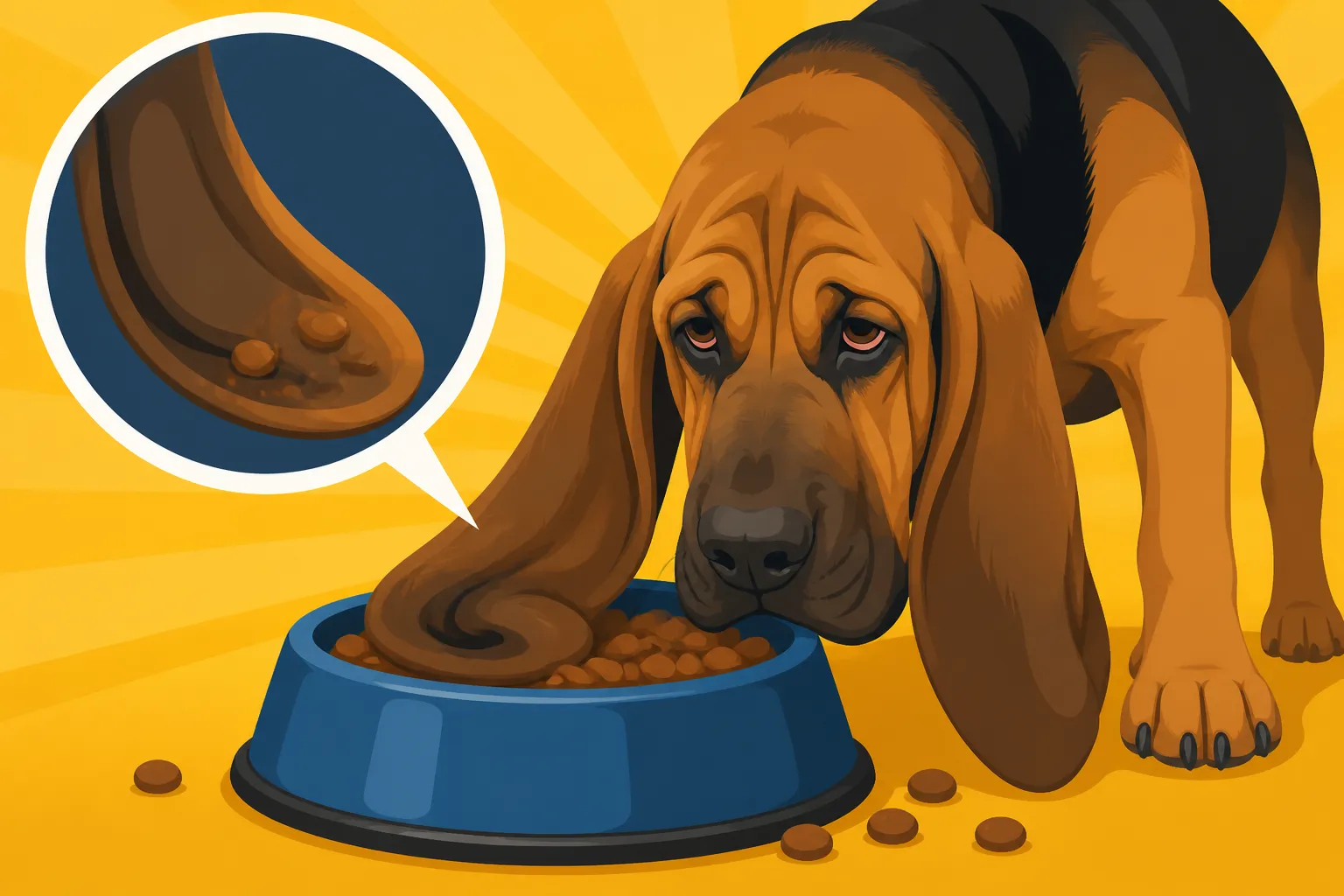
The Bloodhound Ear That Trails Through the Food Bowl
If you're a Bloodhound owner, you know the struggle: those magnificent, velvety ears, designed to sweep scent towards their incredible nose, often end up sweeping through their dinner bowl, dragging through water, and generally getting into every messy situation imaginable. It’s not just a minor inconvenience; it's a daily hygiene battle that can lead to persistent problems and genuine frustration for both you and your beloved hound. This guide will walk you through why this happens, the real risks involved, and practical, empathetic solutions to keep those iconic ears clean, healthy, and out of your dog's food.
The Unavoidable Reality of the Bloodhound Ear and the Food Bowl
Let's face it, Bloodhounds are built differently. Their long, pendulous ears are a defining characteristic, but they're also a constant source of unique challenges, especially around meal times. It's a design feature that's incredible for their scenting ability but less than ideal for table manners.
Why Those Magnificent Ears Become a Magnet for Mess
Imagine trying to eat dinner with two long, heavy velvet curtains draped over your face, dipping into your soup, dragging through your main course, and then getting soaked in your drink. That's essentially what a Bloodhound's ears do every time they approach a bowl. These ears aren't just long; they're heavy, thick, and typically hang well below the jawline, meaning they naturally fall forward and into whatever the dog is focused on – usually, that delicious meal you've just served.
This isn't a training issue or a sign of bad manners; it's pure anatomy. When your Bloodhound lowers its head to eat or drink, those extensive ear flaps, often spanning over a foot in length, become instant conduits for kibble, water, and slobber. The tips, the undersides, the fringes – all get coated. It's an exasperating daily routine for owners, constantly wiping down ears, cleaning up spills, and trying to keep everything as sanitary as possible. You might find yourself sighing deeply after every meal, armed with a towel, just anticipating the inevitable clean-up.
The Health Risks Lurking in Leftover Lickings
Beyond the sheer mess, there are legitimate health concerns that arise when your Bloodhound's ears are perpetually covered in food debris and moisture. Think about it: moist, warm ear leather, coated in bits of kibble, gravy, or even just wet from drinking, creates a perfect breeding ground. This isn't just about superficial dirt; it's about setting the stage for more serious, deeply uncomfortable issues for your dog.
Bacteria and yeast thrive in such environments. Food particles introduce new microorganisms, while the constant dampness and lack of airflow under those heavy ear flaps create an anaerobic paradise for them to multiply. This is precisely why A Bloodhound's Ears Are a Standing Infection Risk is such a critical consideration for owners. When yeast or bacteria take hold, your Bloodhound can develop painful ear infections, leading to itching, head shaking, redness, discharge, and a foul odor. Untreated, these can become chronic, impacting your dog's quality of life and requiring extensive veterinary intervention. It's a cascade of potential problems stemming from a seemingly simple act like eating.
Practical Solutions to Keep Those Ears Clean and Dry
The good news is that Bloodhound owners aren't without options. There are several tried-and-true methods and products that can help mitigate the mess and reduce the health risks associated with those magnificent, but sometimes challenging, ears. It's all about proactive management and finding what works best for your hound and your lifestyle.
The Lifesaving Snood: A Bloodhound Owner's Best Friend
If you're new to the world of Bloodhounds, you might not have heard of a snood. But ask any veteran owner, and they'll likely tell you it's a game-changer, perhaps even a sanity saver. A snood is essentially a fabric tube, often made of stretchy material like fleece, cotton, or even breathable mesh, that slips over your dog's head and neck. Its primary purpose is to hold those long, pendulous ears back and up, out of the food bowl, out of the water bowl, and away from anything else they might drag through.
When your Bloodhound wears a snood during mealtime, their ears are neatly tucked inside, completely protected from their dinner. It's a simple, elegant solution that prevents food from clinging to the ear leather and keeps them dry while drinking. Many owners also use snoods during walks in muddy or thorny areas, or even just when their Bloodhound is rooting around in the yard, acting as a barrier against burrs, dirt, and wet grass. You can find snoods in various sizes and materials on platforms like Amazon or Chewy, making it easy to pick one that's comfortable for your dog and durable for regular use. What a Snood Does for a Bloodhound is to offer an almost immediate solution to a lifelong problem.
Choosing the Right Food and Water Bowls for Dumbo's Ears
While a snood is a fantastic intervention, the type of bowls you use can also make a significant difference in keeping your Bloodhound's ears clean. Not all bowls are created equal when it comes to accommodating extra-long ears. The traditional wide, shallow bowl is often the worst culprit, acting like a giant basin ready to collect those ears with every bite or sip.
Instead, look for bowls designed with deep, narrow sides. Imagine a bucket or a tall, cylindrical container. These shapes prevent the ears from flopping over the edges and into the contents. Some specialty dog bowls are even specifically designed with a smaller diameter opening and higher sides for breeds with long ears, often marketed for Basset Hounds or Spaniels, but perfectly suited for a Bloodhound. Another consideration is whether to use elevated bowls. While some studies have suggested a potential link between elevated bowls and bloat risk in certain breeds (a concern for Bloodhounds, who are prone to bloat), many owners still find them helpful for comfort and posture. If you opt for elevated bowls, pair them with the deep, narrow style to maximize ear protection. Always discuss feeding arrangements with your vet, especially concerning bloat prevention, as Why a Bloodhound's Chest Shape Causes Bloat is a serious consideration. The goal is to find a setup where your Bloodhound can comfortably eat and drink without those ears becoming submerged. Which Bowl Shape Keeps a Bloodhound's Ears Out should be a primary concern when you're setting up your feeding station.
Mastering the Art of Post-Meal Cleanup
Even with snoods and specialty bowls, life with a Bloodhound means accepting a certain level of mess. However, mastering the post-meal cleanup routine is crucial for their health and your peace of mind. It's not just about aesthetics; it's about preventing the accumulation of gunk that leads to bigger problems.
Wiping Down: More Than Just a Quick Swipe
After every meal, especially if your Bloodhound hasn't worn a snood, a thorough wipe-down of their ears is absolutely non-negotiable. This isn't just a casual pat with a paper towel; it requires intention and attention to detail. Start by gently lifting each ear flap. You'll likely find a mix of food residue, saliva, and water clinging to the hair and skin on the underside of the ear leather.
Use a soft, damp cloth or a pet-safe ear wipe to meticulously clean the entire outer surface of the ear, from the tip down to where it joins the head. Pay particular attention to the edges and any wrinkles in the ear leather, as these are prime spots for debris to collect and moisture to linger. Make sure to dry the area thoroughly afterward. Leaving any dampness can quickly undo your good work by creating that perfect moist environment for bacteria and yeast. This diligent approach is key, as How Often a Bloodhound's Ears Need Cleaning should ideally be a daily, or even meal-by-meal, practice for external ear hygiene.
The Role of Regular Ear Cleaning in Preventing Issues
Beyond the daily external wipe-down, your Bloodhound needs a consistent, regular routine for cleaning the inside of their ear canals. This is where the real preventative work happens, tackling the conditions that can lead to deep-seated infections. For a Bloodhound, "regular" means weekly, without fail.
You'll need a good quality, vet-approved ear cleaning solution – avoid anything harsh or alcohol-based, as it can irritate the delicate skin. Gently lift the ear flap, apply the solution into the ear canal (following the product's instructions, typically filling the canal), and then massage the base of the ear for about 30-60 seconds. You'll hear a satisfying squishing sound as the solution breaks up wax and debris. After massaging, let your Bloodhound shake their head; this helps to dislodge the loosened material. Then, use cotton balls or gauze wrapped around your finger to wipe out any visible debris from the outer part of the canal. Never use cotton swabs deep inside the ear, as this can push debris further in and damage the eardrum. This weekly ritual is vital for Cleaning a Bloodhound's Ears Every Week for Life, actively removing the wax, dirt, and moisture that would otherwise accumulate and cause trouble. It's an investment of time that pays dividends in preventing painful, expensive ear infections.
Understanding and Preventing Ear Infections
Despite our best efforts, Bloodhounds are inherently predisposed to ear infections due to their unique ear anatomy. It's not a matter of if it might happen, but when, and how quickly you can address it. Understanding the underlying causes and recognizing the early signs are critical for preventing chronic issues.
Common Culprits: Yeast, Bacteria, and Allergies
The design of a Bloodhound's ear, while superb for scent, is a nightmare for ventilation. Those long, heavy ear flaps completely cover the ear canal, creating a warm, dark, and often humid environment. This lack of airflow is the primary reason Why a Bloodhound's Ear Canal Stays Damp, fostering the perfect conditions for opportunistic microorganisms to thrive.
Yeast (specifically Malassezia) and bacteria are the most common culprits behind Bloodhound ear infections. Yeast infections often present with a brownish, waxy discharge and a distinctive, sweet-sour or "yeasty" odor. Bacterial infections can be more varied, causing anything from yellow to green pus-like discharge, and a much more foul, pungent smell. Allergies, whether environmental (pollen, dust mites) or food-related, often exacerbate these issues. When a Bloodhound has an allergic reaction, the skin lining the ear canal becomes inflamed, swollen, and itchy, making it even more susceptible to secondary yeast and bacterial infections. It's a vicious cycle that can be incredibly challenging to break without veterinary guidance.
Signs to Watch For: When to Call the Vet
Being vigilant for the subtle signs of an ear infection can make all the difference in treatment and preventing chronic discomfort. Bloodhounds are stoic, but even they can't hide ear pain forever. The earlier you catch an infection, the easier it is to treat and the less suffering your dog will endure.
One of the most common early indicators is increased scratching at the ears or rubbing their head against furniture or the ground. You might notice them shaking their head more frequently or tilting it to one side. As the infection progresses, you'll often detect a distinct, unpleasant odor emanating from the ear. Upon closer inspection, you might see redness, swelling, or a discharge ranging from waxy brown to yellow or greenish pus. Your Bloodhound might also become more sensitive when you touch their ears, pulling away or whimpering. Any of these signs warrant a call to your veterinarian immediately. Do not try to self-treat with home remedies, as this can worsen the infection or make diagnosis more difficult. A vet needs to examine the ear, potentially take a swab for cytology to determine if it's yeast, bacteria, or both, and then prescribe the appropriate medication. Ignoring these signs can lead to severe pain, permanent ear damage, and even hearing loss, making Signs a Bloodhound's Ear Is Infected something every Bloodhound owner needs to recognize swiftly.
Daily Habits for Long-Term Ear Health
Maintaining the health of your Bloodhound's ears isn't just about reacting to problems; it's about establishing a consistent routine of preventative care that becomes second nature. These daily habits are the cornerstone of long-term ear health, helping to keep those floppy ears clean, dry, and free from irritation.
The Importance of a Consistent Routine
Just like humans brush their teeth every day, your Bloodhound needs regular ear attention. This isn't just about formal weekly cleanings, but about incorporating quick, simple ear checks and wipes into your daily interaction. A consistent routine makes these tasks less of a chore and more of an expected part of your hound's day, leading to better cooperation and healthier ears.
Every day, take a moment to gently lift your Bloodhound's ears and quickly inspect the inner ear leather. Look for any unusual redness, discharge, or odors. A quick wipe with a soft, dry cloth around the edges and folds of the ear can remove surface dirt and absorb any excess moisture before it becomes a problem. This daily vigilance helps you catch potential issues before they escalate into full-blown infections. It also reinforces positive associations with ear handling, making the deeper weekly cleanings much easier. Think of it as part of their The Weekly Routine a Bloodhound Owner Cannot Skip, but broken down into manageable, daily mini-tasks. These small, consistent efforts compound over time, making a huge difference in your Bloodhound’s ear health and comfort.
Managing Moisture: After Drinking and Outdoors
Moisture is the arch-nemesis of a Bloodhound's ear. Those long, heavy flaps seal in dampness, turning the ear canal into a humid greenhouse for yeast and bacteria. Therefore, actively managing moisture, especially after drinking and outdoor adventures, is a critical daily habit.
After your Bloodhound finishes drinking, their ears are almost certainly wet, whether from dipping into the bowl or from splashing water. A quick but thorough towel dry of the ear leather, both inside and out, is essential. Keep a dedicated "ear towel" near their water bowl for this purpose. If your Bloodhound has been playing in wet grass, swimming (which many Bloodhounds enjoy!), or just out in rainy weather, their ears will need even more attention. Beyond towel drying, you might consider using a veterinarian-recommended ear drying solution. These solutions typically contain ingredients that help evaporate moisture and slightly acidify the ear canal, making it less hospitable to pathogens. Apply it after any significant water exposure, following the product's instructions. This proactive approach to drying is crucial for Whether a Bloodhound's Ears Need Drying After Cleaning, and indeed, after any encounter with water, ensuring that their ears don't remain a damp haven for problems.
Here's a quick reference table for managing Bloodhound ear care:
| Activity | Frequency | Purpose | Recommended Tools | Key Consideration |
|---|---|---|---|---|
| Snood Usage | During Meals | Protect ears from food/water | Fabric snood (cotton, fleece, mesh) | Ensure comfortable fit, avoid overheating |
| Bowl Selection | Initial Setup | Minimize ear contact with food/water | Deep, narrow bowls; elevated if suitable | Consider bloat risk with elevated bowls |
| External Wipe-down | After Each Meal | Remove food debris, absorb moisture | Soft, damp cloth; pet-safe ear wipes | Dry thoroughly afterwards, pay attention to folds |
| Internal Cleaning | Weekly | Remove wax, debris; prevent infection | Vet-approved ear cleaner, cotton balls/gauze | Never use cotton swabs deep in the canal |
| Moisture Management | After Water Exposure | Dry ear canal, prevent damp environment | Towel, vet-approved ear drying solution | Crucial after swimming or wet play |
| Daily Ear Check | Daily | Monitor for redness, odor, discharge, discomfort | Your eyes and nose | Catch issues early; reinforce positive handling |
Training Your Bloodhound to Cooperate with Ear Care
No matter how meticulous your cleaning routine or how perfect your equipment, managing a Bloodhound's ears effectively relies heavily on their cooperation. These are big dogs with a lot of leverage, and if they decide ear care is a battle, you'll quickly find yourself losing. The key is starting early and making the experience as positive as possible.
Positive Reinforcement for Ear Handling
The foundation of successful ear care lies in positive reinforcement, especially when your Bloodhound is a puppy. From the moment you bring your furry bundle of wrinkles home, start gently handling their ears. Don't wait until there's an issue or until they're older and set in their ways. Whether Ear Cleaning Should Start in Puppyhood for a Bloodhound is not just a suggestion, it's essential for building a lifetime of acceptance.
Begin by simply touching their ears softly while praising them and offering a high-value treat. Keep it brief and always end on a positive note. Gradually increase the duration and intensity of the handling. Lift the ear flap, look inside, gently touch the inner leather – each step paired with praise and a treat. If your puppy shows any discomfort, back off slightly and proceed at a slower pace. The goal is to create a strong positive association, so they learn that ear handling means good things happen. This groundwork is invaluable for future cleanings and vet visits, making routine care much less stressful for everyone involved.
Making Ear Cleaning a Routine, Not a Battle
Once your Bloodhound is comfortable with basic ear handling, you can transition to making the full cleaning process a routine rather than a dreaded battle. The principles of positive reinforcement remain the same: patience, praise, and plenty of rewards.
Break the ear cleaning process down into small, manageable steps. First, get them comfortable with the cleaner itself. Let them sniff the bottle, then reward. Next, apply a small amount of cleaner to the outer ear, reward. Gradually work up to applying the full amount into the ear canal, massaging, and then wiping. Every step where they offer even a moment of cooperation should be met with enthusiastic praise and their favorite treat. If you're struggling to hold them still, consider having a helper, with one person gently steadying the dog while the other performs the cleaning, all while feeding treats. Consistency is key here. Make it a regular weekly event, ideally at the same time and place, so your Bloodhound learns to anticipate it. They might never love ear cleaning, but with consistent positive reinforcement, they can learn to tolerate and even accept it calmly. Learning How to Hold a Bloodhound Still for Ear Cleaning often involves a lot of body language reading and finding that sweet spot where they're comfortable enough to remain.
Disclaimer
This article is for general informational purposes only and does not constitute professional advice. Laws, prices and regulations vary by location and change over time. Consult a qualified professional for guidance on your specific situation.