How to Hold a Bloodhound Still for Ear Cleaning
One of the most common battles Bloodhound owners face isn't on the trail, but right in their own homes: the dreaded ear cleaning. Trying to hold a big, strong, and often opinionated Bloodhound still while you tend to those magnificent, yet highly susceptible, ears can feel like wrestling an octopus. It’s a frustrating and sometimes overwhelming experience that many of us know all too well. This guide is here to walk you through practical, empathetic, and effective strategies to help you and your Bloodhound navigate ear cleaning with less stress and more success.
Understanding Why Your Bloodhound Resists Ear Cleaning
Before we can effectively address how to hold your Bloodhound still, it’s crucial to understand why they might be resisting in the first place. It’s rarely about malice; it’s usually rooted in discomfort, fear, or simply not understanding what’s happening. Our Bloodhounds are incredibly sensitive creatures, despite their imposing size.
The Physical Realities of a Bloodhound's Ears
Let's be honest, those long, heavy ear leathers are a hallmark of the breed, but they're also a constant source of potential trouble. They trap moisture, restrict airflow, and act like little scent-sweeping mops, bringing all sorts of debris into the ear canal. This makes Bloodhounds exceptionally prone to ear infections. Think about it: if their ears are already itchy, painful, or damp, the idea of someone messing with them is probably quite alarming. A past painful infection can create a lasting negative association, making future cleanings a nightmare. The sheer weight and length of their ears can also be uncomfortable if pulled or handled roughly, especially if they catch on something, which can easily happen with an impatient or inexperienced handler. This often leads to a quick head shake or a pull-back response.
Moreover, the ear canal itself runs deep, and for a Bloodhound, it's often more convoluted than in other breeds. How Deep a Bloodhound's Ear Canal Runs is something many owners don't fully appreciate until a vet explains it. Reaching deeply enough to clean effectively can be unsettling for the dog, even if it's not painful. If you're not using the right technique or tools, you might be causing accidental discomfort without even realizing it. Imagine someone trying to clean deep inside your ear canal with something you're not used to – it's naturally going to make you tense up.
The Bloodhound's Temperament and Sensory World
Bloodhounds are generally known for their gentle and placid nature, but they are also incredibly sensitive and intelligent. They are hard-wired to follow their nose, and when their ears are being handled, it can take their focus away from the fascinating world of scents. This can be jarring for them. They also thrive on routine and predictability. A sudden, uncomfortable procedure can throw them off, making them anxious. If your Bloodhound associates ear cleaning with being restrained or feeling pain, their natural instinct will be to avoid it. They might see the ear cleaning solution, the cotton balls, or even your posture as a prelude to something unpleasant.
Consider a young Bloodhound puppy. If their very first experiences with ear handling are negative, that fear or discomfort can solidify into a lifelong aversion. It’s not about being "stubborn"; it’s about a deeply ingrained aversion response. And because they are large and strong, their resistance isn't subtle. A simple head shake can send solution flying, and a body shift can throw off your balance. They are also incredibly aware of your emotional state. If you approach the task with anxiety or frustration, they will pick up on that immediately, and it will only heighten their own stress.
Setting Up for Success: Creating a Calm Environment and Gathering Tools
The battle is often won or lost before you even touch your Bloodhound's ear. Proper preparation, a calm atmosphere, and having the right tools on hand can make all the difference in turning a wrestling match into a manageable grooming session.
Choosing the Right Time and Place
Timing is everything, especially with a Bloodhound. You wouldn't want to try and clean their ears right after a vigorous trailing session when they're still buzzing with energy and adrenaline. Likewise, trying to do it when they're overly tired or grumpy isn't ideal either. The best time is often when your Bloodhound is naturally relaxed and mellow, perhaps after a gentle walk or a quiet cuddle session. Think about their daily rhythm and find a window where they are most receptive to being handled.
The location also plays a significant role. A quiet, familiar space free from distractions is paramount. This might be your living room floor, a dedicated grooming area, or even outside on a nice day if your Bloodhound is comfortable there. Avoid high-traffic areas where family members might walk by, other pets might interfere, or sudden noises could startle them. Some owners find that a raised grooming table helps them maintain control and reduces back strain, but ensure your Bloodhound is accustomed to being on it. For a large breed like a Bloodhound, a sturdy, non-slip table is essential for safety. If your Bloodhound is prone to getting excited or anxious, a space that feels contained but not claustrophobic can be helpful.
Essential Tools and High-Value Rewards
Having all your supplies ready before you start is non-negotiable. Fumbling for cotton balls or struggling to open the ear cleaner with one hand while trying to keep your Bloodhound still will only increase their anxiety and your frustration. Here’s a basic list of what you'll need:
- Veterinarian-approved ear cleaner: Always use a cleaner recommended by your vet. Different cleaners target different issues, and using the wrong one can do more harm than good, especially if there's an active infection. You can often find these readily available on sites like Chewy or at your vet's office.
- Cotton balls or gauze pads: Avoid cotton swabs (Q-tips) as they can push debris further into the ear canal. What to Clean a Bloodhound's Ears With discusses this in more detail.
- Towels: Lots of them! Bloodhounds tend to shake their heads, and ear cleaning solution can go everywhere. Having towels on hand helps with cleanup and can also be used to create a slightly more secure feeling for your dog if wrapped gently.
- High-value treats: This is perhaps the most critical "tool." We're talking about treats that your Bloodhound adores, something they rarely get. Pieces of cooked chicken, cheese, or specialized dog treats like those from Ollie can be incredibly motivating. These aren't just for after the cleaning; they're for during the process to create positive associations.
- An extra pair of hands (optional but recommended): Especially when you're starting out or if your Bloodhound is particularly resistant, having a trusted helper can make a huge difference. One person can focus on gentle restraint and distraction, while the other handles the cleaning.
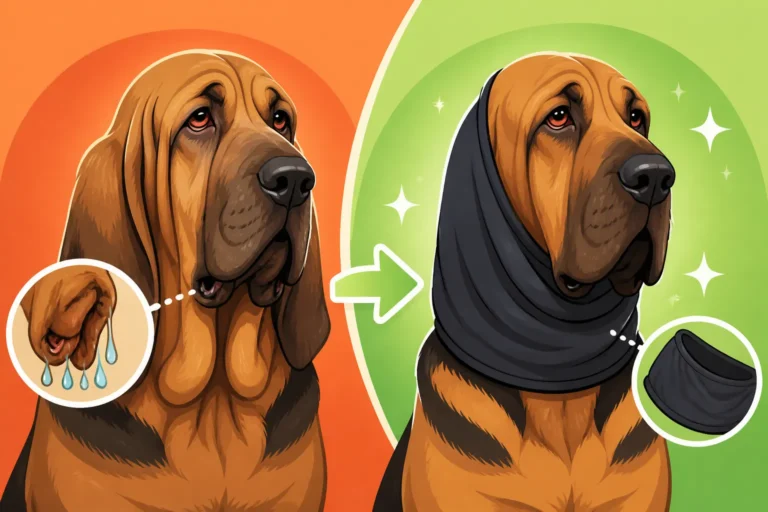
- A "snood" (optional): A snood is a tube-like garment that goes over your Bloodhound's head, keeping their long ears out of the way. This can prevent their ears from dipping into the food bowl or getting in the way during cleaning. While not directly for holding them still, it makes the task less messy and can signal "grooming time" in a positive way. You can often find a good selection on Amazon.
Gentle Techniques for Holding Your Bloodhound Still
Now that you've got your environment and tools sorted, let's talk about the actual techniques for keeping your Bloodhound calm and still enough to get those ears sparkling. Remember, the goal isn't brute force; it's gentle persuasion, positive reinforcement, and clear communication.
The Importance of Body Language and Positioning
Your body language communicates volumes to your Bloodhound. If you're tense, they'll be tense. Approach the situation with calm confidence, even if you're internally feeling a bit anxious. Get down to their level, kneeling or sitting next to them. This makes you less intimidating than standing over them.
When it comes to positioning, you have a few options, and you might need to experiment to see what works best for your individual dog.
- The Hug Hold: For many Bloodhounds, a gentle hug can be surprisingly effective. Sit on the floor with your Bloodhound between your legs, facing the same direction as you. Gently wrap your arms around their chest, essentially giving them a comforting squeeze. This not only restricts their movement subtly but also provides a sense of security. You can then use one hand to hold their head still while the other attends to the ear. The key here is gentle pressure, not a vice-like grip. If they struggle, maintain the hold calmly until they settle, then ease off slightly. This teaches them that struggling doesn't get them released, but settling does.
- Side-Lying or Lap Position: For smaller Bloodhounds or puppies, getting them to lie down on their side in your lap can be effective. This offers good control over their body and allows easy access to their ears. For larger adults, you might sit on the floor, and encourage them to lie with their head in your lap. This position helps prevent them from shaking their head excessively and allows you to hold their head securely against your leg or chest.
- Against a Wall or in a Corner: Sometimes, simply having a physical barrier can help. Gently position your Bloodhound with their side against a wall or in a corner. This naturally limits their ability to back away or swing their body around, giving you a bit more control. Again, this isn't about trapping them, but subtly reducing their options for escape.
Step-by-Step Gentle Restraint and Cleaning
Once you have your Bloodhound in a comfortable and somewhat restrained position, it’s time to proceed with the cleaning. This is where your helper, if you have one, can be invaluable for distraction and treat delivery.
- Introduce the Cleaner and Treats: Before you even touch their ear, let them sniff the ear cleaner bottle and give them a high-value treat. Repeat this a few times. The goal is to create a positive association with the sight and smell of the cleaning supplies.
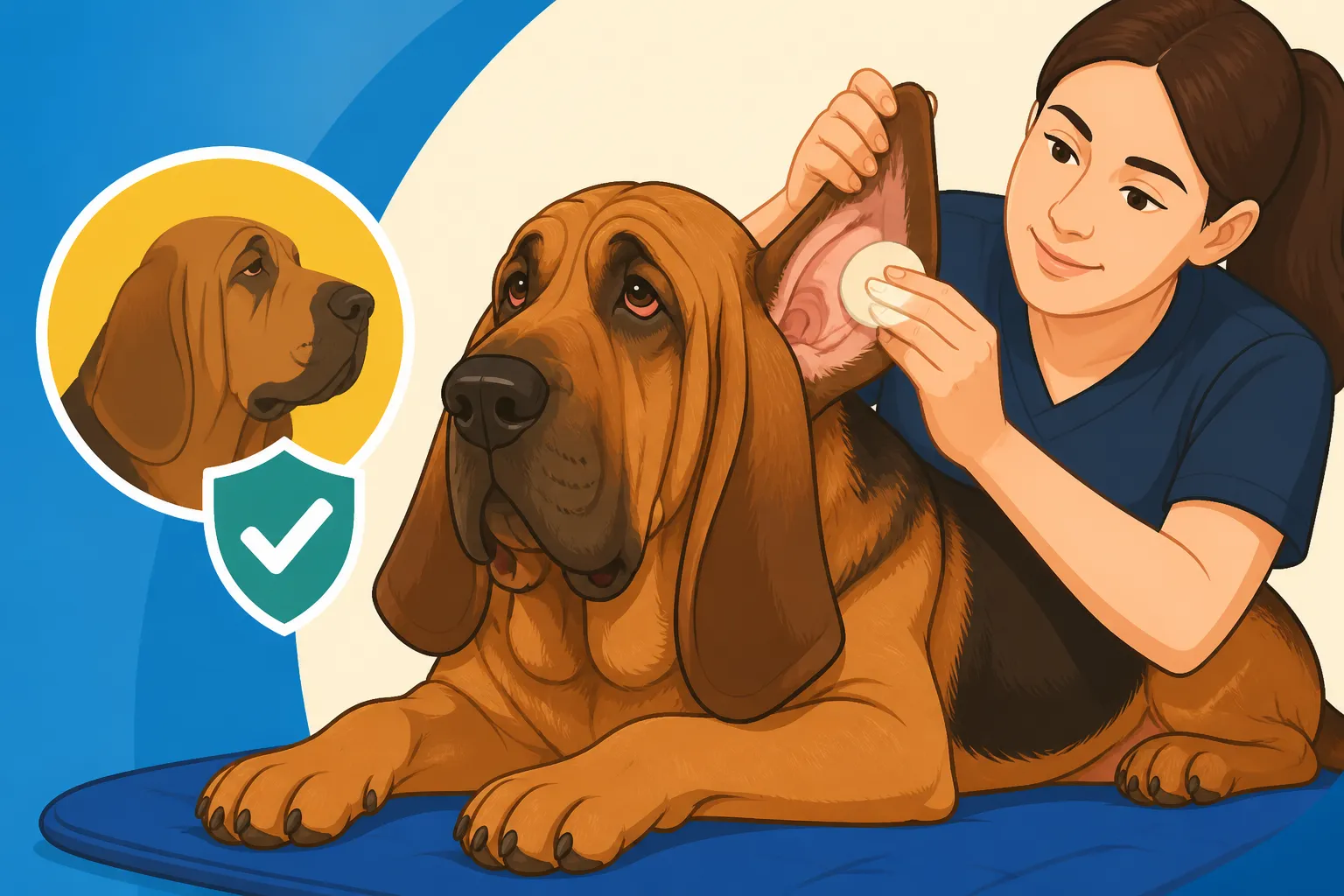
- Lift the Ear Leather: Gently lift one of their long ear leathers to expose the ear canal. Take your time, praise them, and offer a treat if they stay calm.
- Apply the Solution: Hold the ear flap up and carefully squirt the appropriate amount of ear cleaning solution into the ear canal, as directed by your vet. This is often the part where Bloodhounds react the most, as the cold liquid can be surprising. As you squirt, your helper (if present) should be continuously feeding treats. If you're alone, you might need to squirt, then immediately secure their head and offer a treat.
- Massage the Base of the Ear: After applying the solution, gently massage the base of their ear for about 30 seconds. You should hear a squishy sound, which indicates the solution is working its way down the canal. This part can feel good, which helps offset the initial shock of the liquid. Keep up the praise and treats.
- Let Them Shake (Carefully Managed): After massaging, your Bloodhound will almost certainly want to shake their head. This is good, as it helps dislodge debris. However, this is also when solution can go flying. Have a towel ready. You can gently drape a towel over their head (like a hood) or step back slightly, allowing them to shake. If you have a helper, they can distract with treats while you manage the shake. If you're alone, try to anticipate the shake and get out of the "splash zone" while still keeping a reassuring presence.
- Wipe the Visible Parts: Once they've shaken, use fresh cotton balls or gauze wrapped around your finger to gently wipe out the visible parts of the ear canal and the underside of the ear flap. Only go as far as your finger can comfortably reach. Never force anything or use cotton swabs that can push debris deeper or damage the eardrum. How Far Into a Bloodhound's Ear to Reach is a common concern here.
- Repeat for the Other Ear: Give them a good break, lots of praise, and a jackpot of treats before moving to the second ear. You might even want to do one ear in the morning and the other in the evening if your Bloodhound is particularly sensitive.
Using a Leash or Head Halter for Control
For Bloodhounds who are still very resistant, a leash or head halter can be a safe and effective tool, not for punishment, but for gentle guidance and stability.
- Leash to a Secure Anchor: You can attach your Bloodhound's leash to a secure, immovable object, like a heavy piece of furniture (that absolutely won't move!) or a strong hook in the wall. This is not meant to yank or restrain them forcefully, but to simply keep them from backing away entirely. It allows you to use your hands to manage their head and ears without also needing to worry about them wandering off. Ensure the leash is short enough to keep them close but long enough that there's no tension unless they actively pull away.
- Head Halter: A head halter (like a Gentle Leader or Halti) gives you much more control over your Bloodhound's head direction than a regular collar. If they are accustomed to wearing one for walks, it can be a useful tool for ear cleaning. With a head halter, you can gently guide their head to remain still, allowing you easier access to their ears. Again, this should be introduced positively, with treats, long before you ever use it for ear cleaning. It's about gentle leverage, not force.
| Technique/Tool | Description | Benefits | Considerations |
|---|---|---|---|
| Hug Hold | Owner sits with Bloodhound between legs, arms gently wrapped around chest. | Provides comfort and security; subtle body restraint; easy access to head. | May be difficult for very large or strongly resisting dogs; requires owner to be on the floor. |
| Side-Lying/Lap Hold | Bloodhound lies on side with head in owner's lap or on the floor. | Good full-body control; reduces head shaking; comforting. | May not be suitable for very anxious dogs; requires dog to be comfortable lying down. |
| Against a Wall | Bloodhound positioned with side against a wall or in a corner. | Limits backing away or swiveling; uses environment for subtle restraint. | Dog might push off wall; still needs active head control. |
| Leash to Anchor | Leash attached to immovable object to prevent dog from walking away. | Frees up handler's hands; prevents complete escape. | Anchor must be truly secure; avoid tension unless dog pulls; not for aggressive restraint. |
| Head Halter | Used for gentle control and redirection of the head. | Excellent head control; reduces direct pressure on neck. | Requires prior positive conditioning; dog might try to rub it off; not all dogs tolerate it. |
| High-Value Treats | Continuous reward system for calm behavior. | Builds positive association; powerful motivator; reduces stress. | Needs to be truly high-value; may require a helper for continuous delivery. |
| Snood | Fabric tube that keeps long ears out of the way. | Prevents ears from getting messy or stepped on; can be a positive cue. | Dog needs to be comfortable wearing it; doesn't directly restrain. |
Building Positive Associations and Long-Term Strategies
Holding your Bloodhound still for ear cleaning isn't a one-time trick; it's a skill you both build over time. The goal is to transform it from a dreaded chore into a manageable, even tolerable, routine by fostering positive associations and consistent training. Cleaning a Bloodhound's Ears Every Week for Life is a commitment, so making it easier is paramount.
Counter-Conditioning and Desensitization
These are fancy terms for helping your Bloodhound change their emotional response to ear cleaning.
- Desensitization: This means gradually exposing your Bloodhound to the process in tiny, non-threatening steps. Start by simply touching their ear flap for a second, then immediately reward with a treat and praise. Do this repeatedly. Then, increase the duration of the touch. Next, lift the ear flap. Then, touch the inside of the flap. Slowly, slowly, work your way up to actually using the cleaner. Never rush. If your Bloodhound shows any signs of discomfort or fear, go back a step. The idea is to keep them under their "threshold" of anxiety.
- Counter-Conditioning: This involves changing their feeling about the ear cleaning by pairing it with something they love – those high-value treats! Every single step, from seeing the ear cleaner bottle to the final wipe, should be accompanied by continuous treats and praise. For example, show the bottle, treat. Touch the ear, treat. Squirt a tiny bit of cleaner on a cotton ball (not in the ear yet), treat. The smell of the cleaner, treat. Your goal is for them to associate the presence of ear cleaning supplies with delicious rewards. Over time, the treats become so powerful that they override the negative feelings about the procedure.
A great way to do this is to keep a special jar of treats, maybe from Ollie, specifically for ear-cleaning time. This makes the treats even more novel and exciting. Always end on a positive note, even if it was just a small step.
Making Ear Cleaning a Regular, Predictable Routine
Bloodhounds thrive on routine. Establishing a consistent schedule for ear cleaning helps them understand what to expect. How Often a Bloodhound's Ears Need Cleaning can vary based on individual needs, but a weekly check and cleaning for prevention is often recommended.
- Consistency is Key: Try to clean their ears on the same day and at the same time each week. This predictability helps reduce anxiety. They'll start to anticipate it, and if it's always associated with good things (treats, praise), they'll be less likely to resist.
- Short, Frequent Sessions: Instead of trying to do a marathon cleaning session once a month, aim for shorter, more frequent sessions. Even if you only manage to lift the ear flap and give a few treats one day, and then apply solution the next, you're making progress. Building tolerance incrementally is much more effective than forcing a full cleaning.
- Incorporating into Grooming: Integrate ear cleaning into a broader grooming routine. Perhaps after a quick brush and a bath (How Often a Bloodhound Needs a Bath) or a nail trim, which are hopefully already positive experiences. This makes it just another part of their pampering.
When to Seek Professional Help
Sometimes, despite your best efforts, your Bloodhound might still strongly resist ear cleaning. This is not a failure on your part, and it's important to recognize when professional help is needed.
- Persistent Resistance or Aggression: If your Bloodhound becomes aggressive, growls, snaps, or panics during ear cleaning attempts, stop immediately. Forcing the issue can damage your bond and make the problem worse. This is a clear sign that they are in distress, and a vet or professional trainer needs to step in.
- Signs of Infection: If you suspect an active ear infection (redness, swelling, foul odor, discharge, excessive head shaking, scratching, pain), do not attempt a deep cleaning yourself. Signs a Bloodhound's Ear Is Infected warrant a trip to the vet. Cleaning an infected ear improperly can cause immense pain and push the infection deeper. Your vet can properly diagnose and prescribe medication, and they can also often perform a thorough, gentle cleaning, sometimes with sedation if necessary.
- Behavioral Specialists: For severe phobias or deeply ingrained resistance, consulting with a certified veterinary behaviorist or a professional positive reinforcement trainer can be incredibly helpful. They can assess the underlying causes of your Bloodhound's resistance and develop a tailored behavior modification plan using advanced desensitization and counter-conditioning techniques. They might recommend specific tools or methods you haven't considered, or help you refine your existing approach.
Remember, the goal is always to keep your Bloodhound healthy and happy. Ear cleaning is a vital part of A Bloodhound's Ears Are a Standing Infection Risk management. By approaching it with patience, understanding, and the right techniques, you can turn a challenging task into a manageable part of your life together.
Disclaimer
This article is for general informational purposes only and does not constitute professional advice. Laws, prices and regulations vary by location and change over time. Consult a qualified professional for guidance on your specific situation.