How Often a Bloodhound’s Ears Need Cleaning
If you're a Bloodhound owner, you already know those magnificent, long, velvety ears are both a hallmark of the breed and, let's be honest, a persistent source of concern. They're designed for scent work, sweeping odors towards that incredible nose, but they also effectively sweep up dirt, debris, and trap moisture. This guide is here to walk you through exactly how often those precious ears need attention, helping you navigate the delicate balance of keeping them healthy without overdoing it.
The Unique Challenge of Bloodhound Ears
Owning a Bloodhound means accepting a certain level of commitment to ear care, and it's not just a suggestion – it's practically a creed. Those long, heavy ear leathers are beautiful, but they come with a built-in set of challenges that make Bloodhounds particularly prone to ear issues. Understanding why their ears are so different is the first step in appreciating the dedicated care they require.
Anatomy That Invites Trouble
Let's talk about the unique architecture of a Bloodhound's ear. Unlike breeds with upright ears or even shorter drop ears, a Bloodhound's ear leather is incredibly long, thick, and pendulous, often extending well past their nose when laid forward. This impressive length means that the ear canal is almost constantly covered, effectively sealing off the ear from fresh air circulation. Imagine walking around with a heavy blanket over your ears all day – that's essentially the environment inside your Bloodhound's ear.
This lack of airflow creates a warm, moist, dark environment – precisely the kind of place where yeast and bacteria absolutely thrive. Add to that the fact that Bloodhounds tend to have hair growing inside their ear canals, and you've got a perfect storm for buildup. Ear infections aren't just an inconvenience for Bloodhounds; they're an almost inevitable part of their lives if not meticulously managed. It's why A Bloodhound's Ears Are a Standing Infection Risk is such a critical consideration for any owner. The deep, convoluted structure of How Deep a Bloodhound's Ear Canal Runs further compounds the problem, making it a challenge for moisture to evaporate and for debris to escape naturally.
The Scent-Tracking Advantage and the Dirt-Gathering Disadvantage
We adore Bloodhounds for their unparalleled noses, and those long ears play a vital role in their scenting prowess. As they trail, their ears act like natural sweepers, pushing scent particles towards their nose, creating a concentrated "scent cone" that helps them lock onto a trail. It's truly a marvel of natural selection, honed over centuries.
However, this incredible adaptation has a significant downside for everyday ear health. Think about where those ears are sweeping: across damp grass, through dusty fields, over muddy puddles, and sometimes even into their food and water bowls. Every outdoor adventure, every mealtime, potentially introduces foreign material directly into that warm, moist ear canal. Pollen, dirt, grass seeds, mud, food particles – it all gets collected and funneled inward, becoming trapped within the ear. It’s a constant battle to keep them clean, and it's easy to see Why a Bloodhound's Ear Leather Blocks Airflow, thereby trapping everything they've swept up. This design, while brilliant for trailing, demands a vigilant owner to prevent the accumulation of irritants and potential infection triggers.
Common Ear Ailments
Given their unique anatomy and lifestyle, Bloodhounds are unfortunately predisposed to a range of ear problems. The most frequent culprits are yeast infections, often characterized by a strong, sweetish or cheesy odor, and bacterial infections, which might present with a more putrid smell and discharge. These can lead to intense itching, causing your Bloodhound to scratch and shake their head excessively, sometimes to the point of injuring themselves.
Beyond infections, continuous head shaking can lead to aural hematomas – blood blisters that form when blood vessels within the ear flap rupture. These are painful and often require veterinary intervention to drain or repair. Ear mites, while less common in adult, well-cared-for dogs, can also be an issue, especially in puppies or dogs from less-than-ideal circumstances. Knowing How Often a Bloodhound Gets an Ear Infection drives home the point that proactive care is essential. Ignoring these early signs not only causes immense discomfort for your dog but can quickly escalate into more serious, chronic conditions that are harder and more expensive to treat, sometimes even leading to permanent damage if When a Bloodhound's Ear Infection Becomes Permanent becomes a reality.
Establishing a Regular Cleaning Schedule
Alright, so we know why Bloodhound ears are a challenge. Now, let's get down to the nitty-gritty: how often do you actually need to clean them? There's no single magic number, but there's a strong baseline recommendation, plus a lot of common sense that comes with being a Bloodhound parent.
The "Weekly Check-Up" Rule
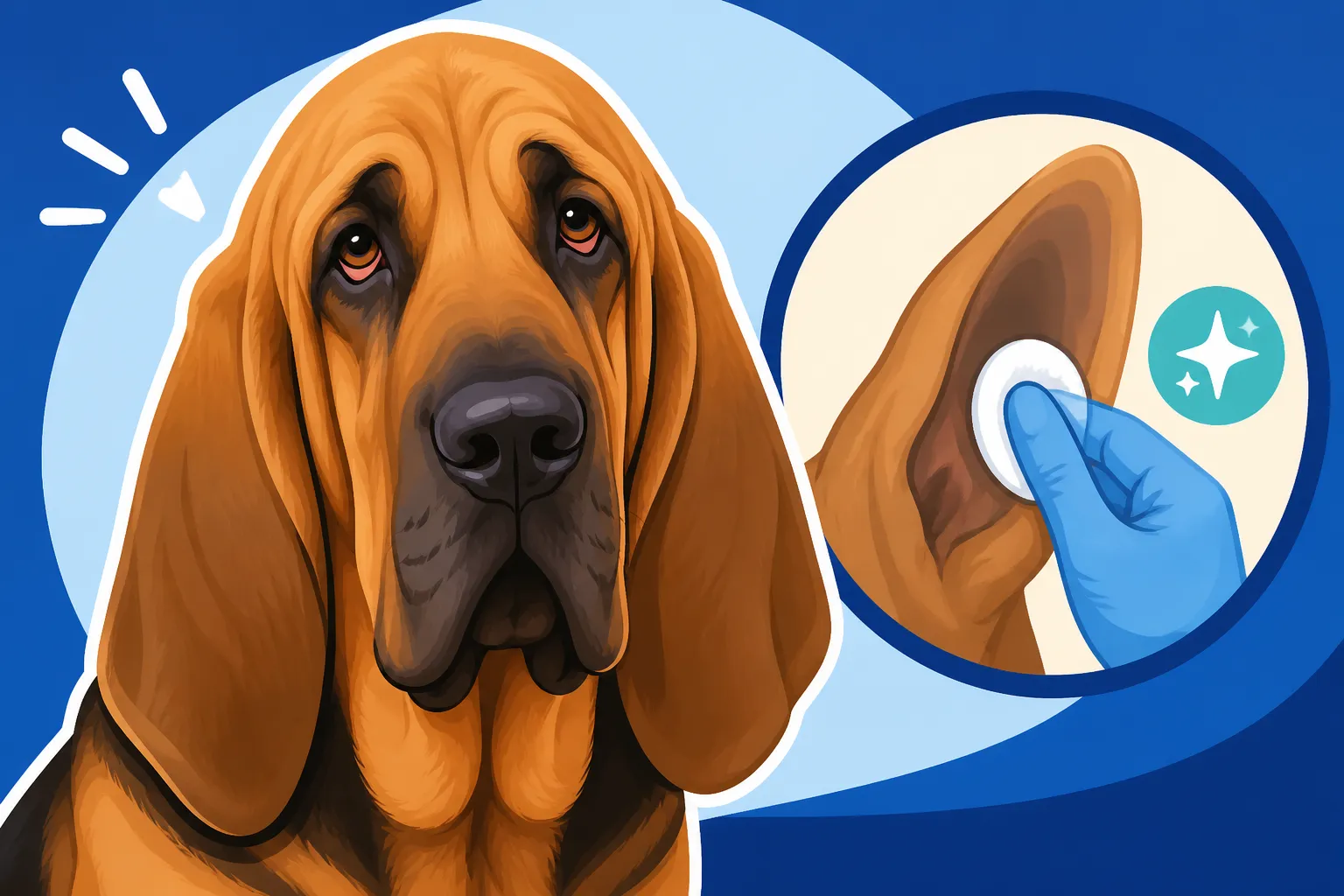
For most Bloodhounds, a weekly ear cleaning and inspection routine is the absolute minimum standard. This isn't just about squirting in some cleaner; it's about a thorough visual check, a sniff test, and a gentle wipe. Think of it as preventative maintenance, like changing the oil in your car. By consistently cleaning weekly, you're removing any accumulating wax, dirt, and moisture before they have a chance to create an inviting environment for bacteria or yeast to take hold.
During this weekly check, pull back those long ear leathers and take a good look. Is the skin inside pink and healthy-looking, or is it red and inflamed? Is there any discharge? Does it smell clean, or is there a faint, unpleasant odor? A healthy Bloodhound ear should have minimal odor and a light coating of wax that's easily wiped away. Making this a calm, positive experience with treats from puppyhood will pay dividends, as it's a lifelong ritual. If you miss a week, don't fret too much, but try to get back on schedule as soon as possible. Consistency is key with these magnificent hounds.
Situational Cleaning: When Life Happens
While weekly cleaning is your baseline, life with a Bloodhound means acknowledging that certain activities warrant extra attention. These wonderful dogs are often happiest with their noses to the ground, exploring every scent trail imaginable, and that means their ears are right there in the thick of it.
- After a romp in the woods or a dusty field: Those ears are natural dust mops. If your Bloodhound has been tracking through areas with a lot of pollen, dirt, or even burrs, a thorough cleaning is definitely in order afterward. You'd be amazed what those ears can collect!
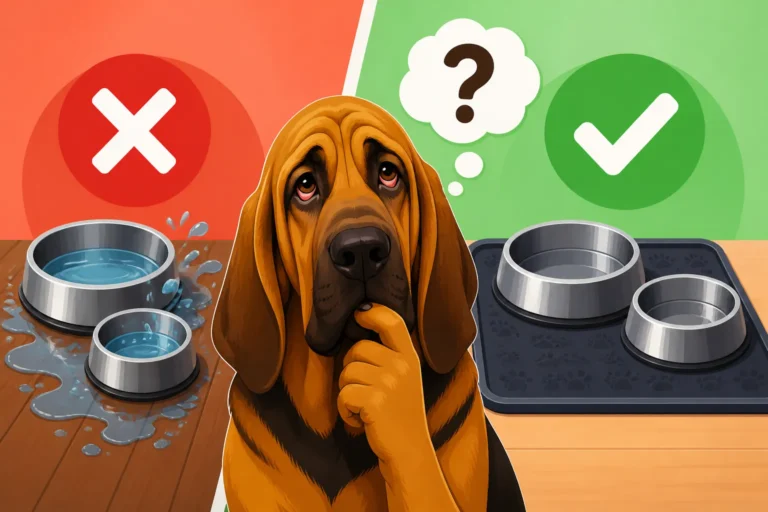
- Post-swim or bath: Water trapped in the ear canal is a huge no-no. Bloodhounds love water, but their ears don't. After any water exposure – whether it's a bath or an enthusiastic splash in a pond – you must ensure their ears are thoroughly dried. Even if you don't do a full cleaning, getting them dry is paramount. Whether Swimming Sets Off a Bloodhound's Ears is a valid concern, and proper drying is your best defense.
- If they've been shaking their head more than usual: This could be an early warning sign of irritation or the start of an infection. A proactive cleaning might nip it in the bud, though you'll want to monitor closely.
In these "situational" scenarios, you might find yourself cleaning their ears more than once a week, and that's perfectly fine. It's about responding to their needs and protecting those precious, sensitive organs.
Recognizing When More Frequent Cleaning Is Needed
Sometimes, despite your best efforts, you might notice subtle changes that signal the need to step up your ear care game. Your Bloodhound's ears have their own language, and learning to read it can help you prevent minor irritations from becoming full-blown infections.
Here are some tell-tale signs to watch for:
- A distinct odor: Healthy ears should have very little smell. If you start to notice a sweet, yeasty, or even putrid smell emanating from their ears, it's a big red flag.
- Redness or swelling: Gently lift the ear flap. Is the skin inside redder than usual? Is it puffy or swollen? These are clear indicators of inflammation.
- Excessive scratching or rubbing: If your Bloodhound is constantly pawing at their ears, rubbing their head along furniture or the carpet, or even shaking their head vigorously, they're trying to tell you something is irritating them. Head shaking that signals infection (Whether a Bloodhound's Head Shaking Means Infection) should never be ignored.
- Discharge: Any yellowish, brownish, or dark, waxy discharge, especially if accompanied by an odor, points towards an issue. It can look like coffee grounds if it's mites, or be more liquid if it's bacterial.
- Pain: If your Bloodhound flinches, whines, or pulls away when you touch their ears, they're in pain. This means it's definitely time for a vet visit, not just more cleaning.
If you observe any of these signs, increasing your cleaning frequency temporarily might help, but it's crucial to understand that cleaning alone won't cure an established infection. It's a signal that you likely need to consult your veterinarian for a proper diagnosis and treatment plan, which might include medicated ear drops.
Here's a quick guide to help you gauge your Bloodhound's ear care needs:
| Scenario | Cleaning Frequency | What to Look For | Action |
|---|---|---|---|
| Healthy, well-maintained ears | Weekly | Pink skin, minimal odor, light, cleanable wax | Routine cleaning, gentle inspection. |
| After swimming/bathing | Immediately | Dampness, trapped water, slight itching | Thorough drying, gentle wipe with a cleaner if needed. |
| After dusty/muddy outdoor activity | Within a few hours | Visible dirt, debris, excessive ear wax, slight redness | More thorough cleaning than usual, inspect for foreign objects. |
| Mild irritation (e.g., slight odor, minor scratching) | Every 2-3 days | Early signs of yeast/bacteria, more wax, faint odor | Increase cleaning frequency, monitor closely, consider vet if no improvement in 2-3 days. |
| Obvious signs of infection (e.g., strong odor, discharge, pain, constant scratching) | Immediately stop home cleaning and consult vet | Redness, swelling, strong foul odor, pus-like discharge, pain on touch, head tilt. | Urgent vet visit for diagnosis and prescription medication. |
The Right Way to Clean Those Wonderful Ears
Cleaning a Bloodhound's ears can feel a bit daunting at first, especially with all that hanging leather and the depth of the canal. But once you get the hang of it, it becomes a routine that both you and your dog will learn to accept, if not exactly love. The key is gentleness, patience, and using the right tools.
Gathering Your Supplies
Before you even start, make sure you have everything you need laid out and ready. This will make the process smoother and less stressful for both of you. You don't want to be fumbling for items while holding a wiggly Bloodhound!
- Vet-Approved Ear Cleaner: This is non-negotiable. Do NOT use alcohol, hydrogen peroxide, or anything not specifically formulated for canine ears. Your vet can recommend a good quality cleaner, or you can find reputable brands on
ChewyorAmazon. Look for solutions that are gentle, pH-balanced, and help break down wax. What to Clean a Bloodhound's Ears With is a choice that matters. - Cotton Balls or Gauze Pads: These are essential for wiping away debris and excess cleaner. Make sure you have a generous supply, as you'll likely use several.
- Soft Towel: Keep a towel handy to catch any drips and to help dry the outer ear after cleaning. You'll likely need to wipe your Bloodhound's jowls and neck after they shake their head!
- Treats: Plenty of high-value treats! Ear cleaning isn't usually a dog's favorite activity, so making it positive with rewards is crucial.
- Optional: A Snood: If your Bloodhound tends to get their ears in their food or water bowl, a snood can be a lifesaver. You can often find these on
Amazonor specialty pet stores. It's like a tube-shaped hat that holds their ears back and up, preventing them from getting soaked or dirty during meals.
The Gentle Approach
Once your supplies are ready, it's time for the cleaning itself. Remember, gentleness is paramount. You're trying to help, not cause discomfort.
- Positioning: Find a comfortable spot where your Bloodhound can't easily bolt. For smaller Bloodhounds or puppies, a raised surface might work, but for larger adults, the floor is usually best. If you have a helper, one person can gently hold your Bloodhound while the other cleans. How to Hold a Bloodhound Still for Ear Cleaning often requires a calm, reassuring presence.
- Lift and Pour: Gently lift one of your Bloodhound's long ear flaps to expose the ear canal. Hold the tip of the ear flap up to keep it out of the way. Carefully insert the tip of the ear cleaner bottle into the opening of the ear canal. Don't push it too far down, just enough to be inside. Squeeze a generous amount of cleaner into the canal until it's full.
- Massage: Lower the ear flap and gently massage the base of the ear for 20-30 seconds. You should hear a squishy sound as the cleaner works its way down and breaks up any wax and debris. Your Bloodhound might enjoy this part!
- Allow the Shake: Let your Bloodhound shake their head. This is instinctual and helps dislodge loosened debris and excess cleaner. Stand back, as it can be quite messy! This is where that towel comes in handy.
- Wipe Clean: After they've shaken, use a cotton ball or gauze pad to gently wipe the visible parts of the ear, including the inside of the ear flap and the opening of the ear canal. You'll likely see a fair amount of gunk come out – that's a good sign! Never use cotton swabs (Q-tips) beyond the visible parts of the ear, as you can easily push debris further down the canal or even damage the eardrum. Stick to wiping what you can see. Repeat with fresh cotton balls until they come away mostly clean.
- Repeat for the other ear.
- Reward! End the session with praise and plenty of those high-value treats.
Drying Is Key
After cleaning, drying is just as important, especially for Bloodhounds. Leaving moisture in that already enclosed ear canal is like inviting a party for bacteria and yeast.
Use a soft, clean towel to gently pat dry the outer parts of the ear flap and around the ear opening. You can also lightly wipe the visible parts of the inner ear with a dry cotton ball. For deeper drying, some owners use an ear-drying solution (different from a cleaner) after vigorous water exposure, but this isn't usually necessary for routine cleaning if you've used a good quality cleaner that evaporates fairly quickly. The main goal is to ensure the surface areas are dry. If your Bloodhound is prone to chronic wetness, consider a small, handheld fan on a cool setting held at a safe distance for a minute or two to help dry the deepest parts. Just be sure not to aim it too directly or use too strong an air current, which can be irritating.
Beyond Routine Cleaning: When to Call the Vet
While regular cleaning is your frontline defense, there are times when ear issues go beyond what you can manage at home. Knowing when to put down the ear cleaner and pick up the phone to your veterinarian is crucial for your Bloodhound's health and comfort. Ignoring persistent or worsening symptoms can lead to severe complications.
Persistent Odor or Discharge
You know the normal smell of your Bloodhound's healthy ears (or lack thereof!). If you notice a persistent, strong, and unpleasant odor that doesn't resolve with your regular cleaning routine, it's a definite red flag. This could be anything from a sweet, yeasty smell to a truly putrid, foul odor indicating a bacterial infection. Similarly, any discharge – especially if it's thick, yellowish-green, or resembles coffee grounds – is a clear sign that something is amiss internally.
These symptoms suggest an active infection or an underlying inflammatory process that needs medical attention. Home cleaning solutions are generally not strong enough to kill established bacteria or yeast colonies, and misdiagnosing the type of infection can lead to using the wrong over-the-counter treatment, potentially making the problem worse or prolonging your dog's discomfort. Your vet will likely take a swab of the ear to look at under a microscope (cytology) to determine whether it's yeast, bacteria, or both, and prescribe the appropriate medicated drops or oral antibiotics.
Pain, Swelling, or Head Shaking
These are more obvious signs that your Bloodhound is in distress and requires immediate veterinary attention. If your dog whimpers, flinches, or snaps when you try to touch their ear, they are experiencing pain. This level of discomfort usually indicates significant inflammation or infection. Swelling, particularly of the ear flap itself or around the ear canal opening, can be due to severe inflammation, an allergic reaction, or even an aural hematoma, which we discussed earlier.
Excessive or constant head shaking and scratching are also clear indicators of intense irritation. While a casual shake to clear water is normal, persistent, vigorous head shaking can quickly lead to self-inflicted injuries. Signs that head shaking means infection (Whether a Bloodhound's Head Shaking Means Infection) are often accompanied by other symptoms like lethargy or a reluctance to eat. Don't wait if you see these signs; the faster you get veterinary help, the quicker your Bloodhound can find relief and prevent more severe damage or chronic issues.
Chronic Issues and Specialist Care
Sometimes, despite consistent routine cleaning and even veterinary treatment for acute infections, a Bloodhound can develop chronic ear problems. This can be incredibly frustrating for owners and uncomfortable for the dog. Chronic issues often stem from underlying causes that need deeper investigation.
- Allergies: Both environmental and food allergies can manifest as recurrent ear infections. Your vet might suggest an elimination diet (perhaps even exploring novel protein diets or fresh food options like
Ollie, always under veterinary guidance) or allergy testing to identify triggers. - Anatomical Abnormalities: In some cases, the ear canal itself might be unusually narrow, or there could be polyps or tumors blocking it.
- Hormonal Imbalances: Conditions like hypothyroidism can also contribute to chronic skin and ear issues. Hypothyroidism in a Bloodhound is something your vet might test for if chronic issues persist.
If your Bloodhound experiences recurrent infections that don't respond well to standard treatments, your vet might refer you to a veterinary dermatologist or an internal medicine specialist. These experts have advanced diagnostic tools and treatment options, which could include more complex medical management, or in very severe, end-stage cases where the ear canal has become permanently damaged and painful, a total ear canal ablation (TECA) might be considered. This surgical procedure, while drastic, can provide permanent relief for dogs suffering from intractable chronic ear disease, and it's something discussed in articles like What a Total Ear Canal Ablation Means for a Bloodhound. It's a last resort, but knowing it exists can bring peace of mind when all other options have been exhausted, especially when a Bloodhound's Ear Infection Becomes Permanent and significantly impacts their quality of life.
Preventative Measures and Lifestyle Adjustments
Beyond just cleaning, there's a whole host of proactive steps you can take to minimize the risk of ear problems in your Bloodhound. It's about creating a lifestyle and environment that supports healthy ears, rather than constantly battling issues after they arise.
Managing Moisture
Moisture is the arch-nemesis of a Bloodhound's ear. Those long, heavy ear flaps are fantastic at trapping it, creating a perfect humid microclimate for yeast and bacteria to flourish. So, one of your primary preventative tasks is to actively manage moisture, particularly after any wet activities.
After baths, make sure you take extra time to thoroughly dry your Bloodhound's ears. Don't just towel dry the outside; gently lift the ear flap and use a soft, absorbent cloth or cotton balls to soak up any excess water from the visible parts of the canal. If your Bloodhound loves to swim (and many do!), this step becomes even more critical. Consider using a dog-specific ear-drying solution after swimming, which can help evaporate residual moisture deep within the canal. Simply apply it as you would an ear cleaner, massage gently, and let them shake their head. For Bloodhounds with very heavy ear leathers, some owners even use a soft hair dryer on the lowest, coolest setting (held at a safe distance!) for a minute or two to ensure they are completely dry, provided their dog tolerates it well.
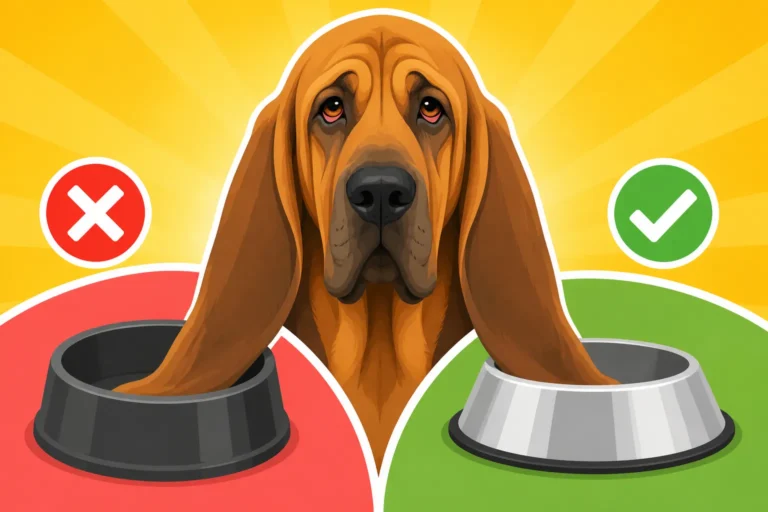
Another common source of moisture and mess is mealtime. Those long ears often dip directly into food and water bowls, collecting kibble dust, water, and slobber. This constant dampness and foreign material can lead to irritation and infection on the ear tips or within the canal. This is where a fantastic invention called a snood comes in handy. A snood is a soft, tubular fabric cowl that slips over your Bloodhound's head, holding their ears up and out of the bowl while they eat or drink. It's a simple, effective solution to keep those ears clean and dry during mealtimes. You can find many styles on Chewy or Amazon. What a Snood Does for a Bloodhound is truly invaluable for preventing mealtime mess and promoting ear health.
Diet and Allergies
It's easy to think of ear problems as purely local issues, but often, chronic or recurrent ear infections can be a symptom of a larger systemic problem, most commonly allergies. Just like in humans, dogs can develop allergies to environmental factors (pollen, dust mites, molds) or ingredients in their food. These allergies often manifest as itchy skin, which includes the skin inside the ears, leading to inflammation and making the ears more susceptible to infection.
If your Bloodhound is experiencing recurrent ear infections despite diligent cleaning, it's worth discussing potential allergies with your veterinarian. They might suggest dietary changes, such as trying a limited ingredient diet or a novel protein diet. Some owners explore fresh food options, which some believe can reduce inflammatory responses in dogs prone to allergies. For instance, brands like Ollie offer fresh, human-grade food that can be used in an elimination diet trial under veterinary supervision. It's important to approach dietary changes methodically and under professional guidance to correctly identify any food sensitivities. Environmental allergies can be managed with medications, immunotherapy, or by minimizing exposure to known allergens, which can all contribute to healthier ears in the long run.
The Importance of Regular Vet Check-ups
Even with the most meticulous home care, regular veterinary check-ups are paramount for Bloodhounds. Your vet can perform a much more thorough examination of the ear canal using an otoscope, looking for issues you can't see with the naked eye, such as deep-seated inflammation, foreign bodies, or changes in the eardrum.
During these visits, discuss any concerns you have about your Bloodhound's ears, no matter how minor they seem. Your vet can also assess your cleaning technique and recommend specific cleaners or preventive treatments tailored to your dog's needs. These routine checks allow for early detection of problems, preventing them from escalating into more severe, painful, and costly conditions. Remember, your veterinarian is your best partner in keeping those magnificent Bloodhound ears healthy and happy for a lifetime.
Disclaimer
This article is for general informational purposes only and does not constitute professional advice. Laws, prices and regulations vary by location and change over time. Consult a qualified professional for guidance on your specific situation.