Whether a Mat Under a Bloodhound’s Bowls Is Worth It
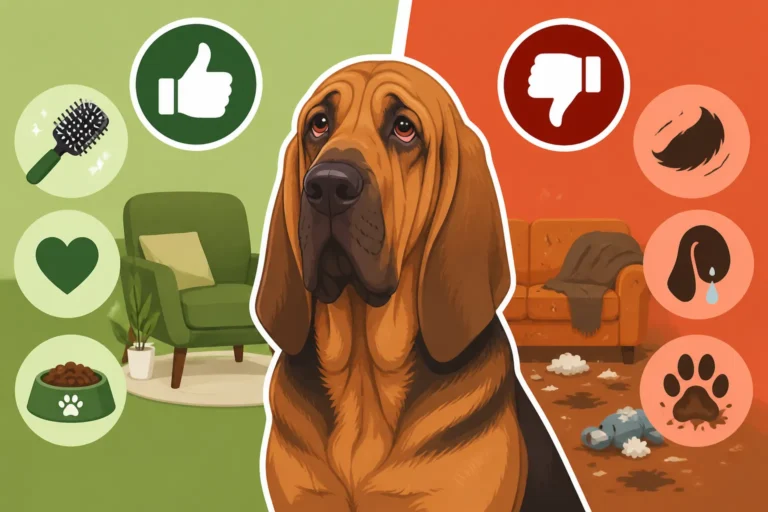
If you share your home with a magnificent Bloodhound, you know that mealtime and especially drink time can feel less like a peaceful activity and more like a water park event. The sheer volume of drool, water, and often food debris that ends up around the bowls, rather than in your dog, can be a constant source of frustration and a threat to your floors. This guide is dedicated to exploring whether a simple mat under your Bloodhound's bowls can genuinely make a difference in your daily routine and the cleanliness of your home.
Why Bloodhounds Are So Messy Around Their Bowls
Let's be honest: Bloodhounds are adorable, noble, and deeply devoted, but they are not known for their tidy table manners. There's a reason their owners often feel like they're constantly cleaning up after them. Understanding why they make such a glorious mess is the first step to figuring out how to manage it. It's not just a matter of clumsiness; it's a combination of their unique physiology and inherent behaviors.
Their Unique Anatomy and Drinking Style
A Bloodhound's magnificent, long, pendulous ears are a defining characteristic, but they are also a significant contributor to the mess. When a Bloodhound lowers its head to drink or eat, those long ears often dip right into the water or food. As they lift their head, their ears act like mops, soaking up liquid and food particles, only to then fling them outward as they move or shake their head. It's a charming quirk, but one that leaves a trail of wet, food-flecked chaos in its wake. Imagine trying to eat with two damp towels attached to your head – that's essentially what your Bloodhound is navigating. Many owners find themselves frequently wiping their Bloodhound's ears or even considering a What a Snood Does for a Bloodhound to keep them out of the bowls.
Beyond their ears, a Bloodhound's loose, wrinkled skin, particularly around their jowls and neck, also plays a role. These folds can trap water after a drink, and then release it in drips and drops as they walk away. Their broad muzzles and powerful tongues are designed for lapping up vast quantities of liquid, but not always with delicate precision. The combination of deep lapping, ear dipping, and jowl dripping creates a perfect storm for a perpetually damp feeding area. It’s part of their charm, yes, but also a daily cleaning challenge.
The Sheer Volume of Water They Consume
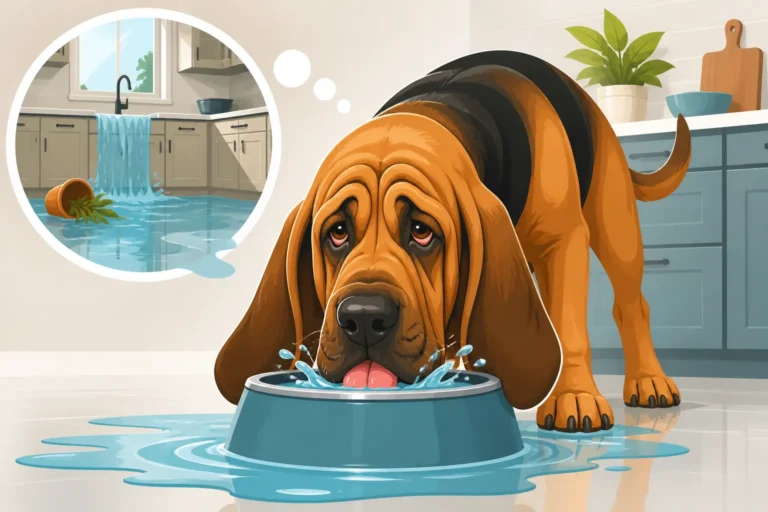
Bloodhounds are large dogs, and large dogs drink a lot of water. This isn't just about hydration; it's about the sheer quantity of liquid that passes through their bowls multiple times a day. If you've ever watched your Bloodhound at the water bowl, you know they don't just sip; they often take long, deep drinks, sometimes almost submerging their entire muzzle. This vigorous drinking naturally leads to splashes and spills that go beyond the edge of the bowl.
Consider how much water a full-grown Bloodhound can consume in a day – it's far more than a smaller breed. This means more frequent trips to the water bowl, and each trip is an opportunity for more drips, splashes, and sloshes. The problem isn't just how they drink, but how much they drink, making the constant puddles a volumetric challenge as much as an anatomical one. Owners often wonder How Much Water a Bloodhound Spills in a Day because the answer feels like "all of it, everywhere."
The "Shake Factor"
Ah, the infamous "shake factor." After a good drink, what's a dog's natural instinct? To shake it off! And for a Bloodhound, with those long, heavy ears and deep jowls, a head shake is less a gentle tremor and more a full-body event, sending water and drool flying in an impressive radial pattern. It's truly astonishing How Far a Bloodhound Slings Drool When It Shakes. Walls, cabinetry, nearby furniture, and even the ceiling can become unwitting targets of this post-drink ritual.
This shake isn't just about water from the bowl; it's also about the drool. Bloodhounds are prodigious droolers, especially when excited, anticipating food, or even just hydrating. This slobber, mixed with water, can coat surfaces, creating a sticky residue that can be surprisingly difficult to clean if left to dry. The combination of drinking, ear-dipping, and the inevitable head shake means that the area around their bowls is constantly under attack, making a strong case for preventative measures.
The Types of Mats Available for Bloodhound Bowls
When you're trying to contain the epic mess of a Bloodhound's mealtime, not all mats are created equal. The market offers a variety of materials and designs, each with its own set of pros and cons for dealing with copious spills and drool. Understanding the differences can help you choose the best line of defense for your floors. You can find many options on sites like Chewy or Amazon, offering a wide range of choices to suit your specific needs and aesthetic preferences.
Silicone Mats: The Popular Choice
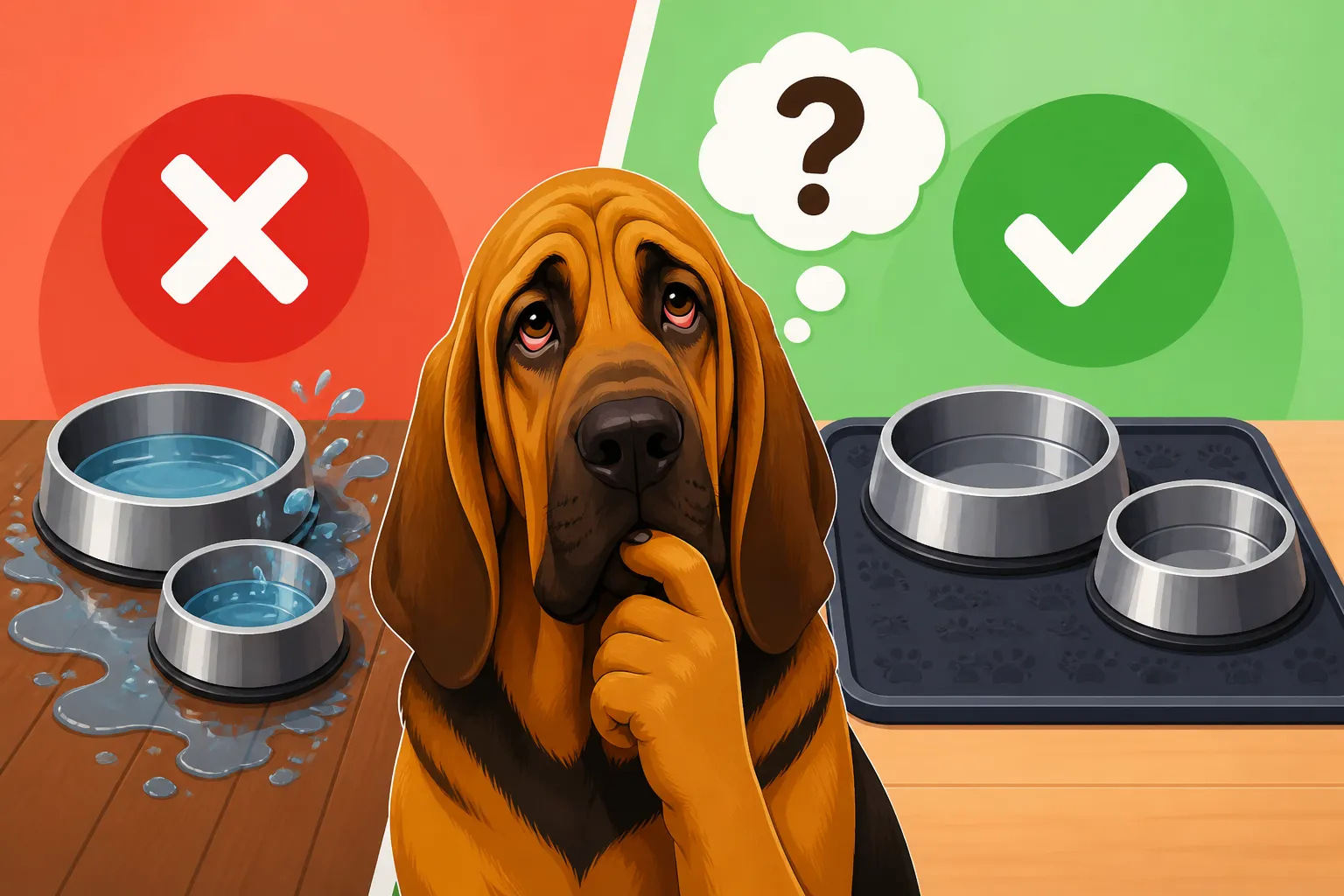
Silicone mats are arguably the most popular choice for pet feeding areas, and for good reason. They are typically made from food-grade silicone, which is non-toxic, flexible, and waterproof. Their main advantage is the slightly raised lip or edge that runs around the perimeter, creating a contained tray area. This lip is fantastic at trapping spilled water and dropped kibble, preventing it from seeping onto your floor. Many silicone mats also feature a non-slip surface, either through natural tackiness or textured patterns, which helps keep both the mat and the bowls from sliding around, even with an enthusiastic eater.
Cleaning a silicone mat is usually a breeze; you can simply wipe it down, rinse it in the sink, or even toss it into the dishwasher (check manufacturer instructions, of course). They come in various sizes, shapes, and colors, so you can often find one that matches your home decor. For a Bloodhound, a larger mat is almost always better to accommodate their size and the impressive radius of their splashes. The flexibility of silicone means it can be rolled up for storage or travel, too.
Absorbent Fabric Mats
Another option is a fabric mat, often made from microfiber or other highly absorbent materials. These mats are designed to soak up spills rather than contain them. They typically feature a waterproof backing to prevent any absorbed liquid from reaching the floor underneath. The appeal of these mats is often their softer feel, and sometimes, they can blend more seamlessly into a home's decor than a stark silicone mat. They can also provide a bit more cushioning for bowls, potentially reducing noise if your dog tends to push their bowls around.
However, for a Bloodhound, a purely absorbent mat might not be the most practical solution for a few reasons. While they absorb, they don't contain the volume of liquid a Bloodhound can spill. They can become saturated quickly, especially at the water bowl, requiring frequent washing. Imagine the amount of water your Bloodhound can splash from their jowls and ears – an absorbent mat might just get soaked through before you realize it, necessitating immediate laundry. While good for minor drips, they might struggle with a full-on "water park event." You also want to ensure the waterproof backing is genuinely effective.
Tray-Style Mats with Raised Edges
Beyond flexible silicone, there are also more rigid, tray-style mats. These are often made from stiffer plastic, rubber, or even stainless steel, and typically feature a much higher, more substantial raised edge or wall. Think of them less as a mat and more as a shallow, contained basin. The benefit here is maximum containment. If your Bloodhound is prone to really significant spills – knocking over bowls, or just an incredible amount of "shake factor" water – these trays can hold a larger volume of liquid.
These trays often have a more industrial look, which might not suit every home, but their functionality is undeniable. They are usually very durable and easy to clean with a quick wipe or rinse. The downside can be their bulk; they aren't as flexible as silicone mats and take up a set amount of space. However, for sheer spill prevention, especially if you have sensitive flooring like hardwood or carpet nearby, a robust tray-style mat can be an absolute godsend. These can be particularly useful if your Bloodhound's water bowl floods the kitchen regularly, even with efforts like using a Whether a Narrow Deep Bowl Suits a Bloodhound.
| Mat Type | Material | Primary Benefit | Bloodhound Suitability | Cleaning Ease | Aesthetic |
|---|---|---|---|---|---|
| Silicone Mat | Silicone | Containment (raised lip) | High | Very Easy | Versatile |
| Absorbent Mat | Microfiber/Fabric | Absorption, cushioning | Moderate (for minor spills) | Requires washing | Soft, homey |
| Tray-Style Mat | Stiff Plastic/Rubber | Maximum containment (high walls) | Very High | Easy | Functional |
Benefits of Using a Bowl Mat for Your Bloodhound
Okay, so we've established that Bloodhounds are messy, and there are various mats out there. But is it truly worth it to add another item to your pet care arsenal? For many Bloodhound owners, the answer is a resounding yes. The benefits often far outweigh the initial thought of having "another thing" to clean or deal with.
Protecting Your Floors and Walls
This is perhaps the most obvious and immediate benefit. Water, drool, and spilled food can wreak havoc on flooring. On hardwood, constant moisture leads to warping, staining, and eventually, costly repairs. On laminate, it can cause swelling and delamination. On carpet, it leads to stains, odors, and mold growth. Even tile can become slippery and dangerous when wet, not to mention the grout can stain over time. A good mat acts as a barrier, catching all that moisture and debris before it ever touches your precious floors.
Think about the long-term investment in your home. A quality mat, especially one with a good lip, can prevent thousands of dollars in potential floor damage over your Bloodhound's lifetime. It's not just about cleaning up a puddle; it's about preserving the integrity and appearance of your living space. And let's not forget your walls! If your Bloodhound is a vigorous shaker, those splashes can hit lower wall sections. A mat with a slightly higher back or placing the bowls against a washable surface can offer a degree of protection there too.
Hygiene and Ease of Cleaning
Beyond protecting your floors, a dedicated bowl mat significantly improves the overall hygiene of your feeding area. Rather than scrubbing grout lines, wiping down baseboards, or dealing with damp spots on the carpet, you simply clean the mat. As discussed, silicone mats are incredibly easy to wipe clean or rinse, and many are dishwasher safe. This means less effort for you and a cleaner, more sanitary environment for your Bloodhound.
Food particles, crumbs, and slobber can attract pests, grow mold, and develop unpleasant odors if not properly contained and cleaned. A mat consolidates all this potential mess into one easily manageable surface. It prevents wet kibble from getting mashed into your floorboards or crumbs from migrating under appliances. This makes your daily cleaning routine much faster and more effective, contributing to a fresher-smelling home and a healthier space for your Bloodhound, especially given how sensitive their skin and folds can be to dampness and bacteria. For example, considering a Bloodhound's propensity for Skin Fold Dermatitis on a Bloodhound, maintaining a clean, dry environment around their feeding area is essential.
Creating a Dedicated Feeding Zone
Having a designated mat under your Bloodhound's bowls can help establish a clear "feeding zone" in your home. This can be beneficial for a few reasons. Firstly, it provides a visual cue for your dog, signaling where their meals and water are located. This can be particularly helpful if you're trying to manage specific feeding routines, like multiple small meals to Feeding a Bloodhound So It Does Not Bloat. The mat defines their space, which can contribute to a sense of routine and comfort.
Secondly, it helps contain the inevitable mess to one specific area, making cleanup more predictable. Instead of finding dropped kibble and water trails throughout the kitchen, you know where to focus your attention. This can also prevent other household members from accidentally stepping in puddles or tracking food debris around the house. It's about setting boundaries, both for your Bloodhound and for the mess they generate, leading to a more organized and stress-free household environment.
Potential Downsides and Alternatives to Bowl Mats
While bowl mats offer many advantages for Bloodhound owners, it's also worth considering if there are any potential downsides or if alternative strategies might be a better fit for your specific situation. Every home and every Bloodhound is unique, so what works for one might not be ideal for another.
Cost and Aesthetics
For some, the primary concern might be the upfront cost of a good-quality, large mat, especially if you're looking for something particularly durable or aesthetically pleasing. While many mats are quite affordable, larger, more robust options, or those with specific design elements, can add up. If you're on a tight budget, this is a valid consideration. However, it's often an investment that pays for itself many times over by preventing damage to your home, which could be far more expensive in the long run.
Aesthetics can also be a factor. Not everyone wants a bright blue silicone mat clashing with their kitchen decor. While many mats come in neutral tones or subtle designs, some owners prefer a more integrated look that doesn't scream "dog feeding station." You might find that the size required to adequately contain a Bloodhound's mess is simply too large for your designated feeding spot, or you might struggle to find a mat that truly blends into your home's style. However, brands like Ollie, which focus on premium pet products, often consider aesthetics in their designs, offering more subtle options.
Other Strategies for Containing the Mess
If a mat doesn't quite seem like the right fit, or if you want to double down on mess prevention, there are other strategies you can employ.
One popular approach is using a deep, narrow bowl for water. While a wide bowl is often recommended for feeding to prevent gulping, for water, a narrower, deeper bowl can reduce splashing by limiting the surface area and containing more of the water. Some owners even use specific bowl shapes designed to keep those long ears out, like the "spaniel bowl" or "basset hound bowl" designs, which can be very effective in preventing The Bloodhound Ear That Trails Through the Food Bowl.
Elevated feeders are another option, although their role in bloat prevention is debated (check out Whether Raised Bowls Raise a Bloodhound's Bloat Risk for more on that). However, an elevated feeder can reduce strain on your Bloodhound's neck and joints, and if designed with a wide, catch-all tray underneath, it can help contain spills, especially if the bowls are nested deeply within the stand.
Finally, good old-fashioned vigilance and routine cleaning are always essential. Keeping a dedicated towel or mop near the feeding station for immediate wipe-ups can make a huge difference. Training your Bloodhound to wait a moment after drinking before shaking their head can also help, though this often requires consistent effort and patience! Ultimately, a mat is a tool, and sometimes a combination of tools and habits works best.
Disclaimer
This article is for general informational purposes only and does not constitute professional advice. Laws, prices and regulations vary by location and change over time. Consult a qualified professional for guidance on your specific situation.