What a Snood Does for a Bloodhound
If you're a Bloodhound owner, you know the struggle: those magnificent, long ears are a defining feature, but they also get in everything. From soaking in the water bowl to dragging through dinner, or even getting scraped on rough terrain, those precious ears are constantly at risk. This guide is here to walk you through exactly what a snood is, why it's a game-changer for your Bloodhound's ear health and hygiene, and how to make it a comfortable part of your hound's daily routine.
The Bloodhound Ear Predicament: Why a Snood Becomes Essential
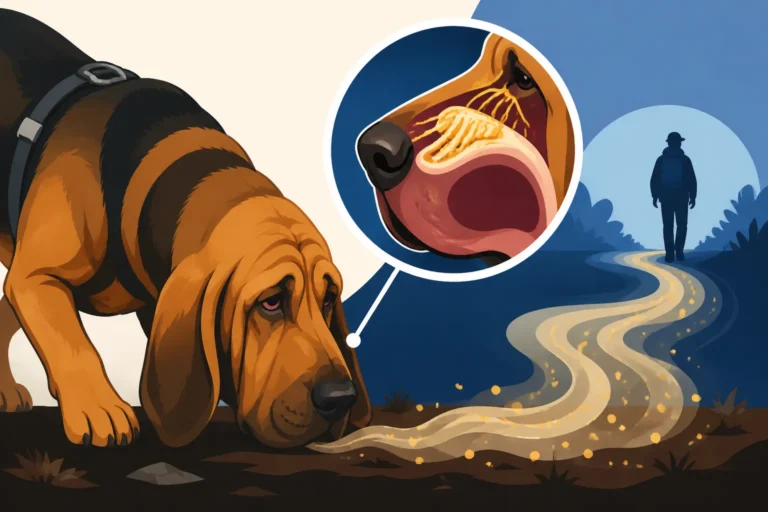
Let's be honest, those long, velvety ears are a huge part of a Bloodhound's charm, giving them that soulful, often goofy expression we adore. But as any Bloodhound parent will quickly tell you, what makes them so endearing also makes them incredibly high-maintenance. These ears aren't just for show; they're designed by nature to help sweep scent towards their powerful noses, which means they're constantly dipping, dragging, and generally getting into messes.
The Ever-Present Mess at Mealtime
One of the most common frustrations for Bloodhound owners revolves around feeding time. You put down a delicious meal, and before you know it, those beautiful ears are submerged in the kibble or soaking wet from the water bowl. It's not just a messy aesthetic; it's a health concern. Wet ears create a warm, moist environment perfect for bacterial and yeast infections to thrive. Imagine trying to keep Cleaning a Bloodhound's Ears Every Week for Life when they're perpetually coated in food particles or water. It's an uphill battle, and it feels like you're constantly fighting a losing war against dampness and grime.
Beyond the immediate mess, the cumulative effect of perpetually wet or dirty ears can lead to chronic irritation, skin issues, and persistent infections. You're not just wiping food off; you're trying to prevent uncomfortable, sometimes painful, health problems. It's a common lament among Bloodhound owners, feeling like they spend half their day cleaning ears or trying to figure out Which Bowl Shape Keeps a Bloodhound's Ears Out. This constant battle is exhausting, and it’s why many of us start searching for a more proactive solution to keep those ears out of harm's way, particularly during feeding.
Protecting Ears from Outdoor Hazards
It's not just the food bowl that poses a threat to a Bloodhound's ears. When your hound is out doing what they do best – nose to the ground, exploring every fascinating scent – those long ears are susceptible to all sorts of outdoor hazards. Burrs, foxtails, ticks, thorns, and general grime can easily get tangled in the fine hair of their ear leather. A quick walk through tall grass can turn into a tedious session of picking out debris, which is not only time-consuming but can also cause discomfort and minor injuries to the ear.
Think about a vigorous trailing session or even just a romp in the woods. Those ears, designed to channel scent, are also acting as tiny brooms, sweeping up everything in their path. A particularly nasty burr can become embedded, leading to irritation or even an open wound if pulled out carelessly. Ticks love to hide in the warm, protected folds of a Bloodhound's ears, and finding them can be a challenge. Using a snood outdoors can provide a protective barrier, reducing the amount of debris and pests that hitch a ride on those precious ears, saving you a lot of post-adventure cleanup and worry.
What Exactly Is a Snood for a Bloodhound?
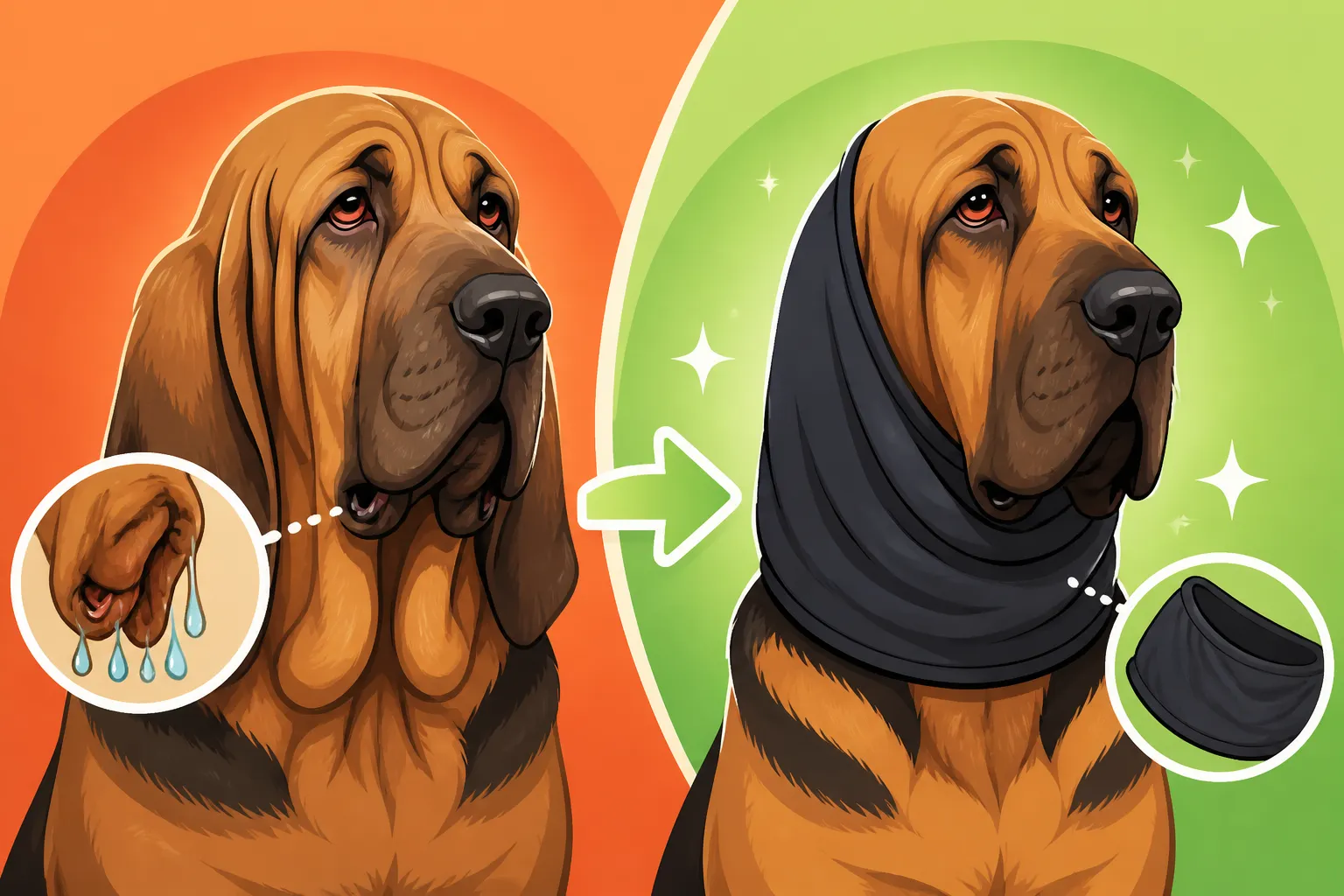
So, you've heard the term "snood" bandied about, perhaps seen other sighthound or long-eared breed owners using them, and now you're wondering if it's the answer to your Bloodhound's ear woes. In its simplest form, a snood is essentially a fabric tube, often made of stretchy, breathable material, designed to cover and hold a dog's long ears up and out of the way. It’s like a specialized headband or cowl, custom-made to fit over a dog's head, encompassing both ears.
Design and Materials for Comfort and Function
The design of a snood is deceptively simple but incredibly effective. It's typically shaped like a cone or cylinder, wider at the opening that goes over the dog's head and tapering slightly towards the neck. This allows it to comfortably fit around the entire head and neck, snugly holding the ears flat against the sides of the head or tucked neatly inside the fabric tube, depending on the design. Many snoods have elasticized openings at both ends to ensure a secure fit that won't slip off easily, yet remains comfortable enough not to restrict movement or cause irritation.
Materials are key when it comes to snoods, as comfort and breathability are paramount. For everyday use, especially around food and water, owners often opt for lightweight, easy-to-clean fabrics like cotton blends or soft fleece. These materials are absorbent enough to catch drips but dry quickly. For colder weather or outdoor protection, some snoods are made from warmer fleeces or even water-resistant fabrics. The goal is to provide a soft, non-irritating barrier that protects the ears without making your Bloodhound too hot or uncomfortable, especially since How Often a Bloodhound's Ears Need Cleaning can depend on how well protected they are. You can find a wide array of options on platforms like Amazon or Chewy, offering different materials and patterns to suit your Bloodhound's needs and your personal style.
How a Snood Differs from Other Headwear
While a snood might look a bit like a hat or a scarf, its specific design and purpose set it apart. A regular dog hat typically covers the top of the head and sometimes includes ear holes, but it doesn't effectively contain or protect long, dangling ears from the sides or from dipping. Scarves, while they could potentially tie around the neck, are often too loose, bulky, or prone to falling off to provide reliable ear protection during active moments or mealtimes. They also don't offer the same secure, all-encompassing hold that a well-fitted snood provides.
The key difference lies in the snood's singular focus on the ears. It's engineered to specifically address the unique challenge posed by long, pendulous ears, keeping them clean, dry, and safe from entanglement or injury. Unlike a fashion accessory, a snood is a piece of practical equipment, designed with the Bloodhound's anatomical needs in mind. It ensures the ears are completely enclosed and lifted, effectively creating a barrier between them and whatever mess or hazard your curious hound might encounter.
The Many Practical Benefits of Using a Snood
Once you've seen a snood in action, it's hard to imagine life without one for a long-eared breed like a Bloodhound. It's not just a cute accessory; it's a vital tool for maintaining your dog's hygiene, comfort, and even preventing costly veterinary visits. The benefits extend far beyond just keeping food off the ears, touching on multiple aspects of daily care and well-being.
Keeping Ears Clean and Dry During Meals and Drinks
This is probably the most obvious and immediate benefit that draws Bloodhound owners to snoods. The moment your dog puts its head down to eat or drink, those long ears are out of the way, safely tucked inside the fabric tube. No more soggy ear tips from the water bowl, no more kibble crust embedded in the fur. This dramatically reduces the frequency and intensity of ear cleaning required. Instead of scrubbing matted fur after every meal, a quick wipe of the face and jowls is often all that's needed.
Think about the sheer relief of knowing your Bloodhound can enjoy its meal, whether it's a dry kibble or a delicious wet food like those from Ollie, without turning its ears into a food magnet. This not only saves you time and effort in constant cleanup but also significantly lowers the risk of ear infections. The Bloodhound Ear That Trails Through the Food Bowl is a real struggle, but with a snood, you're actively preventing moisture and food particles from accumulating in the ear canal and on the ear leather, which are prime breeding grounds for bacteria and yeast. A dry, clean ear is a healthy ear, and a snood is your best ally in achieving that.
Protection from Outdoor Elements and Debris
Beyond mealtime, snoods offer invaluable protection when your Bloodhound is out exploring. Their incredible noses mean they spend a lot of time with their heads down, rooting around in bushes, tall grass, and undergrowth. This makes their ears incredibly vulnerable to catching burrs, sticky seeds, twigs, and even the occasional thorn. A snood acts as a protective shield, preventing these nuisances from getting tangled in their fur or scratching the delicate skin of their ears.
Imagine coming back from a vigorous walk through a field, only to spend the next twenty minutes meticulously picking out dozens of burrs from your Bloodhound's ears. It's frustrating for you and uncomfortable for your dog. A snood can virtually eliminate this problem. It also offers a degree of protection against biting insects and ticks, which love to hide in the warmth and folds of a dog's ears. For Bloodhounds involved in actual trailing or search work, where they are constantly navigating varied and often challenging terrain, a durable snood is an absolute necessity to protect their sensitive working equipment.
Preventing Ear Injuries and Infections
The constant dipping, dragging, and exposure of a Bloodhound's ears don't just lead to dirt; they can lead to actual injuries and persistent infections. Scrapes, cuts, and even hematomas can occur from ears getting caught on branches or repeatedly flapping against hard surfaces. More commonly, the warm, moist environment created by wet ears provides a perfect breeding ground for ear infections, which are incredibly common in Bloodhounds. These can be painful, itchy, and if left untreated, can lead to chronic issues and even hearing loss.
By keeping the ears dry and protected with a snood, you're directly mitigating several major causes of ear problems. Fewer external injuries mean fewer open wounds susceptible to infection. Less moisture in and around the ear canal means a reduced chance for yeast and bacteria to proliferate. This proactive approach can save you significant time, money, and heartache associated with treating chronic ear infections. It’s an investment in your Bloodhound’s long-term health and comfort, making treatments like those for When a Bloodhound's Ear Infection Becomes Permanent less likely to be needed.
Reducing Drool and Mess Around the House
Let's face it, Bloodhounds drool. It's part of their charm, right? But that drool, combined with the long ears, can create quite a mess around the house. When a Bloodhound shakes its head, those long ears, if wet or drool-laden, can sling moisture and slobber across walls, furniture, and unsuspecting family members. It's a hallmark of the breed, but one that can definitely be managed.
A snood, by keeping the ears contained and often cleaner, can help reduce the amount of drool slinging. If the ears aren't soaking in water or getting caked with food, there's less wet material to be flung around. While it won't stop the drool itself – that's a natural Bloodhound trait – it certainly helps contain the mess it can create when combined with those impressive ear flaps. It's one less thing to wipe down or clean up, contributing to a slightly tidier living environment for both you and your beloved hound.
Choosing and Fitting the Right Snood for Your Bloodhound
Okay, you're convinced. A snood sounds like a fantastic idea for your slobbery, ear-dragging companion. But how do you choose the right one, and how do you make sure your Bloodhound actually wears it? It's not a one-size-fits-all situation, and getting the fit right is crucial for comfort and effectiveness.
Sizing Considerations and Material Options
Finding the correct size for a Bloodhound is paramount. A snood that's too tight will be uncomfortable, potentially restricting blood flow or causing chafing, and your dog will likely resist wearing it. One that's too loose will simply fall off, defeating its purpose. You'll typically need to measure your Bloodhound's head circumference (around the forehead and under the chin, just in front of the ears) and the length from the top of the head to the bottom of the ear leather. Most snood manufacturers provide sizing charts, and it’s always best to follow those closely. Remember, Bloodhounds are large dogs with significant head and ear dimensions, so don't assume a standard "large dog" snood will fit.
When it comes to materials, consider your primary use. For mealtime, a breathable, washable cotton blend or lightweight fleece is ideal. These are soft, won't overheat your dog, and can be tossed in the wash easily. For outdoor adventures, you might look for something a bit more durable or even water-resistant. Some snoods are made from performance fabrics that wick moisture or offer a bit more stretch. Always prioritize soft, non-abrasive materials that won't irritate your Bloodhound's sensitive skin, especially given their propensity for Skin Fold Dermatitis on a Bloodhound. Look for reinforced stitching if your dog is particularly active, as this will add to the snood's longevity. Brands like those found on Chewy or Amazon offer a wide variety, from simple functional designs to more decorative options.
Introducing the Snood: Making It a Positive Experience
No dog enjoys having something put on their head if they're not used to it, and a Bloodhound is no exception. The key to successful snood adoption is positive reinforcement and gradual introduction. Start slow. Let your Bloodhound sniff and investigate the snood. Offer treats and praise enthusiastically. Don't just shove it on their head.
Here's a step-by-step approach:
- Scent Association: Let your dog smell the snood. Place it near their favorite toys or bed.
- Brief Introductions: Hold the snood open and gently guide their nose through, rewarding with a high-value treat immediately. Don't even try to put it over the ears yet. Repeat this a few times a day for a day or two.
- Partial Wear: Gradually, work towards slipping it over their head, just to the base of the ears, for a second or two, then quickly remove it and treat. Build up the time.
- Full Wear, Short Duration: Once they tolerate it briefly, put it on fully, covering their ears. Immediately offer a favorite chew or toy to distract them, or try it right before mealtime. Make the snood synonymous with good things. Keep the first few sessions very short – literally a minute or two – and full of praise and treats.
- Increase Duration: Over several days or weeks, gradually increase the time they wear it. Always supervise them, especially at first, to ensure they aren't trying to pull it off and get stuck. If they show discomfort or try to remove it, shorten the session and go back a step. Patience is crucial. Some Bloodhounds take to it quickly, others need more time and convincing, but Whether a Bloodhound Tolerates Wearing a Snood is ultimately up to your persistence and positive reinforcement.
Ensuring Proper Fit and Comfort
A properly fitting snood should be snug enough to stay on and hold the ears back without being tight or restrictive. You should be able to comfortably slip two fingers under the elasticized edges at both the head and neck openings. The fabric should cover the entire ear leather, keeping it flat against the sides of the head or gently folded inside. It shouldn't ride up over their eyes or slip down to obstruct their nose.
Watch your Bloodhound closely when they first wear it. Are they pawing at it? Trying to rub it off on furniture? These are signs it might be too tight, too loose, or simply unfamiliar. Check for any signs of chafing or skin irritation, especially around the base of the ears or under the chin. If you notice redness or discomfort, remove the snood immediately. Remember, comfort is key. A comfortable snood is one your Bloodhound will tolerate and eventually ignore, making your life much easier in the long run.
Everyday Use and Care of Your Bloodhound's Snood
Incorporating a snood into your Bloodhound's routine isn't just about putting it on. It's about thinking about when and where to use it, and how to keep the snood itself clean and ready for action. Just like any piece of their gear, a snood needs proper care to remain effective and hygienic.
When and Where to Use a Snood
While many Bloodhound owners default to using snoods primarily during feeding, their utility extends far beyond the food bowl. Any time your Bloodhound's ears are at risk of getting dirty, wet, or tangled, a snood is a wise choice.
Consider these scenarios:
- Mealtime and Drinking: This is the absolute non-negotiable. Whether it's breakfast, dinner, or just a water break, the snood keeps ears out of the bowl.
- Grooming Sessions: When you're brushing your Bloodhound's coat, giving them a bath, or even just wiping their face, a snood can keep those ears from getting in your way or soaked.
- Outdoor Adventures: Walks in tall grass, wooded trails, or even just dusty parks are prime opportunities for ears to pick up debris. A snood protects against burrs, foxtails, and ticks.
- During Play: If your Bloodhound is rough-housing with other dogs or playing vigorously, a snood can prevent ears from getting accidentally stepped on or pulled.
- Vet Visits or Car Rides: Some dogs find the snood comforting in new situations, and it can keep their ears clean if they're leaning their heads out a car window (safely, of course!).
Essentially, if you anticipate any situation where your Bloodhound's ears might get compromised, reach for the snood. It's much easier to prevent a mess or injury than to deal with the aftermath.
Cleaning and Maintaining Your Snoods
Snoods, by their very nature, are going to get dirty. They're collecting food, water, drool, and outdoor grime. Therefore, having a routine for cleaning them is essential. Ideally, you should have at least two or three snoods on hand so you always have a clean one available while another is in the wash.
Most fabric snoods are machine washable. Use a gentle cycle with cold water and a mild, dog-safe detergent. Avoid harsh chemicals or fabric softeners, as these could irritate your Bloodhound's skin. Air drying is best to prevent shrinking and to preserve the elastic, though some can be tumble-dried on a very low heat setting. Always check the manufacturer's specific care instructions. Regularly inspecting your snoods for signs of wear and tear, like stretched elastic, holes, or frayed edges, is also important. A damaged snood won't provide adequate protection and could become a hazard if it gets caught on something.
The Value of Having Multiple Snoods
As mentioned, having a stash of snoods is incredibly practical. Imagine your Bloodhound just finished a particularly messy meal, and their snood is covered in sticky residue. If you only have one, you're either putting a dirty snood back on or leaving those ears vulnerable until it's washed and dried. Neither is ideal.
Having multiple snoods means:
- Always a Clean Option: You can easily swap out a dirty snood for a fresh one.
- Variety for Different Uses: You might have lighter, more breathable snoods for indoor use or warmer weather, and heavier, more durable ones for colder outdoor conditions.
- Extending Longevity: Rotating your snoods means less wear and tear on any single one, extending their lifespan.
- Emergency Backup: Accidents happen. A snood might get lost, torn, or particularly soiled. A backup ensures your Bloodhound's ears are never unprotected.
Think of snoods like dog bowls or leashes – you wouldn't typically have just one of each. Stocking up ensures convenience, hygiene, and continuous protection for your Bloodhound's magnificent, but vulnerable, ears.
Beyond the Snood: Holistic Ear Care for Bloodhounds
While a snood is an invaluable tool for protecting your Bloodhound's ears, it's crucial to remember that it's just one piece of a comprehensive ear care puzzle. Even with a snood, those long, heavy ears require regular attention to stay healthy. Neglecting other aspects of ear care can still lead to problems, undermining the benefits of snood usage.
The Importance of Regular Ear Cleaning and Inspection
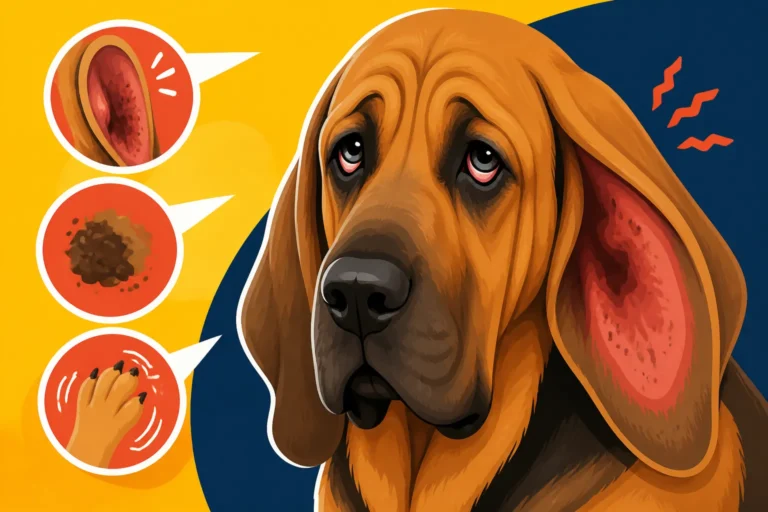
Bloodhounds are predisposed to ear infections due to the structure of their ears. Their long, pendulous ear leather hangs close to their head, trapping warmth and moisture, and limiting airflow to the ear canal. This creates an ideal environment for bacteria and yeast to flourish. Even with a snood keeping their ears out of food and debris, regular cleaning and inspection are non-negotiable. You should be checking your Bloodhound's ears almost daily for any signs of redness, swelling, discharge, or an unpleasant odor.
A weekly cleaning routine, even if their ears appear clean, is highly recommended. Use a vet-approved ear cleaning solution designed for dogs, following the instructions carefully. What to Clean a Bloodhound's Ears With is an important consideration, as human products or harsh chemicals can do more harm than good. Gently wipe the visible parts of the ear, and use the solution to flush the canal, massaging the base of the ear to help break up wax and debris. After cleaning, ensure the ears are thoroughly dried, as leaving moisture behind can negate your efforts and actually promote infection. Consistency here is key to preventing the buildup that leads to those frustrating and painful ear infections.
Recognizing Signs of Ear Problems
As a Bloodhound owner, becoming intimately familiar with what a healthy ear looks and smells like is paramount. Any deviation should trigger a closer inspection and potentially a call to your veterinarian. Ignoring early signs of an ear problem can lead to a minor irritation escalating into a severe, painful infection that is much harder and more costly to treat.
Here are some common signs of ear problems to watch for:
- Persistent Scratching or Pawing: If your Bloodhound is constantly scratching at its ears or rubbing its head against furniture, it's a strong indicator of discomfort.
- Head Shaking: More than an occasional shake, vigorous or frequent head shaking can mean something is irritating the ear canal.
- Redness or Swelling: Inspect the inside of the ear flap and the opening of the ear canal for any abnormal redness or swelling.
- Discharge: Healthy ears should be relatively clean. Any brown, black, yellow, or bloody discharge is a red flag.
- Odor: A healthy ear has a mild, clean smell. A strong, yeasty, or foul odor is a definite sign of infection.
- Pain or Sensitivity: If your Bloodhound yelps or pulls away when you touch its ears, it's likely experiencing pain.
- Crusts or Scabs: These can indicate irritation, scratching, or even a more severe skin condition.
If you observe any of these symptoms, don't delay in contacting your vet. Early intervention is crucial for effective treatment and preventing chronic issues. Remember, your Bloodhound relies on you to notice these subtle changes, as they can't tell you directly when their ears hurt.
Veterinary Check-ups and Professional Advice
Even with diligent at-home care and snood usage, regular veterinary check-ups are essential for a Bloodhound's overall ear health. Your vet can perform a thorough otoscopic exam, looking deep into the ear canal for issues that might not be visible to the naked eye, such as polyps, foreign bodies, or deep-seated infections. They can also take samples for cytology to determine the specific type of infection (bacterial, yeast, or both) and prescribe the most effective medication.
Don't hesitate to seek professional advice if you're struggling with persistent ear issues or are unsure about your cleaning technique. Your vet can demonstrate the correct way to clean your Bloodhound's ears and recommend specific products best suited for your dog's individual needs. They can also offer guidance on potential underlying issues, such as allergies, which often manifest as chronic ear infections in Bloodhounds. Ultimately, a proactive approach that combines snood use, consistent at-home care, and regular veterinary oversight is the best strategy for keeping your Bloodhound's magnificent ears healthy and happy for a lifetime.
| Feature | Snood | Regular Dog Hat | Scarf |
|---|---|---|---|
| Primary Purpose | Contain and protect long ears | Head covering, sometimes ear holes | Neck warmth/decoration |
| Ear Protection | Excellent, fully encloses and lifts ears | Minimal, ears often exposed below | Poor, easily dislodged, not designed for ears |
| Material Typically | Stretchy, breathable cotton/fleece | Various, sometimes thicker/less flexible | Varied, often woven/less stretchy |
| Fit | Snug over head and neck, secures ears | Sits on head, may have ear holes | Tied around neck, often loose |
| Mess Prevention | Highly effective for food/water, drool sling | Minimal | Minimal |
| Outdoor Debris | Highly effective barrier | Little to no protection | Minimal protection |
| Comfort for Ears | Designed for ear comfort, keeps them flat | Can rub ears if ill-fitting or too tight | Can bunch or fall, less secure |
| Maintenance | Machine washable, often quick-dry | Varies by material | Varies by material |
Disclaimer
This article is for general informational purposes only and does not constitute professional advice. Laws, prices and regulations vary by location and change over time. Consult a qualified professional for guidance on your specific situation.