Which Bowl Shape Keeps a Bloodhound’s Ears Out
Anyone who's ever shared their home with a magnificent Bloodhound knows the unique challenge that comes with those gloriously long, pendulous ears. They're part of what makes our hounds so distinctive and endearing, but at mealtime, they quickly become an inconvenient, messy, and even unsanitary problem. This guide is all about tackling that specific frustration, exploring how different bowl shapes can help keep those beautiful ears out of the food and water, improving hygiene and preventing potential health issues.
The Unique Challenge of Bloodhound Ears at Mealtime
Bloodhound ears are truly a marvel of nature, designed perfectly for scent work, sweeping ground odors towards their incredible noses. But what's a fantastic adaptation in the field becomes a real head-scratcher when it's time to eat or drink. Owners quickly discover that those long, heavy ear leathers are magnets for whatever is in the bowl, leading to daily cleanups and constant worry.
Why Traditional Bowls Fail Our Hounds
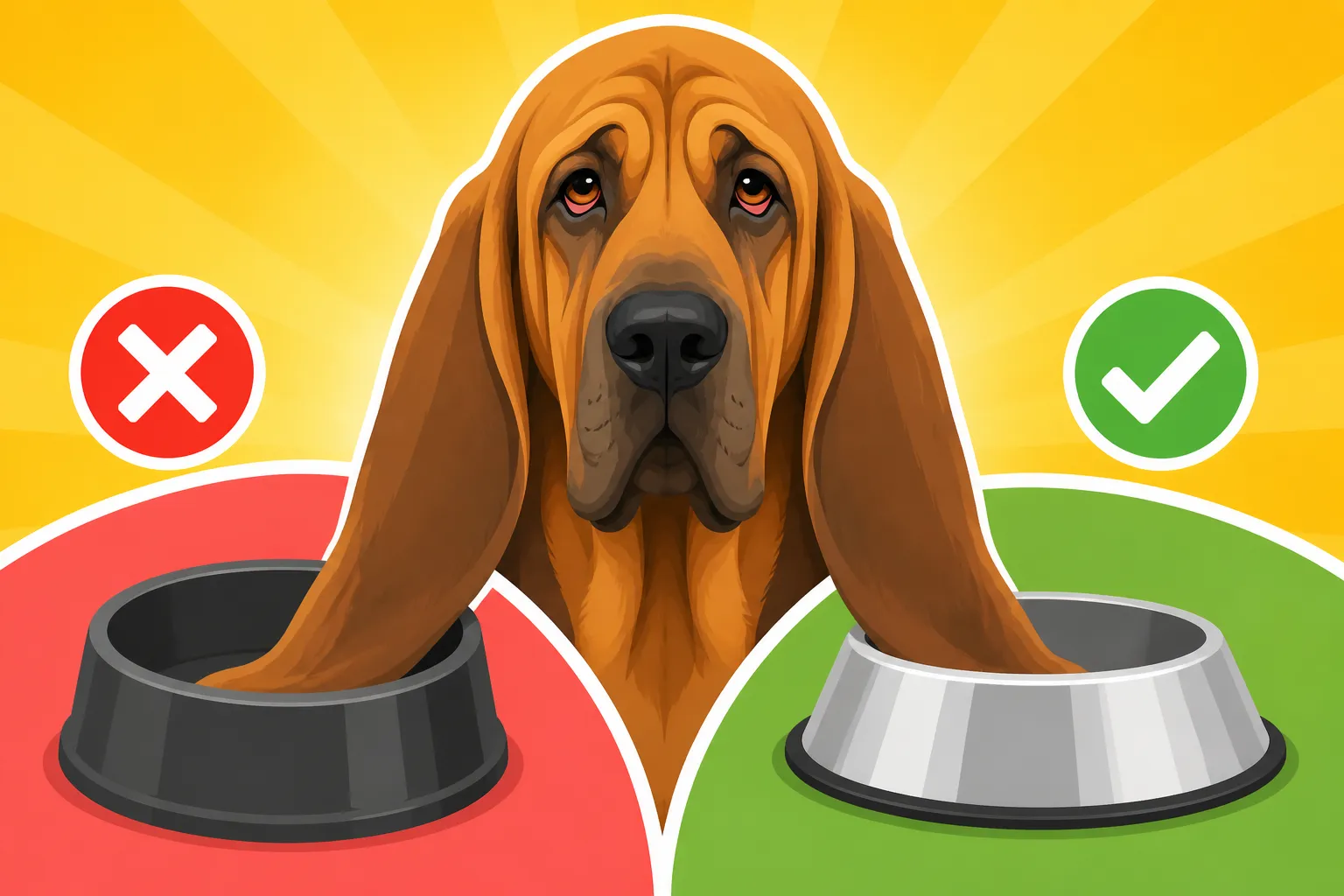
Think about a standard, wide-mouthed dog bowl. It’s perfectly fine for many breeds, but for a Bloodhound, it's essentially a giant ear-dip. As soon as your hound lowers their head to eat or drink, those long, heavy ears swing forward and often land right in the kibble, the gravy, or the water. It’s not just a little dip; often, the entire lower half of the ear leather, with its delicate skin and intricate folds, becomes soaked or coated. This isn't just an occasional occurrence; it's every single meal, every single drink, every single day. The sheer physics of it mean that flat, wide bowls are simply not compatible with a Bloodhound's anatomy.
What makes it worse is the hound's complete obliviousness. They're so focused on their food that they don't seem to notice or care that their ears are swimming. They'll lift their head, slinging water and food bits everywhere, and then go about their day with wet, food-caked ears. It's a frustrating cycle for us humans, constantly wiping down the floor, the walls, and, of course, the dog. This daily ritual isn't just an annoyance; it points to a deeper issue regarding their comfort and health.
The Health Risks of Wet and Dirty Ears
Beyond the obvious mess, wet and dirty Bloodhound ears pose significant health risks. Those long, heavy ear flaps already create a warm, moist, and poorly ventilated environment perfect for bacteria and yeast to thrive. When you add food debris and constant dampness from water bowls, you're essentially creating a petri dish. This makes our hounds incredibly prone to ear infections, which are painful, persistent, and expensive to treat. A Bloodhound's Ears Are a Standing Infection Risk is a reality that every Bloodhound owner quickly becomes familiar with.
An ear infection can manifest as redness, itching, a foul odor, and constant head shaking or pawing at the ears. Left untreated, these can become chronic, leading to severe discomfort and even permanent damage to the ear canal. The moisture from food and water also softens the delicate skin, making it more susceptible to irritation and inflammation, creating a vicious cycle of itch-scratch-infection. This isn't just about appearance; it's about the literal well-being of our beloved companions.
The Mess Factor: Beyond Just the Ears
Let's be honest: Bloodhounds are masters of mess, and their ears contribute significantly to the chaos, especially around the feeding area. When those soaked or food-laden ears flop out of the bowl, they spread their contents far and wide. You'll find water drips across the kitchen floor, crumbs stuck to furniture, and sometimes even bits of kibble adhered to their jowls and dewlaps. It’s not just the ears themselves that are the problem; it’s the entire circumference of the hound’s head becoming a mobile dispenser of mealtime remnants.
This constant spillage means more than just a quick mop-up. It can attract pests, create slippery hazards, and simply make your home feel less clean. The distinctive odor that Bloodhounds can carry is often exacerbated by food residue and moisture trapped in their facial folds and ears. It's a daily battle to keep their feeding area hygienic, and it's a battle that can feel overwhelming when using a traditional bowl that actively works against your efforts. Investing in tools and strategies to mitigate this mess is not just for your sanity, but for the overall cleanliness and comfort of your home.
Exploring Different Bowl Designs for Bloodhounds
Thankfully, clever dog product designers have recognized the unique needs of long-eared breeds like our Bloodhounds. There’s a whole world of specialized bowls out there, designed specifically to keep those precious ears from dragging through their dinner or soaking up their water. It’s about choosing a design that works with your Bloodhound's anatomy, not against it.
Narrow and Deep Bowls: The Ear-Friendly Solution
The most common and often most effective solution for Bloodhound ears is the narrow and deep bowl, sometimes affectionately called a "spaniel bowl" or "basset hound bowl" due to its popularity among similar breeds. These bowls are designed with a much smaller diameter opening at the top, while still maintaining sufficient depth to hold a good amount of food or water. The narrow opening prevents the ears from easily falling into the contents as the dog lowers their head. Instead, the ears naturally fall to the outside of the bowl, staying clean and dry.
This design is a game-changer. Imagine your Bloodhound approaching the bowl; instead of their ears drooping into the food, the sides of the narrow bowl effectively "push" them back and out of the way. It’s a simple concept but incredibly effective. You can find these specialized bowls from many online retailers like Chewy and Amazon, often made from various materials to suit your preference. When choosing one, make sure it's stable and heavy enough not to be easily tipped over by an enthusiastic eater, and consider one with sloped sides for easier access to the food at the bottom.
Elevated Bowls: Supporting Posture and Reducing Neck Strain
While not strictly an "ear-keeping-out" solution on their own, elevated bowls can be a fantastic complementary tool, especially when paired with a narrow, deep insert. Elevated feeders raise the bowl off the floor, bringing it up to a more comfortable height for your Bloodhound. For large breeds, eating from a raised position can reduce strain on their neck and joints, potentially improving digestion.
Many elevated feeders come with standard bowl inserts, but you can often replace these with a narrow, deep bowl that fits the stand. This combination provides the best of both worlds: the ear protection of the narrow design and the ergonomic benefits of an elevated feeding position. Some owners even argue that elevated feeding might play a role in reducing the risk of bloat, a serious concern for deep-chested breeds like Bloodhounds, though opinions vary on this topic. Whether a Raised Bowl Is Right for a Bloodhound is a decision many owners consider carefully. If you're looking for an elevated feeder, make sure it's sturdy and has a non-slip base, as an excited Bloodhound can still manage to move things around!
Slow Feeder Bowls: Managing Enthusiasm and Ear Health
Bloodhounds, like many hounds, can be incredibly enthusiastic eaters. They often gulp down their food at lightning speed, which can contribute to digestive issues and, unfortunately, can also make the ear-in-the-food problem even worse. A dog eating too fast is less likely to be careful about their ear placement, plunging their head deep into the bowl with gusto. This is where slow feeder bowls come into play.
Slow feeder bowls feature ridges, mazes, or pillars within the bowl that force your dog to eat around obstacles, significantly slowing down their mealtime. While their primary purpose is to prevent rapid ingestion, they can indirectly help with ear hygiene by making your Bloodhound take their time. A slower eating pace might lead to more mindful head positioning, reducing the chances of their ears landing in the food. You can find slow feeders in various shapes, so look for one that also incorporates a narrower, deeper design to maximize ear protection. Combining a narrow, deep slow feeder with an elevated stand could be the ultimate mealtime setup for your Bloodhound, addressing multiple issues at once.
Beyond Bowl Shape: Other Strategies for Keeping Ears Clean
While the right bowl shape is paramount, it's not the only trick in the Bloodhound owner's playbook. Sometimes, even with the best bowl, a particularly enthusiastic eater or drinker might still manage to get a wet ear. That's where other clever accessories and routines come into play, offering additional layers of protection and hygiene.
The Mighty Snood: A Fashion Statement and Functional Tool
If you've spent any time in Bloodhound owner groups, you've likely seen pictures of hounds sporting stylish fabric tubes over their heads while eating. This isn't just for cuteness; it's a "snood," and it's a lifesaver for keeping ears clean and dry. A snood is essentially a fabric tube or cowl that you slip over your Bloodhound's head, gathering their long ears neatly inside and holding them securely out of the way.
Snoods are incredibly effective. They protect the ears from food, water, dirt, and even burrs or foxtails when you’re out on a trail. They come in various materials, from breathable cotton for everyday use to waterproof fabrics for messy meals or outdoor adventures. Many Bloodhounds quickly learn to tolerate, and even enjoy, wearing their snood because it's associated with positive things like mealtime or going for a walk. You can find a wide selection of snoods on Chewy or Amazon, often handcrafted by small businesses specializing in hound accessories. For more insights, check out What a Snood Does for a Bloodhound and Whether a Bloodhound Tolerates Wearing a Snood.
Regular Ear Cleaning and Maintenance
Even with the perfect bowl and a trusty snood, regular ear care is non-negotiable for a Bloodhound. Their anatomy almost guarantees that moisture and debris will find their way into the ear canal, regardless of how careful you are with feeding. Therefore, establishing a consistent ear cleaning routine is crucial for preventing infections. How Often a Bloodhound's Ears Need Cleaning is often weekly, sometimes more if they're particularly prone to issues or have been swimming.
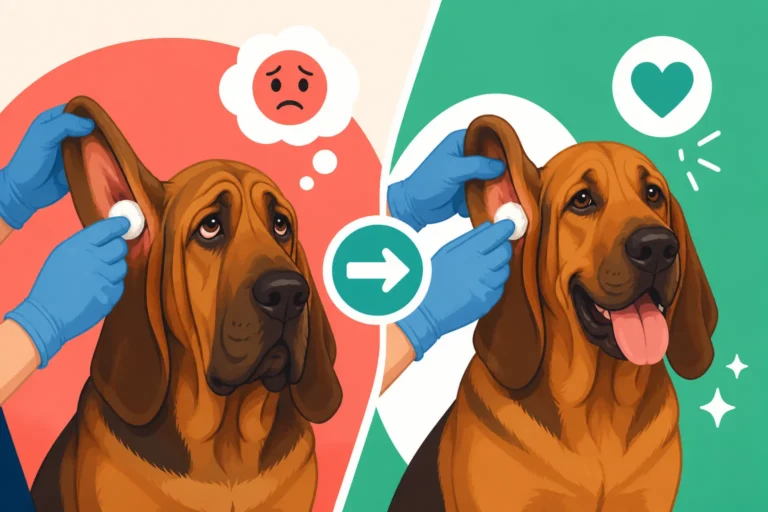
You'll need a vet-approved ear cleaning solution and plenty of cotton balls or gauze. Gently lift the ear flap and squeeze the solution into the ear canal, massaging the base of the ear to help break up any wax or debris. Then, use the cotton to wipe away any discharge or dirt from the visible parts of the ear. Never use cotton swabs deep inside the ear, as this can push debris further in and damage the delicate ear canal. It’s a process that both you and your Bloodhound will get used to, and it’s one of the most important things you can do to maintain their health. Remember, Cleaning a Bloodhound's Ears Every Week for Life is a commitment you make when you welcome one of these amazing hounds into your family.
Managing Drool and Post-Meal Drips
Let's face it: Bloodhounds drool. It's part of their charm, or at least, part of the reality of living with them. And when their ears get wet, or their jowls are covered in food, that drool and mess can be flung far and wide. While bowl shape and snoods tackle the initial problem, managing the aftermath is a separate but equally important strategy. Keeping a stack of dedicated "hound towels" or washcloths handy in various rooms is a must. You'll use them to wipe faces, jowls, and ears after meals or drinks, especially before your hound decides to give their head a good shake.
Consider waterproof mats under their food and water bowls. These catchment areas can save your floors and reduce the overall cleaning burden. You might also want to establish a post-meal routine where your Bloodhound gets a quick "face and ear wipe" before being allowed to roam freely. This not only cleans them up but can also prevent them from rubbing their damp, food-stained ears on your furniture or bedding. While it adds a few extra minutes to your day, it dramatically cuts down on the constant battle against mess and ensures your Bloodhound is more comfortable and hygienic.
Choosing the Right Bowl Material and Size
Once you've settled on the ideal shape for your Bloodhound's ears, you still have some important decisions to make regarding the bowl itself. The material it's made from and its overall size play crucial roles in hygiene, durability, and your hound's comfort. It's not just about aesthetics; these practical considerations directly impact your daily routine and your Bloodhound's health.
Material Matters: Stainless Steel, Ceramic, or Plastic?
When it comes to dog bowls, you'll generally find three main materials:
-
Stainless Steel: This is often considered the gold standard for dog bowls, and for good reason. Stainless steel is incredibly durable, resistant to rust and corrosion, and most importantly, non-porous. This means it won't harbor bacteria, absorb odors, or leach chemicals into your Bloodhound's food or water. It's easy to clean, often dishwasher-safe, and generally lasts a lifetime. The only potential downside is that some dogs don't like the metallic clang if they push it around, but a good non-slip base can mitigate this. You can easily find narrow, deep stainless steel bowls from retailers like Chewy.
-
Ceramic: Ceramic bowls can be beautiful and heavy, making them stable and less likely to be pushed around by an eager Bloodhound. They are also non-porous when properly glazed, meaning they can be quite hygienic. However, ceramic is brittle and can chip or break if dropped. A chipped bowl can expose porous material underneath, becoming a breeding ground for bacteria. Plus, broken ceramic can be sharp and dangerous. If you choose ceramic, ensure it's a high-quality, lead-free glaze and inspect it regularly for chips or cracks.
-
Plastic: Plastic bowls are generally the most affordable and lightweight option. However, they are often porous and can develop tiny scratches over time, even with regular washing. These scratches are perfect hiding spots for bacteria and can be difficult to sanitize properly. Over time, plastic can also absorb odors and may leach chemicals, especially if used for warm food or left in the sun. While convenient, plastic is generally not recommended for long-term use, particularly for a breed like the Bloodhound that is prone to skin and ear issues, where hygiene is paramount. If you must use plastic, replace them frequently and wash them thoroughly after every meal.
| Bowl Material | Pros | Cons | Ear Hygiene Score |
|---|---|---|---|
| Stainless Steel | Durable, non-porous, hygienic, easy to clean | Can be noisy, some cheaper options might be thin | Excellent |
| Ceramic | Heavy, stable, aesthetically pleasing | Brittle, can chip/break, heavier to lift/clean | Good (if unchipped) |
| Plastic | Inexpensive, lightweight | Porous, scratches harbor bacteria, can leach chemicals | Poor |
Sizing Up Your Bloodhound's Bowl Needs
The size of the bowl matters for a Bloodhound. They are large dogs, and they need a bowl that can hold a sufficient amount of food for their meals, which can be considerable, especially if you're splitting their daily ration into multiple portions to help prevent bloat. How Many Meals a Day a Bloodhound Should Eat is often two or three, meaning the bowl needs to accommodate one of those portions comfortably. A bowl that's too small will require refills mid-meal, interrupting their eating and potentially increasing the mess.
For water, an even larger capacity is often beneficial. Bloodhounds drink a lot, and you want to ensure they always have access to fresh water. A large water bowl means fewer refills for you throughout the day. When considering narrow and deep bowls, make sure the depth is adequate for their snout but not so deep that they struggle to reach the bottom without excessive effort. Always prioritize a size that allows them to eat or drink comfortably without straining or making extra work for themselves.
Ensuring Stability and Ease of Cleaning
A Bloodhound's mealtime can be an enthusiastic affair. They push, they sniff, they might even lean on the bowl with their massive heads. A flimsy, lightweight bowl will be easily tipped over, creating more mess and frustration. Look for bowls with a wide, stable base, or those made from heavier materials like good quality stainless steel or ceramic. Non-slip rubber rings on the bottom are a fantastic feature, preventing the bowl from sliding across the floor and reducing noise.
Ease of cleaning is another critical factor. You'll be washing these bowls daily, sometimes multiple times a day. Bowls with smooth surfaces and minimal crevices are much easier to clean thoroughly, which is essential for preventing bacterial buildup. Dishwasher-safe options are a huge time-saver. Consider how easily you can get your hand or a sponge into the bowl to scrub it out. Investing in bowls that are both stable and simple to keep sparkling clean will save you a lot of headache in the long run and contribute significantly to your Bloodhound's overall hygiene.
The Lifelong Commitment to Bloodhound Ear Care
Owning a Bloodhound isn't just about sharing your home with an incredible scent hound; it's also about embracing a unique set of care requirements, especially when it comes to those iconic ears. From puppyhood through their senior years, their ears will need consistent, diligent attention. It's a journey, not a sprint, and understanding this commitment from the outset will make you a more prepared and happier Bloodhound owner.
Starting Ear Care Early: The Puppy Advantage
The best time to introduce your Bloodhound to ear care is when they are a puppy. Young puppies are typically more adaptable and less resistant to new experiences. Start with gentle touches and handling of their ears, making it a positive experience with lots of praise and treats. Gradually introduce the ear cleaning solution and cotton balls, performing short, non-threatening sessions. The goal is to make ear cleaning a normal, even pleasant, part of their routine, rather than a battle.
By establishing this routine early, you're not just getting them used to the physical act of cleaning; you're building trust and cooperation. A puppy that learns to tolerate, or even enjoy, having its ears handled will be much easier to manage as an adult, especially if an ear infection ever does crop up and requires more intensive treatment. It might seem like a small detail in those adorable puppy months, but this foundation will pay dividends for the rest of their lives, saving both of you stress and discomfort.
Recognizing the Signs of Trouble
Despite your best efforts with specialized bowls and regular cleaning, Bloodhound ears are still susceptible to issues. Knowing the signs of an impending ear infection or irritation can help you catch problems early, leading to quicker treatment and less suffering for your hound. The moment you notice something seems off, it's time to act.
Look for a variety of indicators:
- Persistent Head Shaking: This is often the first and most obvious sign. Your Bloodhound might shake their head vigorously, much more than normal.
- Excessive Scratching: They may paw at their ears or rub their head along furniture or the ground in an attempt to relieve an itch.
- Redness or Swelling: Lift their ear flap and inspect the inner ear. Is it redder than usual, swollen, or inflamed?
- Discharge: Is there a brown, yellow, or black discharge? Is it watery, waxy, or pus-like?
- Foul Odor: A healthy Bloodhound ear should have a neutral smell. A strong, yeasty, or unpleasant odor is a clear red flag.
- Pain or Sensitivity: Do they react negatively when you touch their ears? Do they whine or pull away?
If you notice any of these signs, don't wait. Consult your veterinarian right away. Early intervention is key to preventing minor irritations from escalating into severe, chronic infections that are much harder to resolve. Signs a Bloodhound's Ear Is Infected details these indicators, emphasizing the importance of prompt veterinary attention.
The Long-Term Impact on Your Bloodhound's Well-being
The commitment to consistent ear care, from choosing the right bowls to daily cleaning and vigilance, has a profound long-term impact on your Bloodhound's quality of life. Healthy ears mean a happier, more comfortable dog. When their ears are free from irritation and infection, they can focus on what they do best: sniffing, exploring, and being your loyal companion. Chronic ear problems can lead to persistent pain, hearing loss, and a generally miserable existence for your hound.
By proactively managing their ear health, you're investing in their overall well-being and extending their healthy years. It also means fewer expensive vet visits for recurring infections, less stress for both of you, and more enjoyment of your time together. The iconic, floppy ears are a defining feature of the Bloodhound; it's our responsibility as their owners to ensure these magnificent ears are cared for with the attention they deserve throughout their lives. It's a small effort for a lifetime of comfort and companionship.
Practical Accessories and Solutions for Bloodhound Ear Hygiene
Beyond the primary bowl choice, there are several practical accessories and solutions that Bloodhound owners swear by to keep those ears immaculate. These tools don't replace the right bowl or regular cleaning, but they definitely make life easier and more hygienic for everyone involved. Investing in these items can turn the daily ear-care challenge into a manageable routine.
Dedicated Cleaning Supplies
Having the right cleaning supplies readily available is half the battle. You don't want to be scrambling when you notice a damp, food-stained ear. Stock up on a high-quality, vet-approved ear cleaning solution. Many come with an applicator tip that makes it easy to dispense the liquid into the ear canal without waste. You'll also need plenty of soft, absorbent materials for wiping. Large cotton balls, makeup remover pads (the large, round ones), or even soft gauze squares work well. Avoid anything too fibrous that might leave lint behind.
For tough jobs, or simply for quick clean-ups after a particularly messy meal, consider pet-specific wipes that are safe for use on skin folds and ears. These can be a convenient way to remove surface grime and moisture. Some owners even keep a small, soft towel specifically for wiping down ears and jowls after every meal. Think of it as having a designated "ear station" in your home, equipped with everything you need for quick, effective clean-ups. You can find many excellent options for ear cleaners and wipes on Amazon or Chewy.
Specialized Feeding Mats and Water Bowls
We’ve talked about bowl shapes, but let’s not forget the importance of what goes under those bowls. A good feeding mat is essential for catching spills, drips, and flung food bits that inevitably escape even the most perfectly shaped bowl. Look for mats with raised edges to contain liquids and a non-slip backing to keep everything in place. Silicone mats are popular because they’re easy to wipe down or rinse off, and they resist odors.
For water, some Bloodhound owners find even narrow, deep bowls can lead to a lot of drool-slinging. Consider specialized water bowls that restrict how much water your dog can scoop up at once. These might have a floating disk or a very small drinking aperture. While they require a bit more effort for the dog to drink, they can drastically cut down on the amount of water spread around your home. Some Bloodhounds learn to master these quickly, while others might prefer a traditional, narrow, deep bowl for water and require more frequent mopping. It's about finding what works best for your individual hound and your living situation.
Regular Health Checks and Vet Visits
Finally, no amount of at-home care can replace the professional eye of a veterinarian. Regular check-ups are vital for monitoring your Bloodhound's overall health, and their ears should always be a focal point of these examinations. Your vet can spot subtle signs of trouble that you might miss, deep within the ear canal, and can address issues before they become severe. They can also recommend specific cleaning solutions or prescribe medicated drops if your Bloodhound is prone to particular types of infections, like yeast or bacteria.
Don't hesitate to reach out to your vet if you have any concerns between scheduled appointments. Even seemingly minor issues with their ears can escalate quickly. Think of your vet as your partner in maintaining your Bloodhound's health. By combining your daily diligence with their professional expertise, you give your Bloodhound the best chance at a life free from chronic ear discomfort. This holistic approach ensures that their unique anatomy, including those wonderful, long ears, remains a source of charm, not a source of pain or frustration.
Disclaimer
This article is for general informational purposes only and does not constitute professional advice. Laws, prices and regulations vary by location and change over time. Consult a qualified professional for guidance on your specific situation.